2ACP4SPBT16Bluetooth Speaker
Sentry Industries limited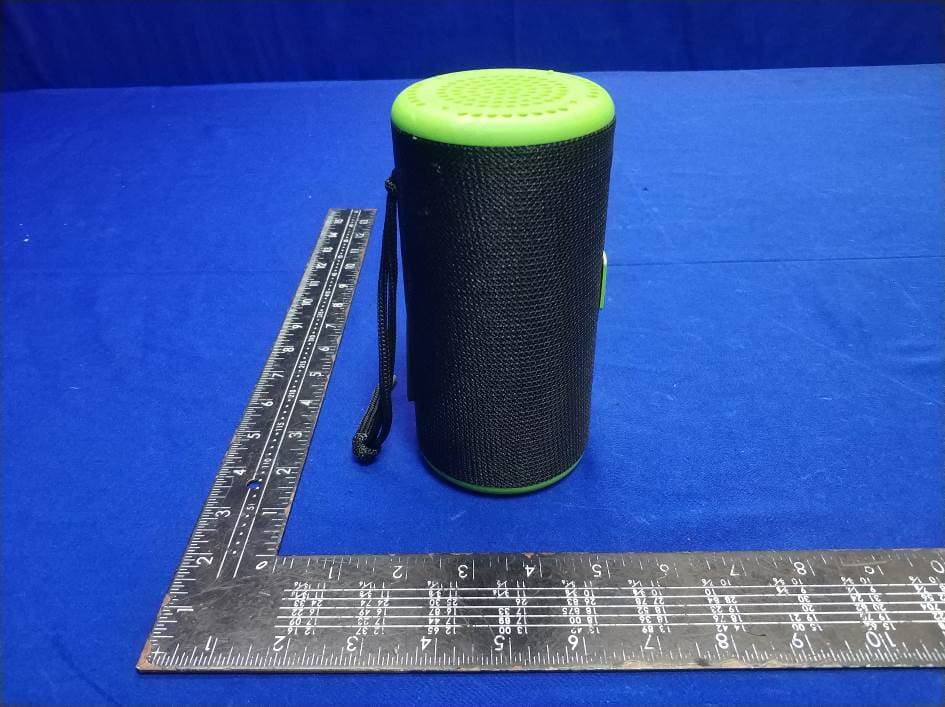
Click to zoom
Application Details
- Equipment Class
- DSS - Part 15 Spread Spectrum Transmitter
- Date of Grant
- Jul 08, 2020
- Application Purpose
- Original Equipment
- Date of Application
- Jul 08, 2020
- Equipment Note
- Bluetooth Speaker
- Frequency Range
- 2402.00000000 - 2480.00000000
- Company
- Sentry Industries limited
- Country
- China
Documents & Files
Document Text
Text extracted from the exhibit documents filed with the FCC. Open a document above to read the original.
Users Manual
BC Specifications Loudspeaker: 4Ω 5W*2 Built-in Power:3.7V/1200mA Speaker Dimension:52mm Charging: DC5V/500mA 2ACP4SPBT16
Cover Letter(s)
Sentry Industries limited Federal Communications Commission Authorization and Evaluation Division Confidentiality Request regarding application for certification of FCC ID: 2ACP4SPBT16 Pursuant to Sections 0.457 and 0.459 of the Commission’s Rules, we hereby request confidential treatment of information accompanying this application as outlined below: Exhibit Type File Name Block Diagram, Schematics, Operational Description, Block Diagram Operation Description schematic diagram The above materials contain trade secrets and proprietary information not customarily released to the public. The public disclosure of these materials may be harmful to the applicant and provide unjustified benefits to its competitors. Sincerely, Peetu Melwani/Manager Sentry Industries limited Rev 11/20/07
Cover Letter(s)
Declaration on model difference We the undersigned hereby confirm that any of our production units bearing the following model numbers are identical in circuitry and electrical, mechanical and physical construction; the only differences are the model name for trading purpose. FCC ID: 2ACP4SPBT16 Production name Trade name Model no. Bluetooth Speaker N/A TD-SPBT16, SPBT16. TD-SPBT16 followed by five characters Confirmed by Sentry Industries limited Peetu Melwani/Manager Sentry Industries limited Date: 2020-07-07
Cover Letter(s)
MET INDUSTRIAL LTD Federal Communications Commission Authorization and Evaluation Division 1435 Oakland Mills Road Columbia, MD 21046 Date: 2020-07-07 SUBJECT: FCC Application for FCC ID: 2ACP4SPBT16 To Whom It May Concern: We, the undersigned, hereby authorize Lisa Wang at EMTEK (SHENZHEN) CO., LTD.on our behalf, to apply to the Federal Communications Commission on our equipment. Any and all acts carried out byEMTEK (SHENZHEN) CO., LTD.on our behalf shall have the same effect as acts of our own. This is to advise that we are in full compliance with the Anti- Drug Abuse Act. We, the applicant, are not subject to a denial of federal benefits pursuant to Section 5301 of the Anti-Drug Act of 1988, 21 USC853a, and no party to the application is subject to a denial of federal benefits pursuant to that section. Regards, Peetu Melwani/Manager Sentry Industries limited
External Photos
EUT EXTERNAL PHOTOGRAPHS EUT View 1 EUT View 2 TRF NO. FCC15/A Page 1 of 3 Report No.: ES200604033W Ver.1.0 EUT View 3 EUT View 4 TRF NO. FCC15/A Page 2 of 3 Report No.: ES200604033W Ver.1.0 EUT View 5 EUT View 6 ----------------The end---------------- TRF NO. FCC15/A Page 3 of 3 Report No.: ES200604033W Ver.1.0
ID Label/Location Info
Label Label Location
Internal Photos
EUT INTERNAL PHOTOGRAPHS EUT Housing and Board View 1: EUT Housing and Board View 2: TRF NO. FCC15/A Page 1 of 2 Report No.: ES200604033W Ver.1.0 EUT Housing and Board View 3: Battery: ----------------The end---------------- BT TRF NO. FCC15/A Page 2 of 2 Report No.: ES200604033W Ver.1.0
RF Exposure Info
RF EXPOSURE EVALUATION 1. Standard Requirement According to KDB447498D01 General RF Exposure Guidance v06 Standalone SAR test exclusion considerations Unless specifically required by the published RF exposure KDB procedures, standalone 1- g head or body and 10-g extremity SAR evaluation for general population exposure conditions, by measurement or numerical simulation, is not required when the corresponding SAR Exclusion Threshold condition, listed below, is satisfied. 2. Limits The 1-g and 10-g SAR test exclusion thresholds for 100 MHz to 6 GHz at test separation distances ≤ 50 mm are determined by: [(max. power of channel, including tune-up tolerance, mW)/(min. test separation distance, mm)] .[√f(GHz)] ≤ 3.0 for 1-g SAR and ≤ 7.5 for 10-g extremity SAR, where • f(GHz) is the RF channel transmit frequency in GHz • Power and distance are rounded to the nearest mW and mm before calculation • The result is rounded to one decimal place for comparison • 3.0 and 7.5 are referred to as the numeric thresholds in the step2 below The test exclusions are applicable only when the minimum test separation distance is ≤ 50 mm and for transmission frequencies between 100 MHz and 6 GHz. When the minimum test separation distance is < 5 mm, a distance of 5 mm is applied to determine SAR test exclusion. 3. Test Result The max conducted power including tune-up tolerance is -1.094dBm(0.777mW). [(max.power of channel, mw)/(min. test separation distance, mm)][ √f(GHz)] =0.777/5*(√2.402)=0.24<3.0 Then SAR evaluation is not required
Test Report
TEST REPORT Product Name : Bluetooth Speaker Model Number : TD-SPBT16, SPBT16 FCC ID : 2ACP4SPBT16 Prepared for : Sentry Industries limited Address : 507 Houston Center, 63 Mody Road, Tst, Hong Kong China Prepared by : EMTEK (SHENZHEN) CO., LTD. Address : Building 69, Majialong Industry Zone, Nanshan District, Shenzhen, Guangdong, China Tel: (0755) 26954280 Fax: (0755) 26954282 Report Number : ES200604033W Date(s) of Tests : Jun. 10, 2020 to Jun. 24, 2020 Date of issue : Jun. 24, 2020 Report No.ES200604033W Page 1 of 58 Ver.1.0 Table of Contents 1 TEST RESULT CERTIFICATION ............................................................................................................................................ 3 2 EUT TECHNICAL DESCRIPTION ........................................................................................................................................... 5 3 SUMMARY OF TEST RESULT ................................................................................................................................................ 6 4 TEST METHODOLOGY ........................................................................................................................................................... 7 4.1 GENERAL DESCRIPTION OF APPLIED STANDARDS ................................................................................................. 7 4.2 MEASUREMENT EQUIPMENT USED ............................................................................................................................. 7 4.3 DESCRIPTION OF TEST MODES ..................................................................................................................................... 8 5 FACILITIES AND ACCREDITATIONS................................................................................................................................... 9 5.1 FACILITIES......................................................................................................................................................................... 9 5.2 LABORATORY ACCREDITATIONS AND LISTINGS .................................................................................................... 9 6 TEST SYSTEM UNCERTAINTY ........................................................................................................................................... 10 7 SETUP OF EQUIPMENT UNDER TEST ............................................................................................................................... 11 7.1 RADIO FREQUENCY TEST SETUP 1............................................................................................................................. 11 7.2 RADIO FREQUENCY TEST SETUP 2............................................................................................................................. 11 7.3 CONDUCTED EMISSION TEST SETUP ........................................................................................................................ 13 7.4 SUPPORT EQUIPMENT................................................................................................................................................... 13 8 FREQUENCY HOPPING SYSTEM REQUIREMENTS ........................................................................................................ 14 8.1 S TANDARD APPLICABLE ..................................................................................................................................................... 14 8.2 EUT PSEUDORANDOM FREQUENCY HOPPING SEQUENCE ................................................................................................... 14 8.3 E QUAL HOPPING FREQUENCY USE ..................................................................................................................................... 15 8.4 F REQUENCY HOPPING SYSTEM ........................................................................................................................................... 15 9 TEST REQUIREMENTS.......................................................................................................................................................... 16 9.1 20DB BANDWIDTH ......................................................................................................................................................... 16 9.2 CARRIER FREQUENCY SEPARATION ........................................................................................................................ 20 9.3 NUMBER OF HOPPING FREQUENCIES ....................................................................................................................... 24 9.4 AVERAGE TIME OF OCCUPANCY (DWELL TIME) ................................................................................................... 26 9.5 MAXIMUM PEAK CONDUCTED OUTPUT POWER .................................................................................................... 29 9.6 CONDUCTED SUPRIOUS EMISSION ............................................................................................................................ 33 9.7 RADIATED SPURIOUS EMISSION ................................................................................................................................ 40 9.8 CONDUCTED EMISSION TEST ..................................................................................................................................... 54 9.9 ANTENNA APPLICATION .............................................................................................................................................. 57 Report No.ES200604033W Page 2 of 58 Ver.1.0 1 TEST RESULT CERTIFICATION Applicant : Sentry Industries limited Address : 507 Houston Center, 63 Mody Road, Tst, Hong Kong China EUT : Bluetooth Speaker Model : TD-SPBT16, SPBT16 Trademark : N/A Measurement Procedure Used: APPLICABLE STANDARDS STANDARD TEST RESULT FCC 47 CFR Part 2, Subpart J FCC 47 CFR Part 15, Subpart C PA…
Text truncated - open the document above for the full version.
Test Setup Photos
TEST SETUP PHOTOGRAPHS 1.1. Photos of Radiation Emission Measurement Spurious Emission Test Setup (Below 1GHz) Spurious Emission Test Setup (Above 1GHz) 1.2. Conducted Emission Test ----------------The end----------------
Contact Information
Applicant
Peetu Melwani(Manager)
Test Firm
EMTEK (Shenzhen) Co., Ltd.Lisa Wang
[email protected]86 755 26954280
Technical Specifications
| # | Rule Parts | Frequency Range | Power Output |
|---|---|---|---|
| 1 | 15C | 2.40 GHz - 2.48 GHz | 800.00 µW |
Other Applications from Sentry Industries limited
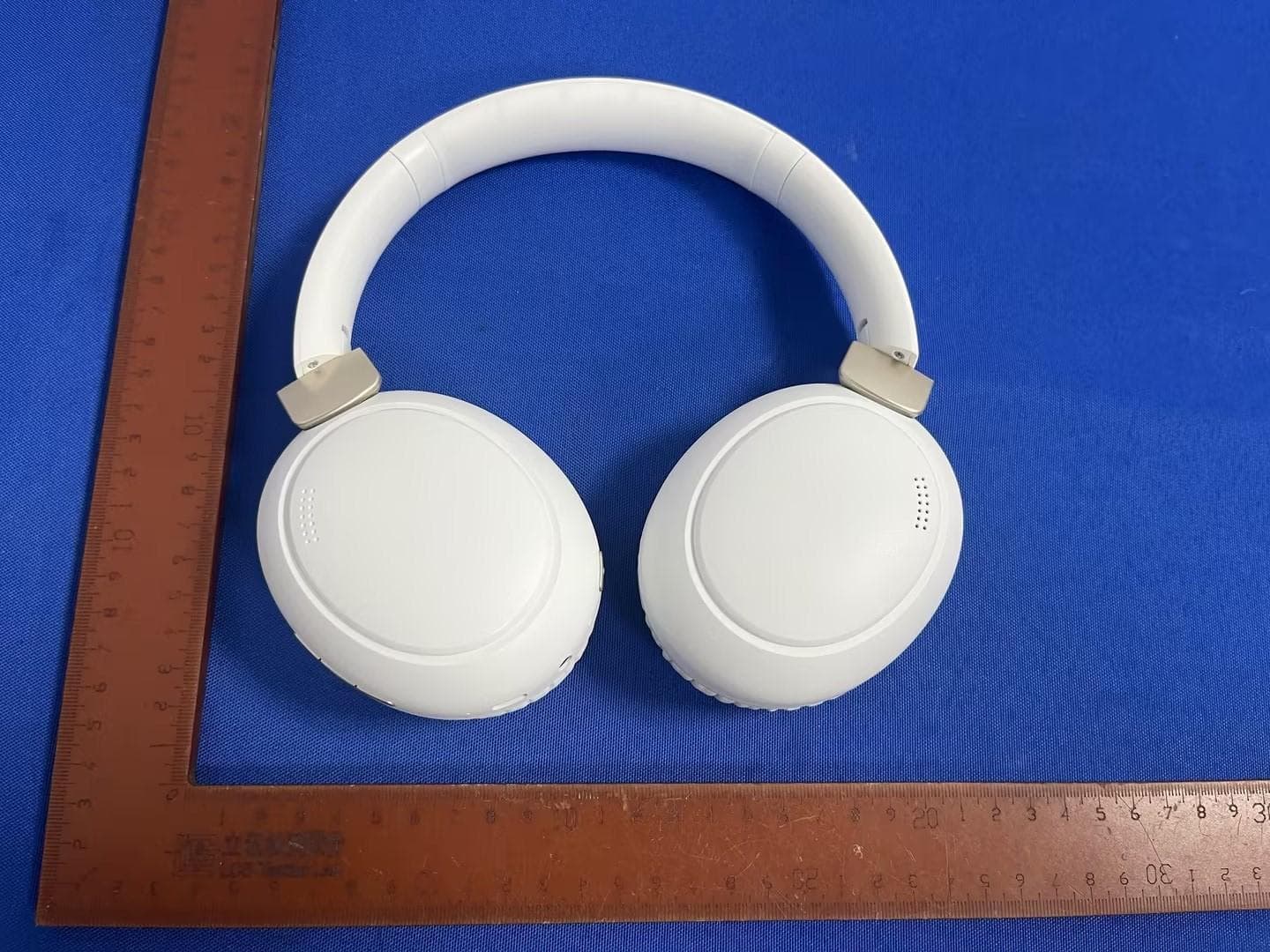
2ACP4BTA2000
Oct 13, 2024Bluetooth Headphone
Equipment Class
DSS - Part 15 Spread Spectrum Transmitter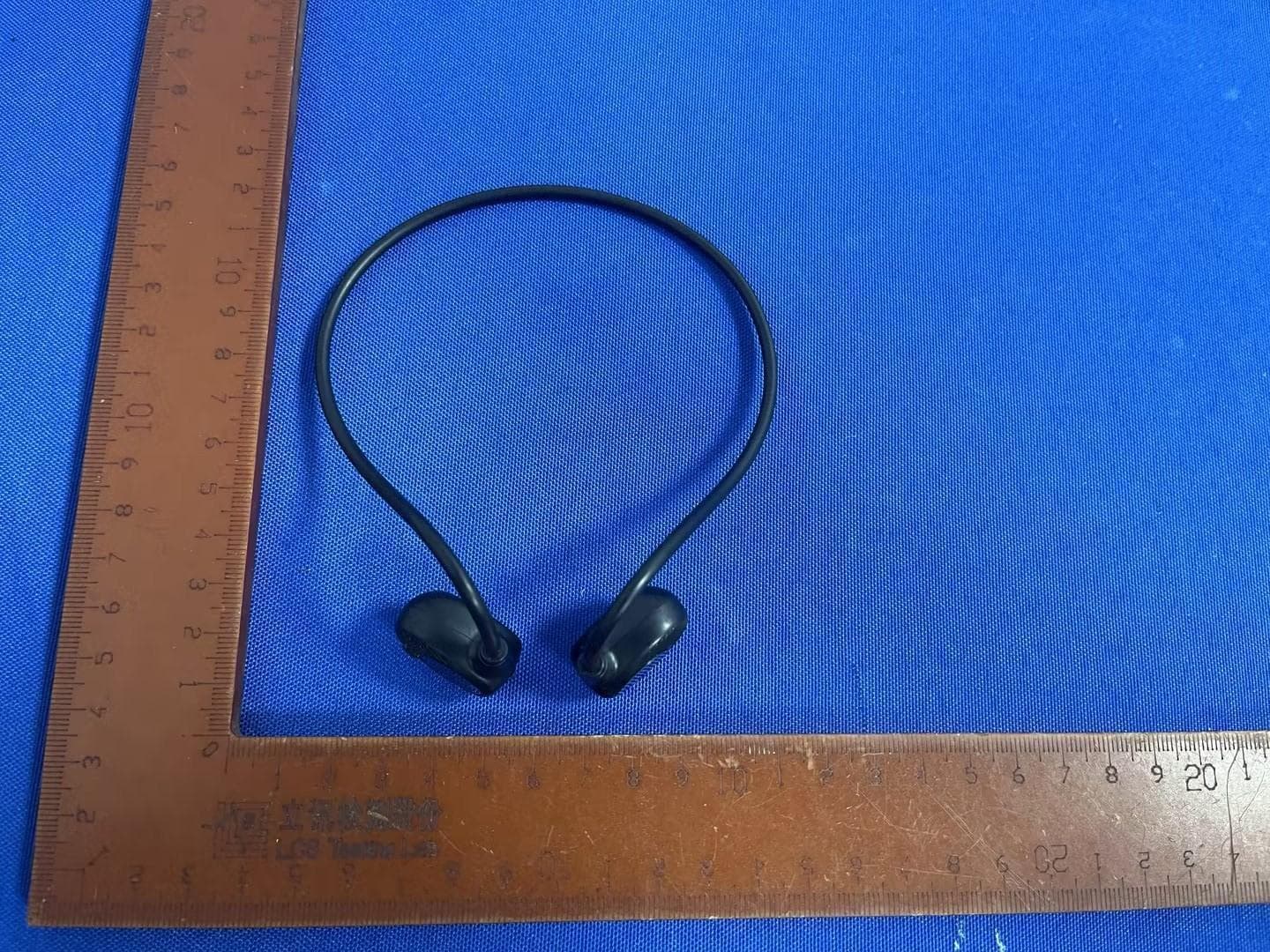
2ACP4BTO100
Oct 13, 2024Bluetooth Earbuds
Equipment Class
DSS - Part 15 Spread Spectrum Transmitter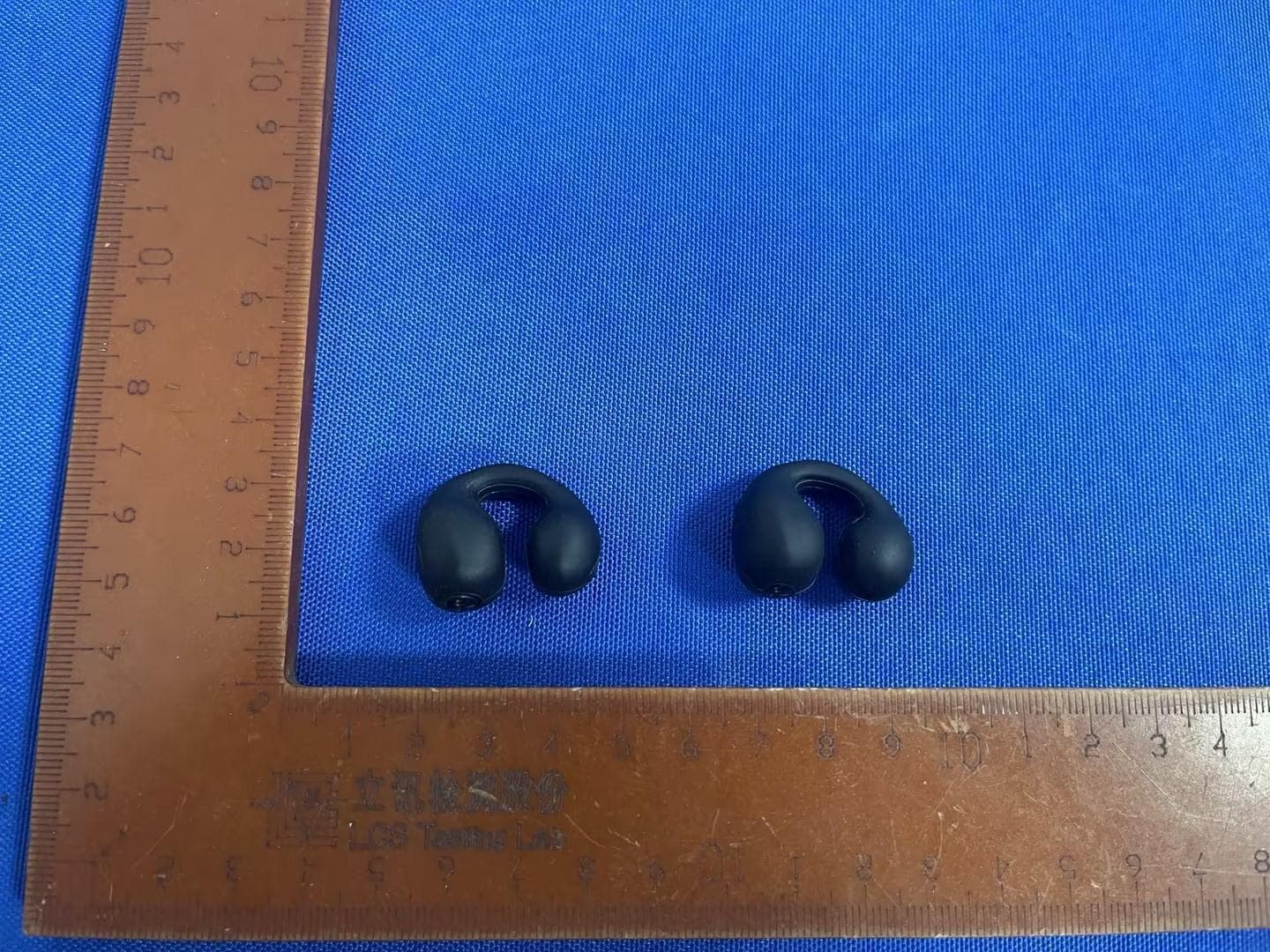
2ACP4BTO200
Oct 13, 2024Bluetooth Earbuds with charging case
Equipment Class
DSS - Part 15 Spread Spectrum Transmitter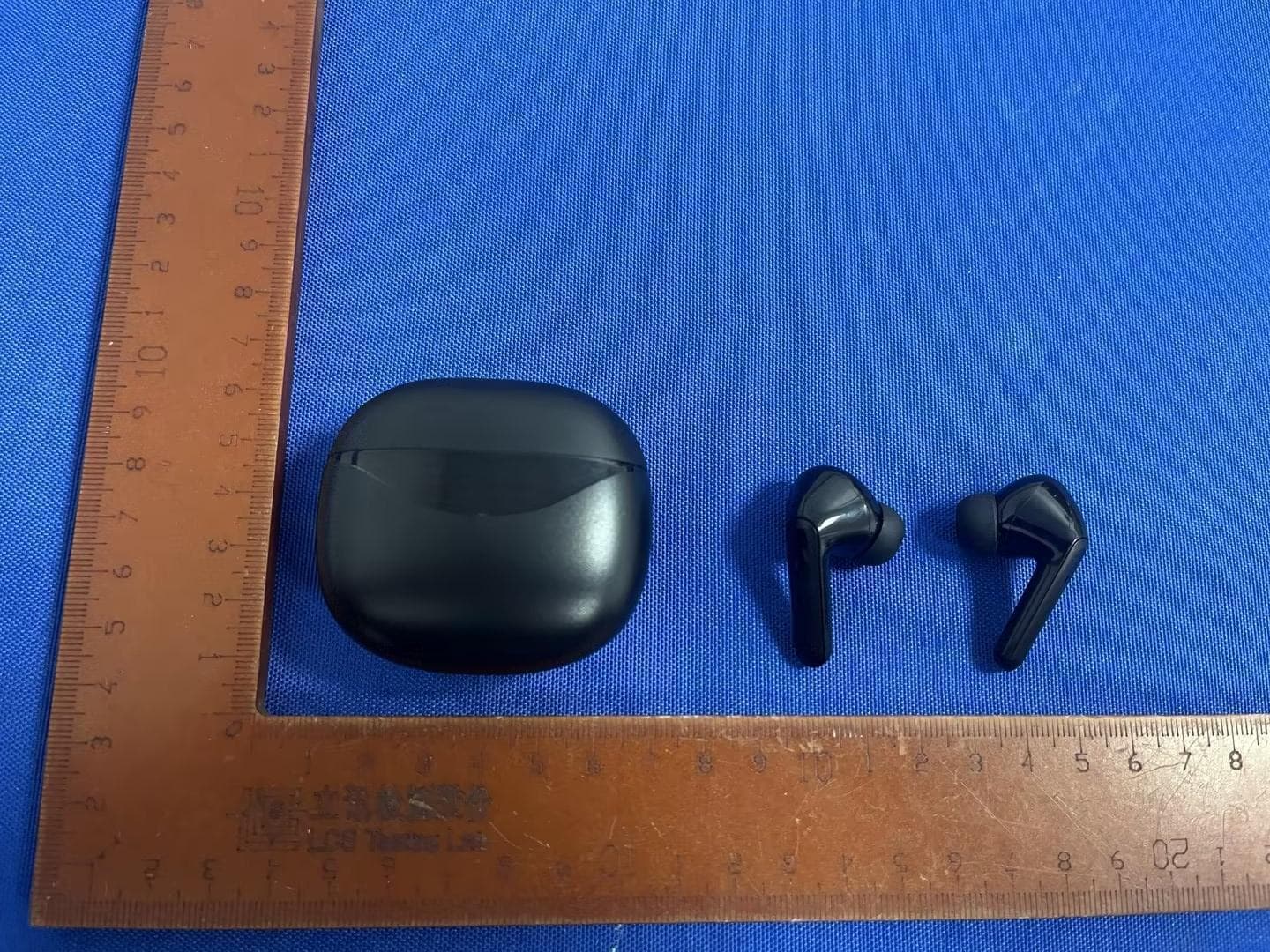
2ACP4BTA255
Oct 13, 2024Bluetooth Earbuds with charging case
Equipment Class
DSS - Part 15 Spread Spectrum Transmitter
2ACP4LBTA200
Aug 11, 2024Bluetooth EARPHONE
Equipment Class
DSS - Part 15 Spread Spectrum Transmitter