2AQ9RBH528Bluetooth Headphone
Shenzhen Elenose Technology Co. LTD
Click to zoom
Application Details
- Equipment Class
- DSS - Part 15 Spread Spectrum Transmitter
- Date of Grant
- Jan 04, 2020
- Application Purpose
- Original Equipment
- Date of Application
- Jan 04, 2020
- Equipment Note
- Bluetooth Headphone
- Frequency Range
- 2402.00000000 - 2480.00000000
- Country
- China
Documents & Files
Document Text
Text extracted from the exhibit documents filed with the FCC. Open a document above to read the original.
Users Manual
骨传导无线耳机 说明书 按键功能概述控制说明骨传导原理 1.开机/关机/音量增加 2.音量减小 3.磁吸扣合式充电口 4.LED指示灯 5.触摸多功能键:暂停/播放/接电话/挂电话/ 下一曲/语音助手 6.麦克风 开机:耳机处于关机状态,长按开机键,保持3秒, LED蓝灯闪亮,提示音: power on; 关机:耳机处于开机状态,长按开机键,保持5秒, LED红灯闪一下关机,提示音:poweroff; 链接BT:关机状态,长按开机键3秒,进入配对状 态,LED指示灯红蓝灯闪烁,耳机提示音: Pairing;设备(智能手机、平板电脑等)搜索到 BH528,点击连接; 链接成功:耳机成功连接至设备时,LED蓝灯5秒 闪一下,耳机提示音:Connected; 暂停/播放:音乐播放状态下,快速双击触摸多功 能触摸按键为暂停,再快速双击多功能触摸按键 为播放; 接听/挂断: 来电状态下:快速双击触摸多功能触摸按键为接 听,长按2秒多功能触摸按键为拒接电话; 通话状态下:快速双击多功能触摸按键为挂断; 音量增加:单击音量增加键; 音量减小:单击音量减小键; 下一曲:快速三击触摸; 语音助手:长按3秒触摸多功能触摸键进入语音模 式,再长按3秒退出; 复位:插上充电线后,耳机将会复位并关机充电; 清除配对信息:关机状态下开机键和音量减键同时 长按5秒清除配对信息 充电:使用充电线时,将耳机插入USB电源,充电 状态下,LED指示灯为红色,充电完成时,则为蓝 色; 我们听到的大部分声音,都是声波经过空气到达 耳膜,然后声波使耳膜发生震动进而将声音传至 内耳道; 另一种方式是,声波通过骨头震动直接传至内耳 而不经过耳膜,这也是人们听到自己声音的一种 方式,这种声音的传播方式就是骨传导。 骨传导直达大 脑听觉神经 空气传导 外耳道 耳膜 大脑听觉 神经 耳蜗 内耳道 佩戴说明 将耳机挂在颈后,两侧的扬声 器贴在面颊骨,调整佩戴的舒 适度 耳膜 On: When the headphone is in power-off state, press and hold power button for 3 seconds with blue LED flickering, reminding tone: power on. Off: When the headphone is in power-on state, press and hold power button for 5 seconds with red LED flickering once, reminding tone: power off. Connect BT: When the headphone is in power-off state, press and hold it for 3 seconds to enter a pairing state with red and blue LEDs flickering and reminding tone: pairing. After the device (smart phone, tablet computer, etc.) discovers BH528, press it to connect. Connected successfully: When the headphone is successfully linked to the device, blue LED will flicker every 5 seconds with reminding tone: Connected Pause/play: Double click the touch multifunctional touch button quickly to pause and repeat the same to play in the state of music playing; Answer/hang up:Double click the touch multifunctional touch button quickly to answer the call and press and hold the touch multifunctional touch button for 2 seconds to reject the call in the state of incoming call. Double click the touch multifunctional touch button quickly to hang up in call state. Vol+: Press the Vol+ once to turn up the volume. Vol-: Press the Vol- once to turn down the volume. Next: Quick triple clicks. Voice assistant: Press and hold the touch multifunctional touch button for 3 seconds to enter the voice mode, and repeat the same for 3 seconds to exit; Reset: After plugging the charging line, the headphone will be reset and powered off for charging. Clear pairing information: Press the power button and the volume off button for 5 seconds to clear the pairing information in shutdown mode. Charging: In case of using charging line for charging, connect the headphone with the USB power. During the charging, LED turns red. After charging, the LED turns blue. Controls Aerial conduction Sound directly conducted to the auditory nerve of the brain through bone External auditory canal Eardrum Eardrum Auditory nerve of brain Cochlea Internal auditory canal Principles of bone conduction Most of the sound we hear is the result of sound waves passing through our eardrum to make it vibrate so that the sound waves can be conducted to the internal au- ditory canal. The other way is that the sound waves are directly con- ducted to the internal auditory canal through the vibrat- ion of the bone instead of eardrum. This is another way of people hearing their own sound and this sound con- duction is called bone conduction. How to wear Hang the headphone behind your neck with both speakers clinging to your cheekbones. After that, a- djust it until you feel comfortable. 音乐播放时间-------------标准状态:5小时 待机时间---------------- 20天 充电时间-----------------2小时 BT版本-------------------5.0 喇叭阻抗-----------------10Ω±3db 麦克灵敏度--------------- -38±3db 产品重量-----------------26g 连接距离-----------------15米 充电电压-----------------5V 充电电流-----------------300毫安时 产品规格 重要说明 ·本款耳机骨传导扬声器的正确佩戴位置为耳朵 前方的面颊骨处,请勿将骨传导扬声器置于耳内; ·长时间听大音量的音乐可能会带来不适感,请 尽可能使用中等左右的音量,避免长时间使用大 音量; ·无论音量大小,使用耳机都将影响您对周围环 境声音的感知,使用耳机时多加注意; ·切勿抛扔、坐压耳机或将其浸入水中; ·耳机应远离火、水和高压设备; ·不适合三岁以下儿童使用,包含小零件; ·请勿将其归类为生活垃圾,而将其送往当地相 应的电器电子设备回收站; 若用户因违反以上警告内容造成的人身财产损失, 本公司不承担任何责任 Specifications Music play time--------------Standard: 5 hours Standby time----------------------20 days Charging time---------------------2 hours BT version--------------------------5.0 Speaker impedance--------------10Ω±3db Microphone sensitivity-----------38±3db Product weight---------------------26g Connection distance--------------15 meters Charging voltage------------------5V Charging current------------------300 mAh ----- Attentions ·Please wear the bone-conduction speakers of the headphone at your cheekbones before your ears and do not put them in your ears. ·Listening to music for an excessive long time mayake you feel uncomfortable, please try to use a medium volume instead of a big one. ·No matter how the volume is, please do not make it prevent you from hearing the surrounding sounds. Please take care when using the headphone. ·Do not throw, press the headphone or put it in the water. ·The headphone should keep away from fire, water and high voltage devices. ·It is not for children’s use as it contains small parts. ·Please do not treat it as domestic waste. Instead, send it to your electrical and electronic recycling station. If there is any injury or property loss due to violation of the above contents, we will not bear any responsibility. 1 2 3 4 5 6 Manual Instruction for Bone Conduction Headphones 1 2 3 4 5 6 Summary of button functions 1.Power On/ Power Off// Volume up 2.Volume down 3.Magnetic snap closure charging port 4.LED indicator 5.Touch multifunctional buttons: Pause/ Play/ Answer Phone Call/ End Phone Call/ Next/ Voice Assistant 6.Microphone FCC Warning This device complies with Part 15 of the FCC Rules. Operation is subject to the following two conditions: (1) This device may not cause harmful interference, and (2) this device must accept any interference received, including interference that may cause undesired operation. NOTE 1: This equipment has been tested and found to comply with the limits for a Class B digital device, pursuant to part…
Text truncated - open the document above for the full version.
External Photos
Report No.: W EXHIBI EUT View 1 EUT View 2 WTX19X120 T 2 - EUT 1 2 88691W T EXTER RNAL PH HOTOGR APHS Mo FCC odel: BH528 C Part 15.247 Report No.: W EUT View 3 EUT View 4 WTX19X120 3 4 88691W Mo FCC odel: BH528 C Part 15.247 Report No.: W EUT View 5 EUT View 6 WTX19X120 5 6 88691W Mo FCC odel: BH528 C Part 15.247 Report No.: W EUT View 7 WTX19X120 7 88691W Mo FCC odel: BH528 C Part 15.247
ID Label/Location Info
Report No.: W EXHIBI Proposed Specificatio n silk-screened Proposed WTX19X120 T 1 - PRO FCC ID La ns: Text is b d onto the EU Label Loca 88691W ODUCT L abel Forma black in colo UT or shall be ation on EU LABELIN at FCC ID r and justifie e affixed at a UT FCC NG D: 2AQ9RB ed. Labels ar conspicuous ID Label Lo BH528 re printed in location on t cation indelible ink the EUT. Mo FCC k on perman odel: BH528 C Part 15.247 nent adhesivee
Internal Photos
Report No.: W EXHIBI EUT Housi n Solder Boa r WTX19X120 T 3 - EUT ng and Boar rd-Compone 88691W T INTER rd View 1 ent View 1 NAL PHO OTOGRA APHS Mo FCC odel: BH528 C Part 15.247 Report No.: W Solder Boa r Solder Boa r WTX19X120 rd-Compone rd-Compone BT Ante 88691W ent View 2 ent View 3 enna Mo FCC odel: BH528 C Part 15.247 Report No.: W Solder Boa r Solder Boa r WTX19X120 rd-Compone rd-Compone 88691W ent View 4 ent View 5 Mo FCC odel: BH528 C Part 15.247 Report No.: W Solder Boa r Solder Boar WTX19X120 rd-Compone rd-Compone 88691W ent View 6 ent View 7 Mo FCC odel: BH528 C Part 15.247 Report No.: W Solder Boa r Solder Boa r WTX19X120 rd-Compone rd-Compone 88691W ent View 8 ent View 9 Mo FCC odel: BH528 C Part 15.247
Test Report
RF Exposure Requirements Product Description: Buletooth Headphone Model No.: BH528 FCC ID: 2AQ9RBH528 According to the KDB 447498 D01 v06 section 4.3.1, for 100 MHz to 6 GHz and test separation distances ≤ 50 mm, the 1-g and 10-g SAR test exclusion thresholds are determined by the following: [(max. power of channel, including tune-up tolerance, mW)/(min. test separation distance, mm)] ꞏ [√f(GHz)] ≤ 3.0 for 1-g SAR and ≤ 7.5 for 10-g extremity SAR, where - f(GHz) is the RF channel transmit frequency in GHz - Power and distance are rounded to the nearest mW and mm before calculation17 - The result is rounded to one decimal place for comparison Calculation Result: Tx frequency range: 2402-2480MHz Min. test separation distance: 5mm Maximum Conducted Output Power: 4.690dBm Tune-Up output power: 5dBm RF channel transmit frequency: 2441MHz Result: 1.0 Limit: 3.0 The exclusion thresholds is 1.0 < 3, so the transmitter complies with the RF exposure requirements and the SAR is not required.
Test Report
Model: BH528 Report No.: WTX19X12088691W Page 1 of 55 FCC Part 15.247 FCC Part 15C Measurement and Test Report For Shenzhen Elenose Technology Co. LTD Room 423, Building 8, Zijing No.1, Huahui Road, Tongsheng Community, Dalang Street, Longhua District, Shenzhen, Guangdong, China FCC ID: 2AQ9RBH528 FCC Rule(s): FCC Part 15.247 Product Description: Buletooth Headphone Tested Model: BH528 Report No.: WTX19X12088691W Sample Receipt Date: 2019-12-19 Tested Date: 2019-12-19 to 2019-12-26 Issued Date: 2019-12-26 Tested By: Jack Huang / Engineer Reviewed By: Silin Chen / EMC Manager Approved & Authorized By: Jandy So / PSQ Manager Prepared By: Shenzhen SEM Test Technology Co., Ltd. 1/F, Building A, Hongwei Industrial Park, Liuxian 2nd Road, Bao'an District, Shenzhen, P.R.C.(518101) Tel.: +86-755-33663308 Fax.: +86-755-33663309 Website: www.semtest.com.cn Note: This test report is limited to the above client company and the product model only. It may not be duplicated without prior permitted by Shenzhen SEM Test Technology Co., Ltd. Model: BH528 Report No.: WTX19X12088691W Page 2 of 55 FCC Part 15.247 TABLE OF CONTENTS 1. GENERAL INFORMATION ................................................................................................................................... 4 1.1 PRODUCT DESCRIPTION FOR EQUIPMENT UNDER TEST (EUT) ............................................................................... 4 1.2 TEST STANDARDS ................................................................................................................................................... 5 1.3 TEST METHODOLOGY ............................................................................................................................................. 5 1.4 TEST FACILITY ....................................................................................................................................................... 5 1.5 EUT SETUP AND TEST MODE ................................................................................................................................. 6 1.6 MEASUREMENT UNCERTAINTY .............................................................................................................................. 7 1.7 TEST EQUIPMENT LIST AND DETAILS ..................................................................................................................... 8 2. SUMMARY OF TEST RESULTS ......................................................................................................................... 10 3. RF EXPOSURE ....................................................................................................................................................... 11 3.1 STANDARD APPLICABLE ....................................................................................................................................... 11 3.2 TEST RESULT........................................................................................................................................................ 11 4. ANTENNA REQUIREMENT ................................................................................................................................ 12 4.1 STANDARD APPLICABLE ....................................................................................................................................... 12 4.2 EVALUATION INFORMATION ................................................................................................................................ 12 5. FREQUENCY HOPPING SYSTEM REQUIREMENTS ................................................................................... 13 5.1 STANDARD APPLICABLE ....................................................................................................................................... 13 5.2 FREQUENCY HOPPING SYSTEM............................................................................................................................. 13 5.3 EUT PSEUDORANDOM FREQUENCY HOPPING SEQUENCE .................................................................................... 14 6. QUANTITY OF HOPPING CHANNELS AND CHANNEL SEPARATION ................................................... 15 6.1 STANDARD APPLICABLE ....................................................................................................................................... 15 6.2 TEST PROCEDURE ................................................................................................................................................. 15 6.3 SUMMARY OF TEST RESULTS/PLOTS .................................................................................................................... 15 7. DWELL TIME OF HOPPING CHANNEL .......................................................................................................... 19 7.1 STANDARD APPLICABLE ....................................................................................................................................... 19 7.2 TEST PROCEDURE ................................................................................................................................................. 19 7.3 SUMMARY OF TEST RESULTS/PLOTS .................................................................................................................... 20 8. 20DB BANDWIDTH ............................................................................................................................................... 27 8.1 STANDARD APPLICABLE ....................................................................................................................................... 27 8.2 TEST PROCEDURE ................................................................................................................................................. 27 8.3 SUMMARY OF TEST RESULTS/PLOTS .................................................................................................................... 28 9. RF OUT…
Text truncated - open the document above for the full version.
Test Setup Photos
Report No.: W EXHIBI Conducted Radiation E WTX19X120 T 4 - TES Emission Te Emission Tes 88691W ST SETUP est Setup st Setup (Belo P PHOTO ow 30MHz) OGRAPH HS Mo FCC odel: BH528 C Part 15.247 Report No.: W Radiation E Radiation E WTX19X120 Emission Tes Emission Tes 88691W st Setup (30M st Setup (1GH MHz to 1GHz Hz to 18GHz z) z) Mo FCC odel: BH528 C Part 15.247 Report No.: W Radiation E WTX19X120 Emission Tes 88691W st Setup (Abo ove 18GHz) Mo FCC odel: BH528 C Part 15.247
Contact Information
Applicant
Zhedong He(CEO)
Test Firm
Waltek Testing Group (Shenzhen) Co., Ltd.Jandy So
Technical Specifications
| # | Rule Parts | Frequency Range | Power Output |
|---|---|---|---|
| 1 | 15C | 2.40 GHz - 2.48 GHz | 3.00 mW |
Other Applications from Shenzhen Elenose Technology Co. LTD
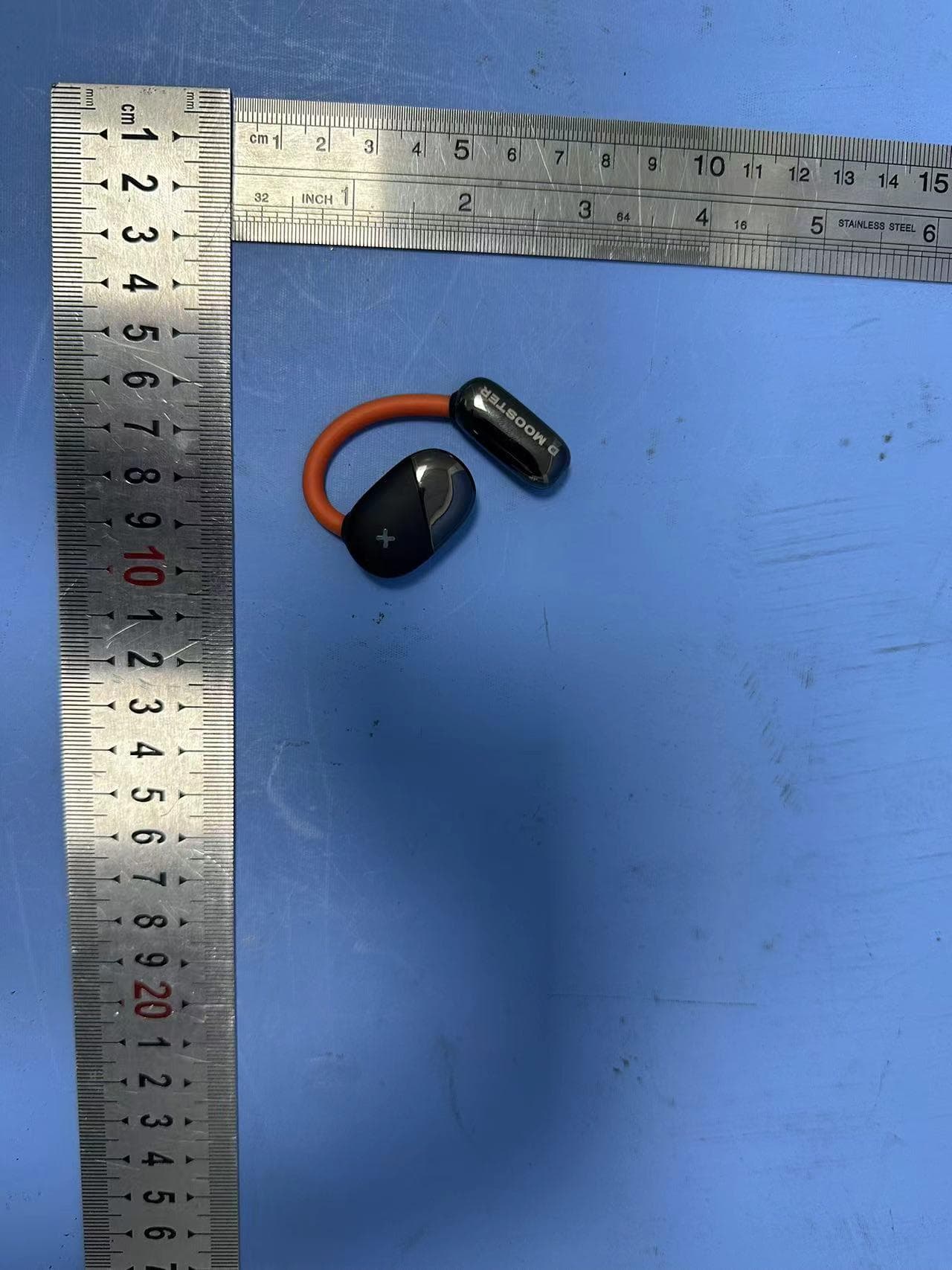
2AQ9R-D72
Sep 04, 2024Bluetooth headset
Equipment Class
DSS - Part 15 Spread Spectrum Transmitter2AQ9R-A7
Jan 16, 2024Air conduction wireless earphone
Equipment Class
DSS - Part 15 Spread Spectrum Transmitter2AQ9R-A7DONGLE
Jan 16, 2024Air conduction wireless earphone
Equipment Class
DSS - Part 15 Spread Spectrum Transmitter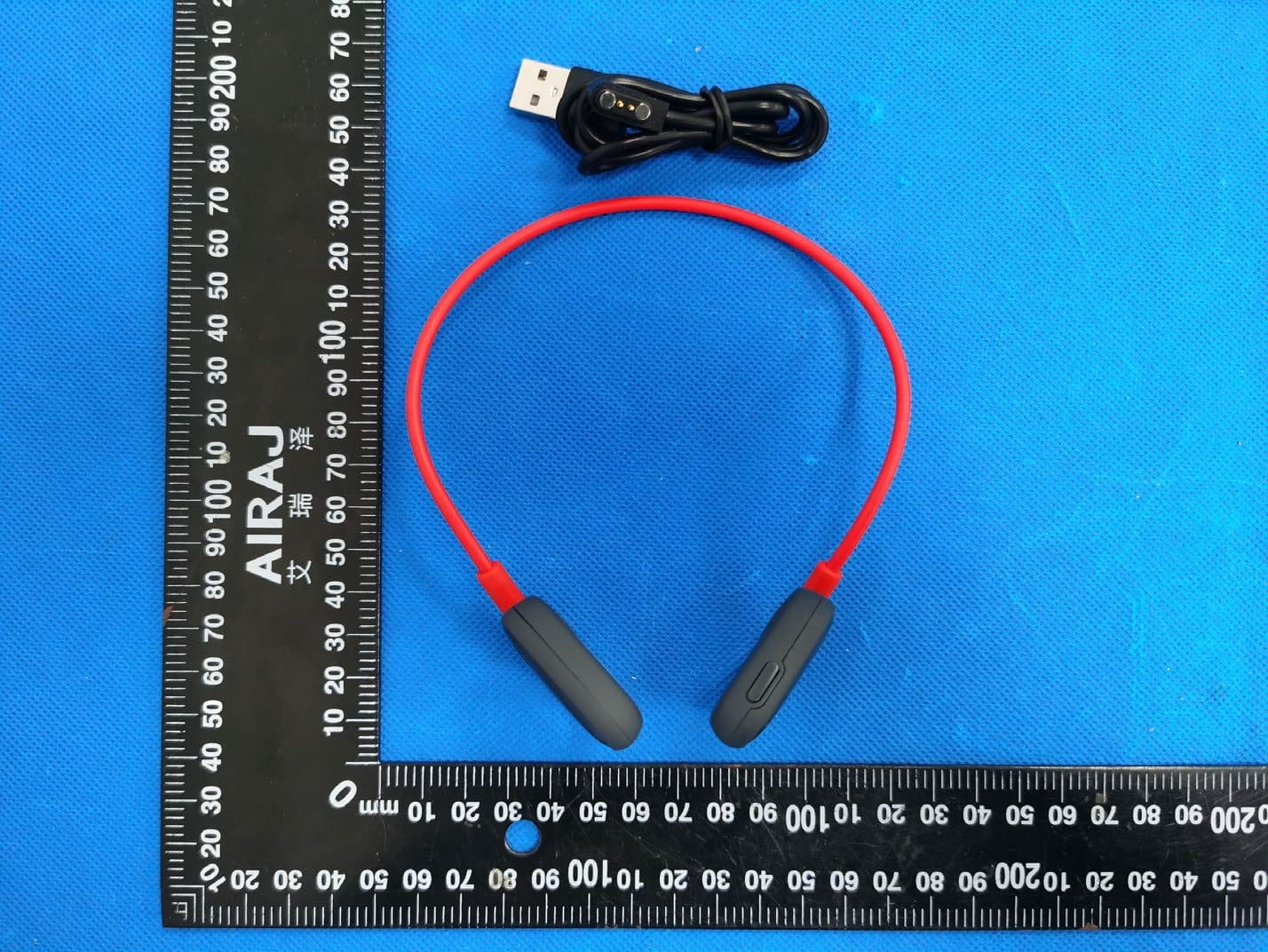
2AQ9R-BH831
Apr 12, 2023Air conduction wireless earphone
Equipment Class
DTS - Digital Transmission System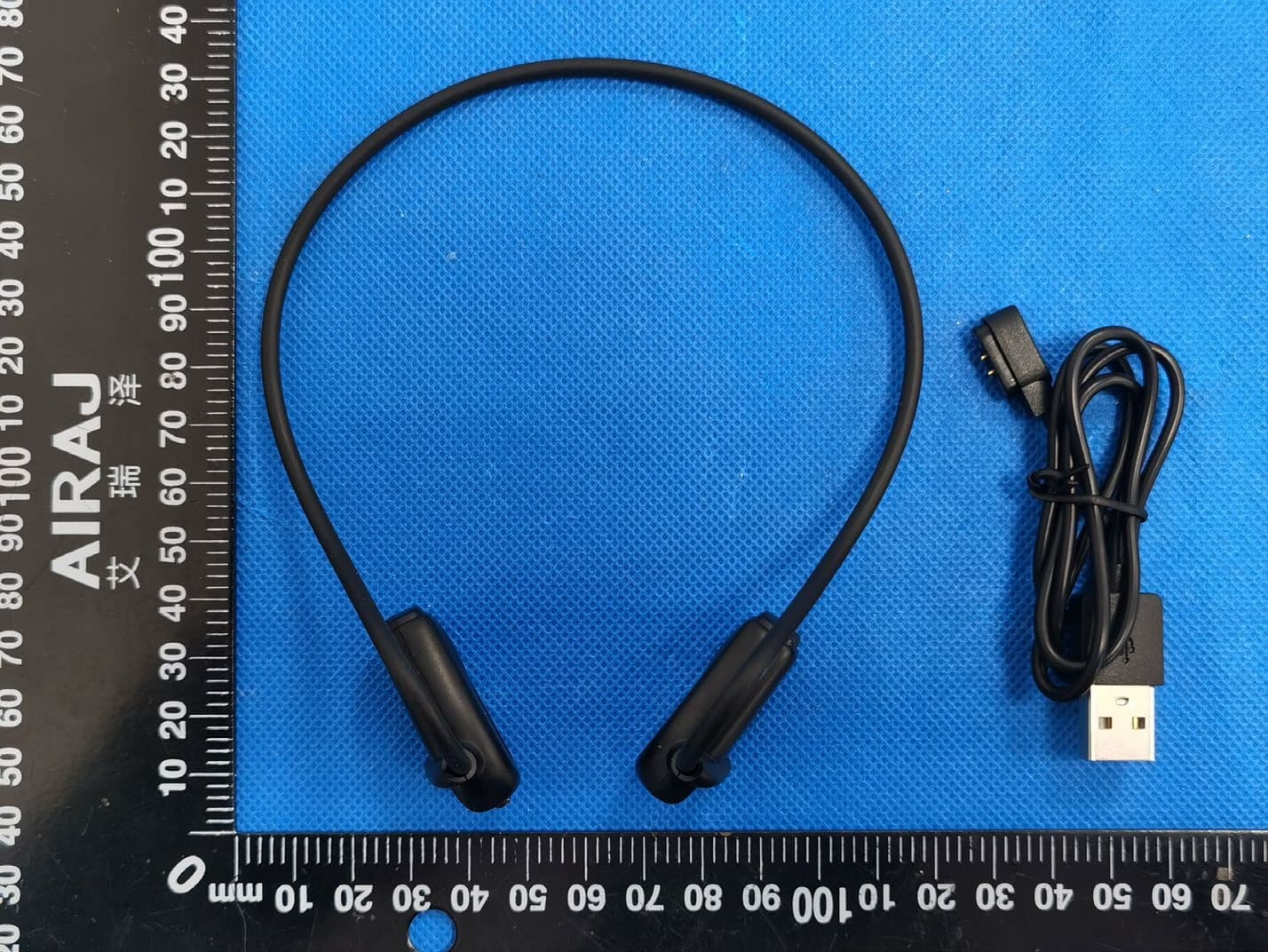
2AQ9R-BH830
Jan 05, 2023Air conduction wireless headphone
Equipment Class
DSS - Part 15 Spread Spectrum Transmitter