2AWG3-QB08Waterproof Bluetooth Speaker
Shen Zhen Shi Mi Ya Xin Xi Ji Shu You Xian Gong Si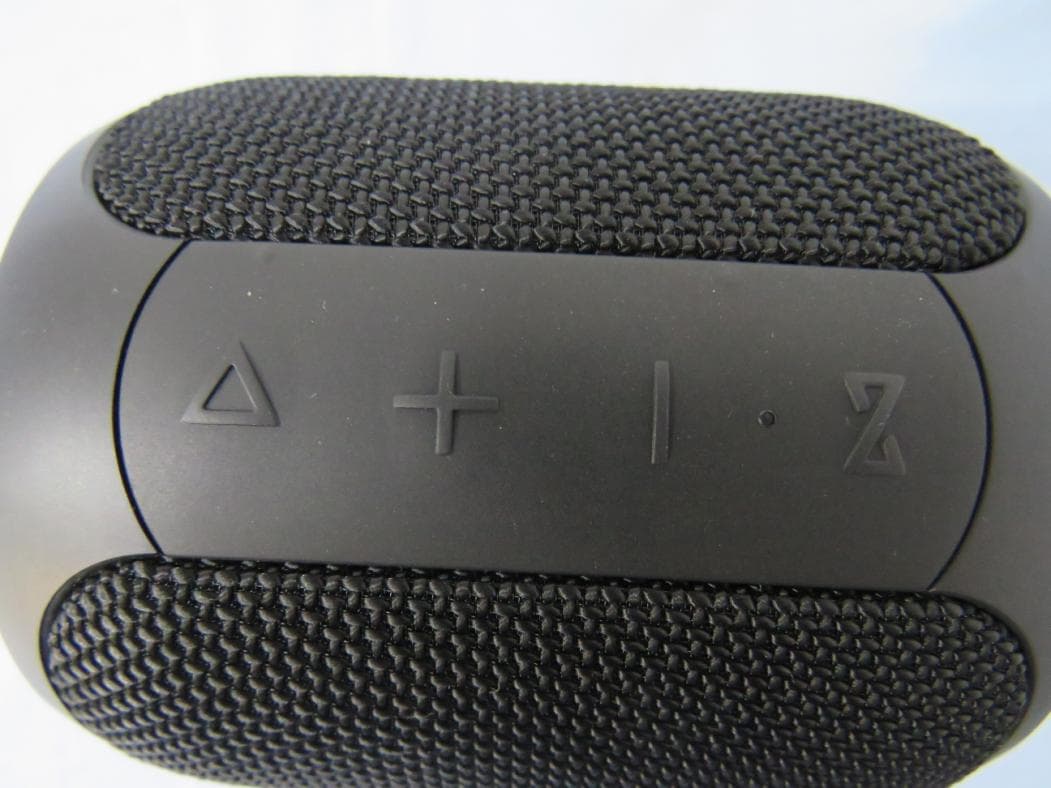
Click to zoom
Application Details
- Equipment Class
- DSS - Part 15 Spread Spectrum Transmitter
- Date of Grant
- Mar 17, 2021
- Application Purpose
- Original Equipment
- Date of Application
- Mar 17, 2021
- Equipment Note
- Waterproof Bluetooth Speaker
- Frequency Range
- 2402.00000000 - 2480.00000000
- Country
- China
Documents & Files
Document Text
Text extracted from the exhibit documents filed with the FCC. Open a document above to read the original.
Users Manual
Introduction You can use this item with tablet, notebook and many types of smartphone to stream music, and enjoy handsfree calling. In order to get the best results when using the device, please read this manual first before using. Package Contents 1x Bluetooth Speaker 1x Typc C Charging Cable 1x Aux Cable 1x User Manual Important Safety Precautions When using your Bluetooth speaker QBOX, basic safety precautions should always be followed, including the following: 1. Keep this product and its charging cable away from excessive heat. 2. Do not operate this device with a damaged cable or after it has malfunctioned or has been damaged in any manner. 3. Do not disassemble your device. 4. Only use your device on a flat, stable surface. Charging Your Speaker 1. Connect one end of the included charging cable to the charging port on your speaker. Then plug the other end of the USB charging cable into a suitable USB port on your computer to recharge your speaker’s internal rechargeable battery. NOTE: The internal battery of your speaker takes approximately three hours to charge when completely drained. 2. When charging, a orange LED light will illuminate to indicate that the unit is charging. The orange light will turn off when your unit is fully charged. 3. Activate the Bluetooth function on your Bluetooth device (phone or music device). Please refer to the manufacturer’s instructions. 4. Search for Bluetooth devices and select “QBOX”. If required, enter the password ‘0000’ to confirm and finalize pairing. 5. The speaker will beep when the device are paired. The green light will turn solid and your device will show the connected Bluetooth icon. Bluetooth Music Play 1. Open the music player, select a song to play, press the button to pause music and then press again to play music. 2. Play music and press the button to increase the volume, press and hold button to skip to next song. 3. Play music and press the button to decrease the volume, press and hold button to skip to previous song. Bluetooth Phone Call 1. Press the button to answer an incoming call, press the button again to end the call 2. During the phone call, press and hold the buttone / to switch between speaker and phone to anwer the call. Aux-in Mode 1. Connect the speaker and mobile phone or computer by provided Aux-in cable. 2. Press the button to play music and then press again to mute music. 3. In Aux-in Mode, if you want to change song, you need to control it by your mobile phone or your other connected device. TWS Function If you have two pieces QBOX, you can use TWS to achieve wireless stereo combined playing music. 1Press and hold the Button for 2 seconds to power on the speaker. 2After you turn on the power of the speaker, you should make sure neither are connected to any bluetooth since both will automatically reconnect to your previous device. So you should disconnect existing device first or just turn off bluetooth on your devices. Power On / Power Off Power On: Press and hold button for 2 seconds to power on the speaker, then working statue LED will flash in green. Power Off: Press and hold button for 2 seconds to power off the speaker, then working tatue LED will be off. Pairing Bluetooth Devices to Your Speaker In order to pair your bluetooth audio device to your bluetooth speaker for the first time, follow the steps below: 1. Make sure your Bluetooth audio source is close to your speaker. 2. Press and hold button for 2 seconds to power on the speaker, working staue LED will flash in green. MIATONE Product Diagram master(Left channel)slaver(Right channel) 3Press button on one speaker. The LED will flash in orange and 2 seconds later two speakers will automatically connect to each other. You will hear a confirmation tone, one light is twinking in green and the other keeps lighting in orange, that means TWS connection is successful. 4. Activate the bluetooth function and select "QBOX" on your Bluetooth device to finish the pairing, the light on the master speaker will turn solid green once connection is finished. Right now, you can enjoy the experience of true wireless stereo. 5. Press button to disconnect the TWS connection. 6. Press and Hold to clear all connection. Specifications Bluetooth Version: V5.0 Maximum Output: 16W Built-in Power: Li-ion 2500mAh SNR: >75dB Wireless Working Frequency: 2.402-2.480GHZ Wireless Transmission Distance: up to 33 ft(10M) Charging Time: approx. 3 hours Playback Time: 8-10 hours Charging: DC 5 V± 0.5/800mA Size: Dia 84mm*95mm Care and Maintance 1. 2. This logo means that no naked flames, such as a candle can be placed on or near the device. The electrical and electronic equipment are part of a separate collection. Do not throw electrical or electronic equipment away with unsorted municipal waste, but ensure that it is collected separately. Collection systems and locations (sorting centres, rubbish dumps) are provided for you by local councils and retailers. By entrusting your end-of-life product to the proper recycling process, you are helping to protect the environment and your health. 3. Use this device in temperate climates only. 4. This device may be used by children aged 8 years or older and by those with reduced physical, sensory or mental abilities, or those lacking experience or knowledge, provided they are correctly supervised, or if the instructions related to the use of the device have been adequately given and if the risks involved have been understood. Children must not play with this device. Children should not clean or maintain the device without supervision. 5. The electrical socket must remain easily accessible if it serves as the means of disconnection. 6. Always unplug the device before cleaning it. 7. Clean the device with a soft dry cloth only. Never use solvents. 8. Attention should be drawn to the environmental aspects of battery disposal. 9. The battery (batteries or battery pack) shall not be exposed to excessive heat such as sunshine, fire or the like. 10. Use t…
Text truncated - open the document above for the full version.
External Photos
Report No.: NTC2103021FV00 FCC ID: 2AWG3-QB08 External photos Report No.: NTC2103021FV00 FCC ID: 2AWG3-QB08 Report No.: NTC2103021FV00 FCC ID: 2AWG3-QB08 Report No.: NTC2103021FV00 FCC ID: 2AWG3-QB08 Report No.: NTC2103021FV00 FCC ID: 2AWG3-QB08
Internal Photos
Report No.: NTC2103021FV00 FCC ID: 2AWG3-QB08 Internal photos Report No.: NTC2103021FV00 FCC ID: 2AWG3-QB08 Report No.: NTC2103021FV00 FCC ID: 2AWG3-QB08 RF Antenna RF Chip
Operational Description
Shenzhen Miya Technologies Limited Declaration concerning Antenna Specification It is hereby declared that the product Model No.: QBOX, MTQ08, Q08, Q08S, Q08L FCC ID: 2AWG3-QB08 fulfills the requirement in FCC test relating to the antenna type. The device specified above confirms to the FCC recommendations for internal antenna type(s) described below: Model No. of antenna: BT Antenna Type of antenna: permanently attached (PCB antenna) Gain of the antenna: 1.2 dBi Frequency range: 2402-2480 MHz The mounting of the antenna is fixed to the radio module and no other antenna should be used. Company name: Shenzhen Miya Technologies Limited Address: RM 2212, Building A, Huihai Plaza,Chuangye Rd, Longhua, City: Shenzhen ZIP / Postal code: Country: China Place: China Date: 2021-03-17 Signature:
RF Exposure Info
Dongguan Nore Testing Center Co., Ltd. Report No.: NTC2103021F-1 FCC ID: 2AWG3-QB08 RF EXPOSURE EVALUATION EUT Specification EUT Waterproof Bluetooth Speaker Frequency band (Operating) WLAN: 2.412GHz ~ 2.462GHz WLAN: 5.18GHz ~ 5.32GHz / 5.50GHz ~ 5.70GHz WLAN: 5.745GHz ~ 5825GHz Others(2402-2480MHz) Device category Portable (<20cm separation) Mobile (>20cm separation) Others ___ Antenna diversity Single antenna Multiple antennas Tx diversity Rx diversity Tx/Rx diversity Max. output power 3.478dBm(2.23mW) Antenna gain 1.2dBi Evaluation applied MPE Evaluation SAR Evaluation Standard Requirement Portable Device According to §15.247(i) and §1.1307b(1), systems operating under the provisions of this section shall be operated in a manner that ensures that the public is not exposed to radio frequency energy levels in excess of the Commission’s guidelines. See KDB 447498 D01 General RF Exposure Guidance v05, section 4.3.1. The 1-g and 10-g SAR test exclusion thresholds for 100 MHz to 6 GHz at test separation distances ≤ 50 mm are determined by: [(max. power of channel, including tune-up tolerance, mW)/(min. test separation distance, mm)] ·[√f(GHz)] ≤ 3.0 for 1-g SAR and ≤ 7.5 for 10-g extremity SAR, 16 where ·f(GHz) is the RF channel transmit frequency in GHz ·Power and distance are rounded to the nearest mW and mm before calculation17 ·The result is rounded to one decimal place for comparison The test exclusions are applicable only when the minimum test separation distance is ≤ 50 mm and for transmission frequencies between 100 MHz and 6 GHz. When the minimum test separation distance is < 5 mm, a distance of 5 mm is applied to determine SAR test exclusion. Dongguan Nore Testing Center Co., Ltd. Report No.: NTC2103021F-1 FCC ID: 2AWG3-QB08 Measurement Result Channel Channel Frequency (MHz) Max Output power (dBm) Tolera nce Max Tune-UP power (mW) Calculatio n Value (Note 1) Threshold Value GFSK Low 2402 0.673 ±0.5 1.31 0.406 3.0 Middle 2441 0.802 ±0.5 1.35 0.422 3.0 High 2480 0.872 ±0.5 1.37 0.431 3.0 π/4-DQPSK Low 2402 2.783 ±0.5 2.13 0.660 3.0 Middle 2441 2.910 ±0.5 2.19 0.684 3.0 High 2480 2.956 ±0.5 2.22 0.700 3.0 8DPSK Low 2402 3.295 ±0.5 2.40 0.744 3.0 Middle 2441 3.407 ±0.5 2.46 0.769 3.0 High 2480 3.478 ±0.5 2.50 0.787 3.0 Note 1: Calculation Value =[(max power of channel, including tune-up tolerance, mW)/(min. test separation distance, mm)] ·[√f(GHz)]. Fox example: 2.50/5*√2.480=0.787 ≤ 3.0 According to KDB447498 D01 V06, threshold at which no SAR required is ≤3.0 for 1-g SAR, separation distance is 5mm, and no simultaneous SAR measurement is required.
Test Report
Report No.: NTC2103021FV00 Page 2 of 50 Table of Contents 1. Summary of Test Result ......................................................................................................................... 4 2. General Description of EUT .................................................................................................................... 5 3. Test Channels and Modes Detail ............................................................................................................ 8 4. Configuration of EUT .............................................................................................................................. 8 5. Modification of EUT................................................................................................................................. 8 6. Description of Support Device ................................................................................................................. 9 7. Test Facility and Location ..................................................................................................................... 10 8. Applicable Standards and References .................................................................................................. 11 9. Deviations and Abnormalities from Standard Conditions ....................................................................... 11 10. Test Conditions ................................................................................................................................... 12 11. Measurement Uncertainty ................................................................................................................... 13 12. Sample Calculations ........................................................................................................................... 14 13. Test Items and Results ....................................................................................................................... 15 13.1 Conducted Emissions Measurement ................................................................................................. 15 13.2 Radiated Spurious Emissions and Restricted Bands Measurement .................................................. 19 13.3 Channel Separation test .................................................................................................................... 26 13.4 20dB Bandwidth ................................................................................................................................ 30 13.5 Hopping Channel Number ................................................................................................................. 34 13.6 Time of Occupancy (Dwell Time) ...................................................................................................... 36 13.7 Maximum Peak Output Power........................................................................................................... 40 13.8 Band Edge Conducted Spurious Emission Measurement ................................................................. 44 13.9 Antenna Requirement ....................................................................................................................... 49 14. Test Equipment List ............................................................................................................................ 50 Report No.: NTC2103021FV00 Page 3 of 50 Revision History Report Number Description Issued Date NTC2103021FV00 Initial Issue 2021-03-12 Report No.: NTC2103021FV00 Page 4 of 50 1. Summary of Test Result FCC Rules Description of Test Result Remarks §15.247(a)(1) Channel Separation test PASS --- §15.247(a)(1) 20dB Bandwidth PASS --- §15.247(a)(1)(iii) Hopping Channel Number PASS --- §15.247(a)(1)(iii) Time of Occupancy (Dwell Time) PASS --- §15.247(b) Max Peak output Power test PASS --- §15.247(d) Band edge test PASS --- §15.207 (a) AC Power Conducted Emission PASS --- §15.247(d),§15.209, §15.205 Radiated Emission PASS --- §15.203 Antenna Requirement PASS --- §15.247(d) Conducted Spurious Emission PASS --- Report No.: NTC2103021FV00 Page 5 of 50 2. General Description of EUT Product Information Product name: Waterproof Bluetooth Speaker Main Model Name: QBOX Additional Model Name: MTQ08, Q08, Q08S, Q08L Model Difference: These models have the same circuit schematic, PCB layout and construction. Their difference in model name only for trading purpose. S/N: 210331 Brand Name Miatone Hardware version: MT-QBOX-H.W 1.0 Software version: MT-QBOX-S.W.1.0 Rating: DC 5V come from USB port DC 3.6V come from internal battery Classification: Class B Typical arrangement: Table-top I/O Port: N/A Accessories Information Adapter: N/A Cable: N/A Other: N/A Additional information Note: According to the model difference, all tests were performed on model QBOX. Remark: All the information above are provided by the manufacturer. More detailed feature of the EUT please refers to the user manual. Report No.: NTC2103021FV00 Page 6 of 50 Technical Specification Bluetooth Version: V5.0 Frequency Range: 2402-2480MHz Modulation Type: -DQPSK, 8DPSK Number of Channel: 79 (refer to following channel list for details) Channel Space: 1MHz Antenna Type: PCB antenna Antenna Gain: 1.2 dBi (Declared by manufacturer) Report No.: NTC2103021FV00 Page 7 of 50 Channel List Channel Frequency (MHz) Channel Frequency (MHz) Channel Frequency (MHz) Channel Frequency (MHz) 1 2402 21 2422 41 2442 61 2462 2 2403 22 2423 42 2443 62 2463 3 2404 23 2424 43 2444 63 2464 4 2405 24 2425 44 2445 64 2465 5 2406 25 2426 45 2446 65 2466 6 2407 26 2427 46 2447 66 2467 7 2408 27 2428 47 2448 67 2468 8 2409 28 2429 48 2449 68 2469 9 2410 29 2430 49 2450 69 2470 10 2411 30 2431 50 2451 70 2471 11 2412 31 2432 51 2452 71 2472 12 2413 32 2433 52 2453 72 2473 13 2414 33 2434 53 2454 73 2474 14 2415 34 2435 54 2455 74 2475 15 2416 35 2436 55 2456 75 2476 16 2417 36 2437 56 2457 76 2477 17 2418 37 2438 57 2458 77 2478 18 2419 38 …
Text truncated - open the document above for the full version.
Test Setup Photos
Report No.: NTC2103021FV00 FCC ID: 2AWG3-QB08 Test Photo Radiated emission (Below 30MHz) Radiated emission (30-1000MHz) Report No.: NTC2103021FV00 FCC ID: 2AWG3-QB08 Radiated emission (Above 1000MHz) AC Power Conducted Emission
Contact Information
Applicant
Sabrina Sun(Project Manager)
Test Firm
Dongguan NTC CO., Ltd.Jees Hong
[email protected]+86-769-22022444
Technical Specifications
| # | Rule Parts | Frequency Range | Power Output |
|---|---|---|---|
| 1 | 15C | 2.40 GHz - 2.48 GHz | 2.20 mW |
Other Applications from Shen Zhen Shi Mi Ya Xin Xi Ji Shu You Xian Gong Si
2AWG3-M18P
Nov 27, 2025Wireless Speaker
Equipment Class
DSS - Part 15 Spread Spectrum Transmitter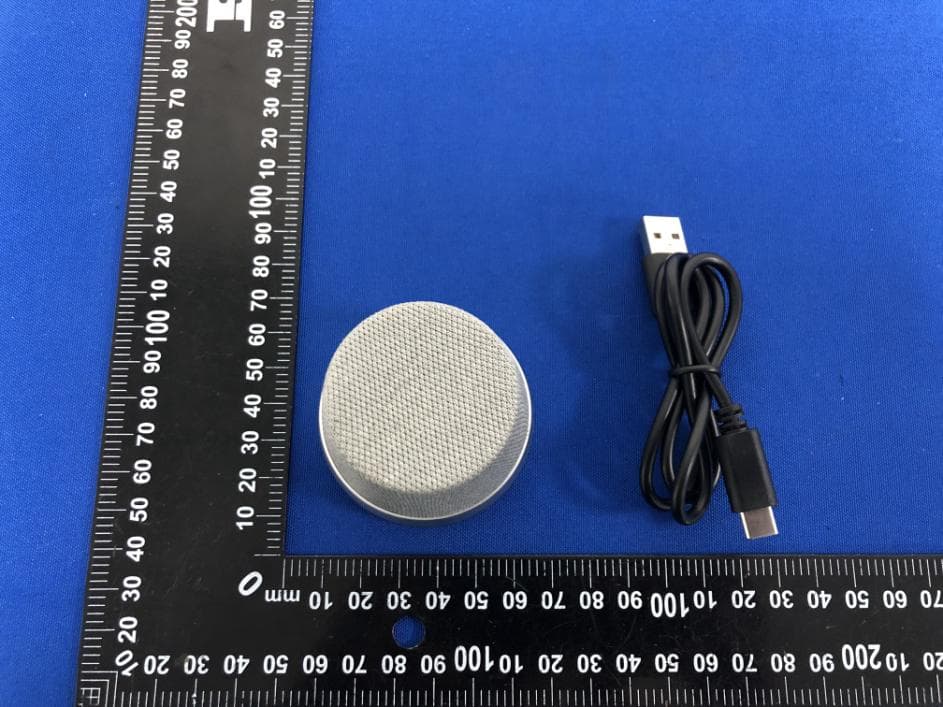
2AWG3-C03
Dec 03, 2023Bluetooth Speaker
Equipment Class
DSS - Part 15 Spread Spectrum Transmitter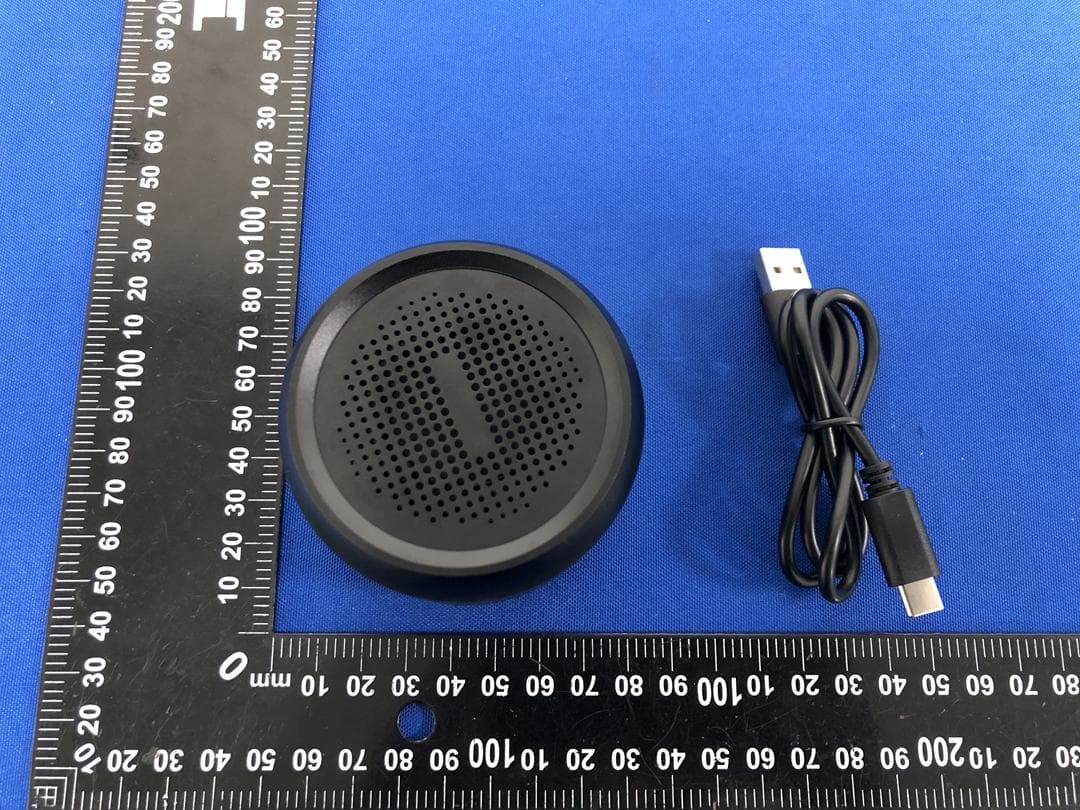
2AWG3-C06
Dec 03, 2023Bluetooth Speaker
Equipment Class
DSS - Part 15 Spread Spectrum Transmitter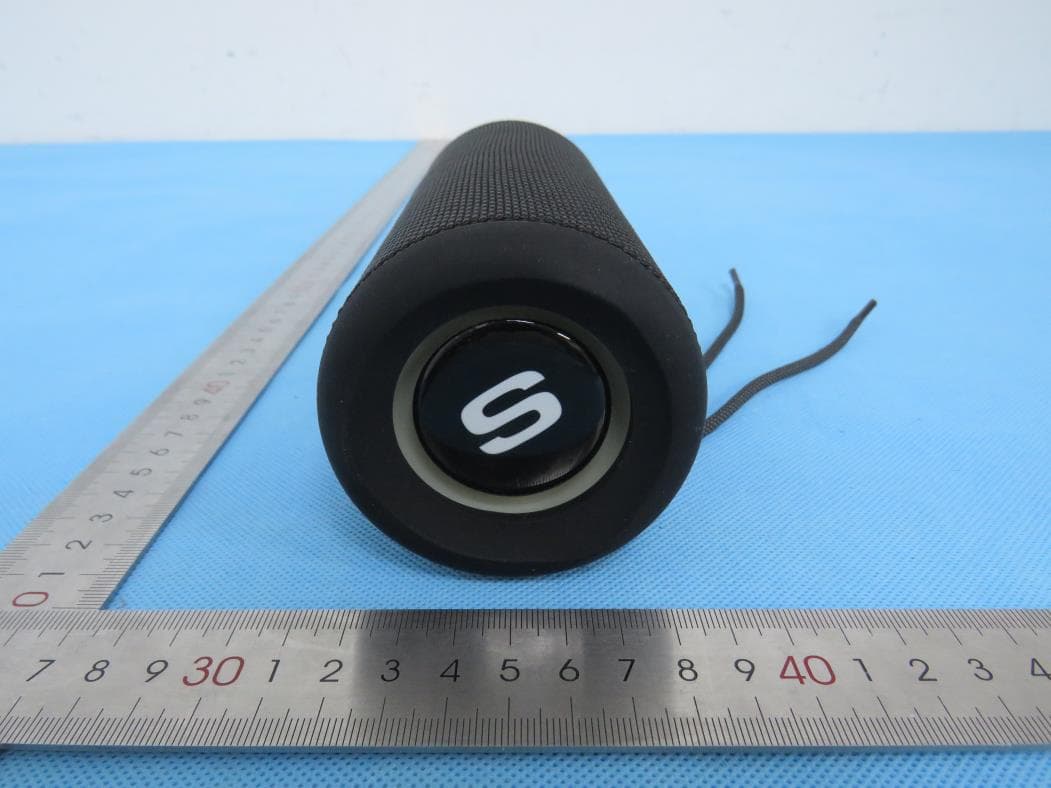
2AWG3-BP02
Feb 19, 2023Wireless Speaker
Equipment Class
DSS - Part 15 Spread Spectrum Transmitter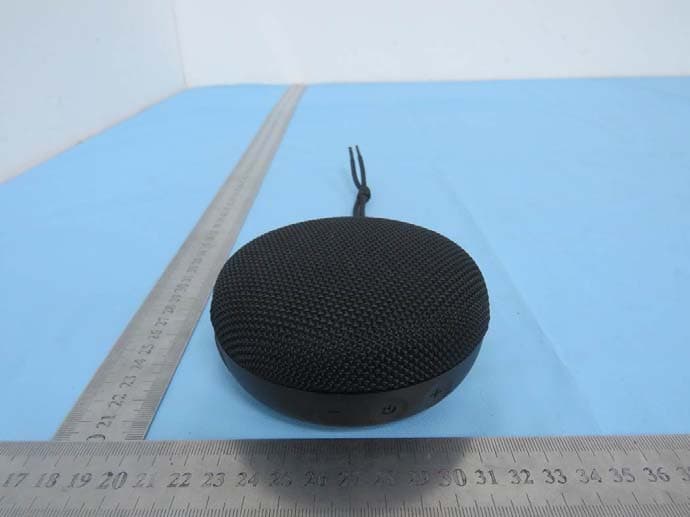
2AWG3-LMF022
Jul 04, 2022Wireless Speaker
Equipment Class
DSS - Part 15 Spread Spectrum Transmitter