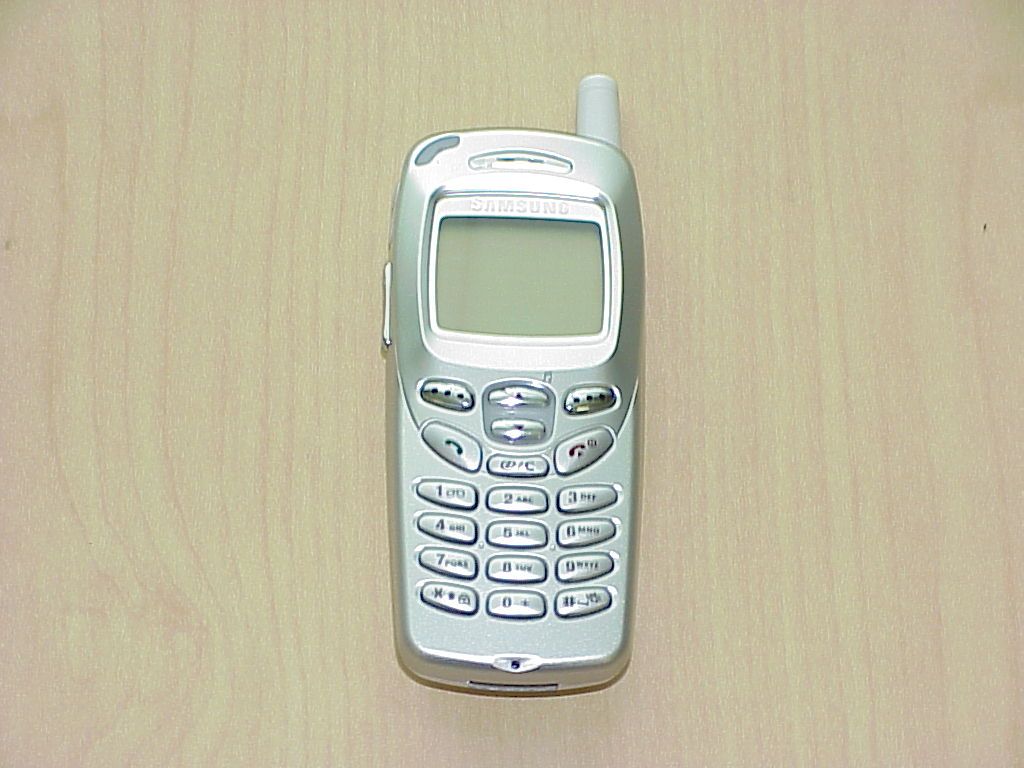
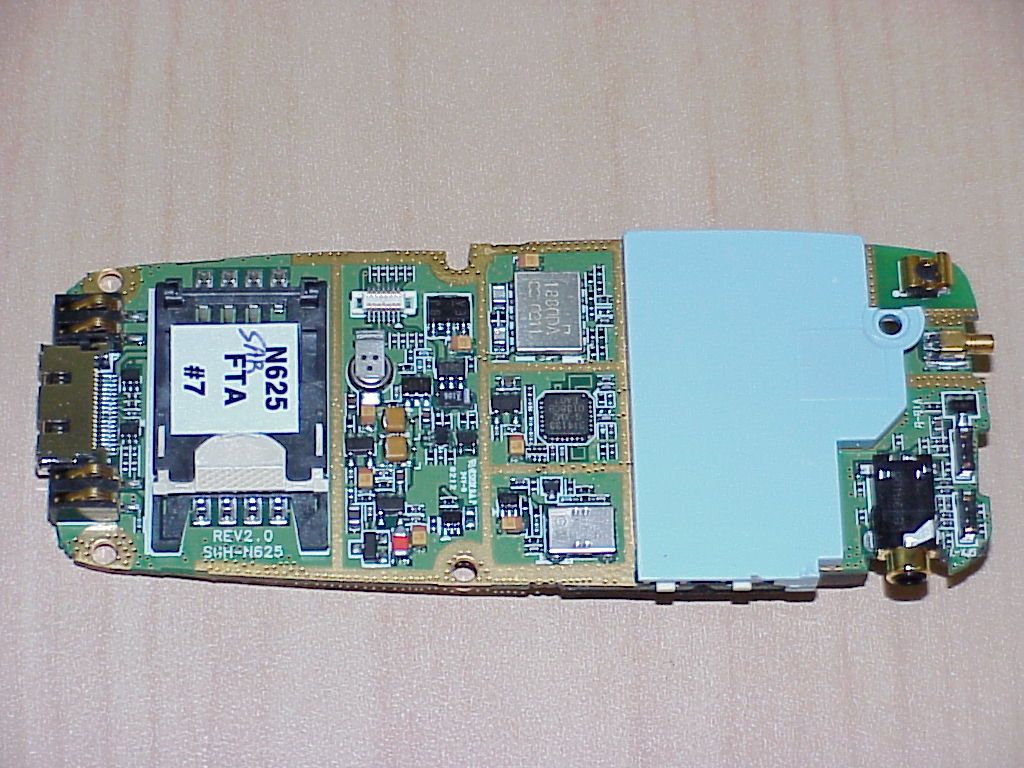
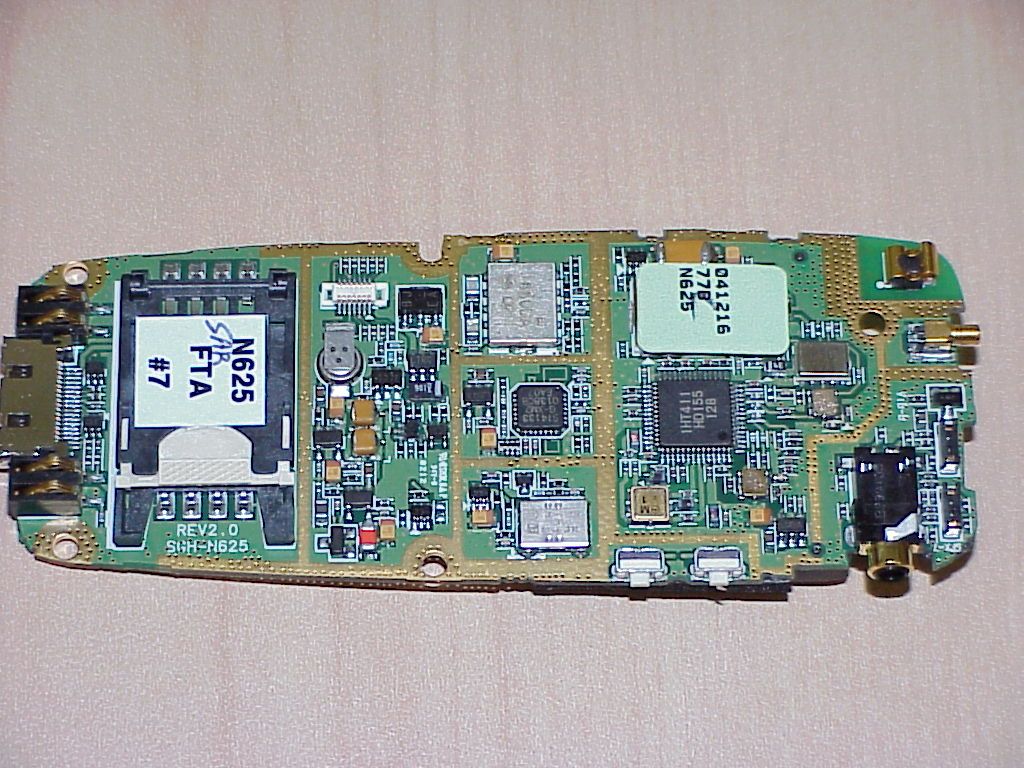
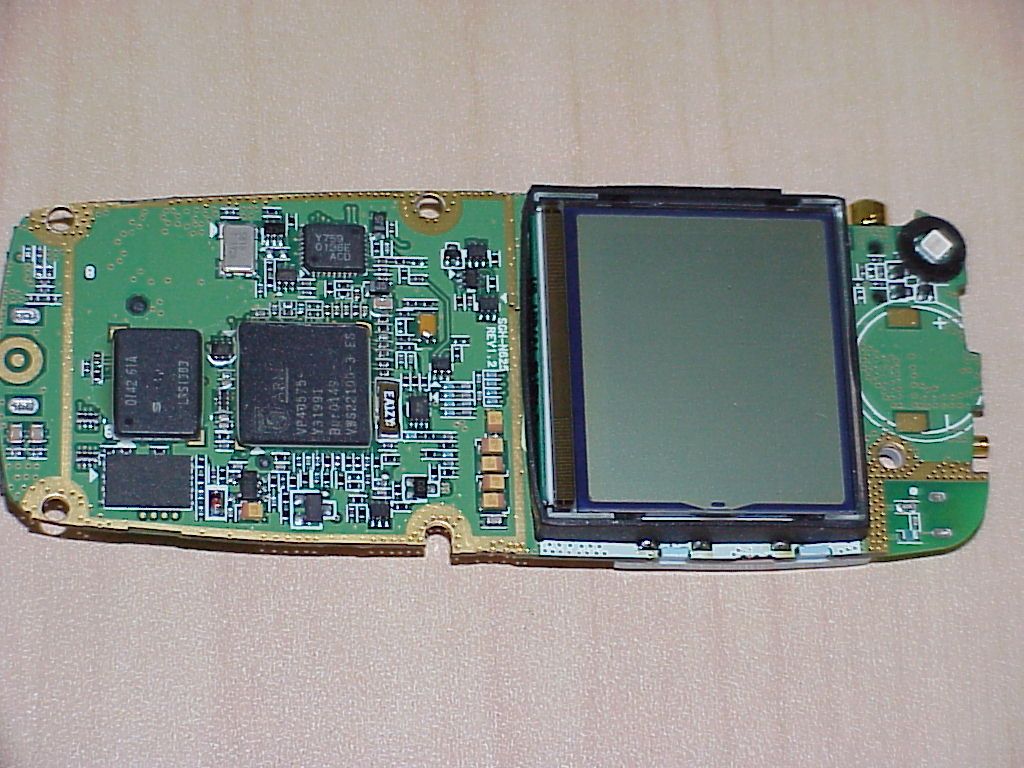
A3LSGH-N625PCS Phone
Samsung Electronics Co Ltd
Click to zoom
Application Details
- Equipment Class
- PCE - PCS Licensed Transmitter held to ear
- Date of Grant
- Jun 24, 2002
- Application Purpose
- Original Equipment
- Date of Application
- Jun 24, 2002
- Equipment Note
- PCS Phone
- Frequency Range
- 1850.20000000 - 1909.80000000
- Company
- Samsung Electronics Co Ltd
- Country
- United States
Documents & Files
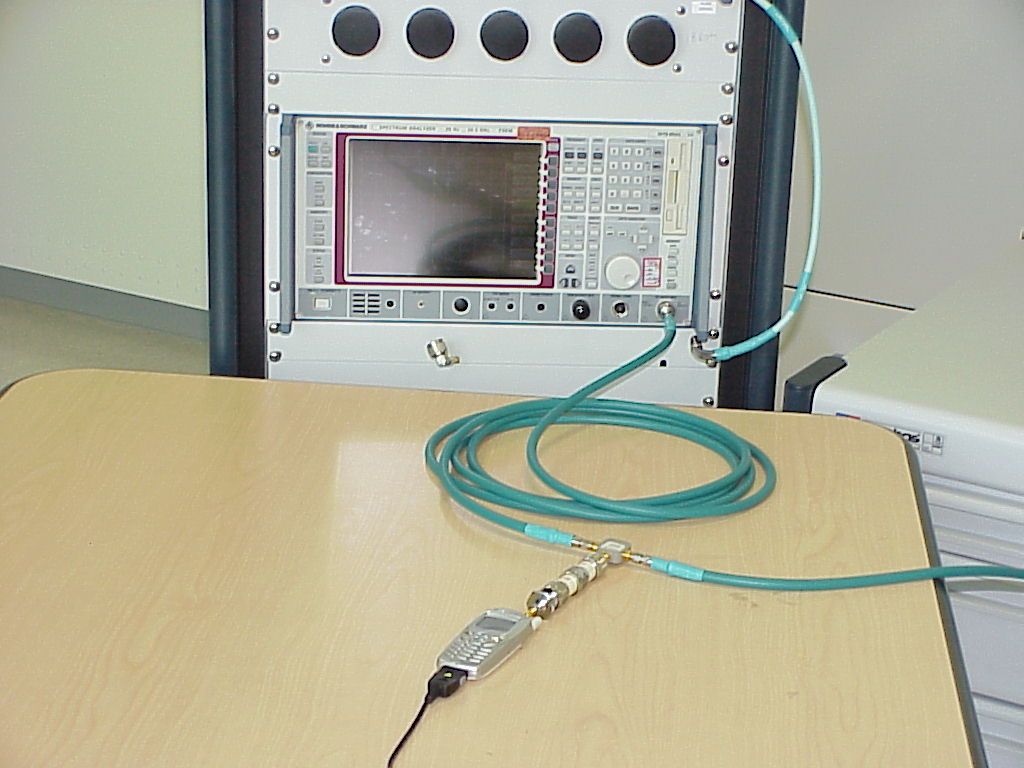
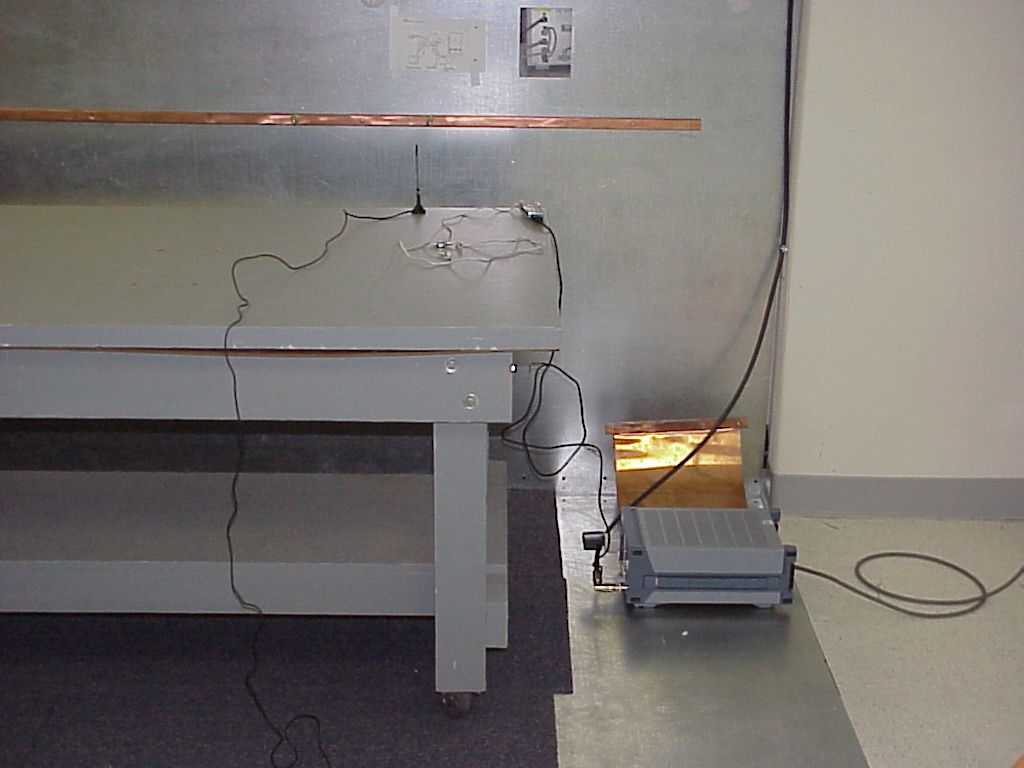
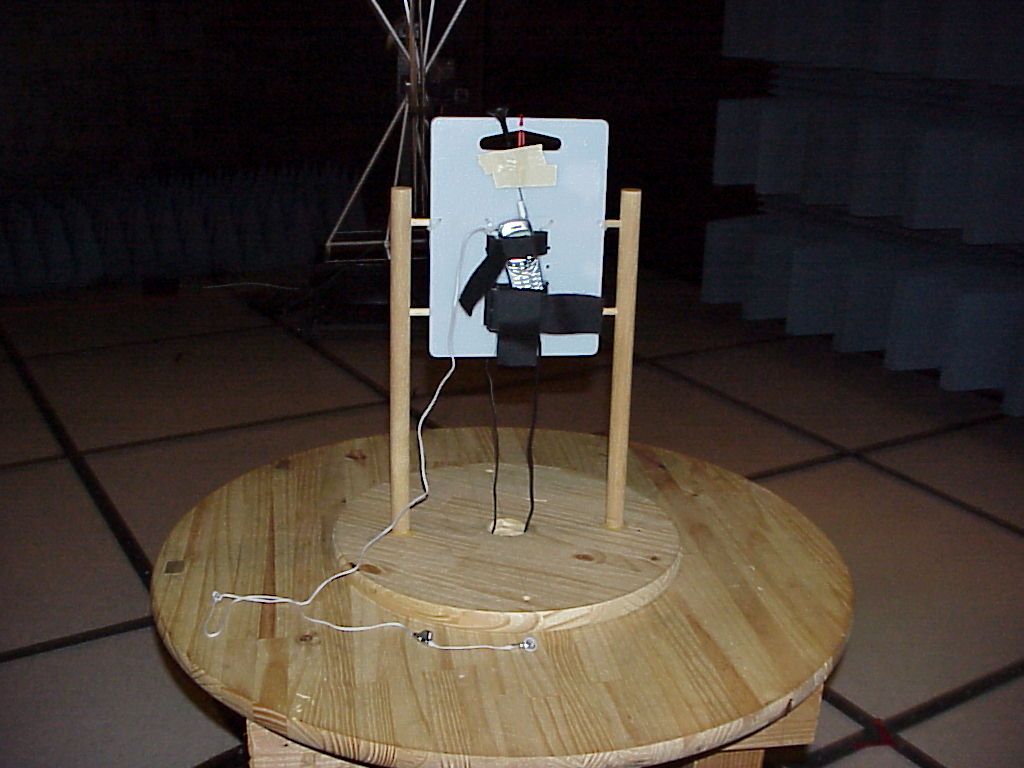
Document Text
Text extracted from the exhibit documents filed with the FCC. Open a document above to read the original.
Users Manual
Printed in Korea Code No.: GH68-02647A Eng. 05/2002. Rev.1.0 ELECTRONICS World Wide Web http://www.samsungmobile.com DUAL BAND GSM TELEPHONE SGH-N625 OWNER’S MANUAL GLOBAL SYSTEMS FOR MOBILE COMMUNICATIONS Draft (2002.05.15) The information in this manual is believed to be correct at the time of printing; Samsung reserves the right, however, to change or modify any of the specifications without notice. Some of the contents in this manual may differ from your phone, depending on the software installed, your SIM card or your service provider. Contents Safety Precautions . . . . . . . . . . . . . . . . 7 Unpacking . . . . . . . . . . . . . . . . . . . . . . 9 Your Phone . . . . . . . . . . . . . . . . . . . . . 10 Phone Layout. . . . . . . . . . . . . . . . . . . . . . . . . . 10 Display . . . . . . . . . . . . . . . . . . . . . . . . . . . . . . . 12 Service Light . . . . . . . . . . . . . . . . . . . . . . . . . . 14 Getting Started . . . . . . . . . . . . . . . . . . 15 Installing the SIM Card and the Battery . . . 15 Charging a Battery . . . . . . . . . . . . . . . . . . . . . 18 Switching the Phone On/Off . . . . . . . . . . . . . 20 Call Functions . . . . . . . . . . . . . . . . . . . 22 Making a Call . . . . . . . . . . . . . . . . . . . . . . . . . 22 Adjusting the Volume . . . . . . . . . . . . . . . . . . . 24 Answering or Rejecting a Call . . . . . . . . . . . 25 Viewing Missed Calls . . . . . . . . . . . . . . . . . . . 26 In-Call Options . . . . . . . . . . . . . . . . . . . . . . . . 28 Entering Text . . . . . . . . . . . . . . . . . . . 35 Changing the Text Input Mode . . . . . . . . . . . 36 Using the T9 Mode . . . . . . . . . . . . . . . . . . . . . 36 Using the ABC Mode . . . . . . . . . . . . . . . . . . . 38 Using the Number Mode . . . . . . . . . . . . . . . . 40 Using the Symbolic Mode . . . . . . . . . . . . . . . 40 3 45 Contents(continued) Phonebook . . . . . . . . . . . . . . . . . . . . . 41 Storing a Phone Number with a Name . . . . 41 Phonebook Options . . . . . . . . . . . . . . . . . . . . 42 Speed-Dialling by SIM Memory Location . . 45 Searching for and Dialling a Number in the Phonebook . . . . . . . . . . . . . . . . . . . . . . 46 Dialling a Number using the Service Directory or Information Numbers . . . . . . . 47 Selecting Functions and Options . . . . . . 48 Using the Menus . . . . . . . . . . . . . . . . . 50 Accessing Menu Functions by Scrolling . . . 50 Accessing Menu Functions by Using Shortcuts . . . . . . . . . . . . . . . . . . . . . . . 51 Menu Structure . . . . . . . . . . . . . . . . . . . . . . . 52 Call Records . . . . . . . . . . . . . . . . . . . . 55 Missed Calls (Menu 1-1) . . . . . . . . . . . . . . . . 55 Received Calls (Menu 1-2) . . . . . . . . . . . . . . . 55 Dialled Calls (Menu 1-3) . . . . . . . . . . . . . . . . . 56 Call Time (Menu 1-4). . . . . . . . . . . . . . . . . . . . 56 Call Cost (Menu 1-5) . . . . . . . . . . . . . . . . . . . . 57 Messages . . . . . . . . . . . . . . . . . . . . . . 58 Voice Mail (Menu 2-1) . . . . . . . . . . . . . . . . . . 58 Read Messages (Menu 2-2). . . . . . . . . . . . . . 59 Write Messages (Menu 2-3) . . . . . . . . . . . . . 61 Preset Message List (Menu 2-4) . . . . . . . . . . 62 Setup (Menu 2-5) . . . . . . . . . . . . . . . . . . . . . . 62 Broadcast (Menu 2-6) . . . . . . . . . . . . . . . . . . 63 Picture Messages (Menu 2-7) . . . . . . . . . . . . 64 Voice Functions . . . . . . . . . . . . . . . . . . 66 Voice Dial (Menu 3-1) . . . . . . . . . . . . . . . . . . . 66 Voice Command (Menu 3-2) . . . . . . . . . . . . . 69 Voice Memo (Menu 3-3). . . . . . . . . . . . . . . . . 69 Voice Active (Menu 3-4). . . . . . . . . . . . . . . . . 71 Tones . . . . . . . . . . . . . . . . . . . . . . . . . 72 Ring Tone (Menu 4-1) . . . . . . . . . . . . . . . . . . . 72 Melody Composer (Menu 4-2) . . . . . . . . . . . . 73 Ring Volume (Menu 4-3) . . . . . . . . . . . . . . . . . 75 Alert Type (Menu 4-4) . . . . . . . . . . . . . . . . . . . 76 Keypad Tone (Menu 4-5) . . . . . . . . . . . . . . . . 76 Message Tone (Menu 4-6) . . . . . . . . . . . . . . . 77 Error Tone (Menu 4-7). . . . . . . . . . . . . . . . . . . 77 Minute Minder (Menu 4-8). . . . . . . . . . . . . . . 78 Connect Tone (Menu 4-9). . . . . . . . . . . . . . . . 78 Settings . . . . . . . . . . . . . . . . . . . . . . . 79 Phone Settings (Menu 5-1) . . . . . . . . . . . . . . 79 Network Services (Menu 5-2) . . . . . . . . . . . . 84 Security Settings (Menu 5-3) . . . . . . . . . . . . . 93 LCD/LED Settings (Menu 5-4) . . . . . . . . . . . . 96 Browser Settings (Menu 5-5) . . . . . . . . . . . . 98 Organiser . . . . . . . . . . . . . . . . . . . . . . 99 Scheduler (Menu 6-1). . . . . . . . . . . . . . . . . . . 99 Alarm (Menu 6-2) . . . . . . . . . . . . . . . . . . . . . . 101 Calculator (Menu 6-3). . . . . . . . . . . . . . . . . . . 103 World Time (Menu 6-4) . . . . . . . . . . . . . . . . . . 105 Clock (Menu 6-5) . . . . . . . . . . . . . . . . . . . . . . . 106 7 Safety Quick Guide Read these guidelines before using your wireless phone. Failure to comply with these guidelines may be dangerous or illegal. For more detailed safety information, see “Health and Safety Information” on page 122. Road safety comes first Do not use a hand-held phone while driving; park the vehicle first. Switch off when refuelling Do not use the phone at a refuelling point (service station) or near fuels or chemicals. Switch off on aircraft Wireless phones can cause interference. Using them on aircraft is both illegal and dangerous. Switch off in hospital Switch off your phone near medical equipment. Follow any regulations or rules in force. Interference All wireless phones may get interference which could affect performance. Respect special regulations Follow any special regulations in force in any area and always switch off your phone whenever it is forbidden to use it, or when it may cause interference or danger (in a hospital for example). 6 Contents(conti…
Text truncated - open the document above for the full version.
Attestation Statements
Page 1 of 1 CETECOM Inc. 411 Dixon Landing Road Milpitas, CA 95035 U.S.A. Phone: + 1 408 586 6200 Fax: + 1 408 586 6299 e-mail: [email protected] URL: www.cetecom.com FCC ID A3LSGH-N625 Statement The Samsung SGH-625 is a dual band GSM phone for the 900/1900 MHz frequency range. This application is only related to the GSM 1900 band since the GSM band is not available in the US. However the phone fulfills the requirements for the GSM 900 band too. The tested devices were prototype, which are identical to the production units. Lothar Schmidt Technical Manager
Block Diagram
Overview of the Global System for Mobile Communications John Scourias [email protected] Table of Contents 1. History of GSM 2. Services provided by GSM 3. Architecture of the GSM network 3.1. Mobile Station 3.2. Base Station Subsystem 3.3. Network Subsystem 4. Radio link aspects 4.1. Multiple access and channel structure 4.1.1. Traffic channels 4.1.2. Control channels 4.1.3. Burst structure 4.2. Speech coding 4.3. Channel coding and modulation 4.4. Multipath equalization 4.5. Frequency hopping 4.6. Discontinuous transmission 4.7. Discontinuous reception 4.8. Power control 5. Network aspects 5.1. Radio resources management 5.1.1. Handover 5.2. Mobility management 5.2.1. Location updating 5.2.2. Authentication and security 5.3. Communication management 5.3.1. Call routing 6. Conclusion and comments Page 1 of 15Overview of the Global System for Mobile Communications 6/6/02file://G:\Emc\Projects\CMCS\251-2002%20Newton\FCC%20documnetation\gsmreport.htm History of GSM During the early 1980s, analog cellular telephone systems were experiencing rapid growth in Europe, particularly in Scandinavia and the United Kingdom, but also in France and Germany. Each country developed its own system, which was incompatible with everyone else's in equipment and operation. This was an undesirable situation, because not only was the mobile equipment limited to operation within national boundaries, which in a unified Europe were increasingly unimportant, but there was also a very limited market for each type of equipment, so economies of scale and the subsequent savings could not be realized. The Europeans realized this early on, and in 1982 the Conference of European Posts and Telegraphs (CEPT) formed a study group called the Groupe Spécial Mobile (GSM) to study and develop a pan- European public land mobile system. The proposed system had to meet certain criteria: l Good subjective speech quality l Low terminal and service cost l Support for international roaming l Ability to support handheld terminals l Support for range of new services and facilities l Spectral efficiency l ISDN compatibility In 1989, GSM responsibility was transferred to the European Telecommunication Standards Institute (ETSI), and phase I of the GSM specifications were published in 1990. Commercial service was started in mid-1991, and by 1993 there were 36 GSM networks in 22 countries [6] . Although standardized in Europe, GSM is not only a European standard. Over 200 GSM networks (including DCS1800 and PCS1900) are operational in 110 countries around the world. In the beginning of 1994, there were 1.3 million subscribers worldwide [18], which had grown to more than 55 million by October 1997. With North America making a delayed entry into the GSM field with a derivative of GSM called PCS1900, GSM systems exist on every continent, and the acronym GSM now aptly stands for Global System for Mobile communications. The developers of GSM chose an unproven (at the time) digital system, as opposed to the then-standard analog cellular systems like AMPS in the United States and TACS in the United Kingdom. They had faith that advancements in compression algorithms and digital signal processors would allow the fulfillment of the original criteria and the continual improvement of the system in terms of quality and cost. The over 8000 pages of GSM recommendations try to allow flexibility and competitive innovation among suppliers, but provide enough standardization to guarantee proper interworking between the components of the system. This is done by providing functional and interface descriptions for each of the functional entities defined in the system. Services provided by GSM From the beginning, the planners of GSM wanted ISDN compatibility in terms of the services offered and the control signalling used. However, radio transmission limitations, in terms of bandwidth and cost, do not allow the standard ISDN B-channel bit rate of 64 kbps to be practically achieved. Page 2 of 15Overview of the Global System for Mobile Communications 6/6/02file://G:\Emc\Projects\CMCS\251-2002%20Newton\FCC%20documnetation\gsmreport.htm Using the ITU-T definitions, telecommunication services can be divided into bearer services, teleservices, and supplementary services. The most basic teleservice supported by GSM is telephony. As with all other communications, speech is digitally encoded and transmitted through the GSM network as a digital stream. There is also an emergency service, where the nearest emergency-service provider is notified by dialing three digits (similar to 911). A variety of data services is offered. GSM users can send and receive data, at rates up to 9600 bps, to users on POTS (Plain Old Telephone Service), ISDN, Packet Switched Public Data Networks, and Circuit Switched Public Data Networks using a variety of access methods and protocols, such as X.25 or X.32. Since GSM is a digital network, a modem is not required between the user and GSM network, although an audio modem is required inside the GSM network to interwork with POTS. Other data services include Group 3 facsimile, as described in ITU-T recommendation T.30, which is supported by use of an appropriate fax adaptor. A unique feature of GSM, not found in older analog systems, is the Short Message Service (SMS). SMS is a bidirectional service for short alphanumeric (up to 160 bytes) messages. Messages are transported in a store-and-forward fashion. For point-to-point SMS, a message can be sent to another subscriber to the service, and an acknowledgement of receipt is provided to the sender. SMS can also be used in a cell-broadcast mode, for sending messages such as traffic updates or news updates. Messages can also be stored in the SIM card for later retrieval [2] . Supplementary services are provided on top of teleservices or bearer services. In the current (Phase I) specifications, they include several forms of call forward (such as call forwarding when the mobile subscriber …
Text truncated - open the document above for the full version.
Cover Letter(s)
Page 1 of 1 CETECOM Inc. 411 Dixon Landing Road Milpitas, CA 95035 U.S.A. Phone: + 1 408 586 6200 Fax: + 1 408 586 6299 e-mail: [email protected] URL: www.cetecom.com Federal Communication Commission Equipment Authorization Division, Application Processing Branch 7435 Oakland Mills Road Columbia, MD 21048 June 13, 2002 TO WHOM IT MAY CONCERN Pursuant to Paragraphs §0.457 and 0.459 of the Commission’s Rules (47 C.F.R.) and Section §552(b)(4) of the Freedom of Information Act, Samsung Electronics Co. Ltd. requests confidentiality for the following products: FCC ID Number Product Title/Model A3LSGH-N625 SGH-N625 For the product stated above, we request that the following information be held confidential: 1) Electrical Schematics of the Circuitry No other items submitted as part of the equipment authorization filing process are deemed confidential. The above exhibits contain Samsung Electronics Co. Ltd. trade secrets and proprietary information that could be of benefit to our competitors regarding the design of our mobile handset. This material is not customarily available to the general public and we request that it be withheld from public inspection. If you have any questions, please feel free to contact me at the address shown below. Sincerely, Lothar Schmidt Technical Manager
ID Label/Location Info
PROPOSED FCC ID LABEL AND LOCATION FCC ID LABEL SAMSUNG ELECTRONICS CO., LTD. This device complies with Part 24 of FCC rules. FCC ID: A3LSGH-N625
Parts List/Tune Up Info
Statement tune up Page 1 of 1 CETECOM Inc. 411 Dixon Landing Road Milpitas, CA 95035 U.S.A. Phone: + 1 408 586 6200 Fax: + 1 408 586 6299 e-mail: [email protected] URL: www.cetecom.com FCC ID: A3LSGH-N625 Statement As declared by the manufacturer each single device is tuned at the end of the production process to set all the relevant RF parameters identical to the tested device. Lothar Schmidt Technical Manager
RF Exposure Info
Test Report: 30241812 Date of Report: April 27, 2002 Revised: June 19,2002 Job #: 3024181 Date of Test: April 23 to 26,2002 Total No of Pages Contained in this Report: -9L Wamock Hersey --- .ie- Suresh Kondapalli I Revi~d by~ J /t.>,I --- I c.//~"'4' ~JW.~~ Review Date: .~-I /r(/ 6'Z: ,.~ "' '\- .~ ~.. em: : ~ Intertek Testing Services NA, Inc. 1365 Adams Court, Menlo Park, CA 94025 Telephone 650-463-2900 Fax 650-463-2910 Home Page www.etlsemko.com Samsung Electronics CO., L TD on the GSM900 / PCS1900 Dual Band Phone Model Number: SGH-N625 FCC ID: AJLSGH-N625 1365 Adams Court, Menlo Park, CA 94025 Samsung Electronics CO., LTD, Model No: SGH-N625 Date of Test: April 23 to 26, 2002 FCC ID: A3LSGH-N625 File: 30241812Page 2 of 61RSS-102 & FCC Part 2 SAR Evaluation TABLE OF CONTENTS 1.0JOB DESCRIPTION................................................................................................................3 1.1Client Information..........................................................................................................3 1.2Equipment under test (EUT)...........................................................................................3 1.3Test Plan Reference........................................................................................................4 1.4System Test Configuration.............................................................................................5 1.4.1System Block Diagram & Support equipment....................................................5 1.4.2Test Position for Brain.......................................................................................6 1.4.3Test Position for Muscle.....................................................................................8 1.4.4Test Condition...................................................................................................9 1.5Modifications required for compliance............................................................................9 1.6Additions, deviations and exclusions from standards.......................................................9 2.0SAR EVALUATION...............................................................................................................10 2.1SAR Limits...................................................................................................................10 2.2Configuration Photographs...........................................................................................11 2.3System Verification......................................................................................................21 2.4Evaluation Procedures..................................................................................................21 2.5Test Results..................................................................................................................22 3.0TEST EQUIPMENT...............................................................................................................25 3.1Equipment List.............................................................................................................25 3.2Brain Tissue Simulating Liquid....................................................................................26 3.3E-Field Probe Calibration.............................................................................................27 3.4Measurement Uncertainty.............................................................................................28 3.5Measurement Tractability.............................................................................................28 4.0WARNING LABEL INFORMATION - USA........................................................................29 5.0REFERENCES.......................................................................................................................30 5.0DOCUMENT HISTORY........................................................................................................31 APPENDIX A - SAR Evaluation Data................................................................................................32 APPENDIX B - E-Field Probe Calibration Data................................................................................49 1365 Adams Court, Menlo Park, CA 94025 Samsung Electronics CO., LTD, Model No: SGH-N625 Date of Test: April 23 to 26, 2002 FCC ID: A3LSGH-N625 File: 30241812Page 3 of 61RSS-102 & FCC Part 2 SAR Evaluation 1.0JOB DESCRIPTION 1.1 Client Information The SGH-N625 has been tested at the request of: Company:Samsung Electronics CO., LTD Suwon PO Box 105, 416 Maetan-3dong, Paldal-gu Suwon-si, Gyeonggi-do 442-742 Korea Name of contact:Mr. Lee Yong Han Telephone:+82-31-279-6064 Fax:+82-31-279-6162 1.2 Equipment under test (EUT) Product Descriptions: Equipment GSM900 / PCS1900 Dual Band Phone Trade NameSamsungP/N.SGH-N625 FCC IDA3LSGH-N625S/N No.Not Labeled CategoryPortableRF ExposureUncontrolled Environment Frequency Band1850 - 1910 MHzSystemGMS/GPRS EUT Antenna Description TypeMonopoleConfigurationFixed, 360 o Rotation Dimensions19.7 mmGain-2.6 dBi LocationRight Side Use of Product:Wireless communication Manufacturer:Samsung Electronics CO., LTD Production is planned:[x] Yes, [ ] No EUT receive date:April 9, 2002 EUT received condition:Good working condition prototype, identical to the production units. Test start date:April 23, 2002 Test end date:April 26, 2002 1365 Adams Court, Menlo Park, CA 94025 Samsung Electronics CO., LTD, Model No: SGH-N625 Date of Test: April 23 to 26, 2002 FCC ID: A3LSGH-N625 File: 30241812Page 4 of 61RSS-102 & FCC Part 2 SAR Evaluation 1.3Test Plan Reference FCC Rule: Part 2.1093, FCC's OET Bulletin 65, Supplement C (Edition 01-01) 1365 Adams Court, Menlo Park, CA 94025 Samsung Electronics CO., LTD, Model No: SGH-N625 Date of Test: April 23 to 26, 2002 FCC ID: A3LSGH-N625 File: 30241812Page 5 of 61RSS-102 & FCC Part 2 SAR Evaluation 1.4 System Test Configuration 1.4.1 System Block Diagram & Support equip…
Text truncated - open the document above for the full version.
Contact Information
Applicant
Jenni Chun(General Manager)
Technical Contact
CETECOM IncLothar Schmidt
[email protected]408-586-6214
411 Dixon Landing Rd. · Milpitas, California · United States
Non-Technical Contact
CETECOM IncLothar Schmidt
[email protected]408-586-6214
Test Firm
Cetecom Inc.Lothar Schmidt
Technical Specifications
| # | Rule Parts | Frequency Range | Power Output | Emission | Tolerance |
|---|---|---|---|---|---|
| 1 | 24E | 1.85 GHz - 1.91 GHz | 1.35 W | 321KGXW | 0.0550000000 ppm |
Other Applications from Samsung Electronics Co Ltd
A3LSMS741B
Aug 05, 2026Portable Handset
Equipment Class
6VL - 15E 6 GHZ Very Low Power DeviceA3LSMX940
Jul 31, 2026BT,BLE Tablet DTS,UNII a,b,g,n,ac,ax,be and digitizer
Equipment Class
DTS - Digital Transmission SystemA3LSMS741U
Jul 30, 2026Portable Handset
Equipment Class
6CD - 15E 6 GHz Low Power Dual ClientA3LSMX840
Jul 27, 2026BT,BLE Tablet DTS,UNII a,b,g,n,ac,ax and Digitizer
Equipment Class
DSS - Part 15 Spread Spectrum TransmitterA3LSMX848U
Jul 27, 2026WCDMA, LTE, 5G NR Tablet BT,BLE, DTS,UNII a b g n ac ax and Digitizer
Equipment Class
JBP - Part 15 Class B Computing Device Peripheral