AK8SRSX2Personal Audio System
Sony Group Corporation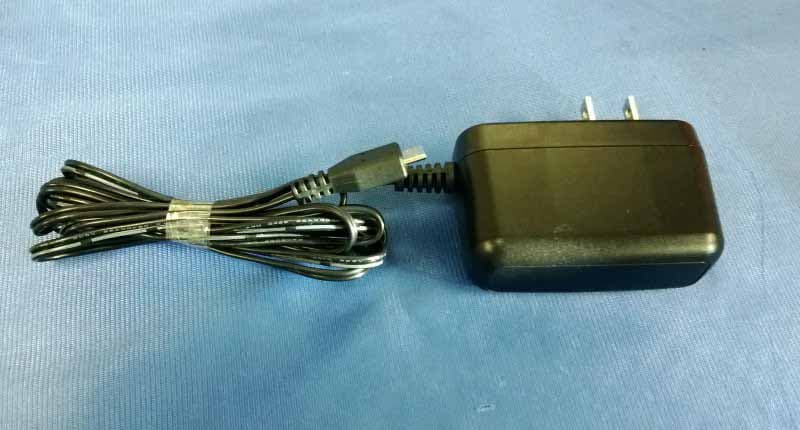
Click to zoom
Application Details
- Equipment Class
- DSS - Part 15 Spread Spectrum Transmitter
- Date of Grant
- Mar 24, 2014
- Application Purpose
- Original Equipment
- Date of Application
- Mar 20, 2014
- Equipment Note
- Personal Audio System
- Frequency Range
- 2402.00000000 - 2480.00000000
- Company
- Sony Group Corporation
- Country
- Japan
Documents & Files
Document Text
Text extracted from the exhibit documents filed with the FCC. Open a document above to read the original.
Users Manual
SRS-X2 [UC7/CA] (US, CaFR, LaES) X-XXX-XXX-XX(1) ©2014 Sony Corporation Printed in China SRS-X2 Personal Audio System Système audio personnel Sistema de audio personal Quick Start Guide Guide de prise en main Guía de inicio rápido English Manuals supplied Quick Start Guide (this document) Provides you with instructions on how to connect the unit with BLUETOOTH devices and basic operations. Reference Guide Provides you with precautions and product specifications. Help Guide Read the Help Guide on your computer or smartphone, when you want to know how to use the unit in greater detail. The Help Guide also contains a troubleshooting guide which provides you with remedies for the problems you might encounter. URL: http://rd1.sony.net/help/speaker/srs-x2/uc/ Two-dimensional code: Charging the Unit This unit has a built-in lithium-ion rechargeable battery. Charge the battery before using the unit for the first time. USB AC adaptor (supplied) DC IN Lit (orange) Charging starts when the unit is connected to an AC outlet via the USB AC adaptor, and the CHARGE indicator lights up orange. Charging is completed in about five hours and the indicator goes off. How to Make Wireless Connection with BLUETOOTH Devices Select your case from the 3 pairing types, below. BLUETOOTH devices need to be “paired” with each other beforehand. Pairing and connecting with a BLUETOOTH device The unit can be paired with up to four BLUETOOTH devices. When pairing with two or more BLUETOOTH devices, perform the following pairing procedure for each device. 1 Press the / (power) button to turn on this unit. The / (power) indicator lights up green. Lit (green) 2 Press the (BLUETOOTH) PAIRING button. The (BLUETOOTH) indicator begins to flash white. Flashing (white) When you use the BLUETOOTH function for the first time, and when you only press the (BLUETOOTH) PAIRING button, the (BLUETOOTH) indicator will begin to flash white quickly and the unit enters pairing mode automatically. 3 Press and hold the (BLUETOOTH) PAIRING button until beeps are heard and the (BLUETOOTH) indicator begins to flash white quickly. The unit enters pairing mode. Fast flashing (white) 4 Perform the pairing procedure on the BLUETOOTH device to detect this unit. When a list of detected devices appears on the display of the BLUETOOTH device, select “SONY:SRS-X2.” If passkey input is required on the display of a BLUETOOTH device, input “ 0000.” 5 Make the BLUETOOTH connection from the BLUETOOTH device. When the BLUETOOTH connection is established, the (BLUETOOTH) indicator on the unit stays lit. Connecting with a paired BLUETOOTH device 1 Turn on this unit. 2 Press the (BLUETOOTH) PAIRING button. The (BLUETOOTH) indicator begins to flash white. 3 Make the BLUETOOTH connection from the BLUETOOTH device. When the BLUETOOTH connection is established, the (BLUETOOTH) indicator on the unit stays lit. Connecting with a smartphone by One- touch (NFC) By touching the unit with a smartphone, the unit is turned on automatically and then proceeds to pairing and BLUETOOTH connection. Compatible smartphones NFC-compatible smartphones with Android 2.3.3 or later installed NFC NFC (Near Field Communication) is a technology enabling short-range wireless communication between various devices, such as smartphones and IC tags. Thanks to the NFC function, data communication - for example, BLUETOOTH pairing - can be achieved easily by simply touching NFC compatible devices together (i.e., at the N-Mark symbol or location designated on each device). 1 Set the NFC function of the smartphone to on. For details, refer to the operating instructions supplied with the smartphone. If your smartphone OS is Android 2.3.3 or later, and less than Android 4.1: proceed to step 2. If your smartphone OS is Android 4.1 or later: proceed to step 4. 2 Download and install the app “NFC Easy Connect.” “NFC Easy Connect” is a free Android app you can download from Google Play. Download the app by searching for “NFC Easy Connect” or access it by using the following two-dimensional code. Fees may be charged for downloading the app. To download by the two-dimensional code, use a two-dimensional code reader app. Note The app may not be available in some countries and/or regions. 3 Start “NFC Easy Connect” on the smartphone. Make sure that the app screen is displayed. X-XXX-XXX-XX(1) 4 Touch this unit with the smartphone. Unlock the screen of the smartphone beforehand. Keep touching the smartphone on the N marked part of the unit until the smartphone responds. If the unit is off, it will turn on when the smartphone touches it. Smartphone responds (unit recognized) Follow the on-screen instructions to establish the connection. When the BLUETOOTH connection is established, the (BLUETOOTH) indicator on the unit stays lit. To disconnect, touch the unit with the smartphone again. Hint If you cannot connect the unit, try the following. Start the app on the smartphone, and move the smartphone slowly over the N marked part of the unit. If the smartphone is in a case, remove it from the case. Make sure that the app screen is displayed on the smartphone. Listening and Calling Operate the unit after making BLUETOOTH connection with your BLUETOOTH device. Listening to music Profile: A2DP, AVRCP Start playback on the BLUETOOTH device, and adjust the volume. Set the volume at an appropriate level on the connected device, and adjust the volume with the VOL –/+ buttons on the unit. Making a call/Receiving a call Profile: HSP, HFP Microphone Operate your smartphone to make a call. To terminate a call, press the button on the unit. Press the button on the unit when an incoming call arrives. Operate in the same way when an incoming call arrives while you are listening to music. The BLUETOOTH® word mark and logos are owned by the Bluetooth SIG, Inc. and any use of such marks by Sony Corporation is under license. The N Mark is a trademark or registered trademark of NFC Forum, Inc. in the United States and in o…
Text truncated - open the document above for the full version.
Users Manual
SRS-X2 UC7 (US/CaFR/LaES) 4-540-488-11(1) EnglishPersonal Audio System Before operating the system, please read this guide thoroughly and retain it for future reference. Owner’s Record The serial number is located on the bottom of the product. Record the serial number in the space provided below. Refer to them whenever you call upon your Sony dealer regarding this product. Model No. SRS-X2 Serial No. For customers in the USA Please register this product on line at http://www.sony.com/productregistration Proper registration will enable us to send you periodic updates about new products, services and other important announcements. Registering your product will also allow us to contact you in the unlikely event that the product needs adjustment or modification. Thank you. WARNING To reduce the risk of fire or electric shock, do not expose this apparatus to rain or moisture. To reduce the risk of fire, do not cover the ventilation of the apparatus with newspapers, tablecloths, curtains, etc. And do not place lighted candles on the apparatus. To reduce the risk of fire or electric shock, do not expose this apparatus to dripping or splashing, and do not place objects filled with liquids, such as vases, on the apparatus. Do not install the appliance in a confined space, such as a bookcase or built-in cabinet. Do not expose the batteries (battery pack or batteries installed) to excessive heat such as sunshine, fire or the like for a long time. As the main plug of USB AC adaptor is used to disconnect the USB AC adaptor from the mains, connect it to an easily accessible AC outlet. Should you notice an abnormality in it, disconnect it from the AC outlet immediately. The unit is not disconnected from the AC power source (mains) as long as it is connected to the wall outlet, even if the unit itself has been turned off. Battery may explode if mistreated. Do not recharge, disassemble or dispose of in fire. Dispose of used battery promptly, according to local environmental laws and guidelines in force. Keep away from children. CAUTION You are cautioned that any changes or modifications not expressly approved in this manual could void your authority to operate this equipment. NOTE: This equipment has been tested and found to comply with the limits for a Class B digital device, pursuant to Part 15 of the FCC Rules. These limits are designed to provide reasonable protection against harmful interference in a residential installation. This equipment generates, uses and can radiate radio frequency energy and, if not installed and used in accordance with the instructions, may cause harmful interference to radio communications. However, there is no guarantee that interference will not occur in a particular installation. If this equipment does cause harmful interference to radio or television reception, which can be determined by turning the equipment off and on, the user is encouraged to try to correct the interference by one or more of the following measures: Reorient or relocate the receiving antenna. Increase the separation between the equipment and receiver. Connect the equipment into an outlet on a circuit different from that to which the receiver is connected. Consult the dealer or an experienced radio/TV technician for help. This equipment complies with FCC/IC radiation exposure limits set forth for an uncontrolled environment and meets the FCC radio frequency (RF) Exposure Guidelines in Supplement C to OET65 and RSS-102 of the IC radio frequency (RF) Exposure rules. This equipment has very low levels of RF energy that it deemed to comply without maximum permissive exposure evaluation (MPE). But it is desirable that it should be installed and operated keeping the radiator at least 20cm or more away from person’s body (excluding extremities: hands, wrists, feet and ankles). This equipment must not be co-located or operated in conjunction with any other antenna or transmitter. If your skin touches the USB AC adaptor or this product for a long time when the power is on, it may cause a low temperature injury. For customers in the USA and Canada For the state of California, USA only Perchlorate Material - special handling may apply, See www.dtsc.ca.gov/hazardouswaste/perchlorate Perchlorate Material : Lithium battery contains perchlorate For customers in Canada This device complies with Industry Canada licence-exempt RSS standard(s). Operation is subject to the following two conditions: (1) this device may not cause interference, and (2) this device must accept any interference, including interference that may cause undesired operation of the device. Important Safety Instructions 1) Read these instructions. 2) Keep these instructions. 3) Heed all warnings. 4) Follow all instructions. 5) Do not use this apparatus near water. 6) Clean only with dry cloth. 7) Do not block any ventilation openings. Install in accordance with the manufacturer’s instructions. 8) Do not install near any heat sources such as radiators, heat registers, stoves, or other apparatus (including amplifiers) that produce heat. 9) Do not defeat the safety purpose of the polarized or grounding-type plug. A polarized plug has two blades with one wider than the other. A grounding type plug has two blades and a third grounding prong. The wide blade or the third prong are provided for your safety. If the provided plug does not fit into your outlet, consult an electrician for replacement of the obsolete outlet. 10) Protect the power cord from being walked on or pinched particularly at plugs, convenience receptacles, and the point where they exit from the apparatus. 11) Only use attachments/accessories specified by the manufacturer. 12) Use only with the cart, stand, tripod, bracket, or table specified by the manufacturer, or sold with the apparatus. When a cart is used, use caution when moving the cart/apparatus combination to avoid injury from tip-over. 13) Unplug this apparatus during lightning storms or when unused for long periods of ti…
Text truncated - open the document above for the full version.
Cover Letter(s)
SONY AGENCY AUTHORIZATION LETTER FCC ID: AK8SRSX2 Date: March 6th, 2014 To whom it may concern: We, the undersigned, hereby authorize Audix Technology (ShenZhen) Co.,Ltd to act on our behalf, as our agent, in the following matters related to the FCC approval of our products: report submittal, related correspondence, the signing of all documents relating to these matters, and any other lawful activity necessary to obtain such certification. Any act carried out by Audix within the scope of this authorization shall have the same effects as our own. This authorization shall expire 6 months form original date. If you have any Questions regarding the authorization, please don’t hesitate to contact us. Thank you. Sincerely, Kazunaga Kinjo Senior Product Safety Manager Products Safety section, Products Compliance Department, Quality Assurance Division, Home Entertainment&Sound Business Group Sony Corporation Tel: +81-03-5769-5640 Fax: +81-03-5769-5915 E-mail: [email protected]
Cover Letter(s)
SONY Sony Corporation 1-7-1 Konan Minato-Ku, Tokyo 108-0075 Japan Date: March 6th, 2014 Federal Communications Commission Authorization and Evaluation Division FCC ID: AK8SRSX2 Confidentiality Request Pursuant to Sections 0.457 and 0.459 of the Commission’s Rules, the Applicant hereby requests confidential treatment of information accompanying this application as outlined below: 1. Block diagram 2. Schematics 3. Operation Description The above materials contain trade secrets and proprietary information not customarily released to the public. The public disclosure of these matters might to harmful to the applicant and provide unjustified benefits to its competitors. The applicant understands that pursuant to Rule 0.457, disclosure of this application and all accompanying documentation will not be made before the date of the grant for this application. Sincerely, Kazunaga Kinjo Senior Product Safety Manager Products Safety section, Products Compliance Department, Quality Assurance Division, Home Entertainment&Sound Business Group Sony Corporation Tel: +81-03-5769-5640 Fax: +81-03-5769-5915 E-mail: [email protected]
External Photos
R AUDIX Technology (Shenzhen) Co., Ltd. FCC ID:AK8SRSX2 page Audix Technology (Shenzhen) Co., Ltd. Report No. ACS-F14077 14-1 14. PHOTOGRAPH OF EUT Figure 1 General Appearance of the EUT Figure 2 General Appearance of the EUT R AUDIX Technology (Shenzhen) Co., Ltd. FCC ID:AK8SRSX2 page Audix Technology (Shenzhen) Co., Ltd. Report No. ACS-F14077 14-2 Figure 3 Adaptor#1 Figure 4 Adaptor#1 R AUDIX Technology (Shenzhen) Co., Ltd. FCC ID:AK8SRSX2 page Audix Technology (Shenzhen) Co., Ltd. Report No. ACS-F14077 14-3 Figure 5 Adaptor#2 Figure 6 Adaptor#2
Internal Photos
R AUDIX Technology (Shenzhen) Co., Ltd. FCC ID:AK8SRSX2 page Audix Technology (Shenzhen) Co., Ltd. Report No. ACS-F14077 14-2 Figure 3 Inside of the EUT Figure 4 Inside of the EUT R AUDIX Technology (Shenzhen) Co., Ltd. FCC ID:AK8SRSX2 page Audix Technology (Shenzhen) Co., Ltd. Report No. ACS-F14077 14-3 Figure 5 Inside of the EUT Figure 6 Inside of the EUT R AUDIX Technology (Shenzhen) Co., Ltd. FCC ID:AK8SRSX2 page Audix Technology (Shenzhen) Co., Ltd. Report No. ACS-F14077 14-4 Figure 7 Inside of the EUT Figure 8 Inside of the EUT R AUDIX Technology (Shenzhen) Co., Ltd. FCC ID:AK8SRSX2 page Audix Technology (Shenzhen) Co., Ltd. Report No. ACS-F14077 14-5 Figure 9 Inside of the EUT Figure 10 Component side of the PCB R AUDIX Technology (Shenzhen) Co., Ltd. FCC ID:AK8SRSX2 page Audix Technology (Shenzhen) Co., Ltd. Report No. ACS-F14077 14-6 Figure 11 Component side of the PCB Figure 12 Component side of the PCB R AUDIX Technology (Shenzhen) Co., Ltd. FCC ID:AK8SRSX2 page Audix Technology (Shenzhen) Co., Ltd. Report No. ACS-F14077 14-7 Figure 13 Component side of the PCB Figure 14 Component side of the PCB R AUDIX Technology (Shenzhen) Co., Ltd. FCC ID:AK8SRSX2 page Audix Technology (Shenzhen) Co., Ltd. Report No. ACS-F14077 14-8 Figure 15 Component side of the PCB Figure 16 Component side of the PCB R AUDIX Technology (Shenzhen) Co., Ltd. FCC ID:AK8SRSX2 page Audix Technology (Shenzhen) Co., Ltd. Report No. ACS-F14077 14-9 Figure 17 Component side of the PCB Figure 18 Component side of the PCB R AUDIX Technology (Shenzhen) Co., Ltd. FCC ID:AK8SRSX2 page Audix Technology (Shenzhen) Co., Ltd. Report No. ACS-F14077 14-10 Figure 19 Component side of the PCB Figure 20 Component side of the PCB R AUDIX Technology (Shenzhen) Co., Ltd. FCC ID:AK8SRSX2 page Audix Technology (Shenzhen) Co., Ltd. Report No. ACS-F14077 14-11 Figure 21 Adaptor#1 Figure 22 Adaptor#1 R AUDIX Technology (Shenzhen) Co., Ltd. FCC ID:AK8SRSX2 page Audix Technology (Shenzhen) Co., Ltd. Report No. ACS-F14077 14-12 Figure 23 Adaptor#2 Figure 24 Adaptor#2
RF Exposure Info
Product Name: Personal Audio System Model Number: SRS-X2 FCCID: AK8SRSX2 RADIO FRREQUENCY EXPOSURE COMPLIANCE RESULT : PASS Test standard : FCC KDB Publication 447498 D01 V05 Since maximum peak output power of the transmitter is<10mW, i.e. 0.7675mW<10mW, hence the EUT is exclueded from SAR evaluation according to FCC KDB Publication 447498 D01:General RF Exposure Guidance V05.
Test Report
R AUDIX Technology (Shenzhen) Co., Ltd. FCC ID:AK8SRSX2 Audix Technology (Shenzhen) Co., Ltd. Report No. ACS-F14077 FCC PART 15C TEST REPORT FOR CERTIFICATION On Behalf of Sony Corporation Personal Audio System Brand NameModel No. SONY SRS-X2 FCC ID: AK8SRSX2 Prepared for : Sony Corporation 1-7-1 Konan, Minato-ku, Tokyo, 108-0075 Japan Prepared By : Audix Technology (Shenzhen) Co., Ltd. No. 6, Ke Feng Rd., 52 Block, Shenzhen Science & Industrial Park, Nantou, Shenzhen, Guangdong, China Tel: (0755) 26639496 Report Number : ACS-F14077 Date of Test : Feb.25~Mar.04, 2014 Date of Report : Mar.18, 2014 R AUDIX Technology (Shenzhen) Co., Ltd. FCC ID:AK8SRSX2 Audix Technology (Shenzhen) Co., Ltd. Report No. ACS-F14077 TABLE OF CONTENTS Description Page 1. SUMMARY OF STANDARDS AND RESULTS ......................................................... 1-1 1.1. Description of Standards and Results .................................................................................. 1-1 2. GENERAL INFORMATION ......................................................................................... 2-1 2.1. Description of Device (EUT) ............................................................................................... 2-1 2.2. Tested Supporting System Details ....................................................................................... 2-2 2.3. EUT Configuration and operation conditions for test. ......................................................... 2-2 2.4. Test information ................................................................................................................... 2-2 2.5. Test Facility.......................................................................................................................... 2-3 2.6. Measurement Uncertainty (95% confidence levels, k=2) .................................................... 2-3 3. POWER LINE CONDUCTED EMISSION MEASUREMENT ................................. 3-1 3.1. Test Equipment .................................................................................................................... 3-1 3.2. Block Diagram of Test Setup ............................................................................................... 3-1 3.3. Power Line Conducted Emission Test Limits...................................................................... 3-1 3.4. Configuration of EUT on Test ............................................................................................. 3-1 3.5. Operating Condition of EUT................................................................................................ 3-2 3.6. Test Procedure...................................................................................................................... 3-2 3.7. Conducted Emission at Mains Terminals Test Results ........................................................ 3-2 4. RADIATED EMISSION MEASUREMENT ................................................................ 4-1 4.1. Test Equipment .................................................................................................................... 4-1 4.2. Block Diagram of Test Setup ............................................................................................... 4-2 4.3. Radiated Emission Limit Standard: FCC 15.209 ................................................................. 4-3 4.4. EUT Configuration on Test.................................................................................................. 4-3 4.5. Operating Condition of EUT................................................................................................ 4-3 4.6. Test Procedure...................................................................................................................... 4-3 4.7. Radiated Emission Test Results ........................................................................................... 4-4 5. CONDUCTED SPURIOUS EMISSIONS ..................................................................... 5-1 5.1. Test Equipment .................................................................................................................... 5-1 5.2. Limit..................................................................................................................................... 5-1 5.3. Test Procedure...................................................................................................................... 5-1 5.4. Test result ............................................................................................................................. 5-1 6. CARRIER FREQUENCY SEPARATION TEST ........................................................ 6-1 6.1. Test Equipment .................................................................................................................... 6-1 6.2. Limit..................................................................................................................................... 6-1 6.3. Test Results. ......................................................................................................................... 6-1 7. 20 DB BANDWIDTH TEST ........................................................................................... 7-1 7.1. Test Equipment .................................................................................................................... 7-1 7.2. Limit..................................................................................................................................... 7-1 7.3. Test Results .......................................................................................................................... 7-1 8. NUMBER OF HOPPING FREQUENCY TEST .......................................................... 8-1 8.1. Test Equipment .................................................................................................................... 8-1 8.2. Limit............................................................…
Text truncated - open the document above for the full version.
Test Setup Photos
R AUDIX Technology (Shenzhen) Co., Ltd. FCC ID:AK8SRSX2 page Audix Technology (Shenzhen) Co., Ltd. Report No. ACS-F14077 13-1 13. PHOTOGRAPH OF TEST 13.1.Photos of Power Line Conducted Emission Test R AUDIX Technology (Shenzhen) Co., Ltd. FCC ID:AK8SRSX2 page Audix Technology (Shenzhen) Co., Ltd. Report No. ACS-F14077 13-2 13.2.Photos of Radiated Emission Test 30-1000MHz R AUDIX Technology (Shenzhen) Co., Ltd. FCC ID:AK8SRSX2 page Audix Technology (Shenzhen) Co., Ltd. Report No. ACS-F14077 13-3 Above 1000MHz
Contact Information
Applicant
Kazuyuki Hori(Chief EMC/RF Compliance Specialist)
Technical Contact
AUDIX Technology (Shenzhen) Co., Ltd.Lu Sunny
[email protected]86-755-26639497
52 Block Shenzhen Science&Industry · Shenzhen · China
Test Firm
Audix Technology (Shenzhen) Co.Smart Tsai
Technical Specifications
| # | Rule Parts | Frequency Range | Power Output |
|---|---|---|---|
| 1 | 15C | 2.40 GHz - 2.48 GHz | 770.00 µW |
Other Applications from Sony Group Corporation
AK8WW81782
Aug 21, 2026Radio Equipment
Equipment Class
DSS - Part 15 Spread Spectrum TransmitterAK8CFIZCP2
Aug 03, 2026Wireless Controller
Equipment Class
DSS - Part 15 Spread Spectrum TransmitterAK8OEV321MUH
Apr 14, 2026LCD Monitor
Equipment Class
JAD - Part 15 Class A Digital DeviceAK8OEV431MUH
Apr 14, 2026LCD Monitor
Equipment Class
JAD - Part 15 Class A Digital DeviceAK8OEV271MUH
Apr 14, 2026LCD Monitor
Equipment Class
JAD - Part 15 Class A Digital Device