E8HKT-1063Wireless Keyboard
Chicony Electronics Co Ltd
Click to zoom
Application Details
- Equipment Class
- DSS - Part 15 Spread Spectrum Transmitter
- Date of Grant
- Jan 06, 2011
- Application Purpose
- Original Equipment
- Date of Application
- Jan 05, 2011
- Equipment Note
- Wireless Keyboard
- Frequency Range
- 2402.00000000 - 2480.00000000
- Company
- Chicony Electronics Co Ltd
- Country
- Taiwan
Documents & Files
Document Text
Text extracted from the exhibit documents filed with the FCC. Open a document above to read the original.
Users Manual
Chicony Standard Bluetooth Keyboard Users Manual Model No.: KT-1063 Issue: Jan. 03, 2011 Scope Getting Start Thank you for choosing this ultrathin keyboard with Bluetooth technology to ensure no hinder communication between the keyboard and your computer without connecting cable. The transmission and receiving of keyboard are free from angle restriction. It can be used with IBM PC compatible computers pre-installed with the Windows 7, Windows Vista or Windows XP operating system. Features ¾ I-Pad accessory KB ¾ Use high technological Bluetooth (Broadcom BCM2042). ¾ Ultra-low power consumption ¾ Rechargeable Lithium Ion Polymer Battery ¾ Use time last for 3 months with 1 hour charge through Micro-USB Product Specification Electrical Specification 1. Frequency Range: 2402 MHz ~ 2480 MHz 2. input Voltage / Current: 3.7Vdc / 30mA 3. Voltage / Current of charger mode: 5V, 50mA 4. Battery: 1 pieces of Lithium Ion Polymer Battery (110mA/hr) 5. Battery State: Battery low detect voltage: 3.2V +/- 5% Cut off detect voltage:2.8V +/- 5% 6. Operation distance: 10 meter at free space Part Names Hot Keys Status light indicator ¾ Battery Status Led Battery low : Red LED brighten 0.5s,and waiting 5sec ¾ Connect Status Led Power ON : Blue LED brighten 5sec Pairing : Blue LED flash 0.5s/0.5s (3min) Searching: Blue LED brighten 5sec continued to success Charging: Green LED turn on Charging full: Green LED turn off Before Use ¾ Recharging the battery Plug USB recharge cable from keyboard to PC USB hub or USB adaptor at least 10 minutes. Ensure battery power is above low level. ¾ Set power switch is On Configuring the Keyboard Configuring Steps Operation of the Bluetooth software may vary depending on your personal computer/device. For details, refer to the manuals provided with your personal computer. The setup instructions are based on your operating system. Case A: Click (Start), then “Control Panel.” Case B: Click the “Hardware and Sound” icon. Case C: If the “Bluetooth Devices” icon is in the “Hardware and Sound” window: Then go to following D, if the “Bluetooth Devices” icon is not visible in the “Hardware and Sound” window: Close the “Control Panel” and go to pre-install XP section. Case D: Click the “Bluetooth Devices” icon, and verify the contents of the window displayed. If you switch to Classic View, double-click the “Bluetooth Devices” icon. Case E: Review the Bluetooth Devices windows shown here. If you see window 1, go to the instructions in Step (A). If you see window 2, go to the instructions in Step (B). Window 1 Window 2 Steps (A) 1. Turn on the keyboard. 2. Press the CONNECT button on the bottom of the keyboard. The status light flashes blue. 3. On the “Bluetooth Devices” window, click the “Add Wireless Device” icon. 4. In the device list, select “Bluetooth Keyboard” and click “Next.” 5. Select “Pair with using a code”, type the random code as screen shown and press “Enter” as an end. 6. When “This device has been successfully added to this computer” window displayed, you can start use this Bluetooth Keyboard. Steps (B) 1. Turn on the keyboard. 2. On the “Bluetooth Devices” window, select the “Devices” tab and click “Add.” The “Add Bluetooth Device Wizard” appears. 3. Press the CONNECT button on the bottom of the keyboard. The status light flashes blue. 4. Select the “My device is set up and ready to be found” check box and click “Next.” 5. In the device list, select “Bluetooth Keyboard” and click “Next.” 6. Select “Use a passkey” and type the random code as screen shown and press “Enter” as an end. 7. When “This device has been successfully added to this computer” window displayed, you can start use this Bluetooth Keyboard. Here is an example for Bluetooth keyboard configuration to Windows Vista and Windows 7. Step 1: Click the “Bluetooth Devices” icon Æ choose “Add a Device”. Step 2: In “Select a device to add to this computer” window Æ choose “Bluetooth Keyboard” Æ “Next” Step 3: Type the following code into your device and press “Enter” as an end. (The code will be a random code as window displayed) Note: If this step failed, please click “Try Again” and press any key on the Bluetooth Keyboard to reconnect again. Step 4: When “This device has been successfully added to this computer” window displayed, you can start use this Bluetooth Keyboard. Disconnecting Turn off the mouse. Reconnection Turn on the mouse, and then reconnect. Note It may take time to reconnect after turning off the mouse. Troubleshooting and Tips The keyboard does not operate following installation or is not recognized. • Make sure the batteries are not too weak. • To determine whether the keyboard, mouse or computer causes the problem test the keyboard and mouse on a second computer if possible; or test another keyboard and mouse on your current computer. If you are still unable to solve the problem, please contact your point of sale or your dealer. If you need to exchange the keyboard, please note that you must return it to your dealer in its original packaging and also a produce proof of purchase (receipt). Keep your receipt in a safe place after purchase. FEDERAL COMMUNICATIONS COMMISSION (FCC) STATEMENT This equipment has been tested and found to comply with the limits for a Class B digital device, Pursuant to Part 15 the FCC rules. These limits are designed to provide reasonable protection against harmful interference in a residential installation. This equipment generates, uses and can radiate radio frequency energy and, if not installed and used in accordance with the instructions, may cause harmful interference to radio communications. However, there is no guarantee that interference wil not occur in a particular installation. If this equipment does cause harmful interference will not occur in a particular installation. If this equipment does cause harmful interference to radio or television reception, which can be determined by turning the equipment off and on, the user is encouraged to try to correct the in…
Text truncated - open the document above for the full version.
External Photos
Page 1 CONSTRUCTION PHOTOS OF EUT Page 2
ID Label/Location Info
FCC ID: E8HKT-1063 FCC LABEL LOCATION The label will be permanently affixed at a conspicuous location on the device. Label
ID Label/Location Info
This device complies with part 15 of the FCC rules. Operation is subject to the following two conditions: (1) This device may not cause harmful interference, and (2) This device must accept any interference received , including interference that may cause undesired operation.00000
Internal Photos
Page 3 Page 4 Page 5 Page 6 Page 7
Operational Description
FCC ID: E8HKT-1063 Report No.: RF991210D07 Operational Description The device is a Frequency Hopping device with 79 hopping frequencies. The antenna type is Printed antenna and there is no antenna connector used. The EUT is a unit that contains a Bluetooth radio module. Bluetooth is a short-range wireless technology operating in the 2.4GHz band. It enables devices to have the ability to form networks and exchange information. The other instruction, please have a look at the user’s manual.
RF Exposure Info
Report No: SA991210D07 1 Report Format Version 4.0.0 RF EXPOSURE REPORT REPORT NO.: SA991210D07 MODEL NO.: KT-1063 FCC ID: E8HKT-1063 ACCORDING: FCC Guidelines for Human Exposure IEEE C95.1 APPLICANT : Chicony Electronics Co., Ltd. ADDRESS : No. 25, Wu-Gong 6th Rd., Wu Ku Industrial Park, Taipei Hsien, Taiwan, R.O.C. ISSUED BY : Bureau Veritas Consumer Products Services (H.K.) Ltd., Taoyuan Branch LAB ADDRESS : No. 47, 14th Ling, Chia Pau Tsuen, Lin Kou Hsiang, Taipei Hsien, 244 Taiwan Report No: SA991210D07 2 Report Format Version 4.0.0 Conclusion No Evaluation Required if power is below this threshold: F(GHz) mW Low 2.402 High 2.480 24.58 Maximum measured transmitter power: Pout (dBm) Pout (mW) Conducted Power -0.7 0.9 EIRP Power -2.7 0.5 *Note: The antenna is Printed antenna with -1.98 dBi gain Threshold for no SAR evaluation is 24.58mW Transmitter power is 0.9mW Conclusion: No SAR evaluation required since Transmitter Pout is below FCC threshold ---END---
Test Report
Report No.: RF991210D07 1 Report Format Version 4.0.0 FCC TEST REPORT REPORT NO.: RF991210D07 MODEL NO.: KT-1063 FCC ID: E8HKT-1063 RECEIVED: Dec. 10, 2010 TESTED: Dec. 14 ~ 16, 2010 ISSUED: Dec. 29, 2010 APPLICANT: Chicony Electronics Co., Ltd. ADDRESS: No. 25, Wu-Gong 6th Rd., Wu Ku Industrial Park, Taipei Hsien, Taiwan, R.O.C. ISSUED BY: Bureau Veritas Consumer Products Services (H.K.) Ltd., Taoyuan Branch LAB LOCATION: No. 47, 14th Ling, Chia Pau Tsuen, Lin Kou Hsiang, Taipei Hsien, 244 Taiwan This test report consists of 50 pages in total. It may be duplicated completely for legal use with the approval of the applicant. It should not be reproduced except in full, without the written approval of our laboratory. The client should not use it to claim product endorsement by TAF or any government agencies. The test results in the report only apply to the tested sample. Report No.: RF991210D07 2 Report Format Version 4.0.0 TABLE OF CONTENTS RELEASE CONTROL RECOR..................................................................................4 1. CERTIFICATION........................................................................................5 2. SUMMARY OF TEST RESULTS...............................................................6 2.1 MEASUREMENT UNCERTAINTY.............................................................7 3. GENERAL INFORMATION........................................................................8 3.1 GENERAL DESCRIPTION OF EUT..........................................................8 3.2 DESCRIPTION OF TEST MODES............................................................9 3.2.1 CONFIGURATION OF SYSTEM UNDER TEST......................................10 3.2.2 TEST MODE APPLICABILITY AND TESTED CHANNEL DETAIL...........11 3.3.3 GENERAL DESCRIPTION OF APPLIED STANDARDS..........................13 3.3.4 DESCRIPTION OF SUPPORT UNITS.....................................................13 4. TEST TYPES AND RESULTS..................................................................14 4.1 CONDUCTED EMISSION MEASUREMENT...........................................14 4.1.1 LIMITS OF CONDUCTED EMISSION MEASUREMENT........................14 4.1.2 TEST INSTRUMENTS.............................................................................14 4.1.3 TEST PROCEDURES.............................................................................15 4.1.4 DEVIATION FROM TEST STANDARD....................................................15 4.1.5 TEST SETUP...........................................................................................16 4.1.6 EUT OPERATING CONDITIONS.............................................................16 4.1.7 TEST RESULTS......................................................................................17 4.2 RADIATED EMISSION MEASUREMENT................................................19 4.2.1 LIMITS OF RADIATED EMISSION MEASUREMENT.............................19 4.2.2 TEST INSTRUMENTS.............................................................................20 4.2.3 TEST PROCEDURES.............................................................................21 4.2.4 DEVIATION FROM TEST STANDARD....................................................21 4.2.5 TEST SETUP...........................................................................................22 4.2.6 EUT OPERATING CONDITIONS.............................................................22 4.2.7 TEST RESULTS......................................................................................23 4.3 NUMBER OF HOPPING FREQUENCY USED........................................29 4.3.1 LIMIT OF HOPPING FREQUENCY USED..............................................29 4.3.2 TEST INSTRUMENTS.............................................................................29 4.3.3 TEST PROCEDURES.............................................................................29 4.3.4 DEVIATION FROM TEST STANDARD....................................................30 4.3.5 TEST SETUP...........................................................................................30 4.3.6 TEST RESULTS......................................................................................30 4.4 DWELL TIME ON EACH CHANNEL........................................................32 4.4.1 LIMIT OF DWELL TIME USED................................................................32 4.4.2 TEST INSTRUMENTS.............................................................................32 4.4.3 TEST PROCEDURES.............................................................................32 4.4.4 DEVIATION FROM TEST STANDARD....................................................32 4.4.5 TEST SETUP...........................................................................................33 4.4.6 TEST RESULTS......................................................................................33 4.5 CHANNEL BANDWIDTH.........................................................................36 4.5.1 LIMITS OF CHANNEL BANDWIDTH.......................................................36 4.5.2 TEST INSTRUMENTS.............................................................................36 4.5.3 TEST PROCEDURE................................................................................36 Report No.: RF991210D07 3 Report Format Version 4.0.0 4.5.4 DEVIATION FROM TEST STANDARD....................................................37 4.5.5 TEST SETUP...........................................................................................37 4.5.6 EUT OPERATING CONDITION...............................................................37 4.5.7 TEST RESULTS......................................................................................38 4.6 HOPPING CHANNEL SEPARATION.......................................................39 4.6.1 LIMIT OF HOPPING CHANNEL SEPARATION.......................................39 4.6.2 TEST INSTRUMENTS......................................…
Text truncated - open the document above for the full version.
Test Setup Photos
1 PHOTOGRAPHS OF THE TEST CONFIGURATION CONDUCTED EMISSION TEST-MODE A 2 RADIATED EMISSION TEST-MODE A 3 RADIATED EMISSION TEST-MODE B
Contact Information
Applicant
T. S. Chen(Manager)
Technical Contact
Bureau Veritas CPS (H.K.) Ltd. Taoyuan BranchKen Liu
[email protected]886-2-2605-2180
No. 47, 14 Ling, Chia Pau Tsuen, Lin Kou Hsiang, · Linkou, Taipei · Taiwan
Non-Technical Contact
Bureau Veritas CPS (H.K.) Ltd. Taoyuan BranchNatacha Chen
[email protected]886-3-3183232
Test Firm
Bureau Veritas CPS (H.K.) Ltd. Taoyuan BranchRichard Chen
Technical Specifications
| # | Rule Parts | Frequency Range | Power Output |
|---|---|---|---|
| 1 | 15C | 2.40 GHz - 2.48 GHz | 1.00 mW |
Other Applications from Chicony Electronics Co Ltd
E8HWBS23B5LUB
Sep 19, 2023USI Rechargeable Active Pen
Equipment Class
DXX - Part 15 Low Power Communication Device Transmitter
E8HRG-2308
Sep 19, 2023Dongle
Equipment Class
DXX - Part 15 Low Power Communication Device Transmitter
E8HMG-2308
Sep 19, 2023Gaming Mouse
Equipment Class
DXX - Part 15 Low Power Communication Device Transmitter
E8HKC-2227
Feb 01, 2023Gaming Keyboard
Equipment Class
DTS - Digital Transmission System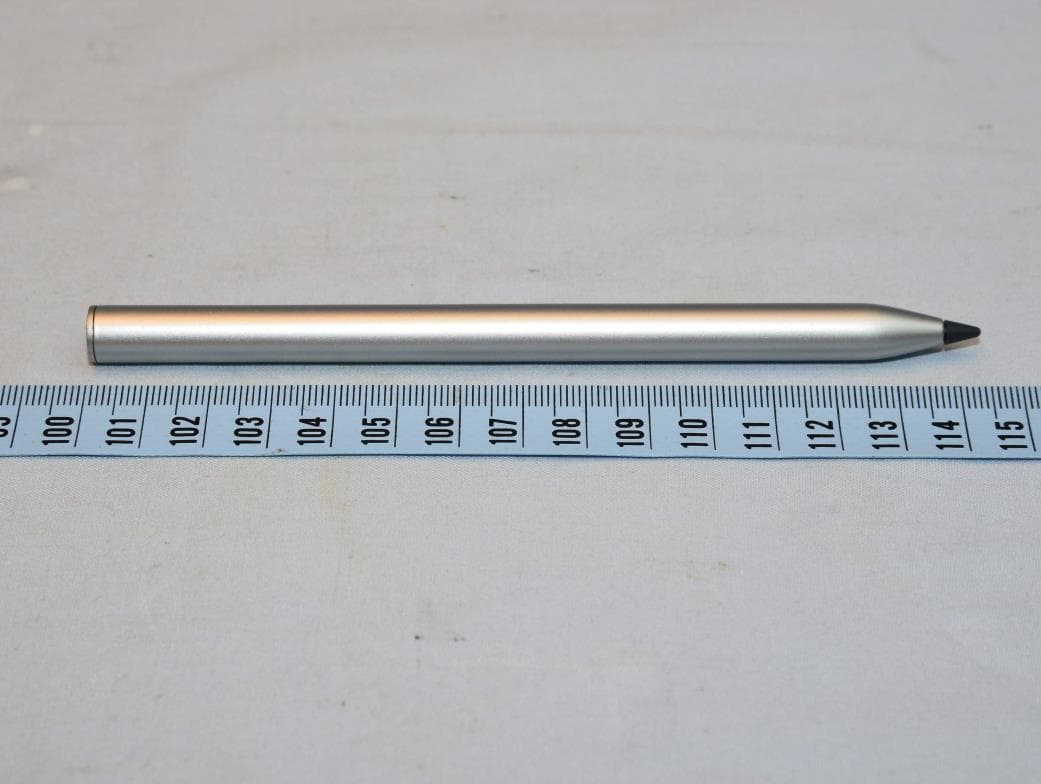
E8HTPA-C002P
Aug 09, 2021HP Wireless Rechargeable USI Pen
Equipment Class
DXX - Part 15 Low Power Communication Device Transmitter