EMOIKN150Portable Bluetooth Speaker with Removable Battery
SDI Technologies Inc.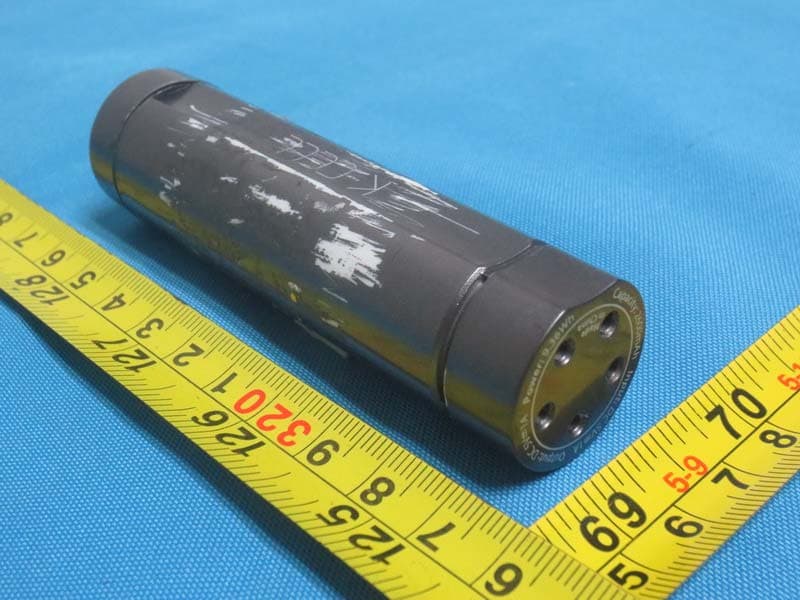
Click to zoom
Application Details
- Equipment Class
- DSS - Part 15 Spread Spectrum Transmitter
- Date of Grant
- Jan 22, 2015
- Application Purpose
- Original Equipment
- Date of Application
- Jan 22, 2015
- Equipment Note
- Portable Bluetooth Speaker with Removable Battery
- Frequency Range
- 2402.00000000 - 2480.00000000
- Company
- SDI Technologies Inc.
- Country
- United States
Documents & Files
Document Text
Text extracted from the exhibit documents filed with the FCC. Open a document above to read the original.
Users Manual
instruction manual P1 Model: iKN150 CHARGE BEFORE USE iKN150 IB (English) Size: 130 x 102 mm Color: 1C + 1C (Black text on white paper) 20 pages Date: Jan. 7, 15. Questions? Contact Customer Service at 1-800-288-2792 portable stereo speaker system with speakerphone and removable power K1 P2 Introduction Thank you for purchasing the iHome Kineta K1. This product is designed to provide high quality wireless sound for your iPad, iPhone, iPod, computer, tablet or other Bluetooth audio device and mobile charging on the go with the included removable K-Cell rechargeable battery. This unit features NFC (Near Field Communication) technology which allows you to wirelessly connect your NFC–enabled device to instantly ‘pair and play’. See your device’s user manual for details on how to interact with NFC devices. If your Bluetooth device does not support NFC, you can pair it manually with this unit. This instruction booklet explains the basic operation and care of the unit. Please read it carefully and keep for future reference. P3 K1 Internal Rechargeable Lithium-ion Battery This device uses an internal rechargeable lithium-ion battery that should last the lifetime of the device. If you suspect your battery may be dead, try charging it several times and try resetting the unit. WARNING/DISPOSAL OF UNIT Please do NOT attempt to change the battery yourself. If the battery has died and you do not want us to replace your battery, you should follow the disposal instructions below: • Never dispose of used batteries/electronics with ordinary solid wastes, since they contain toxic substances. • Always dispose of used batteries/electronics in accordance with the prevailing community regulations that apply to the disposal of batteries/electronics. If there are no local regulations concerning battery/electronics disposal, please dispose of the device in a waste bin for electronic devices. • Many electronics retailers now recycle batteries and other electronic components at no charge. Check to see which ones in your area do so. GENERAL BATTERY PRECAUTIONS • Never use or charge a battery if it appears to be leaking, discolored, deformed, or in any way abnormal. • Never disassemble the unit or attempt to remove battery as that could cause leakage of alkaline solution or other electrolytic substance. • Always confirm that the temperature is 5°C - 35° C (41° - 95° Fahrenheit) before you charge the battery. Leakage or deterioration of the battery may occur if this warning is not heeded. • Never expose a battery to any liquid. • Never expose a battery to excessive heat such as direct sunlight or fire. Never use a battery pack in an unventilated vehicle where excessive internal temperatures may be encountered. • Always keep batteries out of the reach of infants and small children. Maintenance • Place the unit on a level surface away from sources of direct sunlight or excessive heat. • Protect your furniture when placing your unit on a natural wood and lacquered finish. A cloth or other protective material should be placed between it and the furniture. • Clean your unit with a soft cloth moistened only with mild soap and water. Stronger cleaning agents, such as thinner or similar materials can damage the surface of the unit. Rinse unit with tap water and wipe dry after submersion in salt water or swimming pool. Long-term Storage of Your Product • Store in a cool, dry place. • Unit should be charged before storing. • If stored for a long period of time, unit may be unresponsive until charged for a number of hours (depending on discharge level) • Do not store for more than a year without charging as this can permanently harm the battery. • After long term storage, if unit is unresponsive after charging, RESET unit while connected to AC and recharge the unit. K1 Table of Contents P4 Included / Meet Your K1 ................................................................................................. 1-2 Getting Started: Charging the Unit and K-Cell via AC Adaptor .................................................3 Battery Level Meters ..........................................................................................................4 Charging the K-Cell via USB...............................................................................................5 Charging Devices Using the K-Cell ......................................................................................6 Using Bluetooth: Pairing Your Device Using NFC ....................................................................7 Using Bluetooth: Pairing Your Device Manually.......................................................................8 Pairing with a Different Device / Playing Audio Via Bluetooth ...................................................9 Speakerphone Operation ................................................................................................10 Playing Audio via Aux In .................................................................................................11 Consumer Product Safety Guide ................................................................................... 12-13 FCC Information.............................................................................................................14 Troubleshooting ..............................................................................................................15 Warranty......................................................................................................................16 1 P5 K1 Included • K1 system • K-Cell • AC adaptor • USB charging cable K-Cell K1 system USB cableAC adaptor 2 P6 K1 Meet Your K1 Aux-in Jack Left Side Top Power/End Call Button Talk/Play/Pause Button Volume Up Button Microphone K-Cell Eject Button NFC Antenna Area K-CellVolume Down Button Splash-resistant Jack Cover (attached) Reset ButtonDC Jack Bluetooth Pairing Internal Battery level meter External Battery level meter DC 9V 2.5A P7 3 K1 Getting Started: Char…
Text truncated - open the document above for the full version.
External Photos
Project No.: 1412C164 Page 2 of 21 \ Project No.: 1412C164 Page 3 of 21 Project No.: 1412C164 Page 4 of 21 Project No.: 1412C164 Page 5 of 21 Project No.: 1412C164 Page 6 of 21
ID Label/Location Info
240.0 106.3 FCC ID: EMOIKN150 IC: 986B-IKN150 Model: iKN150 Input: DC 9V, 2.5A This device complies with Part 15 of the FCC Rules. Operation is subject to the following two conditions: (1) this device may not cause harmful interference, and (2) this device must accept any interference received, including interference that may cause undesired operation. CAN ICES-3 (B)/NMB-3(B)
Internal Photos
Project No.: 1412C164 Page 7 of 21 Project No.: 1412C164 Page 8 of 21 Project No.: 1412C164 Page 9 of 21 \ Project No.: 1412C164 Page 10 of 21 Project No.: 1412C164 Page 11 of 21 Project No.: 1412C164 Page 12 of 21 Project No.: 1412C164 Page 13 of 21 Project No.: 1412C164 Page 14 of 21 Project No.: 1412C164 Page 15 of 21 Project No.: 1412C164 Page 16 of 21 \ Project No.: 1412C164 Page 17 of 21 Project No.: 1412C164 Page 18 of 21 Project No.: 1412C164 Page 19 of 21 Project No.: 1412C164 Page 20 of 21 Project No.: 1412C164 Page 21 of 21
Test Report
Report No.: BTL-FICP-1-1412C164 Page 1 of 109 FCC&IC Radio Test Report FCC ID: EMOIKN150 IC: 986B-IKN150 This report concerns (check one): Original Grant Class II Change Project No. : 1412C164 Equipment : Portable Bluetooth Speaker with Removable Battery Model Name For FCC : iKN150; iKN150BC; iKN150WC; iKN150XC(“X” denote as color of cabinet) Model Name For IC : iKN150 Applicant : SDI TECHNOLOGIES INC. Address : 1299 Main Street, Rahway, NJ 07065, U.S.A Date of Receipt : Dec. 18, 2014 Date of Test : Dec. 18, 2014~Dec. 26, 2014 Issued Date : Dec. 29, 2014 Tested by : BTL Inc. Testing Engineer : (David Mao) Technical Manager : (Leo Hung) Authorized Signatory : (Steven Lu) BTL INC. No.3, Jinshagang 1st Road, Shixia, Dalang Town, Dongguan, Guangdong, China. TEL: +86-769-8318-3000 FAX: +86-769-8319-6000 Report No.: BTL-FICP-1-1412C164 Page 2 of 109 Declaration BTL re presents to the client that testing is done in accordance with standard procedures as applicable and that test instruments used has been calibrated with the standards traceable to National Measurement Laboratory (NML) of CHINA, or National Institute of Standards and Technology (NIST) of U.S.A. BTL's reports apply only to the specific samples tested under conditions. It is manufacture’s responsibility to ensure that additional production units of this model are manufactured with the identical electrical and mechanical components. BTL shall have no liability for any declarations, inferences or generalizations drawn by the client or others from BTL issued reports. BTL’s reports must not be used by the client to claim product endorsement by the authorities or any agency of the Government. This report is the confidential property of the client. As a mutual protection to the clients, the public and BTL-self, extracts from the test report shall not be reproduced except in full with BTL’s authorized written approval. BTL’s laboratory quality assurance procedures are in compliance with the ISO Guide 17025 requirements, and accredited by the conformity assessment authorities listed in this test report. Limitation For the use of the authority's logo is limite d unless the Test Standard(s)/Scope(s)/Item(s) mentioned in this test report is (are) included in the conformity assessment authorities acceptance respective. Report No.: BTL-FICP-1-1412C164 Page 3 of 109 Table of Contents Page 1 . CERTIFICATION 7 2 . SUMMARY OF TEST RESULTS 8 2.1 TEST FACILITY 9 2.2 MEASUREMENT UNCERTAINTY 9 3 . GENERAL INFORMATION 10 3.1 GENERAL DESCRIPTION OF EUT 10 3.2 DESCRIPTION OF TEST MODES 12 3.3 TABLE OF PARAMETERS OF TEXT SOFTWARE SETTING 12 3.4 BLOCK DIAGRAM SHOWING THE CONFIGURATION OF SYSTEM TESTED 13 3.5 DESCRIPTION OF SUPPORT UNITS 13 4 . EMC EMISSION TEST 14 4.1 CONDUCTED EMISSION MEASUREMENT 14 4.1.1 POWER LINE CONDUCTED EMISSION LIMITS 14 4.1.2 TEST PROCEDURE 14 4.1.3 DEVIATION FROM TEST STANDARD 14 4.1.4 TEST SETUP 15 4.1.5 EUT OPERATING CONDITIONS 15 4.1.6 EUT TEST CONDITIONS 15 4.1.7 TEST RESULTS 15 4.2 RADIATED EMISSION MEASUREMENT 16 4.2.1 RADIATED EMISSION LIMITS 16 4.2.2 TEST PROCEDURE 17 4.2.3 DEVIATION FROM TEST STANDARD 17 4.2.4 TEST SETUP 18 4.2.5 EUT OPERATING CONDITIONS 19 4.2.6 EUT TEST CONDITIONS 19 4.2.7 TEST RESULTS (9KHZ TO 30MHZ) 19 4.2.8 TEST RESULTS (BETWEEN 30MHZ TO 1000 MHZ) 20 4.2.9 TEST RESULTS (ABOVE 1000 MHZ) 20 5 . NUMBER OF HOPPING CHANNEL 21 5.1 APPLIED PROCEDURES 21 5.1.1 TEST PROCEDURE 21 5.1.2 DEVIATION FROM STANDARD 21 5.1.3 TEST SETUP 21 5.1.4 EUT OPERATION CONDITIONS 21 5.1.5 EUT TEST CONDITIONS 21 5.1.6 TEST RESULTS 21 Report No.: BTL-FICP-1-1412C164 Page 4 of 109 Table of Contents Page 6 . AVERAGE TIME OF OCCUPANCY 22 6.1 APPLIED PROCEDURES / LIMIT 22 6.1.1 TEST PROCEDURE 22 6.1.2 DEVIATION FROM STANDARD 22 6.1.3 TEST SETUP 22 6.1.4 EUT OPERATION CONDITIONS 23 6.1.5 EUT TEST CONDITIONS 23 6.1.6 TEST RESULTS 23 7 . HOPPING CHANNEL SEPARATION MEASUREMENT 24 7.1 APPLIED PROCEDURES / LIMIT 24 7.1.1 TEST PROCEDURE 24 7.1.2 DEVIATION FROM STANDARD 24 7.1.3 TEST SETUP 24 7.1.4 EUT TEST CONDITIONS 24 7.1.5 TEST RESULTS 24 8 . BANDWIDTH TEST 25 8.1 APPLIED PROCEDURES 25 8.1.1 TEST PROCEDURE 25 8.1.2 DEVIATION FROM STANDARD 25 8.1.3 TEST SETUP 25 8.1.4 EUT OPERATION CONDITIONS 25 8.1.5 EUT TEST CONDITIONS 25 8.1.6 TEST RESULTS 25 9 . PEAK OUTPUT POWER TEST 26 9.1 APPLIED PROCEDURES / LIMIT 26 9.1.1 TEST PROCEDURE 26 9.1.2 DEVIATION FROM STANDARD 26 9.1.3 TEST SETUP 26 9.1.4 EUT OPERATION CONDITIONS 26 9.1.5 EUT TEST CONDITIONS 26 9.1.6 TEST RESULTS 26 10 . ANTENNA CONDUCTED SPURIOUS EMISSION 27 10.1 APPLIED PROCEDURES / LIMIT 27 10.1.1 TEST PROCEDURE 27 10.1.2 DEVIATION FROM STANDARD 27 10.1.3 TEST SETUP 27 10.1.4 EUT OPERATION CONDITIONS 27 10.1.5 EUT TEST CONDITIONS 27 10.1.6 TEST RESULTS 27 11 . MEASUREMENT INSTRUMENTS LIST 28 Report No.: BTL-FICP-1-1412C164 Page 5 of 109 Table of Contents Page 12 . EUT TEST PHOTO 30 ATTACHMENT A - CONDUCTED EMISSION 34 ATTACHMENT B - RADIATED EMISSION (9KHZ-30MHZ) 37 ATTACHMENT C - RADIATED EMISSION (30MHZ TO 1000MHZ) 39 ATTACHMENT D - RADIATED EMISSION (ABOVE 1000MHZ) 46 ATTACHMENT E - NUMBER OF HOPPING CHANNEL 71 ATTACHMENT F - AVERAGE TIME OF OCCUPANCY 73 ATTACHMENT G - HOPPING CHANNEL SEPARATION MEASUREMENT 86 ATTACHMENT H - BANDWIDTH 91 ATTACHMENT I - PEAK OUTPUT POWER 96 ATTACHMENT J - ANTENNA CONDUCTED SPURIOUS EMISSION 101 Report No.: BTL-FICP-1-1412C164 Page 6 of 109 REPORT ISSUED HISTORY Issued No. Description Issued Date BTL-FICP-1-1412C164 Original Issue. Dec. 29, 2014 Report No.: BTL-FICP-1-1412C164 Page 7 of 109 1. CERTIFICATION Equipment : Portable Bluetooth Speaker with Removable Battery Brand Name : iHome; iHome KINETA Model Name For FCC : iKN150; iKN150BC; iKN150WC; iKN150XC(“X” denote as color of cabinet) Model Name For IC : iKN150 Applicant SDI TECHNOLOGIES INC. Manufacturer : SDI TECHNOLOGIES INC. Address : 1299 Main Street, Rahway, NJ 07065, U.S.A Factory : Premium Loudspeakers (Hui Zhou) Co. Ltd., Address : Xin Lian Village, XinXu Town, HuiYang District, Huizhou,…
Text truncated - open the document above for the full version.
Test Setup Photos
Report No.: BTL-FICP-1-1412C164 Page 30 of 109 12. EUT TEST PHOTO Conducted Measurement Photos Report No.: BTL-FICP-1-1412C164 Page 31 of 109 Radiated Measurement Photos 9KHz to 30MHz Report No.: BTL-FICP-1-1412C164 Page 32 of 109 Radiated Measurement Photos 30MHz to 1000MHz Report No.: BTL-FICP-1-1412C164 Page 33 of 109 Radiated Measurement Photos Above 1000MHz
Contact Information
Applicant
David Stetin(Compliance Officer)
Test Firm
BTL Inc.Daisy Dai
Technical Specifications
| # | Rule Parts | Frequency Range | Power Output |
|---|---|---|---|
| 1 | 15C | 2.40 GHz - 2.48 GHz | 1.60 mW |
Other Applications from SDI Technologies Inc.
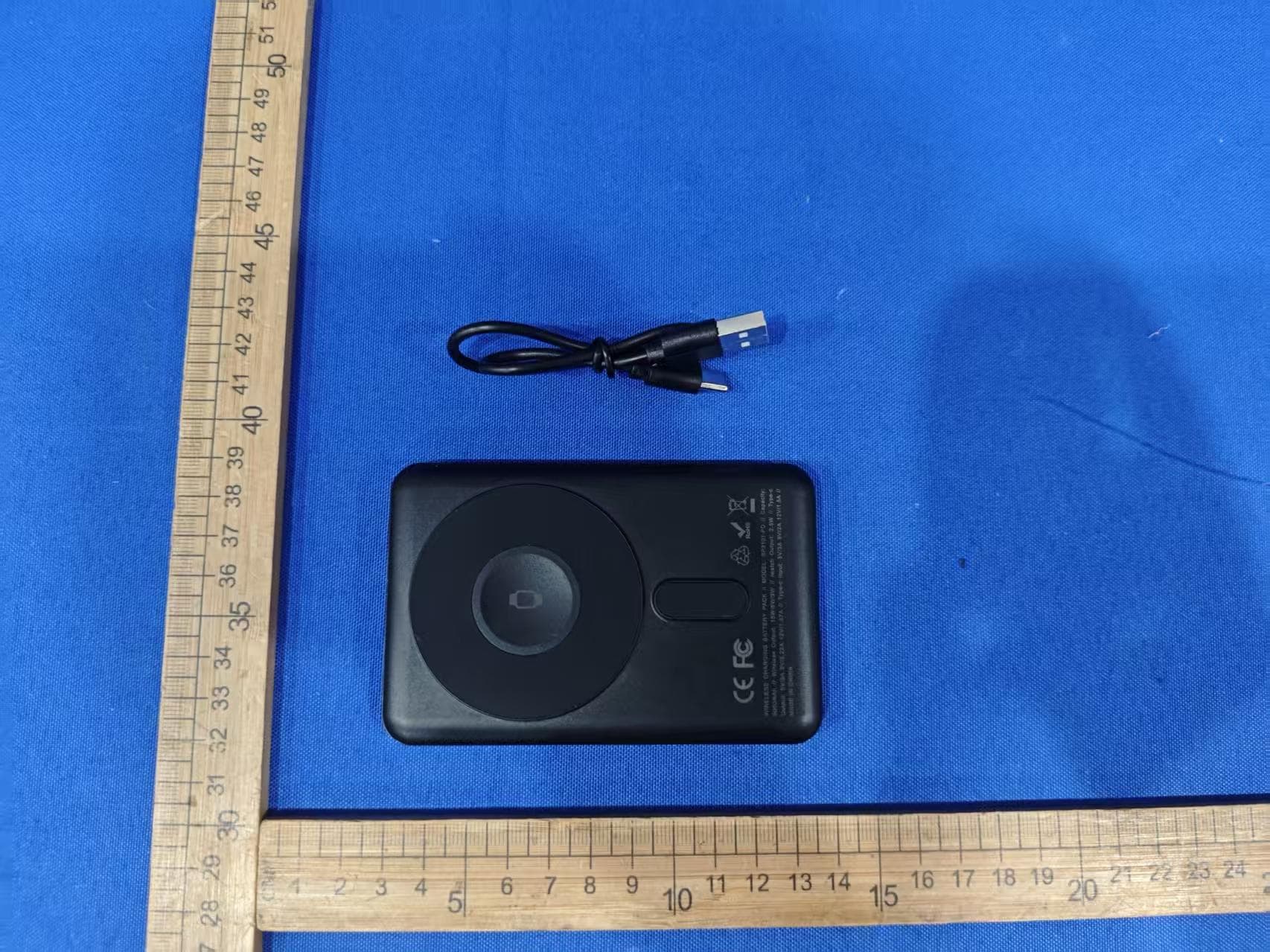
EMOIPCV3A
May 27, 2026Magnetic Wallet Power Bank
Equipment Class
DCD - Part 15 Low Power Transmitter Below 1705 kHz
EMOTW502A
Apr 22, 2026ALARM CLOCK WITH NIGHTLIGHT AND FAST WIRELESS CHARGING
Equipment Class
DCD - Part 15 Low Power Transmitter Below 1705 kHz
EMO555B
Nov 23, 2025Bluetooth Karaoke
Equipment Class
DSS - Part 15 Spread Spectrum Transmitter
EMO555BM
Nov 23, 2025Bluetooth Karaoke
Equipment Class
DTS - Digital Transmission System
EMOIBTW112A
Sep 07, 2024Bluetooth Alarm Clock with wireless and USB charging
Equipment Class
DSS - Part 15 Spread Spectrum Transmitter