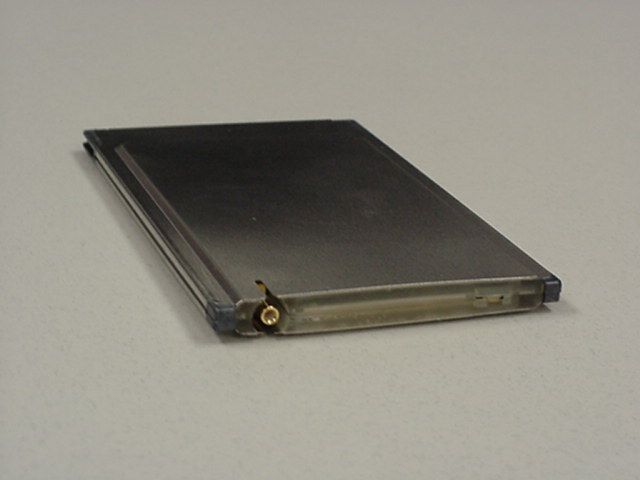
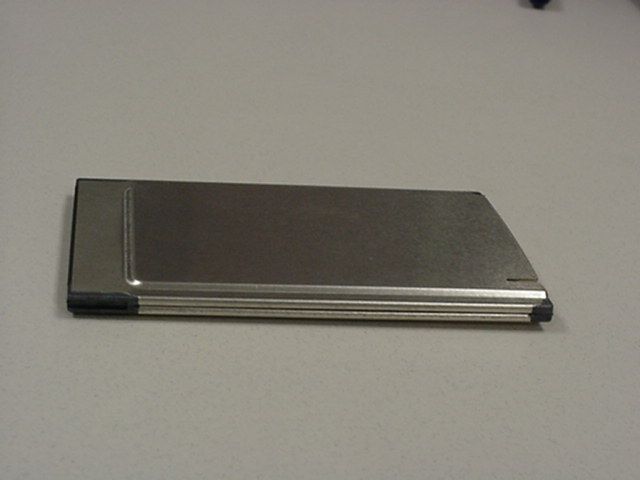
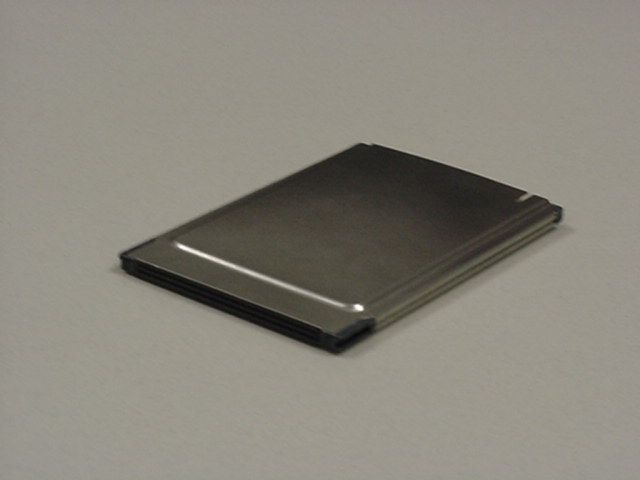
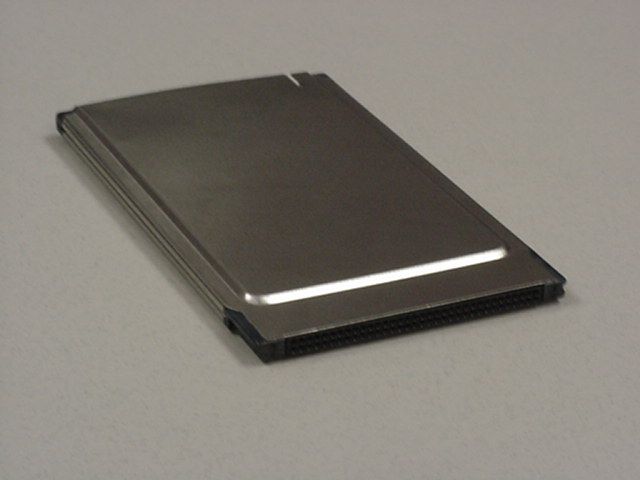
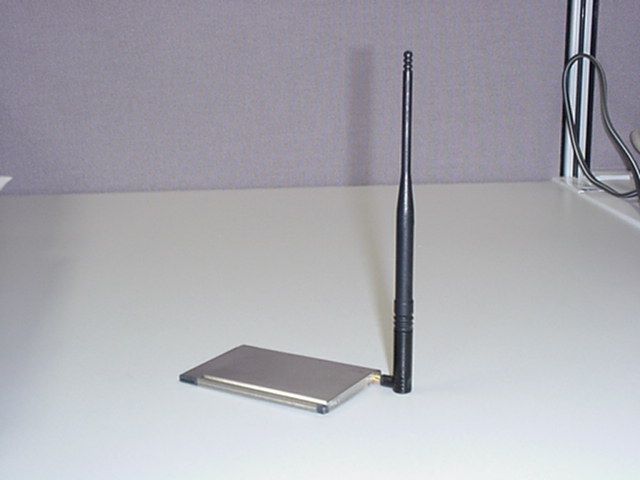
O6UACRD400AirCard 400 Wireless Modem
Sierra Wireless, ULC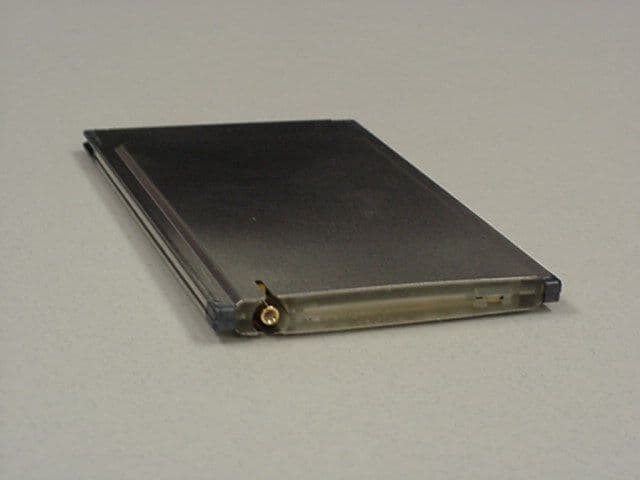
Click to zoom
Application Details
- Equipment Class
- DSS - Part 15 Spread Spectrum Transmitter
- Date of Grant
- Nov 15, 2000
- Application Purpose
- Original Equipment
- Date of Application
- Sep 11, 2000
- Equipment Note
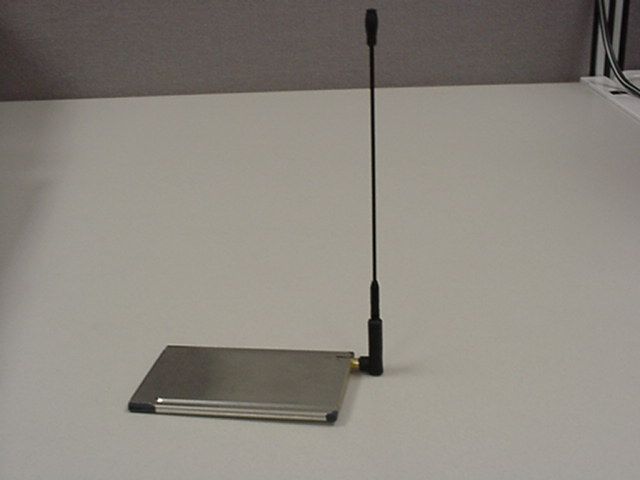
- AirCard 400 Wireless Modem
- Frequency Range
- 902.16000000 - 924.08000000
- Company
- Sierra Wireless, ULC
- Country
- Canada
Documents & Files
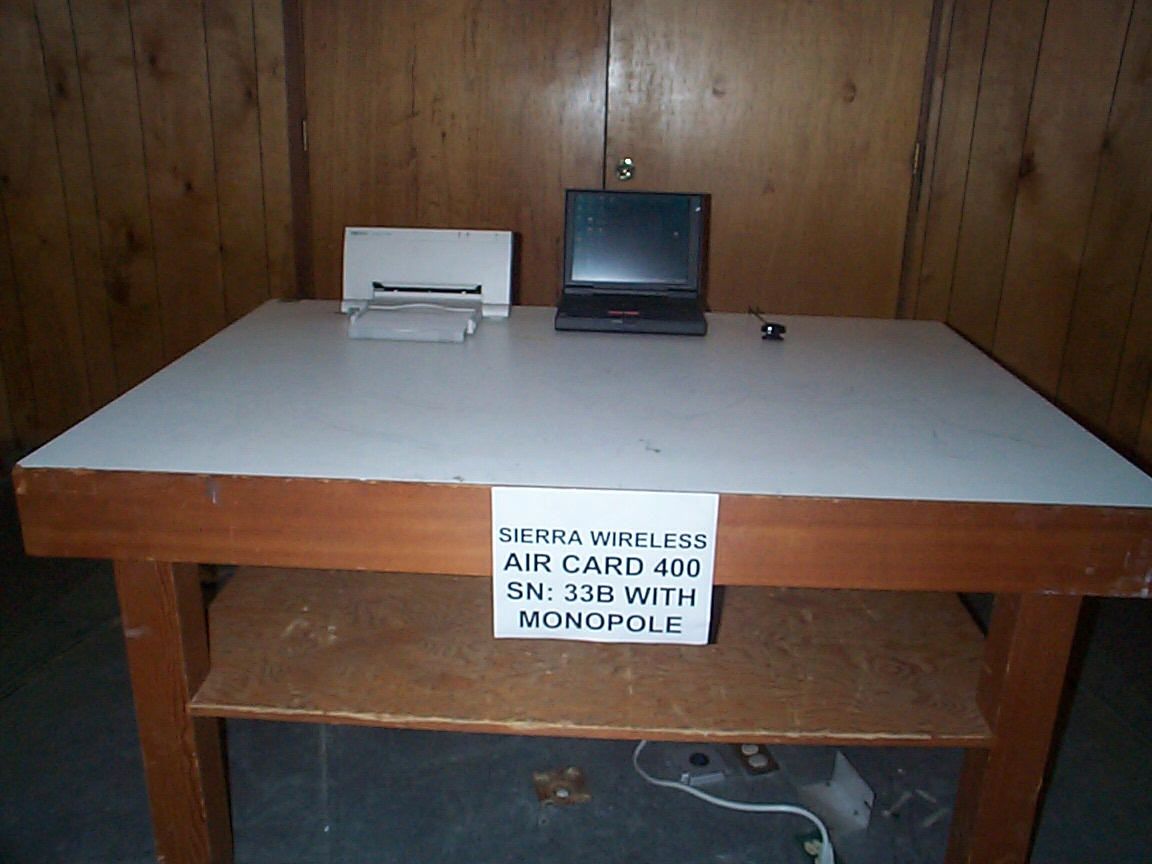
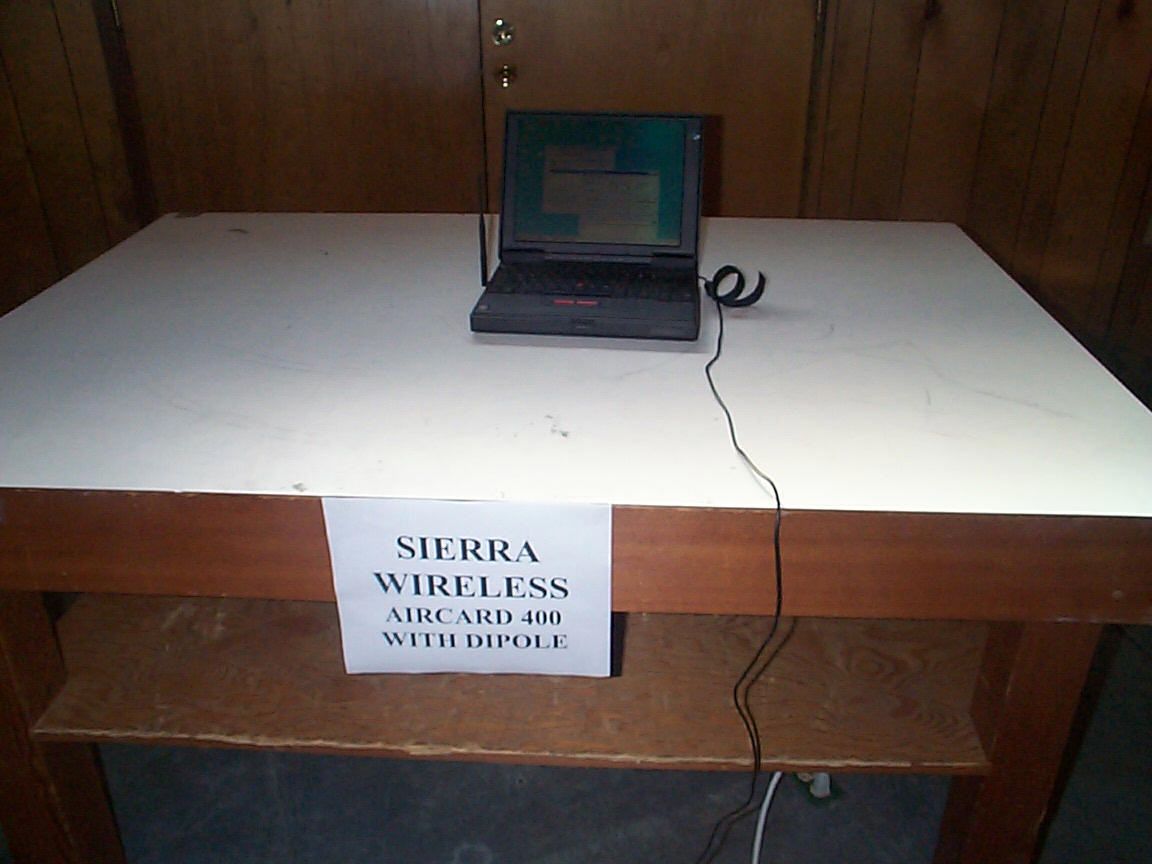
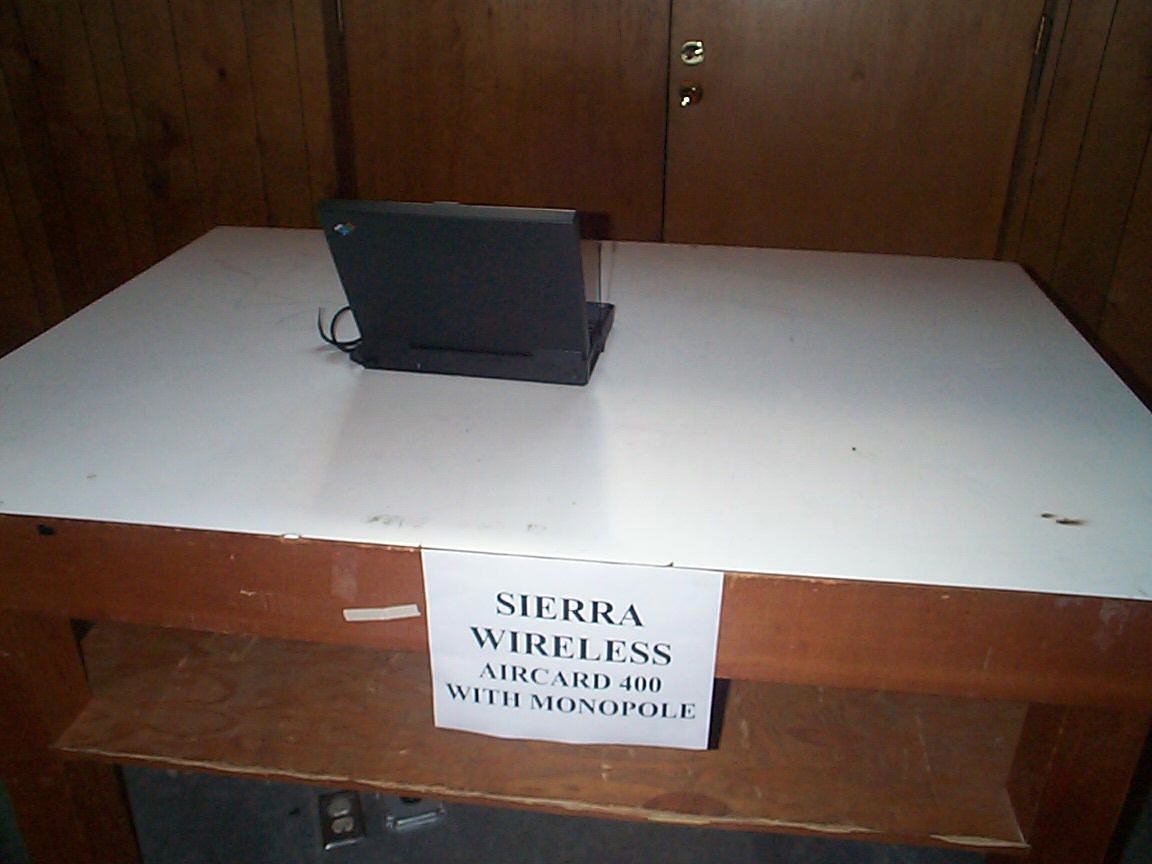
Document Text
Text extracted from the exhibit documents filed with the FCC. Open a document above to read the original.
Users Manual
AirCard ® 400 Safety & Regulatory Information o Welcome to the AirCard 400 modem o Getting Started o All About Watcher o Troubleshooting Tips o Getting Help o Product Specifications o Safety & Regulatory Information o Index Important Notice Because of the nature of wireless communications, transmission and reception of data can never be guaranteed. Data may be delayed, corrupted (i.e., have errors) or be totally lost. Although significant delays or losses of data are rare when wireless devices such as the AirCard 400 modem are used in a normal manner with a well-constructed network, they should not be used in situations where failure to transmit or receive data could result in harm of any kind to the user or any other party, including but not limited to personal injury, death, or loss of property. Sierra Wireless, Inc., accepts no responsibility for damages of any kind resulting from delays or errors in data transmitted or received using the AirCard 400 modem, or for failure of the AirCard 400 modem to transmit or receive such data. Safety and Hazards Do not operate the AirCard modem in areas where blasting is in progress, where explosive atmospheres may be present, near medical equipment, near life support equipment, or any equipment which may be susceptible to any form of radio interference. In such areas, the AirCard 400 modem MUST BE TURNED OFF. It can transmit signals that could interfere with this equipment. Do not operate the AirCard modem in any aircraft, whether the aircraft is on the ground or in flight. In aircraft, the AirCard modem MUST BE TURNED OFF. When operating, it can transmit signals that could interfere with various onboard systems. The driver or operator of any vehicle should not operate the AirCard modem while in control of a vehicle. Doing so will detract from the driver or operator's control and operation of that vehicle. In some jurisdictions, operating such communications devices while in control of a vehicle is an offence. WARNING - The FCC has developed guidelines to reduce any possible hazard due to exposure of the human body to electromagnetic radiation (i.e. to radio waves). In accordance with these guidelines, the antenna should be positioned at a distance greater than 4 cm (1.57") from users and bystanders — 2 cm (.79") from hands, wrists, feet, and ankles — when the modem is transmitting. Regulatory Information This device complies with Part 15 of the FCC Rules. Operation of this device is subject to the following two conditions: (1) this device may not cause harmful interference, and (2) this device must accept any interference received, including interference that may cause undesired operations. FCC ID: O6UACRD400 Where appropriate, the use of the equipment is subject to the following conditions: CAUTION - Unauthorized modifications or changes not expressly approved by Sierra Wireless, Inc. could void compliance with regulatory rules, and thereby your authority to use this equipment. WARNING (EMI) - United States FCC Information - This equipment has been tested and found to comply with the limits pursuant to Part 15 of the FCC Rules. These limits are designed to provide reasonable protection against harmful interference in an appropriate installation. This equipment generates, uses, and can radiate radio frequency energy and, if not installed and used in accordance with the instructions, may cause harmful interference to radio communication. However, there is no guarantee that interference will not occur in a particular installation. If this equipment does cause harmful interference to radio or television reception, which can be determined by turning the equipment off and on, the user is encouraged to try to correct the interference by one or more of the following measures: Reorient or relocate the receiving antenna l Increase the separation between the equipment and receiver l Connect the equipment into an outlet on a circuit different from that to which the receiver is connected l Consult the dealer or an experienced radio/TV technician for help l WARNING (EMI) - Canada - This digital apparatus does not exceed the Class B limits for radio noise emissions from digital apparatus as set out in the interference causing equipment standard entitled "Digital Apparatus", ICES-003 of the Department of Communications. Cet appareil numérique respecte les limites de bruits radioélectriques applicables aux appareils numériques de Classe B prescrites dans la norme sur le matériel brouilleur: "Appareils Numériques", NMB-003 édictée par le ministre des Communications. If you have purchased this product under a United States Government contract, it shall be subject to restrictions as set forth in subparagraph (c)(1)(ii) of Defense Federal Acquisitions Regulations (DFARs) Section 252.227-7013 for Department of Defense contracts, and as set forth in Federal Acquisitions Regulations (FARs) Section 52.227-19 for civilian agency contracts or any successor regulations. If further government regulations apply, it is your responsibility to ensure compliance with such regulations. Index Previous PagePage TopNext Page ©2000 Sierra Wireless, Inc. All rights reserved.
Users Manual
Safety & Regulatory Information Welcome to the AirCard 400 Getting Started All About Watcher Troubleshooting Tips Technical Specifications Safety & Regulatory Information Index Important Notice Because of the nature of wireless communications, transmission and reception of data can never be guaranteed. Data may be delayed, corrupted (i.e., have errors) or be totally lost. Although significant delays or losses of data are rare when wireless devices such as the AirCard 400 modem are used in a normal manner with a well-constructed network, they should not be used in situations where failure to transmit or receive data could result in harm of any kind to the user or any other party, including but not limited to personal injury, death, or loss of property. Sierra Wireless, Inc., accepts no responsibility for damages of any kind resulting from delays or errors in data transmitted or received using the AirCard 400 modem, or for failure of the AirCard 400 modem to transmit or receive such data. Safety and Hazards Do not operate the AirCard modem in areas where blasting is in progress, where explosive atmospheres may be present, near medical equipment, near life support equipment, or any equipment which may be susceptible to any form of radio interference. In such areas, the AirCard 400 modem MUST BE TURNED OFF. It can transmit signals that could interfere with this equipment. Do not operate the AirCard modem in any aircraft, whether the aircraft is on the ground or in flight. In aircraft, the AirCard modem MUST BE TURNED OFF. When operating, it can transmit signals that could interfere with various onboard systems. The driver or operator of any vehicle should not operate the AirCard modem while in control of a vehicle. Doing so will detract from the driver or operator's control and operation of that vehicle. In some jurisdictions, operating such communications devices while in control of a vehicle is an offence. CAUTION - This device is required to comply with FCC RF exposure requirements for mobile transmitting devices. A separation distance of 20 cm (8 inches) or more must be maintained between the antenna and all persons during device operations to satisfy RF exposure compliance. The device has been tested for SAR compliance with the antenna at a separation distance of 4 cm from the body of persons and 2 cm from a person's hand to demonstrate compliance. Regulatory Information This device complies with Part 15 of the FCC Rules. Operation of this device is subject to the following two conditions: (1) this device may not cause harmful interference, and (2) this device must accept any interference received, including interference that may cause undesired operations. FCC ID: O6UACRD400 Where appropriate, the use of the equipment is subject to the following conditions: CAUTION - Unauthorized modifications or changes not expressly approved by Sierra Wireless, Inc. could void compliance with regulatory rules, and thereby your authority to use this equipment. WARNING (EMI) - United States FCC Information - This equipment has been tested and found to comply with the limits pursuant to Part 15 of the FCC Rules. These limits are designed to provide reasonable protection against harmful interference in an appropriate installation. This equipment generates, uses, and can radiate radio frequency energy and, if not installed and used in accordance with the instructions, may cause harmful interference to radio communication. However, there is no guarantee that interference will not occur in a particular installation. If this equipment does cause harmful interference to radio or television reception, which can be determined by turning the equipment off and on, the user is encouraged to try to correct the interference by one or more of the following measures: Reorient or relocate the receiving antenna l Increase the separation between the equipment and receiver l Connect the equipment into an outlet on a circuit different from that to which the receiver is connected l Consult the dealer or an experienced radio/TV technician for help l WARNING (EMI) - Canada - This digital apparatus does not exceed the Class B limits for radio noise emissions from digital apparatus as set out in the interference causing equipment standard entitled "Digital Apparatus", ICES-003 of the Department of Communications. Cet appareil numérique respecte les limites de bruits radioélectriques applicables aux appareils numériques de Classe B prescrites dans la norme sur le matériel brouilleur: "Appareils Numériques", NMB-003 édictée par le ministre des Communications. If you have purchased this product under a United States Government contract, it shall be subject to restrictions as set forth in subparagraph (c)(1)(ii) of Defense Federal Acquisitions Regulations (DFARs) Section 252.227-7013 for Department of Defense contracts, and as set forth in Federal Acquisitions Regulations (FARs) Section 52.227-19 for civilian agency contracts or any successor regulations. If further government regulations apply, it is your responsibility to ensure compliance with such regulations. Index Previous PagePage TopFirst Page ©2000 Sierra Wireless, Inc. All rights reserved.
Cover Letter(s)
September 13, 2000 Federal Communications Commission Authorization and Standards Division 7435 Oakland Mills Rd. Columbia, M.D. 21046 To Whom It May Concern, Sierra Wireless Incorporated has tested this AirCard 400 wireless modem in accordance with the requirements contained in the appropriate Commission Regulations. To the best of my knowledge, these tests were performed using measurement procedures consistent with the Industry or Commission standards and demonstrates that the equipment complies with the published standard. We are unable to warrant against unpublished changes in requirements. The applicable rules are listed in the following test report. The Open Area Test Site used for these measurements is located at Acme Testing Inc, Acme, Washington. Sincerely, Ying Wang RF Engineer
Cover Letter(s)
Sierra Wireless, Inc. 13575 Commerce Parkway Suite 150 Richmond, B.C. V6V 2L1 Canada Ph: 604 231 1100 Fax: 604 231 1109 September 12, 2000 Federal Communications Commission Authorization and Standards Division 7435 Oakland Mills Rd. Columbia, M.D. 21046 Dear sir/madam: Re: FCC ID O6UACRD400 and Request for Confidentiality In reference to the application for Certification under FCC ID O6UACRD400, Sierra Wireless Inc. requests that the following materials submitted with the Certification Application be withheld from public disclosure. This request is made under the provisions of Section 0.457(d) of the Commission’s Rules, and Section 552(b)(4) of the Freedom of Information Act. We cite trade secrets as the reason and purpose of the request. 1. Electrical Schematics, RF and Digital 2. Block Diagrams, RF and Digital 3. Theory of Operation, including hopping sequence algorithm 4. Parts List and internal photos Sincerely, Ying Wang RF Engineer
Cover Letter(s)
September 13, 2000 Federal Communications Commission Authorization and Standards Division 7435 Oakland Mills Rd. Columbia, M.D. 21046 To Whom It May Concern, Re: Corrections on Form 731 (FCC ID: O6UACRD400, Confirmation Number: EA98734) I found an error in Item 12 of Form 731 which I submitted yesterday. Item 12. Equipment Specification should be: Frequency range in MHz: 902~928MHz Rated RF power output in watts: 0.933W Please make the corrections on Form 731 according to the information above. Thank you! Sincerely, Ying Wang RF Engineer
RF Exposure Info
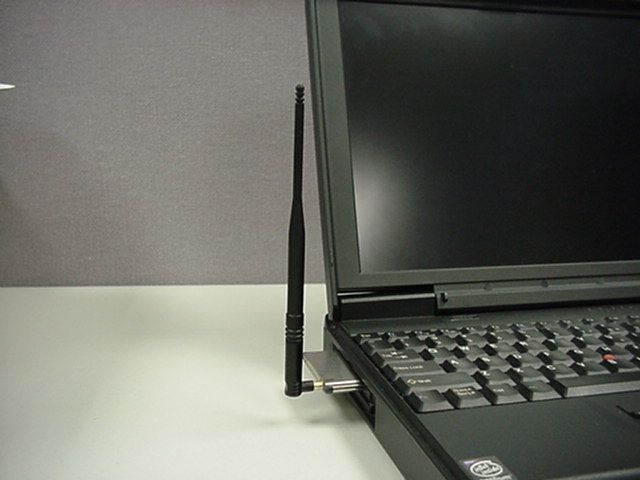
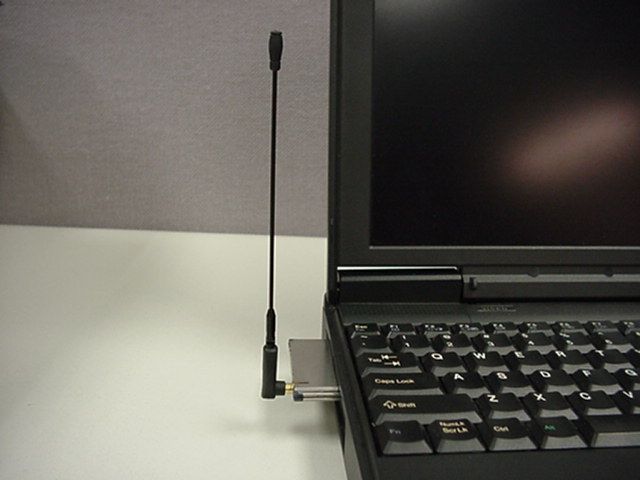
CELLTECH RESEARCH INC. Test Report S/N: 081800-11O6U 1955 Moss Court, Kelowna, Dates of Tests: August 18, 2000 B.C. V1Y 9L3 CANADA _______________________________________________________________________________________________________ © 2000 Celltech Research Inc. CERTIFICATE OF COMPLIANCE SAR EVALUATION This wireless mobile and/or portable device has been shown to be compliant for localized specific absorption rate (SAR) for uncontrolled environment/general exposure limits specified in ANSI/IEEE Std. C95.1-1992 and had been tested in accordance with the measurement procedures specified in ANSI/IEEE Std. C95.3-1999. (See test report). I attest to the accuracy of data. All measurements were performed by me or were made under my supervision and are correct to the best of my knowledge and belief. I assume full responsibility for the completeness of these measurements and vouch for the qualifications of all persons taking them. Celltech Research Inc. certifies that no party to this application has been denied FCC benefits pursuant to Section 5301 of the Anti-Drug Abuse Act of 1988, 21 U.S.C. 853(a). Shawn McMillen General Manager Celltech Research Inc. Test Lab: CELLTECH RESEARCH INC. Testing and Engineering Lab 1955 Moss Court Kelowna, B.C. V1Y 9L3 Canada Phone: 250 - 860-3130 Fax: 250 - 860-3110 Toll Free: 1-877-545-6287 e-mail: [email protected] web site: www.globuswireless.com Applicant Name: SIERRA WIRELESS INC. 13575 Commerce Parkway, Suite 150 Richmond, BC V6V 2L1 Attn: Ying Wang, RF Engineer Phone: 604-232-1440 Fax: 604-232-1414 FCC ID: O6UACRD400 Model(s): AIRCARD 400 Equipment Type: PCMCIA Spread Spectrum Wireless Modem Card Classification: Part 15 Spread Spectrum Transmitter (DSS) Method / System: Frequency Hopping Tx/Rx Frequency Range: 902-928 MHz Max. RF Output Power: 1 Watt FCC Rule Part(s): 2.1093; ET Docket 96.326 CELLTECH RESEARCH INC. Test Report S/N: 081800-11O6U 1955 Moss Court, Kelowna, Dates of Tests: August 18, 2000 B.C. V1Y 9L3 CANADA _______________________________________________________________________________________________________ © 2000 Celltech Research Inc. TABLE OF CONTENTS 1.0 INTRODUCTION.................................................................. 1 2.0 DESCRIPTION OF EUT.......................................................... 1 3.0 SAR MEASUREMENT SYSTEM ............................................. 2 4.0 MEASUREMENT SUMMARY.................................................. 3 4.1 SAR LIMITS........................................................................ 3 4.2 DETAILS OF SAR EVALUATION............................................ 4 4.3 EVALUATION PROCEDURES................................................. 5 a: (i) Body-worn ................................................................... b: (ii) Hand SAR ..................................................................... 5.0 SYSTEM VALIDATION.......................................................... 5 6.0 SIMULATED EQUIVALENT TISSUES...................................... 6 6.1 TISSUE PARAMETERS......................................................... 6 7.1 SYSTEM SPECIFICATIONS.................................................... 7 8.0 TEST EQUIPMENT LIST........................................................ 8 9.0 MEASUREMENT UNCERTAINTIES........................................ 9 10.0 REFERENCES...................................................................... 10 APPENDIX A - SAR MEASUREMENT DATA........................................ 11 APPENDIX B - DIPOLE VALIDATION 12 APPENDIX C - PROBE CALIBRATION 13 APPENDIX D - TEST SETUP PHOTOGRAPHS 14 CELLTECH RESEARCH INC. Test Report S/N: 081800-11O6U 1955 Moss Court, Kelowna, Dates of Tests: August 18, 2000 B.C. V1Y 9L3 CANADA _______________________________________________________________________________________________________ © 2000 Celltech Research Inc. SIERRA WIRELESS FCC ID: O6UACRD400 1 PCMCIA Spread Spectrum Wireless Modem Card 1.0 INTRODUCTION This measurement report shows compliance of the SIERRA WIRELESS AIRCARD 400 PCMCIA Frequency Hopping Spread Spectrum Wireless Modem Card FCC ID: O6UACRD400 with FCC Part 2, 1093, ET Docket 96-326 Rules for mobile and portable devices. The test procedures, as described in American National Standards Institute C95.1 - 1992 (1), FCC OET Bulletin 65–1997 were employed. A description of the product and operating configuration, detailed summary of the test results, methodology and procedures used in the evaluation, equipment used, and the various provisions of the rules are included within this test report. 2.0 DESCRIPTION of Equipment Under Test (EUT) EUT Type PCMCIA Spread Spectrum Wireless Modem Card Method Frequency Hopping Spread Spectrum FCC ID O6UACRD400 Model No.(s) AirCard 400 Serial No. Pre-production Equipment Class Part 15 Spread Spectrum Transmitter (DSS) Tx/Rx Frequency Range (MHz) 902-928 Max. RF Output Power 1 Watt Signal Modulation(s) FSK Antenna Type(s) Monopole or Sleeve Dipole Antenna Length(s) 150 mm (monopole) 160 mm (sleeve dipole) CELLTECH RESEARCH INC. Test Report S/N: 081800-11O6U 1955 Moss Court, Kelowna, Dates of Tests: August 18, 2000 B.C. V1Y 9L3 CANADA _______________________________________________________________________________________________________ © 2000 Celltech Research Inc. SIERRA WIRELESS FCC ID: O6UACRD400 2 PCMCIA Spread Spectrum Wireless Modem Card 3.0 SAR MEASUREMENT SYSTEM Celltech Research SAR measurement facility utilizes the Dosimetric Assessment System (DASY™) manufactured by Schmid & Partner Engineering AG (SPEAG™) of Zurich, Switzerland. The DASY system is comprised of the robot controller, computer, near-field probe, probe alignment sensor, and the generic twin phantom containing brain or muscle equivalent material (see Figure 6). The robot is a six-axis industrial robot performing precise movements to position the probe to the location (points) of maximum electromagnetic field (EMF). A cell controller system contains the power …
Text truncated - open the document above for the full version.
RF Exposure Info
Celltech Research Inc. 1955 Moss Court, Kelowna, B.C. V1Y 9L3 Canada Tel. 250-860-3130 • Fax. 250-860-3110 • [email protected] www.globuswireless.com/celltech/celltech.htm September 21, 2000 Federal Communications Commission Equipment Approval Services 7435 Oakland Mills Road Columbia, MD 21046 Attn: Steve Dayhoff SUBJECT: SIERRA WIRELESS INC. FCC ID: O6UACRD400 PCMCIA Spread Spectrum Wireless Modem (FHSS) FCC Part 15 Certification Application (Amendment) Dear Mr. Dayhoff: On behalf of Sierra Wireless Inc. we hereby submit an amendment to the subject application in response to your request as follows: 1. For the body SAR measurements the EUT was positioned relative to the planar section of the phantom so that the area scan performed would measure any hot spot occurring in that region. However, the EUT was inadvertently positioned causing the center of the dipole antenna to be shifted from the center of the phantom. The EUT overlay is adjusted in order to correlate with the location of the hot spot (please see attached revised body SAR test plots). Please note that the actual SAR values determined are not affected by the EUT overlay. If you have any further questions or comments, please do not hesitate to contact the undersigned. Sincerely, Shawn McMillen General Manager Celltech Research Inc. Testing & Engineering Lab cc: Sierra Wireless Inc.
RF Exposure Info
Sierra Wireless FCC ID: O6UACRD400 Generic Twin Phantom; Flat Section; Position: (90°,180°); Probe: ET3DV6 - SN1387; ConvF(6.34,6.34,6.34); Crest factor: 1.0; Muscle 900MHz: σ = 0.97 mho/m ε r = 56.1 ρ = 1.00 g/cm 3 Coarse: Dx = 20.0, Dy = 20.0, Dz = 10.0 Cube 5x5x7 SAR (1g): 0.928 mW/g, SAR (10g): 0.630 mW/g Separation Distance 4.0cm Body SAR - Monopole Antenna Channel 00 [902.16MHz] Unmodulated Carrier Conducted Power 30dBm Date Tested: Aug. 18, 2000 SAR Tot [mW/g] 9.02E-2 3.61E-1 6.31E-1 9.02E-1 Celltech Research Inc. Celltech Research Inc. Sierra Wireless FCC ID: O6UACRD400 Generic Twin Phantom; Flat Section; Position: (90°,180°); Probe: ET3DV6 - SN1387; ConvF(6.34,6.34,6.34); Crest factor: 1.0; Muscle 900MHz: σ = 0.97 mho/m ε r = 56.1 ρ = 1.00 g/cm 3 Coarse: Dx = 20.0, Dy = 20.0, Dz = 10.0 Cube 5x5x7 SAR (1g): 1.15 mW/g, SAR (10g): 0.778 mW/g Separation Distance 4.0cm Body SAR - Monopole Antenna Channel 25 [914.16MHz] Unmodulated Carrier Conducted Power 30dBm Date Tested: Aug. 18, 2000 SAR Tot [mW/g] 1.22E-1 4.87E-1 8.53E-1 1.22E+0 Celltech Research Inc. Celltech Research Inc. Sierra Wireless FCC ID: O6UACRD400 Generic Twin Phantom; Flat Section; Position: (90°,180°); Probe: ET3DV6 - SN1387; ConvF(6.34,6.34,6.34); Crest factor: 1.0; Muscle 900MHz: σ = 0.97 mho/m ε r = 56.1 ρ = 1.00 g/cm 3 Coarse: Dx = 20.0, Dy = 20.0, Dz = 10.0 Cube 5x5x7 SAR (1g): 1.03 mW/g, SAR (10g): 0.691 mW/g Separation Distance 4.0cm Body SAR - Monopole Antenna Channel 49 [924.08MHz] Unmodulated Carrier Conducted Power 30dBm Date Tested: Aug. 18, 2000 SAR Tot [mW/g] 1.07E-1 4.26E-1 7.46E-1 1.07E+0 Celltech Research Inc. Celltech Research Inc. Sierra Wireless FCC ID: O6UACRD400 Generic Twin Phantom; Flat Section; Position: (90°,180°); Probe: ET3DV6 - SN1387; ConvF(6.34,6.34,6.34); Crest factor: 1.0; Muscle 900MHz: σ = 0.97 mho/m ε r = 56.1 ρ = 1.00 g/cm 3 Coarse: Dx = 20.0, Dy = 20.0, Dz = 10.0 Cube 5x5x7 SAR (1g): 1.15 mW/g, SAR (10g): 0.775 mW/g Separation Distance 4.0cm Sleeve Dipole Channel 00 [902.16MHz] Unmodulated Carrier Conducted Power 30dBm Date Tested: Aug. 18, 2000 (Body SAR) SAR Tot [mW/g] 1.22E-1 4.86E-1 8.51E-1 1.22E+0 Celltech Research Inc. Celltech Research Inc. Sierra Wireless FCC ID: O6UACRD400 Generic Twin Phantom; Flat Section; Position: (90°,180°); Probe: ET3DV6 - SN1387; ConvF(6.34,6.34,6.34); Crest factor: 1.0; Muscle 900MHz: σ = 0.97 mho/m ε r = 56.1 ρ = 1.00 g/cm 3 Coarse: Dx = 20.0, Dy = 20.0, Dz = 10.0 Cube 5x5x7 SAR (1g): 1.32 mW/g, SAR (10g): 0.887 mW/g Separation Distance 4.0cm Body SAR - Sleeve Dipole Antenna Channel 25 [914.16MHz] Unmodulated Carrier Conducted Power 30dBm Date Tested: Aug. 18, /2000 SAR Tot [mW/g] 1.29E-1 5.15E-1 9.01E-1 1.29E+0 Celltech Research Inc. Celltech Research Inc. Sierra Wireless FCC ID: O6UACRD400 Generic Twin Phantom; Flat Section; Position: (90°,180°); Probe: ET3DV6 - SN1387; ConvF(6.34,6.34,6.34); Crest factor: 1.0; Muscle 900MHz: σ = 0.97 mho/m ε r = 56.1 ρ = 1.00 g/cm 3 Coarse: Dx = 20.0, Dy = 20.0, Dz = 10.0 Cube 5x5x7 SAR (1g): 1.33 mW/g, SAR (10g): 0.893 mW/g Separation Distance 4.0cm Body SAR - Sleeve Dipole Antenna Channel 49 [924.08MHz] Unmodulated Carrier Conducted Power 30dBm Date Tested: Aug. 18, 2000 SAR Tot [mW/g] 1.36E-1 5.45E-1 9.54E-1 1.36E+0 Celltech Research Inc. Celltech Research Inc.
Test Report
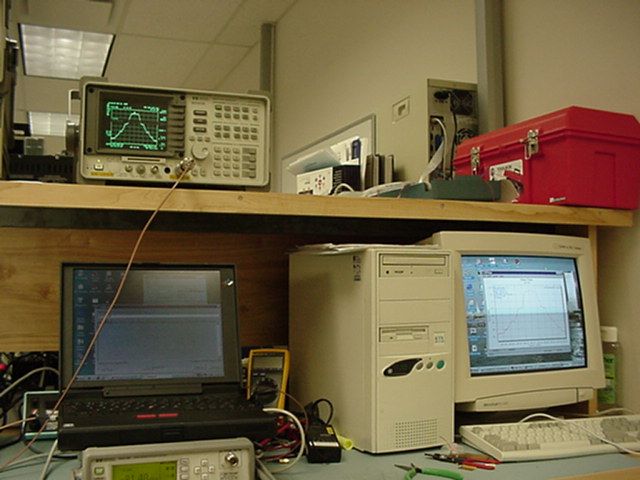
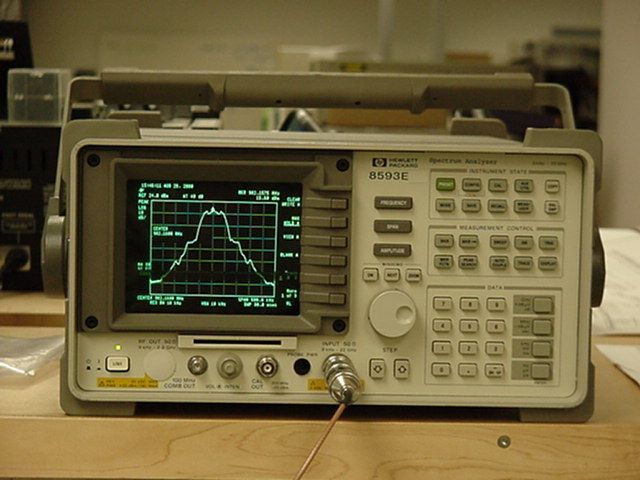
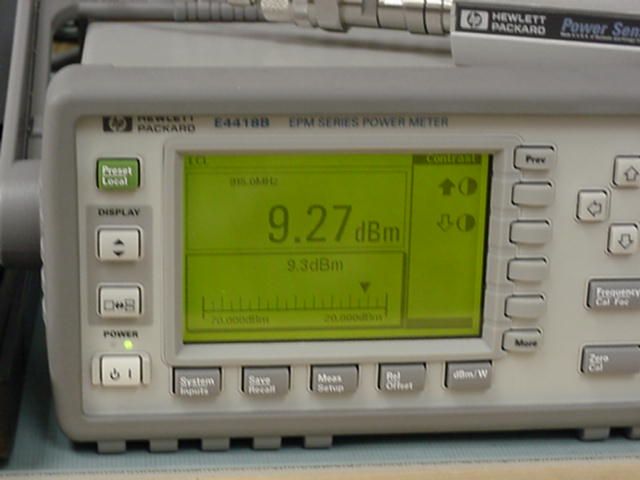
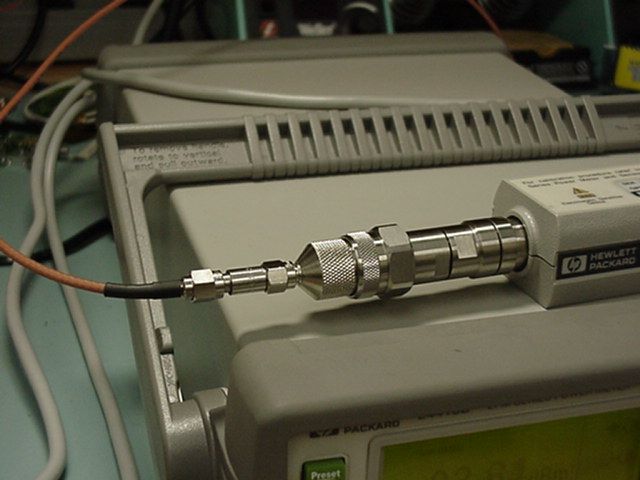
Sierra Wireless, Inc. 13575 Commerce Parkway Suite 150 Richmond B.C. V6V 2L1 Canada Ph: 604 231 1100 Fax: 604 231 1109 Part 15 Certification Application for FCC ID: O6UACRD400 EMI Test Report On AirCard 400 Wireless Modem Prepared by: Sierra Wireless, Inc 13575 Commerce Parkway, Suite 150 Richmond, B.C. V6V 2L1, Canada Test date(s): August / September 2000 Schematics, block diagrams and algorithm descriptions subject to enclosed confidentiality statement Sierra Wireless, Inc. O6UACRD400 FCC Part 15 Certification Application September 2000 AirCard400_report.doc Page #:2 1.0 Verification of Compliance Description: PC Card Type Wireless Modem Model Number: AirCard 400 Serial Number(s): Pre-Production Models Applicant: Sierra Wireless, Inc. Type of Test: FCC part 15.247 Application for Part 15 Certification under O6UACRD400 Date(s) of test: August / September 2000 Tested By Ying Wang (Sierra Wireless Inc., Richmond, BC, Canada) Paul Slavens (Acme Testing Inc., Acme, WA) Dan Staton (Acme Testing Inc., Acme, WA) The above equipment was tested by Sierra Wireless Inc. and Acme Testing Inc. and found to be in compliance with the requirements set forth in Part 15 of the FCC Rules and Regulations. Ying Wang RF Engineer Sierra Wireless, Inc. Sierra Wireless, Inc. O6UACRD400 FCC Part 15 Certification Application September 2000 AirCard400_report.doc Page #:3 2.0 General Information Applicant: Sierra Wireless, Inc 13575 Commerce Parkway, Suite 150 Richmond, BC V6V 2L21 Canada Contact Person Ying Wang Equipment Under Test: PC Card Type Wireless Modem Model Number: AirCard 400 Serial Number(s): Pre-Production models Manufacturer: Sierra Wireless, Inc Type of Test: FCC Part 15.247 Certification, FCC ID O6UACRD400 Reason for testing: Sierra Wireless Inc. has developed AirCard 400 modem for use with the new high speed Ricochet wireless micro-cellular data network (MCDN). The modem will be sold or rented to subscribers of the Ricochet service. The Ricochet service allows subscribers to send / receive email, connect to the Internet, etc. without the necessity of a telephone line. The AirCard 400 modem is a frequency hopping spread spectrum radio-modem that operates within the 902-928 MHz band. The modem transmits and receives digital packet data. The transmit power of the modem is just below 1 Watt. The modems are capable of communicating with MCDN radios that make up the MCDN network or other modems. A technical overview of the MCDN network is contained in the included file “add_tech_info.pdf”. The AirCard 400 modem is capable of transmitting in two different modulations. “2FSK” - 2 “position” frequency shift keying “4FSK” - 4 “position” frequency shift keying These are referred to as MOD 1 and 2 respectively. The modulations are chosen automatically by the modem depending on the robustness of the communications link between itself and the Network Radio. Sierra Wireless, Inc. O6UACRD400 FCC Part 15 Certification Application September 2000 AirCard400_report.doc Page #:4 3.0 Results Summary Summary: A complete set of tests demonstrating compliance with FCC Part 15.247 was conducted. Compliance with the following Part 15 regulations was verified: Paragraph Test Results 15.247(b) Maximum Power Output at Antenna Terminals + 30.00 dBm Max 15.247(a)(1)(i) Minimum Number of Hopping Channels 50 Demonstrated 50 (Actual) 15.247(a)(1) Channel Frequency Separation 160 kHz (by design) 15.247(a)(1) Average Channel Occupancy Time 51.9 ms / 20 Sec Avg. 15.247(c) Out of Band Conducted Emissions -43.83 dBc @ band edge Out of Band Conducted Emissions (20MHz–10 GHz) -47.01 dBc @ 902MHz 15.205 (a) Radiated Emissions in Restricted bands 2.4 dB in spec, min 15.109 Class B Unintentional Radiated Emissions 3.0 dB in spec, min 15.207 AC Line Conducted Emissions 8.9 dB in spec. min. 4.0 Test Facilities The following tests: 15.109 Class B, Radiated Emissions 15.205 Radiated Emissions in Restricted Bands 15.207 AC Line Conducted Emissions were conducted at: Acme Testing Inc. (**) 2002 Valley Highway P.O.Box 3 Acme, WA 98220 The remaining tests described in this report were performed at: Sierra Wireless, Inc. 13575 Commerce Parkway, Suite 150 Richmond, BC. V6V 2L1 Canada ( ** ) A description of the sites located at Acme Testing Inc. is on file at: Federal Communications Commission P.O.Box 429 Columbia, MD 21045 All of the sites at Acme Testing Inc. are constructed and calibrated to meet ANSI C63.4-1994 requirements. Sierra Wireless, Inc. O6UACRD400 FCC Part 15 Certification Application September 2000 AirCard400_report.doc Page #:5 5.0 Test Equipment & General Test Methods Equipment: The following test equipment was used to perform the testing at Sierra Wireless. Equipment used at Acme Testing is contained on Page 11 of the document “Acme_test_data.pdf” Item Description Manufacturer Model S/N Calibration Date 1 Spectrum Analyzer HP 8593E 3536A00151 Jan 24, 2000 2 Power Meter HP E4418B US39251117 Feb 24, 2000 3 20 dB Attenuator Pasternack PE7005 N/A N/A 4 Diagnostic Software Sierra Wireless MFGMODE N/A N/A HP = Hewlett Packard Methods: Many of the tests are performed at the low, middle and the high portion of the 902 - 928 MHz band. These tests are typically performed on the following channels / frequencies: Channel Frequency ( MHz ) Low 902.16 Mid 914.16 High 924.08 These are referred to as the “Standard Test Channels”. Many of the tests required that the EUT be operated in modes that are not possible with the normal operating software, for example, the hopping function disabled. In these cases, some special instructions must be sent to the EUT. This is referred to operating the EUT in Diagnostic Mode. It is not possible for a typical AirCard 400 user to operate the modem in Diagnostic Mode. The tests below are performed using the basic test setup shown in Fig 1. Paragraph Test 15.247(b) Maximum Power Output at Antenna Terminals 15.247(a)(1)(i) Minimum Number of Hopping Channels 15.247(a)(1) 20 dB Bandwidth 15.247(c) Out of Band Conducted …
Text truncated - open the document above for the full version.
Test Report
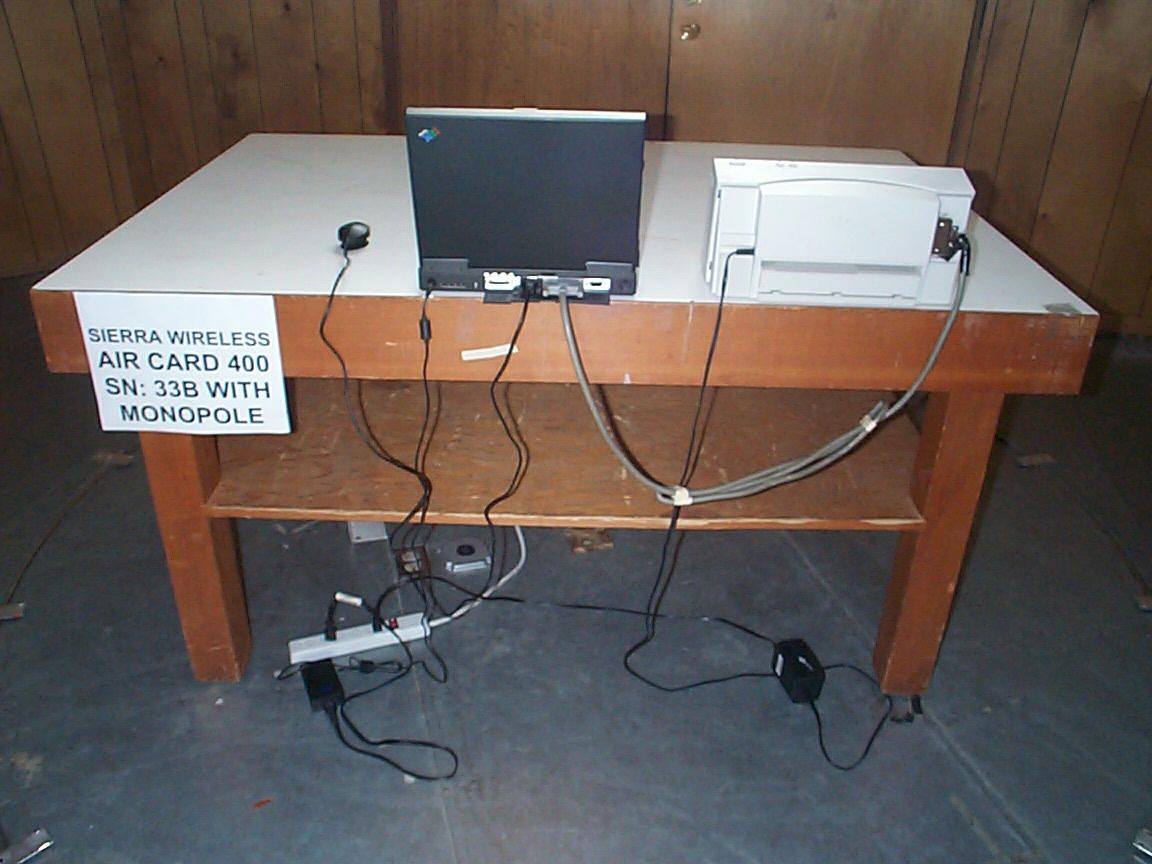
Client: Sierra Wireless Work Order# 2505hr Model: AirCard 400 Chief Eng: Paul Slavens Contact: Ying Wang Emissions Spec: FCC Page: 1 of 12 EMC Test Data For The Sierra Wireless Inc. Model AirCard 400 Chief EMC Engineer: Paul Slavens Signature_____________________ Date_________________________ Client: Sierra Wireless Work Order# 2505hr Model: AirCard 400 Chief Eng: Paul Slavens Contact: Ying Wang Emissions Spec: FCC Page: 2 of 12 Test Summary Date Test Performed Level Results Margin Sep 1, 2000 RE, Preliminary Scan, 30-1000MHz FCC B Pass -2 dB @ 240.508 MHz Sep 1, 2000 RE, Maximized Emissions, 30-1000MHz FCC B Pass -3.0dB @ 240.508 MHz Sep 1, 2000 CE…
Text truncated - open the document above for the full version.
Contact Information
Applicant
Ying Wang(Senior RF Engineer)
Technical Contact
Sierra Wireless Inc.Ying Wang
[email protected]604 232 1440
13575 Commerce Parkway, Suite 150 · Richmond · Canada
Test Firm
Acme Testing Co.Harry Hodes
Technical Specifications
| # | Rule Parts | Frequency Range | Power Output |
|---|---|---|---|
| 1 | 15C | 902.16 MHz - 924.08 MHz | 933.00 mW |