PBWDT19R511.9GHz cordless phone
Ascalade Technologies, Inc.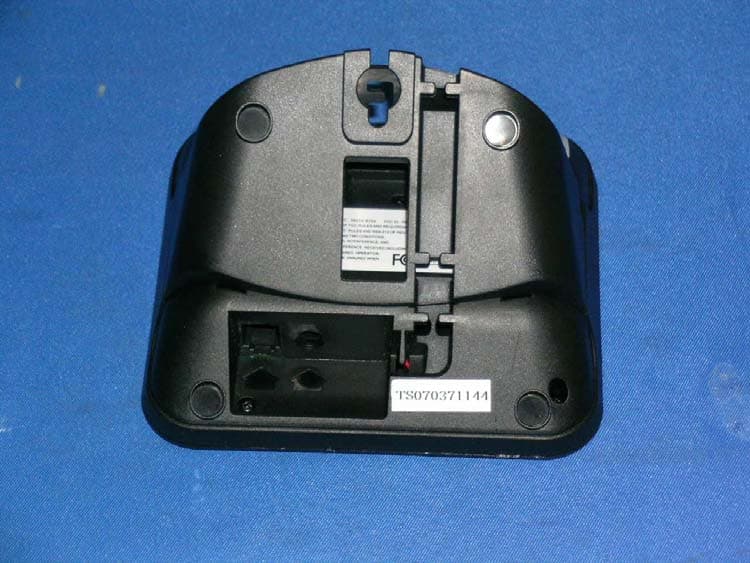
Click to zoom
Application Details
- Equipment Class
- PUB - Part 15 Unlicensed PCS Base Station
- Date of Grant
- Jan 28, 2008
- Application Purpose
- Original Equipment
- Date of Application
- Jan 28, 2008
- Equipment Note
- 1.9GHz cordless phone
- Frequency Range
- 1921.53600000 - 1928.44800000
- Company
- Ascalade Technologies, Inc.
- Country
- Canada
Documents & Files
Document Text
Text extracted from the exhibit documents filed with the FCC. Open a document above to read the original.
Users Manual
CD450/455 User Guide PCE DRAFT 1.8/1.9GH Z DECT T ELEPHONE D IGITAL A NSWERING M ACHINE L OW R ADIATION C ALLER ID H ANDS -F REE 3 Important Safety Instructions Important Safety Instructions Some of the following information may not apply to your particular product; however, when using telephone equipment, basic safety precautions should always be followed to reduce the risk of fire, electric shock and injury to persons, including the following: 1. Read and understand all instructions. 2. Follow all warnings and instructions marked on the product. 3. Unplug this product from the wall outlet before cleaning. Do not use liquid cleaners or aerosol cleaners. Use a damp cloth for cleaning. 4. Telephones should not be used while you are in a bathtub, shower or pool. Immersion of the telephone or handset in water could cause an electrical shock. 5. Slots and openings in the cabinet back or bottom are provided for ventilation, to protect it from overheating. These openings must not be blocked or covered. The openings should never be blocked by placing the product on the bed, sofa, rug, or other similar surface. This product should not be placed in a built-in installation unless proper ventilation is provided. 6. This product should be operated only from the type of power source indicated on the marking label. If you are not sure of the type of power supply to your home, consult your dealer or local power company. 7. Do not allow anything to rest on the power cord. Do not locate this product where the cord will be abused by persons walking on it. 8. Do not overload wall outlets and extension cords as this can result in the risk of fire or electric shock. 9. Never push objects of any kind into this product through cabinet slots as they may touch dangerous voltage points or short out parts that could result in a risk of fire or electric shock. Never spill liquid of any kind on the product. 10. To reduce the risk of electric shock, do not disassemble this product, but take it to a qualified service personnel when service or repair work is required. Opening or removing covers may expose you to dangerous voltages or other risks. Incorrect reassembly can cause electric shock when the appliance is subsequently used. 11. Do not expose the product to extreme temperatures such as areas near a hot radiator or stove or in a hot car. 12. Do not place lighted candles, cigarettes, cigars, etc., on the telephone. 13. Never touch uninsulated telephone wires or terminals unless the telephone line has been disconnected at the network interface. 14. Never install or modify telephone wiring during a lightning storm. 15. Never install telephone jacks in wet locations unless the jack is specifically designed for wet locations. 16. Use caution when installing or modifying telephone lines to prevent electrical shock and/or fire. 17. Unplug this product from the wall outlet and refer servicing to qualified service personnel under the following conditions: A. When the power supply cord or plug is damaged or frayed. B. If the product has been exposed to rain or water. C. If the product does not operate normally by following the operating instructions. D. If the product’s cabinet has been damaged. E. If the product exhibits a distinct change in performance. 18. Avoid using a telephone (other than a cordless type) during an electrical storm. There may be a remote risk of electric shock from lightning. 19. Do not use the telephone to report a gas leak in the vicinity of the leak. 20. Do not place this product on an unstable cart, stand or table. The product may fall, causing serious damage to the product. 4 Important Safety Instructions IF YOUR PRODUCT UTILIZES BATTERIES, THE FOLLOWING ADDITIONAL PRECAUTIONS SHOULD BE OBSERVED: 1. Use only the type and size of battery(ies) specified in the user manual. 2. Do not dispose of the battery(ies) in fire. They may explode. Check with local codes for possible special disposal instructions. 3. Do not open or mutilate the battery(ies). Released electrolyte is corrosive and may cause damage to the eyes or skin. It may be toxic if swallowed. 4. Exercise care in handling battery(ies) in order not to short out the battery(ies) with conducting materials such as rings, bracelets, and keys. The battery(ies) or conductor may overheat and cause burns. 5. Do not attempt to recharge the battery(ies) provided with or identified for use with this product that are not intended to be charged. The battery(ies) may leak corrosive electrolyte or explode. 6. Do not attempt to rejuvenate the battery(ies) provided with or identified for use with this product by heating them. Sudden release of the battery(ies) electrolyte may occur causing burns or irritation to eyes or skin. 7. When replacing battery(ies), all batteries should be replaced at the same time. Mixing fresh and discharged batteries could increase internal cell pressure and rupture the discharged battery(ies). (Applies to products employing more than one separately replaceable primary battery.) 8. When inserting battery(ies) into this product, the proper polarity or direction must be observed. Reverse insertion of battery(ies) can cause charging, and that may result in leakage or explosion. 9. Remove battery(ies) from this product if storing over 30 days because the battery(ies) could leak and damage the product. 10. Discard “dead” battery(ies) as soon as possible since “dead“ batteries are more likely to leak in a product. 11. Do not store this product, or the battery(ies) provided with or identified for use with this product, in high-temperature areas. Batteries that are stored in a freezer or refrigerator for the purpose of extending shelf life should be protected from condensation during storage and defrosting. Batteries should be stabilized at room temperature prior to use after cold storage. 12. If your product uses rechargeable battery(ies), charge the battery(ies) only in accordance with the instructions and limitation specified in the Us…
Text truncated - open the document above for the full version.
Users Manual
SE450/455 User Guide PCE DRAFT 1.8/1.9GH Z DECT T ELEPHONE D IGITAL A NSWERING M ACHINE L OW R ADIATION C ALLER ID H ANDS -F REE 3 Important Safety Instructions Important Safety Instructions Some of the following information may not apply to your particular product; however, when using telephone equipment, basic safety precautions should always be followed to reduce the risk of fire, electric shock and injury to persons, including the following: 1. Read and understand all instructions. 2. Follow all warnings and instructions marked on the product. 3. Unplug this product from the wall outlet before cleaning. Do not use liquid cleaners or aerosol cleaners. Use a damp cloth for cleaning. 4. Telephones should not be used while you are in a bathtub, shower or pool. Immersion of the telephone or handset in water could cause an electrical shock. 5. Slots and openings in the cabinet back or bottom are provided for ventilation, to protect it from overheating. These openings must not be blocked or covered. The openings should never be blocked by placing the product on the bed, sofa, rug, or other similar surface. This product should not be placed in a built-in installation unless proper ventilation is provided. 6. This product should be operated only from the type of power source indicated on the marking label. If you are not sure of the type of power supply to your home, consult your dealer or local power company. 7. Do not allow anything to rest on the power cord. Do not locate this product where the cord will be abused by persons walking on it. 8. Do not overload wall outlets and extension cords as this can result in the risk of fire or electric shock. 9. Never push objects of any kind into this product through cabinet slots as they may touch dangerous voltage points or short out parts that could result in a risk of fire or electric shock. Never spill liquid of any kind on the product. 10. To reduce the risk of electric shock, do not disassemble this product, but take it to a qualified service personnel when service or repair work is required. Opening or removing covers may expose you to dangerous voltages or other risks. Incorrect reassembly can cause electric shock when the appliance is subsequently used. 11. Do not expose the product to extreme temperatures such as areas near a hot radiator or stove or in a hot car. 12. Do not place lighted candles, cigarettes, cigars, etc., on the telephone. 13. Never touch uninsulated telephone wires or terminals unless the telephone line has been disconnected at the network interface. 14. Never install or modify telephone wiring during a lightning storm. 15. Never install telephone jacks in wet locations unless the jack is specifically designed for wet locations. 16. Use caution when installing or modifying telephone lines to prevent electrical shock and/or fire. 17. Unplug this product from the wall outlet and refer servicing to qualified service personnel under the following conditions: A. When the power supply cord or plug is damaged or frayed. B. If the product has been exposed to rain or water. C. If the product does not operate normally by following the operating instructions. D. If the product’s cabinet has been damaged. E. If the product exhibits a distinct change in performance. 18. Avoid using a telephone (other than a cordless type) during an electrical storm. There may be a remote risk of electric shock from lightning. 19. Do not use the telephone to report a gas leak in the vicinity of the leak. 20. Do not place this product on an unstable cart, stand or table. The product may fall, causing serious damage to the product. 4 Important Safety Instructions IF YOUR PRODUCT UTILIZES BATTERIES, THE FOLLOWING ADDITIONAL PRECAUTIONS SHOULD BE OBSERVED: 1. Use only the type and size of battery(ies) specified in the user manual. 2. Do not dispose of the battery(ies) in fire. They may explode. Check with local codes for possible special disposal instructions. 3. Do not open or mutilate the battery(ies). Released electrolyte is corrosive and may cause damage to the eyes or skin. It may be toxic if swallowed. 4. Exercise care in handling battery(ies) in order not to short out the battery(ies) with conducting materials such as rings, bracelets, and keys. The battery(ies) or conductor may overheat and cause burns. 5. Do not attempt to recharge the battery(ies) provided with or identified for use with this product that are not intended to be charged. The battery(ies) may leak corrosive electrolyte or explode. 6. Do not attempt to rejuvenate the battery(ies) provided with or identified for use with this product by heating them. Sudden release of the battery(ies) electrolyte may occur causing burns or irritation to eyes or skin. 7. When replacing battery(ies), all batteries should be replaced at the same time. Mixing fresh and discharged batteries could increase internal cell pressure and rupture the discharged battery(ies). (Applies to products employing more than one separately replaceable primary battery.) 8. When inserting battery(ies) into this product, the proper polarity or direction must be observed. Reverse insertion of battery(ies) can cause charging, and that may result in leakage or explosion. 9. Remove battery(ies) from this product if storing over 30 days because the battery(ies) could leak and damage the product. 10. Discard “dead” battery(ies) as soon as possible since “dead“ batteries are more likely to leak in a product. 11. Do not store this product, or the battery(ies) provided with or identified for use with this product, in high-temperature areas. Batteries that are stored in a freezer or refrigerator for the purpose of extending shelf life should be protected from condensation during storage and defrosting. Batteries should be stabilized at room temperature prior to use after cold storage. 12. If your product uses rechargeable battery(ies), charge the battery(ies) only in accordance with the instructions and limitation specified in the Us…
Text truncated - open the document above for the full version.
Cover Letter(s)
Dec 11, 2007 To whom it may concern, Request for Permanent Confidentiality Under FCC Part 15 Certification FCC ID: PBWDT19R51 Request is hereby submitted by Ascalade Technologies Inc. to withhold permanently from public review certain portions of the application for equipment certification for the referenced FCC identifiers. This request for confidentiality is made pursuant to 47 CFR § 0.457(d) and 0.459 of the FCC Rules. In particular, the following sections of the application are to be kept permanently confidential and Ascalade Technologies Inc. reserves the right to discern which parties can obtain access to these information: • Schematics [FILENAME: PBWDT19R51_circuit.pdf] • Detailed Block diagrams [FILENAME: PBWDT19R51_block.pdf] • Detailed Operational/Functional Description [FILENAME: PBWDT19R51_descri.pdf] The rationale for request for confidentiality is as followings: This information represents intellectual property of Ascalade Technologies Inc. and it is subject to competition. We have invested considerable time and materials in research and development to produce the referenced product. Disclosure of the permanently confidential portions of this application to competitors would not only give them significant competitive advantages in developing similar products, but would also disclose successful implementation of unpublished, leading edge technology developed by us. If you have questions or need further information, please contact the undersigned. Sincerely, ASCALADE TECHNOLOGIES INC. James Tung Senior Engineering Manager
Cover Letter(s)
Date: December 18, 2007 To whom it may concern, Declarations FCC ID: PBWDT19R51 & PBWDT19R51H I, the undersigned, hereby declare that 1. The device does not use the provisions of 47CFR 15.323 (c) (6), random waiting mechanism is not used in this system. 2. The provisions of 47CFR 15.323 (c) (10) and 47CFR 15.323 (c) (11) are not used to extend the range of spectrum occupied over space or time for the purpose of denying fair access to spectrum to other devices. 3. Only the handset will act as the initiating device, which will initiate the establishment of the duplex connection. 4. The device complies with the provisions of 47CFR 15.319(f). The device shall automatically discontinue transmission in case of either absence of information to transmit or operational failure. These provisions are not intended to preclude transmission of control and signaling information or use of repetitive codes used by certain digital technologies to complete frame or burst intervals. The following table explains the reaction of device in case of either absence of information to transmit or operational failure after a connection of its companion device is established. Circumstances Reaction of Base Unit Reaction of Handset 1 Switch-off companion device B NA 2 On Hook by companion device B NA 3 Switch-off device NA C 4 On Hook device NA C 5 Remove power from device A C 6 Remove power from companion device B A A – Connection is terminated and, transmission ceases. B – Connection is terminated but device transmits control or signaling information. C – Connection is terminated but companion device transmits control or signaling information. NA – Not applicable If you have questions or need further information, please contact the undersigned. Sincerely, Signed By: James Tung Senior Engineering Manager
Cover Letter(s)
Appendix B1 Letter of Agency for FCC Certification Dec 27, 2007 To whom it may concern, Letter of Agency I, an officer of Ascalade Technologies Inc. do hereby authorize Intertek Testing Services (Mr. Ken Sit/ Mr. Tommy Leung) to act on our behalf in front of the Federal Communications Commission with respect to all matters relating to certification of equipment under Part 15 and/or Part 95 of the FCC Rules until further notice. I further certify that no party (as defined in §1.2002(b) of CFR 47, 2004) to this application, including myself, is subject to a denial of federal benefits, that includes FCC benefits, pursuant to Section 5301 of the Anti-Drug Abuse Act of 1988, 21 U.S.C., 862. Regards,
Cover Letter(s)
Dec 18, 2007 Security Code Information for the Cordless Phone FCC ID: PBWDT19R51 & PBWDT19R51H CD450XY/ZZ, CD455XY/ZZ, SE450XY/ZZ, SE455XY/ZZ and SE458XY/ZZ cordless phone models incorporate circuitry, which makes use of a digital security code to provide protection against unintentional access to the telephone network by the Base unit and unintentional ringing by the handset. These functions operate such that each access of the telephone network or ringing of the handset is preceded by the transmission of a code work. Access to the telephone network and ringing of the handset occurs only if the code transmitted by the one side matches code set in another side. The following Security Code information is provided for this Cordless Phone series: • The Security Codes have 128 bits and 64 bits. • Two sets of security codes are used: UAK and DCK. • The following approaches for facilitating variation of individual security codes in a certain geographic region are used: Fixed, Automatic, and user- selectable coding. • Below are the steps for selecting the code: On each handset, a 128-bit UAK code is randomly set at factory. There is a 64-bit DCK code used to encrypt data. The DCK code is then changed on each activation of the phone. Both UAK and DCK codes must be matched and stored in both handset and base subscription data (inside the EEPROM memory of the phone). Sincerely, ASCALADE TECHNOLOGIES INC. James Tung Senior Engineering Manager
External Photos
INTERTEK TESTING SERVICES External Photos - Model: CD4552B/07 FCC ID: PBWDT19R51 external photos - 1 of 4 INTERTEK TESTING SERVICES External Photos - Model: CD4552B/07 FCC ID: PBWDT19R51 external photos - 2 of 4 INTERTEK TESTING SERVICES External Photos - Model: CD4502B/07 FCC ID: PBWDT19R51 external photos - 3 of 4 INTERTEK TESTING SERVICES External Photos - Model: CD4502B/07 FCC ID: PBWDT19R51 external photos - 4 of 4
ID Label/Location Info
Doc Title FCC/IC Application Report Doc No. B255-RP12-X-YY-TA Doc Sec. Marking – CD455 Base Label Revision 1.1 Dept./Proj. 1.8/1.9GHz DECT Telephone, CID, Handsfree, Low Radiation, with Digital Telephone Answering Machine Page(s) 1 of 2 This document contains confidential and proprietary information of Ascalade. Its use is under the terms and conditions of Proprietary. Ascalade in this document means Ascalade Technologies Inc., Ascalade Communications Ltd., or Dongguan Ascalade Electronics Co. Ltd. 70mm x 22mm 40mm x 14mm Doc Title FCC/IC Application Report Doc No. B255-RP12-X-YY-TA Doc Sec. Marking – CD455 Base Label Revision 1.1 Dept./Proj. 1.8/1.9GHz DECT Telephone, CID, Handsfree, Low Radiation, with Digital Telephone Answering Machine Page(s) 2 of 2 This document contains confidential and proprietary information of Ascalade. Its use is under the terms and conditions of Proprietary. Ascalade in this document means Ascalade Technologies Inc., Ascalade Communications Ltd., or Dongguan Ascalade Electronics Co. Ltd. Engraving Doc Title UL Application Report Doc No. B254-RP11-X-YY-TA Doc Sec. Marking – CD450 Base Label Revision 1.1 Dept./Proj. 1.8/1.9GHz DECT Telephone, CID, Handsfree, Low Radiation Page(s) 1 of 2 This document contains confidential and proprietary information of Ascalade. Its use is under the terms and conditions of Proprietary. Ascalade in this document means Ascalade Technologies Inc., Ascalade Communications Ltd., or Dongguan Ascalade Electronics Co. Ltd. 60mm x 14mm 40mm x 14mm Doc Title UL Application Report Doc No. B254-RP11-X-YY-TA Doc Sec. Marking – CD450 Base Label Revision 1.1 Dept./Proj. 1.8/1.9GHz DECT Telephone, CID, Handsfree, Low Radiation Page(s) 2 of 2 This document contains confidential and proprietary information of Ascalade. Its use is under the terms and conditions of Proprietary. Ascalade in this document means Ascalade Technologies Inc., Ascalade Communications Ltd., or Dongguan Ascalade Electronics Co. Ltd.
Internal Photos
INTERTEK TESTING SERVICES Internal photos - Model: CD4552B/07 FCC ID: PBWDT19R51 internal photos - 1 of 5 Base Unit assembly Base Unit Main PCB comp side INTERTEK TESTING SERVICES Internal photos - Model: CD4552B/07 FCC ID: PBWDT19R51 internal photos - 2 of 5 Base Unit Main PCB solder side Base Unit DAM front side INTERTEK TESTING SERVICES Internal photos - Model: CD4552B/07 FCC ID: PBWDT19R51 internal photos - 3 of 5 Base Unit DAM rear side Base Unit Oscillator PCB comp side INTERTEK TESTING SERVICES Internal photos - Model: CD4502B/07 FCC ID: PBWDT19R51 internal photos - 4 of 5 Base Unit assembly Base Unit Main PCB comp side INTERTEK TESTING SERVICES Internal photos - Model: CD4502B/07 FCC ID: PBWDT19R51 internal photos - 5 of 5 Base Unit Main PCB solder side Base Unit Oscillator PCB comp side
RF Exposure Info
INTERTEK TESTING SERVICES FCC ID: PBWDT19R51 RF exposure - 1 of 2 For Maximum Permissible Exposure (MPE) evaluation of the base unit, the maximum power density at 20 cm from this mobile transmitter shall be less than the General Population / Uncontrolled MPE limit in OET Bulletin 65. For the base unit of tested model of CD4552B/07, the maximum field strength measured (FS) was 114.7 dBμV/m. The distance (D) between the antenna and the equipment under test (EUT) was 3 meters. And the maximum source-based time- averaging duty factor in one-handset operation is 8.3%. From these data, the exposed power density at a distance (R) of 20cm from the center of radiation of the antenna can be calculated according to OET Bulletin 65 as follow: The radiated power = (FS*D) 2 / 30 = 88.54 mW The radiated (EIRP) source-based time-averaging output power = (88.54 * 0.083) mW = 7.35 mW The power density at 20 cm from the antenna = EIRP / 4πR 2 = 0.0015 mW cm -2 In the frequency range of 1,500 - 100,000MHz, the MPE limit is 1.0 mWcm -2 for general population and uncontrolled exposure. As the measured power density at 20cm from the transmitter is lower than the MPE limit, the compliance to the MPE limit can be ensured by indicating the minimum 20cm separation between the transmitter's radiating structures and body of the user or nearby persons. The following RF exposure statement is proposed to be included in the user manual: “ FCC RF Radiation Exposure Statement Caution: To maintain compliance with the FCC’s RF exposure guidelines, place the base unit at least 20cm from nearby persons.” INTERTEK TESTING SERVICES FCC ID: PBWDT19R51 RF exposure - 2 of 2 For Maximum Permissible Exposure (MPE) evaluation of the base unit, the maximum power density at 20 cm from this mobile transmitter shall be less than the General Population / Uncontrolled MPE limit in OET Bulletin 65. For the base unit of tested model of CD4502B/07, the maximum field strength measured (FS) was 112.8 dBμV/m. The distance (D) between the antenna and the equipment under test (EUT) was 3 meters. And the maximum source-based time- averaging duty factor in one-handset operation is 8.3%. From these data, the exposed power density at a distance (R) of 20cm from the center of radiation of the antenna can be calculated according to OET Bulletin 65 as follow: The radiated power = (FS*D) 2 / 30 = 57.16 mW The radiated (EIRP) source-based time-averaging output power = (57.16 * 0.083) mW = 4.74 mW The power density at 20 cm from the antenna = EIRP / 4πR 2 = 0.0009 mW cm -2 In the frequency range of 1,500 - 100,000MHz, the MPE limit is 1.0 mWcm -2 for general population and uncontrolled exposure. As the measured power density at 20cm from the transmitter is lower than the MPE limit, the compliance to the MPE limit can be ensured by indicating the minimum 20cm separation between the transmitter's radiating structures and body of the user or nearby persons. The following RF exposure statement is proposed to be included in the user manual: “ FCC RF Radiation Exposure Statement Caution: To maintain compliance with the FCC’s RF exposure guidelines, place the base unit at least 20cm from nearby persons.”
Test Report
INTERTEK TESTING SERVICES 26dB Emission Bandwidth Plots FCC ID: PBWDT19R51 26bw - 1 of 8 A0 Plot 1A1 Plot 1B1 INTERTEK TESTING SERVICES 26dB Emission Bandwidth Plots FCC ID: PBWDT19R51 26bw - 2 of 8 A0 Plot 1C1 Plot 1D1 INTERTEK TESTING SERVICES 26dB Emission Bandwidth Plots FCC ID: PBWDT19R51 26bw - 3 of 8 A0 Plot 1E1 Plot 1F1 INTERTEK TESTING SERVICES 26dB Emission Bandwidth Plots FCC ID: PBWDT19R51 26bw - 4 of 8 A0 Plot 1G1 Plot 1H1 INTERTEK TESTING SERVICES 26dB Emission Bandwidth Plots FCC ID: PBWDT19R51 26bw - 5 of 8 A0 Plot 1I1 Plot 1J1 INTERTEK TESTING SERVICES 26dB Emission Bandwidth Plots FCC ID: PBWDT19R51 26bw - 6 of 8 A0 Plot 1K1 Plot 1L1 INTERTEK TESTING SERVICES 26dB Emission Bandwidth Plots FCC ID: PBWDT19R51 26bw - 7 of 8 A0 Plot 1A2 Plot 1D2 INTERTEK TESTING SERVICES 26dB Emission Bandwidth Plots FCC ID: PBWDT19R51 26bw - 8 of 8 A0 Plot 1G2 Plot 1J2
Test Report
Report No.: Model: 07249661 CD4552B/07 Talk Mode Ctrl No.: PAGE 1 Report No.:07249661 Scan Settings (1 Range) |--------- Frequencies -----------||----------- Receiver Settings ------------| Start Stop Step IF BW Detector M-Time Atten Preamp OpRge 150k 30M 5k 10k PK+AV 10ms AUTO LN OFF 60dB Final Measurement: x QP / + AV Meas Time: 1 s Subranges: 16 Acc Margin: 20dB Transducer No. Start Stop Name 2 1 9k 30M EW0700 12 9k 30M EW1449 0 10 20 30 40 50 60 70 80 90 dBuV 100 0.15 MHz 30 110 F15Q F15A Report No.: Model: 07249661 CD4552B/07 Talk Mode Ctrl No.: Report No.:07249661 Scan Settings (1 Range) |--------- Frequencies -----------||----------- Receiver Settings ------------| Start Stop Step IF BW Detector M-Time Atten Preamp OpRge 150k 30M 5k 10k PK+AV 10ms AUTO LN OFF 60dB Final Measurement Results: Frequency QP Level QP Limit Delta MHz dBuV dBuV dB 0.27500 37.9 61.0 -23.1 0.35000 40.7 59.0 -18.3 0.54500 34.7 56.0 -21.3 0.58500 33.0 56.0 -23.0 0.91500 32.3 56.0 -23.7 1.25500 34.3 56.0 -21.7 1.59000 35.8 56.0 -20.2 2.68000 35.8 56.0 -20.2 3.89500 37.4 56.0 -18.6 5.66500 46.3 60.0 -13.7 5.91000 47.9 60.0 -12.1 Frequency AV Level AV Limit Delta MHz dBuV dBuV dB 0.27000 31.3 51.1 -19.8 0.31000 34.1 50.0 -15.9 6.00500 30.5 50.0 -19.5 * limit exceeded Report No.: Model: 07249661 CD4552B/07 Talk with Charging Mode Ctrl No.: PAGE 1 Report No.:07249661 Scan Settings (1 Range) |--------- Frequencies -----------||----------- Receiver Settings ------------| Start Stop Step IF BW Detector M-Time Atten Preamp OpRge 150k 30M 5k 10k PK+AV 10ms AUTO LN OFF 60dB Final Measurement: x QP / + AV Meas Time: 1 s Subranges: 16 Acc Margin: 20dB Transducer No. Start Stop Name 2 1 9k 30M EW0700 12 9k 30M EW1449 0 10 20 30 40 50 60 70 80 90 dBuV 100 0.15 MHz 30 110 F15Q F15A Report No.: Model: 07249661 CD4552B/07 Talk with Charging Mode Ctrl No.: Report No.:07249661 Scan Settings (1 Range) |--------- Frequencies -----------||----------- Receiver Settings ------------| Start Stop Step IF BW Detector M-Time Atten Preamp OpRge 150k 30M 5k 10k PK+AV 10ms AUTO LN OFF 60dB Final Measurement Results: Frequency QP Level QP Limit Delta MHz dBuV dBuV dB 0.29000 42.3 60.6 -18.3 0.30000 40.3 60.2 -19.9 0.49000 33.6 56.2 -22.6 1.07000 30.3 56.0 -25.7 1.46000 29.3 56.0 -26.7 1.85500 32.8 56.0 -23.2 2.62000 35.3 56.0 -20.7 4.05500 37.8 56.0 -18.2 5.68500 43.9 60.0 -16.1 6.27000 49.0 60.0 -11.0 8.01500 38.4 60.0 -21.6 Frequency AV Level AV Limit Delta MHz dBuV dBuV dB 0.29000 31.4 50.6 -19.2 0.34000 31.4 49.2 -17.8 4.99000 26.6 46.0 -19.4 7.93000 31.0 50.0 -19.0 8.00000 32.6 50.0 -17.4 * limit exceeded Report No.: Model: 07249661 CD4502B/07 Talk Mode Ctrl No.: N/A PAGE 1 Report No.:07249661 Scan Settings (1 Range) |--------- Frequencies -----------||----------- Receiver Settings ------------| Start Stop Step IF BW Detector M-Time Atten Preamp OpRge 150k 30M 5k 10k PK+AV 10ms AUTO LN OFF 60dB Final Measurement: x QP / + AV Meas Time: 1 s Subranges: 16 Acc Margin: 20dB Transducer No. Start Stop Name 2 1 9k 30M EW0700 12 9k 30M EW1449 0 10 20 30 40 50 60 70 80 90 dBuV 100 0.15 MHz 30110 F15Q F15A Report No.: Model: 07249661 CD4502B/07 Talk Mode Ctrl No.: N/A Report No.:07249661 Scan Settings (1 Range) |--------- Frequencies -----------||----------- Receiver Settings ------------| Start Stop Step IF BW Detector M-Time Atten Preamp OpRge 150k 30M 5k 10k PK+AV 10ms AUTO LN OFF 60dB Final Measurement Results: Frequency QP Level QP Limit Delta MHz dBuV dBuV dB 0.28500 40.8 60.7 -19.9 0.32000 42.0 59.7 -17.7 0.60500 32.9 56.0 -23.1 0.94000 32.4 56.0 -23.6 1.43000 32.4 56.0 -23.6 2.00500 31.6 56.0 -24.4 2.87500 33.4 56.0 -22.6 4.06500 36.7 56.0 -19.3 5.70000 45.6 60.0 -14.4 5.99500 47.7 60.0 -12.3 8.44500 33.5 60.0 -26.5 Frequency AV Level AV Limit Delta MHz dBuV dBuV dB 0.32000 30.1 49.7 -19.6 * limit exceeded Report No.: Model: 07249661 CD4502B/07 Talk with Charging Mode AC Port “L” Ctrl No.: N/A PAGE 1 Scan Settings (1 Range) |--------- Frequencies -----------||----------- Receiver Settings ------------| Start Stop Step IF BW Detector M-Time Atten Preamp OpRge 150k 30M 5k 10k PK+AV 10ms AUTO LN OFF 60dB Final Measurement: x QP / + AV Meas Time: 1 s Subranges: 16 Acc Margin: 20dB Transducer No. Start Stop Name 2 1 9k 30M EW0699 12 9k 30M EW1449 0 10 20 30 40 50 60 70 80 90 dBuV 100 0.15 MHz 30110 F15Q F15A Report No.: Model: 07249661 CD4502B/07 Talk with Charging Mode AC Port “L” Ctrl No.: N/A Scan Settings (1 Range) |--------- Frequencies -----------||----------- Receiver Settings ------------| Start Stop Step IF BW Detector M-Time Atten Preamp OpRge 150k 30M 5k 10k PK+AV 10ms AUTO LN OFF 60dB Final Measurement Results: Frequency QP Level QP Limit Delta MHz dBuV dBuV dB 0.29000 41.3 60.6 -19.3 0.29500 43.1 60.3 -17.2 0.50000 35.6 56.0 -20.4 0.57500 30.7 56.0 -25.3 0.96000 26.2 56.0 -29.8 1.44500 33.1 56.0 -22.9 2.02000 35.6 56.0 -20.4 2.73500 37.0 56.0 -19.0 3.89000 38.9 56.0 -17.1 5.63000 49.6 60.0 -10.4 5.75500 50.6 60.0 -9.4 8.02000 37.9 60.0 -22.1 Frequency AV Level AV Limit Delta MHz dBuV dBuV dB 5.71500 31.7 50.0 -18.3 5.90500 33.6 50.0 -16.4 8.28000 29.4 50.0 -20.6 * limit exceeded Report No.: Model: 07249661 CD4502B/07 Talk with Charging Mode AC Port …
Text truncated - open the document above for the full version.
Contact Information
Applicant
James Tung(Senior Engineering Manager)
Test Firm
Intertek Testing Services Hong KongBilly Chow
Technical Specifications
| # | Rule Parts | Frequency Range | Power Output |
|---|---|---|---|
| 1 | 15D | 1.92 GHz - 1.93 GHz | 76.00 mW |
Other Applications from Ascalade Technologies, Inc.
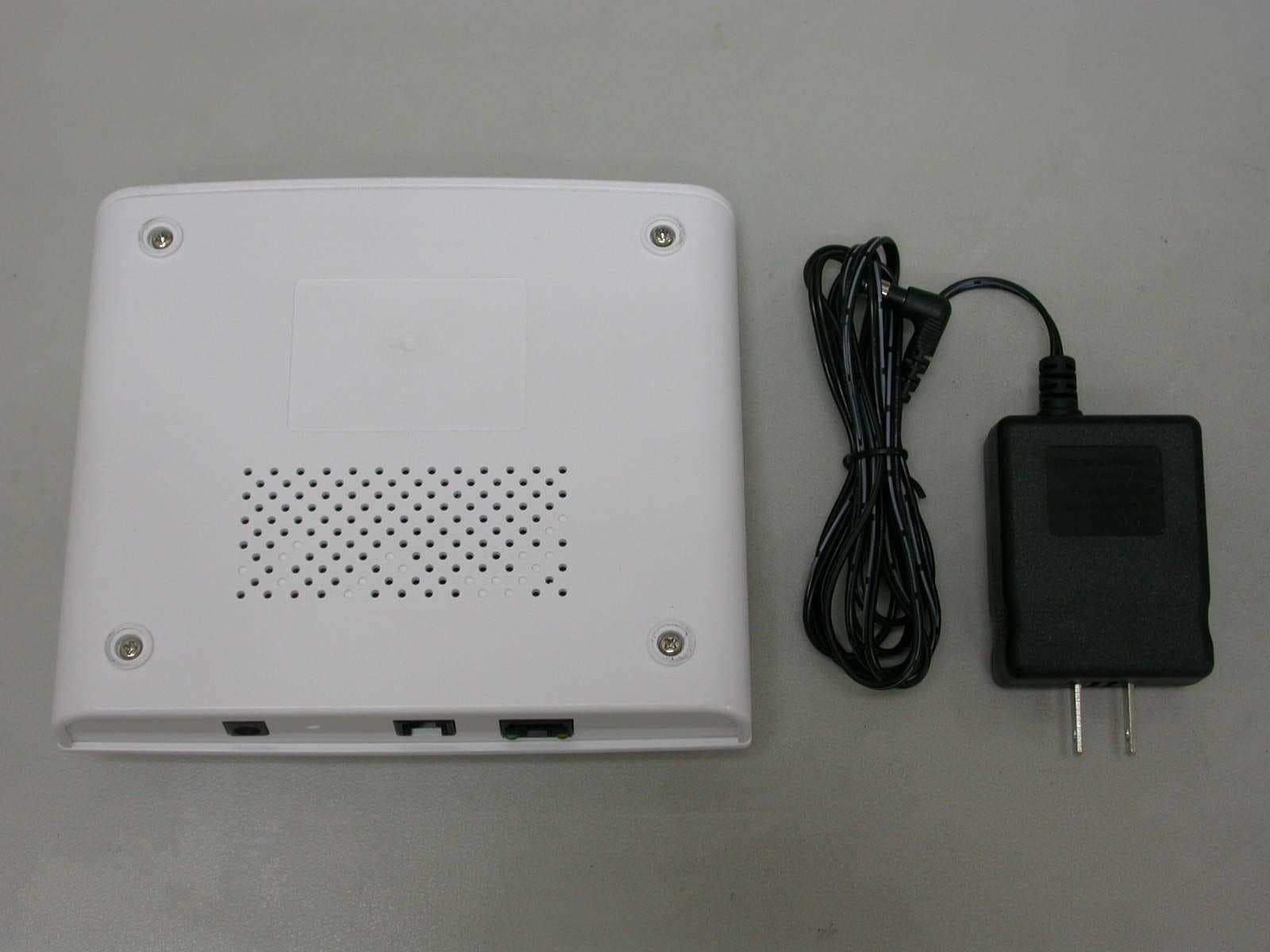
PBWDT19B232
Apr 02, 2008US DECT BASE UNIT
Equipment Class
PUB - Part 15 Unlicensed PCS Base Station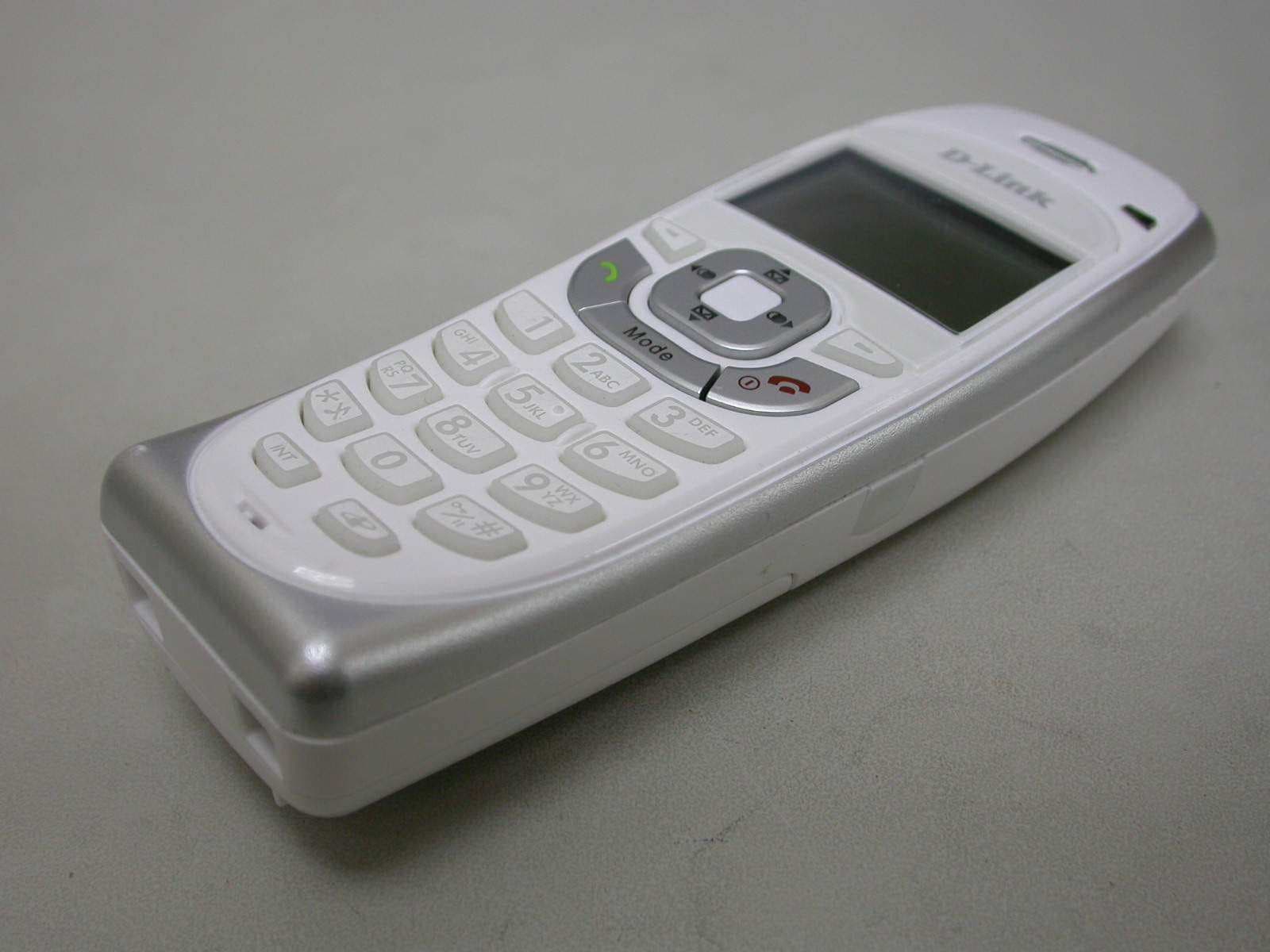
PBWDT19R35H
Apr 02, 2008US DECT HANDSET UNIT
Equipment Class
PUE - Part 15 Unlicensed PCS portable Tx held to ear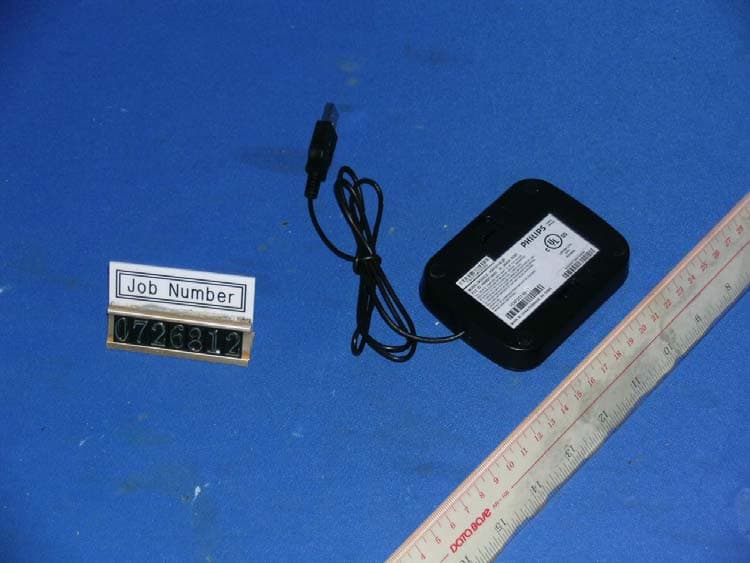
PBWUB19R51
Feb 24, 20081.9GHZ USB PHONE
Equipment Class
JBP - Part 15 Class B Computing Device Peripheral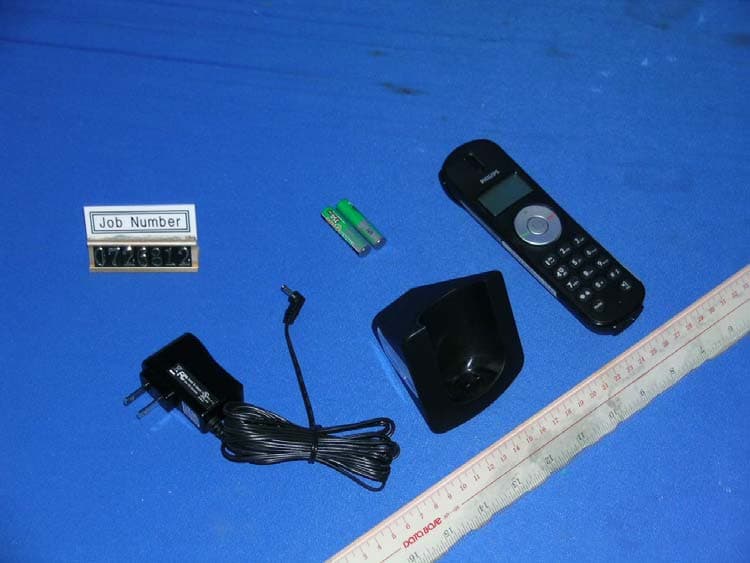
PBWUB19R51H
Feb 24, 20081.9GHZ USB PHONE- HANDSET
Equipment Class
PUE - Part 15 Unlicensed PCS portable Tx held to ear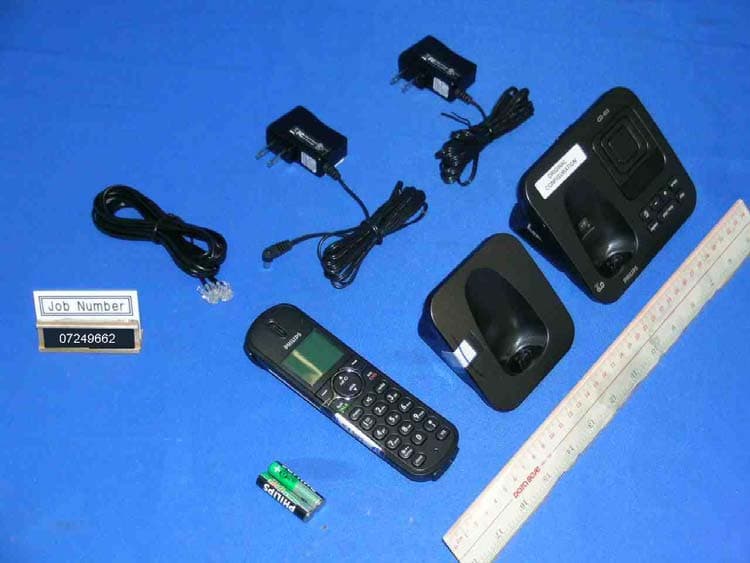
PBWDT19R51H
Jan 28, 20081.9GHZ CORDLESS PHONE
Equipment Class
PUE - Part 15 Unlicensed PCS portable Tx held to ear