RYP21162Diving tank pressure sensor with LF communication capability
Suunto Oy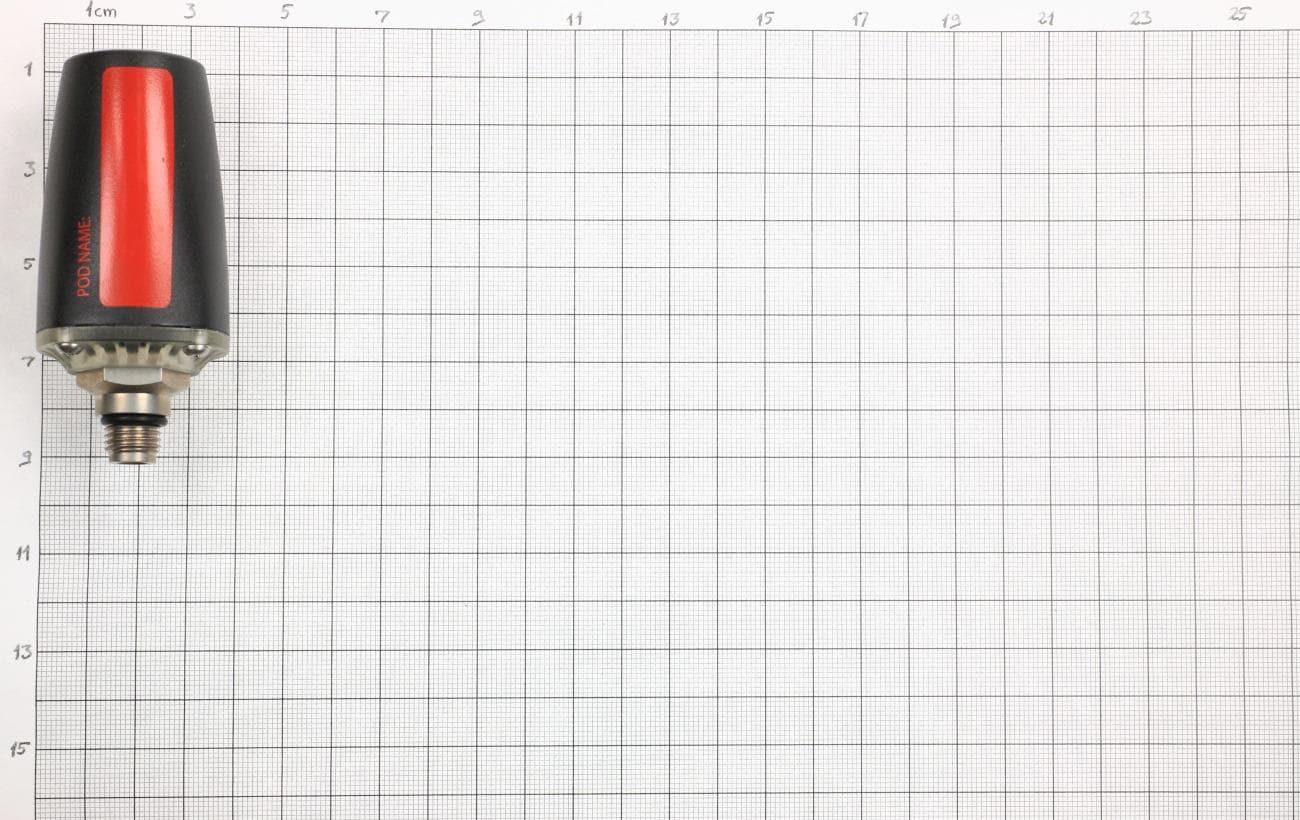
Click to zoom
Application Details
- Equipment Class
- DXX - Part 15 Low Power Communication Device Transmitter
- Date of Grant
- Jul 06, 2014
- Application Purpose
- Original Equipment
- Date of Application
- Jul 06, 2014
- Equipment Note
- Diving tank pressure sensor with LF communication capability
- Frequency Range
- 0.12300000 - 0.12300000
- Company
- Suunto Oy
- Country
- Finland
Documents & Files
Document Text
Text extracted from the exhibit documents filed with the FCC. Open a document above to read the original.
Users Manual
ENGLISH SAFETY INSTRUCTIONS Unless otherwise indicated, these instructions apply to all Suunto dive computers. WARNING: is used in connection with a procedure or situation that may result in serious injury or death. CAUTION: is used in connection with a pro- cedure or situation that will result in damage to the product. NOTE: is used to emphasize important information. NOTE: The content of this leaflet overrides any discrepancies with dive computer user guides. Dive Computer Limitations While the dive computer is based on current de- compression research and technology, you must realize that the computer cannot monitor the ac- tual physiological functions of an individual diver. All decompression schedules currently known to the authors, including the U.S. Navy Tables, are based on theoretical mathematical models, which are intended to serve as a guide to reduce the probability of decompression sickness. Before you dive Make sure that you fully understand the use, displays and limitations of the instrument. If you have any questions about the manual or the dive computer, contact your SUUNTO dealer before diving with the dive computer. Always remember that YOU ARE RESPONSIBLE FOR YOUR OWN SAFETY! WARNING: YOU MUST READ this leaflet and the user guide for your dive computer. Failure to do so may lead to improper use, serious injury or death. WARNING: ALLERGIC REACTIONS OR SKIN IRRITATIONS MAY OCCUR WHEN PRODUCT IS IN CONTACT WITH SKIN, EVEN THOUGH OUR PRODUCTS COMPLY WITH INDUSTRY STAND - ARDS. IN SUCH EVENT, STOP USE IMMEDIATLY AND CONSULT A DOCTOR. WARNING: NOT FOR PROFESSIONAL USE! Suunto dive computers are intended for recre - ational use only. The demands of commercial or professional diving may expose the diver to depths and exposures that tend to increase the risk of decompression sickness (DCS). Therefore, Suunto strongly recommends that the device not be used for commercial or professional diving activity. WARNING: ONLY DIVERS TRAINED IN THE PROPER USE OF SCUBA DIVING EQUIPMENT SHOULD USE A DIVE COMPUTER! No dive computer can replace the need for proper dive training. Insufficient or improper training may cause a diver to commit errors that may lead to serious injury or death. WARNING: THERE IS ALWAYS A RISK OF DECOMPRESSION SICKNESS (DCS) FOR ANY DIVE PROFILE EVEN IF YOU FOLLOW THE DIVE PLAN PRESCRIBED BY DIVE TABLES OR A DIVE COMPUTER. NO PROCEDURE, DIVE COMPUTER OR DIVE TABLE WILL PREVENT THE POSSIBILITY OF DCS OR OXYGEN TOXICITY! An individual’s physiological make up can vary from day to day. The dive computer cannot account for these variations. You are strongly advised to remain well within the exposure limits provided by the instrument to minimize the risk of DCS. As an added measure of safety, you should consult a physician regarding your fitness before diving. WARNING: SUUNTO STRONGLY RECOM- MENDS THAT SPORT DIVERS LIMIT THEIR MAXI- MUM DEPTH TO 40 M [130 FT] OR TO THE DEPTH CALCULATED BY THE COMPUTER BASED ON THE SELECTED O2% AND A MAXIMUM PO2 OF 1.4 BAR! Exposure to greater depths increases the risk of oxygen toxicity and decompression sickness. WARNING: DIVES WITH REQUIRED DECOM- PRESSION STOPS ARE NOT RECOMMENDED. YOU SHOULD ASCEND AND BEGIN DECOMPRESSION IMMEDIATELY WHEN THE DIVE COMPUTER SHOWS YOU THAT A DECOMPRESSION STOP IS REQUIRED! Note the blinking ASC TIME symbol and the upward pointing arrow. WARNING: USE BACK-UP INSTRUMENTS! Make sure that you use back-up instrumentation including a depth gauge, submersible pressure gauge, timer or watch, and have access to decompression tables whenever diving with the dive computer. WARNING: PERFORM PRECHECKS! Always activate and check the device before diving in order to ensure that all Liquid Crystal Display (LCD) segments are completely displayed, that the device has not run out of battery power, and that the oxygen, altitude and personal adjustments are correct. WARNING: DO NOT DIVE WITH A CYLINDER OF ENRICHED AIR IF YOU HAVE NOT PERSONAL- LY VERIFIED ITS CONTENTS AND ENTERED THE ANALYSIS VALUE INTO YOUR DIVE COMPUTER! Failure to verify cylinder contents and enter the appropriate O2% into your dive computer will result in incorrect dive planning information. WARNING: DO NOT DIVE WITH A GAS IF YOU HAVE NOT PERSONALLY VERIFIED ITS CONTENTS AND ENTERED THE ANALYZED VALUE INTO YOUR DIVE COMPUTER! Failure to verify cylinder contents and enter the appropriate gas values where applicable into your dive computer will result in incorrect dive planning information. WARNING: Diving with gas mixtures exposes you to risks that are different from those associated with diving with standard air. These risks are not obvious, and require training to understand and avoid. Risks include possible serious injury or death. WARNING: Traveling to a higher elevation can temporarily cause a change in the equilibrium of dissolved nitrogen in the body. It is recommended that you acclimatize to the new altitude by waiting at least three hours before diving. WARNING: Using the Suunto Dive Planner software is not a substitute for proper dive training. Diving with mixed gases has dangers that are not familiar to divers diving with air. To dive with trimix, triox, heliox and nitrox or all of them, divers must have specialized training for the type of diving they are doing. WARNING: ENSURE THE WATER RESISTANCE OF THE DEVICE! Moisture inside the device and/ or battery compartment may seriously damage the unit. Only an authorized SUUNTO service center should do service activities. WARNING: Never lift or carry your cylinder by holding the wireless tank pressure transmitter as this may break the cover and cause flooding of the unit. If your cylinder falls down with the transmitter attached to the regulator first stage, ensure that the transmitter has not been damaged before diving with it. Emergency ascents In the unlikely event that the dive computer malfunctions during a dive, follow the emergen- cy procedures provided by your certified dive training agenc…
Text truncated - open the document above for the full version.
Cover Letter(s)
Authority to Act as Agent Date: ___10.4.2014 American Certification Body, Inc. 6731 Whittier Avenue Suite C110 McLean, VA 22101 To Whom It May Concern: ______SGS Fimko Oy____ is authorized to act on our behalf, until otherwise notified, for applications to American Certification Body, Inc. (ACB). We certify that we are not subject to denial of federal benefits, that includes FCC benefits, pursuant to Section 5301 of the Anti-Drug Abuse Act of 1988, 21 U.S.C. 862. Further, no party, as defined in 47 CFR 1.2002 (b), to the application is subject to denial of federal benefits, that includes FCC benefits. Thank you, Agency Agreement Expiration Date: 12 months By: __________________________ ___Heikki Puuri_____________________ (Signature 1 ) (Print name) T itle: ___RF-engineer_______________________ On behalf of: ___Suunto Oy_______________________ (Company Name) Telephone: ____+358 401805769______________________ 1 - Must be signed by applicant contact given for applicant on the FCC site, or by the authorized agent if an appropriate authorized agent letter has been provided. Letters should be placed on appropriate letterhead. 022311 – 6 Request for Confidentiality Date: 27.5.2014 Subject: Confidentiality Request for: RYP21162, 5175A-21162 Pur suant to FCC 47 CRF 0.457(d) and 0.459 and IC RSP-100, Section 10, the applicant requests that a part of the subject FCC application be held confidential. Type of Confidentiality Requested Exhibit Short Term x Permanent Block Diagrams Short Term External Photos x Short Term Permanent* 2 Internal Photos Short Term x Permanent Operation Description/Theory of Operation Short Term x Permanent Parts List & Placement/BOM Short Term Permanent Tune-Up Procedure Short Term x Permanent Schematics Short Term Test Setup Photos Short Term Permanent* User’s Manual *Note: ______(Insert Explanation as Necessary)______ Suunto Oy has spent substantial effort in developing this product and it is one of the first of its kind in industry. Having the subject information easily available to "competition" would negate the advantage they have achieved by developing this product. Not protecting the details of the design will result in financial hardship. Pe rmanent Confidentiality: The applicant requests the exhibits listed above as permanently confidential be permanently withheld from public review due to materials that contain trade secrets and proprietary information not customarily released to the public. Short-Term Confidentiality: The applicant requests the exhibits selected above as short term confidential be withheld from public view for a period of ___(specify number of days not to exceed 180) 60__ days from the date of the Grant of Equipment Authorization and prior to marketing. This is to avoid premature release of sensitive information prior to marketing or release of the product to the public. Applicant is als o aware tha t they are responsible to notify ACB in the event information regarding the product or the product is made available to the public. ACB will then release the documents listed above for public disclosure pursuant to FCC Public Notice DA 04-1705. NO TE for Industry Canada Applications: The applicant understands that until such time that IC distinguishes between Short Term and Permanent Confidentiality, either type of marked exhibit above will simply be marked Confidential when submitted to IC. Si ncerely, By: ______ ____________________ __Heikki Puuri______________________ RF-engineer (Print name) 2 - The asterisked items (*) require further justification before permanent confidentiality will be allowed. These also currently require review by the FCC under their Permit-B ut-Ask policy before the grant is issued and can delay completion of an application. Further justification should be added to the note above. One such example for a potted device would be: “The EUT is FULLY potted using a non-removable epoxy based material. Removal of potting material causes irreparable damage to internal circuitry. See photographs exhibits that outline the device before and after potting.” 3 - Please refer to http://acbcert.com/documents/misc-docs/Memo-Short-Term-Vs-Standard-Confidentiality.pdf for complete details. 022311 – 6
External Photos
Photo 1: external
ID Label/Location Info
TANK POD SUUNTO MADE IN FINLAND FCC ID:RYP21162, IC:5175A-21162, Model:DP142, MSIP-XXX-XXX-21162 TANK POD LASER MARKINGS Timo Halko 12.6.-2014
ID Label/Location Info
TANK POD LASER MARKINGS VISUAL SPECS Timo Halko 12.6.-2014 FINLAND TANK POD SUUNTO MADE IN FINLAND FCC ID:RYP21162, IC:5175A-21162, Model:DP142, MSIP-XXX-XXX-21162 3 TANK POD LASER MARKINGS VISUAL SPECS Timo Halko 12.6.-2014
Internal Photos
Photo 1: internal Photo 2: internal Photo 3: internal Photo 4: internal
Test Report
Reference number: 274926-5 Page 2 of 12 Table of Contents PRODUCT DESCRIPTION .................................................................................................................................. 3 Equipment Under Test (EUT).......................................................................................................................... 3 Ratings and declarations ................................................................................................................................. 4 Power Supply .................................................................................................................................................. 4 GENERAL REMARKS.......................................................................................................................................... 5 Disclaimer........................................................................................................................................................ 5 SUMMARY OF TESTING..................................................................................................................................... 6 EUT Test Conditions during Testing ............................................................................................................... 6 RADIATED EMISSION TEST............................................................................................................................... 7 Radiated Emissions 9 kHz to 1 GHz ............................................................................................................... 7 LIST OF TEST EQUIPMENT ............................................................................................................................... 12 Reference number: 274926-5 Page 3 of 12 Product Description PRODUCT DESCRIPTION Equipment Under Test (EUT) Diving tank pressure sensor with LF communication capability Marketing Name: Tank POD Model: DP142 Serial Number: - The EUT is a diving tank pressure sensor with LF (123 kHz) communication capability using low power transmission, RX verified. There are different samples for TX and RX units and samples for conductive measurements with SMA antenna port connectors and wires for external power source. Figure 1. The block diagram of the EUT. Reference number: 274926-5 Page 4 of 12 Product Description Classification of the device Fixed device Mobile Device (Human body distance > 20cm) Portable Device (Human body distance < 20cm) Modifications Incorporated in the EUT No modifications were applied to the EUT during testing Ratings and declarations Operating Frequency Range (OFR): 0.123 MHz Channels: 1 Output power (peak): 25 dBm Modulation: PSK Integral coil antenna gain: 2.15 dBi max Power Supply -Internal Lithium battery LS 14250, ½ AA-size bobbin cell, 3.6 V. -Conductive measurements were tested with an external precision laboratory power source Reference number: 274926-5 Page 5 of 12 General remarks GENERAL REMARKS Disclaimer This document is issued by the Company under its General Conditions of service accessible at http://www.sgs.com/terms_and_conditions.htm. attention is drawn to the limitation of liability, indemnification and jurisdiction issues defined therein. Any holder of this document is advised that information contained hereon reflects the Company's findings at the time of its intervention only and within the limits of Client's instructions, if any. The Company's sole responsibility is to its Client and this document does not exonerate parties to a transaction from exercising all their rights and obligations under the transaction documents. Any unauthorized alteration, forgery or falsification of the content or appearance of this document is unlawful and offenders may be prosecuted to the fullest extent of the law. Unless otherwise stated the results shown in this test report refer only to the sample(s) tested and such sample(s) are retained for 90 days only. This document cannot be reproduced except in full, without prior approval of the Company. Reference number: 274926-5 Page 6 of 12 Summary of Testing SUMMARY OF TESTING Test Specification Description of Test Result §15.209, RSS-310, RSS-GEN Radiated Emissions 9 kHz to 1 GHz PASS EUT Test Conditions during Testing The EUT was operating on 123 kHz and was in continuous transmit mode during all the tests. The tests were performed with the EUT being in three orthogonal positions: X, Y, Z. Test Facility Testing Location / address: FCC registration number: 90598 SGS Fimko Ltd Särkiniementie 3 FI-00210, HELSINKI FINLAND Testing Location / address: FCC registration number: 178986 Industry Canada registration number: 8708A-2 SGS Fimko Ltd Karakaarenkuja 4 FI-02610, ESPOO FINLAND Reference number: 274926-5 Page 7 of 12 Radiated Emission Test RADIATED EMISSION TEST Radiated Emissions 9 kHz to 1 GHz Standard: ANSI C63.10 (2009) Tested by: RRE/ NKO Date: 12 June 2014, 19 June 2014 Temperature: 23 °C, 23 °C Humidity: 43 % RH, 31 % RH Measurement uncertainty ± 4.51 dB Level of confidence 95 % (k = 2) FCC Rule: 15.209 The emissions from an intentional radiator shall not exceed the field strength levels specified in the following table: Frequency (MHz) Field strength (microvolts/meter) Measurement distance (meters) 0.009-0.490 2400/F(kHz) 300 0.490-1.705 24000/F(kHz) 30 1.705-30.0 30 30 30-88 100 ** 3 88-216 150 ** 3 216-960 200 ** 3 Above 960 500 3 The level of any unwanted emissions from an intentional radiator operating under these general provisions shall not exceed the level of the fundamental emission. The emission limits shown in the above table are based on measurements employing a CISPR quasi-peak detector except for the frequency bands 9-90 kHz, 110-490 kHz and above 1000 MHz. Radiated emission limits in these three bands are based on measurements employing an average detector. According to ANSI C63.10 (clause 5.3.2) and RSS-Gen (Clause 4.11) the measurements below 30 MHz can be performed at a closer di…
Text truncated - open the document above for the full version.
Test Setup Photos
Test Setup Photographs 274926-5 Suunto Tank POD 1 (2) Photograph 1. Spurious emissions 30 - 1000 MHz Photograph 2. Spurious emissions 9kHz – 30 MHz Test Setup Photographs 274926-5 Suunto Tank POD 2 (2) Photograph 3. EUT on table
Contact Information
Applicant
Michael Vilen(Compliance Manager)
Technical Contact
Test Firm
SGS Fimko LtdJari Merikari
Technical Specifications
| # | Rule Parts | Frequency Range | Power Output |
|---|---|---|---|
| 1 | 15C | 0.123 MHz - 0.123 MHz | - |
Other Applications from Suunto Oy
RYPOW245
Apr 27, 2026Outdoor Watch
Equipment Class
DTS - Digital Transmission SystemRYPHS252
Dec 08, 2025Headphones
Equipment Class
DTS - Digital Transmission System
RYPOW222
Apr 23, 2023Sports Watch with GNSS and BLE and WLAN Connectivity
Equipment Class
JAB - Part 15 Class B Digital Device
RYP2609
Mar 04, 2021Sports watch with GPS and BLE Connectivity
Equipment Class
JAB - Part 15 Class B Digital Device
RYP2540
Jan 06, 2020SUUNTO 7
Equipment Class
DTS - Digital Transmission System