SI5BUB211Class 1 Bluetooth v2.0 EDR USB Adapter
U-MEDIA Communications, Inc.
Click to zoom
Application Details
- Equipment Class
- DSS - Part 15 Spread Spectrum Transmitter
- Date of Grant
- Feb 20, 2006
- Application Purpose
- Original Equipment
- Date of Application
- Feb 20, 2006
- Equipment Note
- Class 1 Bluetooth v2.0 EDR USB Adapter
- Frequency Range
- 2402.00000000 - 2480.00000000
- Company
- U-MEDIA Communications, Inc.
- Country
- Taiwan
Documents & Files
Document Text
Text extracted from the exhibit documents filed with the FCC. Open a document above to read the original.
Users Manual
User Manual v0.1 Class 1 Bluetooth v2.0 EDR USB Adapter Federal Communication Commission Interference Statement This equipment has been tested and found to comply with the limits for a Class B digital device, pursuant to Part 15 of the FCC Rules. These limits are designed to provide reasonable protection against harmful interference in a residential installation. This equipment generates, uses and can radiate radio frequency energy and, if not installed and used in accordance with the instructions, may cause harmful interference to radio communications. However, there is no guarantee that interference will not occur in a particular installation. If this equipment does cause harmful interference to radio or television reception, which can be determined by turning the equipment off and on, the user is encouraged to try to correct the interference by one of the following measures: - Reorient or relocate the receiving antenna. - Increase the separation between the equipment and receiver. - Connect the equipment into an outlet on a circuit different from that to which the receiver is connected. - Consult the dealer or an experienced radio/TV technician for help. FCC Caution: Any changes or modifications not expressly approved by the party responsible for compliance could void the user's authority to operate this equipment. This device complies with Part 15 of the FCC Rules. Operation is subject to the following two conditions: (1) This device may not cause harmful interference, and (2) this device must accept any interference received, including interference that may cause undesired operation. IMPORTANT NOTE: FCC Radiation Exposure Statement: This equipment complies with FCC radiation exposure limits set forth for an uncontrolled environment. This device complies with FCC RF Exposure limits set forth for an uncontrolled environment, under 47 CFR 2.1093 paragraph (d)(2). This transmitter must not be co-located or operating in conjunction with any other antenna or transmitter. This equipment has been SAR-evaluated for use in laptops (notebooks) with side slot configuration. Getting Started..................................................................................................4 Minimum System Requirements......................................................................................4 Unpacking and Checking the Contents............................................................................4 Identifying Components...................................................................................................4 Software Installation........................................................................................................4 Toshiba Bluetooth Utility Contents....................................................................6 Bluetooth Functions.........................................................................................................6 Bluetooth Utility Contents.................................................................................................7 Appendix........................................................................................................10 Troubleshooting.............................................................................................................10 Getting Started Minimum System Requirements n PC running Windows 98/ME/ 2000/XP n At least 400 MHz processor, MAC OS X 10.2.6 or the later versions n At least 128 MB RAM n At least 50MB free disk space on your hard drive Unpacking and Checking the Contents Packing content n BUB-211 Class Bluetooth v2.0 EDR USB Adapter n Quick Guide n CD (with software, driver, utility and user guide) Identifying Components BUB-211 Software Installation 1. Turn on your PC 2. Please insert the Utility CD into CD-ROM drive, and then follow the instruction below to install Bluetooth software. Note: DO NOT plug the USB Adapter into the USB port before software installation 3. Follow the directions on your screen to install Adapter driver. 2. Please Click “Install”. 3. Please Click “Next”. 4. Please choose “I accept the terms in the license agreement” and then click “Next”. 5. Please Click “Install”. 6. Please Choose “I accept” and then click “OK” 7. Installation will ask you plug Bluetooth Device into USB port, please plug BUB-211 into USB port then click “OK”. 8. Please Click “Finish” to complete the installation wizard. Toshiba Bluetooth Utility Contents Bluetooth Functions Toshiba Bluetooth stack supports the following Bluetooth functions (profiles) Term Definition DUN Dial-Up Networking Enables you to establish a dial-up Bluetooth TM wireless technology connection to the Internet or other networks with a wireless modem station, mobile telephone, or similar device. FAX FAX Enables you to establish a Bluetooth TM wireless technology connection with a wireless modem station, mobile telephone, or similar device to send or receive a fax. LAP LAN Access Profile Enables you to establish a Bluetooth TM wireless technology connection with a LAN access point to access the services of a LAN using PPP. SPP Serial Port Profile Enables communication with a device through a virtual serial port configured for a Bluetooth TM wireless technology connection. This can be used for printers and printer adapters with PDAs, using a different method from HCRP or ActiveSync. HID Human Interface Device Profile Allows connections to wireless mice, keyboards and other input devices. HCRP Hardcopy Cable Replacement Profile Enables printing with a printer driver. FTP File Transfer Profile Enables you to browse folders on a wireless device and transfer files to and from the local device. OPP Object Push Profile Allows business card data to be exchanged with a wireless device. A2DP Advanced Audio Distribution Profile Allows audio data to be exchanged between wireless headsets and other audio devices, as well as allowing high-quality music playback. AVRCP Audio/Video Remote Control Profile A/V remote control …
Text truncated - open the document above for the full version.
External Photos
Page 1 CONSTRUCTION PHOTOS OF EUT Page 2
ID Label/Location Info
FCC ID : SI5BUB211 Label Location
ID Label/Location Info
32.00 0.15 + - 12.00 0.15 + - BUB-211C_Bottom Label : Label Location : :32 x12 (mm) R=0.5 BUB-211 FCC ID: SI5BUB211 Class 1 Bluetooth v2.0 EDR USB Adapter
Internal Photos
Page 3 Page 4 Page 5 Page 6
Operational Description
FCC ID: SI5BUB211 Report No. RF950125L05 Operational Description The transmitter of the EUT (Class 1 Bluetooth v2.0 EDR USB Adapter) is powered by 5Vdc from host equipment. The antenna is printed antenna without antenna connector. This device is a Frequency Hopping device with 79 hopping frequencies. For more detailed instruction, please take a look at the user’s manual.
RF Exposure Info
D3: DAE SN: 579
RF Exposure Info
APPENDIX D: SYSTEM CERTIFICATE & CALIBRATION D1: SAM PHANTOM
RF Exposure Info
A - 1 APPENDIX A: TEST DATA Liquid Level Photo MSL 2450MHz D=151mm A - 2 Date/Time: 2006/2/9 11:08:06 Test Laboratory: Advance Data Technology N800C-GFSK-Ch0-Mode 1 DUT: Class 1 Bluetooth v2.0 EDR USB Adapter ; Type: BUB-211 ; Test Frequency: 2402 MHz Communication System: Bluetooth ; Frequency: 2402 MHz ; Duty Cycle: 1:1 ; Modulation type: GFSK Medium: MSL2450 Medium parameters used: f = 2402 MHz; σ = 1.95 mho/m; ε r = 51.3; ρ = 1000 kg/m 3 ; Liquid level : 151 mm Phantom section: Flat Section ; Separation distance : 0 mm (The bottom side of the EUT to the Phantom) Antenna type : Dipole Antenna ; Air temp. : 21.8 degrees ; Liquid temp. : 20.6 degrees DASY4 Configuration: - Probe: ET3DV6 - SN1790 ; ConvF(4.35, 4.35, 4.35) ; Calibrated: 2004/12/20 - Sensor-Surface: 4mm (Mechanical Surface Detection) - Electronics: DAE3 Sn579 ; Calibrated: 2005/3/23 - Phantom: SAM 12 ; Type: SAM V4.0 ; Serial: TP 1202 - Measurement SW: DASY4, V4.6 Build 23 ; Postprocessing SW: SEMCAD, V1.8 Build 160 Low Channel 0/Area Scan (6x11x1): Measurement grid: dx=15mm, dy=15mm Maximum value of SAR (measured) = 1.30 mW/g Low Channel 0/Zoom Scan (7x7x7)/Cube 0: Measurement grid: dx=5mm, dy=5mm, dz=5mm Reference Value = 6.79 V/m Peak SAR (extrapolated) = 3.00 W/kg SAR(1 g) = 1.38 mW/g; SAR(10 g) = 0.643 mW/g Maximum value of SAR (measured) = 1.53 mW/g A - 3 A - 4 Date/Time: 2006/2/9 11:27:13 Test Laboratory: Advance Data Technology N800C-GFSK-Ch39-Mode 1 DUT: Class 1 Bluetooth v2.0 EDR USB Adapter ; Type: BUB-211 ; Test Frequency: 2441 MHz Communication System: Bluetooth ; Frequency: 2441 MHz ; Duty Cycle: 1:1 ; Modulation type: GFSK Medium: MSL2450 Medium parameters used: f = 2441 MHz; σ = 2 mho/m; ε r = 51.1; ρ = 1000 kg/m 3 ; Liquid level : 151 mm Phantom section: Flat Section ; Separation distance : 0 mm (The bottom side of the EUT to the Phantom) Antenna type : Dipole Antenna ; Air temp. : 21.8 degrees ; Liquid temp. : 20.6 degrees DASY4 Configuration: - Probe: ET3DV6 - SN1790 ; ConvF(4.35, 4.35, 4.35) ; Calibrated: 2004/12/20 - Sensor-Surface: 4mm (Mechanical Surface Detection) - Electronics: DAE3 Sn579 ; Calibrated: 2005/3/23 - Phantom: SAM 12 ; Type: SAM V4.0 ; Serial: TP 1202 - Measurement SW: DASY4, V4.6 Build 23 ; Postprocessing SW: SEMCAD, V1.8 Build 160 Mid Channel 39/Area Scan (6x11x1): Measurement grid: dx=15mm, dy=15mm Maximum value of SAR (measured) = 0.940 mW/g Mid Channel 39/Zoom Scan (7x7x7)/Cube 0: Measurement grid: dx=5mm, dy=5mm, dz=5mm Reference Value = 5.83 V/m Peak SAR (extrapolated) = 2.47 W/kg SAR(1 g) = 1.07 mW/g; SAR(10 g) = 0.492 mW/g Maximum value of SAR (measured) = 1.19 mW/g A - 5 Date/Time: 2006/2/9 11:45:56 Test Laboratory: Advance Data Technology N800C-GFSK-Ch78-Mode 1 DUT: Class 1 Bluetooth v2.0 EDR USB Adapter ; Type: BUB-211 ; Test Frequency: 2480 MHz Communication System: Bluetooth ; Frequency: 2480 MHz ; Duty Cycle: 1:1 ; Modulation type: GFSK Medium: MSL2450 Medium parameters used: f = 2480 MHz; σ = 2.04 mho/m; ε r = 51; ρ = 1000 kg/m 3 ; Liquid level : 151 mm Phantom section: Flat Section ; Separation distance : 0 mm (The bottom side of the EUT to the Phantom) Antenna type : Dipole Antenna ; Air temp. : 21.8 degrees ; Liquid temp. : 20.6 degrees DASY4 Configuration: - Probe: ET3DV6 - SN1790 ; ConvF(4.35, 4.35, 4.35) ; Calibrated: 2004/12/20 - Sensor-Surface: 4mm (Mechanical Surface Detection) - Electronics: DAE3 Sn579 ; Calibrated: 2005/3/23 - Phantom: SAM 12 ; Type: SAM V4.0 ; Serial: TP 1202 - Measurement SW: DASY4, V4.6 Build 23 ; Postprocessing SW: SEMCAD, V1.8 Build 160 High Channel 78/Area Scan (6x11x1): Measurement grid: dx=15mm, dy=15mm Maximum value of SAR (measured) = 0.860 mW/g High Channel 78/Zoom Scan (7x7x7)/Cube 0: Measurement grid: dx=5mm, dy=5mm, dz=5mm Reference Value = 5.85 V/m Peak SAR (extrapolated) = 2.12 W/kg SAR(1 g) = 0.924 mW/g; SAR(10 g) = 0.424 mW/g Maximum value of SAR (measured) = 1.03 mW/g A - 6 Date/Time: 2006/2/9 12:07:24 Test Laboratory: Advance Data Technology N800C-8DPSK-Ch0-Mode 2 DUT: Class 1 Bluetooth v2.0 EDR USB Adapter ; Type: BUB-211 ; Test Frequency: 2402 MHz Communication System: Bluetooth ; Frequency: 2402 MHz ; Duty Cycle: 1:1 ; Modulation type: 8DPSK Medium: MSL2450 Medium parameters used: f = 2402 MHz; σ = 1.95 mho/m; ε r = 51.3; ρ = 1000 kg/m 3 ; Liquid level : 151 mm Phantom section: Flat Section ; Separation distance : 0 mm (The bottom side of the EUT to the Phantom) Antenna type : Dipole Antenna ; Air temp. : 21.8 degrees ; Liquid temp. : 20.6 degrees DASY4 Configuration: - Probe: ET3DV6 - SN1790 ; ConvF(4.35, 4.35, 4.35) ; Calibrated: 2004/12/20 - Sensor-Surface: 4mm (Mechanical Surface Detection) - Electronics: DAE3 Sn579 ; Calibrated: 2005/3/23 - Phantom: SAM 12 ; Type: SAM V4.0 ; Serial: TP 1202 - Measurement SW: DASY4, V4.6 Build 23 ; Postprocessing SW: SEMCAD, V1.8 Build 160 Low Channel 0/Area Scan (6x11x1): Measurement grid: dx=15mm, dy=15mm Maximum value of SAR (measured) = 0.714 mW/g Low Channel 0/Zoom Scan (7x7x7)/Cube 0: Measurement grid: dx=5mm, dy=5mm, dz=5mm Reference Value = 4.64 V/m Peak SAR (extrapolated) = 1.76 W/kg SAR(1 g) = 0.788 mW/g; SAR(10 g) = 0.358 mW/g Maximum value of SAR (measured) = 0.888 mW/g A - 7 Date/Time: 2006/2/9 12:26:57 Test Laboratory: Advance Data Technology N800C-8DPSK-Ch39-Mode 2 DUT: Class 1 Bluetooth v2.0 EDR USB Adapter ; Type: BUB-211 ; Test Frequency: 2441 MHz Communication System: Bluetooth ; Frequency: 2441 MHz ; Duty Cycle: 1:1 ; Modulation type: 8DPSK Medium: MSL2450 Medium parameters used: f = 2441 MHz; σ = 2 mho/m; ε r = 51.1; ρ = 1000 kg/m 3 ; Liquid level : 151 mm Phantom section: Flat Section ; Separation distance : 0 mm (The bottom side of the EUT to the Phantom) Antenna type : Dipole Antenna ; Air temp. : 21.8 degrees ; Liquid temp. : 20.6 degrees DASY4 Configuration: - Probe: ET3DV6 - SN1790 ; ConvF(4.35, 4.35, 4.35) ; Calibrated: 2004/12/20 - Sensor-Surface: 4mm (Mechanical Surface Detection) - Electronics: DAE3 Sn579 ; Calibrated: 2005/3/23 - Phantom: SAM 12 ; Typ…
Text truncated - open the document above for the full version.
RF Exposure Info
Report no.: SA950125L051Report Format Version 2.0.3 SAR TEST REPORT REPORT NO.: SA950125L05 MODEL NO.: BUB-211 RECEIVED: Jan. 25, 2006 TESTED: Feb. 09, 2006 ISSUED: Feb. 16, 2006 APPLICANT: U-MEDIA Communications, Inc. ADDRESS: 9F, No. 1, Jin-shan 7th St., Hsinchu 300, Taiwan, R.O.C. ISSUED BY: Advance Data Technology Corporation LAB ADDRESS: No. 47, 14 th Ling, Chia Pau Tsuen, Lin Kou Hsiang 244, Taipei Hsien, Taiwan, R.O.C. TEST LOCATION: No. 19, Hwa Ya 2 nd Rd., Kwei Shan Hsiang, Taoyuan Hsien 333, Taiwan, R.O.C. This test report consists of 36 pages in total except Appendix. It may be duplicated completely for legal use with the approval of the applicant. It should not be reproduced except in full, without the written approval of our laboratory. The client should not use it to claim product endorsement by CNLA, A2LA or any government agencies. The test results in the report only apply to the tested sample. Report no.: SA950125L052Report Format Version 2.0.3 TABLE OF CONTENTS 1.CERTIFICATION.......................................................................................................3 2.GENERAL INFORMATION........................................................................................4 2.1GENERAL DESCRIPTION OF EUT..........................................................................4 2.2GENERAL DESCRIPTION OF APPLIED STANDARDS............................................5 2.3GENERAL INOFRMATION OF THE SAR SYSTEM..................................................5 2.4GENERAL DESCRIPTION OF THE SPATIAL PEAK SAR EVALUATION..................8 3.DESCRIPTION OF SUPPORT UNITS....................................................................12 4.DESCRIPTION OF TEST MODES AND CONFIGURATIONS.................................13 4.1.DESCRIPTION OF ANTENNA LOCATION..............................................................13 4.2.DESCRIPTION OF ASSESSMENT POSITION.......................................................14 4.3.DESCRIPTION OF TEST MODE............................................................................15 4.4.SUMMARY OF TEST RESULTS.............................................................................15 5.TEST RESULTS......................................................................................................16 5.1TEST PROCEDURES.............................................................................................16 5.2MEASURED SAR RESULTS...................................................................................18 5.3SAR LIMITS............................................................................................................20 5.4RECIPES FOR TISSUE SIMULATING LIQUIDS.....................................................21 5.5TEST EQUIPMENT FOR TISSUE PROPERTY.......................................................23 6.SYSTEM VALIDATION............................................................................................24 6.1TEST EQUIPMENT.................................................................................................24 6.2TEST PROCEDURE...............................................................................................25 6.3VALIDATION RESULTS..........................................................................................27 6.4SYSTEM VALIDATION UNCERTAINTIES...............................................................28 7.MEASUREMENT SAR PROCEDURE UNCERTAINTIES........................................29 7.1.PROBE CALIBRATION UNCERTAINTY.................................................................29 7.2.ISOTROPY UNCERTAINTY....................................................................................30 7.3.BOUNDARY EFFECT UNCERTAINTY...................................................................30 7.4.PROBE LINEARITY UNCERTAINTY.......................................................................31 7.5.READOUT ELECTRONICS UNCERTAINTY...........................................................31 7.6.RESPONSE TIME UNCERTAINTY.........................................................................31 7.7.INTEGRATION TIME UNCERTAINTY....................................................................32 7.8.PROBE POSITIONER MECHANICAL TOLERANCE..............................................33 7.9.PROBE POSITIONING............................................................................................33 7.10.PHANTOM UNCERTAINTY....................................................................................34 7.11.DASY4 UNCERTAINTY BUDGET...........................................................................35 8.INFORMATION ON THE TESTING LABORATORIES.............................................36 APPENDIX A: TEST CONFIGURATIONS AND TEST DATA APPENDIX B: ADT SAR MEASUREMENT SYSTEM APPENDIX C: PHOTOGRAPHS OF SYSTEM VALIDATION APPENDIX D: SYSTEM CERTIFICATE & CALIBRATION Report no.: SA950125L053Report Format Version 2.0.3 1. CERTIFICATION PRODUCT: Class 1 Bluetooth v2.0 EDR USB Adapter MODEL: BUB-211 BRAND: U-MEDIA APPLICANT: U-MEDIA Communications, Inc. TESTED: Feb. 09, 2006 TEST SAMPLE: ENGINEERING SAMPLE STANDARDS: FCC Part 2 (Section 2.1093), RSS-102 FCC OET Bulletin 65, Supplement C (01-01) The above equipment has been tested by Advance Data Technology Corporation, and found compliance with the requirement of the above standards. The test record, data evaluation & Equipment Under Test (EUT) configurations represented herein are true and accurate accounts of the measurements of the sample’s EMC characteristics under the conditions specified in this report. PREPARED BY :, DATE:Feb. 16, 2006 Rennie Wang TECHNICAL ACCEPTANCE:, DATE:Feb. 16, 2006 Responsible for RF Stanely Hsu APPROVED BY:, DATE:Feb. 16, 2006 Gary Chang / Supervisor Report no.: SA950125L054Report Format Version 2.0.3 2. GENERAL INFORMATION 2.1 GENERAL DESCRIPTION OF EUT PRODUCT Class 1 Bluetooth v2.0 EDR USB Adapter MODEL NO. BUB-211 FCC ID SI5BUB211 POWER SUPPLY 5Vdc from host equipment CL…
Text truncated - open the document above for the full version.
Test Report
Report No.: RF950125L051Report Format Version 2.0.4 FCC TEST REPORT REPORT NO.: RF950125L05 MODEL NO.: BUB-211 RECEIVED: Jan. 25, 2006 TESTED: Jan. 26 ~ Feb. 07, 2006 ISSUED: Feb. 08, 2006 APPLICANT: U-MEDIA Communications, Inc. ADDRESS: 9F, No. 1, Jin-shan 7th St., Hsinchu 300, Taiwan, R.O.C. ISSUED BY: Advance Data Technology Corporation LAB ADDRESS: No. 47, 14 th Ling, Chia Pau Tsuen, Lin Kou Hsiang 244, Taipei Hsien, Taiwan, R.O.C. TEST LOCATION: No. 19, Hwa Ya 2 nd Rd., Wen Hwa Tsuen, Kwei Shan Hsiang, Taoyuan Hsien 333, Taiwan, R.O.C. This test report consists of 85 pages in total. It may be duplicated completely for legal use with the approval of the applicant. It should not be reproduced except in full, without the written approval of our laboratory. The client should not use it to claim product endorsement by CNLA, A2LA or any government agencies. The test results in the report only apply to the tested sample. NO. 2177-01 Report No.: RF950125L052Report Format Version 2.0.4 TABLE OF CONTENTS 1.CERTIFICATION........................................................................ ...................4 2.SUMMARY OF TEST RESULTS...................................................... ................5 2.1MEASUREMENT UNCERTAINTY ..............................................................................6 3.GENERAL INFORMATION...................................................... .........................7 3.1 GENERAL DESCRIPTION OF EUT............................................................................7 3.2 DESCRIPTION OF TEST MODES..............................................................................8 3.2.1 CONFIGURATION OF SYSTEM UNDER TEST .........................................................9 3.2.2 TEST MODE APPLICABILITY AND TESTED CHANNEL DETAIL ............................10 3.3.3 GENERAL DESCRIPTION OF APPLIED STANDARDS ...........................................12 3.3.4 DESCRIPTION OF SUPPORT UNITS ......................................................................12 4. TEST TYPES AND RESULTS...................................................... ..................13 4.1 CONDUCTED EMISSION MEASUREMENT ............................................................13 4.1.1 LIMITS OF CONDUCTED EMISSION MEASUREMENT..........................................13 4.1.2 TEST INSTRUMENTS...............................................................................................13 4.1.3 TEST PROCEDURES ...............................................................................................14 4.1.4 DEVIATION FROM TEST STANDARD .....................................................................14 4.1.5 TEST SETUP ............................................................................................................15 4.1.6 EUT OPERATING CONDITIONS ..............................................................................16 4.1.7 TEST RESULTS ........................................................................................................17 4.2 RADIATED EMISSION MEASUREMENT .................................................................23 4.2.1 LIMITS OF RADIATED EMISSION MEASUREMENT...............................................23 4.2.2 TEST INSTRUMENTS...............................................................................................24 4.2.3 TEST PROCEDURES ...............................................................................................25 4.2.4 DEVIATION FROM TEST STANDARD .....................................................................25 4.2.5 TEST SETUP ............................................................................................................26 4.2.6 EUT OPERATING CONDITIONS ..............................................................................26 4.2.7 TEST RESULTS ........................................................................................................27 4.3 NUMBER OF HOPPING FREQUENCY USED .........................................................40 4.3.1 LIMIT OF HOPPING FREQUENCY USED ...............................................................40 4.3.2 TEST INSTRUMENTS...............................................................................................40 4.3.3 TEST PROCEDURES ...............................................................................................40 4.3.4 DEVIATION FROM TEST STANDARD .....................................................................41 4.3.5 TEST SETUP ............................................................................................................41 4.3.6 TEST RESULTS ........................................................................................................41 4.4 DWELL TIME ON EACH CHANNEL .........................................................................44 4.4.1 LIMIT OF DWELL TIME USED..................................................................................44 4.4.2 TEST INSTRUMENTS...............................................................................................44 4.4.3 TEST PROCEDURES ...............................................................................................44 Report No.: RF950125L053Report Format Version 2.0.4 4.4.4 DEVIATION FROM TEST STANDARD .....................................................................44 4.4.5 TEST SETUP ............................................................................................................45 4.4.6 TEST RESULTS ........................................................................................................45 4.5 CHANNEL BANDWIDTH...........................................................................................53 4.5.1 LIMITS OF CHANNEL BANDWIDTH ........................................................................53 4.5.2 TEST INSTRUMENTS...............................................................................................53 4.5.3 TEST PROCEDURE.........…
Text truncated - open the document above for the full version.
Test Setup Photos
Report No.: RF950125L0582Report Format Version 2.0.4 5. PHOTOGRAPHS OF THE TEST CONFIGURATION CONDUCTED EMISSION TEST Report No.: RF950125L0583Report Format Version 2.0.4 RADIATED EMISSION TEST
Contact Information
Applicant
Irving Liu(CEO)
Technical Contact
Advance Data Technology Corporation (Hwa Ya)Gary Chang
[email protected]886-3-3183232
No. 19, Hwa Ya 2nd Rd., Kwei Shan Hsiang · Taoyuan Hsien · Taiwan
Non-Technical Contact
Advance Data Technology CorporationEllis Wu
[email protected]886-3-3183232
Test Firm
Bureau Veritas CPS (H.K.) Ltd. Taoyuan BranchRichard Chen
Technical Specifications
| # | Rule Parts | Frequency Range | Power Output |
|---|---|---|---|
| 1 | 15C | 2.40 GHz - 2.48 GHz | 41.40 mW |
Other Applications from U-MEDIA Communications, Inc.
SI5WST385L
Dec 29, 20092.4GHz Wireless 802.11n Adapter
Equipment Class
DTS - Digital Transmission System
SI5WUB710A
Apr 01, 20082.4GHz/5GHz Wireless USB Adapter
Equipment Class
DTS - Digital Transmission System
SI5WAP372L
Jan 15, 20082.4GHz 802.11n (draft 2.0) Wireless Access Point
Equipment Class
DTS - Digital Transmission System
SI5WPC370L
Aug 29, 20072.4GHz 802.11n (Draft 2.0) CardBus Card
Equipment Class
DTS - Digital Transmission System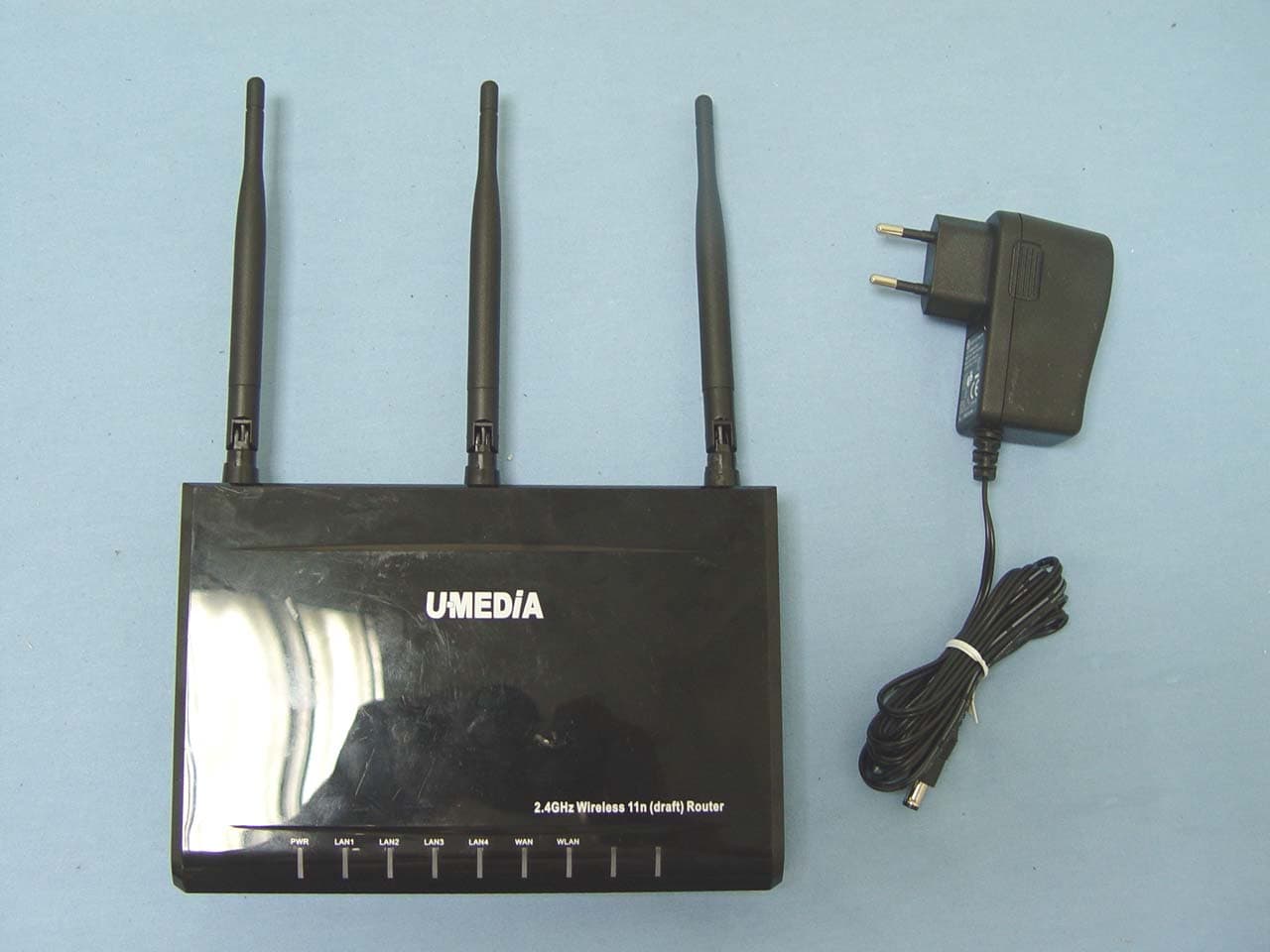
SI5WRT383U
Jul 29, 20072.4GHz 11n Draft 2.0 1+4 Port WLAN Router
Equipment Class
DTS - Digital Transmission System