SRQ-F231GSM Digital Mobile Phone
ZTE Corporation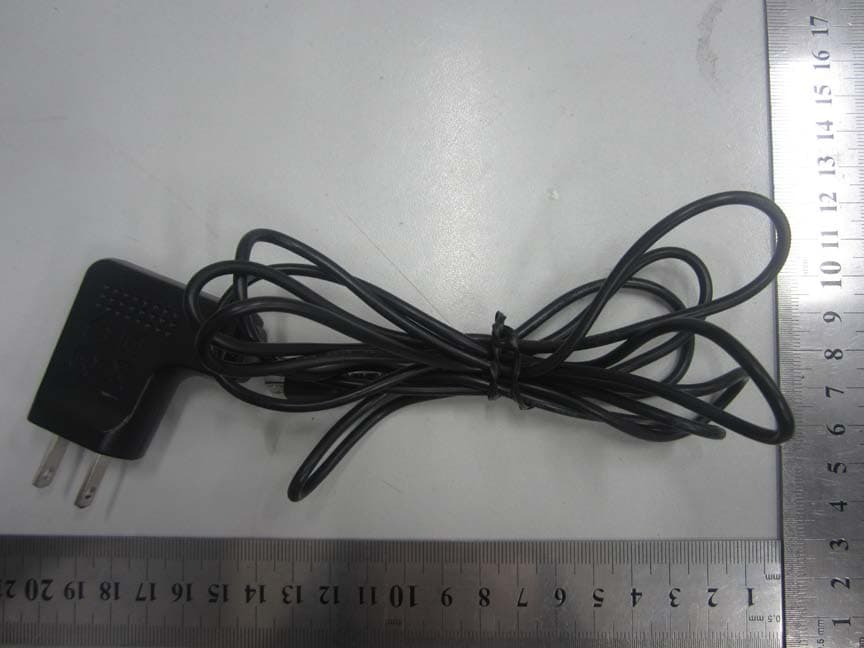
Click to zoom
Application Details
- Equipment Class
- DSS - Part 15 Spread Spectrum Transmitter
- Date of Grant
- Feb 16, 2014
- Application Purpose
- Original Equipment
- Date of Application
- Feb 16, 2014
- Equipment Note
- GSM Digital Mobile Phone
- Frequency Range
- 2402.00000000 - 2480.00000000
- Company
- ZTE Corporation
- Country
- China
Documents & Files
Document Text
Text extracted from the exhibit documents filed with the FCC. Open a document above to read the original.
Users Manual
GSM Digital Mobile Phone User Manual The manual is applicable for the F231 mobile phone. 文档信息 版本 修订日期 修订人 软件版本 备注 1.0 2012年11月 丁雪璋 拟制初稿 Copyright © 2014 by ZTE Corporation All rights reserved. No part of this publication may be quoted, reproduced, translated or used in any form or by any means, electronic or mechanical, including photocopying and microfilm, without the prior written permission of ZTE Corporation. The Bluetooth ® trademark and logos are owned by the Bluetooth SIG, Inc. and any use of such trademarks by ZTE Corporation is under license. Other trademarks and trade names are the property of their respective owners. ZTE Corporation reserves the right to make modifications on print errors or update specifications in this manual without prior notice. Version 1.0 in Jan. 2014 Contents Let’s get started .......................................................................................................... 1 Lost or stolen? ......................................................................................................... 1 Using your phone safely .......................................................................................... 2 Battery care and safety ............................................................................................ 5 Charger care and safety .......................................................................................... 7 Getting to know your phone..................................................................................... 9 Inserting and removing a memory card ................................................................. 13 Using the battery.................................................................................................... 15 Power on/off ........................................................................................................... 17 Using your phone ..................................................................................................... 18 Basic operation ........................................................................................................ 19 Common functions ................................................................................................... 21 Making and receiving calls .................................................................................... 21 Writing messages .................................................................................................. 23 Viewing messages ................................................................................................. 23 Adding a new contact ............................................................................................ 24 Using your phone as memory................................................................................ 24 Using your phone as modem................................................................................. 24 Main function list ...................................................................................................... 26 Input what you want, how you want... .................................................................... 34 Appendix ................................................................................................................... 36 Care and maintenance .......................................................................................... 36 FCC regulations ..................................................................................................... 37 Declaration of RoHS compliance .......................................................................... 41 Disposal of your old phone .................................................................................... 42 Problems and their solutions ................................................................................. 43 Let’s get started 1 Let’s get started Thanks for choosing the F231. It’s a GSM Digital Mobile Phone, which we’ll simply call ‘phone’ from now on. If you’d like your phone to live a long and fruitful life, please read this guide carefully and keep it for future reference. You never know when you might need it. And don’t worry if the pictures we use to demonstrate your phone’s functions look a little different from what you see on its screen. It’s the functions they show that matter. Lost or stolen? If your phone goes missing, please tell your service provider as soon as you know. That way other people can be barred from using it. Obviously, it’s best to keep your phone with you at all times, and we’d strongly advise you to set a phone lock code, and change it from time to time. Let’s get started 2 Using your phone safely on the road Using a phone while driving is illegal in many countries. Please follow local laws and drive safely at all times. near sensitive electronics Don’t use your phone near sensitive electronic equipment – particularly medical devices such as pacemakers – as it could cause them to malfunction. It can also interfere with the operation of fire detectors and other automatic-control equipment. For more information about how your phone affects pacemakers or other electronic equipment, please contact the manufacturer or your local distributor. Your phone may cause interference when used near TVs, radios or automated office equipment. while flying Your phone can cause interference with aircraft equipment. So it’s Let’s get started 3 essential you follow airline regulations. And if airline personnel ask you to switch off your phone, or disable its wireless functions, please do as they say. in hospital Your phone may interfere with the normal operation of medical equipment. Follow all hospital regulations and turn it off when you’re asked to by posted warnings or medical staff. at a petrol station Don’t use your phone at petrol stations. In fact, it’s always best to switch off whenever you’re near fuels, chemicals or explosives. around water Keep your phone away from wa…
Text truncated - open the document above for the full version.
Cover Letter(s)
ZTE CORPORATION ZTE Plaza, Keji Road South, Hi-Tech, Industrial Park, Nanshan District, Shenzhen, Guangdong, P.R.China Tel: +86-755-86360379 ; Fax: +86-755-86360298 Date: January 23, 2014 Power of Attorney To whom it may concern, Please be notified that I, Zhang Min, have designated Ivy.Zhu in Shenzhen Morlab Communications Technology Co., Ltd. and David Gong in ZTE CORPORATION as the persons being responsible for this project and to sign the form 731 and other documentation. Any and all acts carried out by Ivy Zhu in Shenzhen Morlab Communications Technology Co., Ltd., and David Gong in ZTE CORPORATION on the matters of relating to all processes required in the FCC approval and any communication needed with the national authority, shall have the same legal authority as acts on our own behalf. We further certifies that neither the applicant nor any party to this application, as defined in 47 CFR Ch. 1.2002 (b), is subject to a denial to Federal benefits, that include FCC benefits, pursuant to section 5301 of the Anti-Drug Abuse Act of 1998, 21 U.S.C. 835(a). This authorization is limited to the product of as following: FCC ID: SRQ-F231 If you have any acknowledgement and response, please send it to Shenzhen Morlab Communications Technology Co., Ltd. directly. Should you have any questions or comments regarding this matter, please have my best attention. Sincerely yours, Contact Person: Min Zhang Company: ZTE CORPORATION TEL: +86-21-68897541 FAX: +86-21-68891070 E-mail: [email protected]
Cover Letter(s)
ZTE CORPORATION ZTE Plaza, Keji Road South, Hi-Tech, Industrial Park, Nanshan District, Shenzhen, Guangdong, P.R.China Tel: +86-755-86360379 ; Fax: +86-755-86360298 Federal Communications Commission Authorization and Evaluation Division Confidentiality Request regarding application for certification of FCC ID: SRQ-F231 Pursuant to Sections 0.457 and 0.459 of the Commission’s Rules, we hereby request confidential treatment of information accompanying this application as outlined below: Schematics Block Diagram Parts List Operation Description Tune Up Procedure The above materials contain trade secrets and proprietary information not customarily released to the public. The public disclosure of these materials may be harmful to the applicant and provide unjustified benefits to its competitors. The applicant understands that pursuant to Section 0.457 of the Rules, disclosure of this application and all accompanying documentation will not be made before the date of the Grant for this application. Yours Sincerely, Zhang Min ZTE product approval manager
External Photos
External Photos 1. EUT front view 2. EUT rear view 3. EUT left side view 4. EUT right side view 5. EUT top view 6. EUT bottom view 7. Accessories
ID Label/Location Info
FCC label and label location 1. Label 2. Label location Label location
Internal Photos
Internal Photos 1. EUT uncover view 2. Mainboard front view 3. Mainboard rear view with shielding 4. Mainboard rear view without shielding 5. RF chip view 6. CPU/BT/FM chip view 7. GSM antenna view 8. BT antenna view BT ANT
Test Report
Report No.:SZ14010044W02 Shenzhen Morlab Communications Technology Co., Ltd Phone: +86 (0) 755 36698555 Web site: http://www.morlab.cn/ Fax: +86 (0) 755 36698525 Email: [email protected] Page 2 of 87 TABLE OF CONTENTS 1. GENERAL INFORMATION ...................................................................................................................... 5 1.1. EUT DESCRIPTION .................................................................................................................................. 5 1.2. TEST STANDARDS AND RESULTS ............................................................................................................. 6 1.3. FACILITIES AND ACCREDITATIONS ............................................................................................................ 7 1.3.1. FACILITIES ....................................................................................................................................................... 7 1.3.2. TEST ENVIRONMENT CONDITIONS ................................................................................................................ 7 2. 47 CFR PART 15C REQUIREMENTS ..................................................................................................... 8 2.1. ANTENNA REQUIREMENT ......................................................................................................................... 8 2.1.1. APPLICABLE STANDARD ................................................................................................................................. 8 2.1.2. RESULT: COMPLIANT ...................................................................................................................................... 8 2.2. NUMBER OF HOPPING FREQUENCY ......................................................................................................... 8 2.2.1. REQUIREMENT ................................................................................................................................................ 8 2.2.2. TEST DESCRIPTION ........................................................................................................................................ 8 2.2.3. TEST PROCEDURE ......................................................................................................................................... 9 2.2.4. TEST RESULT .................................................................................................................................................. 9 2.3. PEAK OUTPUT POWER ........................................................................................................................... 13 2.3.1. REQUIREMENT .............................................................................................................................................. 13 2.3.2. TEST DESCRIPTION ...................................................................................................................................... 13 2.3.3. TEST RESULT ................................................................................................................................................ 13 2.3.3.1. GFSK MODE ............................................................................................................................................. 14 2.3.3.2. ∏/4-DQPSK MODE ................................................................................................................................. 14 2.3.3.3. 8-DPSK MODE ......................................................................................................................................... 14 2.4. 20DB BANDWIDTH .................................................................................................................................. 15 2.4.1. DEFINITION ................................................................................................................................................... 15 2.4.2. TEST DESCRIPTION ...................................................................................................................................... 15 2.4.3. TEST PROCEDURE ....................................................................................................................................... 15 2.4.4. TEST RESULT ................................................................................................................................................ 16 2.4.4.1. GFSK MODE ............................................................................................................................................. 16 2.4.4.2. ∏/4-DQPSK MODE ................................................................................................................................. 18 2.4.4.3. 8-DPSK MODE ......................................................................................................................................... 20 2.5. CARRIED FREQUENCY SEPARATION ....................................................................................................... 22 2.5.1. DEFINITION ................................................................................................................................................... 22 2.5.2. TEST DESCRIPTION ...................................................................................................................................... 22 2.5.3. TEST PROCEDURE ....................................................................................................................................... 22 2.5.4. TEST RESULT ................................................................................................................................................ 23 Report No.:SZ14010044W02 Shenzhen Morlab Communications Technology Co., Ltd Phone: +86 (0) 755 36698555 Web site: http://www.morlab.cn/ Fax: +86 (0) 755 36698525 Email: [email protected] Page 3 of 87 2.6. TIME OF OCCUPANCY (DWELL TIME) .......…
Text truncated - open the document above for the full version.
Test Setup Photos
Test Setup Photos 1. Conducted emission main’s port front view 2. Conducted emission main’s port side view 3. Radiated emission (9KHz-30MHz) 4. Radiated emission (30MHz-1GHz) 5. Radiated emission (above 1GHz) 6. Conducted emission antenna’s port
Contact Information
Applicant
Chaijue Ding(Certification Manager)
Technical Contact
Shenzhen Morlab Communications Technology Co.,LtdIvy Zhu
[email protected]86-755-36698618
FL.3, Building A, FeiYang Science Park · ShenZhen, GuangDong Province · China
Test Firm
Shenzhen Morlab Communications Technology Co., LtdIvy zhu
Technical Specifications
| # | Rule Parts | Frequency Range | Power Output |
|---|---|---|---|
| 1 | 15C | 2.40 GHz - 2.48 GHz | 4.00 mW |
Other Applications from ZTE Corporation

SRQ-ZTEA53
Nov 06, 2022LTE/WCDMA/GSM(GPRS) Multi-Mode Digital Mobile Phone with Bluetooth and WiFi
Equipment Class
DSS - Part 15 Spread Spectrum Transmitter
SRQ-ZTEA53-1
Nov 05, 2022LTE/WCDMA/GSM(GPRS) Multi-Mode Digital Mobile Phone with Bluetooth and WiFi
Equipment Class
JBP - Part 15 Class B Computing Device Peripheral
SRQ-ZTET1002
Sep 23, 2022Tablet PC
Equipment Class
PCB - PCS Licensed Transmitter
SRQ-Z6103
Aug 14, 2022LTE/UMTS Digital Mobile Phone with Bluetooth and WiFi
Equipment Class
DTS - Digital Transmission System
SRQ-ZTET0801
Jul 18, 2022Tablet with GSM, WCDMA, LTE, Bluetooth and WiFi
Equipment Class
DSS - Part 15 Spread Spectrum Transmitter