T7HCT8660DECT 6.0 Handset
RTX Hong Kong Ltd.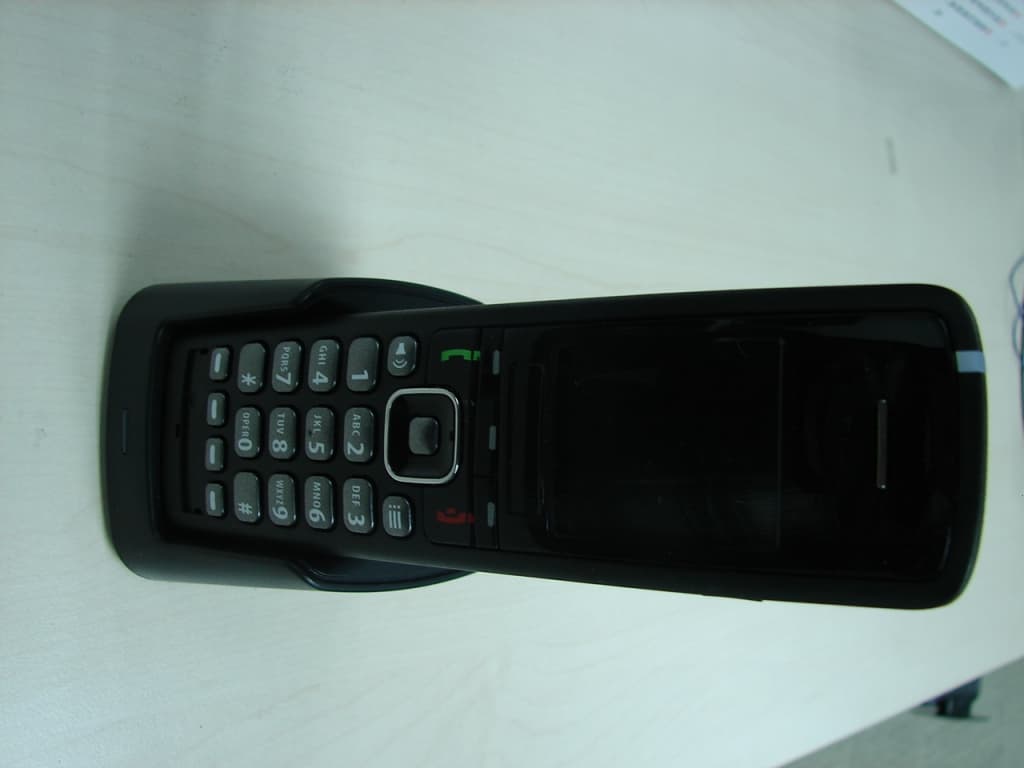
Click to zoom
Application Details
- Equipment Class
- PUE - Part 15 Unlicensed PCS portable Tx held to ear
- Date of Grant
- Feb 23, 2011
- Application Purpose
- Original Equipment
- Date of Application
- Feb 23, 2011
- Equipment Note
- DECT 6.0 Handset
- Frequency Range
- 1921.53600000 - 1928.44800000
- Company
- RTX Hong Kong Ltd.
- Country
- Hong Kong
Documents & Files
Document Text
Text extracted from the exhibit documents filed with the FCC. Open a document above to read the original.
Users Manual
SME VoIP System Guide, Version 1.5 Proprietary and Confidential Chapter: About This Document 1 SME VoIP System Guide Installation & Configuration Network Deployment Operation & Management Technical Reference Document Version 1.5 © Dec-2010 RTX Telecom A/S, Denmark SME VoIP System Guide, Version 1.5 Proprietary and Confidential Chapter: About This Docum ent 2 Trademarks RTX and the combinations of its logo thereof are trademarks of RTX Telecom A/S, Denmark. Other product names used in this publication are for identification purposes and maybe the trademarks of their respective companies. Disclaimer The contents of this document are provided in connection with RTX products. RTX makes no representations with respect to completeness or accuracy of the contents of this publication and reserves the right to make changes to product descriptions, usage, etc., at any time without notice. No license, whether express, implied, to any intellectual property rights are granted by this publication Confidentiality This document should be regarded as confidential, unauthorized copying is not allowed © Dec-2010 RTX Telecom A/S, Denmark, All rights reserved http://www.rtx.dk SME VoIP System Guide, Version 1.5 Proprietary and Confidential Chapter: About This Document 3 Contents SME VoIP System Guide .................................................................................................................................... 1 Contents ............................................................................................................................................................ 3 1 About This Document ................................................................................................................................ 8 1.1 Audience .................................................................................................................................................. 8 1.2 When Should I Read This Guide .............................................................................................................. 8 1.3 Important Assumptions ........................................................................................................................... 8 1.4 What’s Inside This Guide ......................................................................................................................... 8 1.5 What’s Not in This guide.......................................................................................................................... 9 1.6 Abbreviations ......................................................................................................................................... 10 1.7 References/Related Documentation ..................................................................................................... 10 1.8 Document History .................................................................................................................................. 10 1.9 Documentation Feedback ..................................................................................................................... 10 2 Introduction – System Overview ............................................................................................................. 11 2.1 Hardware Setup ..................................................................................................................................... 11 2.2 Components of SME VoIP System ......................................................................................................... 12 2.2.1 RTX Base Stations ........................................................................................................................ 12 2.2.2 SME VoIP Administration Server/Software ................................................................................. 12 2.2.3 RTX Wireless Handset .................................................................................................................. 13 2.3 Wireless Bands ...................................................................................................................................... 13 2.4 System Capacity (in Summary) .............................................................................................................. 13 2.5 Advantages of SME VoIP System ........................................................................................................... 14 3 SME System Deployment Scenarios ........................................................................................................ 15 3.1 Multi-cell System ................................................................................................................................... 15 3.2 Multi-cell Setup ..................................................................................................................................... 15 3.3 Case Studies ........................................................................................................................................... 16 3.3.1 Case ##1: Isolated Buildings ........................................................................................................ 16 3.3.2 Case ##2: Location with co-located partners .............................................................................. 17 3.3.3 Case ##3: Large to Medium Sized Enterprises ............................................................................ 18 3.3.4 Case ##4: Large Enterprises at Different Locations ..................................................................... 18 4 SME VoIP Network Planning/Optimization ............................................................................................. 20 4.1 Network Requirements ......................................................................................................................... 20 4.2 Deployment Considerations ....................................................................................…
Text truncated - open the document above for the full version.
Users Manual
Important Safety Information CAUTION! Follow all warnings and instructions marked on the product or contained in the owner’s manual. When using this product, always follow basic safety precautions to reduce the risk of fire, electric shock and injury to persons, including the following: •This unit is NOT waterproof. DO NOT expose this unit to rain or moisture. •Do not use this product near water, for example, near a bath tub, wash bowl, kitchen sink or laundry tub, in a wet basement or near a swimming pool. •Do not use the telephone to report a gas leak in the vicinity of the leak. •Use only the power adapters, power cords and batteries indicated in the manual. If more than one type of power adapter is included in the product, the manual specifies which adapter should be used for each component. Be sure to use the proper adapter for each product component. •Do not place the power cord where it creates a trip hazard or where it could become chafed and create a fire or electrical hazard. •Do not subject the unit to high temperatures or leave it in direct sunlight for an extended period of time. •Never dispose of any batteries in a fire: batteries can explode if subjected to extreme heat. SAVE THESE INSTRUCTIONS! Rechargeable Battery Information CAUTION! Risk of explosion if battery is replaced by an incorrect type! Dispose of used batteries according to the instructions. Do not open or mutilate the battery. Disconnect the battery before shipping this product. •This equipment contains a rechargeable Lithium-Ion (Li-Ion) battery. This battery is not user-serviceable. Do not attempt to open the battery cell. In case of exposure to the cell contents, wash the affected area thoroughly and seek medical attention. •Do not expose the battery to temperatures in excess of 140º F (60º C). •Do not short-circuit the battery. •Exercise care when handling a battery near conductive materials such as jewelry or buttons: conductive materials can short the battery, and the battery or conductor can overheat and cause burns. •When charging this equipment, only use the charger designed to charge the battery as specified in the owner’s manual: using any other charger may damage the product or cause the battery to explode. •Before placing the handset in the charger, make sure the battery is installed and the battery cover is securely in place. •The manufacturer of the batteries used in this product participates in an RBRC® industry program to collect and recycle used batteries within the US. Please call 1-800-8-BATTERY for information on battery recycling in your area. (RBRC® is a registered trademark of the Rechargeable Battery Recycling Corporation.) Do not place batteries in your regular trash. All batteries must be recycled or disposed of properly. ComplianceInsert_source.indd 12/10/2011 12:05:47 PM Regulatory Information FCC Part 15 Information This device complies with part 15 of the FCC rules. Operation is subject to the following two conditions: (1) This device may not cause harmful interference, and (2) This device must accept any interference received, including interference that may cause undesired operation. Privacy of communications may not be ensured when using this phone. FCC PART 15.105(b): Note: This equipment has been tested and found to comply with the limits for a Class B digital device, pursuant to part 15 of the FCC Rules. These limits are designed to provide reasonable protection against harmful interference in a residential installation. This equipment generates, uses and can radiate radio frequency energy and, if not installed and used in accordance with the instructions, may cause harmful interference to radio communications. However, there is no guarantee that interference will not occur in a particular installation. If this equipment does cause harmful interference to radio or television reception, which can be determined by turning the equipment off and on, the user is encouraged to try to correct the interference by one or more of the following measures: •Reorient or relocate the receiving antenna. •Increase the separation between the equipment and receiver. •Connect the equipment into an outlet on a circuit different from that to which the receiver is connected. •Consult the dealer or an experienced radio/TV technician for help. Industry Canada (I.C.) Notice The term IC before the radio certification number only signifies that Industry Canada specifications were met. Operation is subject to the following two conditions: (1) this device may not cause interference, and (2) this device must accept any interference, including interference that may cause undesired operation of the device. “Privacy of communications may not be ensured when using this telephone”. •This Class B digital apparatus complies with Canadian ICES-003. •This product meets the applicable Industry Canada technical specifications. RF Exposure Information This product complies with FCC and IC radio frequency exposure limits under the following conditions: •The base must be placed to allow at least 20 cm (8 inches) between the antenna and all persons during normal operation. •The base must not be collocated or operated in conjunction with any other antenna or transmitter. •The handset is designed for body-worn operation and meets FCC RF exposure guidelines when used with any belt clip, carrying case, or other accessory supplied with this product. (All necessary accessories are included in the package; any additional or optional accessories are not required for compliance with the guidelines.) Use of other accessories might not comply with FCC or IC RF exposure guidelines. Hearing Aid Compatibility (HAC/VC) This unit’s handset meets both FCC and IC CS-03 issue 9 Part V standards for Hearing Aid Compatibility. Changes or modifications not expressly approved by the party responsible for compliance could void your authority to operate the equipment. ComplianceInsert_source.indd 22/10/2011 12:05:48 PM Mesures de sécurité imp…
Text truncated - open the document above for the full version.
Users Manual
Important Safety Information Follow all warnings and instructions marked on the product or contained in the owner’s manual. When usingthis product,always followbasic safety precautions to reduce the risk of fire, electric shock and injury to persons, including the following: This unit is NOT waterproof. DO NOT expose this unit to rain or moisture. Do not use this product near water, for example, near a bath tub, wash bowl, kitchen sink or laundry tub, in a wet basement or near a swimming pool. Do not usethe telephone to report a gas leak in the vicinity of the leak. Use only thepoweradapters,power cordsand batteries indicated in the manual. If more than one type ofpoweradapter is included in the product, the manualspecifieswhich adapter should be usedfor each component. Be sure to use the proper adapter foreach product component. Do not place the power cord where it creates a trip hazard or where it could become chafed and create a fire or electrical hazard. Do notsubject the productto high temperaturesor leave it in direct sunlight for an extended period of time. Neverdispose ofanybatteries in a fire: batteries can explodeif subjected to extreme heat. SAVE THESE INSTRUCTIONS! RechargeableBatteryInformation CAUTION! Risk of explosionif battery is replaced by an incorrect type! Dispose of used batteries according to the instructions. Do not open or mutilate the battery. Disconnect the battery before shipping this product. This equipment contains a rechargeableLithium-Ion (Li- Ion)battery. The battery is not user-serviceable. Do not attempt to open the battery cell. In case of exposure to the cell contents, wash the affected area thoroughly and seek medical attention. Do not expose the battery to temperatures in excess of 140º F (60ºC). Do not short-circuit the battery. Exercise care when handling the batteryaround conducting materials such as rings, bracelets, and buttons:conducting materials canshort the battery, and the battery or conductor can overheat and cause burns. When charging this equipment, only use the charger designed to charge thebattery pack as specified in the owner's manual:using any othercharger may damage the productor cause the battery pack to explode. Before placing thehandset inthecharger, make sure the batteryisinstalled and the battery coverissecurely in place. Do not place the batteries in your regular trash.All batteriesmust be recycledor disposed of in an environmentally sound manner. Contact your localwaste management officials forinformationand regulations on thepropercollection, recycling,and disposal ofbatteries. Rechargeablebatteries must be recycled or disposed of properly.
Attestation Statements
RTX Products Hong Kong Ltd. 11/F., CAC Tower, 165 Hoi Bun Road, Kwun Tong, Kowloon, Hong Kong Tel : +852 2487 3718 Fax : +852 2480 6121 Web : www.rtx.hk E-mail : [email protected] RTX Telecom A/S: Stroemmen 6, DK-9400 Nørresundby Tel : +45 9632 2300 Fax : +45 9632 2310 Press Release For immediate release Announcement of Corporate Name Change Hong Kong, September 09, 2008 - We are delighted to announce that RTX Consumer Products Hong Kong Limited which is headed by Mr. Peter Christensen, the Vice President of RTX Telecom A/S, has changed its corporate name to RTX Products Hong Kong Limited effective September 09, 2008. The change of the English name does not affect the Chinese name of the Company, which will remain unchanged as “愛創域香港有限公司”. The Board considers the new name of the Company provides a better identification of the Company’s development, which signifies towards the ever-present goal of delivering innovative quality products for the professional business market. The change of the company name will not affect any of the business with our existing customers and the board believes it is in the interest of the Company and its Shareholders as a whole. For accounting purpose, please take note that all payments should be made according to our invoice instructions and all transactions in regarding to RTX Consumer Products Hong Kong Limited will change to RTX Products Hong Kong Limited. About RTX Telecom A/S RTX Telecom is an internationally operating group which develops, produces and sells products, equipment and technological solutions within wireless communication and other telecom products. With headquarters located in Noerresundby, Denmark, RTX Telecom A/S is a listed company in the Copenhagen stock exchange since year 2000. About RTX Products Hong Kong Limited With base of operations in Hong Kong, RTX Products comprises development, production and sale of wireless products to OEMs and professional business market. The product range covers corded telephones, cordless telephones, and other wireless communication products. The RTX Products business unit is headed by Vice President Peter Christensen. RTX Products Hong Kong Limited Peter Christensen Vice President RTX Products Hong Kong Ltd. 11/F., CAC Tower, 165 Hoi Bun Road, Kwun Tong, Kowloon, Hong Kong Tel : +852 2487 3718 Fax : +852 2480 6121 Web : www.rtx.hk E-mail : [email protected] RTX Telecom A/S: Stroemmen 6, DK-9400 Nørresundby Tel : +45 9632 2300 Fax : +45 9632 2310 Press Contact: Fanny Wai, Marketing Manager Phone: +852 2487 3718 E-mail: [email protected] http://www.rtx.dk
Cover Letter(s)
ffi Multiple Models Confirmation Letter I, the undersigned, hereby confirm that any of our production units bearing the following models numbers I trade names I Vpe numbers are identical in cosmetics, electrical, mechanical and physical design, including software/firrnware. (Please delete items that are not applicable.) 1) Model No.: EXP1240H UPCS Handset Trade Name: Uniden 2) Model No.: RTX8660 UPCS Handset Trade Name: RTX The sample being submitted to Nemko for conformity assessment is item no. (/) of the list. The RTX handset will not be sold in Canada. Name: Ted Chong Position: Engineering Manager Signature: RTX Products Hong Kong Ltd. 1 1/F., CAC Tower, 165 Hoi Bun Road, Kwun Tong, Kowloon, Hong Kong Tel : +8522487 3718 Fax i +852 2480 6121 Web : www.rtx.hk E-mail : [email protected] RTX Telecom A,/S: Stroemmen 6, DK-9400 Norresundby Tel : +45 9632 2300 Fax : +45 9632 2310 Date: 22-Feb-2011
ID Label/Location Info
P/N: 50000441 Size: 21.5mm(W) x 13.8mm(H) (chamfer: 1.5 mm @ left upper corner) Material: PET Color: Black text on white background Positioning: Affix inside the handset battery compartment REV.8 50000441 Handset: Product label 1 31-08-2010 2:1 3.7V 1100mAh FCC ID: T7HCT8660 IC: 4979B-CT8660 Use only the battery listed in the user manual. Made in China E305446 MODEL: EXP1240H Type: Handset unit UNIDEN 3.7V 1100mAh FCC ID: T7HCT8660 IC: 4979B-CT8660 Use only the battery listed in the user manual. Made in China E305446 MODEL: EXP1240H Type: Handset unit UNIDEN The handset will be shipped with batteries not installed and with the label visible to the user
RF Exposure Info
DAT-P-152/98-01 SAR_Report_Nemko_6620_829_FCC_DECT_EXP1240 Page 1 of 34 Report Dosimetric Assessment of the Portable Device RTX8660 / Uniden EXP1240H (FCC ID: T7HCT8660) (IC ID: 4979B-CT8660) According to the FCC Requirements December 07, 2010 IMST GmbH Carl-Friedrich-Gauß-Str. 2 D-47475 Kamp-Lintfort Customer RTX Products Hong Kong Ltd. 11/F, CAC Tower, 165 Hoi Bun Road Kwun Tong, Kowloon Hong Kong The test results only relate to the items tested. This report shall not be reproduced except in full without the written approval of the testing laboratory. Dasy_Report_FCC_DECT_1900_1.3.doc/10.09.2010/ABo SAR_Report_Nemko_6620_829_FCC_DECT_EXP1240 Page 2 of 34 Dasy_Report_FCC_DECT_1900_1.3.doc/10.09.2010/ABo Executive Summary The RTX8660 / Uniden EXP1240H is a cordless telephone (Portable Device) from RTX operating in the 1920 MHz frequency range (US DECT Standard). The device has two integrated antennas which are working as a diversity system. The objective of the measurements done by IMST was the dosimetric assessment of one RTX8660 / Uniden EXP1240H device. The handset was set to use one specific antenna and frequency during the measurement. The examinations have been carried out with the dosimetric assessment system „DASY4“. The measurements were conducted according to the Supplement C to OET Bulletin 65 of the Federal Communications Commission (FCC) Guidelines [OET 65] for evaluating compliance of mobile and portable devices with FCC limits for human exposure (general population) to radiofrequency emissions. All measurements have been performed in accordance to the recommendations given by SPEAG. The RTX RTX8660 / Uniden EXP1240H cordless telephone (FCC ID: T7HCT8660) is in compliance with the Federal Communications Commission (FCC) Guidelines [OET 65] for uncontrolled exposure. The phone was tested in addition to the head positions in the following body worn configurations: with headset connected (display towards the phantom, distance 0 mm) with headset connected (display towards the ground, distance 0mm) Maximum SAR 1g = 0.032 W/kg (cheek left side of the head, Antenna 1, Channel 2) prepared by: ........................................ reviewed by: ..................................... Alexander Rahn André van den Bosch test engineer quality assurance engineer SAR_Report_Nemko_6620_829_FCC_DECT_EXP1240 Page 3 of 34 Dasy_Report_FCC_DECT_1900_1.3.doc/10.09.2010/ABo Table of Contents 1 SUBJECT OF INVESTIGATION .................................................................................................................... 4 2 THE IEEE STANDARD C95.1-1999 AND THE FCC EXPOSURE CRITERIA ....................................... 4 2.1 DISTINCTION BETWEEN EXPOSED POPULATION, DURATION OF EXPOSURE AND FREQUENCIES ........... 4 2.2 DISTINCTION BETWEEN MAXIMUM PERMISSIBLE EXPOSURE AND SAR LIMITS ....................................... 5 2.3 SAR LIMIT .................................................................................................................................................. 5 3 THE FCC MEASUREMENT PROCEDURE ................................................................................................. 6 3.1 GENERAL REQUIREMENTS......................................................................................................................... 6 3.2 DEVICE OPERATING NEXT TO A PERSON’S EAR ....................................................................................... 6 4 BODY-WORN CONFIGURATIONS .............................................................................................................. 9 4.1 POC (PTT) POSITION .............................................................................................................................. 10 4.2 PHANTOM REQUIREMENTS ...................................................................................................................... 10 4.3 TEST TO BE PERFORMED ......................................................................................................................... 10 5 THE MEASUREMENT SYSTEM ................................................................................................................. 10 5.1 PHANTOM ................................................................................................................................................. 12 5.2 PROBE ...................................................................................................................................................... 12 5.3 MEASUREMENT PROCEDURE .................................................................................................................. 13 5.4 UNCERTAINTY ASSESSMENT ................................................................................................................... 14 6 SAR RESULTS ............................................................................................................................................... 15 7 EVALUATION ................................................................................................................................................. 17 8 APPENDIX ....................................................................................................................................................... 19 8.1 ADMINISTRATIVE DATA ............................................................................................................................ 19 8.2 DEVICE UNDER TEST AND TEST CONDITIONS ......................................................................................... 19 8.3 TISSUE RECIPES ...................................................................................................................................... 19 8.4 MATERIAL PARAMETERS ......................................................................................................................... 20 8.5 SIMPLIFIED PERFORMANCE CHECKING .........................................................................…
Text truncated - open the document above for the full version.
RF Exposure Info
DAT-P-152/98-01 SAR_Report_Nemko_6620_829_FCC_CalData_EXP1240 Appendix for the Report Dosimetric Assessment of the Portable Device RTX RTX8660 / Uniden EXP1240H (FCC ID: T7HCT8660) According to the FCC Requirements Calibration Data December 07, 2010 IMST GmbH Carl-Friedrich-Gauß-Str. 2 D-47475 Kamp-Lintfort Customer RTX Products Hong Kong Ltd. 11/F, CAC Tower, 165 Hoi Bun Road Kwun Tong, Kowloon Hong Kong Dasy_Report_FCC_DECT_1900_1.1.doc/22.05.2006/CH DAT-P-152/98-01 Cal_D1900V2_SN5d051_0909 Page 1 of 8 _ Calibration_Certificate_Dipole_V1.0/01.08.2009/ABo Calibration Certificate Certificate No: Cal_D1900V2_SN5d051_0909 Object: D1900V2 SN: 5d051 Date of Calibration: September 09, 2009 Next Calibration: September 2011 Object Condition: In Tolerance Calibration Equipment used: Test Equipment Serial Number Last calibration Calibrated by Next calibration Powermeter E4416A GB41050414 Dec 08 Agilent Techn. (ISO/IEC 17025, 1-1784162174-1) Dec 10 Power Sensor E9301H US40010212 Dec 08 Agilent Techn. (ISO/IEC 17025, 1-1784041195-1) Dec 10 Powermeter E4417A GB41050441 Dec 08 Agilent Techn. (ISO/IEC 17025, 1-1674038198-1) Dec 10 Power Sensor E9301A MY41495584 Dec 08 Agilent Techn. (ISO/IEC 17025, 1-1784041307-1) Dec 10 Network Analyzer E5071C MY46103220 Aug 09 Rohde& Schwarz (14967-DKD-00201- 2009-08) Aug 10 Reference Probe ET3DV6 SN 1669 Feb 09 SPEAG, No ET3- 1669_Feb09 Feb 10 DAE3 SN 335 Feb 09 SPEAG, No DAE3- 335_Feb09 Feb 10 Cal_D1900V2_SN5d051_0909 Page 2 of 8 Calibration is performed according the following standards: IEEE 1528-2003 "IEEE Recommended Practice for Determining the Peak Spatial - Averaged Specific Absorption Rate (SAR) in the Human Head from Wireless Communication Devices: Measurement Technique", December 2003 IEC 62209-1 "Procedure to measure the Specific Absorption Rate (SAR) for hand - held devices used in close proximity to the ear (frequency range of 300 MHz to 3GHz)", February 2005 Federal Communications Commission Office of Engineering & Technologies (FCCOET) "Evaluating Compliance wit FCC Guidelines for Human Exposure to Radiofrequency Electromagnetic Fields; Additional Information for Evaluating Compliance of Mobile and Portable Devices with FCC Limits for Human Exposure to Radiofrequency Emissions", Supplement C (Edition 01-01) to Bulletin 65 Additional Documentation: DASY 4 System Handbook prepared by: reviewed by: Alexander Rahn André van den Bosch test engineer quality assurance engineer 08/ABo Cal_D1900V2_SN5d051_0909 Page 3 of 8 Measurement Conditions DASY Version: Dasy 4; V4.7 Phantom: SAM Phantom 1340 Distance Dipole Center – TSL: 10mm With spacer Zoom Scan res. dx, dy, dz = 5mm Frequency: 1900 MHz ± 1MHz Head TSL Parameters Temperature Permittivity Conductivity Nominal Head TSL Parameters 22.0 40.0 1.40 Measured Head TSL Parameters 22.0 40.3 ± 6% 1.45 S/m ± 6% SAR result with Head TSL Averaged over 1g SAR measured 250mW input power 9.10 mW/g SAR normalized normalized to 1W 36.40 mW/g SAR for nominal Head TSL parameters normalized to 1W 35.90 mW/g ± 16.5 % (k=2) Averaged over 10g SAR measured 250mW input power 4.76 mW/g SAR normalized normalized to 1W 19.04 mW/g SAR for nominal Head TSL parameters normalized to 1W 18.96 mW/g ± 16.5 % (k=2) Cal_D1900V2_SN5d051_0909 Page 4 of 8 Body TSL Parameters Temperature Permittivity Conductivity Nominal Body TSL Parameters 22.0 53.30 1.52 Measured Body TSL Parameters 22.0 52.90 ± 6% 1.54 S/m ± 6% SAR result with Body TSL Averaged over 1g SAR measured 250mW input power 9.42 mW/g SAR normalized normalized to 1W 37.68 mW/g SAR for nominal Body TSL parameters normalized to 1W 37.28 mW/g ± 16.5 % (k=2) Averaged over 10g SAR measured 250mW input power 4.97 mW/ g SAR normalized normalized to 1W 19.88 mW/g SAR for nominal Body TSL parameters normalized to 1W 19.77 mW/g ± 16.5 % (k=2) General Antenna Parmeters Antenna Parameters with Head TSL Impedance, transformed to feed point 48.2 jΩ - 1.3 jΩ Return Loss -33.0 dB Antenna Parameter with Body TSL Impedance, transformed to feed point 53.9 jΩ - 0.4 jΩ Return Loss -28.3 dB After long term use with 100W radiated power, only a slight warming of the dipole near the feedpoint can be measured. The dipole is made of standard semigrid coaxial cable. The center conductor of the feeding line is directly connected to the second arm of the dipole. The antenna is therefore short-circuited for DC signals. Additional EUT Data Manufactured by: SPEAG Manufactured on: January 15, 1998 Cal_D1900V2_SN5d051_0909 Page 5 of 8 SAR result with Head TSL Test Laboratory: IMST GmbH, DASY Blue (I); File Name: 090909_b_1669.da4 DUT: Dipole 1900 MHz SN: 5d051; Type: D1900V2; Serial: D1900V2 - SN5d051 Program Name: System Performance Check at 1900 MHz Communication System: CW; Frequency: 1900 MHz;Duty Cycle: 1:1 Medium parameters used: f = 1900 MHz; σ = 1.45 mho/m; ε r = 40.3; ρ = 1000 kg/m 3 Phantom section: Flat Section DASY4 Configuration: - Probe: ET3DV6R - SN1669; ConvF(5.11, 5.11, 5.11); Calibrated: 10.02.2009 - Sensor-Surface: 4mm (Mechanical Surface Detection) - Electronics: DAE3 Sn335; Calibrated: 09.02.2009 - Phantom: SAM Glycol 1176; Type: Speag; Serial: 1176 - Measurement SW: DASY4, V4.7 Build…
Text truncated - open the document above for the full version.
Contact Information
Applicant
Erik Pedersen(Engineering Director)
Technical Contact
RTX Prodcuts Hong Kong Ltd.S�ren Bov�
[email protected]+45 9362 2300
RTX Telecom A/S, Str�mmen 6, · Denmark
Non-Technical Contact
RTX Prodcuts Hong Kong Ltd.Alex Poon
[email protected]+852 2487 3718
Test Firm
Nemko ASFrode Sveinsen
Technical Specifications
| # | Rule Parts | Frequency Range | Power Output |
|---|---|---|---|
| 1 | 15D | 1.92 GHz - 1.93 GHz | 110.00 mW |
Other Applications from RTX Hong Kong Ltd.
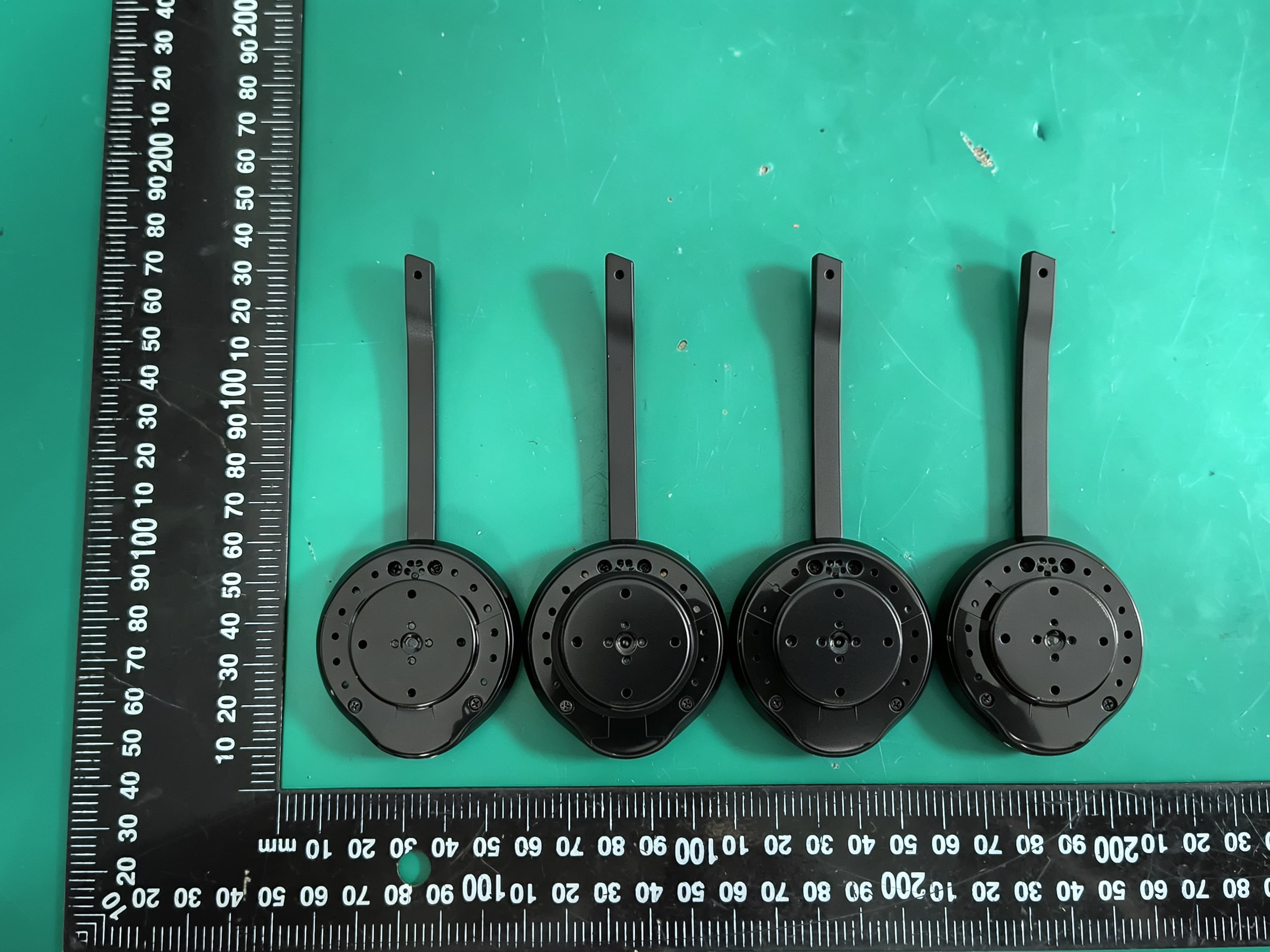
T7HCT8930A
Aug 03, 2026DECT Wireless Headset
Equipment Class
PUE - Part 15 Unlicensed PCS portable Tx held to ear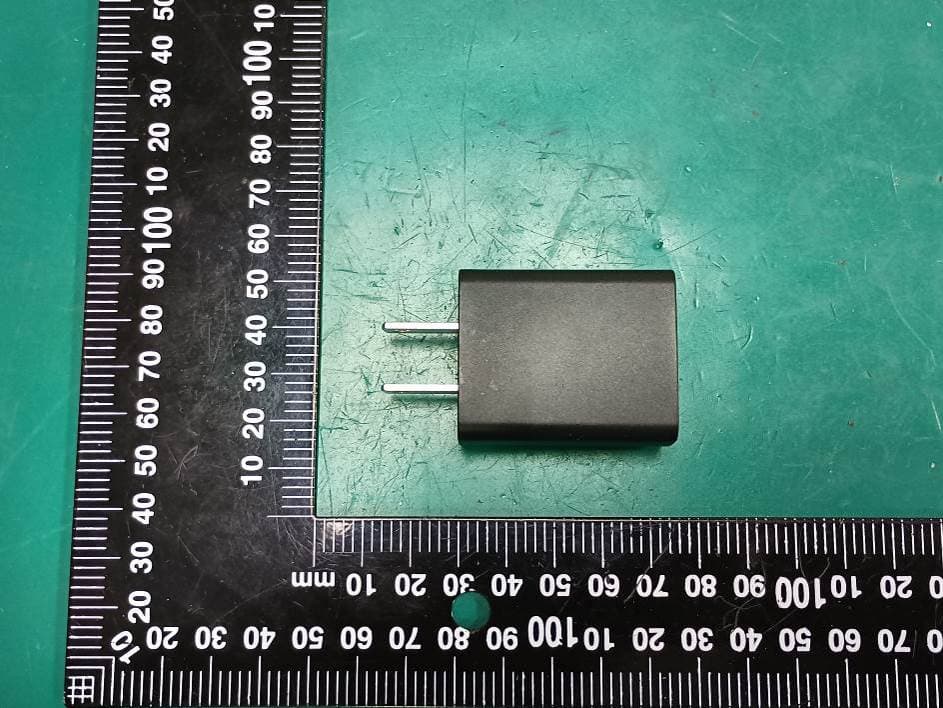
T7HXB700
Jul 10, 2026Base EU
Equipment Class
PUB - Part 15 Unlicensed PCS Base Station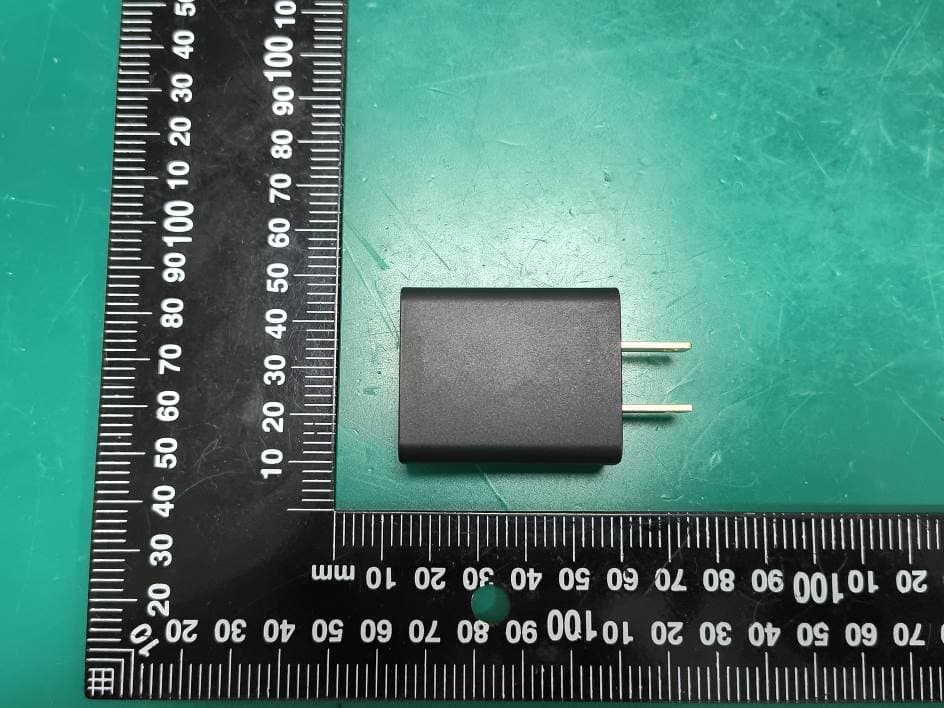
T7HCTH200
Jul 06, 2026Handset
Equipment Class
PUE - Part 15 Unlicensed PCS portable Tx held to ear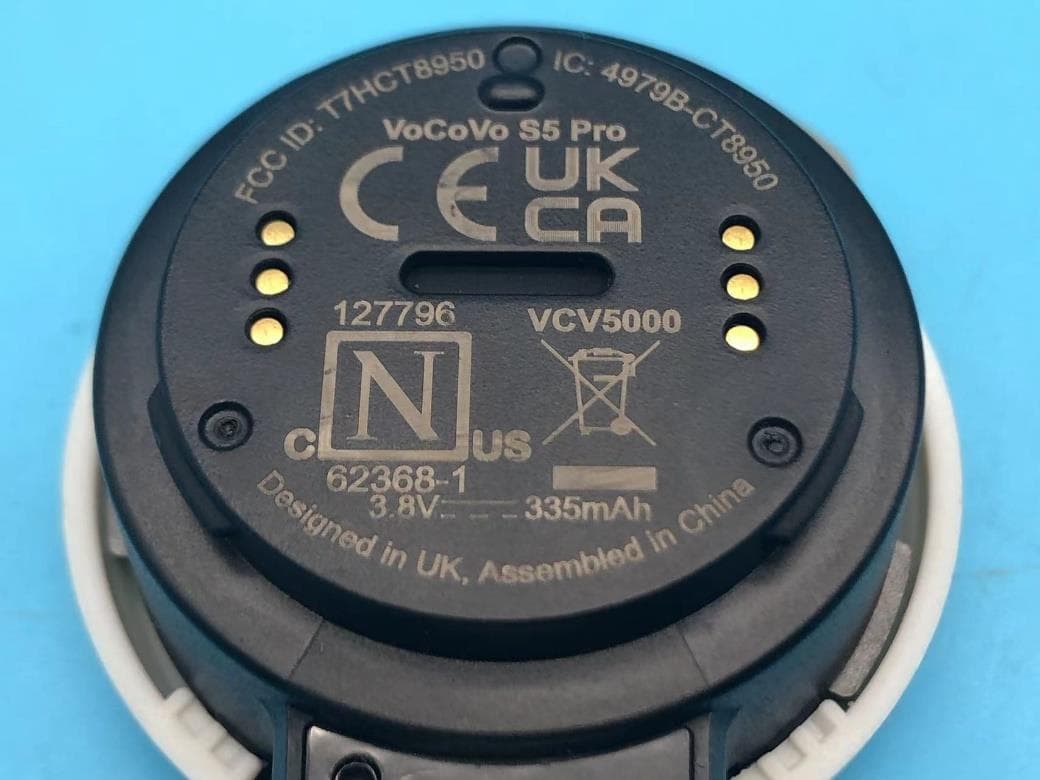
T7HCT8950
May 28, 2023DECT wireless Headset
Equipment Class
PUE - Part 15 Unlicensed PCS portable Tx held to ear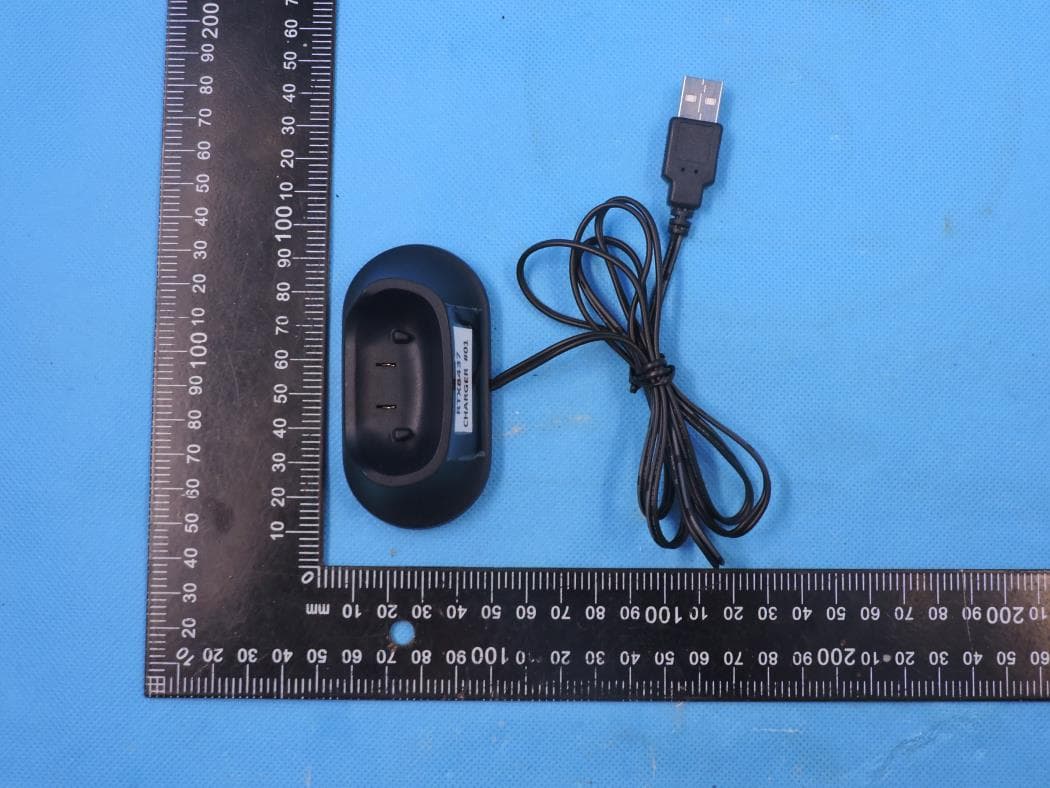
T7HCT8437
Mar 23, 2023Wireless Headset with DECT function
Equipment Class
PUE - Part 15 Unlicensed PCS portable Tx held to ear