UE2MD120CDMA Cellphone
Langchao LG Digital Mobile Communication Co. Ltd.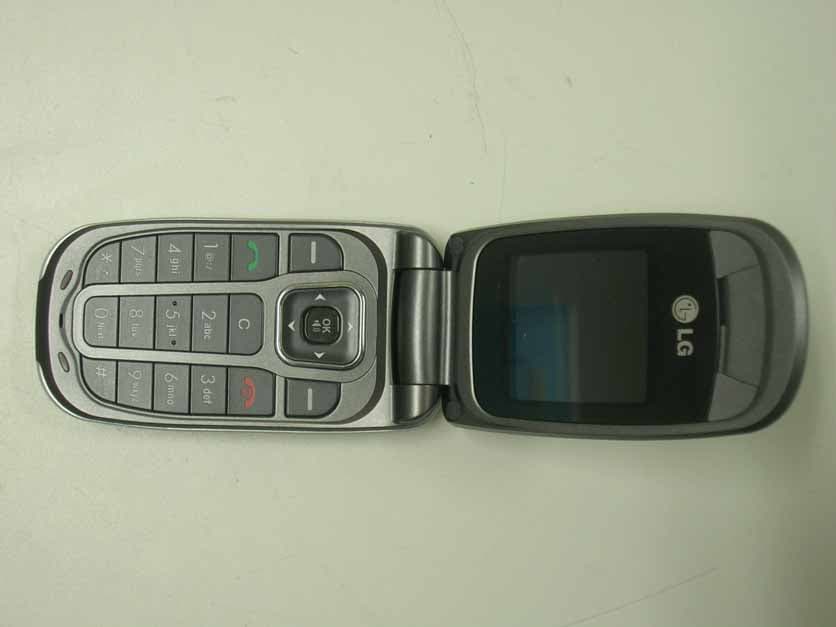
Click to zoom
Application Details
- Equipment Class
- TNE - Licensed Non-Broadcast Transmitter Held to Ear
- Date of Grant
- Jul 12, 2006
- Application Purpose
- Original Equipment
- Date of Application
- Jul 11, 2006
- Equipment Note
- CDMA Cellphone
- Frequency Range
- 824.70000000 - 848.31000000
- Country
- China
Documents & Files
Document Text
Text extracted from the exhibit documents filed with the FCC. Open a document above to read the original.
Users Manual
6. Operating Manual LG-MD120 User Guide CDMA PHONE Contents Introduction Highlights Important Information Check Accessories Before You Start FCC RF EXPOSURE INFORMATION Chapter 1. Getting Started Cautions Phone Overview On screen Icons Chapter 2. Basic Functions Turning the Phone On and Off M aking a Call Correcting Dialing Mistakes Receiving Calls Emergency Dialing Speed Dialing Phone Book Features Chapter 3. Menu Features General Guidelines to MENU Access and Settings Names Messages Call History Profiles Display Settings Organizer R World Chapter 4. Book Features Names Chapter 5. Message Features Write Message Inbox 1234 Services Outbox Voice Mail Archive Draft Templates Msg Groups Erase Msgs Msg Settings Chapter 6. Functions used during a call Scratch pad Mute Voice Privacy Send my number Short DTMF Chapter 7. Accessories Chapter 1. Getting Started Cautions z Using the phone in proximity to receiving equipment (i.e., TV or radio) may cause interference. z Keep your phone in a safe place when not in use. z Only use the batteries, antennas, and chargers provided by LG. Using the wrong accessories could void your warranty. z Only authorized personnel should service the phone and its accessories. Faulty installation or service may result in accidents and consequently invalidate the warranty. z Do not hold the antenna while the phone is in use. z Do not use the phone in designated “no cellular phone use” areas. z Do not expose the phone to high temperature or humidity. z Avoid getting your phone wet. If the phone gets wet, turn the power off immediately and remove the battery pack. If the phone is mal-functional, return it to the dealer for service. z Avoid shock or impact on the phone. Phone Overview Function Key Descriptions Lamp The light goes on when you use the power key to turn on the phone and when there are incoming calls and messages. LCD screen Displays messages & indicator icons. END/PWR Used to turn power on/off. This key disconnects a call. Using this key, you can also exit out of a menu back to the phone’s standby display without changing the setting. SEND Allows user to place or answer calls. Mouse Key This mouse key allows quick access to text and voice mail notification messages. Profiles, R- World, and RingTone menu. And these keys are used to scroll through the memory locations and menu items. Alphanumeric Keypad These keys enable you to enter numbers and characters and choose menu items. Soft Keys The current operation of a soft key is defined by the word at the bottom of the display. Soft Keys 2 : If you press this key once in a menu, you can go back one level and if you press and hold the key in a menu, you can go back to the standby display. OK Key This key enables you to choose one item in the menu list. If you press this key in idle, mobile will show you the ‘My menu’ selection window. Star/Pound Key - In the standby status, set the manner mode by pressing the [ * ]button. (for 2 seconds) - In the standby status, set the lock function by pressing the [ # ]button. (for 2 seconds) Clear Key This key enables you to move previous menu or delete on a character in editor On screen Icons The phone screen displays several onscreen icons and onscreen icons appears when the phone is power on. Icons Descriptions Displays the strength of the signal received by the phone and current signal strength is indicated as the number of bars displayed on the screen. No service The phone is not receiving a system signal. In use A call is in progress. No icon indicates the phone is in standby mode. Indicates that a text message or voice mail has been received Charge level Indicates battery charge level. D Chapter 2. Basic Functions Turning the Phone On and Off Turning the Phone On 1. Install a charged battery pack or connect the phone to an external power source such as the cigarette lighter adapter or car kit. 2. Press [END/PWR] for a few seconds until the red light on the top of the phone flashes. z Fully extend the antenna for the best performance. <Note> Like any other radio device, avoid any unnecessary contact with the antenna while your phone is on. Turning the Phone Off 1. Press and hold[END/PWR] until display screen will be turned off, and then release the key. 2. Protect the antenna by pushing it back into the phone, if extended. Making a Call When you make a call, follow these simple steps: 1. Make sure the phone is turned on. z If not, press [END/PWR]. 2. Enter the phone number with area code, if needed. 3. Press [SEND]. z If the phone is locked, enter the lock code. z “Call Failed” indicates that the call did not go through. 4. Press [END/PWR] to disconnect the call. Correcting Dialing Mistakes If you make mistakes in dialing a number, press [CLR] key once to erase the last entered digit or hold down [CLR] for at least two second to delete all digits, or simply press soft key 2 [BACK] to exit dialing state. Receiving Calls 1. When the phone rings, open cellcase or If cellcase is open, press any key (except [END/PWR], [5][6], [3((]) to answer. z If you press the key [END/PWR], Side Keys ([(][(]) once when you receive a call, you can hold the present call and ring sound or vibration stops. If you press the [END/PWR] key, Side Keys ([(][(]) twice, the present call is terminated. 2. Press [END/PWR] to disconnect the call. In call waiting mode, the present call is on hold as you answer another incoming call. This service is provided by your service provider. When the call waiting function is activated, your phone will beep to let you know if you have an incoming call. Your phone may also display the incoming caller’s identification. Dialing a call from Phone Book You can place a call from any memory location either by speed dialing or by pressing [SEND] while looking up the memory location. One-Touch Dialing : One-touch dialing is a convenient feature which enables you to dial frequently used numbers in your speed-dial data by pressing a key . z Entry 9 is designated to Emergency …
Text truncated - open the document above for the full version.
ID Label/Location Info
Model No : MD120 FCC ID : UE2MD120 This device complies with Part 15 of the FCC Rules. Operation is subject to the condition that this device does not cause harmful interference. Made In China
RF Exposure Info
Ͳͽ ͅʹͲͿ΅͑ͿͲ;Ͷ͑͗͑Ͳ͵͵Ͷ ́ ́͑ͫ ͵Ͳ΅Ͳ͑͗͑ͽʹͲ΅ ͅͿ͑ͷ͑΅Ͷ ́΅ ͅͿ ͽΒΟΘΔΙΒΠ͑ͽ͑͵ΚΘΚΥΒΝ͑;ΠΓΚΝΖ͑ʹΠΞΞΦΟΚΔΒΥΚΠΟ͑ʹΠ͟͝ͽ΅͵͟ ͵ΒΥΖΤ͑ΠΗ͑ΥΖΤΥΚΟΘ͑ͫ͑ͣͧ͑͑ͧ͑͢͡͡͡͠͡ί͑ͧͣͨ͡͠ ΅ΖΤΥ͑ ́ΚΥΖ͑ͫ͑Ͷ ́΅Ͷʹ͑ʹΠ͑͟͝ͽΥΕ͑͟ͼΠΣΖΒ ΅ΖΤΥ͑͵ΖΧΚΔΖ͑ͫ͑ ΅ΖΤΥ͑ΣΖΡΠΣΥ͑ΟΠ͑ͫͿΦΞΓΖΣ͑ΠΗ͑ΡΒΘΖ͑ͫ ʹΠΟΥΒΔΥ͑ΡΖΣΤΠΟ͑ͫΖΤΡΠΟΤΚΓΝΖ͑ΥΖΤΥ͑ͶΟΘΚΟΖΖΣ͑ͫ ͲΡΡΝΚΔΒΟΥ͑΅ΪΡΖ͑ͫ ͷʹʹ͑ʹͽͲ ́ ́ ͅͷ ͅʹͲ΅ ͅͿ͑ͫ ͷʹʹ͑ΦΝΖ͑ΒΣΥ͙Τ͚ ΅ΖΤΥ͑ΣΖΤΦΝΥΤ͑ͫ͑ ͵ΒΥΖ͑ΒΟΕ͑ ́ΚΘΟΒΥΦΣΖΤ͑ͫ͑ ͣͧͧͣͨ͡͡͠͡͠ ΖΡΠΣΥ͑ΣΖΡΒΣΖΕ͑ͳΪ͑ͫ͑ ͶΟΘΚΟΖΖΣ͑͠ͼ͟͟ͼΒΟΘ ͙ ́ΚΘΟΒΥΦΣΖ͚ ;ΒΟΒΘΖΣ͑ͶΟΘΚΟΖΖΣ͑͠ͻΒΪ͑ͼΚΞ ͙ ́ΚΘΟΒΥΦΣΖ͚ {GGGaGlz{zhyW]W]TWXX ͷʹʹ͑ ͅ͵͑ͫ͑ΆͶͣ;͵ͣ͢͡ΈΖΓ͑ͫ͑ΨΨΨ͑͟ΖΤΥΖΔΙ͑͟ΔΠ͑͟ΜΣ͑͑͑͑͑͑͑ΒΘΖ͑͑͢ΠΗ͑ͣͣ ͑͑΅ΙΖ͑΅ΖΤΥΖΕ͑ΕΖΧΚΔΖ͑ΔΠΞΡΝΚΖΤ͑ΨΚΥΙ͑ΥΙΖ͑ΣΖΦΚΣΖΞΖΟΥΤ͑ΚΟ͑ΣΖΤΡΖΔΥ͑ΠΗ͑ΒΝΝ ΡΒΣΒΞΖΥΖΣΤ͑ΤΦΓΛΖΔΥ͑ΥΠ͑ΥΙΖ͑ΥΖΤΥ͑͟΅ΙΖ͑ΥΖΤΥ͑ΣΖΤΦΝΥΤ͑ΒΟΕ͑ΤΥΒΥΖΞΖΟΥΤ͑ΣΖΝΒΥΖ͑ΠΟΝΪ ΥΠ͑ΥΙΖ͑ΚΥΖΞΤ͑ΥΖΤΥΖΕ͑͟΅ΙΖ͑ΥΖΤΥ͑ΣΖΡΠΣΥ͑ΤΙΒΝΝ͑ΟΠΥ͑ΓΖ͑ΣΖΡΣΠΕΦΔΖΕ͑ΣΖ ΔΖΡΥ͑ΚΟ͑ΗΦΝΝ͝ ΨΚΥΙΠΦΥ͑ΨΣΚΥΥΖΟ͑ΒΡΡΣΠΧΒΝ͑ΠΗ͑ΥΙΖ͑ΝΒΓΠΣΒΥΠΣΪ͟ ͅͶͶͶ͑ͦͣͩͣ͢͞͡͡Ή͑͵ΣΒΗΥ͑ͧͥ͟ ΖΔΠΞΞΖΟΕΖΕ͑ΣΒΔΥΚΔΖ͑ΗΠΣ͑͵ΖΥΖΣΞΚΟΚΟΘ͑ΥΙΖ͑ΖΒΜ͑ ́ΡΒΥΚΒΝ͞ͲΧΖΣΒΘΖ͑ ́ΡΖΔΚΗΚΔ ͲΓΤΠΣΡΥΚΠΟ͑ΒΥΖ͙ ́Ͳ͚͑ΚΟ͑ΥΙΖ͑ΦΞΒΟ͑ͳΠΕΪ͑͵ΦΖ͑ΥΠ͑ΈΚΣΖΝΖΤΤ͑ʹΠΞΞΦΟΚΔΒΥΚΠΟΤ ͵ΖΧΚΔΖ͑ͫ͑ͶΩΡΖΣΚΞΖΟΥΒΝ͑΅ΖΔΙΟΚΦΖΤ ͽΚΔΖΟΤΖΕ͑ͿΠΟ͞ͳΣΠΒΕΔΒΤΥ͑΅ΣΒΟΤΞΚΥΥΖΣ͑ΖΝΕ͑ΥΠ͑ͶΒΣ͙͑΅ͿͶ͚ ηͣͪͤͬ͑͟͢͡ͷʹʹ͠Ͷ΅͑ͳΦΝΝΖΥΚΟ͑ͧͦ͑ ́ΦΡΡΝΖΞΖΟΥ͑ʹ͙͑ͻΦΝΪ͚͑ͣ͢͡͡ ͼ͟͟ͼΒΟΘͽΖΖ͑;ΒΟ͑ ́ΠΠ ʹΖΣΥΚΗΚΔΒΥΚΠΟ ΅ΖΤΥΚΟΘ͑ΙΒΤ͑ΓΖΖΟ ʹΒΣΣΚΖΕ͑ΠΦΥ͑ΚΟ ͲΔΔΠΣΕΒΟΔΖ͑ΨΚΥΙ͑ͫ ́Ͳ͑ʹΠΞΡΝΚΒΔΖ͑΅ΖΤΥ͑ΖΡΠΣΥ Ͷ ́΅ ́Ͳͧͧͣͣ͢͢͡͡͞͡ ͣͣͩ͑ʹΙΒΟΘΛΛΒΟΘ͑ΠΒΕ͑͝ΊΒΟΥΒΚ͑͵ΖΧΖΝΠΡΞΖΟΥ͑ΠΟΖ͝ ʹ͑ΠΤΥΒΝ͑ʹΠΕΖ͑ͫ͑ͣͧͥͧ͡͡ ;ΠΕΖΝΤ͑ͫ͑;͵ͣ͢͡ ͷʹʹ͑ ͅ͵͑ͫ͑ΆͶͣ;͵ͣ͢͡ ΅ΊͶ͑ͫ͑͑͑͑ ́ ͅͿͽͶ͑ͳͲͿ͵͑ʹ͵;Ͳ͑;ͳ ͅͽͶ͑ͿͶ ͙ΣΠΥΠΥΪΡΖ͚ 1. SUMMARY FOR SAR TET REPORT --------------------------------------------------------------------- ͤ 1.1 Head Configuration ------------------------------------------------------------------------------------------ ͤ 1.2 Body Worn Configuration ---------------------------------------------------------------------------------- ͤ 1.3 Measurement Uncertainty --------------------------------------------------------------------------------- ͤ 2. INTRODUCTION ------------------------------------------------------------------------------------------------ ͥ 3. DESCRIPTION OF THE DEVICE UNDER TEST ------------------------------------------------------ ͦ 3.1 Antenna Description ---------------------------------------------------------------------------------------- ͦ 3.2 Device Description ------------------------------------------------------------------------------------------- ͦ 3.3 Battery Option ------------------------------------------------------------------------------------------------ ͦ 4. TEST CONDITIONS -------------------------------------------------------------------------------------------- ͧ 4.1 Ambient Conditions ----------------------------------------------------------------------------------------- ͧ 4.2 RF Characteristics of The Test Site --------------------------------------------------------------------- ͧ 4.3 Test Signal, Frequencies, And Output Power --------------------------------------------------------- ͧ 5. DESCRIPTION OF THE TEST EQUIPMENT ------------------------------------------------------------ ͨ 5.1 Test System Specifications ------------------------------------------------------------------------------- ͨ 5.2 SAR Measurement Setup --------------------------------------------------------------------------------- ͨ 5.3 DASY 4 E-Field Probe System --------------------------------------------------------------------------- ͩ 5.4 Phantom & Equivalent Tissues --------------------------------------------------------------------------- ͢͡ 6. DESCRIPTION OF THE TEST PROCEDURE ---------------------------------------------------------- ͣ͢ 6.1 Definition of Reference Point ----------------------------------------------------------------------------- ͣ͢ 6.2 Test Configuration Positions ------------------------------------------------------------------------------ ͤ͢ 6.3 Scan Procedures --------------------------------------------------------------------------------------------- ͧ͢ 6.4 SAR Averaging Methods ----------------------------------------------------------------------------------- ͧ͢ 7. MEASUREMENT UNCERTAINTY ------------------------------------------------------------------------- ͨ͢ 8. SYSTEM VERIFICATION ------------------------------------------------------------------------------------- ͩ͢ 8.1 Tissue Verification ------------------------------------------------------------------------------------------- ͩ͢ 8.2 Test System Validation ------------------------------------------------------------------------------------- ͩ͢ 9. RESULTS --------------------------------------------------------------------------------------------------------- ͪ͢ 10. REFERENCES ------------------------------------------------------------------------------------------------- ͣͣ APPENDIX A : Validation Test Data of Tissue APPENDIX B : Validation Test Data APPENDIX C : SAR Test Data ͑ APPENDIX D : Calibration Certificates {GGGaGlz{zhyW]W]TWXX ͷʹʹ͑ ͅ͵͑ͫ ͑ΆͶͣ;͵ͣ͢͡ΈΖΓ͑ͫ͑ΨΨΨ͑͟ΖΤΥΖΔΙ͑͟ΔΠ͑͟ΜΣ͑͑͑͑͑͑͑ΒΘΖ͑ͣ͑ΠΗ͑ͣͣ ΅ΒΓΝΖ͑ΠΗ͑ʹΠΟΥΖΟΥΤ ͑͑͑͑͑͑;ΒΩΚΞΦΞ͑ΖΤΦΝΥΤ͑ͷΠΦΟΕ͑͵ΦΣΚΟΘ͑ ́Ͳ͑ͶΧΒΝΦΒΥΚΠΟ ͑͢͟͢ΖΒΕ͑ʹΠΟΗΚΘΦΣΒΥΚΠΟ͑ ͑͑͑;ΒΩ͑͟ ́Ͳ͑;ΖΒΤΦΣΖΞΖΟΥ ;Ϋ ʹΙΕͳΞ ͳΒΥΥΖΣΪ ͩͥͩͤ͟͢ ͨͨͨ ʹ͵;Ͳ ͣͤ ́ΥΒΟΕΒΣΕ ΚΘΙΥ͑΅ΠΦΔΙ ͪͧͤ͟͞͡ ͣ͑͢͟ͳΠΕΪ͑ΈΠΣΟ͑ʹΠΟΗΚΘΦΣΒΥΚΠΟ͑ ͑͑͑;ΒΩ͑͟ ́Ͳ͑;ΖΒΤΦΣΖΞΖΟΥ ;Ϋ ʹΙΕͳΞ ͳΒΥΥΖΣΪ ͤ͑͢͟;ΖΒΤΦΣΖΞΖΟΥ͑ΆΟΔΖΣΥΒΚΟΥΪ {GGGaGlz{zhyW]W]TWXX ͷʹʹ͑ ͅ͵͑ͫ͑ΆͶͣ ;͵ͣ͢͡ΈΖΓ͑ͫ͑ΨΨΨ͑͟ΖΤΥΖΔΙ͑͟ΔΠ͑͟ΜΣ͑͑͑͑͑͑͑ΒΘΖ͑ͤ͑ΠΗ͑ͣͣ ρ͙͑ͤͣ͑͢͢͟Μ͚ͮ͢ ρ͙͑ͣͣͧͥ͑͟Μ͖ͮͣ͑ͪͦ͑͝ʹͿͷ ͅ͵ͶͿʹͶ͑ͽͶ·Ͷͽ͚ ʹΠΞΓΚΟΖ͑ ́ΥΒΟΕΒΣΕ͑ΆΟΔΖΣΥΒΚΟΥΪ ͶΩΥΖΟΕΖΕ͑ ́ΥΒΟΕΒΣΕ͑ΆΟΔΖΣΥΒΚΟΥΪ ʹ͵;Ͳ͙͑͑ͣͤ͑ΕͳΞ͚͑ ́Ͳ ͙Έ͠ΜΘ͚ ͷͶΆͶͿʹΊ ͷͶΆͶͿʹΊ ;ΠΕΦΝΒΥΚΠΟ ʹΠΟΕΦΔΥΖΕ͑ΠΨΖΣ͙ΕͳΞ͚ ́ΖΡΒΣΒΥΚΠΟ͑ΥΖΤΥ ΡΠΤΚΥΚΠΟ ͲΟΥΖΟΟΒ ΡΠΤΚΥΚΠΟ ́Ͳ ͙Έ͠ΜΘ͚ ͲΟΥΖΟΟΒ ΡΠΤΚΥΚΠΟ ͑ͶΆ΅͑΅ΪΡΖ ͑΅Ω͑ͷΣΖΦΖΟΔΪ ͵ΖΧΚΔΖ͑ΥΖΤΥ ΡΠΤΚΥΚΠΟ ;ΠΕΦΝΒΥΚΠΟ ʹΠΟΕΦΔΥΖΕ͑ΠΨΖΣ͙ΕͳΞ͚ ͑Ω͑ͷΣΖΦΖΟΔΪ ͑;ΒΩ͑͟ͷ͑ΦΥΡΦΥ͑ΠΨΖΣ ͑͑͑͑͑͑͑ ́ ͅͿͽͶ͑ͳͲͿ͵͑ʹ͵;Ͳ͑;ͳ ͅͽͶ͑ͿͶ͙͑ΣΠΥΠΥΪΡΖ͚͑ ͩͣͥͨ͑͟͡ί͑ͩͥͩͤ͑͟͢;Ϋ͑ ͩͧͪͨ͑͟͡ί͑ͩͪͤͤ͑͟͢;Ϋ͑ ͑͢͟ ́Ά;;ͲΊ͑ͷ͑΅Ͷ ́΅͑Ͷ΅ ͑͵ΒΥΖ͑ΠΗ͑ΥΖΤΥ ͑ͷʹʹ͑ ͅ͵ ͑;ΖΒΤΦΣΖΞΖΟΥ͑ΡΖΣΗΠΣΞΖΕ͑ΓΪ ͣͧͧ͑͢͡͡͠͡͠͡ί͑ͣͧͧͣͨ͡͡͠͡͠ ΆͶͣ;͵ͣ͢͡ ͻΒΪ͑ͼΚΞ͑ΖΤΡΠΟΤΚΓΝΖ͑ΥΖΤΥ͑ΖΟΘΚΟΖΖΣ ͼ͟͟ͼΒΟΘ ͩͥͩͤ͟͢ ͨͨͨ ʹ͵;Ͳ ͣͤ ́ΥΒΟΕΒΣΕ ͦ͢͟ΔΞ͑ΌΨ͠Π͑ΠΝΤΥΖΣΎ ͧͦͤ͟͞͡ SAR Definitio…
Text truncated - open the document above for the full version.
Test Report
Product Name Model Name Applicant FCC ID MD120 Langchao LG Digital Mobile Communication Co.,LTD. UE2MD120 ESTECH CO., LTD Rm. 1015 World Venture Center, 426-5 Gasan-dong, Geumcheon-gu, Seoul, 153-803, Korea. Tel:82-2-867-3201, Fax:82-2-867-3204 ͑͑ESTECH CO., LTD. http://www.estech.co.kr FCC TEST REPORT Single Band CDMA Mobile Phone Report Number : ESTR0607-0051 of 18 FCC ID : UE2MD120 Company Name Address Product Name Model No.Manufacturer Serial No. Country of origin Issued DateTested Date ͑͑ESTECH CO., LTD. http://www.estech.co.kr Rm. 1015 World Venture Center, 426-5 Gasan-dong, Geumcheon-gu, Seoul, 153-803, Korea. Tel:82-2-867-3201, Fax:82-2-867-3204 ESTECH CO., LTD FCC Test Report Applicant Product Report Number MD120 CHINA Langchao LG Digital Mobile Communication Co.,LTD. o This is certified that the above mentioned products have been tested for the sample provided by client. o No part of this document may not be duplicated or reproduced by any means without the express written permission of Estech Co., Ltd. Standard FCC PART 22 Subpart H Tested by Approved by S.R. Kim/ Engineer (Signature) Jay Kim/ Engineering Manager (Signature) ESTR0607-005 228 Changjiang Road,Yantai Development Zone,PRC Single Band CDMA Mobile Phone NONE Langchao LG Digital Mobile Communication Co.,LTD. Test Result Pass 2006-07-06 2006-06-01 ~ 2006-06-20 Other Report Number : ESTR0607-0052 of 18 FCC ID : UE2MD120 1. General Information Page 4 2. Laboratory Information Page 5 3. Summary of Test Results Page 5 4. RF Output Power Page 6 5. Occupied Bandwidth Page 8 6. Spurious and Harmonic Emission at Antenna Terminal Page 10 7. Field Strength of Spurious Radiation Page 15 8. Frequency stability Page 17 Contents ͑͑ESTECH CO., LTD. http://www.estech.co.kr Report Number : ESTR0607-0053 of 18 FCC ID : UE2MD120 1. General Information 1.1 EUT Description Channel Tx :824.70 ~ 848.31MHz CDMA (1013/363/777) CDMA Frequency Rx :869.70 ~ 893.31MHz 3.7VDC(3.2 ~ 4.2VDC) Power Rating ͑͑ ESTECH CO., LTD. http://www.estech.co.kr FCC ID UE2MD120 Modulation Type Product Name Model Name Single Band CDMA Mobile Phone MD120 Report Number : ESTR0607-0054 of 18 FCC ID : UE2MD120 2. Laboratory Information 3. Summary of Test Results Result PASS PASS PASS PASS ͑͑ ESTECH CO., LTD. http://www.estech.co.kr 58-1, Osan-Ri, GaNam-Myon, YeoJoo-Gun, KyungKi-Do, Korea 97-1, Hoiuk-Ri Majang-Myon, Icheon-city, KyungKi-Do, Korea 2.4 Major Accredited Mark Test Item Accredited by KOLAS(ISO/IEC 17025) Head Office EMC Lab(Ichon) EMC Lab(Yanggi) Standard RF Output Power Occupied Bandwidth PASS 2.1 Laboratory Name 2.2 Location 2.3 Quality System Estech Co., Ltd. Rm. 1015, World Venture Center II, 426-5 Gasan-dong Geumcheon-gu, Seoul, 153-803. Korea. Part 22 Field Strength of Spurious Radiation Frequency stability Spurious and Harmonic Emission at Antenna Terminal Report Number : ESTR0607-0055 of 18 FCC ID : UE2MD120 4. RF Output Power 4.1 Test Procedure 4.2 Test Equipments The following test equipments are used during tests Cal. Due Date 2006-08-22 2006-09-02 2006-10-25 2006-09-21 2007-03-31 2007-05-01 4.3. Test Results 1013824.70 363835.89 777848.31 ESTECH CO., LTD. http://www.estech.co.kr Signal Generator Power Meter 83620B EPM-442A Equipment Receiver The EUT was placed on a wooden turn table 3 meters from the receive antenna. The receive antenna height and turn table rotation was adjusted for the highest reading on the receive spectrum analyzer. For CDMA signals, a peak detector is used, with RBW = VBW = 3MHz. For AMPS, GSM, and NADC TDMA signals, a peak detector is used, with RBW = VBW = 1MHz, A Horn antenna was substituted in place of the EUT. This Horn antenna was driven by a signal generator and the level of the signal generator was adjusted to obtain the same receive spectrum analyzer reading. This spurious level is recorded. For reading 1GHz, the above procedure is repeated using horn antennas and the difference between the gain of the horn and an isotropic or dipole antenna are taken into consideration. Pre Amplifier Horn Antenna Horn Antenna Model ESP17 HP HP Manufacturer Rohde & Schwarz 310N Ch No.Freq (MHz) 22.9021.10 Peak Power Meter(dBm)Peak Power ERP(dBm) BBHA 9120 D BBHA 9120 D SONOMA INSTRUMENT SCHWARZBECK SCHWARZBECK 22.84 22.92 18.59 20.31 Report Number : ESTR0607-0056 of 18 FCC ID : UE2MD120 Antenna gain(dBd) Cable Loss (dB) 824.70 94.171.0 3.3023.4021.1038.5V 835.89 93.171.29 3.3020.6018.5938.5V 848.31 95.171.61 3.3022.0020.3138.5V ͑͑ ESTECH CO., LTD. http://www.estech.co.kr FREQ (MHz) Correction Factor (dB) POL (H/V) Limit (dBm) ERP (dBm) SG Reading (dBm) Receiver Reading (dBuV) Report Number : ESTR0607-0057 of 18 FCC ID : UE2MD120 5. Occupied Bandwidth 5.1 Test Procedure 5.2 Test Equipments The following test equipments are used during tests Cal. Due Date 2006-03-03 - 5.3 Test Results 1013824.701.384 Spectrum Analyzer 26dB Bandwidth(MHz) Agilent JFW ChannelFrequency(MHz) ESTECH CO., LTD. http://www.estech.co.kr Attenuator EquipmentModel E4407B 50FH-010-5 The transmitter output is connected to the spectrum analyzer. The RBW is set to 1% of the Emission bandwidth. The VBW is set to 3 times the RBW. The sweep time is coupled. Manufacturer 777848.311.380 363835.891.388 Report Number : ESTR0607-0058 of 18 FCC ID : UE2MD120 5.4 Test Plot 26dB Channel Bandwidith(1013) 26dB Channel Bandwidith(363) 26dB Channel Bandwidith(777) ͑͑ESTECH CO., LTD. http://www.estech.co.kr Report Number : ESTR0607-0059 of 18 FCC ID : UE2MD120 6. Spurious and Harmonic Emission at Antenna Terminal 6.1 Test Procedure 6.2 Test Equipments The following test equipments are used during tests Cal. Due Date 2006-03-03 - 6.3 Test Results CDMA (Spurious Emission: Band Edge) ChannelFrequencyResultLimitMargin 1013824.70-16.48-13.003.48 777848.31-15.26-13.002.26 CDMA (Spurious Emission: Out of Band) ChannelFrequencyResultLimitMargin 1013824.70-24.51-13.0011.51 363835.89-24.15-13.0011.15 777848.31-24.39-13.0011.39 Spectrum Analyzer Manufacturer Agilent JFW ESTECH CO., LTD. http:…
Text truncated - open the document above for the full version.
Test Setup Photos
1.5 SAR Test Setup Photographs [ Left Hand -Touch Position ] [ Right Hand -Touch Position ] [ Left Hand -Tlit Position ] [ Right Hand -Tilt Position ] [ Flat - Body Side Configuration (Without Holster) ]
Contact Information
Applicant
Lee Man Soo(Project Manager)
Technical Contact
ESTechJay Kim
[email protected]+82 2 867 3201
Room 1015, World Venture Center II · Seoul · South Korea
Test Firm
ESTECH Co., Ltd.Yang Jinmo
Technical Specifications
| # | Rule Parts | Frequency Range | Power Output | Emission | Tolerance |
|---|---|---|---|---|---|
| 1 | 22H | 824.7 MHz - 848.31 MHz | 129.00 mW | 1M25F9W | 2.5000000000 ppm |
Other Applications from Langchao LG Digital Mobile Communication Co. Ltd.
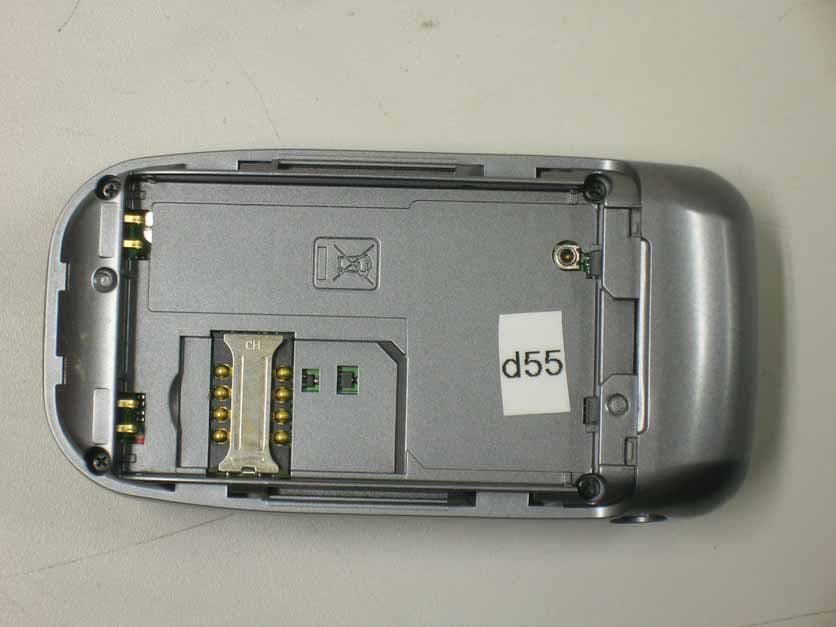
UE2MG120
Jul 26, 2006Dual Band GSM Flip-Phone
Equipment Class
PCE - PCS Licensed Transmitter held to ear