ZNFHBS810Bluetooth Stereo Headset
LG Electronics USA, Inc.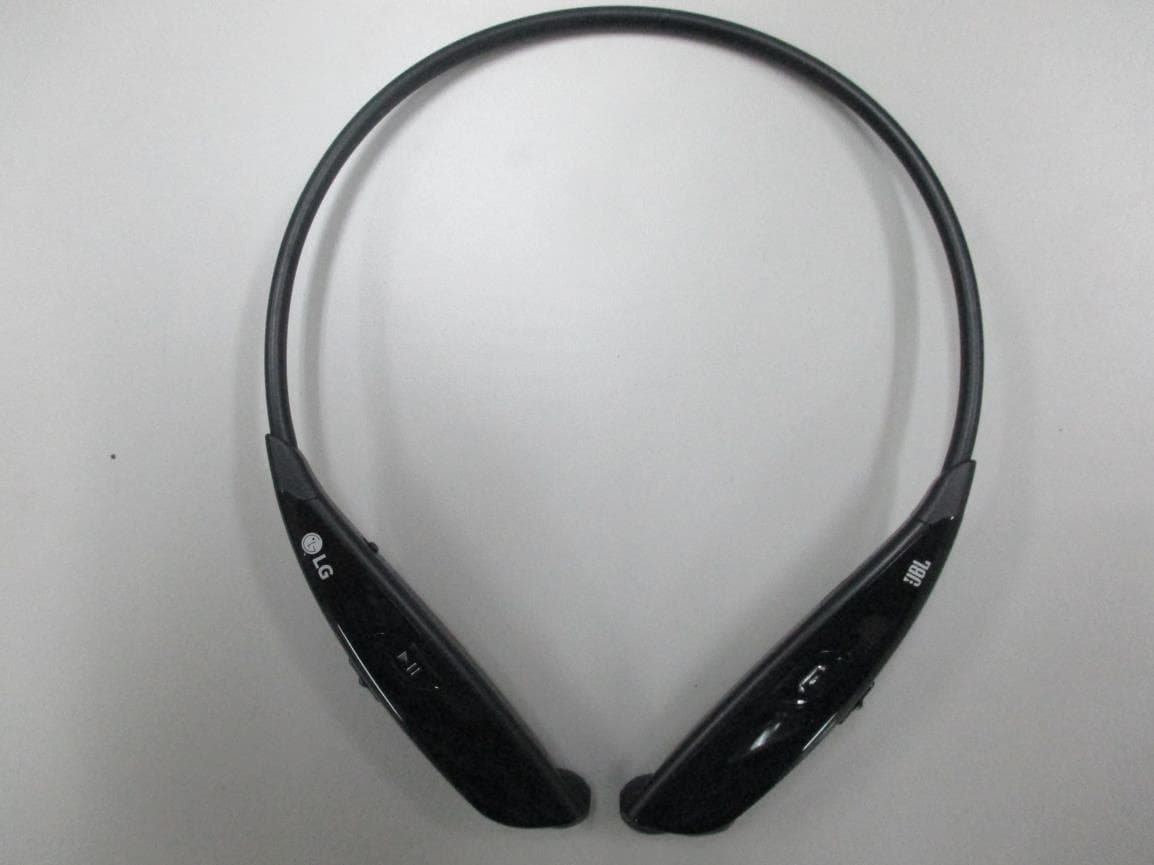
Click to zoom
Application Details
- Equipment Class
- DSS - Part 15 Spread Spectrum Transmitter
- Date of Grant
- Jun 24, 2015
- Application Purpose
- Original Equipment
- Date of Application
- Jun 24, 2015
- Equipment Note
- Bluetooth Stereo Headset
- Frequency Range
- 2402.00000000 - 2480.00000000
- Company
- LG Electronics USA, Inc.
- Country
- United States
Documents & Files
Document Text
Text extracted from the exhibit documents filed with the FCC. Open a document above to read the original.
Users Manual
English Español Rev 1.0 US All rights reserved. LG Electronics Inc., 2015 Note: Please read all information carefully prior to using the HBS-810 in order to prevent product damage and to enjoy the best performance. WARNING: This product contains chemicals known to the State of California to cause cancer and birth defects or other reproductive harm. Wash hands after handling. HBS-810 User Manual Bluetooth ® Stereo Headset 2 ENG Introduction 3 - Included in the Package 3 Description of Parts 4 How to Use 5 - Power On/Power Off 5 - Charging 5 - Low Battery 5 - Battery Status Alert 5 - Retractable Earbuds 5 - Pairing 5 - Advanced Multipoint 6 - Auto Reconnect 7 - Calling 7 • Answering a Call 7 • Transferring a Call 7 • Voice Dialing 8 • Last Number Redial 8 • Ending a Call 8 • Call Waiting 8 • Rejecting a Call 8 • Microphone Mute 8 - Volume Control 8 - Vibration Control 9 - Audio Streaming 9 - Equalizer 9 - aptX ® 9 - Tone & Talk TM 10 Summary of Button Functions 11 LED Indicator 12 Troubleshooting 12 Specifications 13 Precautions 13 Declaration of Confirmation 14 Additional Information 14 Limited Warranty 17 Important Safety Information 17 Table of Contents 3 ENG Included in the Package The LG TONE ULTRA TM (HBS-810) is a lightweight wireless headset that uses Bluetooth technology. This product can be used as an audio accessory for devices supporting either the A2DP or hands-free Bluetooth profile. Extra Ear Gels (1 Set - Small) *USB Charging Cable User ManualWarranty CardQuick Start Guide *Actual product design may differ from images shown in this manual. Introduction HBS-810 (Medium ear gels installed) 4 Description of Parts ENG Headset FF/REW Switch Charging Port Microphone Earbud (L) LED Indicator CALL Button Power Switch VOLUME Switch (+/-) PLAY/PAUSE/STOP Button Earbud (R) 5 ENG Charging - When the charger is connected (with the power on or off) the headset will power off. - While charging, the LED indicator will show a solid red light. When charged 80% or more, the indicator will show a violet light. - When the device is fully charged, the LED indicator will show a solid blue light. Low Battery - A low battery alert will play once every 2 minutes. - If the battery is not charged, the headset will power off. Retractable Earbuds - Pull the earbuds to extend them to the desired length. - To retract the earbuds, pull the cords out slightly, and they will automatically retract into place. - If the earbuds do not retract, pull the earbuds out completely to retract them. Power On/Power Off - Slide the Power switch to the ON or OFF position. Battery Status Alert - Slide the VOLUME switch to the “-” position for 1 second to check the battery status of the headset. Battery StatusHighMediumLow Voice PromptBattery HighBattery MediumBattery Low LED IndicatorBlinking BlueBlinking VioletBlinking Red NOTE: When paired, some mobile devices may display the headset’s battery level at the top of the screen. Pairing How to Use Before using the headset for the first time, you must pair it with a Bluetooth-enabled device. 6 ENG 1) Easy Pairing a) Slide the Power switch to the ON position. b) If it is your first time pairing the device or it does not detect a previously paired device, it will enter Pairing mode. The LED indicator will be solid blue. c) Make sure the device you wish to pair with is discoverable. Under the Bluetooth menu, search for or add new devices. d) Select LG HBS810 from the list of devices. e) If asked for a Pass/Pin Code, enter 0000 (4 zeros). f) Once the devices are paired, you will hear “Your headset paired.” If a connection has been made, a vibrating alert is generated. NOTE: The headset will automatically power off if not paired within 3 minutes. 2) Manual Pairing (pairing with another phone or re-pairing) a) With the power off, press the CALL button and slide the Power switch to the ON position at the same time for 2 seconds. b) When the headset enters Pairing mode, the LED indicator will show a solid blue light. Repeat Easy Pairing steps c through f. How to Use Advanced Multipoint The headset can be connected to two devices at the same time. This will give you the freedom to use call waiting between calls on both of your connected phones. Pairing with Two Devices - First, pair the headset with the Bluetooth-enabled mobile device you want to use as your secondary device (see Pairing instructions). - Once paired, power off the headset. - With the power off, press the CALL button and slide the Power switch to the ON position at the same time for 2 seconds to enter Manual Pairing mode. - Pair and connect the headset with your other Bluetooth-enabled mobile device. This will be your primary device. - Once the primary mobile device is paired and connected with the headset, reconnect the headset to the initially paired mobile device. NOTE: If a connection has been made, a vibrating alert is generated. NOTE: When the headset is connected to two mobile devices at the same time (Multipoint), the headset calling functions will work with the primary mobile device. NOTE: If the headset fails to connect to the primary phone through Easy Pairing, it will enter Pairing mode. 7 ENG Auto Reconnect - If in range of each other when the headset is powered on, the headset and the primary mobile device will automatically reconnect. - The secondary mobile device will need to be manually connected. Select LG HBS810 from the list of devices in the Bluetooth menu and pair. NOTE: If a connection has been made, a vibrating alert is generated. Out of Range - If the paired devices are separated by a range of 33 feet (10 meters) or more, the headset and mobile device will disconnect, and the headset will vibrate to alert you. NOTE: To power off device vibration, slide the VOLUME switch to the “+” position and hold for 2 seconds. - If the headset and mobile device do not automatically reconnect when they are back within the required range, briefly press the CALL button on the headset to manually reconnect. - Wh…
Text truncated - open the document above for the full version.
Cover Letter(s)
LG Electronics MobileComm U.S.A 1000 Sylvan Avenue, Englewood Cliffs, New Jersey 07632 Date: June 19, 2015 Letter of Authorization We, the undersigned, hereby authorize Harvey Sung of DT&C Co., Ltd. to act on our behalf in all manners relating to application for equipment authorization for FCCID: ZNFHBS810 including signing of all documents relating to these matters. Any and all acts carried out by Harvey Sung of DT&C Co., Ltd. on our behalf shall have the same affect as acts of our own. This authorization is valid until further written notice from LG Electronics MobileComm U.S.A., Inc. . “I, the undersigned, hereby certify that we are not subject to a denial of federal benefits, that includes FCC benefits, pursuant to Section 5301 of the Anti-Drug Abuse Act of 1988, 21 U.S.C. 853(a).” Sincerely, Jongchul Lee Director, NA Regulatory & Environmental Affairs. LG Electronics USA, Inc.
Cover Letter(s)
DT&C Co., Ltd. 42, Yurim-ro, 154beon-gil, Cheoin-gu, Yongin-si, Gyeonggi-do, Korea 449-935 Date: June 19, 2015 UL Verification Services Inc. 47173 Benicia Street Fremont, CA 94538, USA To whom it may concern: I, the undersigned, hereby authorize UL Verification Services Inc. to act on our behalf in all manners relating to application for equipment authorization, including signing of all documents relating to these matters. Any and all acts carried out by UL Verification Services Inc. on our behalf shall have the same effect as acts of our own. I, the undersigned, hereby certify that we are not subject to a denial of federal benefits, that includes FCC benefits, pursuant to Section 5301 of the Anti-Drug Abuse Act of 1988, 21 U.S.C. 853(a). In authorizing UL Verification Services Inc. as our agent, we still recognize that we are responsible to: a) comply with the relevant provisions of the certification program; b) make all necessary arrangements for the conduct of the evaluation, including provision for examining documentation and access to all areas, records (including internal audit reports) and personnel for the purposes of evaluation (e.g. testing, inspection, assessment, surveillance, reassessment) and resolution of complaints; c) make claims regarding certification only in respect of the scope for which certification has been granted; d) do not use our product certification in such a manner as to bring the Certification Division into disrepute and not make any statement regarding our product certification which the Certification Division may consider misleading or unauthorized; e) upon suspension or cancellation of certification, discontinue use of all advertising matter that contains any reference thereto and return any certification documents as required by the Certification Division; f) use certification only to indicate the products are certified as being in conformity with specified standards;
Cover Letter(s)
LG Electronics MobileComm U.S.A 1000 Sylvan Avenue, Englewood Cliffs, New Jersey 07632 Date: June 19, 2015 UL Verification Services Inc. 47173 Benicia Street Fremont, CA 94538, USA RE: Request of Confidentiality for FCCID: ZNFHBS810 To Whom It may Concern: Pursuant to Sections 0.457 and 0.459 of the Commission`s Rules(CFR 47), and Section 552 (b) (4) of the Freedom of Information Act, LG Electronics MobileComm U.S.A., Inc. hereby requests confidentiality and treatment of certain information accompanying this application. The materials contain trade secrets and proprietary information not customarily released to the public. The public disclosure of these matters might be harmful to the Applicant and provide unjustified benefits to its competitors. We are also hereby request Short-Term Confidentiality for 180 days after the grant as outlined in Public Notice DA 04-1705. This provision will give LG Electronics MobileComm U.S.A., Inc.temporary confidentiality of commercially sensitive information prior to product release. The requested permanent and Short-Term Confidential exhibits are listed as follows: PERMANENT & SHORT-TERM CONFIDENTIAL LIST Exhibit Description PERMANENT 1 Block Diagram 2 Schematics 3 Part List and Tuned-up Procedure 4 Operation Description SHORT-TERM 5 Internal Photos 6 External Photos 7 Test-Setup Photos 8 User Manual The Applicant understands that pursuant to Rule 0.457, disclosure of this application and all accompanying documentations, where applicable, will not be public before the date of the Grant for this application. Sincerely, Jongchul Lee Director, NA Regulatory & Environmental Affairs. LG Electronics USA, Inc
External Photos
FCCID: ZNFHBS810 Copyright Ⓒ 2015, DT&C Co., Ltd. View 1 FCCID: ZNFHBS810 Copyright Ⓒ 2015, DT&C Co., Ltd. View 2 FCCID: ZNFHBS810 Copyright Ⓒ 2015, DT&C Co., Ltd. View 3
ID Label/Location Info
FCC ID: ZNFHBS810 Copyright Ⓒ 2015, DT&C Co., Ltd. FCC ID SAMPLE LABEL & LOCATION LABELLING REQUIREMENTS PER §2.925 The Label shown shall be permanently affixed at a conspicuous location on the device and be readily visible to the user at the time of purchase - The FCC label shown is representative of the label that will appear on the radio when in production. Other information may also be included on this label.
Internal Photos
FCCID: ZNFHBS810 Copyright Ⓒ 2015, DT&C Co., Ltd. View 1 FCCID: ZNFHBS810 Copyright Ⓒ 2015, DT&C Co., Ltd. View 2 FCCID: ZNFHBS810 Copyright Ⓒ 2015, DT&C Co., Ltd. View 2 FCCID: ZNFHBS810 Copyright Ⓒ 2015, DT&C Co., Ltd. View 3 FCCID: ZNFHBS810 Copyright Ⓒ 2015, DT&C Co., Ltd. View 4 FCCID: ZNFHBS810 Copyright Ⓒ 2015, DT&C Co., Ltd. View 5
RF Exposure Info
MHzmm = =[ / ]*[√ ] = Thus SAR for this device is not required. [Threshold at 50 mm in step 1) + (test separation distance - 50 mm)·( f(MHz)/150)] mW [Threshold at 50 mm in step 1) + (test separation distance - 50 mm)·10] mW Copyright Ⓒ 2015, DT&C Co., Ltd. Step 2-2) SAR test exclusion thresholds for 1500MHz to 6GHz at test separationn distances > 50 mm = N/A 1.57 ≤ 3, for 1g SAR Step 2-1) SAR test exclusion thresholds for 100MHz to 1500MHz at test separationn distances > 50 mm = N/A Step 1) SAR test exclusion thresholds for 100MHz to 6GHz at te st separationn distances ≤ 50 mm = Used [(max. power of channel, including tune-up tolerance, mW)/(min. test separation distance, mm)] · [√f(GHz)] 5.00 5 2.48 Max Target Power : 6.50 dBm Measured Average Power: 5.59 dBm - Min. test separation distance = 5 - Max. power with turn-up tolerance = 6.50 dBm 5 mW FCC ID : ZNFHBS810 Standalone SAR test exclusion considerations for 1Mbps June 18, 2015 - Transmitting frequency = 2480 MHzmm = =[ / ]*[√ ] = Thus SAR for this device is not required. [Threshold at 50 mm in step 1) + (test separation distance - 50 mm)·( f(MHz)/150)] mW [Threshold at 50 mm in step 1) + (test separation distance - 50 mm)·10] mW 5 Step 2-1) SAR test exclusion thresholds for 100MHz to 1500MHz at test separationn distances > 50 mm = N/A 0.63 ≤ 3, for 1g SAR Copyright Ⓒ 2015, DT&C Co., Ltd. Step 2-2) SAR test exclusion thresholds for 1500MHz to 6GHz at test separationn distances > 50 mm = N/A 2480 - Min. test separation distance = mW 2.01 3.00 dBm - Transmitting frequency = 3.00 dBmdBm Measured Average Power: Max Target Power : ZNFHBS810 2.00 2.48 5 - Max. power with turn-up tolerance = 2 Used Step 1) SAR test exclusion thresholds for 100MHz to 6GHz at te st separationn distances ≤ 50 mm = [(max. power of channel, including tune-up tolerance, mW)/(min. test separation distance, mm)] · [√f(GHz)] FCC ID : Standalone SAR test exclusion considerations for 2,3Mbps June 18, 2015
Test Report
FCCID: ZNFHBS810 DTNC1506-02827 Report No.: DRTFCC1506-0135 TRF-RF-212(04)150610 Page 2 / 70 Copyright ○ C 2015, DT&C Co., Ltd. Test Report Version Test Report No. Date Description DRTFCC1506-0135 Jun. 24, 2015 Initial issue FCCID: ZNFHBS810 DTNC1506-02827 Report No.: DRTFCC1506-0135 TRF-RF-212(04)150610 Page 3 / 70 Copyright ○ C 2015, DT&C Co., Ltd. Table of Contents 1.General Information ................................................................................................................ 5 1.1. Testing Laboratory .......................................................................................... 5 1.2. Details of Applicant ......................................................................................... 5 1.3. Description of EUT .......................................................................................... 5 1.4. Declaration by the manufacturer .................................................................... 5 1.5. Information about the FHSS characteristics: ................................................ 6 1.6. Test Equipment List ........................................................................................ 7 1.7. Summary of Test Results ................................................................................ 8 1.8 Conclusion of worst-case and operation mode .............................................. 9 2. Transmitter Radiated Spurious Emissions and Conducted Spurious Emission .......... 10 2.1. Test Setup ...................................................................................................... 10 2.2. Limit ................................................................................................................ 10 2.3. Test Procedures............................................................................................. 11 2.3.1. Test Procedures for Radiated Spurious Emissions................................ 11 2.3.2. Test Procedures for Conducted Spurious Emissions ............................ 11 2.4. Test Results ................................................................................................... 12 2.4.1. Radiated Emission .................................................................................... 12 2.4.2. Conducted Spurious Emissions .............................................................. 15 3. Carrier Frequency Separation............................................................................................. 39 3.1.Test Setup ....................................................................................................... 39 3.2. Limit ................................................................................................................ 39 4.Number of Hopping Frequencies ........................................................................................ 44 4.1.Test Setup ....................................................................................................... 44 4.2. Limit ................................................................................................................ 44 5. 20 dBc BW ............................................................................................................................. 50 5.1. Test Setup ...................................................................................................... 50 5.2. Limit ................................................................................................................ 50 5.3. Test Procedure .............................................................................................. 50 5.4. Test Results ................................................................................................... 50 6. Time of Occupancy (Dwell Time) ........................................................................................ 56 6.1. Test Setup ...................................................................................................... 56 6.2. Limit ................................................................................................................ 56 6.3. Test Procedure .............................................................................................. 56 6.4. Test Results ................................................................................................... 56 7. Maximum Peak Output Power Measurement .................................................................... 61 7.1. Test Setup ...................................................................................................... 61 7.2. Limit ................................................................................................................ 61 7.3. Test Procedure ............................................................................................... 61 7.4. Test Results ................................................................................................... 62 8. Transmitter AC Power Line Conducted Emission ............................................................ 68 FCCID: ZNFHBS810 DTNC1506-02827 Report No.: DRTFCC1506-0135 TRF-RF-212(04)150610 Page 4 / 70 Copyright ○ C 2015, DT&C Co., Ltd. 8.1. Test Setup ...................................................................................................... 68 8.2. Limit ................................................................................................................ 68 8.3. Test Procedures ............................................................................................. 68 8.4. Test Results ................................................................................................... 68 9. Antenna Requirement .......................................................................................................... 69 APPENDIX I ............................................................................................................................... 70 FCCID: ZNFHBS810 DTNC1506-02827 Report …
Text truncated - open the document above for the full version.
Test Setup Photos
FCC ID: ZNFHBS810 Copyright Ⓒ 2015, DT&C Co., Ltd. Test Setup photographs EUT Position: X-axis EUT Position: Y-axis EUT Position: Z-axis FCC ID: ZNFHBS810 Copyright Ⓒ 2015, DT&C Co., Ltd. Test Setup Photo of Radiated Measurement (0.009 ~ 30MHz) FCC ID: ZNFHBS810 Copyright Ⓒ 2015, DT&C Co., Ltd. Test Setup Photo of Radiated Measurement (below 1000MHz) FCC ID: ZNFHBS810 Copyright Ⓒ 2015, DT&C Co., Ltd. Test Setup Photo of Radiated Measurement (Above 1GHz)
Contact Information
Applicant
David Kim(Team leader, LGEUS NA Policy & Regulatory Affairs)
Test Firm
DT&C Co., Ltd.WonJung Lee
Technical Specifications
| # | Rule Parts | Frequency Range | Power Output |
|---|---|---|---|
| 1 | 15C | 2.40 GHz - 2.48 GHz | 4.00 mW |
Other Applications from LG Electronics USA, Inc.
ZNFTONET80S
Nov 13, 2023Bluetooth Earbuds
Equipment Class
DTS - Digital Transmission System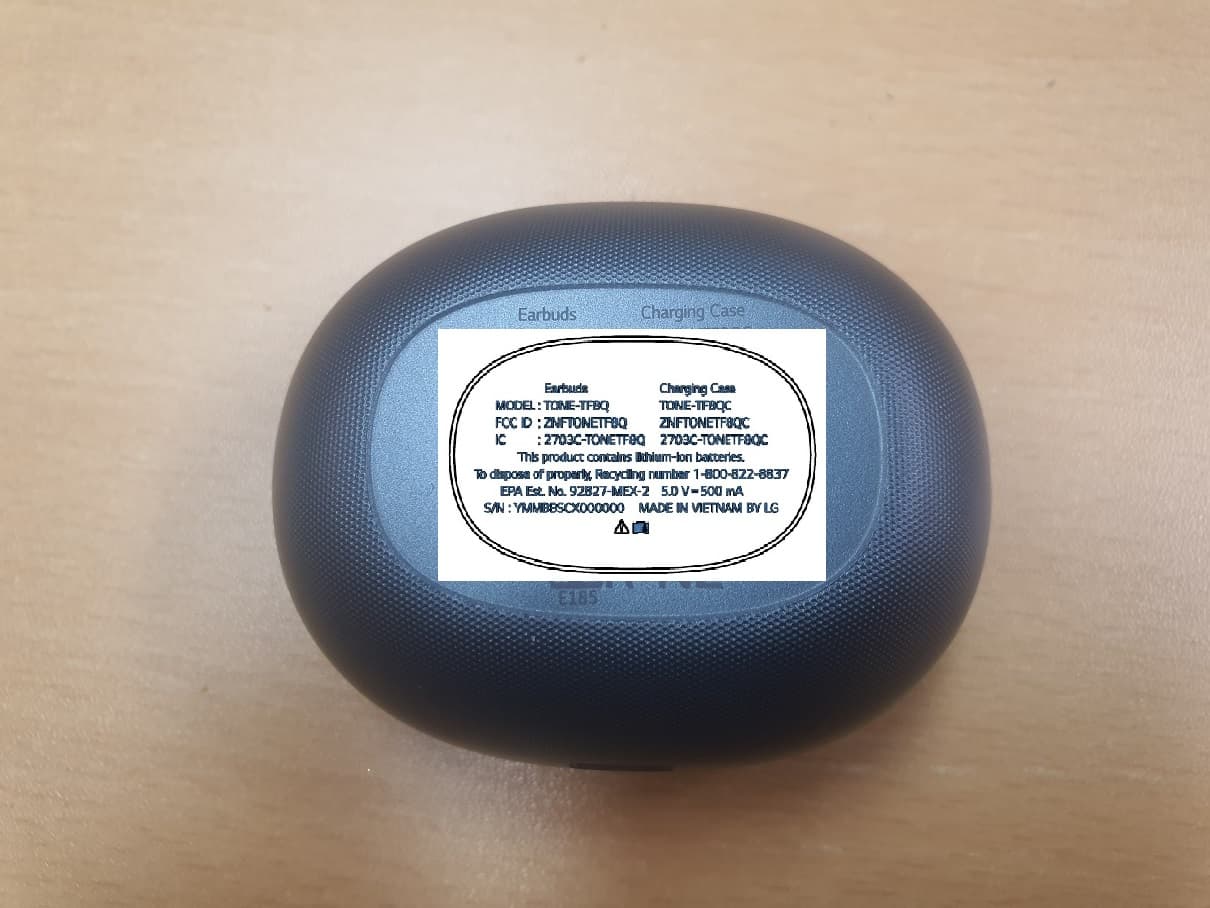
ZNFTONETF8QC
Jun 21, 2022Bluetooth Earbud (Cradle)
Equipment Class
JBP - Part 15 Class B Computing Device Peripheral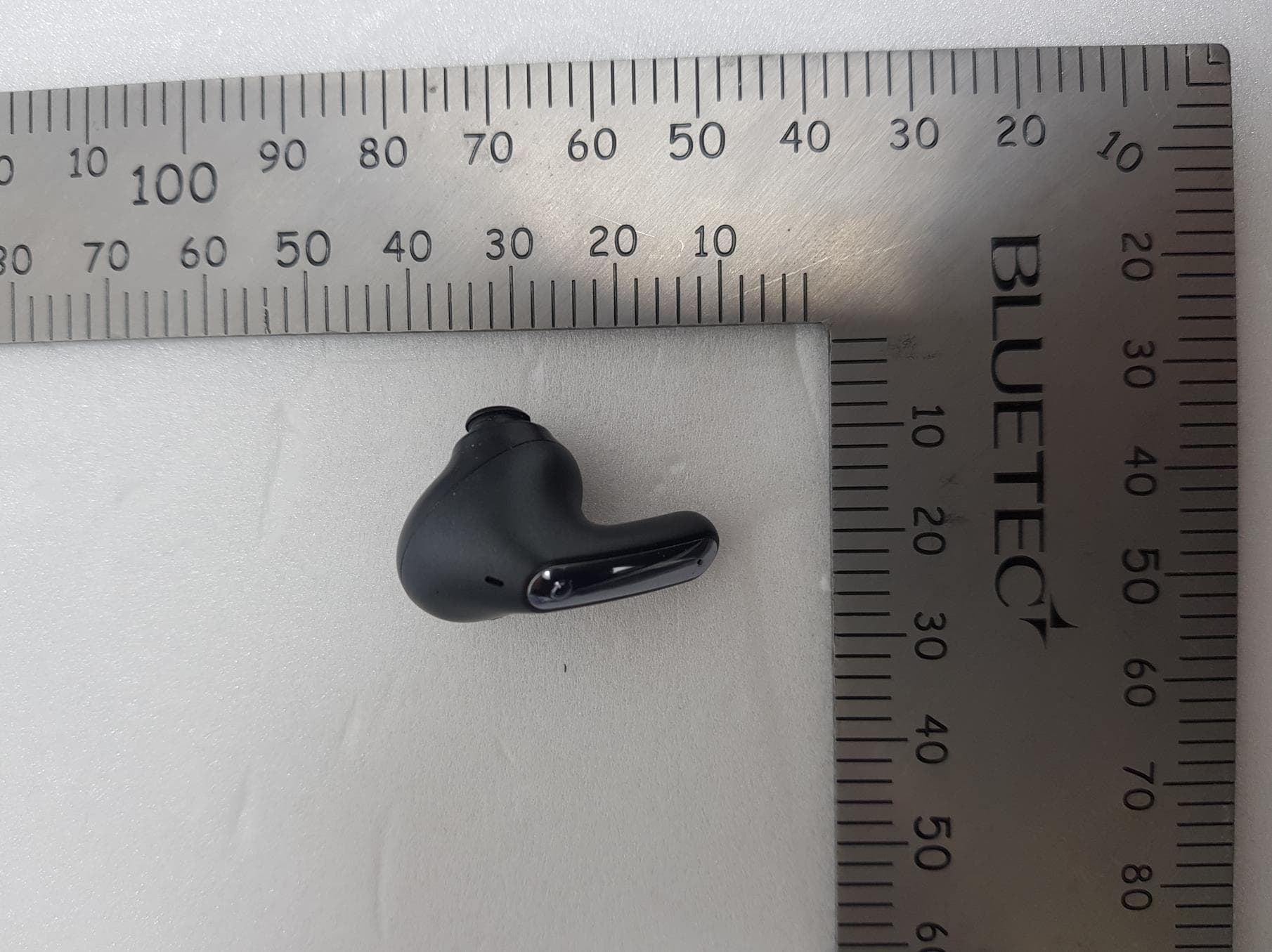
ZNFTONEFP8
May 30, 2021Bluetooth Earbud
Equipment Class
DTS - Digital Transmission System
ZNFK200AM
Feb 18, 2021Portable Handset
Equipment Class
DSS - Part 15 Spread Spectrum Transmitter
ZNFK735MM
Feb 10, 2021Portable Handset
Equipment Class
NII - Unlicensed National Information Infrastructure TX