ZNFL31LGSM/WCDMA/LTE Phone + Bluetooth & DTS b/g/n
LG Electronics USA, Inc.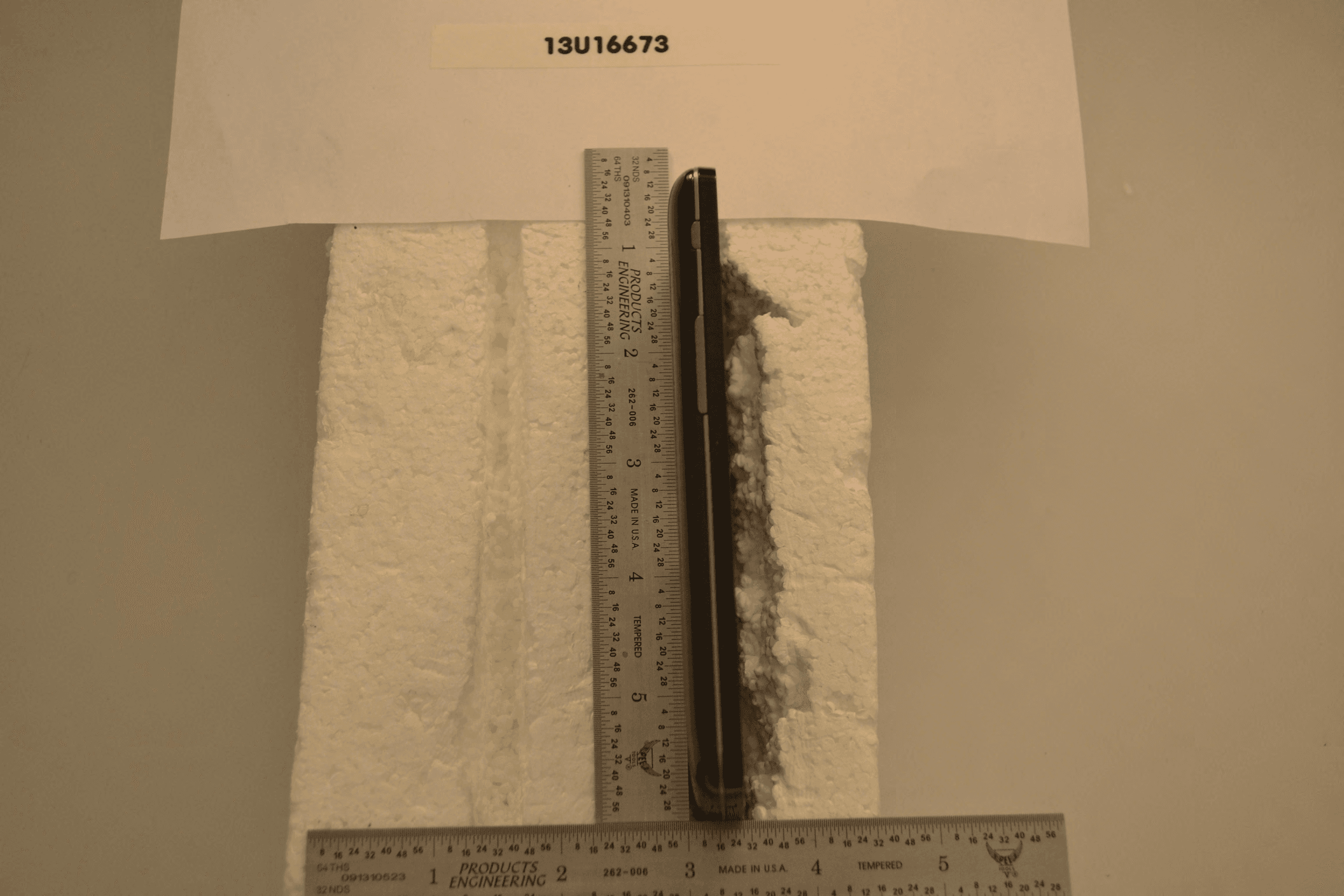
Click to zoom
Application Details
- Equipment Class
- PCE - PCS Licensed Transmitter held to ear
- Date of Grant
- Feb 14, 2014
- Application Purpose
- Original Equipment
- Date of Application
- Jan 29, 2014
- Equipment Note
- GSM/WCDMA/LTE Phone + Bluetooth & DTS b/g/n
- Frequency Range
- 1712.50000000 - 1752.50000000
- Company
- LG Electronics USA, Inc.
- Country
- United States
Documents & Files
Document Text
Text extracted from the exhibit documents filed with the FCC. Open a document above to read the original.
Users Manual
Product Safety & Warranty Information LG L31L (1.0)www.lg.com Información sobre la Garantía y Seguridad del Producto LG L31L Printed in Chinawww.lg.com Copyright ©2014 LG Electronics, Inc. All rights reserved. ENGLISH ESPAÑOL 1 Safety Safety Information Please read and observe the following information for safe and proper use of your phone and to prevent damage. WARNING! This product contains chemicals known to the State of California to cause cancer and birth defects or reproductive harm. Wash hands after handling. Caution: Violation of the instructions may cause minor or serious damage to the product. • For your safety, do not remove the battery incorporated in the product. • Do not disassemble or open crush, bend or deform, puncture or shred. • Repairs under warranty, at LG’s option, may include replacement parts or boards that are either new or reconditioned, provided that they have functionality equal to that of the parts being replaced. • Do not modify or remanufacture, attempt to insert foreign objects into the battery, immerse or expose to water or other liquids, expose to fire, explosion or other hazard. • Avoid dropping the phone. If the phone is dropped, especially on a hard surface, and the user suspects damage, take it to a service center for inspection. • For those host devices that utilize a USB port as a charging source, the host device’s user manual shall include a statement that the phone shall only be connected to products that bear the USB-IF logo or have completed the USB-IF compliance program. Charger and Adapter Safety • The charger and adapter are intended for indoor use only. • Insert the battery pack charger vertically into the wall power socket. • Unplug the power cord and charger during lightning storms to avoid electric shock or fire. • Use the correct adapter for your phone when using the battery pack charger abroad. Battery Information and Care • Please read the manual of specified charger about charging method. • Do not damage the power cord by bending, twisting, or heating. Do not use the plug if it is loose as it may cause electric shock or fire. Do not place any heavy items on the power cord. Do not allow the power cord to be crimped as it may cause electric shock or fire. 2 • Unplug the power cord prior to cleaning your phone, and clean the power plug pin when it’s dirty. When using the power plug, ensure that it’s firmly connected. If not, it may cause excessive heat or fire. If you put your phone in a pocket or bag without covering the receptacle of the phone (power plug pin), metallic articles (such as a coin, paperclip or pen) may short-circuit the phone. Short-circuit of the terminal may damage the battery and cause an explosion. Always cover the receptacle when not in use. • Never store your phone in temperature less than -20°C/-4°F or greater than 50°C/122 °F. • Charging temperature range is between 0°C/32°F and 45°C /113 °F. Do not charge the battery out of recommended temperature range. Charging out of recommended range might cause the generating heat or serious damage of battery. And also, it might cause the deterioration of battery’s characteristics and cycle life. • The battery pack has protection circuit to avoid the danger. Do not use near places that can generate static electricity more than 100V which could damage the protection circuit. Damaged protection circuits may generate smoke, rupture or ignite. • When using the battery for the first time, if it emits a bad smell, you see rust on it, or anything else abnormal, do not use the equipment and bring the battery to the shop which it was bought. • Do not handle the phone with wet hands while it is being charged. It may cause an electric shock or seriously damage your phone. • Do not place or answer calls while charging the phone as it may short- circuit the phone and/or cause electric shock or fire. • Do not use harsh chemicals (such as alcohol, benzene, thinners, etc.) or detergents to clean your phone. This could cause a fire. • Always unplug the charger from the wall socket after the phone is fully charged to save unnecessary power consumption of the charger. Care and Maintenance Your mobile device is a product of superior design and craftsmanship and should be treated with care. The suggestions below will help you fulfill any warranty obligations and allow you to enjoy this product for many years: Keep your Mobile Device away from: Liquids of any kind Keep the mobile device dry. Precipitation, humidity, and liquids contain minerals that will corrode electronic circuits. If 3 the mobile device does get wet, do not accelerate drying with the use of an oven, microwave, or dryer, because this may damage the mobile device and could cause a fire or explosion. Do not use the mobile device with a wet hand. Doing so may cause an electric shock to you or damage to the mobile device. Extreme heat or cold • Avoid temperatures below 0°C /32°F or above 45°C /113°F. • Use your phone in temperatures between 0°C /32°F and 40°C /104°F, if possible. Exposing your phone to extremely low or high temperatures may result in damage, malfunction, or even explosion. Microwaves Do not try to dry your mobile device in a microwave oven. Doing so may cause a fire or explosion. Dust and dirt Do not expose your mobile device to dust, dirt, or sand. Sunscreen lotion Do not expose or wear your device to any liquid like sunscreen lotion. Doing so may cause your device to or damage to the mobile device. Cleaning solutions Do not use harsh chemicals, cleaning solvents, or strong detergents to clean the mobile device. Wipe it with a soft cloths lightly dampened in a mild soap-and-water solution. Shock or vibration Do not drop, knock, or shake the mobile device. Rough handling can break internal circuit boards. Paint Do not paint the mobile device. Paint can clog the device’smoving parts or ventilation openings and prevent proper operation. General Notice • An emergency call can be made only within a service area. For a…
Text truncated - open the document above for the full version.
Cover Letter(s)
Date: Jan 21, 2014 UL Verification Services Inc. Certification Division 47173 Benicia Street Fremont, CA 94538, USA To whom it may concern: I, the undersigned, hereby authorize UL Verification Services Inc. to act on our behalf in all manners relating to application for equipment authorization, including signing of all documents relating to these matters. Any and all acts carried out by UL Verification Services Inc. on our behalf shall have the same effect as acts of our own. I, the undersigned, hereby certify that we are not subject to a denial of federal benefits, that includes FCC benefits, pursuant to Section 5301 of the Anti-Drug Abuse Act of 1988, 21 U.S.C. 853(a). In authorizing UL Verification Services Inc.as our agent, we still recognize that we are responsible to: a) comply with the relevant provisions of the certification program; b) make all necessary arrangements for the conduct of the evaluation, including provision for examining documentation and access to all areas, records (including internal audit reports) and personnel for the purposes of evaluation (e.g. testing, inspection, assessment, surveillance, reassessment) and resolution of complaints; c) make claims regarding certification only in respect of the scope for which certification has been granted; d) do not use our product certification in such a manner as to bring the Certification Division into disrepute and not make any statement regarding our product certific ation which the Certification Division may consider misleading or unauthorized; e) upon suspension or cancellation of certification, discontinue use of all advertising matter that contains any reference thereto and return any certification documents as required by the Certification Division; f) use certification only to indicate the products are certified as being in conformity with specified standards; g) endeavor to ensure that no certificate or report nor any part thereof is used in a misleading manner; h) ensure that any reference to our product certification in communication media such as documents, brochures or advertising, complies with the requirements of the Certification Division; i) keep a record of all complaints made known to the us relating to the product’s complianc e with requirements of the relevant standard and to make these records available to the Certification Division when requested; j) take appropriate action with respect to such complaints and any deficiencies found in products or services that affect compliance with the requirements for certification; k) document the actions taken. This authorization is valid until further written notice from the applicant. Sincerely Yours, Jacob Cho Director On behalf of LG Electronics MobileComm USA, Inc.
Cover Letter(s)
Date : Jan 21, 2014 Federal Communications Commission Authorization and Evaluation Division 7435 Oakland Mills Road Columbia MD 21046 Subject: Request for Confidentiality FCC ID: ZNF L31L To Whom It May Concern: Pursuant to Sections 0.457 and 0.459 of the Commission’s Rules (CFR 47), and Section 552 (b) (4) of the Freedom of Information Act, LG ELECTRONICS MobileComm USA hereby requests confidentiality and treatment of certain information accompanying this application. The materials contain trade secrets and proprietary information not customarily released to the public. The public disclosure of these matters might be harmful to the Applicant and provide unjustified benefits to its competitors. We are also hereby request Short-Term Confidentiality for 180 days after the grant as outlined in Public Notice DA 04-1705. This provision will give LG ELECTRONICS MobileComm USA temporary confidentiality of commercially sensitive information prior to product release. The requested Permanent and Temporary Confidential exhibits are listed as follows: PERMANENT AND SHORT-TERM CONFIDENTIAL LIST Exhibit Description PERMANENT 1 Block Diagram, Operational Descriptions and Tune-Up Procedure 2 Schematics, Part placement, and Part List 3 Antenna Specification, Antenna Distance SHORT-TERM 1 External Photos 2 Internal Photos 3 Test-Setup Photos 4 User’s Manual The Applicant understands that pursuant to Rule 0.457, disclosure of this application and all accompanying documentations, where applicable, will not be made public before the date of the Grant for this application. Sincerely Yours, Jacob Cho Director On behalf of LG Electronics Mobilecomm U.S.A.,Inc
Cover Letter(s)
Date: Jan 23, 2014 Federal Communications Commission Office of Engineering and Technology Laboratory Division 7435 Oakland Mills Rd. Columbia MD 21046 Attn: Office of Engineering and Technology Re: HAC Attestation - FCC ID: ZNFL31L To whom it may concern: LG Electronics hereby declares that the MIF values detailed below are based on worst case operating modes for all air interfaces for which the HAC rating is provided based on the current methodology for determining MIF values. Reference Test report Number(s): UL Verification Services Test Report 13U16673 S PEAG test files UID Co mmunication System Name MIF (dB) 10021-DAA GSM-FDD (TDMA, GMSK) 3.63 10011-CAA UMTS-FDD (WCDMA) -27.23 Sincerely, ____________________ Jacob Cho Director On behalf of LG Electronics Mobilecomm U.S.A.,Inc
Cover Letter(s)
Date: Jan 21, 2014 Federal Communications Commission Equipment Approval Services 7435 Oakland Mills Road Columbia, MD 21046 SUBJECT : LG Electronics MobileComm U .S .A . FCC ID : ZNFL31L Part 20.19 Certification To Whom It May Concern: The following are the model designations and their associated key features for this FCC ID, according to requirement in the TCB Guidance issued on June 20, 2008. FCC ID: ZNFL31L Air Interface: GSM/WCDMA/LTE Wireless Technologies: LTE/GSM/GPRS/EDGE/WCDMA/HSPA Band: LTE B4,B17 GSM 850/1900, WCDMA 850/1900 Key Features: Bluetooth 4.0, WiFi 2.4GHz(802.11 b/g/n) MP3 player, Camera, GPS Should you have any questions or comments concerning the above, please contact the undersigned Sincerely Yours, Jacob Cho Director On behalf of LG Electronics Mobilecomm U.S .A .,Inc
ID Label/Location Info
※ FCC ID Label Form *Note: This label and its location complies with 47 CFR 2.925(d) that FCC ID is readily visible to the purchaser at the time of purchase, and be permanently affixed to the product. We, LG Electronics MobileComm USA, state that our device, FCC ID ZNFL31L, has a battery. Ho wev er, th e battery will not be placed in the battery compartment when delivery, so the label is visible to the users as they pur ch ase the product and install the battery. Additionally, the label is permanently attached. The label it's attached to the EUT by an adhesive. The adhesive is a strong permanent type. Model No: LGL31L FCC ID: ZNFL31L IMEI : XXXXXXXXX Made in Korea Model No: L G L 31L FCC ID: ZNF L 31L Mad e in K orea Fig.1 Representation of FCC Label information
RF Exposure Info
FCC 47 CFR Parts 1 & 2 Published RF Exposure KDB Procedures IEEE Std 1528-2013 SAR EVALUATION REPORT For GSM / W-CDMA / LTE Phone + Bluetooth & WLAN (2.4GHz) Model: LGL31L, LG-L31L, L31L FCC ID: ZNFL31L Report Number: 13U16673-5A Issue Date: 1/28/2014 Prepared for LG ELECTRONICS MOBILECOMM U.S.A., INC. 1000 SYLVAN AVE. ENGLEWOOD CLIFFS, NJ 07632 Prepared by UL Verification Services Inc. 47173 BENICIA STREET FREMONT, CA 94538, U.S.A. TEL: (510) 771-1000 FAX: (510) 661-0888 Report No.: 13U16673-5A Issue Date: 1/28/2014 FCC ID: ZNFL31L Page 2 of 45 UL Verification Services Inc. FORM NO: CCSUP4031G 47173 BENICIA STREET, FREMONT, CA 94538, USA TEL: (510) 771-1000 FAX: (510) 661-0888 This report shall not be reproduced except in full, without the written approval of UL Verification Services Inc. Revision History Rev. Issue Date Revisions Revised By -- 1/23/2014 Initial Issue -- A 1/28/2014 Made the following modifications: 1. Sec. 1.: Updated highest reported SAR values 2. Sec. 7.4.: Updated table 3. Sec. 8.3.: Updated table to reflect KDB 648474 D04 4. Sec. 12., 14.: Additional SAR testing was performed for Wi-Fi Direct Kenneth Mak Report No.: 13U16673-5A Issue Date: 1/28/2014 FCC ID: ZNFL31L Page 3 of 45 UL Verification Services Inc. FORM NO: CCSUP4031G 47173 BENICIA STREET, FREMONT, CA 94538, USA TEL: (510) 771-1000 FAX: (510) 661-0888 This report shall not be reproduced except in full, without the written approval of UL Verification Services Inc. Table of Contents 1. Attestation of Test Results ......................................................................................................... 6 2. Test Methodology ........................................................................................................................ 7 3. Facilities and Accreditation ........................................................................................................ 7 4. Calibration and Uncertainty ........................................................................................................ 8 4.1. Measuring Instrument Calibration .............................................................................................. 8 4.2. Measurement Uncertainty .......................................................................................................... 8 5. Measurement System Description and Setup ........................................................................... 9 6. SAR Measurement Procedure .................................................................................................. 10 6.1. Normal SAR Measurement Procedure ..................................................................................... 10 6.2. Volume Scan Procedures ........................................................................................................ 12 7. Device Under Test ..................................................................................................................... 13 7.1. General Information ................................................................................................................. 13 7.2. Wireless Technologies ............................................................................................................. 14 7.3. RF Output Power Tune-up Tolerance ...................................................................................... 15 7.4. Simultaneous Transmission Condition ..................................................................................... 16 7.5. General LTE SAR Test and Reporting Considerations ............................................................. 17 8. RF Exposure Conditions ........................................................................................................... 18 8.1. Head Exposure Conditions ...................................................................................................... 18 8.2. Body-worn Accessory Exposure Conditions ............................................................................. 18 8.3. Wi-Fi Direct Exposure Conditions ............................................................................................ 18 9. RF Output Power Measurement ............................................................................................... 19 9.1. GSM 850 ................................................................................................................................. 19 9.2. GSM 1900 ............................................................................................................................... 20 9.3. W-CDMA ................................................................................................................................. 21 9.4. LTE Bands ............................................................................................................................... 25 9.5. Wi-Fi (2.4 GHz Band) ............................................................................................................... 28 9.6. Bluetooth ................................................................................................................................. 29 10. Tissue Dielectric Properties ..................................................................................................... 30 10.1. Composition of Ingredients for the Tissue Material Used in the SAR Tests .......................... 31 10.2. Tissue Dielectric Parameter Check Results .......................................................................... 32 11. System Performance Check ..................................................................................................... 34 11.1. System Performance Check Measurement Conditions ......................................................... 34 Report No.: 13U16673-5A Issue Date: 1/28/2014 FCC ID: ZNFL31L Page 4 of 45 UL Verification Services Inc. FORM NO: CCSUP4031G 47173 BENICIA STREET, FREMONT, CA 94538, USA TEL: (510) 771-1000 FAX: (510) 661-0…
Text truncated - open the document above for the full version.
RF Exposure Info
Plot No. 1 Test Laboratory: UL Verification Services Inc. SAR Lab A Date: 12/14/2013 20131214_SystemPerformanceCheck-D1900V2 SN 5d043 Frequency: 1900 MHz; Duty Cycle: 1:1; Room Ambient Temperature: 24.0C; Liquid Temperature: 23.0C Medium parameters used: f = 1900 MHz; σ = 1.574 S/m; ε r = 54.946; ρ = 1000 kg/m 3 DASY5 Configuration: - Area Scan Setting: Find Secondary Maximum Within: 2.0 dB and with a peak SAR value greater than 0.0012W/kg - Averaged Fast SAR: Polynomial fit - Electronics: DAE4 Sn1239; Calibrated: 4/9/2013 - Probe: EX3DV4 - SN3749; ConvF(6.99, 6.99, 6.99); Calibrated: 1/15/2013; - Sensor-Surface: 2.5mm (Mechanical Surface Detection) - Phantom: ELI v5.0 (A); Type: QDOVA001BB; Serial: 1120 Body/Pin=100 mW/Area Scan (61x61x1): Interpolated grid: dx=1.500 mm, dy=1.500 mm Reference Value = 60.967 V/m; Power Drift = -0.02 dB Fast SAR: SAR(1 g) = 4.29 W/kg; SAR(10 g) = 2.17 W/kg Maximum value of SAR (interpolated) = 5.70 W/kg Body/Pin=100 mW/Zoom Scan (7x7x7)/Cube 0: Measurement grid: dx=5mm, dy=5mm, dz=5mm Reference Value = 60.967 V/m; Power Drift = -0.02 dB Peak SAR (extrapolated) = 7.87 W/kg SAR(1 g) = 4.16 W/kg; SAR(10 g) = 2.11 W/kg Maximum value of SAR (measured) = 5.71 W/kg 0 dB = 5.71 W/kg = 7.57 dBW/kg Plot No. 2 Test Laboratory: UL Verification Services Inc. SAR Lab A Date: 12/14/2013 20131214_SystemPerformanceCheck-D1900V2 SN 5d043 Frequency: 1900 MHz; Duty Cycle: 1:1 Body/Pin=100 mW/Z Scan (1x1x21): Measurement grid: dx=20mm, dy=20mm, dz=5mm Maximum value of SAR (measured) = 5.70 W/kg Plot No. 3 Test Laboratory: UL Verification Services Inc., SAR Lab D Date: 12/13/2013 20131213_SystemPerformanceCheck-D1750V2 SN 1077 Frequency: 1750 MHz; Duty Cycle: 1:1; Room Ambient Temperature: 24.0C; Liquid Temperature: 23.0C Medium parameters used: f = 1750 MHz; σ = 1.528 S/m; ε r = 52.752; ρ = 1000 kg/m 3 DASY5 Configuration: - Area Scan Setting: Find Secondary Maximum Within: 2.0 dB and with a peak SAR value greater than 0.0012W/kg - Averaged Fast SAR: Polynomial fit - Electronics: DAE4 Sn1360; Calibrated: 2/7/2013 - Probe: EX3DV4 - SN3686; ConvF(7.63, 7.63, 7.63); Calibrated: 3/11/2013; - Sensor-Surface: 2.5mm (Mechanical Surface Detection) - Phantom: ELI B v5.0; Type: QDOVA001BB; Serial: 1121 Body/Pin=100 mW/Area Scan (61x61x1): Interpolated grid: dx=1.500 mm, dy=1.500 mm Reference Value = 59.455 V/m; Power Drift = 0.00 dB Fast SAR: SAR(1 g) = 3.82 W/kg; SAR(10 g) = 1.96 W/kg Maximum value of SAR (interpolated) = 5.13 W/kg Body/Pin=100 mW/Zoom Scan (7x7x7)/Cube 0: Measurement grid: dx=5mm, dy=5mm, dz=5mm Reference Value = 59.455 V/m; Power Drift = 0.00 dB Peak SAR (extrapolated) = 6.68 W/kg SAR(1 g) = 3.72 W/kg; SAR(10 g) = 1.97 W/kg Maximum value of SAR (measured) = 5.00 W/kg 0 dB = 5.00 W/kg = 6.99 dBW/kg Plot No. 4 Test Laboratory: UL Verification Services Inc., SAR Lab D Date: 12/13/2013 20131213_SystemPerformanceCheck-D1750V2 SN 1077 Frequency: 1750 MHz; Duty Cycle: 1:1 Body/Pin=100 mW/Z Scan (1x1x21): Measurement grid: dx=20mm, dy=20mm, dz=5mm Maximum value of SAR (measured) = 4.76 W/kg Plot No. 5 Test Laboratory: UL Verification Services Inc., SAR Lab D Date: 12/16/2013 20131216_SystemPerformanceCheck-D835V2 SN 4d002 Frequency: 835 MHz; Duty Cycle: 1:1; Room Ambient Temperature: 24.0C; Liquid Temperature: 23.0C Medium parameters used: f = 835 MHz; σ = 1.003 S/m; ε r = 54.48; ρ = 1000 kg/m 3 DASY5 Configuration: - Area Scan Setting: Find Secondary Maximum Within: 2.0 dB and with a peak SAR value greater than 0.0012W/kg - Averaged Fast SAR: Polynomial fit - Electronics: DAE4 Sn1360; Calibrated: 2/7/2013 - Probe: EX3DV4 - SN3686; ConvF(9.04, 9.04, 9.04); Calibrated: 3/11/2013; - Sensor-Surface: 2.5mm (Mechanical Surface Detection) - Phantom: ELI B v5.0; Type: QDOVA001BB; Serial: 1121 Body/Pin=100 mW/Area Scan (61x61x1): Interpolated grid: dx=1.500 mm, dy=1.500 mm Reference Value = 35.838 V/m; Power Drift = 0.09 dB Fast SAR: SAR(1 g) = 1.01 W/kg; SAR(10 g) = 0.677 W/kg Maximum value of SAR (interpolated) = 1.20 W/kg Body/Pin=100 mW/Zoom Scan (7x7x7)/Cube 0: Measurement grid: dx=5mm, dy=5mm, dz=5mm Reference Value = 35.838 V/m; Power Drift = 0.09 dB Peak SAR (extrapolated) = 1.49 W/kg SAR(1 g) = 0.997 W/kg; SAR(10 g) = 0.656 W/kg Maximum value of SAR (measured) = 1.22 W/kg 0 dB = 1.22 W/kg = 0.86 dBW/kg Plot No. 6 Test Laboratory: UL Verification Services Inc., SAR Lab D Date: 12/16/2013 20131216_SystemPerformanceCheck-D835V2 SN 4d002 Frequency: 835 MHz; Duty Cycle: 1:1 Body/Pin=100 mW/Z Scan (1x1x21): Measurement grid: dx=20mm, dy=20mm, dz=5mm Maximum value of SAR (measured) = 1.21 W/kg Plot No. 7 Test Laboratory: UL Verification Services Inc., SAR Lab D Date: 12/16/2013 20131216_SystemPerformanceCheck-D2450V2 SN 748 Frequency: 2450 MHz; Duty Cycle: 1:1; Room Ambient Temperature: 24.0C; Liquid Temperature: 23.0C Medium parameters used: f = 2450 MHz; σ = 1.943 S/m; ε r = 50.836; ρ = 1000 kg/m 3 DASY5 Configuration: - Area Scan Setting: Find Secondary Maximum Within: 2.0 dB and with a peak SAR value greater than 0.0012W/kg - Averaged Fast SAR: Polynomial fit - Electronics: DAE4 Sn1360; Calibrated: 2/7/2013 - Probe: EX3DV4 - SN3686; ConvF(6.92, 6.92, 6.92); Calibrated: 3/11/2013; - Sensor-Surface: 2.5mm (Mechanical Surface Detection) - Phantom: ELI B v5.0; Type: QDOVA001BB; Serial: 1121 Body/Pin=100 mW/Area Scan (71x71x1): Interpolated grid: dx=1.200 mm, dy=1.200 mm Reference Value = 55.520 V/m; Power Drift = -0.13 dB Fast SAR: SAR(1 g) = 4.75 W/kg; SAR(10 g) = 2.08 W/kg Maximum value of SAR (interpolated) = 6.85 W/kg Body/Pin=100 mW/Zoom Scan (7x7x7)/Cube 0: Measurement grid: dx=5mm, dy=5mm, dz=5mm Reference Value = 55.520 V/m; Power Drift = -0.13 dB Peak SAR (extrapolated) = 9.93 W/kg SAR(1 g) = 4.71 W/kg; SAR(10 g) = 2.17 W/kg Maximum value of SAR (measured) = 6.72 W/kg 0 dB = 6.72 W/kg = 8.27 dBW/kg Plot No. 8 Test Laboratory: UL Verification Services Inc., SAR Lab D Date: 12/16/2013 20131216_SystemPerformanceCheck-D2450V2 SN 748 Frequency: 2450 MHz; Duty Cycle: 1…
Text truncated - open the document above for the full version.
Test Report
FCC CFR47 PART 20.19 ANSI C63.19-2011 HAC RF EMISSIONS TEST REPORT For GSM / W-CDMA / LTE Phone + Bluetooth & WLAN (2.4GHz) Model: LGL31L, LG-L31L, L31L FCC ID: ZNFL31L REPORT NUMBER: 13U16673-6A ISSUE DATE: 1/30/2014 Prepared for LG ELECTRONICS MOBILECOMM U.S.A., INC. 1000 SYLVAN AVE. ENGLEWOOD CLIFFS, NJ 07632 Prepared by UL VERIFICATION SERVICES INC. 47173 BENICIA STREET FREMONT, CA 94538, U.S.A. TEL: (510) 771-1000 FAX: (510) 661-0888 REPORT NO: 13U16673-6A DATE: 1/30/2014 FCC ID: ZNFL31L Page 2 of 19 UL Verification Service Inc. FORM NO: CCSUP4031G 47173 BENICIA STREET, FREMONT, CA 94538, USA TEL: (510) 771-1000 FAX: (510) 661-0888 This report shall not be reproduced except in full, without the written approval of UL Verification Services Inc. Revision History Rev. Issue Date Revisions Revised By -- 1/23/2014 Initial Issue -- A 1/30/2014 1. Sec. 5.1.: Updated table. Kenneth Mak REPORT NO: 13U16673-6A DATE: 1/30/2014 FCC ID: ZNFL31L Page 3 of 19 UL Verification Service Inc. FORM NO: CCSUP4031G 47173 BENICIA STREET, FREMONT, CA 94538, USA TEL: (510) 771-1000 FAX: (510) 661-0888 This report shall not be reproduced except in full, without the written approval of UL Verification Services Inc. Table of Contents 1. Attestation of Test Results ............................................................................................................. 4 2. Test Methodology ........................................................................................................................... 5 3. Facilities and Accreditation ........................................................................................................... 5 4. Calibration and Uncertainty ........................................................................................................... 6 4.1. Measuring Instrument Calibration .............................................................................................. 6 4.2. Measurement Uncertainty .......................................................................................................... 7 5. Device Under Test ........................................................................................................................... 8 5.1. Air Interfaces and Operating Mode ............................................................................................ 8 6. System Specifications .................................................................................................................... 9 7. System Validation ......................................................................................................................... 10 7.1. System Validation Results ....................................................................................................... 11 8. Modulation Interference Factor (MIF) .......................................................................................... 12 9. Average Antenna Input Power ..................................................................................................... 13 10. Evaluation for Low-power Exemption ......................................................................................... 13 11. HAC RF Emissions Test Procedure ............................................................................................. 14 12. RF Emissions Measurement Criteria ........................................................................................... 17 13. HAC (RF Emissions) Test Results ............................................................................................... 17 13.1. Worst Case RF EmissionTest Plot ....................................................................................... 18 14. Appendixes ................................................................................................................................... 19 14.1. System Validation Plots ........................................................................................................ 19 14.2. RF Emissions Test Plots ...................................................................................................... 19 14.3. Calibration Certificate for E-Field Probe ER3DV6 - SN 2509 ................................................ 19 14.4. Calibration Certificate for Dipole CD835V3 - SN 1175 .......................................................... 19 14.5. Calibration Certificate for Dipole CD1880V3 - SN 1159 ........................................................ 19 14.6. UID 10021-DAA GSM Specification ..................................................................................... 19 14.7. UID 10011-CAA WCDMA Specification ................................................................................ 19 14.8. MIF Attestation Letter ........................................................................................................... 19 14.9. Setup Photo ......................................................................................................................... 19 REPORT NO: 13U16673-6A DATE: 1/30/2014 FCC ID: ZNFL31L Page 4 of 19 UL Verification Service Inc. FORM NO: CCSUP4031G 47173 BENICIA STREET, FREMONT, CA 94538, USA TEL: (510) 771-1000 FAX: (510) 66…
Text truncated - open the document above for the full version.
Contact Information
Applicant
David Kim(Team leader, LGEUS NA Policy & Regulatory Affairs)
Test Firm
Compliance Certification ServicesThu Chan
Technical Specifications
| # | Rule Parts | Frequency Range | Power Output | Emission | Tolerance |
|---|---|---|---|---|---|
| 14 | 27 | 1.71 GHz - 1.75 GHz | 120.00 mW | 4M47D7W | 2.5 ppm |
Other Applications from LG Electronics USA, Inc.
ZNFTONET80S
Nov 13, 2023Bluetooth Earbuds
Equipment Class
DTS - Digital Transmission System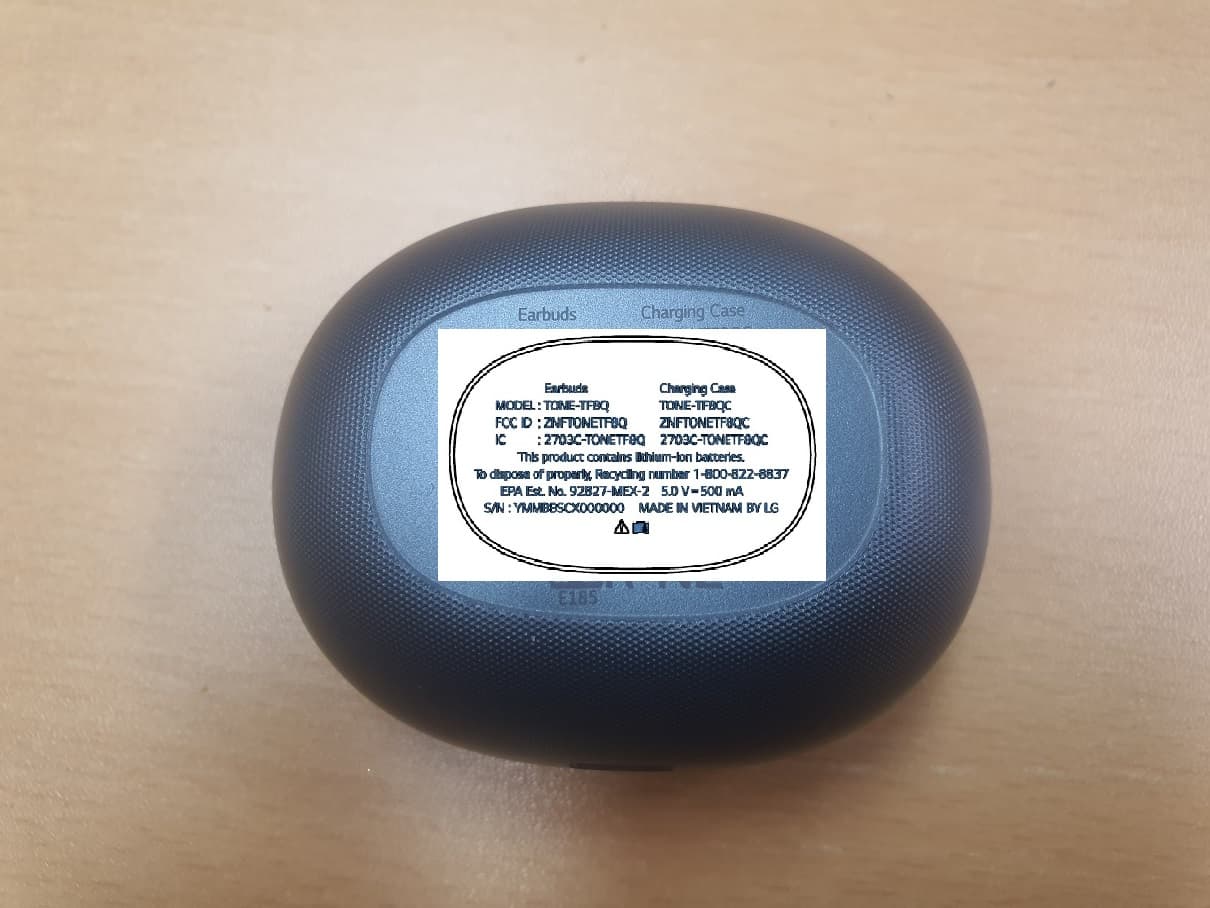
ZNFTONETF8QC
Jun 21, 2022Bluetooth Earbud (Cradle)
Equipment Class
JBP - Part 15 Class B Computing Device Peripheral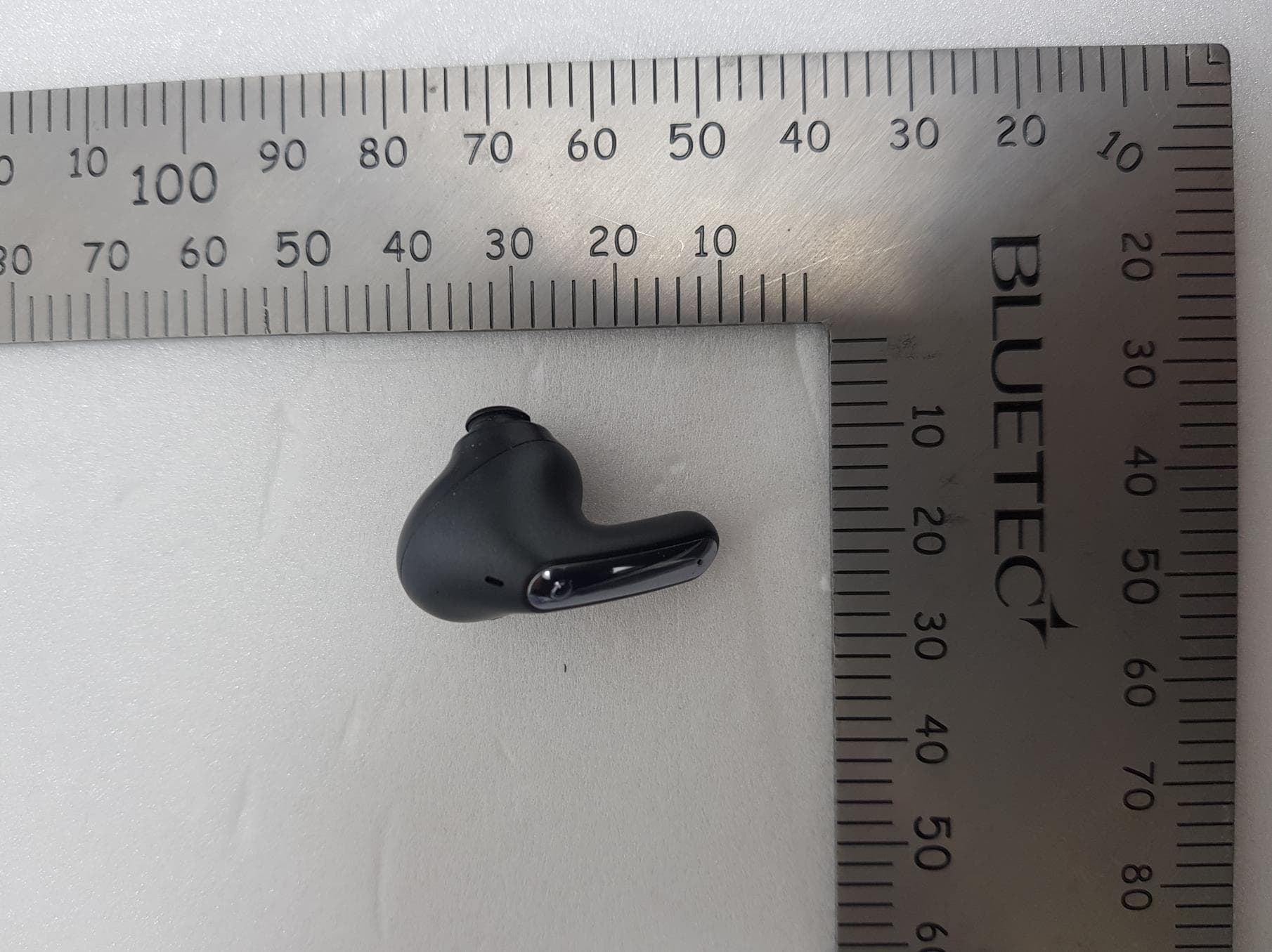
ZNFTONEFP8
May 30, 2021Bluetooth Earbud
Equipment Class
DTS - Digital Transmission System
ZNFK200AM
Feb 18, 2021Portable Handset
Equipment Class
DSS - Part 15 Spread Spectrum Transmitter
ZNFK735MM
Feb 10, 2021Portable Handset
Equipment Class
NII - Unlicensed National Information Infrastructure TX