ZNFMS840LG Smart Phone
LG Electronics USA, Inc.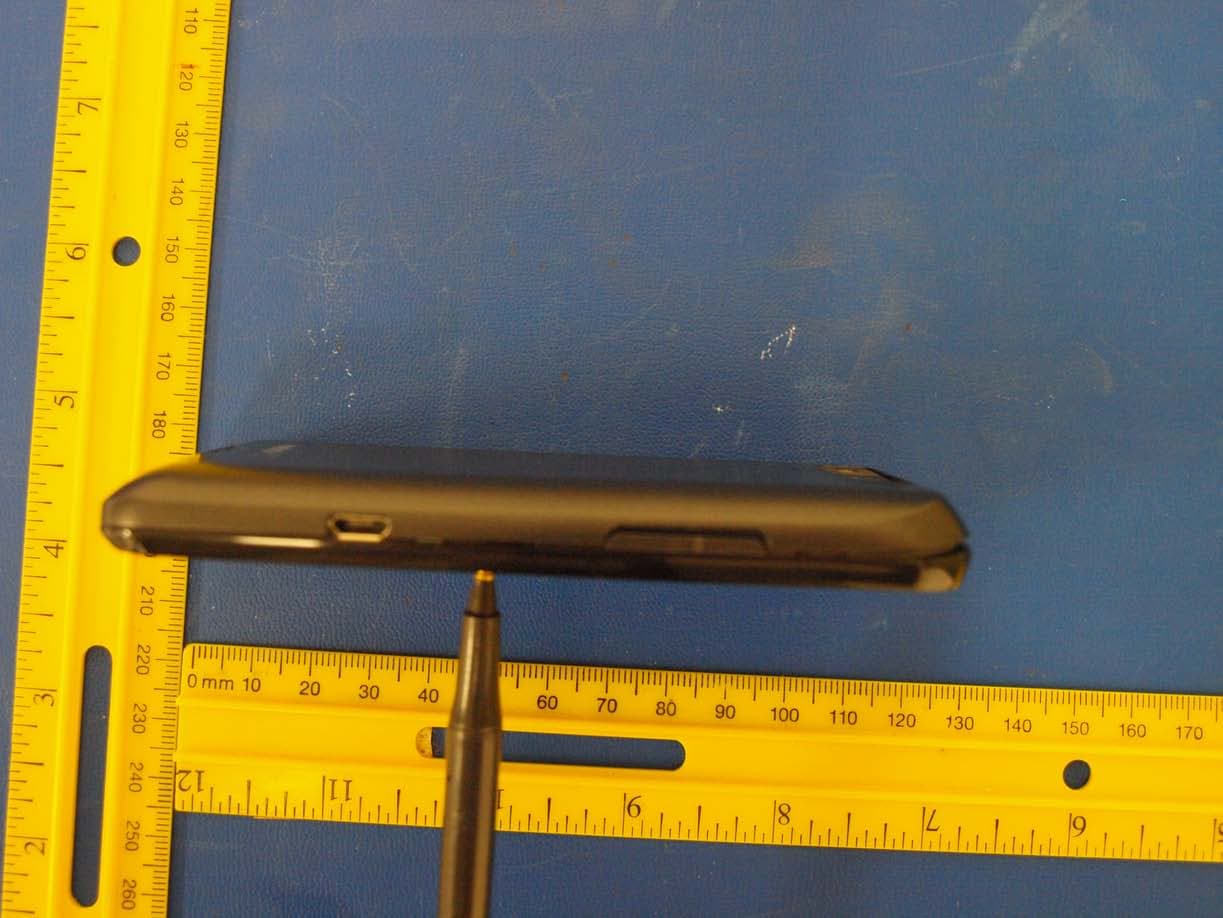
Click to zoom
Application Details
- Equipment Class
- PCE - PCS Licensed Transmitter held to ear
- Date of Grant
- Nov 14, 2011
- Application Purpose
- Original Equipment
- Date of Application
- Oct 19, 2011
- Equipment Note
- LG Smart Phone
- Frequency Range
- 1712.50000000 - 1752.50000000
- Company
- LG Electronics USA, Inc.
- Country
- United States
Documents & Files
Document Text
Text extracted from the exhibit documents filed with the FCC. Open a document above to read the original.
Users Manual
FCC Hearing-Aid Compatibility (HAC) Regulations for Wireless Devices On July 10, 2003, the U.S. Federal Communications Commission (FCC) Report and Order in WT Docket 01-309 modified the exception of wireless phones under the Hearing Aid Compatibility Act of 1988 (HAC Act) to require digital wireless phones be compatible with hearing-aids. The intent of the HAC Act is to ensure reasonable access to telecommunications services for persons with hearing disabilities. While some wireless phones are used near some hearing devices (hearing aids and cochlear implants), users may detect a buzzing, humming, or whining noise. Some hearing devices are more immune than others to this interference noise, and phones also vary in the amount of interference they generate. The wireless telephone industry has developed a rating system for wireless phones, to assist hearing device users to find phones that may be compatible with their hearing devices. Not all phones have been rated. Phones that are rated have the rating on their box or a label located on the box. The ratings are not guarantees. Results will vary depending on the user's hearing device and hearing loss. If your hearing device happens to be vulnerable to interference, you may not be able to use a rated phone successfully. Trying out the phone with your hearing device is the best way to evaluate it for your personal needs. M-Ratings: Phones rated M3 or M4 meet FCC requirements and are likely to generate less interference to hearing devices than phones that are not labeled. M4 is the better/higher of the two ratings. T-Ratings: Phones rated T3 or T4 meet FCC requirements and are likely to generate less interference to hearing devices than phones that are not labeled. T4 is the better/ higher of the two ratings. Hearing devices may also be rated. Your hearing device manufacturer or hearing health professional may help you find this rating. Higher ratings mean that the hearing device is relatively immune to interference noise. The hearing aid and wireless phone rating values are then added together. A sum of 5 is considered acceptable for normal use. A sum of 6 is considered for best use. In the example to the left, if a hearing aid meets the M2 level rating and the wireless phone meets the M3 level rating, the sum of the two values equal M5. This should provide the hearing aid user with “normal usage” while using their hearing aid with the particular wireless phone. “Normal usage” in this context is defined as a signal quality that’s acceptable for normal operation. The M mark is intended to be synonymous with the U mark. The T mark is intended to be synonymous with the UT mark. The M and T marks are recommended by the Alliance for Telecommunications Industries Solutions (ATIS). The U and UT marks are referenced in Section 20.19 of the FCC Rules. The HAC rating and measurement procedure are described in the American National Standards Institute (ANSI) C63.19 standard. When you're talking on a cell phone, it's recommended that you turn the BT (Bluetooth) mode off for HAC. For information about hearing aids and digital wireless phones Wireless Phones and Hearing Aid Accessibility http://www.accesswireless.org/hearingaid/ FCC Hearing Aid Compatibility and Volume Control http://www.fcc.gov/cgb/consumerfacts/hac_wireless.html
Cover Letter(s)
Date: July 12, 2011 Compliance Certification Services Certification Division 47173 Benicia Street Fremont, CA 94538, USA To whom it may concern: I, the undersigned, hereby authorize Ms. Claire Hoque/Application Examiner of Compliance Engineering Services, Inc., d.b.a. Compliance Certification Services and hereafter referred to as CCS, to act on our behalf in all manners relating to application for equipment authorization, including signing of all documents relating to these matters. Any and all acts carried out by Ms. Claire Hoque of CCS on our behalf shall have the same effect as acts of our own. I, the undersigned, hereby certify that we are not subject to a denial of federal benefits, that includes FCC benefits, pursuant to Section 5301 of the Anti-Drug Abuse Act of 1988, 21 U.S.C. 853(a). In authorizing CCS as our agent, we still recognize that we are responsible to: a) comply with the relevant provisions of the certification program; b) make all necessary arrangements for the conduct of the evaluation, including provision for examining documentation and access to all areas, records (including internal audit reports) and personnel for the purposes of evaluation (e.g. testing, inspection, assessment, surveillance, reassessment) and resolution of complaints; c) make claims regarding certification only in respect of the scope for which certification has been granted; d) do not use our product certification in such a manner as to bring the Certification Division into disrepute and not make any statement regarding our product certification which the Certification Division may consider misleading or unauthorized; e) upon suspension or cancellation of certification, discontinue use of all advertising matter that contains any reference thereto and return any certification documents as required by the Certification Division; f) use certification only to indicate the products are certified as being in conformity with specified standards; g) endeavor to ensure that no certificate or report nor any part thereof is used in a misleading manner; h) ensure that any reference to our product certification in communication media such as documents, brochures or advertising, complies with the requirements of the Certification Division; i) keep a record of all complaints made known to the us relating to the product’s compliance with requirements of the relevant standard and to make these records available to the Certification Division when requested; j) take appropriate action with respect to such complaints and any deficiencies found in products or services that affect compliance with the requirements for certification; k) document the actions taken. This authorization is valid until further written notice from the applicant. Sincerely Yours, Christopher Johnson Senior Manager LG Electronics USA REMARK: 1.This authorization letter will be sent along with your application when filing with the Certification Division. 2.Please follow the format and type it on company letterhead and send original to us. 3.Authorized signature must be in agreement with grantee code contact in FCC database.
Cover Letter(s)
Federal Communications Commission 7435 Oakland Mills Road Columbia MD 21046 Subject: Request for Confidentiality FCC ID: ZNFMS840 To Whom It May Concern: Pursuant to the provisions of Sections 0.457 and 0.459 of the Commission’s rules (47 CFR §§ 0.457, 0.459), we are requesting the Commission to withhold the following attachments as confidential document from public disclosure indefinitely. Schematic Diagram Block Diagram Operation Descriptions Tune-up Procedure Antenna Specification Parts list PCB Layout Antenna distance Power Reduction Table for SVDO & SVLTE Above mentioned document contains detailed system and equipment description are considered as proprietary information in operation of the equipment. The public disclosure of above documents might be harmful to our company and would give competitor an unfair advantage in the market. In additional to above mentioned documents, pursuant to Public Notice DA 04-1705 of the Commission’s policy, in order to comply with the marketing regulations in 47 CFR §2.803 and the importation rules in 47 CFR §2.1204, while ensuring that business sensitive information remains confidential until the actual marketing of newly authorized devices. We are requesting the commission to grant short-term confidentiality request on the following attachments until 180 days after the grant as outlined in Public Notice DA 04-1705. External Photos Internal Photos Test Setup Photos User Manual It is our understanding that all measurement test reports, FCC ID label format and correspondent during certification review process cannot be granted as confidential documents and those information will be available for public review once the grant of equipment authorization is issued. Best Regards Christopher Johnson Senior Manager LG Electronics MobileComm U.S.A., Inc. Oct 13, 2011
ID Label/Location Info
MS840 ZN FMS840
RF Exposure Info
FCC OET BULLETIN 65 SUPPLEMENT C 01-01 IEEE STD 1528:2003 SAR EVALUATION REPORT For Cellular/PCS/AWS CDMA and LTE Phone with Bluetooth and WLAN MODEL: MS840, LGMS840 and LG-MS840 FCC ID: ZNFMS840 REPORT NUMBER: 11U13993-5 ISSUE DATE: October 6, 2011 Prepared for LG ELECTRONICS MOBILECOMM U.S.A., INC. 10101 OLD GROVE ROAD SAN DIEGO, CA 92131 Prepared by COMPLIANCE CERTIFICATION SERVICES (UL CCS) 47173 BENICIA STREET FREMONT, CA 94538, U.S.A. TEL: (510) 771-1000 FAX: (510) 661-0888 REPORT NO: 11U13993-5 DATE: October 6, 2011 FCC ID: ZNFMS840 Page 2 of 108 COMPLIANCE CERTIFICATION SERVICES (UL CCS) FORM NO: CCSUP4031B 47173 BENICIA STREET, FREMONT, CA 94538, USA TEL: (510) 771-1000 FAX: (510) 661-0888 This report shall not be reproduced except in full, without the written approval of UL CCS. Revision History Rev. Issue Date Revisions Revised By -- October 6, 2011 Initial Issue -- REPORT NO: 11U13993-5 DATE: October 6, 2011 FCC ID: ZNFMS840 Page 3 of 108 COMPLIANCE CERTIFICATION SERVICES (UL CCS) FORM NO: CCSUP4031B 47173 BENICIA STREET, FREMONT, CA 94538, USA TEL: (510) 771-1000 FAX: (510) 661-0888 This report shall not be reproduced except in full, without the written approval of UL CCS. Table of Contents 1. Attestation of Test Results ............................................................................................................... 6 2. Test Methodology .............................................................................................................................. 7 3. Facilities and Accreditation .............................................................................................................. 7 4. Calibration and Uncertainty .............................................................................................................. 8 4.1. Measuring Instrument Calibration ................................................................................................. 8 4.2. Measurement Uncertainty............................................................................................................. 9 5. Equipment Under Test .................................................................................................................... 10 5.1. Band and Air Interlaces .............................................................................................................. 10 5.2. Antenna Description ................................................................................................................... 11 5.3. Antenna Separation Distance ..................................................................................................... 11 5.4. Head Exposure Condition ........................................................................................................... 12 5.5. Body-worn Exposure Condition .................................................................................................. 12 5.6. Personal Hotspot Exposure Condition ........................................................................................ 13 5.7. KDB 941225 D05 “SAR for LTE Devices v01” ............................................................................ 14 5.8. Simultaneous Transmission Conditions ...................................................................................... 16 6. System Specifications ..................................................................................................................... 17 7. Composition of Ingredients for Tissue Simulating Liquids ......................................................... 18 8. Liquid Parameters ........................................................................................................................... 19 8.1. Liquid Check Results .................................................................................................................. 20 9. System Verification ......................................................................................................................... 22 9.1. System Check Results................................................................................................................ 23 10. SAR Measurement Procedures ................................................................................................... 26 11. RF Output Power Measurement .................................................................................................. 27 11.1. CDMA2000 ............................................................................................................................. 27 11.2. LTE ......................................................................................................................................... 30 11.3. Wi-Fi ........................................................................................................................................ 34 11.4. Bluetooth ................................................................................................................................. 34 11.5. Power Reduction for SV-DO ................................................................................................... 35 11.6. Power Reduction for SV-LTE Band 2...................................................................................... 38 11.7. Power Reduction for SV-LTE Band 4...................................................................................... 41 12. Standalone SAR Test Results ..................................................................................................... 44 REPORT NO: 11U13993-5 DATE: October 6, 2011 FCC ID: ZNFMS840 Page 4 of 108 COMPLIANCE CERTIFICATION SERVICES (UL CCS) FORM NO: CCSUP4031B 47173 BENICIA STREET, FREMONT, CA 94538, USA TEL: (510) 771-1000 FAX: (510) 661-0888 This report shall not be reproduced except in full, without the written approval of UL CCS. 12.1. CDMA Cell Band (850).................................................................................................…
Text truncated - open the document above for the full version.
RF Exposure Info
Date: 8/17/2011 Test Laboratory: UL CCS SAR Lab A System Check_D1900V2_SN 5d140 Communication System: CW; Frequency: 1900 MHz; Duty Cycle: 1:1 Medium parameters used: f = 1900 MHz; σ = 1.475 mho/m; ε r = 51.529; ρ = 1000 kg/m 3 Phantom section: Flat Section Room Ambient Temperature: 24.0 deg. C; Liquid Temperature: 23.0 deg. C DASY5 Configuration: - Area Scan setting - Find Secondary Maximum Within: 2.0 dB and with a peak SAR value greater than 0.0012W/kg - Probe: EX3DV4 - SN3686; ConvF(6.99, 6.99, 6.99); Calibrated: 1/24/2011 - Sensor-Surface: 2.5mm (Mechanical Surface Detection) - Electronics: DAE4 Sn1239; Calibrated: 11/17/2010 - Phantom: SAM with CRP v5.0 (A); Type: QD000P40CD; Serial: 1602 - Measurement SW: DASY52, Version 52.6 (2);SEMCAD X Version 14.4.5 (3634) Body/Pin=100 mW/Area Scan (41x51x1): Measurement grid: dx=15mm, dy=15mm Maximum value of SAR (interpolated) = 5.919 mW/g Body/Pin=100 mW/Zoom Scan (7x7x7)/Cube 0: Measurement grid: dx=5mm, dy=5mm, dz=5mm Reference Value = 62.349 V/m; Power Drift = -0.04 dB Peak SAR (extrapolated) = 7.539 W/kg SAR(1 g) = 4.18 mW/g; SAR(10 g) = 2.2 mW/g Maximum value of SAR (measured) = 5.615 mW/g 0 dB = 5.610mW/g Date: 8/17/2011 Test Laboratory: UL CCS SAR Lab A System Check_D1900V2_SN 5d140 Communication System: CW; Frequency: 1900 MHz; Duty Cycle: 1:1 Body/Pin=100 mW/Z Scan (1x1x21): Measurement grid: dx=20mm, dy=20mm, dz=5mm Maximum value of SAR (measured) = 5.605 mW/g Date: 8/17/2011 Test Laboratory: UL CCS SAR Lab A System Check_D1900V2_SN 5d140 Communication System: CW; Frequency: 1900 MHz; Duty Cycle: 1:1 Medium parameters used: f = 1900 MHz; σ = 1.398 mho/m; ε r = 39.411; ρ = 1000 kg/m 3 Phantom section: Flat Section Room Ambient Temperature: 24.0 deg. C; Liquid Temperature: 23.0 deg. C DASY5 Configuration: - Area Scan setting - Find Secondary Maximum Within: 2.0 dB and with a peak SAR value greater than 0.0012W/kg - Probe: EX3DV4 - SN3686; ConvF(7.42, 7.42, 7.42); Calibrated: 1/24/2011 - Sensor-Surface: 2.5mm (Mechanical Surface Detection) - Electronics: DAE4 Sn1239; Calibrated: 11/17/2010 - Phantom: SAM with CRP v5.0 (B); Type: QD000P40CD; Serial: 1628 - Measurement SW: DASY52, Version 52.6 (2);SEMCAD X Version 14.4.5 (3634) Head/Pin=100 mW/Area Scan (41x51x1): Measurement grid: dx=15mm, dy=15mm Maximum value of SAR (interpolated) = 5.804 mW/g Head/Pin=100 mW/Zoom Scan (7x7x7)/Cube 0: Measurement grid: dx=5mm, dy=5mm, dz=5mm Reference Value = 62.937 V/m; Power Drift = 0.02 dB Peak SAR (extrapolated) = 7.657 W/kg SAR(1 g) = 4.07 mW/g; SAR(10 g) = 2.11 mW/g Maximum value of SAR (measured) = 5.526 mW/g 0 dB = 5.530mW/g Date: 8/17/2011 Test Laboratory: UL CCS SAR Lab A System Check_D1900V2_SN 5d140 Communication System: CW; Frequency: 1900 MHz; Duty Cycle: 1:1 Head/Pin=100 mW/Z Scan (1x1x21): Measurement grid: dx=20mm, dy=20mm, dz=5mm Maximum value of SAR (measured) = 5.517 mW/g Date: 8/18/2011 Test Laboratory: UL CCS SAR Lab A System Check_D1900V2_SN 5d140 Communication System: CW; Frequency: 1900 MHz; Duty Cycle: 1:1 Medium parameters used: f = 1900 MHz; σ = 1.513 mho/m; ε r = 51.634; ρ = 1000 kg/m 3 Phantom section: Flat Section Room Ambient Temperature: 24.0 deg. C; Liquid Temperature: 23.0 deg. C DASY5 Configuration: - Area Scan setting - Find Secondary Maximum Within: 2.0 dB and with a peak SAR value greater than 0.0012W/kg - Probe: EX3DV4 - SN3686; ConvF(6.99, 6.99, 6.99); Calibrated: 1/24/2011 - Sensor-Surface: 2.5mm (Mechanical Surface Detection) - Electronics: DAE4 Sn1239; Calibrated: 11/17/2010 - Phantom: SAM with CRP v5.0 (A); Type: QD000P40CD; Serial: 1602 - Measurement SW: DASY52, Version 52.6 (2);SEMCAD X Version 14.4.5 (3634) Body/Pin=100 mW/Area Scan (41x51x1): Measurement grid: dx=15mm, dy=15mm Maximum value of SAR (interpolated) = 6.105 mW/g Body/Pin=100 mW/Zoom Scan (7x7x7)/Cube 0: Measurement grid: dx=5mm, dy=5mm, dz=5mm Reference Value = 63.408 V/m; Power Drift = -0.18 dB Peak SAR (extrapolated) = 7.863 W/kg SAR(1 g) = 4.31 mW/g; SAR(10 g) = 2.25 mW/g Maximum value of SAR (measured) = 5.824 mW/g 0 dB = 5.820mW/g Date: 8/18/2011 Test Laboratory: UL CCS SAR Lab A System Check_D1900V2_SN 5d140 Communication System: CW; Frequency: 1900 MHz ;Duty Cycle: 1:1 Body/Pin=100 mW/Z Scan (1x1x21): Measurement grid: dx=20mm, dy=20mm, dz=5mm Maximum value of SAR (measured) = 5.816 mW/g Date: 8/17/2011 Test Laboratory: UL CCS SAR Lab A System Check_D1900V2_SN 5d140 Communication System: CW; Frequency: 1900 MHz; Duty Cycle: 1:1 Medium parameters used: f = 1900 MHz; σ = 1.398 mho/m; ε r = 39.411; ρ = 1000 kg/m 3 Phantom section: Flat Section Room Ambient Temperature: 24.0 deg. C; Liquid Temperature: 23.0 deg. C DASY5 Configuration: - Area Scan setting - Find Secondary Maximum Within: 2.0 dB and with a peak SAR value greater than 0.0012W/kg - Probe: EX3DV4 - SN3686; ConvF(7.42, 7.42, 7.42); Calibrated: 1/24/2011 - Sensor-Surface: 2.5mm (Mechanical Surface Detection) - Electronics: DAE4 Sn1239; Calibrated: 11/17/2010 - Phantom: SAM with CRP v5.0 (B); Type: QD000P40CD; Serial: 1628 - Measurement SW: DASY52, Version 52.6 (2);SEMCAD X Version 14.4.5 (3634) Head/Pin=100 mW/Area Scan (41x51x1): Measurement grid: dx=15mm, dy=15mm Maximum value of SAR (interpolated) = 5.804 mW/g Head/Pin=100 mW/Zoom Scan (7x7x7)/Cube 0: Measurement grid: dx=5mm, dy=5mm, dz=5mm Reference Value = 62.937 V/m; Power Drift = 0.02 dB Peak SAR (extrapolated) = 7.657 W/kg SAR(1 g) = 4.07 mW/g; SAR(10 g) = 2.11 mW/g Maximum value of SAR (measured) = 5.526 mW/g 0 dB = 5.530mW/g Date: 8/17/2011 Test Laboratory: UL CCS SAR Lab A System Check_D1900V2_SN 5d140 Communication System: CW; Frequency: 1900 MHz; Duty Cycle: 1:1 Head/Pin=100 mW/Z Scan (1x1x21): Measurement grid: dx=20mm, dy=20mm, dz=5mm Maximum value of SAR (measured) = 5.517 mW/g Date: 8/19/2011 Test Laboratory: UL CCS SAR Lab A System Check D1750V2 SN 1053 Communication System: CW; Frequency: 1750 MHz; Duty Cycle: 1:1 Medium parameters used: f = 1750 MHz; σ = 1.478 mho/m; ε r = 54.297; ρ = 1000 kg/m 3 Phantom …
Text truncated - open the document above for the full version.
RF Exposure Info
Date: 8/20/2011 Test Laboratory: UL CCS SAR Lab A 01_Head_Left_CDMA_Cell Band_1xRTT Communication System: CDMA2000 (1xRTT); Frequency: 836.52 MHz; Duty Cycle: 1:1 Medium parameters used (interpolated): f = 836.52 MHz; σ = 0.891 mho/m; ε r = 42.795; ρ = 1000 kg/m 3 Phantom section: Left Section Room Ambient Temperature: 24.0 deg. C; Liquid Temperature: 23.0 deg. C DASY5 Configuration: - Area Scan setting - Find Secondary Maximum Within: 2.0 dB and with a peak SAR value greater than 0.0012W/kg - Probe: EX3DV4 - SN3686; ConvF(8.65, 8.65, 8.65); Calibrated: 1/24/2011 - Sensor-Surface: 2.5mm (Mechanical Surface Detection) - Electronics: DAE4 Sn1239; Calibrated: 11/17/2010 - Phantom: SAM with CRP v5.0 (B); Type: QD000P40CD; Serial: 1628 - Measurement SW: DASY52, Version 52.6 (2);SEMCAD X Version 14.4.5 (3634) Left Touch/1xRTT(RC3, SO55)_M-ch/Area Scan (61x91x1) : Measurement grid: dx=15mm, dy=15mm Info: Interpolated medium parameters used for SAR evaluation. Maximum value of SAR (interpolated) = 0.407 mW/g Left Touch/1xRTT(RC3, SO55)_M-ch/Zoom Scan 2 (5x5x7)/Cube 0: Measurement grid: dx=8mm, dy=8mm, dz=5mm Reference Value = 21.169 V/m; Power Drift = 0.03 dB Peak SAR (extrapolated) = 0.455 W/kg SAR(1 g) = 0.354 mW/g; SAR(10 g) = 0.266 mW/g Info: Interpolated medium parameters used for SAR evaluation. Ma ximum value of SAR (measured) = 0.400 mW/g 0 dB = 0.400mW/g Date: 8/20/2011 Test Laboratory: UL CCS SAR Lab A 01_Head_Left_CDMA_Cell Band_1xRTT Communication System: CDMA2000 (1xRTT); Frequency: 836.52 MHz; Duty Cycle: 1:1 Left Touch/1xRTT(RC3, SO55)_M-ch/Z Scan (1x1x21): Measurement grid: dx=20mm, dy=20mm, dz=5mm Info: Interpolated medium parameters used for SAR ev aluation. Maximum value of SAR (measured) = 0.392 mW/g Date: 8/20/2011 Test Laboratory: UL CCS SAR Lab A 02_Head_Left_CDMA_Cell Band_1xRTT Communication System: CDMA2000 (1xRTT); Frequency: 836.52 MHz; Duty Cycle: 1:1 Medium parameters used (interpolated): f = 836.52 MHz; σ = 0.891 mho/m; ε r = 42.795; ρ = 1000 kg/m 3 Phantom section: Left Section Room Ambient Temperature: 24.0 deg. C; Liquid Temperature: 23.0 deg. C DASY5 Configuration: - Area Scan setting - Find Secondary Maximum Within: 2.0 dB and with a peak SAR value greater than 0.0012W/kg - Probe: EX3DV4 - SN3686; ConvF(8.65, 8.65, 8.65); Calibrated: 1/24/2011 - Sensor-Surface: 2.5mm (Mechanical Surface Detection) - Electronics: DAE4 Sn1239; Calibrated: 11/17/2010 - Phantom: SAM with CRP v5.0 (B); Type: QD000P40CD; Serial: 1628 - Measurement SW: DASY52, Version 52.6 (2);SEMCAD X Version 14.4.5 (3634) Left Tilt/1xRTT(RC3, SO55)_M-ch/Area Scan (61x91x1): Measurement grid: dx=15mm, dy=15mm Info: Interpolated medium parameters used for SAR evaluation. Maximum value of SAR (interpolated) = 0.230 mW/g Left Tilt/1xRTT(RC3, SO55)_M-ch/Zoom Scan (5x5x7)/Cube 0: Measurement grid: dx=8mm, dy=8mm, dz=5mm Reference Value = 16.240 V/m; Power Drift = -0.17 dB Peak SAR (extrapolated) = 0.259 W/kg SAR(1 g) = 0.209 mW/g; SAR(10 g) = 0.160 mW/g Info: Interpolated medium parameters used for SAR ev aluation. Maximum value of SAR (measured) = 0.232 mW/g 0 dB = 0.230mW/g Date: 8/20/2011 Test Laboratory: UL CCS SAR Lab A 03_Head_Right_CDMA_Cell Band_1xRTT Communication System: CDMA2000 (1xRTT); Frequency: 836.52 MHz; Duty Cycle: 1:1 Medium parameters used (interpolated): f = 836.52 MHz; σ = 0.891 mho/m; ε r = 42.795; ρ = 1000 kg/m 3 Phantom section: Right Section Room Ambient Temperature: 24.0 deg. C; Liquid Temperature: 23.0 deg. C DASY5 Configuration: - Area Scan setting - Find Secondary Maximum Within: 2.0 dB and with a peak SAR value greater than 0.0012W/kg - Probe: EX3DV4 - SN3686; ConvF(8.65, 8.65, 8.65); Calibrated: 1/24/2011 - Sensor-Surface: 2.5mm (Mechanical Surface Detection) - Electronics: DAE4 Sn1239; Calibrated: 11/17/2010 - Phantom: SAM with CRP v5.0 (B); Type: QD000P40CD; Serial: 1628 - Measurement SW: DASY52, Version 52.6 (2);SEMCAD X Version 14.4.5 (3634) Right Touch/1xRTT(RC3, SO55)_M-ch/Area Scan (61x91x1): Measurement grid: dx=15mm, dy=15mm Info: Interpolated medium parameters used for SAR evaluation. Maximum value of SAR (interpolated) = 0.325 mW/g Right Touch/1xRTT(RC3, SO55)_M-ch/Zoom Scan (5x5x7)/Cube 0: Measurement grid: dx=8mm, dy=8mm, dz=5mm Reference Value = 18.812 V/m; Power Drift = 0.12 dB Peak SAR (extrapolated) = 0.360 W/kg SAR(1 g) = 0.292 mW/g; SAR(10 g) = 0.222 mW/g Info: Interpolated medium parameters used for SAR ev aluation. Maximum value of SAR (measured) = 0.325 mW/g 0 dB = 0.320mW/g Date: 8/20/2011 Test Laboratory: UL CCS SAR Lab A 04_Head_Right_CDMA_Cell Band_1xRTT Communication System: CDMA2000 (1xRTT); Frequency: 836.52 MHz; Duty Cycle: 1:1 Medium parameters used (interpolated): f = 836.52 MHz; σ = 0.891 mho/m; ε r = 42.795; ρ = 1000 kg/m 3 Phantom section: Right Section Room Ambient Temperature: 24.0 deg. C; Liquid Temperature: 23.0 deg. C DASY5 Configuration: - Area Scan setting - Find Secondary Maximum Within: 2.0 dB and with a peak SAR value greater than 0.0012W/kg - Probe: EX3DV4 - SN3686; ConvF(8.65, 8.65, 8.65); Calibrated: 1/24/2011 - Sensor-Surface: 2.5mm (Mechanical Surface Detection), Sensor-Surface: 4mm (Mechanical Surface Detection) - Electronics: DAE4 Sn1239; Calibrated: 11/17/2010 - Phantom: SAM with CRP v5.0 (B); Type: QD000P40CD; Serial: 1628 - Measurement SW: DASY52, Version 52.6 (2);SEMCAD X Version 14.4.5 (3634) Right Tilt/1xRTT(RC3, SO55)_M-ch/Area Scan (61x101x1): Measurement grid: dx=15mm, dy=15mm Info: Interpolated medium parameters used for SAR evaluation. Maximum value of SAR (interpolated) = 0.214 mW/g Right Tilt/1xRTT(RC3, SO55)_M-ch/Zoom Scan (5x5x7)/Cube 0: Measurement grid: dx=8mm, dy=8mm, dz=5mm Reference Value = 15.665 V/m; Power Drift = -0.12 dB Peak SAR (extrapolated) = 0.235 W/kg SAR(1 g) = 0.191 mW/g; SAR(10 g) = 0.147 mW/g Info: Interpolated medium parameters used for SAR ev aluation. Maximum value of SAR (measured) = 0.200 mW/g 0 dB = 0.200mW/g Date: 8/21/2011 Test Laboratory: UL CCS SAR Lab A 01_Body-Worn_Cell Band_1…
Text truncated - open the document above for the full version.
RF Exposure Info
Date: 8/19/2011 Test Laboratory: UL CCS SAR Lab A 001_Head_CDMA_AWS Band_1xRTT Communication System: CDMA2000 (1xRTT); Frequency: 1711.25 MHz; Duty Cycle: 1:1 Medium parameters used (interpolated): f = 1711.25 MHz; σ = 1.295 mho/m; ε r = 40.831; ρ = 1000 kg/m 3 Phantom section: Left Section Room Ambient Temperature: 24.0 deg. C; Liquid Temperature: 23.0 deg. C DASY5 Configuration: - Area Scan setting - Find Secondary Maximum Within: 2.0 dB and with a peak SAR value greater than 0.0012W/kg - Probe: EX3DV4 - SN3686; ConvF(7.69, 7.69, 7.69); Calibrated: 1/24/2011 - Sensor-Surface: 2.5mm (Mechanical Surface Detection) - Electronics: DAE4 Sn1239; Calibrated: 11/17/2010 - Phantom: SAM with CRP v5.0 (B); Type: QD000P40CD; Serial: 1628 - Measurement SW: DASY52, Version 52.6 (2);SEMCAD X Version 14.4.5 (3634) Left Touch/1xRTT(RC3, SO55)_L-ch/Area Scan (61x91x1): Measurement grid: dx=15mm, dy=15mm Info: Interpolated medium parameters used for SAR evaluation. Maximum value of SAR (interpolated) = 0.902 mW/g Left Touch/1xRTT(RC3, SO55)_L-ch/Zoom Scan (5x5x7)/Cube 0: Measurement grid: dx=8mm, dy=8mm, dz=5mm Reference Value = 26.451 V/m; Power Drift = -0.10 dB Peak SAR (extrapolated) = 1.065 W/kg SAR(1 g) = 0.719 mW/g; SAR(10 g) = 0.455 mW/g Info: Interpolated medium parameters used for SAR evaluation. Maximum value of SAR (measured) = 0.867 mW/g 0 dB = 0.870mW/g Date: 8/19/2011 Test Laboratory: UL CCS SAR Lab A 002_Head_CDMA_AWS Band_1xRTT Communication System: CDMA2000 (1xRTT,RC3); Frequency: 1732.5 MHz; Duty Cycle: 1:1 Medium parameters used (interpolated): f = 1732.5 MHz; σ = 1.316 mho/m; ε r = 40.758; ρ = 1000 kg/m 3 Phantom section: Left Section Room Ambient Temperature: 24.0 deg. C; Liquid Temperature: 23.0 deg. C DASY5 Configuration: - Area Scan setting - Find Secondary Maximum Within: 2.0 dB and with a peak SAR value greater than 0.0012W/kg - Probe: EX3DV4 - SN3686; ConvF(7.69, 7.69, 7.69); Calibrated: 1/24/2011 - Sensor-Surface: 2.5mm (Mechanical Surface Detection) - Electronics: DAE4 Sn1239; Calibrated: 11/17/2010 - Phantom: SAM with CRP v5.0 (B); Type: QD000P40CD; Serial: 1628 - Measurement SW: DASY52, Version 52.6 (2);SEMCAD X Version 14.4.5 (3634) Left Touch/1xRTT(RC3, SO55)_M-ch/Area Scan (61x91x1): Measurement grid: dx=15mm, dy=15mm Info: Interpolated medium parameters used for SAR evaluation. Maximum value of SAR (interpolated) = 1.170 mW/g Left Touch/1xRTT(RC3, SO55)_M-ch/Zoom Scan (5x5x7)/Cube 0: Measurement grid: dx=8mm, dy=8mm, dz=5mm Reference Value = 29.574 V/m; Power Drift = -0.0063 dB Peak SAR (extrapolated) = 1.384 W/kg SAR(1 g) = 0.929 mW/g; SAR(10 g) = 0.583 mW/g Info: Interpolated medium parameters used for SAR evaluation. Maximum value of SAR (measured) = 1.128 mW/g 0 dB = 1.130mW/g Date: 8/19/2011 Test Laboratory: UL CCS SAR Lab A 003_Head_CDMA_AWS Band_1xRTT Communication System: CDMA2000 (1xRTT); Frequency: 1753.75 MHz; Duty Cycle: 1:1 Medium parameters used (interpolated): f = 1753.75 MHz; σ = 1.337 mho/m; ε r = 40.666; ρ = 1000 kg/m 3 Phantom section: Left Section Room Ambient Temperature: 24.0 deg. C; Liquid Temperature: 23.0 deg. C DASY5 Configuration: - Area Scan setting - Find Secondary Maximum Within: 2.0 dB and with a peak SAR value greater than 0.0012W/kg - Probe: EX3DV4 - SN3686; ConvF(7.69, 7.69, 7.69); Calibrated: 1/24/2011 - Sensor-Surface: 2.5mm (Mechanical Surface Detection (Locations From Previous Scan Used)), Sensor-Surface: 2.5mm (Mechanical Surface Detection) - Electronics: DAE4 Sn1239; Calibrated: 11/17/2010 - Phantom: SAM with CRP v5.0 (B); Type: QD000P40CD; Serial: 1628 - Measurement SW: DASY52, Version 52.6 (2);SEMCAD X Version 14.4.5 (3634) Left Touch/1xRTT(RC3, SO55)_H-ch/Area Scan (61x91x1): Measureme…
Text truncated - open the document above for the full version.
Contact Information
Applicant
David Kim(Team leader, LGEUS NA Policy & Regulatory Affairs)
Test Firm
Compliance Certification ServicesThu Chan
Technical Specifications
| # | Rule Parts | Frequency Range | Power Output | Emission | Tolerance |
|---|---|---|---|---|---|
| 15 | 27 | 1.71 GHz - 1.75 GHz | 389.90 mW | 4M93D7W | 2.5 ppm |
Other Applications from LG Electronics USA, Inc.
ZNFTONET80S
Nov 13, 2023Bluetooth Earbuds
Equipment Class
DTS - Digital Transmission System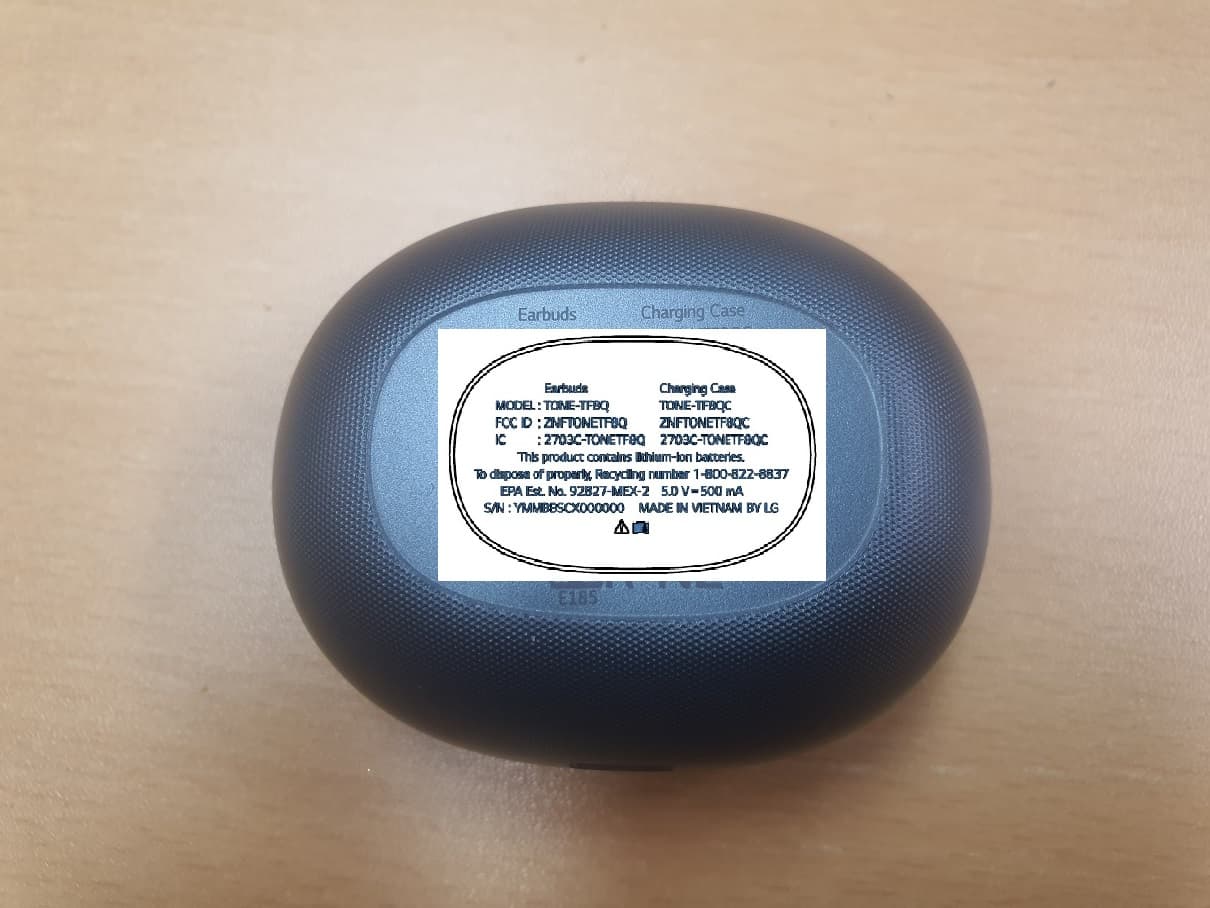
ZNFTONETF8QC
Jun 21, 2022Bluetooth Earbud (Cradle)
Equipment Class
JBP - Part 15 Class B Computing Device Peripheral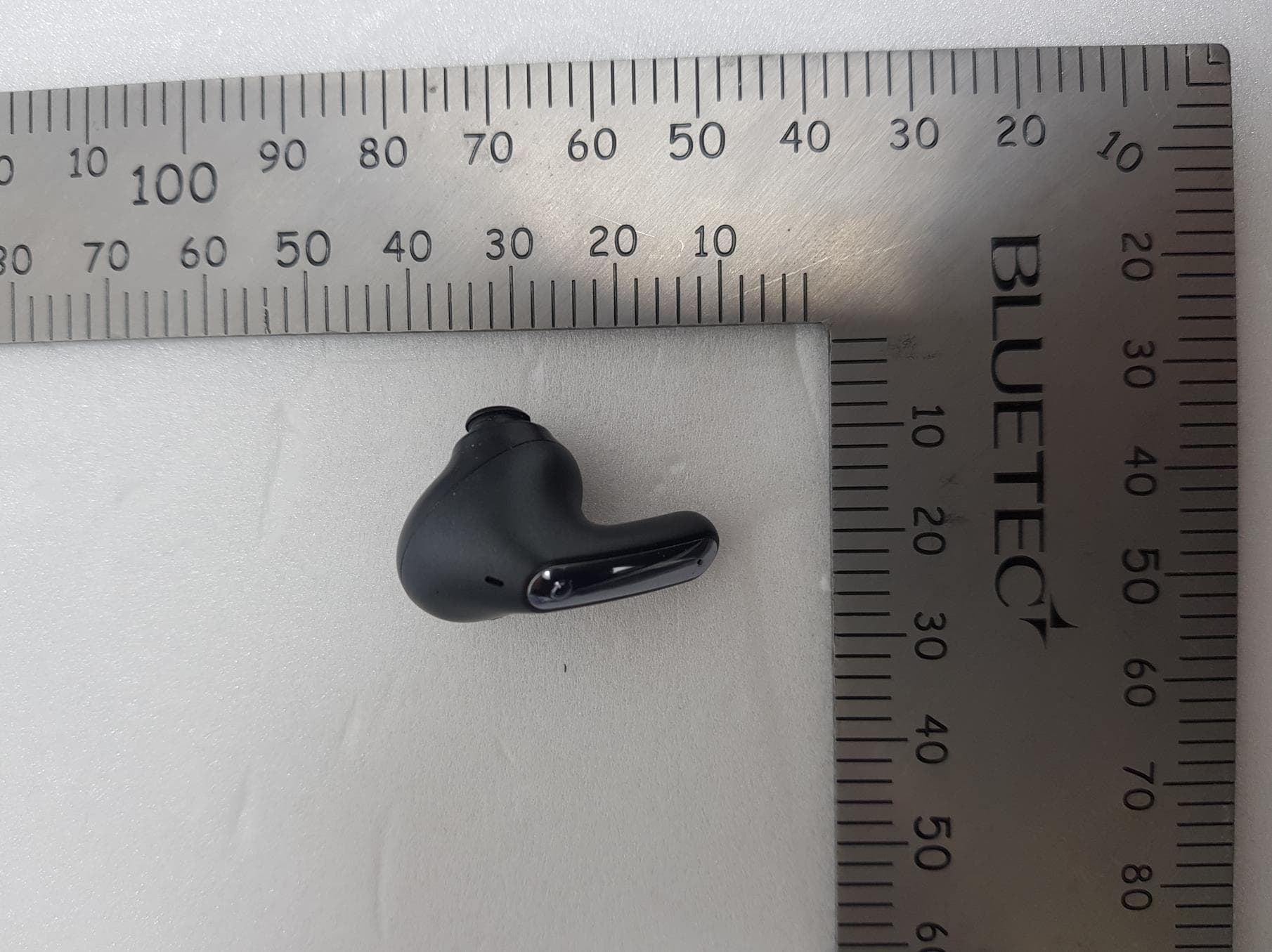
ZNFTONEFP8
May 30, 2021Bluetooth Earbud
Equipment Class
DTS - Digital Transmission System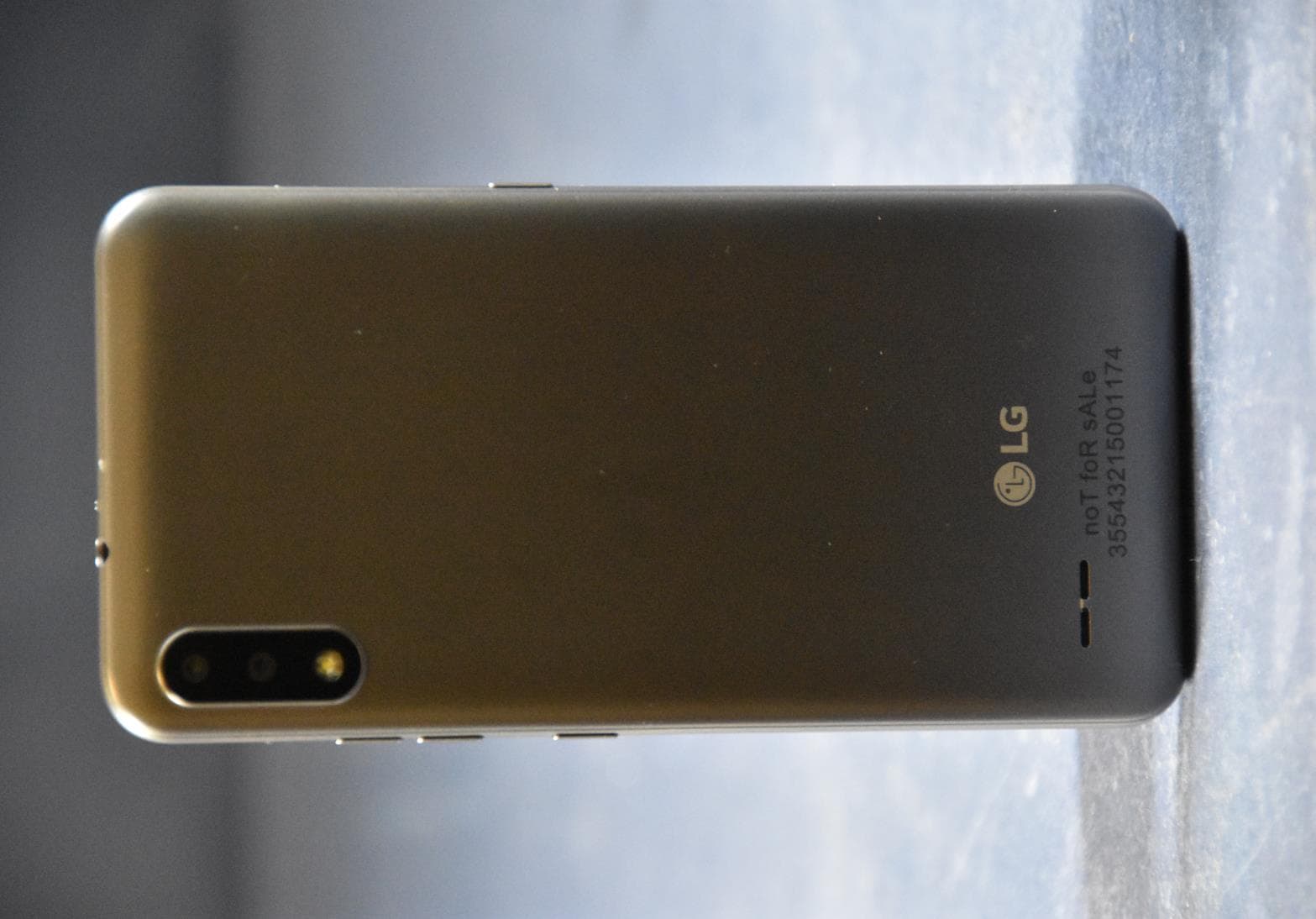
ZNFK200AM
Feb 18, 2021Portable Handset
Equipment Class
DSS - Part 15 Spread Spectrum Transmitter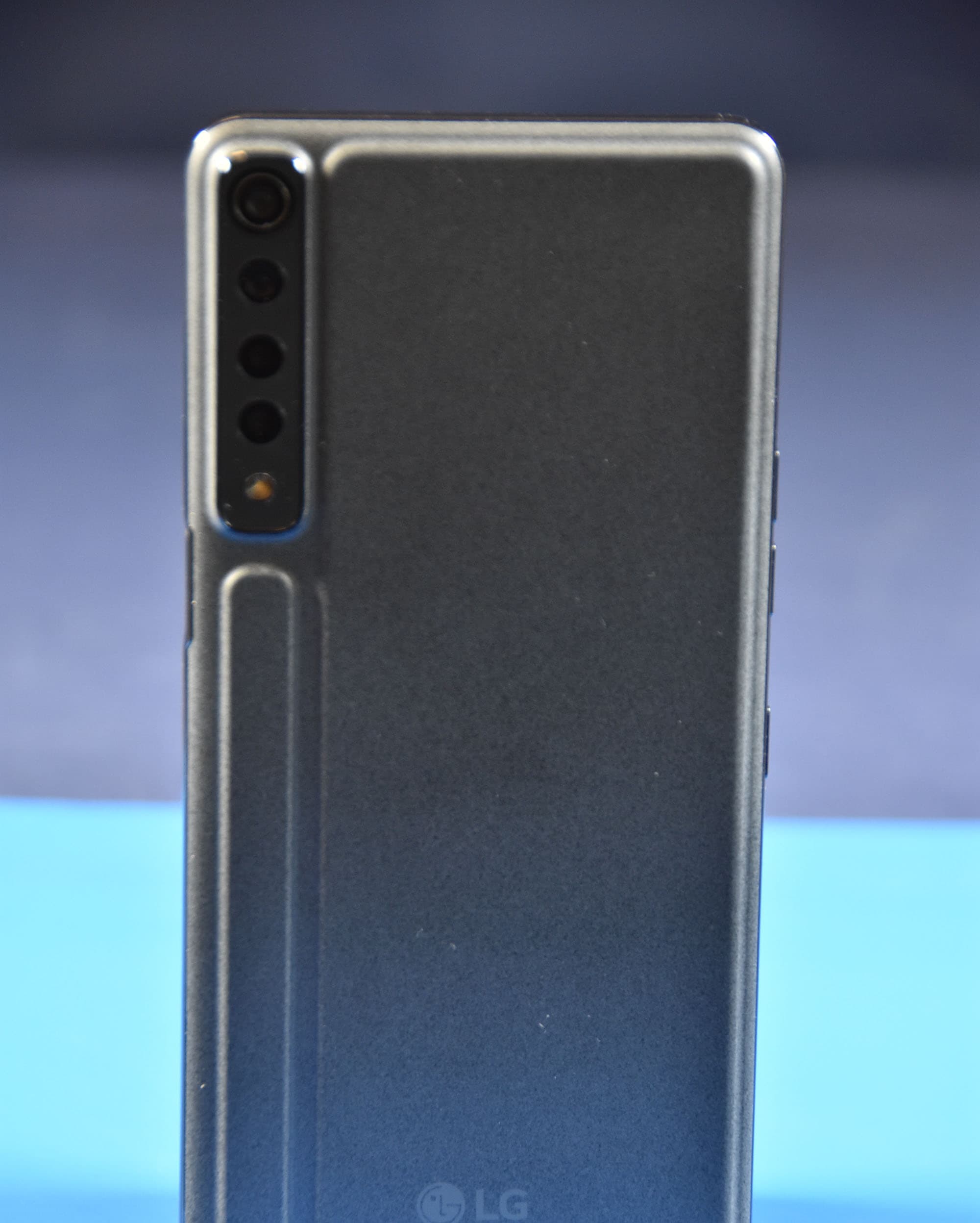
ZNFK735MM
Feb 10, 2021Portable Handset
Equipment Class
NII - Unlicensed National Information Infrastructure TX