ZTOBTE01Hearing Aid
Sonic Innovations, Inc.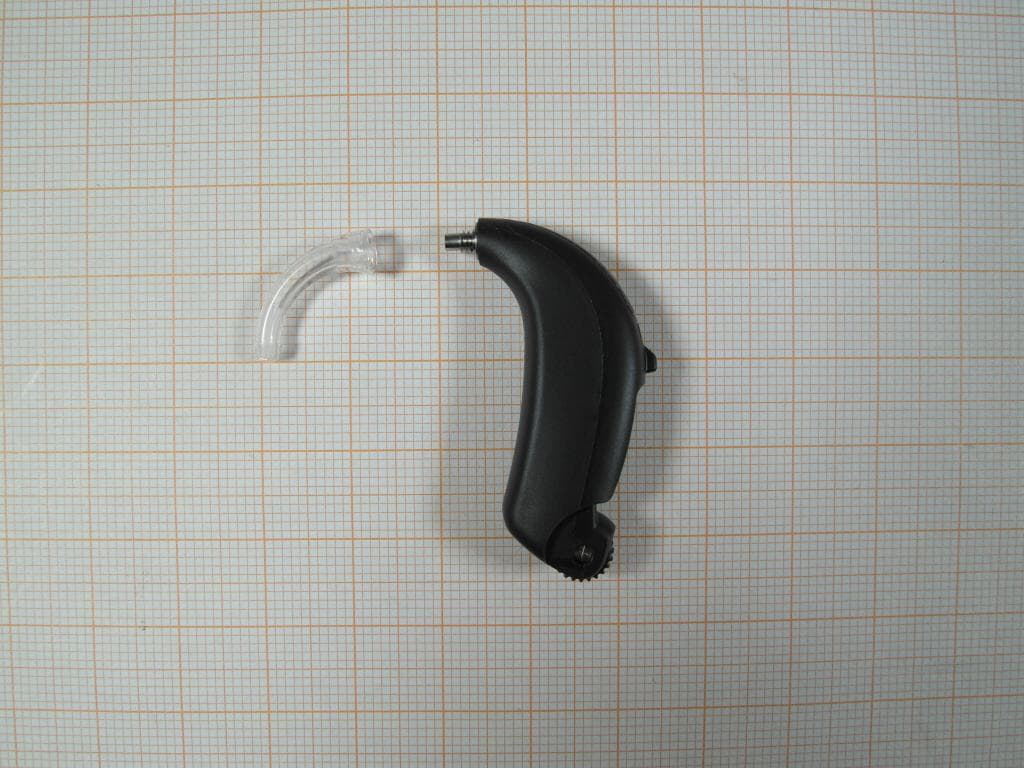
Click to zoom
Application Details
- Equipment Class
- DXX - Part 15 Low Power Communication Device Transmitter
- Date of Grant
- Sep 05, 2013
- Application Purpose
- Original Equipment
- Date of Application
- Sep 05, 2013
- Equipment Note
- Hearing Aid
- Frequency Range
- 3.84000000 - 3.84000000
- Company
- Sonic Innovations, Inc.
- Country
- United States
Documents & Files
Document Text
Text extracted from the exhibit documents filed with the FCC. Open a document above to read the original.
Users Manual
Charm BTE and miniBTE User Guide charm 02 SONIC · CHARM Hearing Instrument Style: r BTE r miniBTE Hearing Instrument Serial Number: Left Right Hearing Instrument Model: Left Right Battery Size: 13A Listening Program # Listening Environment 1 2 3 4 Right/Left Instruments Synchronized: r Active r Inactive Program Button: Program Button Mute: r Active r Inactive r Active r Inactive Preferred Telephone Ear: r Right r Left r Both Non-Telephone Ear Control r No change r Softer when telephone is in use r Mutes when telephone is in use BTE Volume Control: BTE Telecoil: r Active r Inactive r Active r Inactive 03 CHARM · USER GUIDE BTE AND miniBTE The following hearing instruments are covered in this User Guide: Charm BTE Charm miniBTE CH60 BTE CH60 MN CH40 BTE CH40 MN BL_ILLU_miniBTE_WithEarhook_BW_HI 3 BL_ILLU_BTE_WithEarhook_BW_HI 3 04 SONIC · CHARM 05 CHARM · USER GUIDE BTE AND miniBTE Table of Contents Congratulations on your purchase! 09 General Warnings and Safety Guidelines 10 Hearing Expectations 15 Your Charm BTE Hearing Instrument – with Earhook 18 Your Charm BTE Hearing Instrument – with Thin Tube 19 Your Charm miniBTE Hearing Instrument – with Thin Tube 20 Your Charm miniBTE Hearing Instrument – with Earhook and Earmold 21 Turning Your Hearing Instrument OFF and ON 22 Putting On Your Hearing Instrument – Thin Tube 24 Taking Off Your Hearing Instrument – Thin Tube 25 Putting On Your Hearing Instrument – Earhook 26 Taking Off Your Hearing Instrument – Earhook 27 Changing the Programs 28 Changing the Volume 30 Using the Telephone 32 Using the Telecoil 36 Changing the Battery 37 06 SONIC · CHARM 07 CHARM · USER GUIDE BTE AND miniBTE Audible Indicators 43 Safety Lock 44 Data Logging 46 Direct Audio Input and FM 47 Caring for Your Hearing Instruments 50 Operating Your Hearing Instrument with the RC-P Remote Control 56 Operating Your Hearing Instrument with the SoundGate Communication Device 57 Environmental Protection 58 Product Approval, Markings and Compliance 60 Cell Phone and Hearing Instrument Compatibility 62 Warranty and Repairs 64 Accessories 65 Common Problems and Solutions 66 Information for the Hearing Care Provider 70 Compliance with Requirements for Europe 72 Compliance with Radio Communications Requirements for the USA and Canada 73 Information and Explanation of Symbols 76 Service 78 08 SONIC · CHARM charm 09 CHARM · USER GUIDE BTE AND miniBTE Congratulations on your purchase! With a little practice, you will soon be on your way to better hearing. The amplification of sound provided by your hearing instruments was adjusted by your hearing care provider to the needs of your individual hearing loss. Please read the entire contents of this booklet before using your hearing instruments. It contains instructions and important information about the use and handling of your hearing instruments and batteries. With proper use and care, your hearing instruments will improve your connection with the world around you. 10 SONIC · CHARM General Warnings and Safety Guidelines Hearing instruments and batteries can be dangerous if swallowed or improperly used. Such actions can result in severe injury, permanent hearing loss or even fatality. Familiarize yourself completely with the following general warnings and safety guidelines before using your hearing instruments. Hazard warnings Never allow others to wear your hearing instruments. They are adjusted for your hearing requirements and may permanently damage another person’s hearing. Avoid wearing your hearing instrument while playing contact sports (e.g., rugby, football, etc.), since a strike to the ear could be harmful. Hearing instruments, their parts and batteries should be kept out of reach of infants, children, and anyone who might swallow these items or otherwise cause themselves injury. Take care when changing and discarding batteries to keep them out of reach of infants, children, persons of mental incapacity or pets. 11 CHARM · USER GUIDE BTE AND miniBTE Clean your hearing instruments and their parts on a regular basis as recommended. Micro-organisms from unclean instruments may cause skin irritations. Be careful with leaking battery liquid, as it is a hazardous substance. Never attempt to recharge non-rechargeable batteries. Be aware of the possibility that your hearing instruments may stop functioning without notice. Keep this in mind while you circulate in traffic or otherwise depend on warning sounds. Remove your instruments before applying aftershave, hairspray, oils, perfume, mosquito repellent, lotions, etc. Allow the product to dry before wearing your instruments. Traffic or other warning sounds may be reduced in level by a directional microphone when these sounds are coming from behind you. 12 SONIC · CHARM Warnings to hearing care provider and patient Special care should be taken when fitting and using a hearing instrument with maximum sound pressure capability in excess of 132 dB SPL (IEC 60318-4) since there may be a risk of impairing the remaining hearing of the patient. When the DAI is connected to AC-powered equipment, this equipment must comply with IEC-60601-1 or equivalent safety standards. 13 CHARM · USER GUIDE BTE AND miniBTE Safety information ·Hearing instruments should be used only as directed and adjusted by your trained hearing care provider. Misuse or improper adjustments can result in sudden and permanent hearing loss. ·Never put your hearing instrument or batteries in your mouth, as they could easily be swallowed ·Keep batteries away from medications, since they can easily be mistaken for pills ·In the event that a battery or hearing instrument is swallowed, see a doctor immediately ·Be aware that use of a hearing instrument may cause excess earwax to build up in the ear canal which may require removal by a trained medical professional ·Consult your physician if excessive earwax, skin irritation, or a foreign object prevents you from wearing your hearing instrument ·An Earmold is a custom-made product. …
Text truncated - open the document above for the full version.
Users Manual
Bliss BTE and miniBTE User Guide bliss bliss 02 SONIC · BLISS Hearing Instrument Style: r BTE r miniBTE Hearing Instrument Serial Number: Left Right Hearing Instrument Model: Left Right Battery Size: 13A Listening Program # Listening Environment 1 2 3 4 Right/Left Instruments Synchronized: r Active r Inactive Program Button: Program Button Mute: r Active r Inactive r Active r Inactive Preferred Telephone Ear: r Right r Left r Both Non-Telephone Ear Control r No change r Softer when telephone is in use r Mutes when telephone is in use BTE Volume Control: BTE Telecoil: r Active r Inactive r Active r Inactive 03 BLISS · USER GUIDE BTE AND miniBTE The following hearing instruments are covered in this User Guide: Bliss BTE Bliss miniBTE BL100 BTE BL100 MN BL80 BTE BL80 MN BL_ILLU_miniBTE_WithEarhook_BW_HI 3 BL_ILLU_BTE_WithEarhook_BW_HI 3 04 SONIC · BLISS 05 BLISS · USER GUIDE BTE AND miniBTE Table of Contents Congratulations on your purchase! 09 General Warnings and Safety Guidelines 10 Hearing Expectations 15 Your Bliss BTE Hearing Instrument – with Earhook 18 Your Bliss BTE Hearing Instrument – with Thin Tube 19 Your Bliss miniBTE Hearing Instrument – with Thin Tube 20 Your Bliss miniBTE Hearing Instrument – with Earhook and Earmold 21 Turning Your Hearing Instrument OFF and ON 22 Putting On Your Hearing Instrument – Thin Tube 24 Taking Off Your Hearing Instrument – Thin Tube 25 Putting On Your Hearing Instrument – Earhook 26 Taking Off Your Hearing Instrument – Earhook 27 Changing the Programs 28 Changing the Volume 30 Using the Telephone 32 Using the Telecoil 36 Changing the Battery 37 06 SONIC · BLISS 07 BLISS · USER GUIDE BTE AND miniBTE Audible Indicators 43 Safety Lock 44 Data Logging and Learning 46 Direct Audio Input and FM 47 Caring for Your Hearing Instruments 50 Operating Your Hearing Instrument with the RC-P Remote Control 56 Operating Your Hearing Instrument with the SoundGate Communication Device 57 Environmental Protection 58 Product Approval, Markings and Compliance 60 Cell Phone and Hearing Instrument Compatibility 62 Warranty and Repairs 64 Accessories 65 Common Problems and Solutions 66 Information for the Hearing Care Provider 70 Compliance with Requirements for Europe 72 Compliance with Radio Communications Requirements for the USA and Canada 73 Information and Explanation of Symbols 76 Service 78 08 SONIC · BLISS bliss 09 BLISS · USER GUIDE BTE AND miniBTE Congratulations on your purchase! With a little practice, you will soon be on your way to better hearing. The amplification of sound provided by your hearing instruments was adjusted by your hearing care provider to the needs of your individual hearing loss. Please read the entire contents of this booklet before using your hearing instruments. It contains instructions and important information about the use and handling of your hearing instruments and batteries. With proper use and care, your hearing instruments will improve your connection with the world around you. 10 SONIC · BLISS General Warnings and Safety Guidelines Hearing instruments and batteries can be dangerous if swallowed or improperly used. Such actions can result in severe injury, permanent hearing loss or even fatality. Familiarize yourself completely with the following general warnings and safety guidelines before using your hearing instruments. Hazard warnings Never allow others to wear your hearing instruments. They are adjusted for your hearing requirements and may permanently damage another person’s hearing. Avoid wearing your hearing instrument while playing contact sports (e.g., rugby, football, etc.), since a strike to the ear could be harmful. Hearing instruments, their parts and batteries should be kept out of reach of infants, children, and anyone who might swallow these items or otherwise cause themselves injury. Take care when changing and discarding batteries to keep them out of reach of infants, children, persons of mental incapacity or pets. 11 BLISS · USER GUIDE BTE AND miniBTE Clean your hearing instruments and their parts on a regular basis as recommended. Micro-organisms from unclean instruments may cause skin irritations. Be careful with leaking battery liquid, as it is a hazardous substance. Never attempt to recharge non-rechargeable batteries. Be aware of the possibility that your hearing instruments may stop functioning without notice. Keep this in mind while you circulate in traffic or otherwise depend on warning sounds. Remove your instruments before applying aftershave, hairspray, oils, perfume, mosquito repellent, lotions, etc. Allow the product to dry before wearing your instruments. Traffic or other warning sounds may be reduced in level by a directional microphone when these sounds are coming from behind you. 12 SONIC · BLISS Warnings to hearing care provider and patient Special care should be taken when fitting and using a hearing instrument with maximum sound pressure capability in excess of 132 dB SPL (IEC 60318-4) since there may be a risk of impairing the remaining hearing of the patient. When the DAI is connected to AC-powered equipment, this equipment must comply with IEC-60601-1 or equivalent safety standards. 13 BLISS · USER GUIDE BTE AND miniBTE Safety information ·Hearing instruments should be used only as directed and adjusted by your trained hearing care provider. Misuse or improper adjustments can result in sudden and permanent hearing loss. ·Never put your hearing instrument or batteries in your mouth, as they could easily be swallowed ·Keep batteries away from medications, since they can easily be mistaken for pills ·In the event that a battery or hearing instrument is swallowed, see a doctor immediately ·Be aware that use of a hearing instrument may cause excess earwax to build up in the ear canal which may require removal by a trained medical professional ·Consult your physician if excessive earwax, skin irritation, or a foreign object prevents you from wearing your hearing instrument ·An Earmold is a …
Text truncated - open the document above for the full version.
External Photos
Test report no.: 1-6353/13-01-01_AnnexA 2013-08-23 Page 5 of 13 External ph ot ogra phs o f the E UT Photo documentation: Photo 1: Photo 2: Test report no.: 1-6353/13-01-01_AnnexA 2013-08-23 Page 6 of 13 Photo 3: Photo 4: Test report no.: 1-6353/13-01-01_AnnexA 2013-08-23 Page 7 of 13 External ph ot ogra phs o f the E UT Photo documentation: Photo 1: Photo 2: Test report no.: 1-6353/13-01-01_AnnexA 2013-08-23 Page 8 of 13 Photo 3: Photo 4:
ID Label/Location Info
888 83 013 Designation Drawing No of shts. Sheet No. This drawing must not be passed on t o any person not authorized by us to receive it nor copied or otherwise made use of by such person without our author ity All dimensions in millimetres. unless otherwise specified. Sheet description Scale ABCDEFGH ABCD 1 2 3 4 5 6 1 2 3 4 5 A3 RevisionCategory E 19.150.30 5.700.10 3.20 0.10 R 0.20 0.05 X X Y X Y Y 5:1 - InitialsDate BTE, VC PS 1 1 Originated by: PWA 09-04-2013 Revised by: Ver. 6 DOC-00023923A0 3 Drawn without battery door and lock for battery on/off Adapter (2) enclosed in blister Marking origin Numberplate laser marked according to K-specification Outline laser cut SCALE 1:1 Brand logo and model name laser marked according to K-specification Marking origin 1 A4 RevisionCategory 6 ()5.8 1.30 0.10 0.90 0.10 1.30 0.20 unless otherwise specified. All dimensions in millimetres. it nor copied or otherwise made use of by such person without our author ity This drawing must not be passed on t o any person not authorized by us to receive Scale Sheet description Sheet No. shts.of Drawing No Designation 888 83 013 ABCD 1 2 3 4 5 10:1 - InitialsDate BL100 BTE marking 1 1 Originated by: PWA 09-04-2013 Revised by: Ver. 1 DOC-00023925K0 Marking to be filled. Model name font arial narrow or equivalent. Brand logo marking according to electronical .dxf file. X Y Marking origin A4 RevisionCategory 6 ()5.8 1.30 0.10 0.90 0.10 1.30 0.20 unless otherwise specified. All dimensions in millimetres. it nor copied or otherwise made use of by such person without our author ity This drawing must not be passed on t o any person not authorized by us to receive Scale Sheet description Sheet No. shts.of Drawing No Designation 888 83 013 ABCD 1 2 3 4 5 10:1 - InitialsDate BL80 BTE marking 1 1 Originated by: PWA 16-05-2013 Revised by: Ver. 1 DOC-00029731K0 Marking to be filled. Model name font arial narrow or equivalent. Brand logo marking according to electronical .dxf file. X Y Marking origin A4 RevisionCategory 6 ()5.8 1.30 0.10 0.90 0.10 1.30 0.20 unless otherwise specified. All dimensions in millimetres. it nor copied or otherwise made use of by such person without our author ity This drawing must not be passed on t o any person not authorized by us to receive Scale Sheet description Sheet No. shts.of Drawing No Designation 888 83 013 ABCD 1 2 3 4 5 10:1 - InitialsDate CH60 BTE marking 1 1 Originated by: PWA 16-05-2013 Revised by: Ver. 1 DOC-00029732K0 Marking to be filled. Model name font arial narrow or equivalent. Brand logo marking according to electronical .dxf file. X Y Marking origin
Internal Photos
Test report no.: 1-6353/13-01-01_AnnexA 2013-08-23 Page 10 of 13 Photo 7: Photo 8: Test report no.: 1-6353/13-01-01_AnnexA 2013-08-23 Page 11 of 13 Photo 9: Photo 10: Test report no.: 1-6353/13-01-01_AnnexA 2013-08-23 Page 12 of 13 Photo 11: Test report no.: 1-6353/13-01-01_AnnexA 2013-08-23 Page 13 of 13 Docu men t his to r y Version Applied changes Date of release 1.0 Initial release 2013-08-23
Test Report
2013-08-23 Page 1 of 20 TEST REPORT Test report no.: 1-6353/13-01-07 Testing laboratory Applicant CETECOM ICT Services GmbH Untertuerkheimer Strasse 6 – 10 66117 Saarbruecken / Germany Phone: + 49 681 5 98 - 0 Fax: + 49 681 5 98 - 9075 Internet: http://www.cetecom.com e-mail: [email protected] Accredited Testing Laboratory: The testing laboratory (area of testing) is accredited according to DIN EN ISO/IEC 17025 (2005) by the Deutsche Akkreditierungsstelle GmbH (DAkkS) The accreditation is valid for the scope of testing procedures as stated in the accreditation certificate with the registration number: D-PL-12076-01-01 Area of Testing: Radio/Satellite Communications Sonic Innovations Inc. 2501 Cottontail Lane Somerset, NJ 08873 / UNITED STATES Contact: Joe Lugara e-mail: [email protected] Phone: +1 73 25 60 32 20 Manufacturer Bernafon AG Morgenstraße 131 3018 Bern / SWITZERLAND Test standard/s 47 CFR 15 Title 47 of the Code of Federal Regulations; Chapter I; Part 15 - Radio frequency devices RSS - 210 Issue 8 Spectrum Management and Telecommunications - Radio Standards Specification Low-power Licence-exempt Radiocommunication Devices (All Frequency Bands): Category I Equipment RSS Gen Issue 3 Spectrum Management and Telecommunications Radio Standards Specifications - General Requirements and Information for the Certification of Radio Apparatus For further applied test standards please refer to section 3 of this test report. Test Item Kind of test item: BTE Hearing Aid Model name: BL100 BTE, BL80 BTE, CH60 BTE FCC ID: ZTOBTE01 IC: 9799A-BTE01 Frequency: 3.84 MHz Technology tested: proprietary Antenna: Integrated antenna Power supply: 1.4V DC by Zinc Air Button Cell Hearing Aid Battery Temperature range: 0°C to +40°C This test report is electronically signed and valid without handwriting signature. For verification of the electronic signatures, the public keys can be requested at the testing laboratory. Test report authorised: Test performed: p.o. Andreas Luckenbill Christoph Schneider Expert Expert Test report no.: 1-6353/13-01-07 2013-08-23 Page 2 of 20 1 Table of contents 1 Table of contents ............................................................................................................................................ 2 2 General information ....................................................................................................................................... 3 2.1 Notes and disclaimer .......................................................................................................................... 3 2.2 Application details ............................................................................................................................... 3 3 Test standard/s ............................................................................................................................................... 3 4 Test environment ............................................................................................................................................ 4 5 Test item .......................................................................................................................................................... 4 5.1 Additional information ........................................................................................................................ 4 6 Test laboratories sub-contracted ................................................................................................................. 4 7 Summary of measurement results ............................................................................................................... 5 8 RF measurements .......................................................................................................................................... 6 8.1 Description of test setup .................................................................................................................... 6 8.1.1 Radiated measurements............................................................................................................. 6 8.2 Additional comments .......................................................................................................................... 7 8.3 RSP100 test report cover sheet / performance test data ................................................................ 8 9 Measurement results ...................................................................................................................................... 9 9.1 Bandwidth of the modulated carrier .................................................................................................. 9 9.2 Field strength of the fundamental ................................................................................................... 11 9.3 Fieldstrength of the harmonics and spurious ................................................................................ 12 9.4 Receiver spurious emissions ........................................................................................................... 15 10 Test equipment and ancillaries used for tests ................................................................................... 18 11 Observations ......................................................................................................................................... 18 Annex A Document history .......................................................................................................................... 19 Annex B Further information ........................................................................................................................ 19 Annex C Accreditation Certificate ............................................................................................................... 20 Test report no.: 1-6353/13-01-07 2013-08-23 Page 3 of 20 2 General information 2.1 Notes and disclaimer The test results of this test report rel…
Text truncated - open the document above for the full version.
Test Setup Photos
Test report no.: 1-6353/13-01-01_AnnexA 2013-08-23 Page 1 of 13 Annex A This test report annex is electronically signed and valid without handwriting signature. For verification of the electronic signatures, the public keys can be requested at the testing laboratory. Test report annex authorised: p.o. Christoph Schneider Expert Test report no.: 1-6353/13-01-01_AnnexA 2013-08-23 Page 2 of 13 Pho tog raphs o f t h e test se tu p Photo documentation: Photo 1: Photo 2: Test report no.: 1-6353/13-01-01_AnnexA 2013-08-23 Page 3 of 13 Photo 3: Photo 4: Test report no.: 1-6353/13-01-01_AnnexA 2013-08-23 Page 4 of 13 Photo 5:
Contact Information
Applicant
Per Klaus Nielsen(Certification Manager)
Test Firm
cetecom advanced GmbHGerald Schmidt
Technical Specifications
| # | Rule Parts | Frequency Range | Power Output |
|---|---|---|---|
| 1 | 15C | 3.84 MHz - 3.84 MHz | - |
Other Applications from Sonic Innovations, Inc.
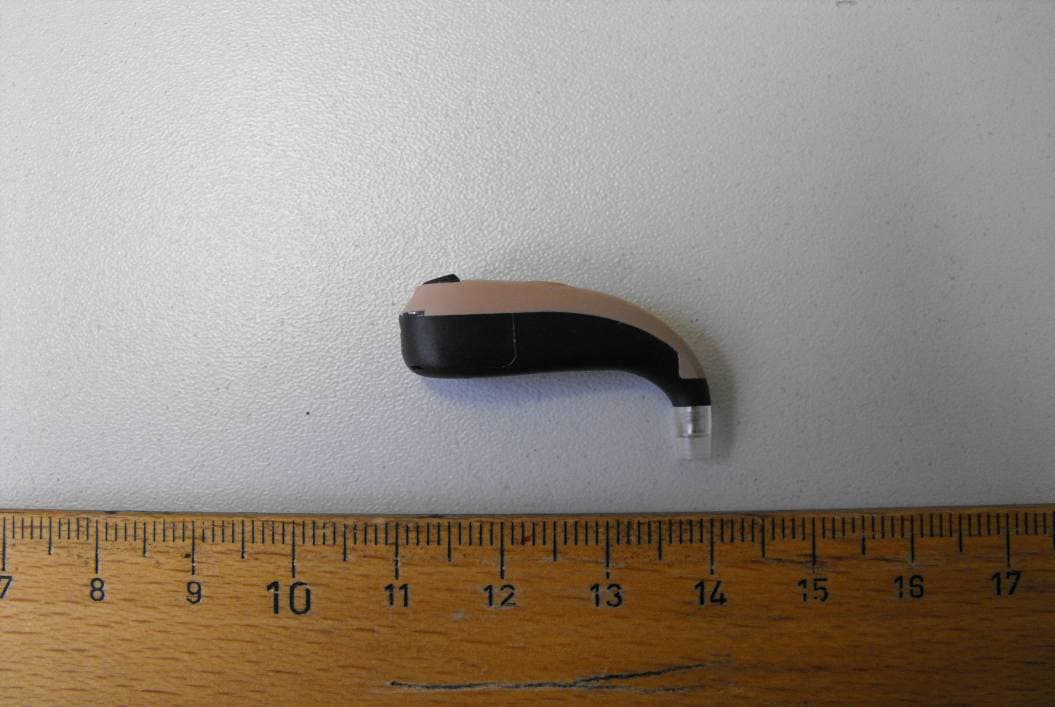
ZTOMBTE1
Dec 19, 2012Wireless Hearing Instrument
Equipment Class
DXX - Part 15 Low Power Communication Device Transmitter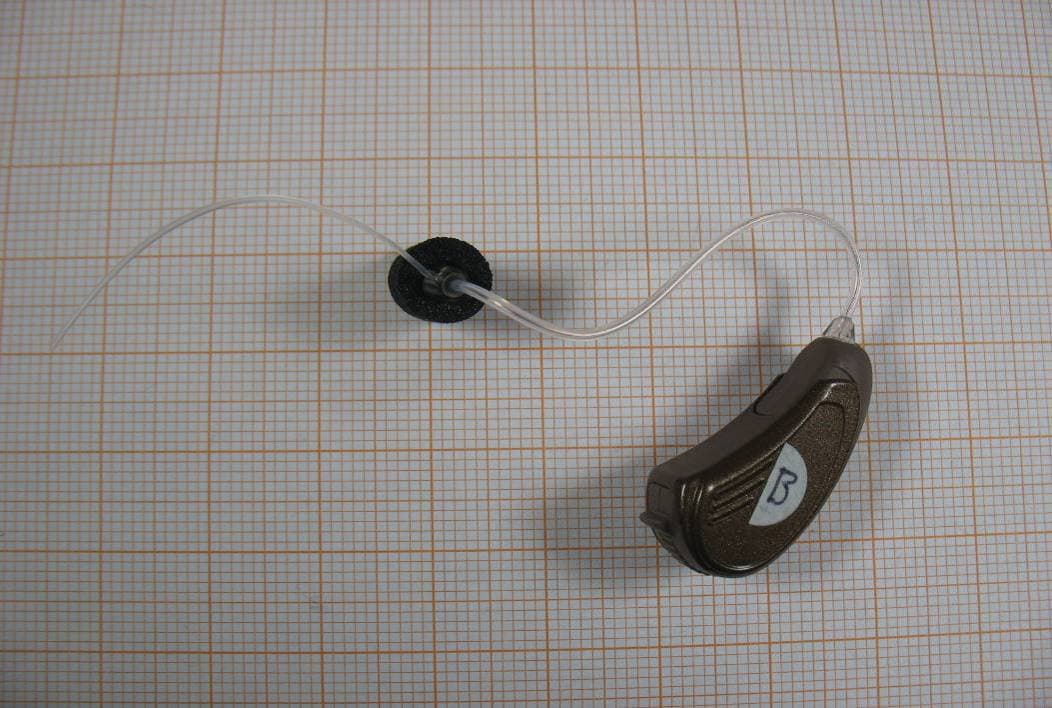
ZTOFLIP1
Dec 11, 2011Flip Rite BTE
Equipment Class
DXX - Part 15 Low Power Communication Device Transmitter