2AAVGHMG00050DAWN50BT, PW50BT
Kustom Musical Amplification INC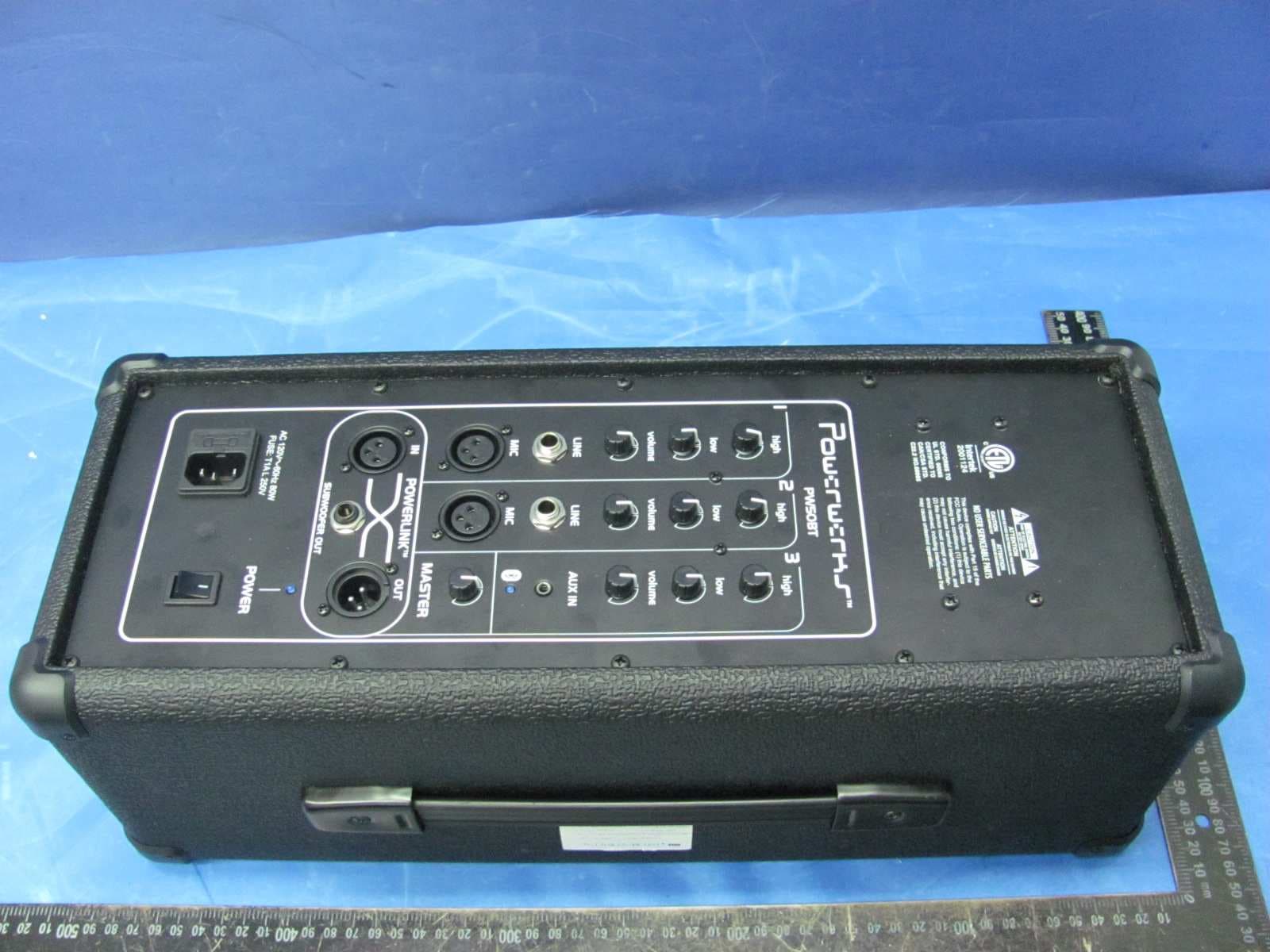
Click to zoom
Application Details
- Equipment Class
- DSS - Part 15 Spread Spectrum Transmitter
- Date of Grant
- Mar 27, 2014
- Application Purpose
- Original Equipment
- Date of Application
- Mar 26, 2014
- Equipment Note
- DAWN50BT, PW50BT
- Frequency Range
- 2402.00000000 - 2480.00000000
- Country
- United States
Documents & Files
Document Text
Text extracted from the exhibit documents filed with the FCC. Open a document above to read the original.
Users Manual
DAWN50BT OWNER’S MANUAL FCC ID: 2AAVGHMG00050; IC ID: 11349A-HMG00050 Caution: This device complies with Part 15 of the FCC Rules / Industry Canada licence-exempt RSS standard(s). Operation is subject to the following two conditions: (1) this device may not cause harmful interference, and (2) this device must accept any interference received, including interference that may cause undesired operation. Le présent appareil est conforme aux CNR d'Industrie Canada applicables aux appareils radio exempts de licence. L'exploitation est autorisée aux deux conditions suivantes : (1) l'appareil ne doit pas produire de brouillage, et (2) l'utilisateur de l'appareil doit accepter tout brouillage radioélectrique subi, même si le brouillage est susceptible d'en compromettre le fonctionnement. Changes or modifications not expressly approved by the party responsible for compliance could void the user's authority to operate the equipment. This equipment has been tested and found to comply with the limits for a Class B digital device, pursuant to part 15 of the FCC Rules. These limits are designed to provide reasonable protection against harmful interference in a residential installation. This equipment generates uses and can radiate radio frequency energy and, if not installed and used in accordance with the instructions, may cause harmful interference to radio communications. However, there is no guarantee that interference will not occur in a particular installation. If this equipment does cause harmful interference to radio or television reception, which can be determined by turning the equipment off and on, the user is encouraged to try to correct the interference by one or more of the following measures: —Reorient or relocate the receiving antenna. —Increase the separation between the equipment and receiver. —Connect the equipment into an outlet on a circuit different from that to which the receiver is connected. —Consult the dealer or an experienced radio/TV technician for help. Under Industry Canada regulations, this radio transmitter may only operate using an antenna of a type and maximum (or lesser) gain approved for the transmitter by Industry Canada. To reduce potential radio interference to other users, the antenna type and its gain should be so chosen that the equivalent isotropically radiated power (e.i.r.p.) is not more than that necessary for successful communication. Conformément à la réglementation d'Industrie Canada, le présent émetteur radio peut fonctionner avec une antenne d'un type et d'un gain maximal (ou inférieur) approuvé pour l'émetteur par Industrie Canada. Dans le but de réduire les risques de brouillage radioélectrique à l'intention des autres utilisateurs, il faut choisir le type d'antenne et son gain de sorte que la puissance isotrope rayonnée équivalente (p.i.r.e.) ne dépasse pas l'intensité nécessaire à l'établissement d'une communication satisfaisante. MPE Reminding To satisfy FCC / IC RF exposure requirements, a separation distance of 20 cm or more should be maintained between the antenna of this device and persons during device operation.To ensure compliance, operations at closer than this distance is not recommended. Les antennes installées doivent être situées de facon à ce que la population ne puisse y être exposée à une distance de moin de 20 cm. Installer les antennes de facon à ce que le personnel ne puisse approcher à 20 cm ou moins de la position centrale de l’ antenne. La FCC des éltats-unis stipule que cet appareil doit être en tout temps éloigné d’au moins 20 cm des personnes pendant son functionnement. IMPORTANT SAFETY INSTRUCTIONS Danger Exposure to extremely high noise levels may cause a permanent hearing loss. Individuals vary considerably to noise induced hearing loss but nearly everyone will lose some hearing if exposed to sufficiently intense noise for a sufficient time. The U.S. Government's Occupational Safety and Health Administration (OSHA) has specified the following permissible noise level exposures: DURATION PER DAY (HOURS) 8 6 4 3 2 1 SOUND LEVEL (dB) 90 93 95 97 100 103 According to OSHA, any exposure in the above permissible limits could result in some hearing loss. Earplugs or protectors in the ear canal or over the ears must be worn when operating this amplification system in order to prevent a permanent hearing loss. If exposure in excess of the limits as put forth above, to insure against potentially harmful exposure to high sound pressure levels, it is recommended that all persons exposed to equipment capable of inducing high sound pressure levels, such as this amplification system, be protected by hearing protectors while this unit is in operation. THIS SYMBOL IS INTENDED TO ALERT THE USER TO THE PRESENCE OF NON-INSULATED "DANGEROUS VOLTAGE" WITHIN THE PRODUCT'S ENCLOSURE THAT MAY BE OF SUFFICIENT MAGNITUDE TO CONSTITUTE A RISK OF ELECTRIC SHOCK TO PERSONS. THIS SYMBOL IS INTENDED TO ALERT THE USER TO THE PRESENCE OF IMPORTANT OPERATING AND MAINTENANCE (SERVICING) INSTRUCTIONS IN THE LITERATURE ACCOMPANYING THE UNIT. APPARATUS SHALL NOT BE EXPOSED TO DRIPPING OR SPLASHING AND THAT NO OBJECTS FILLED WITH LIQUIDS, SUCH AS VASES, SHALL BE PLACED ON THE APPARATUS. 1. Read all safety and operating instructions before using this product. 2. All safety and operating instructions should be kept for future reference. 3. Read and understand all warnings listed on the operating instructions. 4. Follow all operating instructions to operate this product. 5. This product should not be used near water, i.e. Bathtub, sink, swimming pool, wet basement, etc. 6. Only use dry cloth to clean this product. 7. Do not block any ventilation openings, It should not be placed flat against a wall or placed in a built-in enclosure that will impede the flow of cooling air. 8. Do not install this product near any heat sources; such as, radiators, heat registers, stove or other apparatus (including heat producing amplifiers) that produce heat. 9. Do not defeat the …
Text truncated - open the document above for the full version.
Users Manual
PW50BT Personal PA System Congratulations on the purchase of your PW50BT PERSONAL PA SYSTEM. Your PW50BT Model draws on decades of amp design and manufacturing experience at Powerwerks. This model was built from the ground up to offer world-class tone, useful features and reliable performance. Inside this manual, you’ll find valuable information about your product’s controls and specifications. Being familiar with its features will help you effectively use your system. We wish you many years of enjoyment with your Powerwerks PW50BT. FCC ID: 2AAVGHMG00050; IC ID: 11349A-HMG00050 Caution: This device complies with Part 15 of the FCC Rules / Industry Canada licence-exempt RSS standard(s). Operation is subject to the following two conditions: (1) this device may not cause harmful interference, and (2) this device must accept any interference received, including interference that may cause undesired operation. Le présent appareil est conforme aux CNR d'Industrie Canada applicables aux appareils radio exempts de licence. L'exploitation est autorisée aux deux conditions suivantes : (1) l'appareil ne doit pas produire de brouillage, et (2) l'utilisateur de l'appareil doit accepter tout brouillage radioélectrique subi, même si le brouillage est susceptible d'en compromettre le fonctionnement. Changes or modifications not expressly approved by the party responsible for compliance could void the user's authority to operate the equipment. This equipment has been tested and found to comply with the limits for a Class B digital device, pursuant to part 15 of the FCC Rules. These limits are designed to provide reasonable protection against harmful interference in a residential installation. This equipment generates uses and can radiate radio frequency energy and, if not installed and used in accordance with the instructions, may cause harmful interference to radio communications. However, there is no guarantee that interference will not occur in a particular installation. If this equipment does cause harmful interference to radio or television reception, which can be determined by turning the equipment off and on, the user is encouraged to try to correct the interference by one or more of the following measures: —Reorient or relocate the receiving antenna. —Increase the separation between the equipment and receiver. —Connect the equipment into an outlet on a circuit different from that to which the receiver is connected. —Consult the dealer or an experienced radio/TV technician for help. Under Industry Canada regulations, this radio transmitter may only operate using an antenna of a type and maximum (or lesser) gain approved for the transmitter by Industry Canada. To reduce potential radio interference to other users, the antenna type and its gain should be so chosen that the equivalent isotropically radiated power (e.i.r.p.) is not more than that necessary for successful communication. Conformément à la réglementation d'Industrie Canada, le présent émetteur radio peut fonctionner avec une antenne d'un type et d'un gain maximal (ou inférieur) approuvé pour l'émetteur par Industrie Canada. Dans le but de réduire les risques de brouillage radioélectrique à l'intention des autres utilisateurs, il faut choisir le type d'antenne et son gain de sorte que la puissance isotrope rayonnée équivalente (p.i.r.e.) ne dépasse pas l'intensité nécessaire à l'établissement d'une communication satisfaisante. MPE Reminding To satisfy FCC / IC RF exposure requirements, a separation distance of 20 cm or more should be maintained between the antenna of this device and persons during device operation.To ensure compliance, operations at closer than this distance is not recommended. Les antennes installées doivent être situées de facon à ce que la population ne puisse y être exposée à une distance de moin de 20 cm. Installer les antennes de facon à ce que le personnel ne puisse approcher à 20 cm ou moins de la position centrale de l’ antenne. La FCC des éltats-unis stipule que cet appareil doit être en tout temps éloigné d’au moins 20 cm des personnes pendant son functionnement. IMPORTANT SAFETY INSTRUCTIONS Danger Exposure to extremely high noise levels may cause a permanent hearing loss. Individuals vary considerably to noise induced hearing loss but nearly everyone will lose some hearing if exposed to sufficiently intense noise for a sufficient time. The U.S. Government's Occupational Safety and Health Administration (OSHA) has specified the following permissible noise level exposures: DURATION PER DAY (HOURS) 8 6 4 3 2 1 SOUND LEVEL (dB) 90 93 95 97 100 103 According to OSHA, any exposure in the above permissible limits could result in some hearing loss. Earplugs or protectors in the ear canal or over the ears must be worn when operating this amplification system in order to prevent a permanent hearing loss. If exposure in excess of the limits as put forth above, to insure against potentially harmful exposure to high sound pressure levels, it is recommended that all persons exposed to equipment capable of inducing high sound pressure levels, such as this amplification system, be protected by hearing protectors while this unit is in operation. THIS SYMBOL IS INTENDED TO ALERT THE USER TO THE PRESENCE OF NON-INSULATED "DANGEROUS VOLTAGE" WITHIN THE PRODUCT'S ENCLOSURE THAT MAY BE OF SUFFICIENT MAGNITUDE TO CONSTITUTE A RISK OF ELECTRIC SHOCK TO PERSONS. THIS SYMBOL IS INTENDED TO ALERT THE USER TO THE PRESENCE OF IMPORTANT OPERATING AND MAINTENANCE (SERVICING) INSTRUCTIONS IN THE LITERATURE ACCOMPANYING THE UNIT. APPARATUS SHALL NOT BE EXPOSED TO DRIPPING OR SPLASHING AND THAT NO OBJECTS FILLED WITH LIQUIDS, SUCH AS VASES, SHALL BE PLACED ON THE APPARATUS. 1. Read all safety and operating instructions before using this product. 2. All safety and operating instructions should be kept for future reference. 3. Read and understand all warnings listed on the operating instructions. 4. Follow all operating instructions to operate …
Text truncated - open the document above for the full version.
Cover Letter(s)
Kustom Musical Amplification INC. 3015 Kustom Drive , Hebron, KY 41048,USA Tel : 001-859- 817-7164 Fax. : 001-859- 817-7199 022311 – 6 Request for Confidentiality Date: __November 26, 2013_ Subject: Confidentiality Request for: _____FCC ID: 2AAVGHMG00050 & IC: 11349A-HMG00050______ Pursuant to FCC 47 CRF 0.457(d) and 0.459 and IC RSP-100, Section 10, the applicant requests that a part of the subject FCC application be held confidential. Type of Confidentiality Requested Exhibit Short Term Permanent Block Diagrams Short Term External Photos Short Term Permanent* 2 Internal Photos Short Term Permanent Operation Description/Theory of Operation Short Term Permanent Parts List & Placement/BOM Short Term Permanent Tune-Up Procedure Short Term Permanent Schematics Short Term Test Setup Photos Short Term Permanent* User’s Manual *Note: ______(Insert Explanation as Necessary)______ ____ Kustom Musical Amplification INC.____ has spent substantial effort in developing this product and it is one of the first of its kind in industry. Having the subject information easily available to "competition" would negate the advantage they have achieved by developing this product. Not protecting the details of the design will result in financial hardship. Permanent Confidentiality: The applicant requests the exhibits listed above as permanently confidential be permanently withheld from public review due to materials that contain trade secrets and proprietary information not customarily released to the public. Short-Term Confidentiality: The applicant requests the exhibits selected above as short term confidential be withheld from public view for a period of ___(specify number of days not to exceed 180 ) 3 ___ days from the date of the Grant of Equipment Authorization and prior to marketing. This is to avoid premature release of sensitive information prior to marketing or release of the product to the public. Applicant is also aware that they are responsible to notify ACB in the event information regarding the product or the product is made available to the public. ACB will then release the documents listed above for public disclosure pursuant to FCC Public Notice DA 04-1705. NOTE for Industry Canada Applications: The applicant understands that until such time that IC distinguishes between Short Term and Permanent Confidentiality, either type of marked exhibit above will simply be marked Confidential when submitted to IC. Sincerely, By: ________________________ Fred (Signature/Title 4 ) (Print name) 2 - The asterisked items (*) require further justification before permanent confidentiality will be allowed. These also currently require review by the FCC under their Permit-But-Ask policy before the grant is issued and can delay completion of an application. Further justification should be added to the note above. One such example for a potted device would be: “The EUT is FULLY potted using a non-removable epoxy based material. Removal of potting material causes irreparable damage to internal circuitry. See photographs exhibits that outline the device before and after potting.” 3 - Please refer to http://acbcert.com/documents/misc-docs/Memo-Short-Term-Vs-Standard-Confidentiality.pdf for complete details. 4 - Must be signed by applicant contact given for applicant on the FCC site, or by the authorized agent if an appropriate
Cover Letter(s)
Kustom Musical Amplification INC. 3015 Kustom Drive , Hebron, KY 41048,USA Tel : 001-859- 817-7164 Fax. : 001-859- 817-7199 022311 – 6 Authority to Act as Agent Date: November 26, 2013 American Certification Body, Inc. 6731 Whittier Avenue Suite C110 McLean, VA 22101 To Whom It May Concern: ______Intertek Shanghai_____ is authorized to act on our behalf, until otherwise notified, for applications to American Certification Body, Inc. (ACB). We certify that we are not subject to denial of federal benefits, that includes FCC benefits, pursuant to Section 5301 of the Anti-Drug Abuse Act of 1988, 21 U.S.C. 862. Further, no party, as defined in 47 CFR 1.2002 (b), to the application is subject to denial of federal benefits, that includes FCC benefits. Thank you, Agency Agreement Expiration Date: ____January 30, 2014____ By: __________________________ Fred (Signature 1 ) (Print name) Title: Engineering On behalf of: Kustom Musical Amplification INC. (Company Name) Telephone: +01 859-817-7164 1 - Must be signed by applicant contact given for applicant on the FCC site, or by the authorized agent if an appropriate authorized agent letter has been provided. Letters should be placed on appropriate letterhead.
External Photos
FCC ID: 2AAVGHMG00050 IC: 11349A-HMG00050 Page 1 of 3 External Picture FCC ID: 2AAVGHMG00050 IC: 11349A-HMG00050 Page 2 of 3 FCC ID: 2AAVGHMG00050 IC: 11349A-HMG00050 Page 3 of 3
Internal Photos
FCC ID: 2AAVGHMG00050 IC: 11349A-HMG00050 Page 1 of 5 Internal Picture FCC ID: 2AAVGHMG00050 IC: 11349A-HMG00050 Page 2 of 5 FCC ID: 2AAVGHMG00050 IC: 11349A-HMG00050 Page 3 of 5 FCC ID: 2AAVGHMG00050 IC: 11349A-HMG00050 Page 4 of 5 FCC ID: 2AAVGHMG00050 IC: 11349A-HMG00050 Page 5 of 5 RF module
Test Report
FCC ID: 2AAVGHMG00050 IC: 11349A-HMG00050 Page 1 of 53 EMC TEST REPORT for Intentional Radiator No. 130800486SHA-002 Applicant : Kustom Musical Amplification INC. 3015 Kustom Drive, Hebron, Kentucky, 41048 USA Manufacturer : Hangzhou Samko Electronics Co., Ltd. No. 8, Jiaqi Road, Xianlin Street, Yuhang District, Hangzhou, 311122 China Equipment : Power Amplifier Type/Model : DAWN50BT, PW50BT SUMMARY The equipment complies with the requirements according to the following standard(s): 47CFR Part 15 (2013): Radio Frequency Devices ANSI C63.4 (2009): American National Standard for Methods of Measurement of Radio- Noise Emissions from Low-Voltage Electrical and Electronic Equipment in the Range of 9 kHz to 40 GHz RSS-210 Issue 8 (December 2010): Low-power Licence-exempt Radiocommunication Devices (All Frequency Bands): Category I Equipment RSS-Gen Issue 3 (December 2010): General Requirements and Information for the Certification of Radiocommunication Equipment Date of issue: March 16, 2014 Prepared by: Reviewed by: Anthony Shen (Project Engineer) Daniel Zhao (Reviewer) FCC ID: 2AAVGHMG00050 IC: 11349A-HMG00050 Page 2 of 53 Description of Test Facility Name: Intertek Testing Services Ltd. Shanghai Address: Building No.86, 1198 Qinzhou Road(North), Shanghai 200233, P.R. China FCC Registration Number: 236597 IC Assigned Code: 2042B-1 Name of contact: Steve Li Tel: +86 21 64956565 ext. 214 Fax: +86 21 54262335 ext. 214 FCC ID: 2AAVGHMG00050 IC: 11349A-HMG00050 Page 3 of 53 Content SUMMARY.......................................................................................................................................................... 1 DESCRIPTION OF TEST FACILITY......................................................................................................................... 2 1. GENERAL INFORMATION............................................................................................................................ 5 1.1 Applicant Information..................................................................................................... 5 1.2 Identification of the EUT ................................................................................................ 5 1.3 Technical specification ................................................................................................... 6 1.4 Mode of operation during the test / Test peripherals used.............................................. 6 2. TEST SPECIFICATION.................................................................................................................................. 7 2.1 Instrument list ................................................................................................................. 7 2.2 Test Standard .................................................................................................................. 7 2.3 Test Summary ................................................................................................................. 8 3. 20 DB BANDWIDTH...................................................................................................................................... 9 3.1 Limit................................................................................................................................ 9 3.2 Test Configuration .......................................................................................................... 9 3.3 Test Procedure and test setup.......................................................................................... 9 3.4 Test Protocol ................................................................................................................. 10 4. CARRIER FREQUENCY SEPARATION........................................................................................................ 14 4.1 Limit.............................................................................................................................. 14 4.2 Test Configuration ........................................................................................................ 14 4.3 Test Procedure and test setup........................................................................................ 14 4.4 Test Protocol ................................................................................................................. 15 5. MAXIMUM PEAK OUTPUT POWER............................................................................................................. 19 5.1 Test limit ....................................................................................................................... 19 5.2 Test Configuration ........................................................................................................ 19 5.3 Test procedure and test setup ........................................................................................ 19 5.4 Test protocol ................................................................................................................. 20 6. RADIATED SPURIOUS EMISSIONS.............................................................................................................. 24 6.1 Test limit ....................................................................................................................... 24 6.2 Test Configuration ........................................................................................................ 24 6.3 Test procedure and test setup ........................................................................................ 25 6.4 Test protocol ................................................................................................................. 26 7. CONDUCTED SPURIOUS EMISSIONS & BAND EDGE................................................................................. 30 7.1 Limit.............................................................................................................................. 30 7.2 Test Con…
Text truncated - open the document above for the full version.
Test Setup Photos
FCC ID: 2AAVGHMG00050 IC: 11349A-HMG00050 Page 1 of 2 Test Setup FCC ID: 2AAVGHMG00050 IC: 11349A-HMG00050 Page 2 of 2 1. Radiated Emission 30MHz-1000MHz Higher than 1GHz
Contact Information
Applicant
Fred J Conrad
Technical Contact
Intertek Testing Services Limited ShanghaiAnthony Shen
[email protected]86-21-61278273
Building No.86, 1198 Qinzhou Road(North) · Shanghai · China
Test Firm
Intertek Testing Services Limited ShanghaiJonny Jing
Technical Specifications
| # | Rule Parts | Frequency Range | Power Output |
|---|---|---|---|
| 1 | 15C | 2.40 GHz - 2.48 GHz | 630.00 µW |
Other Applications from Kustom Musical Amplification INC
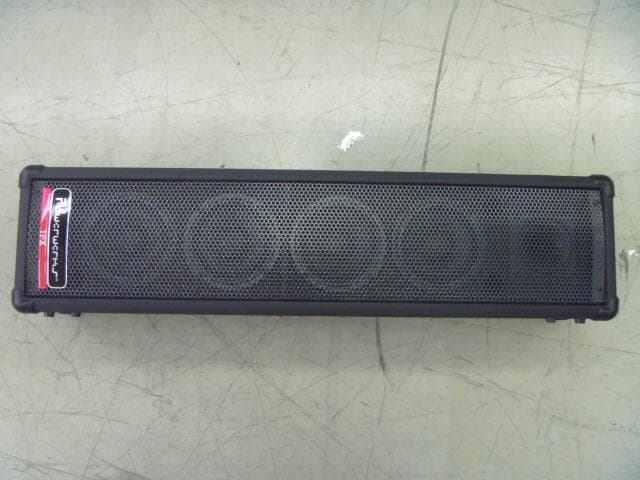
2AAVGHMG1410A
May 28, 2014Power Amplifier
Equipment Class
DSS - Part 15 Spread Spectrum Transmitter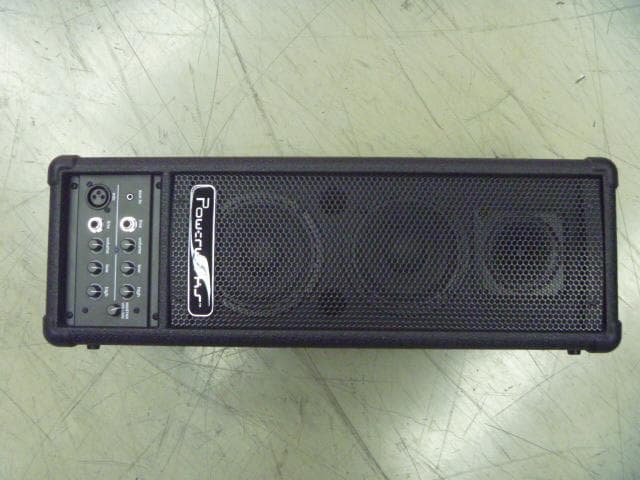
2AAVGHMG1406A
Mar 23, 2014PW40BATBT, PA40BATBT
Equipment Class
DSS - Part 15 Spread Spectrum Transmitter