2AHI6NIAHB53Bluetooth Headphone
Shenzhen Ruijiahua Technology CO.,LTD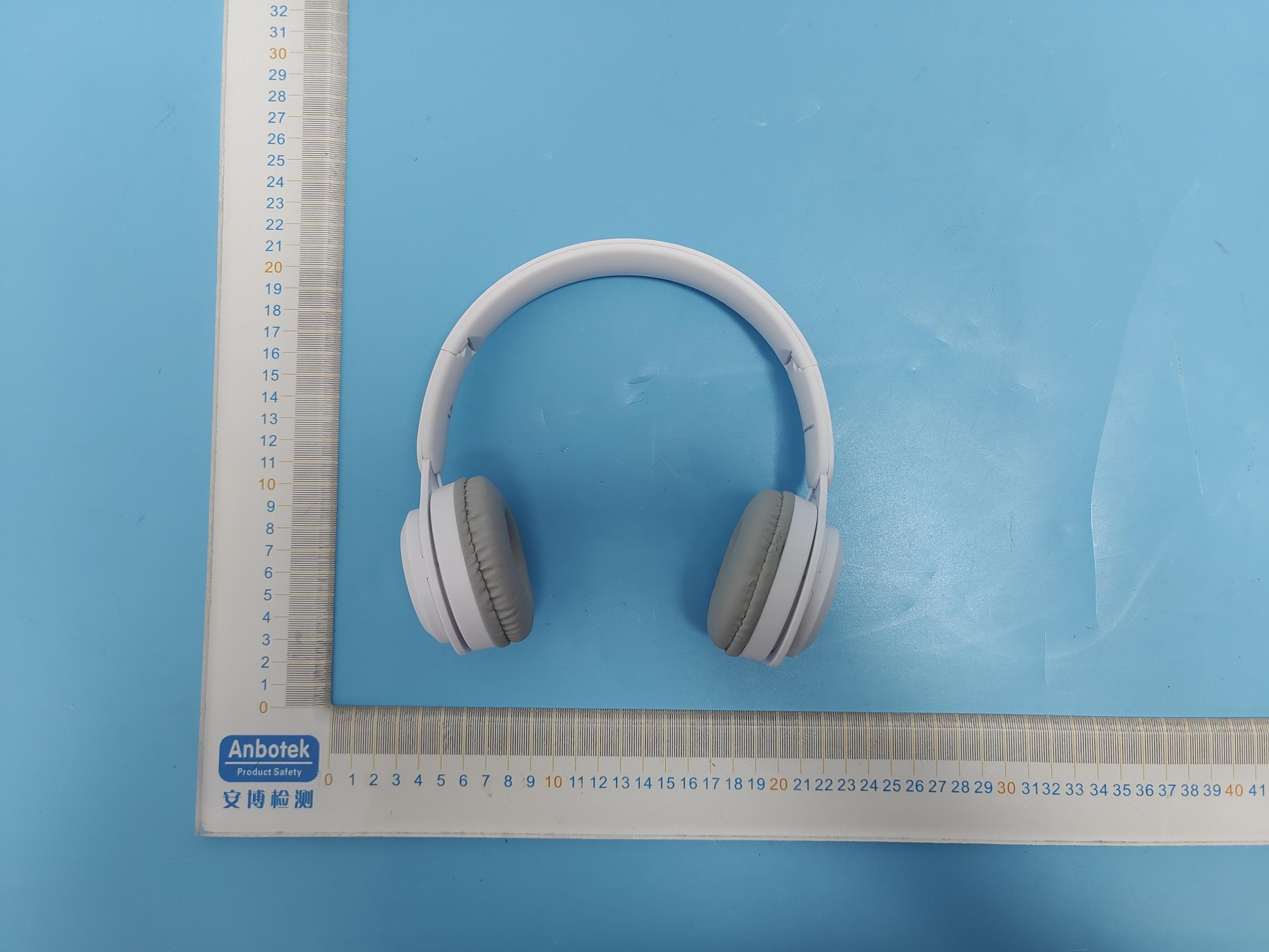
Click to zoom
Application Details
- Equipment Class
- DTS - Digital Transmission System
- Date of Grant
- Aug 20, 2023
- Application Purpose
- Original Equipment
- Date of Application
- Aug 20, 2023
- Equipment Note
- Bluetooth Headphone
- Frequency Range
- 2402.00000000 - 2480.00000000
- Country
- China
Documents & Files
Document Text
Text extracted from the exhibit documents filed with the FCC. Open a document above to read the original.
Users Manual
Bluetooth Headphones User’s Guide for Model IAHB53 3143-01 Controls and Functions DC IN LED Charging the Battery To charge the battery, use the USB-C to USB cable (included), to connect to the USB port of a powered-on computer or a UL certified USB power adaptor (not included). Charge fully before use. The initial charge time is approximately 2 hours. DC IN LED Play/Pause/Phone Press to play or pause audio. Press to answer an incoming phone call. Press twice to activate voice assistant. Features Includes • USB-C to USB charging cable • 3.5mm Cable • Bluetooth 5.3 – range 33 ft. • Built-in microphone • 3.5mm Aux In • Adjustable headband • Folds for travel • On-ear controls • Rechargeable battery • Playback up to 7 hours at 50% volume Microphone AUX IN MIC Indicator LED Power Button Volume and Track Control Press Vol- to decrease volume. Press and hold Vol- to go to the previous track. Press Vol+ to increase volume. Press and hold Vol+ to go to the next track. Bluetooth Pairing Button Press and hold to manually enter pairing mode. When in pairing mode, the Indicator LED will flash red and blue. DC In Port STATUSINDICATOR Power OnFlashing blue light ChargingSolid red light Charging CompleteLight OFF PairingFlashing red / blue light Pairing CompleteFlashing blue light Aux In LED iahb53-IB-0804_01.indd 1iahb53-IB-0804_01.indd 18/8/2023 10:48:088/8/2023 10:48:08 Aux In Aux mode will function even if the headphones are not powered on. To conserve battery power, the headphones will automatically power off when using Aux In. Requires a 3.5mm audio cable (included). 1. Connect a 3.5mm audio cable to the Aux In on the headphones and the audio output on an audio device. 2. Use the controls on the connected device to select and play audio. Pairing Bluetooth 1. Power on the headphones. The headphones default to Bluetooth Mode and are ready to pair automatically. When pairing, stay within 3 feet of the Bluetooth device. 2. On your Bluetooth device, search for nearby devices in your Bluetooth settings and select IAHB53. When successfully connected to your Bluetooth device, a voice prompt will announce the Bluetooth connection. 3. Audio played through the connected Bluetooth device will now be heard through the headphones. Use the controls on the connected device to play audio and adjust volume. Note: To pair to a different Bluetooth device, press and hold the Bluetooth Pairing button to manually enter Pairing Mode. Customer Support Customer Service: 1-888-999-4215 | Email Support: prodinfo@ dpiinc.com | Email Parts: [email protected] For Warranty Information and the most up-to-date version of this User’s Guide, go to www.iLiveElectronics.com To download this User’s Guide in English, Spanish, or French, or to get answers to frequently asked questions, visit the support section at: www.iLiveElectronics.com Para descargar este Manual del Usuario en inglés, español y francés, o para obtener respuestas a preguntas frecuentes, visite la sección de apoyo en: www.iLiveElectronics.com Pour télécharger ce guide de l’utilisateur en anglais, espagnol ou français, ou pour obtenir des réponses à des questions fréquemment posées, consultez la rubrique d’assistance sur: www.iLiveElectronics.com Copyright © 2023 Digital Products International (DPI, Inc.) All other trademarks appearing herein are the property of their respective owners. Specifications are subject to change without notice. FCC Warnings WARNING: Changes or modifications to this unit not expressly approved by the party responsible for compliance could void the user’s authority to operate the equipment. NOTE: This equipment has been tested and found to comply with the limits for a Class B digital device, pursuant to Part 15 of the FCC Rules. These limits are designed to provide reasonable protection against harmful interference in a residential installation. This equipment generates, uses, and can radiate radio frequency energy and, if not installed and used in accordance with the instructions, may cause harmful interference to radio communications. However, there is no guarantee that interference will not occur in a particular installation. If this equipment does cause harmful interference to radio or television reception, which can be determined by turning the equipment off and on, the user is encouraged to try to correct the interference by one or more of the following measures: • Reorient or relocate the receiving antenna. • Increase the separation between the equipment and receiver. • Connect the equipment into an outlet on a circuit different from that to which the receiver is connected. • Consult the dealer or an experienced radio/TV technician for help. This device complies with part 15 of the FCC Rules. Operation is subject to the following two conditions: (1) This device may not cause harmful interference, and (2) this device must accept any interference received, including interference that may cause undesired operation. The device has been evaluated to meet general RF exposure requirement. The device can be used in portable exposure condition without restriction. Additional Warnings • WARNING: To prevent fire or shock hazards, do not expose this unit to rain or moisture. • WARNING : Where the mains plug or appliance coupler is used as the disconnect device, such disconnect device shall remain readily operable. • Lithium batteries, like all rechargeable batteries, are recyclable and should be recycled or disposed of according to state and local guidelines. They should never be disposed of in normal household waste, and they should never be incinerated, as they might explode. Contact your local government for disposal or recycling practices in your area. • This product meets and complies with all Federal regulations. • To avoid hearing damage, make sure that the volume on your music player is turned down before connecting your headphones. After placing headphones in/on your ears, gradually turn up the volume until you reach a comfortable listeni…
Text truncated - open the document above for the full version.
Attestation Statements
,一、冯`.心尔·屯 SHENZHEN RUIJIAHUA TECHNOLOGY CO.,L TD Federal Communications Commission Authorization and Evaluation Division Equipment Authorization Branch 7435 Oakland Mills Road Columbia , MD 21046 8/10/2023 U S Aqent Desiqnation SHENZHEN RUIJIAHUA TECHNOLOGY CO.,L TD acknowledges their consent for the following contact located in the United States to act as their agent for service of p「ocess for the equipment for which authorization is sought (FCC ID: 2AHl6NIAHB53): Name and company of U.S. agent: Digital Products International, Inc. P hysical U.S. address of agent: 900 N.23rd Street Saint Louis, MO 63106 FRN of U.S. agent: 0033619347 Email address of U.S. agent: ldonahowe「@dpiinc.com DPI Inc. ac knowledges their obligation to accept service of process on behalf of SHENZHEN RUIJIAHUA T ECHNOLOGY CO.,L TD SHENZHEN RUIJIAHUA TECHNOLOGY CO.,L TD with the FRN [0025332933 accepts its obligation to maintain an agent for service of p「ocess in the United States for no less than one year after either the grantee has permanently terminated all marketing and importation of the applicable equipment within the U.S., o r the conclusion of any Commission-related administrative or judicial proceeding involving the e quipment, whichever is later By signing this form,-__we confirm the above and that we are aware of the application requirements listed under§ 2.911(d) (7). Sincerely , 但 o 八 Contact Name: Peter Yuan Title: Sales Manager Company name: Shenzhen Ruijiahua Technology CO.,LTD 艺A,i.l,L) 毛 I-6tI-15QJlVISi.][ - 3Poulooloot 忱习` Contact Narne: Lizzy Schubert Title: VP Marketing Company name: Digital Products International, Inc. The information provided in this letter is based on the referenced rule parts of Title 47 of the CFR as well as KDB 986446 DOI. An expiration date for this letter does not exist. In case the U.S. agent changes, the grantee is obligated to notify the FCC within 30 days via the granting TCB
Attestation Statements
-ShenzhenRuijiahuaTechnologyCO,LTD- TheinformationprovidedinthisletterisbasedonthereferencedrulepartsofTitle47oftheCFRaswellasKDB986446D01. FederalCommunicationsCommission AuthorizationandEvaluationDivision EquipmentAuthorizationBranch 7435OaklandMillsRoad Columbia,MD21046 8/17/23 Towhomitmayconcern: We,[ShenzhenRuijiahuaTechnologyCO,LTD],herebycertifythattheequipmentforwhich authorizationissought(FCCID:[2AHI6NIAHB53])isnot“covered”equipmentprohibitedfrom receivinganequipmentauthorizationpursuantto§2.903oftheFCCrules. Wealsocertifythat,asofthedateofthefilingoftheapplication,wearenotidentifiedontheCovered List(https://www.fcc.gov/supplychain/coveredlist)asanentityproducing“covered”equipment. Bysigningthisform,weconfirmtheaboveandthatweareawareoftheapplicationrequirements listedunder§2.911(b)and(d)(5)and(6). Sincerely, Signature [PeterYuan] [SalesManager] [ShenzhenRuijiahuaTechnologyCO,LTD] 6 2 _ [ m o d e l ] C o v e r e d E q u _ 2 . 9 1 1 ( d ) ( 5 ) ( i ) a n d ( i i ) - U , V 0 2
External Photos
ProjectNo.:18220WC301638Page1of3 Code:AB-RF-05-b AppendixII--ExternalPhotograph ProjectNo.:18220WC301638Page2of3 Code:AB-RF-05-b ProjectNo.:18220WC301638Page3of3 Code:AB-RF-05-b
Internal Photos
ProjectNo.:18220WC301638Page1of4 Code:AB-RF-05-b AppendixIII--InternalPhotograph ProjectNo.:18220WC301638Page2of4 Code:AB-RF-05-b ANT ProjectNo.:18220WC301638Page3of4 Code:AB-RF-05-b ProjectNo.:18220WC301638Page4of4 Code:AB-RF-05-b
RF Exposure Info
RFEXPOSUREEVALUATION FCCID:2AHI6NIAHB53 AccordingtoFCC1.1310:Thecriterialistedinthefollowingtableshallbeused toevaluatetheenvironmentimpactofhumanexposuretoradiofrequency(RF) Radiationasspecifiedin§1.1307(b): RoutineSARevaluationreferstothatspecificallyrequiredby§2.1093,using measurementsorcomputersimulation.WhenroutineSARevaluationisnot required,portabletransmitterswithoutputpowergreaterthantheapplicable lowthresholdrequireSARevaluationtoqualifyforTCBapproval. Channel (MHz) Maximum output power (dBm) Tuneup tolerance (dBm) MaxTuneUp Power(dBm) Distance (mm) Calculation results Limit Operating Mode 24021.431.43 ±1 2.4350.5423 GFSK24401.781.78±12.7850.5933 24801.691.69±12.6950.5853 Result:NoStandaloneSARtestisrequired.
Test Report
Page1of21 AppendixTestData ReportNo.:18220WC30163801TestSampleNo.:1-2-2 StartTestDate:2023.08.03FinishTestDate:2023.08.04 TestEngineer:Auditor: Temperature:25.3 °C RelativeHumidity:48% Pressure:1012hPa AppendixA:DTSBandwidth TestResult TestModeAntennaFrequency[MHz] DTSBW [MHz] FL[MHz]FH[MHz]Limit[MHz]Verdict BLE_1MAnt1 24020.5082401.6322402.1400.5PASS 24400.5042439.6362440.1400.5PASS 24800.5042479.6362480.1400.5PASS Page2of21 TestGraphs BLE_1M_Ant1_2402 BLE_1M_Ant1_2440 BLE_1M_Ant1_2480 Page3of21 Page4of21 AppendixB:OccupiedChannelBandwidth TestResult TestModeAntennaFrequency[MHz]OCB[MHz]FL[MHz]FH[MHz] BLE_1MAnt1 24021.03482401.45852402.4933 24401.03512439.45842440.4935 24801.03232479.45902480.4913 Page5of21 TestGraphs BLE_1M_Ant1_2402 BLE_1M_Ant1_2440 BLE_1M_Ant1_2480 Page6of21 Page7of21 AppendixC:Maximumconductedoutputpower TestResultPeak TestModeAntennaFrequency[MHz] ConductedPeak Power[dBm] Conducted Limit[dBm] Verdict BLE_1MAnt1 24021.43≤30PASS 24401.78≤30PASS 24801.69≤30PASS Page8of21 TestGraphsPeak BLE_1M_Ant1_2402 BLE_1M_Ant1_2440 BLE_1M_Ant1_2480 Page9of21 Page10of21 AppendixD:Maximumpowerspectraldensity TestResult TestModeAntennaFrequency[MHz]Result[dBm/3kHz]Limit[dBm/3kHz]Verdict BLE_1MAnt1 2402-18.16≤8.00PASS 2440-17.88≤8.00PASS 2480-17.9≤8.00PASS Page11of21 TestGraphs BLE_1M_Ant1_2402 BLE_1M_Ant1_2440 BLE_1M_Ant1_2480 Page12of21 Page13of21 AppendixE:Bandedgemeasurements TestResult TestModeAntennaChName Frequency [MHz] RefLevel[dBm]Result[dBm]Limit[dBm]Verdict BLE_1MAnt1 Low24021.37-32.61≤-18.63PASS High24801.52-47.74≤-18.48PASS TestGraphs BLE_1M_Ant1_Low_2402 BLE_1M_Ant1_High_2480 Page14of21 AppendixF:ConductedSpuriousEmission TestResult TestModeAntenna Frequency [MHz] FreqRange [MHz] RefLevel [dBm] Result[dBm]Limit[dBm]Verdict BLE_1MAnt1 2402 Reference1.331.33---PASS 30~10001.33-55.54≤-18.67PASS 1000~265001.33-46.92≤-18.67PASS 2440 Reference1.621.62---PASS 30~10001.62-55.61≤-18.38PASS 1000~265001.62-46.08≤-18.38PASS 2480 Reference1.591.59---PASS 30~10001.59-56.14≤-18.41PASS 1000~265001.59-48.45≤-18.41PASS Page15of21 TestGraphs BLE_1M_Ant1_2402_0~Reference BLE_1M_Ant1_2402_30~1000 BLE_1M_Ant1_2402_1000~26500 Page16of21 BLE_1M_Ant1_2440_0~Reference BLE_1M_Ant1_2440_30~1000 Page17of21 BLE_1M_Ant1_2440_1000~26500 BLE_1M_Ant1_2480_0~Reference BLE_1M_Ant1_2480_30~1000 Page18of21 BLE_1M_Ant1_2480_1000~26500 Page19of21 AppendixG:DutyCycle TestResult TestModeAntennaFrequency[MHz] ONTime [ms] Period [ms] DutyCycle [%] DutyCycle Factor[dB] BLE_1MAnt1 24020.090.6314.298.45 24400.090.6314.298.45 24800.090.6314.298.45 Page20of21 TestGraphs BLE_1M_Ant1_2402 BLE_1M_Ant1_2440 BLE_1M_Ant1_2480 Page21of21 ---End---
Test Report
ReportNo.:18220WC30163801FCCID:2AHI6NIAHB53Page1of30 Code:AB-RF-05-b FCCTestReport Applicant:ShenzhenRuijiahuaTechnologyCO,LTD Address: 4F,RuideBuilding,No.20JiuweifirstRoad, HangchengStreet,Bao'anDistrictShenzhen China ProductName:BluetoothHeadphone ReportDate:Aug.17,2023 ShenzhenAnbotekComplianceLaboratoryLimited ReportNo.:18220WC30163801FCCID:2AHI6NIAHB53Page2of30 Code:AB-RF-05-b Contents 1.GeneralInformation............................................................................................................................................6 1.1.ClientInformation....................................................................................................................................6 1.2.DescriptionofDevice(EUT)..................................................................................................................6 1.3.AuxiliaryEquipmentUsedDuringTest.................................................................................................7 1.4.DescriptionofTestConfiguration..........................................................................................................7 1.5.DescriptionOfTestSetup......................................................................................................................8 1.6.TestEquipmentList.................................................................................................................................9 1.7.MeasurementUncertainty....................................................................................................................10 1.8.DescriptionofTestFacility...................................................................................................................10 2.SummaryofTestResults.................................................................................................................................11 3.ConductedEmissionTest................................................................................................................................12 3.1.TestStandardandLimit........................................................................................................................12 3.2.TestSetup...............................................................................................................................................12 3.3.TestProcedure.......................................................................................................................................12 3.4.TestData.................................................................................................................................................12 4.RadiationSpuriousEmissionandBandEdge.............................................................................................15 4.1.TestStandardandLimit........................................................................................................................15 4.2.TestSetup...............................................................................................................................................15 4.3.TestProcedure.......................................................................................................................................16 4.4.TestData.................................................................................................................................................17 5.MaximumPeakOutputPowerTest...............................................................................................................25 5.1.TestStandardandLimit........................................................................................................................25 5.2.TestSetup...............................................................................................................................................25 5.3.TestProcedure.......................................................................................................................................25 5.4.TestData.................................................................................................................................................25 6.6dBOccupyBandwidthTest...........................................................................................................................26 6.1.TestStandardandLimit........................................................................................................................26 6.2.TestSetup...............................................................................................................................................26 6.3.TestProcedure.......................................................................................................................................26 6.4.TestData.................................................................................................................................................26 7.PowerSpectralDensityTest...........................................................................................................................27 7.1.TestStandardandLimit........................................................................................................................27 7.2.TestSetup...............................................................................................................................................27 7.3.TestProcedure.......................................................................................................................................27 7.4.TestData.................................................................................................................................................27 8.100kHzBandwidthofFrequencyBandEdgeRequirement......................................................................28 8.1.TestStandardandLimit........................................................................................................................28 ReportNo.:18220WC30…
Text truncated - open the document above for the full version.
Test Report
version01 ShenzhenRuijiahuaTechnologyCO,LTD DeclarationconcerningAntennaSpecification Itisherebydeclaredthattheproduct ModelNo.:IAHB53,IAHB53B,IAHB53W FCCID:2AHI6NIAHB53 fulfillstherequirementinFCCtestrelatingtotheantennatype. ThedevicespecifiedaboveconfirmstotheFCCrecommendationsfor internal antennatype(s) describedbelow: ModelNo.ofantenna:2.4GANT Typeofantenna:PCBAntenna Gainoftheantenna:-0.58dBi Frequencyrange:2400-2500MHz Themountingoftheantennaisfixedtotheradiomoduleandnootherantennashouldbeused. Companyname:ShenzhenRuijiahuaTechnologyCO,LTD Address:4F,RuideBuilding,No.20JiuweifirstRoad,HangchengStreet,Bao'an DistrictShenzhenChina City:Shenzhen ZIP/Postalcode:/ Country:China Place:Date:8/17/2023 Signature:
Test Report
InvertedFAntennaSpecification Summary ITEMANTSPEC ModelName2.4GANT Center HorizontalVertical 2400MHz2450MHz2500MHz2400MHz2450MHz2500MHz Frequency -1.26-0.76-0.58-5.25-2.46-1.86 Gain-0.58dBi PolarizationHorizontalandVertical AzimuthBeam Omni-directional Pattern Impedance50Ohm AntennaLength21.0mm ManufactureZHUHAIJIELITECHNOLOGYCO.,LTD AntennaPhoto&Length(mm)
Test Setup Photos
ProjectNo.:18220WC301638Page1of2 Code:AB-RF-05-b AppendixI--TestSetupPhotograph PhotoofConductedEmissionMeasurement PhotoofRadiationEmissionTest ProjectNo.:18220WC301638Page2of2 Code:AB-RF-05-b
Contact Information
Applicant
Peter Yuan
Test Firm
Shenzhen Anbotek Compliance Laboratory LimitedJeff Zhu
Technical Specifications
| # | Rule Parts | Frequency Range | Power Output |
|---|---|---|---|
| 1 | 15C | 2.40 GHz - 2.48 GHz | 1.50 mW |
Other Applications from Shenzhen Ruijiahua Technology CO.,LTD
2AHI6IAEBTO34
Jan 21, 2024Truly Wireless Open Ear Earbuds
Equipment Class
DSS - Part 15 Spread Spectrum Transmitter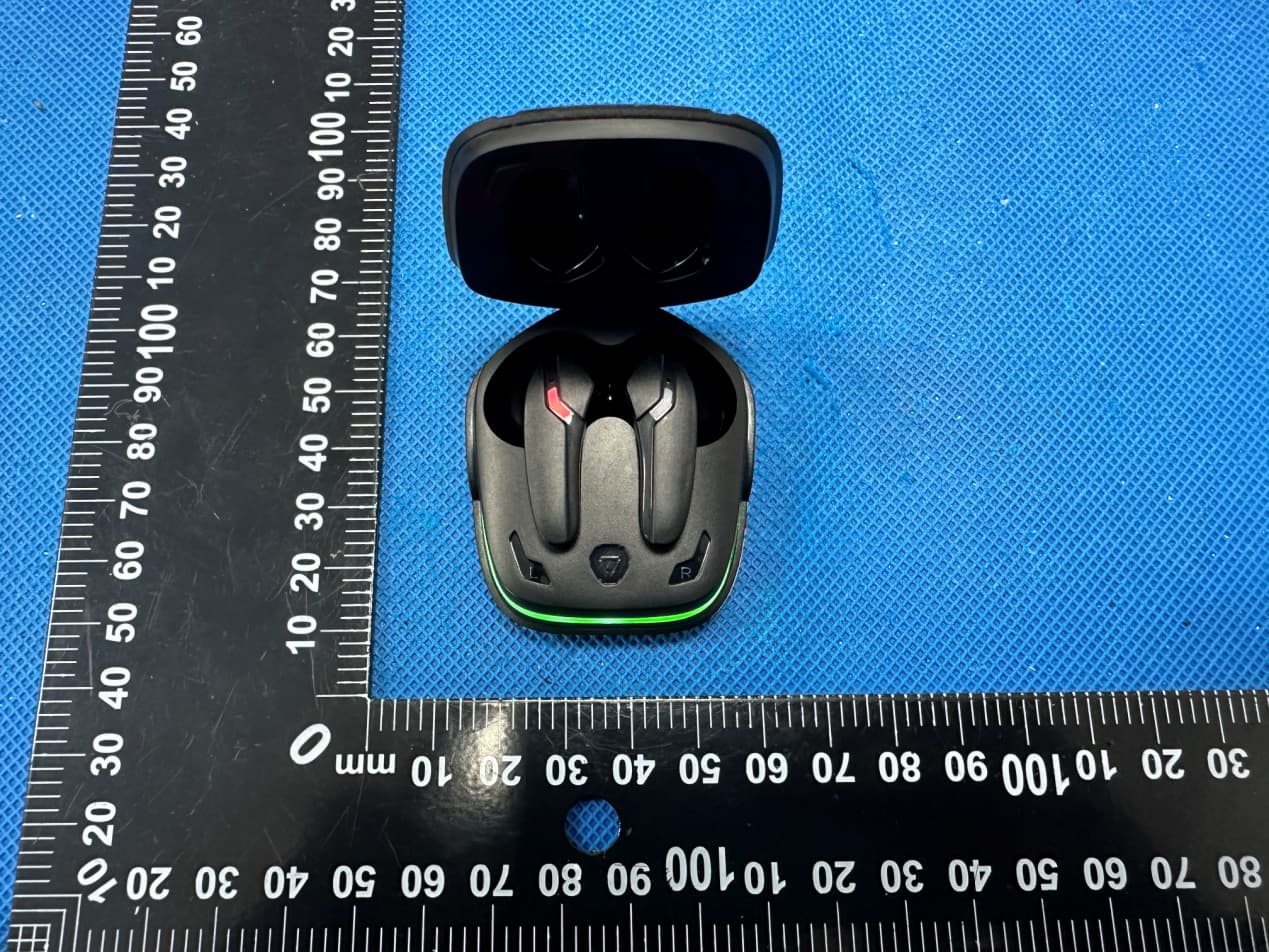
2AHI6IAEBTG424
Jan 16, 2024Truly wireless Gaming Earbuds with ENC
Equipment Class
DSS - Part 15 Spread Spectrum Transmitter
2AHI6192-540741
Jan 08, 2024wireless headset
Equipment Class
DSS - Part 15 Spread Spectrum Transmitter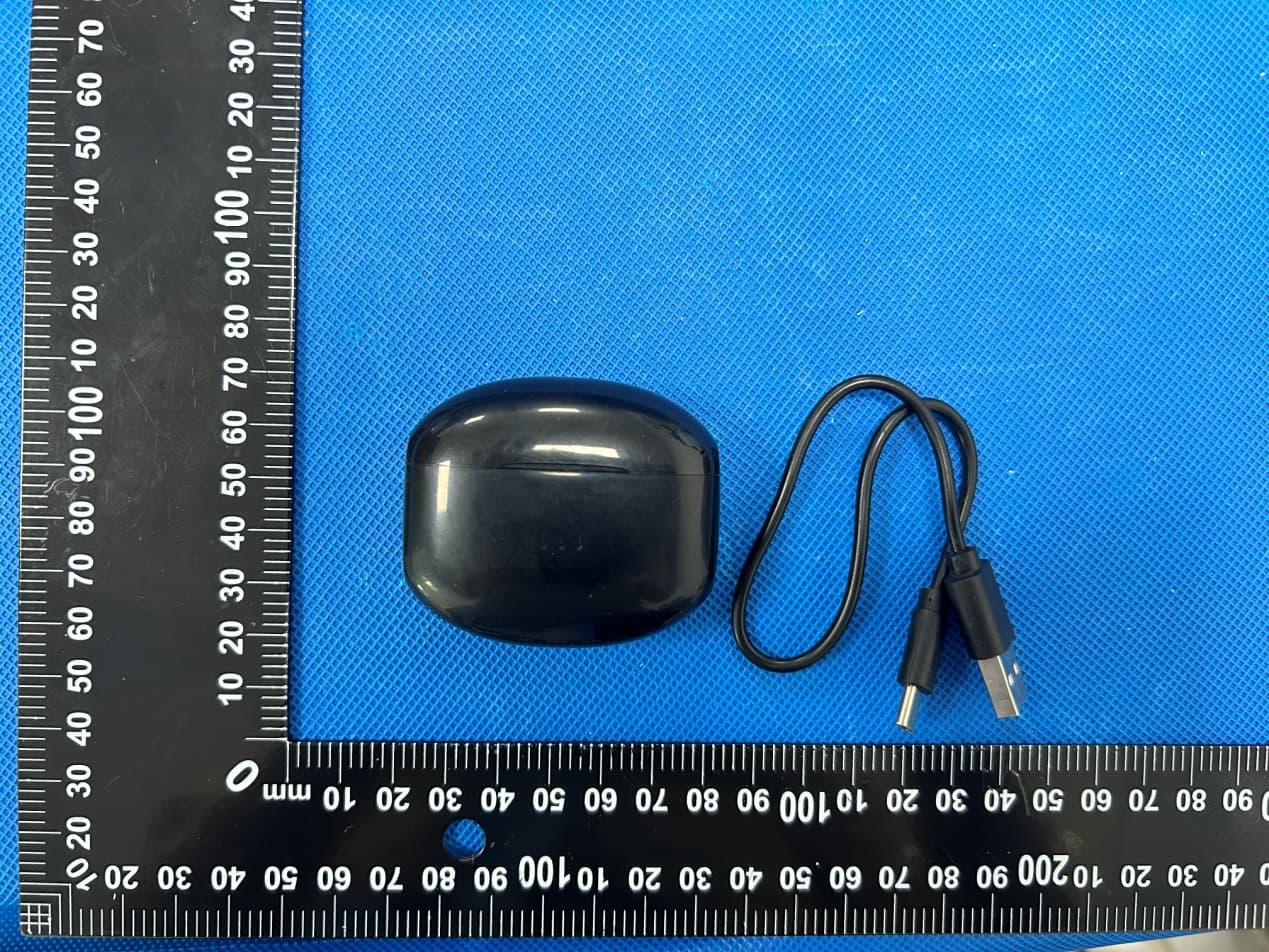
2AHI6NIAEBTN333
Aug 06, 2023Truly wireless active noise canceling earbud
Equipment Class
DSS - Part 15 Spread Spectrum Transmitter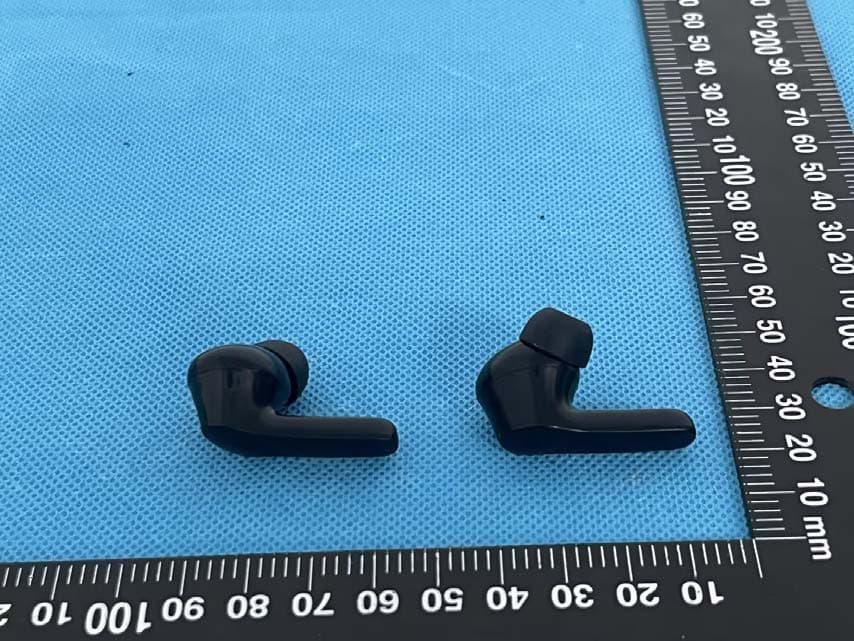
2AHI6NIAEBTNQ102
Apr 17, 2023Truly wireless noise canceling earbuds
Equipment Class
DSS - Part 15 Spread Spectrum Transmitter