2AHZ5NOTE20PROSmart Phone
Shenzhen Huafurui Technology Co., Ltd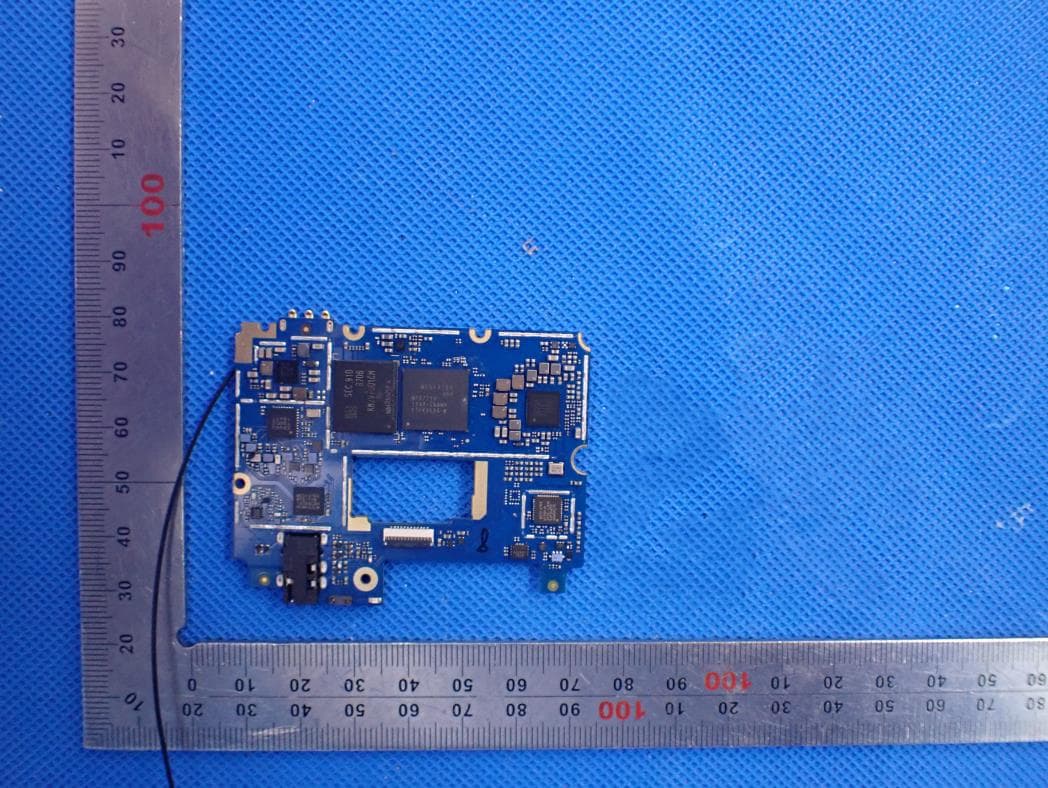
Click to zoom
Application Details
- Equipment Class
- DSS - Part 15 Spread Spectrum Transmitter
- Date of Grant
- Sep 15, 2020
- Application Purpose
- Original Equipment
- Date of Application
- Sep 15, 2020
- Equipment Note
- Smart Phone
- Frequency Range
- 2402.00000000 - 2480.00000000
- Country
- China
Documents & Files
Document Text
Text extracted from the exhibit documents filed with the FCC. Open a document above to read the original.
Users Manual
1 User Manual Smartphone CUBOT NOTE 20 PRO Shenzhen Huafurui Technology Co.,Ltd 2 Table of Contents Safety Information ............................................................. 4 Introduction ......................................................................... 6 Call Functions ..................................................................... 7 Contacts ............................................................................... 9 Message ............................................................................. 12 Camera ................................................................................ 19 Gallery ................................................................................. 22 3 Music ................................................................................... 24 Sound Recorder ............................................................... 24 Alarm Clock ....................................................................... 25 Google Play ....................................................................... 27 Settings .............................................................................. 29 Storage ............................................................................... 39 FCC Rules Compliance ................................................... 37 IC Notice ............................................................................. 41 4 Safety Information Please carefully read the iterms bellow: Use Safely Do not use the phone in situations where it might cause danger. Transportation Safety Please observe all transportation laws and regulations. Please drive with both hands on the wheel. Hospitals Please follow limitations. Please turn off your mobile phone when near medical instruments. Airports Remember to follow all airport and flight safety regulations. 5 Please do not use your phone during flight. Toxic Chemicals Do not use your mobile phone around fuels or chemicals. Hazard Do not use in hazardous areas where explosions may occur. Accessories and Batteries Use only Blu authorized batteries and accessories. Backup Remember to keep a written record of all important information. Water Your phone is not waterproof. Keep it away from water and liquids. SOS Emergency Calls Make sure your mobile phone is switched on and in a service area. In home screen, tap the phone key and dial 911 and send. 6 7 Introduction Power On and Off On - Please ensure the SIM card has been properly inserted into the phone. Long press the Power key to switch on the phone. Off - In standby mode, long press on Power key until an options menu appears. Select Power Off in the menu and confirm Security You may set a security lock feature as a security measure for the phone. For further information regarding password locks, password revision and other functions please enter into the security option in system settings. Call Functions At the dial keyboard, enter the phone number and then click the dial key. If dialing an extension, you may click the dial pad icon in the bottom of the screen to open the interface 8 and enter the number of the extension. You may also press and hold the 0 key to add a (+) sign when adding an international dialing prefix. history Every telephone number called and received will be saved in the history. All numbers in the 9 history can be dialed directly by clicking the CALL BACK on the screen. When the number appears on the list, click it to view details. Call Options There are different options that can be used in the history and dialing interface. You may press the MORE while in the dial interface and adjust speed dial and call settings. In the dialing interface, you may press the search button to browse through contacts list or set default contact resources. Contacts 10 Enter: Click on the applications menu and select contacts. • The default display is the phone contacts and SIM card contacts. • The contacts are organized alphabetically by default. Click the Search icon to enter the contact search interface. Any numbers or letters associated with any of the contacts Add Contact 11 saved in the list will be shown in the search results. Add New Contact 1. Click the add contact icon (+) to add contact. 2. Select to save your contacts to the Google TM account, the phone or the SIM card. 3. You may enter different contact details which include adding a picture, name, telephone number, group, address, and email among other options. 4. Click to finish and save contact. 12 13 Messages You may use this function to exchange text messages and multimedia messages with your family and friends. The messages to and from the same contact or phone number will be saved into a single conversation so you may see the entire message history conveniently. 14 15 Send an SMS Application Menu » Messaging » New message (or shortcut icon) 1. Click to enter recipient (You may enter contacts from contact book or enter a new number) 2. Compose Message 3. Send Send an MMS When creating message, the default message style is SMS. The message will automatically convert to MMS when adding an attachment. 1. Click the attachment icon in the messaging interface. 2. Click to add attachments and create an MMS message. Internet Browser Menu Functions •Recent tab • After browsing through multiple pages, this option will return the user to the previous page. Windows 16 • You may view all windows open by clicking the windows icon in the upper right part of the browser. Bookmarks • Click the save to Bookmarks option to make the current URL as a saved Bookmark. • Click Bookmarks/History to opened saved bookmarks. Find on page: Search current page. Share page: Select to share the current page. Bookmarks/History: Show your browsing history and view the most visited pages. Settings: Contains a variety of browser settings. 17 18 Bluetooth & Wi-Fi Bluetooth is a short-range wireless communications technology that devices can use to exchange information and connect to di…
Text truncated - open the document above for the full version.
ID Label/Location Info
FCC ID Label Location FCC ID: 2AHZ5NOTE20PRO
Internal Photos
Internal Photos OPEN VIEW OF EUT(FIGURE 1) OPEN VIEW OF EUT(FIGURE 2) NFC Antenna BT/WIFI/GPS Antenna GSM/WCDMA/LTE Antenna Diversity Antenna INTERNAL VIEW OF EUT(FIGURE 1) INTERNAL VIEW OF EUT(FIGURE 2) INTERNAL VIEW OF EUT(FIGURE 2) INTERNAL VIEW OF EUT(FIGURE 3) INTERNAL VIEW OF EUT(FIGURE 4) INTERNAL VIEW OF EUT(FIGURE 5) INTERNAL VIEW OF EUT(FIGURE 6) INTERNAL VIEW OF EUT(FIGURE 7) INTERNAL VIEW OF EUT(FIGURE 8) INTERNAL VIEW OF EUT(FIGURE 9) INTERNAL VIEW OF EUT(FIGURE 10) INTERNAL VIEW OF EUT(FIGURE 11) INTERNAL VIEW OF EUT(FIGURE 12)
Operational Description
Shenzhen Huafurui Technology Co., Ltd. Declaration concerning Antenna Specification It is hereby declared that the product Model No.: NOTE 20 PRO FCC ID: 2AHZ5NOTE20PRO fulfills the requirement in FCC test relating to the antenna type. The device specified above confirms to the FCC recommendations for internal antenna type(s) described below: 1. Type of antenna: PIFA Antenna Gain of the antenna: 0 dBi Frequency range: 2412-2462 MHz & 2402-2480 MHz 2. Type of antenna: PIFA Antenna Gain of the antenna: 1.52dBi Frequency range: 824.2-848.8 MHz Gain of the antenna: 1.44dBi Frequency range: 1850.2-1909.8 MHz Gain of the antenna: 1.44dBi Frequency range: 1852.4-1907.6 MHz Gain of the antenna: 1.52 dBi Frequency range: 826.4-846.6 MHz Gain of the antenna: 1.78 dBi Frequency range: 1712.4-1752.6MHz 3. Type of antenna: PIFA Antenna Gain of the antenna: 1.44 dBi Frequency range: 1850-1909.9 MHz Gain of the antenna: 1.78 dBi Frequency range: 1710-1754.9MHz Shenzhen Huafurui Technology Co., Ltd. Gain of the antenna: 1.57dBi Frequency range: 2500-2569.9MHz Gain of the antenna: 1.22 dBi Frequency range: 824-848.9 MHz Gain of the antenna: 1.25 dBi Frequency range: 699-715.9 MHz Gain of the antenna: 1.37dBi Frequency range: 704 - 715.9 MHz 4. Type of antenna: PIFA Antenna Gain of the antenna: 1.0 dBi Frequency range: 13.56MHz The mounting of the antenna is fixed to the radio module and no other antenna should be used. Company name: Shenzhen Huafurui Technology Co., Ltd. Address: Unit 1401 14/F, Jin qi zhi gu mansion Liu xian street ,Xili, Nan shan district Shenzhen,China Place: Shenzhen Date: 2020-09-11 Signature:
RF Exposure Info
Page 1 of 170 SAR Test Report Report No.: AGC00552200802FH01 FCC ID : 2AHZ5NOTE20PRO APPLICATION PURPOSE : Original Equipment PRODUCT DESIGNATION : Smart Phone BRAND NAME : CUBOT MODEL NAME : NOTE 20 PRO APPLICANT : Shenzhen Huafurui Technology Co., Ltd. DATE OF ISSUE : Sep. 09,2020 STANDARD(S) : IEEE Std. 1528:2013 FCC 47 CFR Part 2§2.1093:2013 IEEE Std C95.1 ™-2005 IEC 62209-1: 2016 REPORT VERSION : V1.0 Attestation of Global Compliance(Shenzhen) Co., Ltd. Report No.: AGC00552200802FH01 Page 2 of 170 Report Revise Record Report Version Revise Time Issued Date Valid Version Notes V1.0 / Sep. 09,2020 Valid Initial Release Report No.: AGC00552200802FH01 Page 3 of 170 Test Report Applicant Name Shenzhen Huafurui Technology Co., Ltd. Applicant Address Unit 1401 14/F, Jin qi zhi gu mansion Liu xian street, Xili, Nan shan district, Shenzhen, China Manufacturer Name Shenzhen Huafurui Technology Co., Ltd. Manufacturer Address Unit 1401 14/F, Jin qi zhi gu mansion Liu xian street, Xili, Nan shan district, Shenzhen, China Factory Name Shenzhen Huafurui Technology Co., Ltd. Factory Address Unit 1401 14/F, Jin qi zhi gu mansion Liu xian street, Xili, Nan shan district, Shenzhen, China Product Designation Smart Phone Brand Name CUBOT Model Name NOTE 20 PRO EUT Voltage DC3.85V by battery Applicable Standard IEEE Std. 1528:2013 FCC 47 CFR Part 2§2.1093:2013 IEEE Std C95.1 ™-2005 IEC 62209-1: 2016 Test Date Aug. 15,2020 to Aug. 31,2020 Report Template AGCRT-US-4G/SAR (2018-01-01) Note: The results of testing in this report apply to the product/system which was tested only. Prepared By Thea Huang (Project Engineer) Aug. 31,2020 Reviewed By Angela Li (Reviewer) Sep. 09,2020 Approved By Forrest Lei (Authorized Officer) Sep. 09,2020 Report No.: AGC00552200802FH01 Page 4 of 170 TABLE OF CONTENTS 1. SUMMARY OF MAXIMUM SAR VALUE ....................................................................................................... 5 2. GENERAL INFORMATION ............................................................................................................................ 6 2.1. EUT DESCRIPTION ...................................................................................................................................... 6 3. SAR MEASUREMENT SYSTEM ..................................................................................................................... 8 3.1. THE SATIMO SYSTEM USED FOR PERFORMING COMPLIANCE TESTS CONSISTS OF FOLLOWING ITEMS .................. 8 3.2. COMOSAR E-FIELD PROBE ....................................................................................................................... 9 3.3. ROBOT ....................................................................................................................................................... 9 3.4. VIDEO POSITIONING SYSTEM ..................................................................................................................... 10 3.5. DEVICE HOLDER ....................................................................................................................................... 10 3.6. SAM TWIN PHANTOM ................................................................................................................................. 11 4. SAR MEASUREMENT PROCEDURE ........................................................................................................... 12 4.1. SPECIFIC ABSORPTION RATE (SAR) ........................................................................................................... 12 4.2. SAR MEASUREMENT PROCEDURE ............................................................................................................. 13 4.3. RF EXPOSURE CONDITIONS ....................................................................................................................... 15 5. TISSUE SIMULATING LIQUID ...................................................................................................................... 17 5.1. THE COMPOSITION OF THE TISSUE SIMULATING LIQUID ................................................................................... 17 5.2. TISSUE DIELECTRIC PARAMETERS FOR HEAD AND BODY PHANTOMS .............................................................. 18 5.3. TISSUE CALIBRATION RESULT ..................................................................................................................... 19 6. SAR SYSTEM CHECK PROCEDURE ......................................................................................................... 21 6.1. SAR SYSTEM CHECK PROCEDURES ........................................................................................................... 21 6.2. SAR SYSTEM CHECK ................................................................................................................................ 22 7. EUT TEST POSITION ................................................................................................................................... 24 7.1. DEFINE TWO IMAGINARY LINES ON THE HANDSET ......................................................................................... 24 7.2. CHEEK POSITION ...................................................................................................................................... 25 7.3. TILT POSITION ........................................................................................................................................... 25 7.4. BODY WORN POSITION .............................................................................................................................. 26 8. SAR EXPOSURE LIMITS ............................................................................................................................ 27 9. TEST FACILITY ........................................................................................................................................... 28 10. TEST EQUIPMENT LIST .....................…
Text truncated - open the document above for the full version.
RF Exposure Info
Report No.: AGC00552200802FH01 Page 52 of 170 Conducted Power of LTE Band 7 (dBm) Bandwidth Modulation RB size RB offset Target MPR Channel Channel Channel 20825 21100 21375 15MHz QPSK 1 0 0 23.00 23.21 23.62 37 0 23.13 23.34 23.64 74 0 22.90 23.43 23.45 37 0 1 22.21 22.80 22.58 16 1 22.16 22.75 22.58 35 1 22.41 22.73 22.69 75 0 1 22.46 22.70 22.53 16QAM 1 0 1 22.07 22.33 22.19 37 1 22.16 22.48 22.42 74 1 22.10 22.69 22.33 37 0 2 22.33 22.74 22.59 16 2 22.36 22.63 22.47 35 2 22.37 22.76 22.51 75 0 2 21.31 21.73 21.56 Bandwidth Modulation RB size RB offset Target MPR Channel Channel Channel 20850 21100 21350 20MHz QPSK 1 0 0 22.92 23.96 23.26 49 0 23.18 23.39 23.44 99 0 23.04 23.31 23.28 50 0 1 22.10 22.25 22.43 25 1 21.97 22.29 22.43 49 1 21.97 22.57 22.55 100 0 1 22.01 22.47 22.48 16QAM 1 0 1 21.89 22.24 22.24 49 1 22.12 22.58 22.57 99 1 22.01 22.35 22.44 50 0 2 21.98 22.39 22.48 25 2 21.93 22.28 22.43 49 2 22.06 22.68 22.57 100 0 2 21.13 21.66 21.59 Report No.: AGC00552200802FH01 Page 53 of 170 Conducted Power of LTE Band 12(dBm) Bandwidth Modulation RB size RB offset Target MPR Channel Channel Channel 23017 23095 23173 1.4MHz QPSK 1 0 0 23.97 23.88 23.79 3 0 24.04 23.98 23.91 5 0 23.94 23.91 23.81 3 0 0 24.06 24.01 23.89 2 0 24.07 24.00 23.88 3 0 24.04 24.02 23.90 6 0 1 23.00 22.95 22.79 16QAM 1 0 1 23.10 23.03 22.72 3 1 23.26 23.21 22.86 5 1 23.05 23.07 22.71 3 0 1 23.03 23.99 23.84 2 1 23.04 23.98 23.84 3 1 23.01 23.01 23.87 6 0 2 22.06 21.86 21.83 Bandwidth Modulation RB size RB offset Target MPR Channel Channel Channel 23025 23095 23165 3MHz QPSK 1 0 0 23.91 23.83 23.78 7 0 23.83 23.83 23.89 14 0 23.86 23.70 23.85 8 0 1 22.91 22.77 22.86 4 1 22.87 22.79 22.86 7 1 22.89 22.67 22.79 15 0 1 22.93 22.89 22.85 16QAM 1 0 1 23.18 23.02 22.79 7 1 23.10 23.02 22.84 14 1 23.08 22.95 22.75 8 0 2 22.89 22.90 22.56 4 2 22.87 22.88 22.52 7 2 22.82 22.91 22.84 15 0 2 21.97 21.62 21.81 Report No.: AGC00552200802FH01 Page 54 of 170 Conducted Power of LTE Band 12(dBm) Bandwidth Modulation RB size RB offset Target MPR Channel Channel Channel 23035 23095 23155 5MHz QPSK 1 0 0 23.98 23.92 23.93 13 0 24.05 24.05 24.00 24 0 23.94 23.90 23.84 12 0 1 22.95 23.11 22.95 6 1 22.92 23.07 22.95 13 1 23.10 22.95 22.95 25 0 1 23.06 23.02 22.96 16QAM 1 0 1 23.00 23.18 22.96 13 1 23.06 23.30 22.99 24 1 23.04 23.15 22.87 12 0 2 22.95 23.06 22.95 6 2 22.96 23.05 22.94 13 2 23.13 22.91 22.95 25 0 2 22.13 22.06 22.11 Bandwidth Modulation RB size RB offset Target MPR Channel Channel Channel 23060 23095 23130 10MHz QPSK 1 0 0 23.42 23.08 22.91 25 0 23.85 24.06 23.43 49 0 22.63 23.63 23.85 25 0 1 22.69 22.49 22.52 13 1 22.67 23.08 22.93 25 1 22.94 21.55 22.05 50 0 1 22.61 22.69 22.81 16QAM 1 0 1 22.86 21.92 21.83 25 1 22.07 23.91 22.40 49 1 22.40 24.13 22.17 25 0 2 22.39 24.54 21.75 13 2 22.60 24.37 21.84 25 2 22.11 23.96 21.87 50 0 2 21.17 22.36 21.67 Report No.: AGC00552200802FH01 Page 55 of 170 Conducted Power of LTE Band 17(dBm) Bandwidth Modulation RB size RB offset Target MPR Channel Channel Channel 23755 23790 23825 5MHz QPSK 1 0 0 23.99 23.96 23.91 13 0 24.08 24.01 23.97 24 0 23.92 23.90 23.84 12 0 1 23.05 23.05 22.94 6 1 22.95 23.01 22.95 13 1 22.88 22.90 22.93 25 0 1 22.94 22.96 22.94 16QAM 1 0 1 23.24 23.00 22.94 13 1 23.29 23.02 22.95 24 1 23.15 22.88 22.85 12 0 2 23.00 23.05 22.90 6 2 22.99 22.98 22.90 13 2 22.89 22.88 22.92 25 0 2 21.96 22.03 21.99 Bandwidth Modulation RB size RB offset Target MPR Channel Channel Channel 23780 23790 23800 10MHz QPSK 1 0 0 23.04 23.25 23.12 25 0 23.58 22.70 23.21 49 0 23.63 23.53 22.83 25 0 1 22.62 22.19 22.84 13 1 21.91 21.97 21.86 25 1 22.38 22.52 21.53 50 0 1 22.96 22.47 21.59 16QAM 1 0 1 22.66 21.70 22.93 25 1 23.08 23.58 21.73 49 1 22.61 23.85 21.56 25 0 2 22.35 23.68 21.61 13 2 23.00 23.32 22.21 25 2 22.91 23.58 21.90 50 0 2 21.02 22.90 21.52 Report No.: AGC00552200802FH01 Page 56 of 170 The following tests were conducted according to the test requirements outlined in section 6.2 of the 3GPP TS36.101 specification. UE Power Class: 3 (23 +/- 2dBm). The allowed Maximum Power Reduction (MPR) for the maximum output power due to higher order modulation and transmit bandwidth configuration (resource blocks) is specified in Table 6.2.3.3-1 of the 3GPP TS36.101. Table 6.2.3.3-1 Maximum Power Reduction (MPR) for Power class3 Modulation Maximum Power Reduction (MPR) for Power[RB] MPR(dB) 1.4MHz 3MHz 5MHz 10MHz 15MHz 20MHz QPSK >5 >4 >8 >12 >16 >18 ≤1 16QAM ≤5 ≤4 ≤8 ≤12 ≤16 ≤18 ≤1 16QAM >5 >4 >8 >12 >16 >18 ≤2 The allowed A-MPR values specified below in Table 6.2.4.3-1 of 3GPP TS36.101 are in addition to the allowed MPR requirements. All the measurements below were performed with A-MPR disabled, by using Network Signaling Value of “NS_01”.3 Report No.: AGC00552200802FH01 Page 57 of 170 Table 6.2.4.3-1: Additional Maximum Power Reduction (A-MPR) / Spectrum Emission requirements Network Signaling value Requirements (sub-clause) E-UTRA Band Channel bandwidth (MHz) Resources Blocks (N RB ) A-MPR (dB) NS_01 6.6.2.1.1 Table 5.2-1 1.4,3,5,10,15,20 Table 5.4.2-1 N/A NS_03 6.6.2.2.3.1 2,4,10, 23, 25,35,36 3 >5 ≤ 1 5 >6 ≤ 1 10 >6 ≤ 1 15 >8 ≤ 1 20 >10 ≤ 1 NS_04 6.6.2.2.3.2 41 5 >6 ≤1 10, 15, 20 Table 6.2.4.3-4 NS_05 6.6.3.3.3.1 1 10,15,20 ≥ 50 ≤ 1 NS_06 6.6.2.2.3.3 12, 13, 14, 17 1.4, 3, 5, 10 Table 5.4.2-1 N/A NS_07 6.6.2.2.3.3 6.6.3.3.3.2 13 10 Table 6.2.4.3-2 Table 6.2.4.3-2 NS_08 6.6.3.3.3.3 19 10, 15 > 44 ≤ 3 NS_09 6.6.3.3.3.4 21 10, 15 > 40 ≤ 1 > 55 ≤ 2 NS_10 20 15, 20 Table 6.2.4.3-3 Table 6.2.4.3-3 NS_11 6.6.2.2.1 6.6.3.3.13 231 1.4, 3, 5, 10,15,20 Table 6.2.4.3-5 Table 6.2.4.3-5 NS_12 6.6.3.3.5 26 1.4, 3, 5 Table 6.2.4.3-6 Table 6.2.4.3-6 NS_13 6.6.3.3.6 26 5 Table 6.2.4.3-7 Table 6.2.4.3-7 NS_14 6.6.3.3.7 26 10, 15 Table 6.2.4.3-8 Table 6.2.4.3-8 NS_15 6.6.3.3.8 26 1.4, 3, 5, 10, 15 Table 6.2.4.3-9 Table 6.2.4.3-10 Table 6.2.4.3-9, Table 6.2.4.3-10 NS_16 6.6.3.3.9 27 3, 5, 10 Table 6.2.4.3-11, Table 6.2.4.3-12, Table 6.2.4.3-13 NS_17 6.6.3.3.10 6.6.3.3.11 28 28 5, 10 Table 5.4.2-1…
Text truncated - open the document above for the full version.
RF Exposure Info
Report No.: AGC00552200802FH01 Page 113 of 170 APPENDIX B. SAR MEASUREMENT DATA Test Laboratory: AGC Lab Date: Aug. 21,2020 GSM 850 Mid-Touch-Left <SIM 1> DUT: Smart Phone; Type: NOTE 20 PRO Communication System: Generic GSM; Communication System Band: GSM 850; Duty Cycle: 1:8.3; Conv.F=5.26; Frequency: 836.6 MHz; Medium parameters used: f = 835 MHz; σ=0.91 mho/m; εr =39.62; ρ= 1000 kg/m³; Phantom section: Left Section Ambient temperature (°C): 21.6, Liquid temperature (°C): 21.3 SATIMO Configuration • Probe: SSE5; Calibrated: Jun. 24,2020; Serial No.: SN 24/20 EP336 • Sensor-Surface: 4mm (Mechanical Surface Detection) • Phantom: SAM twin phantom • Measurement SW: OpenSAR V4_02_35 Configuration/GSM 850 Mid-Touch-Left/Area Scan: Measurement grid: dx=8mm, dy=8mm Configuration/GSM 850 Mid-Touch-Left/Zoom Scan : Measurement grid: dx=8mm,dy=8mm, dz=5mm Area Scan dx=8mm dy=8mm, h= 5.00 mm ZoomScan 5x5x7,dx=8mm dy=8mm dz=5mm,Complete Phantom Left head Device Position Cheek Band GSM 850 Channels Middle Signal TDMA (Crest factor: 8.0) SURFACE SAR VOLUME SAR Maximum location: X=-49.00, Y=-40.00 SAR Peak: 0.23 W/kg SAR 10g (W/Kg) 0.105012 SAR 1g (W/Kg) 0.155498 Report No.: AGC00552200802FH01 Page 114 of 170 Z (mm) 0.00 4.00 9.00 14.00 19.00 24.00 29.00 SAR (W/Kg) 0.2306 0.1596 0.1116 0.0853 0.0705 0.0538 0.0386 3D screen shot Hot spot position Report No.: AGC00552200802FH01 Page 115 of 170 Test Laboratory: AGC Lab Date: Aug. 21,2020 GSM 850 Mid- Body- Back (MS)<SIM 1> DUT: Smart Phone; Type: NOTE 20 PRO Communication System: Generic GSM; Communication System Band: GSM 850; Duty Cycle: 1:8.3; Conv.F=5.26; Frequency: 836.6 MHz; Medium parameters used: f = 835 MHz; σ= 0.91 mho/m; εr = 39.62; ρ= 1000 kg/m³ ; Phantom section: Flat Section Ambient temperature (°C): 21.6, Liquid temperature (°C): 21.3 SATIMO Configuration: • Probe: SSE5; Calibrated: Jun. 24,2020; Serial No.: SN 24/20 EP336 • Sensor-Surface: 4mm (Mechanical Surface Detection) • Phantom: ELLI39 Phantom • Measurement SW: OpenSAR V4_02_35 Configuration/GSM 850 Mid-Body-Back/Area Scan: Measurement grid: dx=8mm, dy=8mm Configuration/GSM 850 Mid-Body-Back/Zoom Scan: Measurement grid: dx=8mm,dy=8mm, dz=5mm; Area Scan dx=8mm dy=8mm, h= 5.00 mm ZoomScan 5x5x7,dx=8mm dy=8mm dz=5mm,Complete Phantom ELLI Device Position Body Back Band GSM 850 Channels Middle Signal TDMA (Crest factor: 8.0) SURFACE SAR VOLUME SAR Maximum location: X=-17.00, Y=-54.00 SAR Peak: 0.17 W/kg SAR 10g (W/Kg) 0.061136 SAR 1g (W/Kg) 0.105686 Report No.: AGC00552200802FH01 Page 116 of 170 Z (mm) 0.00 4.00 9.00 14.00 19.00 24.00 29.00 SAR (W/Kg) 0.1697 0.1123 0.0665 0.0427 0.0268 0.0174 0.0119 3D screen shot Hot spot position Report No.: AGC00552200802FH01 Page 117 of 170 Test Laboratory: AGC Lab Date: Aug. 21,2020 GPRS 850 Mid- Body- Back (2up) DUT: Smart Phone; Type: NOTE 20 PRO Communication System: GPRS-2 Slot; Communication System Band: GSM 850; Duty Cycle: 1:4.2; Conv.F=5.26; Frequency: 836.6 MHz; Medium parameters used: f = 835 MHz; σ= 0.91 mho/m; εr = 39.62; ρ= 1000 kg/m³ ; Phantom section: Flat Section Ambient temperature (°C): 21.6, Liquid temperature (°C): 21.3 SATIMO Configuration: • Probe: SSE5; Calibrated: Jun. 24,2020; Serial No.: SN 24/20 EP336 • Sensor-Surface: 4mm (Mechanical Surface Detection) • Phantom: ELLI39 Phantom • Measurement SW: OpenSAR V4_02_35 Configuration/GPRS 850 Mid-Body-Back/Area Scan: Measurement grid: dx=8mm, dy=8mm Configuration/GPRS 850 Mid-Body-Back/Zoom Scan: Measurement grid: dx=8mm,dy=8mm, dz=5mm; Area Scan dx=8mm dy=8mm, h= 5.00 mm Zoom Scan 5x5x7,dx=8mm dy=8mm dz=5mm,Complete Phantom ELLI Device Position Body Back Band GSM 850 Channels Middle Signal TDMA (Crest factor: 4.0) SURFACE SAR VOLUME SAR Maximum location: X=-17.00, Y=-50.00 SAR Peak: 0.24 W/kg SAR 10g (W/Kg) 0.092379 SAR 1g (W/Kg) 0.157018 Report No.: AGC00552200802FH01 Page 118 of 170 Z (mm) 0.00 4.00 9.00 14.00 19.00 24.00 29.00 SAR (W/Kg) 0.2345 0.1642 0.1039 0.0652 0.0419 0.0267 0.0178 3D screen shot Hot spot position Report No.: AGC00552200802FH01 Page 119 of 170 Test Laboratory: AGC Lab Date: Aug. 31,2020 PCS 1900 Mid-Touch-Right <SIM 1> DUT: Smart Phone; Type: NOTE 20 PRO Communication System: Generic GSM; Communication System Band: PCS 1900; Duty Cycle: 1:8.3; Conv.F=4.72; Frequency: 1880 MHz; Medium parameters used: f = 1900 MHz; σ= 1.41 mho/m; εr =39.55; ρ= 1000 kg/m³ ; Phantom section: Right Section Ambient temperature (°C): 21.4, Liquid temperature (°C): 21.1 SATIMO Configuration: • Probe: SSE5; Calibrated: Jun. 24,2020; Serial No.: SN 24/20 EP336 • Sensor-Surface: 4mm (Mechanical Surface Detection) • Phantom: SAM twin phantom • Measurement SW: OpenSAR V4_02_35 Configuration/PCS1900 Mid-Touch-Right/Area Scan: Measurement grid: dx=8mm, dy=8mm Configuration/PCS1900 Mid-Touch-Right/Zoom Scan: Measurement grid: dx=8mm,dy=8mm, dz=5mm; Area Scan dx=8mm dy=8mm, h= 5.00 mm ZoomScan 5x5x7,dx=8mm dy=8mm dz=5mm,Complete Phantom Right head Device Position Cheek Band PCS 1900 Channels Middle Signal TDMA (Crest factor: 8.0) SURFACE SAR VOLUME SAR Maximum location: X=-55.00, Y=-64.00 SAR Peak: 0.13 W/kg SAR 10g (W/Kg) 0.048194 SAR 1g (W/Kg) 0.080236 Report No.: AGC00552200802FH01 Page 120 of 170 Z (mm) 0.00 4.00 9.00 14.00 19.00 24.00 29.00 SAR (W/Kg) 0.1182 0.0807 0.0511 0.0331 0.0237 0.0166 0.0125 3D screen shot Hot spot position Report No.: AGC00552200802FH01 Page 121 of 170 Test Laboratory: AGC Lab Date: Aug. 31,2020 PCS 1900 Mid-Body-Back (MS)<SIM 1> DUT: Smart Phone; Type: NOTE 20 PRO Communication System: Generic GSM; Communication System Band: PCS 1900; Duty Cycle: 1:8.3; Conv.F=4.72; Frequency: 1880 MHz; Medium parameters used: f = 1900 MHz; σ= 1.41 mho/m; εr =39.55; ρ= 1000 kg/m³ ; Phantom section: Flat Section Ambient temperature (°C): 21.4, Liquid temperature (°C): 21.1 SATIMO Configuration: • Probe: SSE5; Calibrated: Jun. 24,2020; Serial No.: SN 24/20 EP336 • Sensor-Surface: 4mm (Mechanical Surface Detection) • Phantom: ELLI39 Phantom • Measurement SW: OpenSAR V4_02_35…
Text truncated - open the document above for the full version.
RF Exposure Info
Report No.: AGC00552200802FH01 Page 165 of 170 Body Back 10mm Body Front 10mm 10mm Report No.: AGC00552200802FH01 Page 166 of 170 Edge 1(Top) 10mm-Hotspot Mode Edge 2(Right) 10mm-Hotspot Mode 10mm Report No.: AGC00552200802FH01 Page 167 of 170 Edge 3(Bottom) 10mm-Hotspot Mode Edge 4(Left) 10mm-Hotspot Mode Report No.: AGC00552200802FH01 Page 168 of 170 DEPTH OF THE LIQUID IN THE PHANTOM—ZOOM IN Note:The position used in the measurement were according to IEEE 1528-2013 750MHz head 750MHz body 835MHz head 835MHz body 1900MHz head 1900MHz body Report No.: AGC00552200802FH01 Page 169 of 170 1750MHz head 1750MHz body 2600MHz head 2600MHz body Report No.: AGC00552200802FH01 Page 170 of 170 APPENDIX D. CALIBRATION DATA Refer to Attached files. Conditions of Issuance of Test Reports 1. All samples and goods are accepted by the Attestation of Global Compliance (Shenzhen) Co., Ltd (the “Company”) solely for testing and reporting in accordance with the following terms and conditions. The company provides its services on the basis that such terms and conditions constitute express agreement between the company and any person, firm or company requesting its services (the “Clients”). 2. Any report issued by Company as a result of this application for testing services (the “Report”) shall be issued in confidence to the Clients and the Report will be strictly treated as such by the Company. It may not be reproduced either in its entirety or in part and it may not be used for advertising or other unauthorized purposes without the written consent of the Company. The Clients to whom the Report is issued may, however, show or send it, or a certified copy thereof prepared by the Company to its customer, supplier or other persons directly concerned. The Company will not, without the consent of the Clients, enter into any discussion or correspondence with any third party concerning the contents of the Report, unless required by the relevant governmental authorities, laws or court orders. 3.The Company shall not be called or be liable to be called to give evidence or testimony on the Report in a court of law without its prior written consent, unless required by the relevant governmental authorities, laws or court orders. 4. The non-CMA report issued by AGC is only permitted to be used by the client as internal reference use and shall not be used for public demonstration purpose. 5. In the event of the improper use of the report as determined by the Company, the Company reserves the right to withdraw it, and to adopt any other additional remedies which may be appropriate. 6. Samples submitted for testing are accepted on the understanding that the Report issued cannot form the basis of, or be the instrument for, any legal action against the Company. 7. The Company will not be liable for or accept responsibility for any loss or damage however arising from the use of information contained in any of its Reports or in any communication whatsoever about its said tests or investigations. 8.Clients wishing to use the Report in court proceedings or arbitration shall inform the Company to that effect prior to submitting the sample for testing. 9. The Company is not responsible for recalling the electronic version of the original report when any revision is made to them. The Client assumes the responsibility to providing the revised version to any interested party who uses them. 10. Subject to the variable length of retention time for test data and report stored hereinto as otherwise specifically required by individual accreditation authorities, the Company will only keep the supporting test data and information of the test report for a period of six years. The data and information will be disposed of after the aforementioned retention period has elap…
Text truncated - open the document above for the full version.
Contact Information
Applicant
Paul Liu
Test Firm
Attestation of Global Compliance (Shenzhen) Co., LDoris Li
[email protected]+86-755-25234088
Technical Specifications
| # | Rule Parts | Frequency Range | Power Output |
|---|---|---|---|
| 1 | 15C | 2.40 GHz - 2.48 GHz | 900.00 µW |
Other Applications from Shenzhen Huafurui Technology Co., Ltd
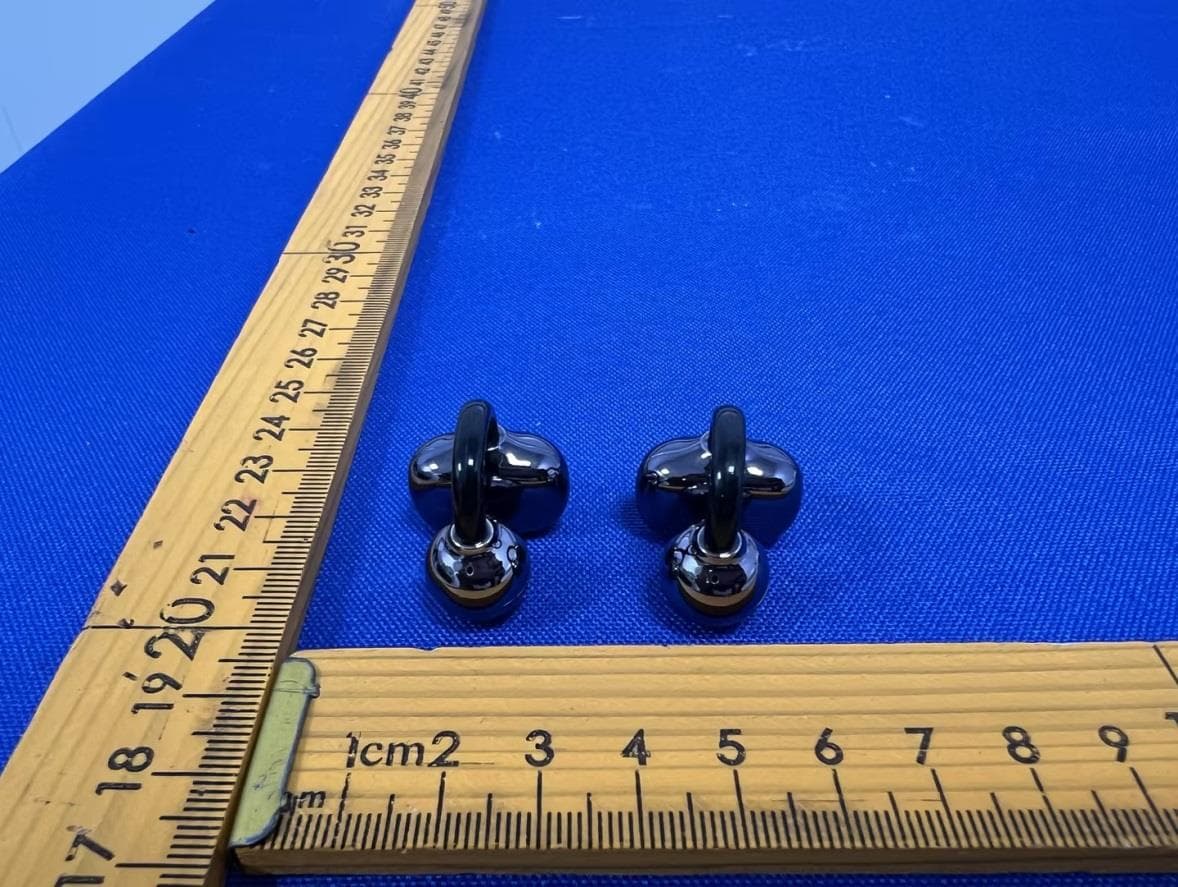
2AHZ5-NEO-A
Jun 11, 2026Wireless Earphone
Equipment Class
DSS - Part 15 Spread Spectrum Transmitter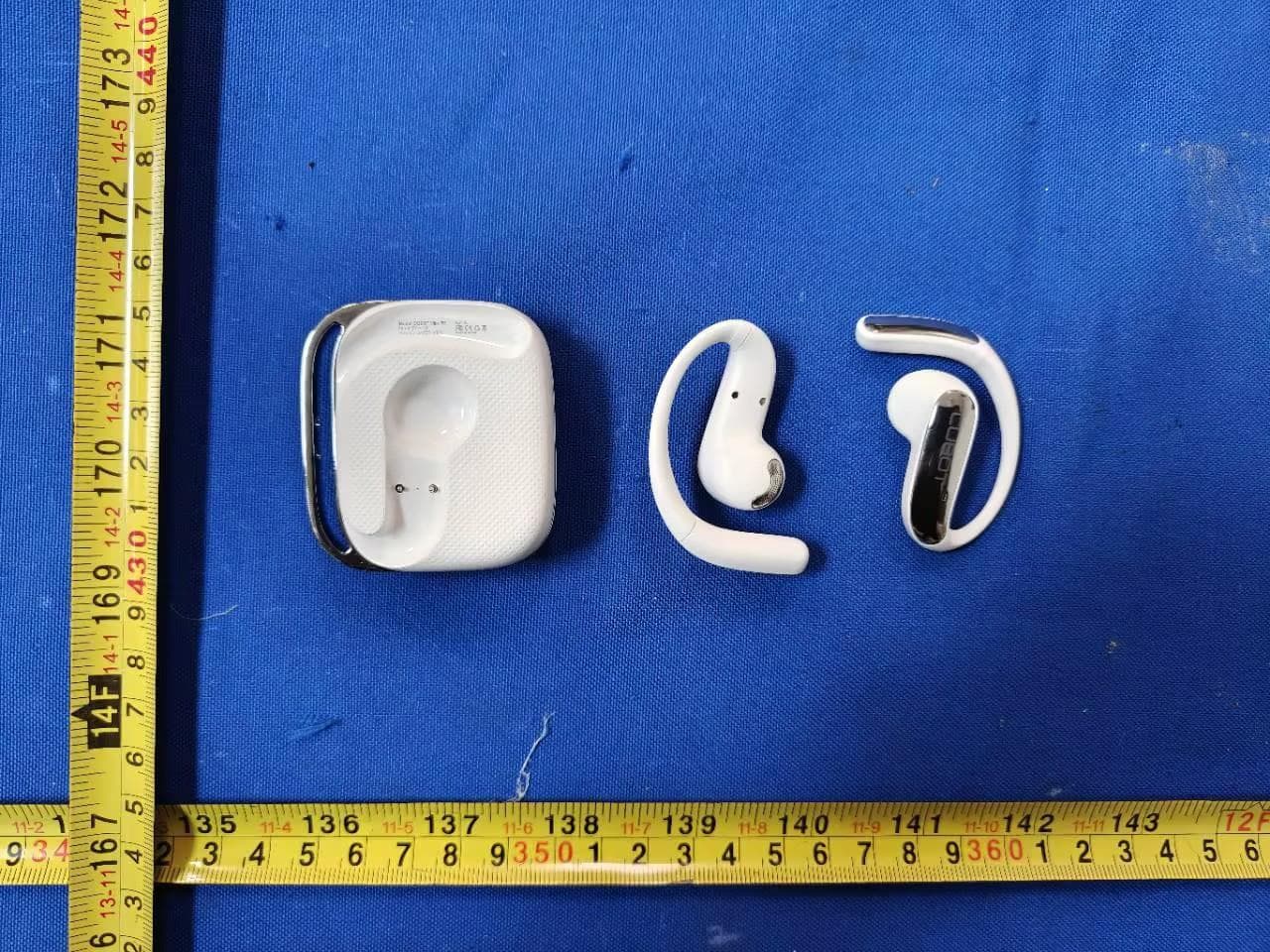
2AHZ5-VR5
Jun 11, 2026Wireless Earphone
Equipment Class
DTS - Digital Transmission System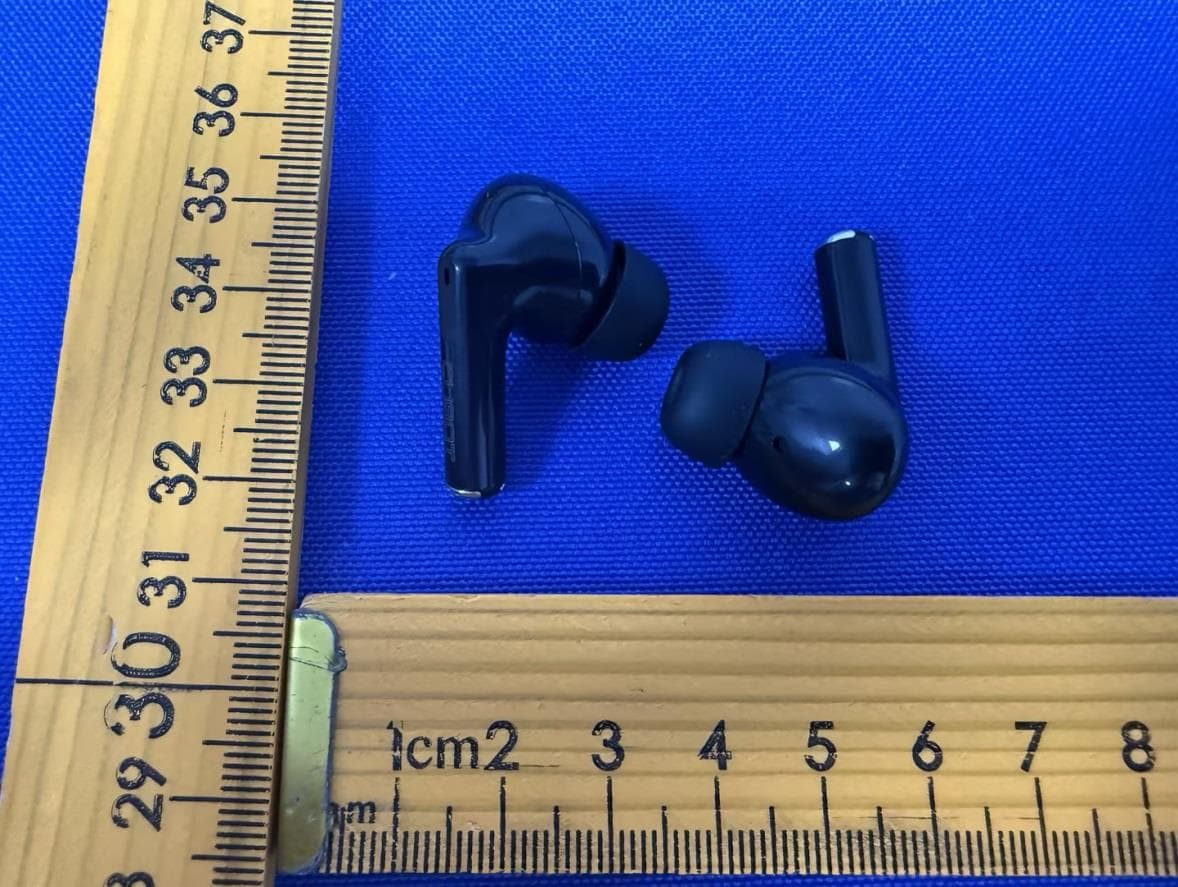
2AHZ5-BUDS
Jun 11, 2026Wireless Earphone
Equipment Class
DSS - Part 15 Spread Spectrum Transmitter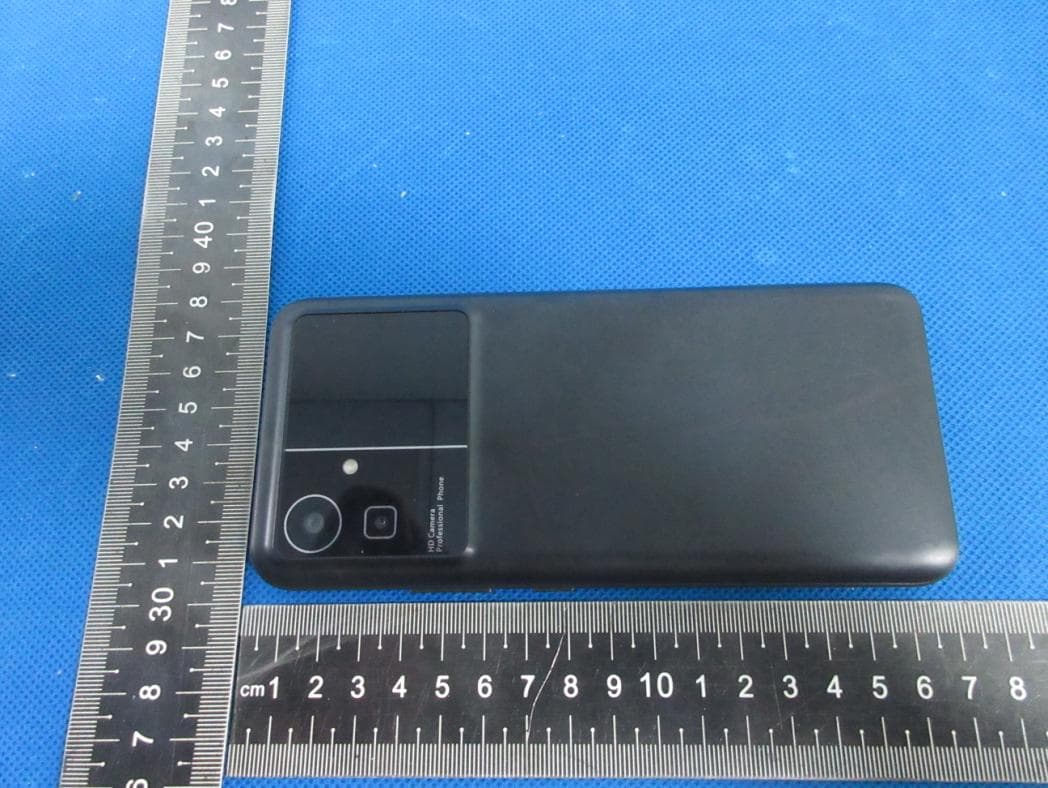
2AHZ5N21
Jul 19, 2023Smartphone
Equipment Class
NII - Unlicensed National Information Infrastructure TX
2AHZ5N50
Jun 25, 2023Smartphone
Equipment Class
DSS - Part 15 Spread Spectrum Transmitter