2AHZD-OPAL-V1OPAL-V1
APDM, INC.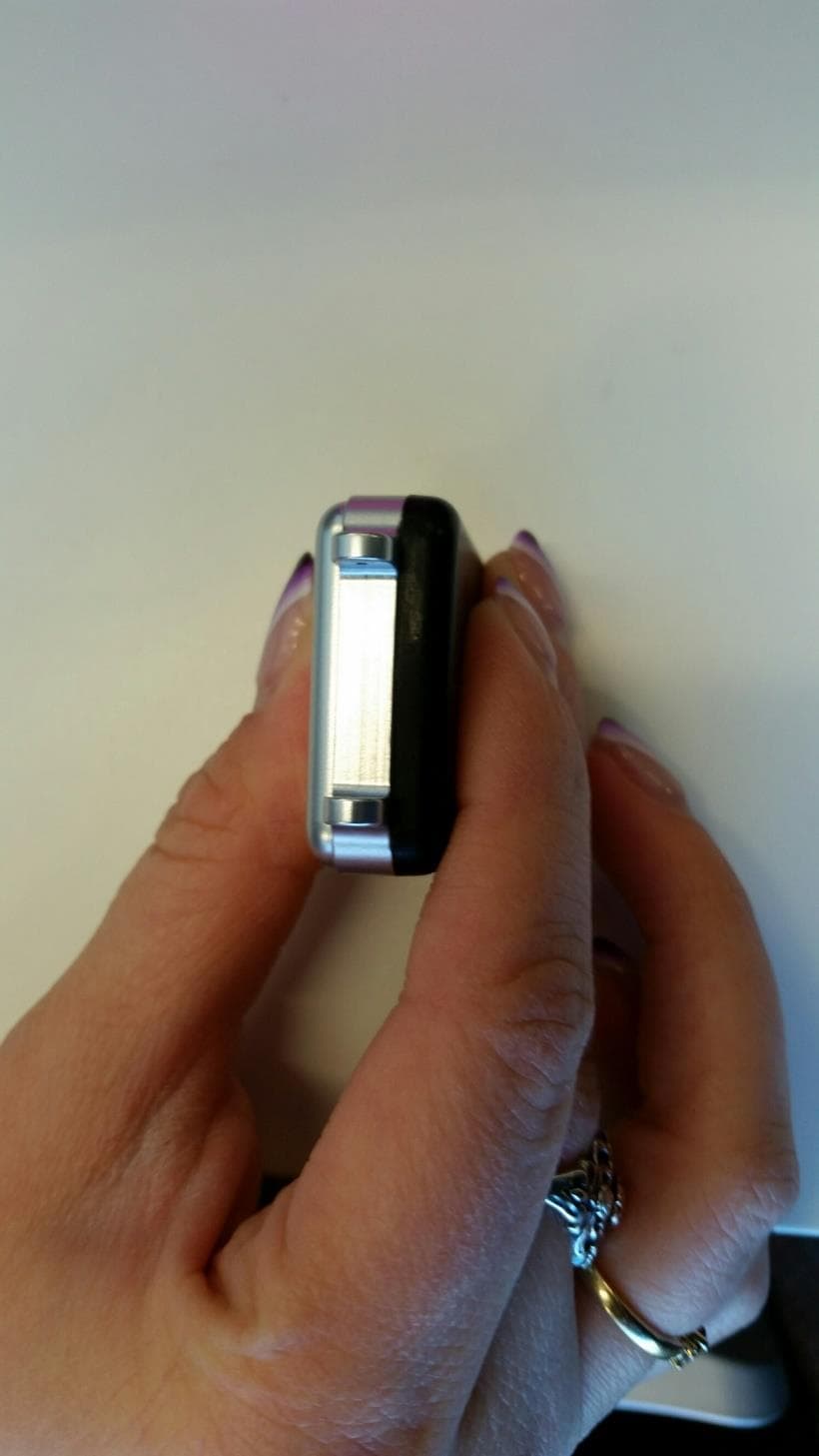
Click to zoom
Application Details
- Equipment Class
- DTS - Digital Transmission System
- Date of Grant
- Nov 08, 2020
- Application Purpose
- Original Equipment
- Date of Application
- Nov 08, 2020
- Equipment Note
- OPAL-V1
- Frequency Range
- 2410.00000000 - 2480.00000000
- Company
- APDM, INC.
- Country
- United States
Documents & Files
Document Text
Text extracted from the exhibit documents filed with the FCC. Open a document above to read the original.
Users Manual
Motion Studio WELCOME to Motion Studio Motion Studio provides an easy way to collect data with your Opal wearable sensors. Features include advanced configuration, recording, data management, calibration, and real-time visualization. web: www.apdm.com email: [email protected] phone: 888-988-APDM (2736) CONTENTS Parts SetupM.L. How to M.L. Software DownloadTroubleshooting Hardware Con g Tech Stats/Info Parts SetupM.L. How to M.L. Software DownloadTroubleshooting Hardware Con g Tech Stats/Info Parts SetupM.L. How to M.L. Software DownloadTroubleshooting Hardware Con g Tech Stats/Info Parts SetupM.L. How to M.L. Software DownloadTroubleshooting Hardware Con g Tech Stats/Info Parts SetupM.L. How to M.L. Software DownloadTroubleshooting Hardware Con g Tech Stats/Info Parts SetupM.L. How to M.L. Software DownloadTroubleshooting Hardware Con g Tech Stats/Info Parts SetupM.L. How to M.L. Software DownloadTroubleshooting Hardware Con g Tech Stats/Info PARTS 1 7 9 11 31 27 25 SETUP SOFTWARE INSTALLATION USING YOUR SOFTWARE TIPS TROUBLESHOOTING INFORMATION PARTS Parts SetupM.L. How to M.L. Software DownloadTroubleshooting Hardware Con g Tech Stats/Info PARTS OPALS The Opal movement sensors precisely record movement with triaxial accelerometers, gyroscopes, and magnetometers. Parts SetupM.L. How to M.L. Software DownloadTroubleshooting Hardware Con g Tech Stats/Info Parts SetupM.L. How to M.L. Software DownloadTroubleshooting Hardware Con g Tech Stats/Info Parts SetupM.L. How to M.L. Software DownloadTroubleshooting Hardware Con g Tech Stats/Info Parts SetupM.L. How to M.L. Software DownloadTroubleshooting Hardware Con g Tech Stats/Info Parts SetupM.L. How to M.L. Software DownloadTroubleshooting Hardware Con g Tech Stats/Info Parts SetupM.L. How to M.L. Software DownloadTroubleshooting Hardware Con g Tech Stats/Info Parts SetupM.L. How to M.L. Software DownloadTroubleshooting Hardware Con g Tech Stats/Info 2 ACCESS POINT The wireless Access Control Point allows for wireless communication between the host computer and Opal movement sensors. A single Access Point can support up to 6 Opals. 3 Parts SetupM.L. How to M.L. Software DownloadTroubleshooting Hardware Con g Tech Stats/Info Parts SetupM.L. How to M.L. Software DownloadTroubleshooting Hardware Con g Tech Stats/Info Parts SetupM.L. How to M.L. Software DownloadTroubleshooting Hardware Con g Tech Stats/Info Parts SetupM.L. How to M.L. Software DownloadTroubleshooting Hardware Con g Tech Stats/Info Parts SetupM.L. How to M.L. Software DownloadTroubleshooting Hardware Con g Tech Stats/Info Parts SetupM.L. How to M.L. Software DownloadTroubleshooting Hardware Con g Tech Stats/Info Parts SetupM.L. How to M.L. Software DownloadTroubleshooting Hardware Con g Tech Stats/Info DOCKING STATION The Docking Station is used to charge and configure the Opal movement sensors. Depending on your configuration, up to 6 Docking Stations may be chained together into a single unit. USB DRIVE The USB drive contains the Motion Studio software for data collection. 4 Parts SetupM.L. How to M.L. Software DownloadTroubleshooting Hardware Con g Tech Stats/Info Parts SetupM.L. How to M.L. Software DownloadTroubleshooting Hardware Con g Tech Stats/Info Parts SetupM.L. How to M.L. Software DownloadTroubleshooting Hardware Con g Tech Stats/Info Parts SetupM.L. How to M.L. Software DownloadTroubleshooting Hardware Con g Tech Stats/Info Parts SetupM.L. How to M.L. Software DownloadTroubleshooting Hardware Con g Tech Stats/Info Parts SetupM.L. How to M.L. Software DownloadTroubleshooting Hardware Con g Tech Stats/Info Parts SetupM.L. How to M.L. Software DownloadTroubleshooting Hardware Con g Tech Stats/Info WIRELESS REMOTE The Motion Studio software supports the use of a remote control to aid while collecting data. This functionality makes it possible for a single attendant to collect data while following or assisting the subject. STRAPS There are a number of options for securing the sensors on subjects using a selection of straps. A. Wrist and Foot strap B. Sternum strap BA 5 Parts SetupM.L. How to M.L. Software DownloadTroubleshooting Hardware Con g Tech Stats/Info Parts SetupM.L. How to M.L. Software DownloadTroubleshooting Hardware Con g Tech Stats/Info Parts SetupM.L. How to M.L. Software DownloadTroubleshooting Hardware Con g Tech Stats/Info Parts SetupM.L. How to M.L. Software DownloadTroubleshooting Hardware Con g Tech Stats/Info Parts SetupM.L. How to M.L. Software DownloadTroubleshooting Hardware Con g Tech Stats/Info Parts SetupM.L. How to M.L. Software DownloadTroubleshooting Hardware Con g Tech Stats/Info Parts SetupM.L. How to M.L. Software DownloadTroubleshooting Hardware Con g Tech Stats/Info CD E 6 Parts SetupM.L. How to M.L. Software DownloadTroubleshooting Hardware Con g Tech Stats/Info Parts SetupM.L. How to M.L. Software DownloadTroubleshooting Hardware Con g Tech Stats/Info Parts SetupM.L. How to M.L. Software DownloadTroubleshooting Hardware Con g Tech Stats/Info Parts SetupM.L. How to M.L. Software DownloadTroubleshooting Hardware Con g Tech Stats/Info Parts SetupM.L. How to M.L. Software DownloadTroubleshooting Hardware Con g Tech Stats/Info Parts SetupM.L. How to M.L. Software DownloadTroubleshooting Hardware Con g Tech Stats/Info Parts SetupM.L. How to M.L. Software DownloadTroubleshooting Hardware Con g Tech Stats/Info C. Lumbar strap D. Thigh strap E. Head strap SETUP Parts SetupM.L. How to M.L. Software DownloadTroubleshooting Hardware Con g Tech Stats/Info SETUP SETUP 1. Connect the Access Point to your computer using the Type-B USB cable provided. 2. Connect the external power adapter to the Docking Station, and plug it in. 3. Connect the Docking Station to your computer using the Micro USB cable provided. 4. Plug the Opal(s) into the Docking Station. 8 Parts SetupM.L. How to M.L. Software DownloadTroubleshooting Hardware Con g Tech Stats/Info Parts SetupM.L. How to M.L. Software DownloadTroubleshooting Hardware Con g Tech Stats/Info Parts SetupM.L. H…
Text truncated - open the document above for the full version.
External Photos
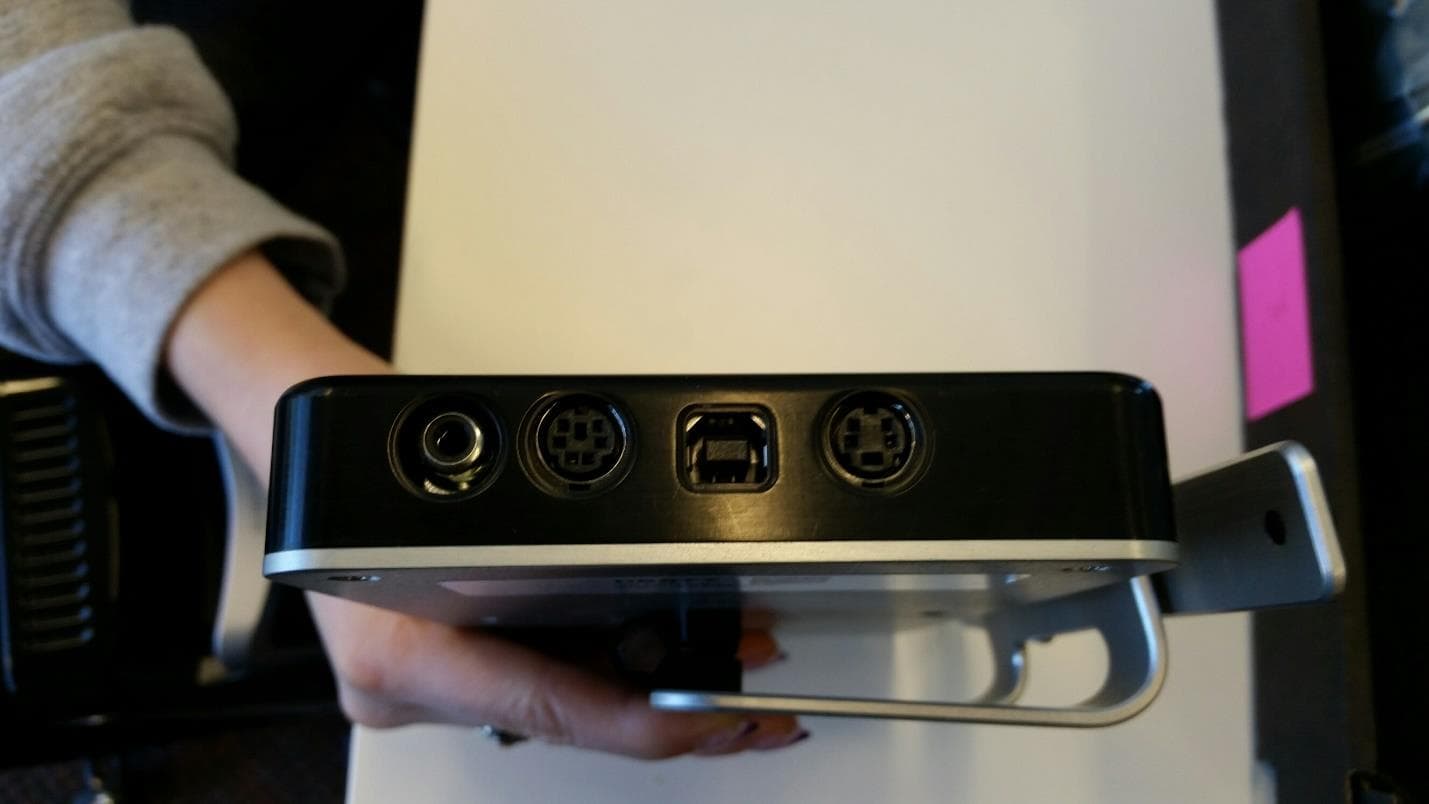
PROPRIETARY AND CONFIDENTIAL OPAL-V1 External Photos: Figure 1: Front Figure 2: Back Figure 3: Top Figure 4: Bottom Figure 5: Side Figure 6: Side
ID Label/Location Info
Confidential and Proprietary OPAL-V1 Label and Location: The label location is etched onto the OPAL-V1 case: Figure 1: OPAL-V1 label location The label information is detailed within the Label-Monitor_V1 Label CAD (see next page) REV 2 1 B 26.5 B Case Identification 26.50 FCC Identification Notes: 1. Case identification number is dynamic and unique to each device UNLESS OTHERWISE SPECIFIED: DIMENSIONS ARE IN MM TOLERANCES: WHOLE NUMBER 1 DRAWN CHECKED NAME J. Bennett G. Gallino DATE 3/5/2019 3/5/2019 TITLE: A Label-Monitor_V1 PROPRIETARY AND CONFIDENTIAL THE INFORMATION CONTAINED IN THIS DRAWING IS THE SOLE PROPERTY OF APDM, INC. ANY REPRODUCTION IN PART OR AS A WHOLE WITHOUT THE WRITTEN PERMISSION OF APDM, INC. IS PROHIBITED. 2 ONE PLACE DECIMAL 0.5 TWO PLACE DECIMAL 0.25 THREE PLACE DECIMAL 0.125 ANGLES: MACH 0.5° BEND 1° INTERPRET GEOMETRIC TOLERANCING PER: ASME Y14.5M-1994 D O N O T S C A L E D R A W ING ENG APPR. A. Greenberg 3/5/2019 A SIZE A SHEET 1 OF 1 1 1.1
Internal Photos
PROPRIETARY AND CONFIDENTIAL OPAL-V1 Internal Photos: Figure 1: OPAL-V1 top of PCBA PROPRIETARY AND CONFIDENTIAL Figure 2: OPAL-V1 bottom of PCBA
Operational Description
Proprietary and Confidential APDM Inc. Opal v1 Antenna Information The antenna used within the monitor v1 is a custom patch antenna. The antenna is permanently soldered to the monitor board, thus ensuring compliance with FCC 15.203. The frequency of the antenna is 2.4 GHz. The antenna is a PCB constructed on controlled dielectric substrate material. The topside of the monitor board acts as the ground plane to the antenna. The antenna has a design gain of 3 dB Drawings showing the patch antenna and location: Drawing showing the V1 patch antenna. The blue layer is the ground layer on the bottom that is soldered to the monitor board while the red layer is the radiating patch antenna. Proprietary and Confidential Topside of the monitor v1 board showing the location of the patch antenna as well as the feed point.
RF Exposure Info
This report must not be used to claim product certification, approval, or endorsement by NVLAP, NIST, or any agency of the U.S. Government. This Report shall not be reproduced, except in full without written approval of the laboratory. EAR-Controlled Data - This document contains technical data whose export and reexport/retransfer is subject to control by the U.S. Department of Commerce under the Export Administration Act and the Export Administration Regulations. The Department of Commerce’s prior written approval may be required for the export or re- export/retransfer of such technical data to any foreign person, foreign entity or foreign organization whether in the United States or abroad. More: https://www.bis.doc.gov/index.php/forms-documents/regulations-docs/14-commerce-country-chart/fileT APDM, Inc. V1 Opal FCC 2.1093:2019 Wideband DTS Transceiver Report # APDM0015.1 NVLAP Lab Code: 200630 CERTIFICATE OF EVALUATION 2018-09-14 Product compliance is the responsibility of the client; therefore, the tests and equipment modes of operation represented in this report were agreed upon by the client, prior to testing. The results of this test pertain only to the sample(s) tested. The specific description is noted in each of the individual sections of the test report supporting this certificate of test. This report reflects only those tests from the referenced standards shown in the certificate of test. It does not include inspection or verification of labels, identification, marking or user information. As indicated in the Statement of Work sent with the quotation, Element’s standard process is to always use the latest published version of the test methods even when earlier versions are cited in the test specification. Issuance of a purchase order was de facto acceptance of this approach. Otherwise, the client would have advised Element in writing of the specific version of the test methods they wanted applied to the subject testing Last Date of Evaluation: Tuesday, November 26, 2019 APDM, Inc. EUT: V1 Opal RF Exposure Evaluation Standards Specification Method FCC 2.1093:2019 FCC 447498 D01 General RF Exposure Guidance v06 Results Method Clause Description Applied Results Comments 4.3.1 SAR Test Exclusion Yes Pass None Deviations From Evaluation Standards None Approved By: Donald Facteau, Process Architect Report No. APDM0015.2EAR-Controlled Data2/9 REVISION HISTORY 2018.07.17 Revision Number Description Date (yyyy-mm-dd) Page Number 00 None Report No. APDM0015.2EAR-Controlled Data3/9 ACCREDITATIONS AND AUTHORIZATIONS 2019.03.08 United States FCC - Designated by the FCC as a Telecommunications Certification Body (TCB). Certification chambers, Open Area Test Sites, and conducted measurement facilities are listed with the FCC. A2LA - Accredited by A2LA to ISO / IEC 17065 as a product certifier. This allows Element to certify transmitters to FCC and IC specifications. NVLAP - Each laboratory is accredited by NVLAP to ISO 17025 Canada ISED - Recognized by Innovation, Science and Economic Development Canada as a Certification Body (CB) and as a CAB for the acceptance of test data. European Union European Commission – Within Element, we have a EU Notified Body validated for the EMCD and RED Directives. Australia/New Zealand ACMA - Recognized by ACMA as a CAB for the acceptance of test data. Korea MSIT / RRA - Recognized by KCC’s RRA as a CAB for the acceptance of test data. Japan VCCI - Associate Member of the VCCI. Conducted and radiated measurement facilities are registered. Taiwan BSMI – Recognized by BSMI as a CAB for the acceptance of test data. NCC - Recognized by NCC as a CAB for the acceptance of test data. Singapore IDA – Recognized by IDA as a CAB for the acceptance of test data. Israel MOC – Recognized by MOC as a CAB for the acceptance of test data. Hong Kong OFCA – Recognized by OFCA as a CAB for the acceptance of test data. Vietnam MIC – Recognized by MIC as a CAB for the acceptance of test data. SCOPE For details on the Scopes of our Accreditations, please visit: https://www.nwemc.com/emc-testing-accreditations Report No. APDM0015.2EAR-Controlled Data4/9 FACILITIES 2019.03.08 California Labs OC01-17 41 Tesla Irvine, CA 92618 (949) 861-8918 Minnesota Labs MN01-10 9349 W Broadway Ave. Brooklyn Park, MN 55445 (612)-638-5136 Oregon Labs EV01-12 6775 NE Evergreen Pkwy #400 Hillsboro, OR 97124 (503) 844-4066 Texas Labs TX01-09 3801 E Plano Pkwy Plano, TX 75074 (469) 304-5255 Washington Labs NC01-05 19201 120 th Ave NE Bothell, WA 98011 (425)984-6600 NVLAP NVLAP Lab Code: 200676-0 NVLAP Lab Code: 200881-0 NVLAP Lab Code: 200630-0 NVLAP Lab Code:201049-0 NVLAP Lab Code: 200629-0 Innovation, Science and Economic Development Canada 2834B-1, 2834B-3 2834E-1, 2834E-3 2834D-1 2834G-1 2834F-1 BSMI SL2-IN-E-1154R SL2-IN-E-1152R SL2-IN-E-1017 SL2-IN-E-1158R SL2-IN-E-1153R VCCI A-0029 A-0109 A-0108 A-0201 A-0110 Recognized Phase I CAB for ISED, ACMA, BSMI, IDA, KCC/RRA, MIC, MOC, NCC, OFCA US0158 US0175 US0017 US0191 US0157 Report No. APDM0015.2EAR-Controlled Data5/9 RF Exposure Condition 2018-07-17 The following RF Exposure conditions were used for the assessment documented in this report: Intended Use Portable Location on Body (if applicable) Head/Torso How is the Device Used The V1 Opal is used within 20 cm of the user's torso. Radios Contained in the Same Host Device None Simultaneous Transmitting Radios None Body Worn Accessories Wrist, sternum and shoulder straps are available for targeted placement of the V1 Opal. Environment General Population/Uncontrolled Exposure Report No. APDM0015.2EAR-Controlled Data6/9 PRODUCT DESCRIPTION 2018-07-17 Client and Equipment Under Evaluation Information Company Name: APDM, Inc. Address: 2828 SW Corbett Ave. Suite 135 City, State, Zip: Portland, OR 97201 Evaluation Requested By: Jennifer Guyot EUT: V1 Opal Date of Evaluation: Tuesday, November 26, 2019 Information Provided by the Party Requesting the Evaluation Functional Description of the Equipment: The …
Text truncated - open the document above for the full version.
Test Report
This report must not be used to claim product certification, approval, or endorsement by NVLAP, NIST, or any agency of the U.S. Government. This Report shall not be reproduced, except in full without written approval of the laboratory. EAR-Controlled Data - This document contains technical data whose export and reexport/retransfer is subject to control by the U.S. Department of Commerce under the Export Administration Act and the Export Administration Regulations. The Department of Commerce’s prior written approval may be required for the export or re- export/retransfer of such technical data to any foreign person, foreign entity or foreign organization whether in the United States or abroad. More: https://www.bis.doc.gov/index.php/forms-documents/regulations-docs/14-commerce-country-chart/fileT APDM, Inc. V1 Opal FCC 15.247:2019 2400 – 2483.5 MHz Other Wideband (DTS) Transceiver Report # APDM0015.1 NVLAP LAB CODE: 200630-0 CERTIFICATE OF TEST 2018-09-14 Product compliance is the responsibility of the client; therefore, the tests and equipment modes of operation represented in this report were agreed upon by the client, prior to testing. The results of this test pertain only to the sample(s) tested. The specific description is noted in each of the individual sections of the test report supporting this certificate of test. This report reflects only those tests from the referenced standards shown in the certificate of test. It does not include inspection or verification of labels, identification, marking or user information. As indicated in the Statement of Work sent with the quotation, Element’s standard process is to always use the latest published version of the test methods even when earlier versions are cited in the test specification. Issuance of a purchase order was de facto acceptance of this approach. Otherwise, the client would have advised Element in writing of the specific version of the test methods they wanted applied to the subject testing. Last Date of Test: February 11, 2019 APDM, Inc. Model: V1 Opal Radio Equipment Testing Standards Specification Method FCC 15.247:2019 ANSI C63.10:2013, KDB 558074 Results Method Clause Test Description Applied Results Comments 6.2 Powerline Conducted Emissions No N/A Not required for a battery powered EUT. 6.5, 6.6, 11.12.1, 11.13.2 Spurious Radiated Emissions Yes Pass 7.8.6 Band Edge Compliance - Hopping Mode No N/A Not required for DTS devices. 7.8.2 Carrier Frequency Separation No N/A Not required for DTS devices. 7.8.3 Number of Hopping Frequencies No N/A Not required for DTS devices. 7.8.4 Dwell Time No N/A Not required for DTS devices. 11.6 Duty Cycle Yes Pass 11.8.2 Occupied Bandwidth Yes Pass 11.9.1.1 Output Power Yes Pass 11.9.1.1 Equivalent Isotropic Radiated Power Yes Pass 11.10.2 Power Spectral Density Yes Pass 11.11 Band Edge Compliance Yes Pass 11.11 Spurious Conducted Emissions Yes Pass Deviations From Test Standards None Approved By: Kyle Holgate, Operations Manager Report No. APDM0015.1EAR-Controlled Data2/46 REVISION HISTORY 2018.07.17 Revision Number Description Date (yyyy-mm-dd) Page Number 00 None Report No. APDM0015.1EAR-Controlled Data3/46 ACCREDITATIONS AND AUTHORIZATIONS 2018.09.04 United States FCC - Designated by the FCC as a Telecommunications Certification Body (TCB). Certification chambers, Open Area Test Sites, and conducted measurement facilities are listed with the FCC. A2LA - Accredited by A2LA to ISO / IEC 17065 as a product certifier. This allows Element to certify transmitters to FCC and IC specifications. NVLAP - Each laboratory is accredited by NVLAP to ISO 17025 Canada ISED - Recognized by Innovation, Science and Economic Development Canada as a Certification Body (CB). Certification chambers and Open Area Test Sites are filed with ISED. European Union European Commission – Within Element, we have a EU Notified Body validated for the EMCD and RED Directives. Australia/New Zealand ACMA - Recognized by ACMA as a CAB for the acceptance of test data. Korea MSIT / RRA - Recognized by KCC’s RRA as a CAB for the acceptance of test data. Japan VCCI - Associate Member of the VCCI. Conducted and radiated measurement facilities are registered. Taiwan BSMI – Recognized by BSMI as a CAB for the acceptance of test data. NCC - Recognized by NCC as a CAB for the acceptance of test data. Singapore IDA – Recognized by IDA as a CAB for the acceptance of test data. Israel MOC – Recognized by MOC as a CAB for the acceptance of test data. Hong Kong OFCA – Recognized by OFCA as a CAB for the acceptance of test data. Vietnam MIC – Recognized by MIC as a CAB for the acceptance of test data. SCOPE For details on the Scopes of our Accreditations, please visit: https://www.nwemc.com/emc-testing-accreditations Report No. APDM0015.1EAR-Controlled Data4/46 FACILITIES 2018.12.13 California Labs OC01-17 41 Tesla Irvine, CA 92618 (949) 861-8918 Minnesota Labs MN01-10 9349 W Broadway Ave. Brooklyn Park, MN 55445 (612)-638-5136 New York Labs NY01-04 4939 Jordan Rd. Elbridge, NY 13060 (315) 554-8214 Oregon Labs EV01-12 6775 NE Evergreen Pkwy #400 Hillsboro, OR 97124 (503) 844-4066 Texas Labs TX01-09 3801 E Plano Pkwy Plano, TX 75074 (469) 304-5255 Washington Labs NC01-05 19201 120 th Ave NE Bothell, WA 98011 (425)984-6600 NVLAP NVLAP Lab Code: 200676-0 NVLAP Lab Code: 200881-0 NVLAP Lab Code: 200761-0 NVLAP Lab Code: 200630-0 NVLAP Lab Code:201049-0 NVLAP Lab Code: 200629-0 Innovation, Science and Economic Development Canada 2834B-1, 2834B-3 2834E-1, 2834E-3 N/A 2834D-1 2834G-1 2834F-1 BSMI SL2-IN-E-1154R SL2-IN-E-1152R N/A SL2-IN-E-1017 SL2-IN-E-1158R SL2-IN-E-1153R VCCI A-0029 A-0109 N/A A-0108 A-0201 A-0110 Recognized Phase I CAB for ACMA, BSMI, IDA, KCC/RRA, MIC, MOC, NCC, OFCA US0158 US0175 N/A US0017 US0191 US0157 Report No. APDM0015.1EAR-Controlled Data5/46 MEASUREMENT UNCERTAINTY TMU.2015.07.10 Measurement Uncertainty When a measurement is made, the result will be different from the true or theoretically correct value. The diff…
Text truncated - open the document above for the full version.
Test Setup Photos
photo PSA-ESCI 2018.07.27 photos PSA-ESCI 2018.07.27 SE (1).JPG SE (2).JPG -2 SPURIOUS RADIATED EMISSIONS photo PSA-ESCI 2018.07.27 photos PSA-ESCI 2018.07.27 SE (3).JPG SE (4).JPG -4 SPURIOUS RADIATED EMISSIONS photo PSA-ESCI 2018.07.27 photos PSA-ESCI 2018.07.27 SE (5).JPG SE (6).JPG -6 SPURIOUS RADIATED EMISSIONS photo PSA-ESCI 2018.07.27 photos PSA-ESCI 2018.07.27 SE (7).JPG SE (8).JPG -8 SPURIOUS RADIATED EMISSIONS SPURIOUS RADIATED EMISSIONS photo PSA-ESCI 2018.07.27 photos PSA-ESCI 2018.07.27 SE (9).JPG SE (10).JPG -10 XMit 2017.12.13 DirectConnect (1).JPG DirectConnect (2).JPG DUTY CYCLE XMit 2017.12.13 DirectConnect (1).JPG DirectConnect (2).JPG DIRECT CONNECT
Contact Information
Applicant
BRENT CASADY(EXECUTIVE VP OF OPERATIONS)
Test Firm
Element Materials TechnologyRenee Walker
Technical Specifications
| # | Rule Parts | Frequency Range | Power Output |
|---|---|---|---|
| 1 | 15C | 2.41 GHz - 2.48 GHz | 900.00 µW |
Other Applications from APDM, INC.
2AHZD-AP-V1
Nov 10, 2020AP-V1
Equipment Class
DTS - Digital Transmission System