2AITT0388RC Race Car
BRIO AB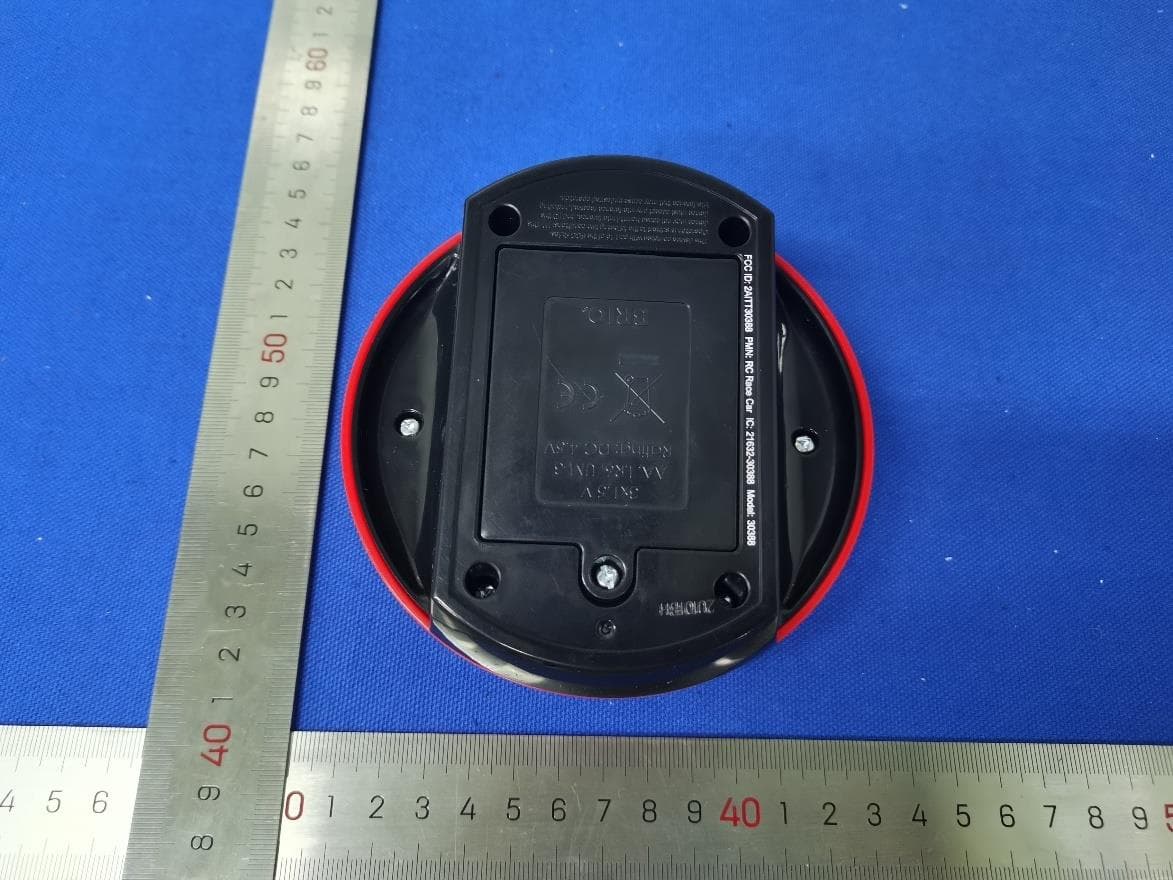
Click to zoom
Application Details
- Equipment Class
- DXX - Part 15 Low Power Communication Device Transmitter
- Date of Grant
- Apr 20, 2021
- Application Purpose
- Original Equipment
- Date of Application
- Apr 18, 2021
- Equipment Note
- RC Race Car
- Frequency Range
- 2415.00000000 - 2472.00000000
- Company
- BRIO AB
- Country
- Sweden
Documents & Files
Document Text
Text extracted from the exhibit documents filed with the FCC. Open a document above to read the original.
Users Manual
© 2019 BRIO AB/0388-896 D © 2019 BRIO AB/0388-896 D BRIO AB, Box 305, SE-201 23 Malmö, Sweden. Tel: +46 40 619 40 00. BRIO AB, Box 305, SE-201 23 Malmö, Sweden. Tel: +46 40 619 40 00. This device complies with Part 15 of the FCC Rules. Operation is subject to the following two conditions: (1) this device may not cause harmful interference, and (2) this device must accept any interference received, including interference that may cause undesired operation. Changes or modifications not expressly approved by the party responsible for compliance could void the user’s authority to operate the equipment. DEFRESPTITEN SK Battery operated play functions: Remote-Control Race Car with age-appropriate controls and functions that are designed for toddlers. Large one- button steering system helps make racing simple and fun. Before using the Remote-Control Race Car: – Install the batteries according to the picture below. – Switch on the car by pushing the switch button to the ON position on the bottom of the car. – Point the remote controller unit towards the car and race! Keep in mind that: – The product is not water-resistant. Wipe off the car with a clean cloth to remove any foreign materials. – The child's hair can easily get caught in moving parts. – The product is only recommended for indoor play. – The remote-control has a range of up to 15 meters. – The car is put into sleep mode after 5 minutes of inactivity. To reactivate, just turn the car off (OFF) and restart the car (ON). Inserting and changing the batteries: This race car is powered by 4 x AA 1.5V batteries (not included). Use a screwdriver to open the battery compartment cover (see illustration). Always position new battery as shown (+/–). Close the cover and tighten the screw. Inserting and changing the batteries: This remote control is powered by 3 x AA 1.5V batteries (not included). Use a screwdriver to open the battery compartment cover (see illustration). Always position new battery as shown (+/–). Close the cover and tighten the screw. When the child presses the top button, the race car drives straight ahead. With both buttons pressed, the race car makes a softer right-hand turn while driving forward. With both buttons pressed, the race car makes a narrow right-hand turn while driving in reverse. When the child presses the right button, the race car makes a narrow right-hand turn and drives around its own axis. When the child presses the left button, the race car makes a narrow left-hand turn and drives around its own axis With both buttons pressed, the race car makes a softer left-hand turn while driving forward. With both buttons pressed, the race car makes a narrow left-hand turn while driving in reverse. When the child presses the bottom button, the race car drives in reverse. If the Remote-Control Race Car does not work properly: 1. Try turning the car off, and then turn it on again. 2. Change the playing surface. 3. Make sure nothing is stuck to or in the wheels. 4. Replace the batteries. Important: • Only adults should install and replace batteries. • Different types of batteries or new and used batteries are not to be mixed. • Only recommended batteries of the same or equivalent type as recommended (1.5V ) are to be used. • Batteries are to be inserted with the correct polarity. • Exhausted batteries are to be removed from the toy. • The supply terminals are not to be short-circuited. • Always remove batteries if the toy is not to be used for some time. • Protect the toy from water or dampness. • Do not attempt to recharge non-rechargeable batteries. • Rechargeable batteries are to be removed from the toy before being charged. • Rechargeable batteries are only to be charged under adult supervision. • Used batteries and electrical components must be disposed of at an approved collection point. • Electrical components or batteries must not be thrown with household waste. Please retain for future reference! Batteriebetriebene Funktionen: Rennwagen mit Fernbedienung mit altersgerechten Knöpfen und Funktionen, die für Kleinkinder gestaltet sind. Die große Lenkung mit einem Knopf sorgt für einen einfachen Fahrspaß. Vor der Verwendung des Rennwagens mit Fernbedienung: – Lege die Batterien wie unten abgebildet ein. – Stelle den Rennwagen an, indem du den Knopf unten am Rennwagen auf AN stellst. – Halte die Fernbedienung in Richtung des Rennwagens und fahr los! Bitte nicht vergessen: – Das Produkt ist nicht wasserbeständig. Wische den Rennwagen mit einem sauberen Tuch ab, um Fremdkörper zu entfernen. – Das Haar des Kindes kann sich in den beweglichen Teilen verfangen. – Das Produkt ist nur für Innenräume empfohlen. – Die Fernbedienung hat eine Reichweite bis 15 Meter. – Der Rennwagen wird nach 5 Minuten Inaktivität in den Ruhemodus gesetzt. Zum Reaktivieren den Rennwagen einfach ausschalten (AUS) und wieder einschalten (AN). Einsetzen und Aufladen der Batterien: Dieser Rennwagen wird von 4 x AA 1,5 V Batterien angetrieben (nicht enthalten). Deckel des Batteriefachs mit einem Schraubenzieher öffnen (siehe Abbildung). Die neuen Batterien wie gezeigt einsetzen (+/-). Deckel schließen und die Schraube festziehen. Einsetzen und Aufladen der Batterien: Diese Fernbedienung wird von 3 x AA 1,5 V Batterien angetrieben (nicht enthalten). Deckel des Batteriefachs mit einem Schraubenzieher öffnen (siehe Abbildung). Die neuen Batterien wie gezeigt einsetzen (+/-). Deckel schließen und die Schraube festziehen. Wenn das Kind auf den oberen Knopf drückt, fährt der Rennwagen gerade nach vorne. Wenn beide Knöpfe gedrückt werden, macht der Rennwagen eine größere Kurve nach rechts und fährt weiter vorwärts. Wenn beide Knöpfe gedrückt werden, macht der Rennwagen eine größere Kurve nach rechts und fährt rückwärts. Wenn das Kind auf den rechten Knopf drückt, fährt der Rennwagen eine enge Kurve nach rechts und dreht sich um seine eigene Achse. Wenn das Kind auf den linken Knopf drückt, fährt der Rennwagen eine enge Kurve nach links und dreht sich um sein…
Text truncated - open the document above for the full version.
Users Manual
© 2019 BRIO AB/0388-896 D © 2019 BRIO AB/0388-896 D BRIO AB, Box 305, SE-201 23 Malmö, Sweden. Tel: +46 40 619 40 00. BRIO AB, Box 305, SE-201 23 Malmö, Sweden. Tel: +46 40 619 40 00. This device complies with Part 15 of the FCC Rules. Operation is subject to the following two conditions: (1) this device may not cause harmful interference, and (2) this device must accept any interference received, including interference that may cause undesired operation. Changes or modifications not expressly approved by the party responsible for compliance could void the user’s authority to operate the equipment. DEFRESPTITEN SK Battery operated play functions: Remote-Control Race Car with age-appropriate controls and functions that are designed for toddlers. Large one- button steering system helps make racing simple and fun. Before using the Remote-Control Race Car: – Install the batteries according to the picture below. – Switch on the car by pushing the switch button to the ON position on the bottom of the car. – Point the remote controller unit towards the car and race! Keep in mind that: – The product is not water-resistant. Wipe off the car with a clean cloth to remove any foreign materials. – The child's hair can easily get caught in moving parts. – The product is only recommended for indoor play. – The remote-control has a range of up to 15 meters. – The car is put into sleep mode after 5 minutes of inactivity. To reactivate, just turn the car off (OFF) and restart the car (ON). Inserting and changing the batteries: This race car is powered by 4 x AA 1.5V batteries (not included). Use a screwdriver to open the battery compartment cover (see illustration). Always position new battery as shown (+/–). Close the cover and tighten the screw. Inserting and changing the batteries: This remote control is powered by 3 x AA 1.5V batteries (not included). Use a screwdriver to open the battery compartment cover (see illustration). Always position new battery as shown (+/–). Close the cover and tighten the screw. When the child presses the top button, the race car drives straight ahead. With both buttons pressed, the race car makes a softer right-hand turn while driving forward. With both buttons pressed, the race car makes a narrow right-hand turn while driving in reverse. When the child presses the right button, the race car makes a narrow right-hand turn and drives around its own axis. When the child presses the left button, the race car makes a narrow left-hand turn and drives around its own axis With both buttons pressed, the race car makes a softer left-hand turn while driving forward. With both buttons pressed, the race car makes a narrow left-hand turn while driving in reverse. When the child presses the bottom button, the race car drives in reverse. If the Remote-Control Race Car does not work properly: 1. Try turning the car off, and then turn it on again. 2. Change the playing surface. 3. Make sure nothing is stuck to or in the wheels. 4. Replace the batteries. Important: • Only adults should install and replace batteries. • Different types of batteries or new and used batteries are not to be mixed. • Only recommended batteries of the same or equivalent type as recommended (1.5V ) are to be used. • Batteries are to be inserted with the correct polarity. • Exhausted batteries are to be removed from the toy. • The supply terminals are not to be short-circuited. • Always remove batteries if the toy is not to be used for some time. • Protect the toy from water or dampness. • Do not attempt to recharge non-rechargeable batteries. • Rechargeable batteries are to be removed from the toy before being charged. • Rechargeable batteries are only to be charged under adult supervision. • Used batteries and electrical components must be disposed of at an approved collection point. • Electrical components or batteries must not be thrown with household waste. Please retain for future reference! Batteriebetriebene Funktionen: Rennwagen mit Fernbedienung mit altersgerechten Knöpfen und Funktionen, die für Kleinkinder gestaltet sind. Die große Lenkung mit einem Knopf sorgt für einen einfachen Fahrspaß. Vor der Verwendung des Rennwagens mit Fernbedienung: – Lege die Batterien wie unten abgebildet ein. – Stelle den Rennwagen an, indem du den Knopf unten am Rennwagen auf AN stellst. – Halte die Fernbedienung in Richtung des Rennwagens und fahr los! Bitte nicht vergessen: – Das Produkt ist nicht wasserbeständig. Wische den Rennwagen mit einem sauberen Tuch ab, um Fremdkörper zu entfernen. – Das Haar des Kindes kann sich in den beweglichen Teilen verfangen. – Das Produkt ist nur für Innenräume empfohlen. – Die Fernbedienung hat eine Reichweite bis 15 Meter. – Der Rennwagen wird nach 5 Minuten Inaktivität in den Ruhemodus gesetzt. Zum Reaktivieren den Rennwagen einfach ausschalten (AUS) und wieder einschalten (AN). Einsetzen und Aufladen der Batterien: Dieser Rennwagen wird von 4 x AA 1,5 V Batterien angetrieben (nicht enthalten). Deckel des Batteriefachs mit einem Schraubenzieher öffnen (siehe Abbildung). Die neuen Batterien wie gezeigt einsetzen (+/-). Deckel schließen und die Schraube festziehen. Einsetzen und Aufladen der Batterien: Diese Fernbedienung wird von 3 x AA 1,5 V Batterien angetrieben (nicht enthalten). Deckel des Batteriefachs mit einem Schraubenzieher öffnen (siehe Abbildung). Die neuen Batterien wie gezeigt einsetzen (+/-). Deckel schließen und die Schraube festziehen. Wenn das Kind auf den oberen Knopf drückt, fährt der Rennwagen gerade nach vorne. Wenn beide Knöpfe gedrückt werden, macht der Rennwagen eine größere Kurve nach rechts und fährt weiter vorwärts. Wenn beide Knöpfe gedrückt werden, macht der Rennwagen eine größere Kurve nach rechts und fährt rückwärts. Wenn das Kind auf den rechten Knopf drückt, fährt der Rennwagen eine enge Kurve nach rechts und dreht sich um seine eigene Achse. Wenn das Kind auf den linken Knopf drückt, fährt der Rennwagen eine enge Kurve nach links und dreht sich um sein…
Text truncated - open the document above for the full version.
Cover Letter(s)
Authoritv to Act as Asent Date: EApriZAl. TUV Rheinland Group 762Park Avenue Youngsville, NC 27596 To Whom lt May Concern: I appoint TUV Rheinland (Shenzhen) Co., Ltd. to act as our agent in the preparation of this application for equipment certification. I certify that submitted documents properly describe the device or system for which equipment certification is sought. I also certify that each unit manufactured, imported or marketed, as defined in the FCC or Industry Canada's regulations will have afl.rxed to it a label identical to that submitted for approval with this application. For instances where our authorizedagent signs the application for certification on our behalf, I acknowledge that all responsibility for complying with the terms and conditions for Certification, as specified by TUV Rheinland Group, still resides with BRIO AB / Skeooshbron 1A" Malmo. Skane 201 23. Sweden For TCB applications, We certi$ that we are not subject to denial of federal benefits, that includes FCC benefits, pursuant to Section 5301 of the Anti-Drug Abuse Act of T988,21U.S.C. 862. Further, no party, as defined in 47 CFR 1.2002 (b), to the application is subject to denial of federal benefits, that includes FCC benefits. Thank you, Apencv Asreement Exoiration Date: 12 months Goran Kullberg By (Print Name) +46-40-619-40-00 Title On behalf of : Head of Quality Telephone BRIO AB (Company Name) oF094234 Page 1 of 1 Revision 0
Cover Letter(s)
Confidentialitv Letter Date:2021-04-12 Subject: Confidentiality Request for FCC ID: 2AITT0388 and IC ID: 21632-0388 Pursuant to FCC 47 CRF 0.457(d) and 0.459 and IC RSP-100, Section 10, the applicant requests that a part of the subject FCCflC application be held confidential. Tvne of Confidentialitv Requested Exhibit fl Short TermX PermanentBlock Diagrams X Short Term External Photos X Short Term I Permanentlntemal Photos ! Short Term X PermanentOoeration Description/Theory of Operation n Short Term ffi Permanent Part List/Tune-Up Procedure fl Short TermX PermanentSchematics X Short Term Test Setup Photos X Short Term f] PermanentUser's Manual BRIO AB has spent substantial effort in developing this product and it is one of the first of its kind in industry. Having the subject information easily available to "competition" would negate the advantage they have achieved by developing this product. Not protecting the details of the design will result in financial hardship. Permanent Confidentiality: The applicant requests the exhibits listed above as permanently confidential be permanently withheld from public review due to materials that contain trade secrets and proprietary information not customarily released to the public. Short-Term Confidentiality: The applicant requests the exhibits selected above as short term confidential be withheld from public view for a period of "l--8-tl days from the date of the Grant of Equipment Authorization and prior to marketing. This is to avoid premature release of sensitive information prior to marketing or release of the product to the public. Applicant is also aware that they are responsible to notifi TUV Rheinland in the event information regarding the product or the product is made available to the public. TUV Rheinland will then release the documents listed above for public disclosure pursuant to FCC Public Notice DA 04- l7Q5-. Sincerely, Goran Kullberg / Head of Quality (Print name/Title)
RF Exposure Info
1 Safety Human Exposure 1.1 Radio Frequency Exposure Compliance 1.1.1 Electromagnetic Fields RESULT: Pass Test Specification Test standard : FCC KDB Publication 447498 v06 FCC Part 2: Section 2.1091 RSS 102 Issue 5 For FCC: Measurement Record: The measured maximum specified power of the EUT is 97.97dBuV/m@3m (i.e. 2.74dBm) for general 2.4GHz, which is belong low power device, hence the EUT is excluded from RF Exposure evaluation according to FCC KDB publication 447498 D01: Mobile and Portable RF Exposure. Guidance v06. For IC: Measurement Record: Stand-alone transmitting The measured maximum specified power of the EUT is 97.97dBuV/m@3m (i.e. 2.74dBm) for general 2.4GHz, which is far below the RF Exposure evaluation exclusion threshold level 4mW for 2.4GHz, hence the EUT is excluded from RF Exposure evaluation according to RSS-102 Issue 5 section 2.5.1.
Test Report
Prüfbericht - Produkte Test Report - Products Appendix B CN212QI4 001 Page 1 of 25 Appendix B: Test Results of General 2.4GHz APPENDIX B: TEST RESULTS OF GENERAL 2.4GHZ ......................................................................................................... 1 APPENDIX B.1: FUNDAMENTAL & HARMONICS RADIATED EMISSION ............................................................................................ 2 30MHz - 1GHz ............................................................................................................................................................... 2 1GHz - 18GHz ................................................................................................................................................................ 6 APPENDIX B.2: TEST RESULTS OF 20DB BANDWIDTH ................................................................................................................ 18 APPENDIX B.3: TEST RESULTS OF 99% BANDWIDTH ................................................................................................................. 20 APPENDIX B.4: TEST RESULTS OF RADIATED EMISSIONS IN RESTRICTED BANDS ............................................................................. 22 Prüfbericht - Produkte Test Report - Products Appendix B CN212QI4 001 Page 2 of 25 Note: Testing was carried out within frequency range 9kHz to the tenth harmonics. The measurement results below 30MHz and 18GHz -26.5GHz were greater than 20dB below the limit, so only the radiated spurious emissions from 30MHz to 18GHz were reported. Appendix B.1: Fundamental & Harmonics Radiated Emission 30MHz - 1GHz EUT Information EUT Name: RC Race Car Model: 0388 Test Mode: SRD2.4G_2415MHz Test Voltage:: Battery Remark: Temp 24 Humi:47% Test Standard: FCC 15.249 Tested By: Kei Zhang Reviewed By: Terry Yin 0 10 20 30 40 50 60 70 80 30M 5060 80 100M200300400 500 8001G Level in dBμV/m Frequency in Hz Critical_Freqs Frequency (MHz) MaxPeak (dBμV/m) Limit (dBμV/m) Margin (dB) Height (cm) Pol Azimuth (deg) Corr. (dB/m) 48.527000 15.57 40.00 24.43 100.0 H 262.0 -18.7 60.506500 14.55 40.00 25.45 100.0 H 243.0 -19.4 146.303000 12.96 43.50 30.54 100.0 H 291.0 -22.6 224.000000 16.03 46.00 29.97 100.0 H 53.0 -18.7 710.794500 25.69 46.00 20.31 100.0 H 34.0 -8.2 845.188000 28.34 46.00 17.66 100.0 H 281.0 -6.0 Prüfbericht - Produkte Test Report - Products Appendix B CN212QI4 001 Page 3 of 25 EUT Information EUT Name: RC Race Car Model: 0388 Test Mode: SRD2.4G_2415MHz Test Voltage:: Battery Remark: Temp 24 Humi:47% Test Standard: FCC 15.249 Tested By: Kei Zhang Reviewed By: Terry Yin 0 10 20 30 40 50 60 70 80 30M 5060 80 100M200300400 500 8001G Level in dBμV/m Frequency in Hz Critical_Freqs Frequency (MHz) MaxPeak (dBμV/m) Limit (dBμV/m) Margin (dB) Height (cm) Pol Azimuth (deg) Corr. (dB/m) 35.771500 22.93 40.00 17.07 100.0 V 213.0 -21.9 40.282000 25.07 40.00 14.93 100.0 V 71.0 -20.3 59.342500 29.25 40.00 10.75 100.0 V 115.0 -19.2 244.321500 15.28 46.00 30.72 100.0 V 346.0 -17.9 729.418500 27.57 46.00 18.43 100.0 V 286.0 -7.9 844.848500 28.05 46.00 17.95 100.0 V 146.0 -6.0 Prüfbericht - Produkte Test Report - Products Appendix B CN212QI4 001 Page 4 of 25 EUT Information EUT Name: RC Race Car Model: 0388 Test Mode: SRD2.4G_2472MHz Test Voltage:: Battery Remark: Temp 24 Humi:47% Test Standard: FCC 15.249 Tested By: Kei Zhang Reviewed By: Terry Yin 0 10 20 30 40 50 60 70 80 30M 5060 80 100M200300400 500 8001G Level in dBμV/m Frequency in Hz Critical_Freqs Frequency (MHz) MaxPeak (dBμV/m) Limit (dBμV/m) Margin (dB) Height (cm) Pol Azimuth (deg) Corr. (dB/m) 40.330500 15.67 40.00 24.33 100.0 H 98.0 -20.3 52.358500 17.19 40.00 22.81 100.0 H 52.0 -18.6 107.891000 12.48 43.50 31.02 100.0 H 235.0 -19.3 223.951500 15.15 46.00 30.85 100.0 H 1.0 -18.7 709.873000 26.56 46.00 19.44 100.0 H 256.0 -8.3 844.848500 27.66 46.00 18.34 100.0 H 61.0 -6.0 Prüfbericht - Produkte Test Report - Products Appendix B CN212QI4 001 Page 5 of 25 EUT Information EUT Name: RC Race Car Model: 0388 Test Mode: SRD2.4G_2472MHz Test Voltage:: Battery Remark: Temp 24 Humi:47% Test Standard: FCC 15.249 Tested By: Kei Zhang Reviewed By: Terry Yin 0 10 20 30 40 50 60 70 80 30M 5060 80 100M200300400 500 8001G Level in dBμV/m Frequency in Hz Critical_Freqs Frequency (MHz) MaxPeak (dBμV/m) Limit (dBμV/m) Margin (dB) Height (cm) Pol Azimuth (deg) Corr. (dB/m) 40.524500 25.33 40.00 14.67 100.0 V 227.0 -20.3 55.026000 26.02 40.00 13.98 100.0 V 91.0 -18.7 59.633500 28.74 40.00 11.26 100.0 V 247.0 -19.3 243.739500 14.40 46.00 31.60 100.0 V 24.0 -17.9 728.545500 26.75 46.00 19.25 100.0 V 161.0 -7.9 849.068000 28.10 46.00 17.90 100.0 V 342.0 -5.9 Prüfbericht - Produkte Test Report - Products Appendix B CN212QI4 001 Page 6 of 25 1GHz - 18GHz EUT Information EUT Name: RC Race Car Model: 0388 Test Mode: SRD2.4G_2415MHz Test Voltage:: Battery Remark: Temp 22 Humi:50% Test Standard: FCC 15.249 Tested By: Alano Qu Reviewed By: Terry Yin 0 20 40 60 80 100 120 130 1G2G3G4G5G 6.2G Level in dBμV/m Frequency in Hz Critical_Freqs Frequency (MHz) MaxPeak (dBμV/m) Average (dBμV/m) Limit (dBμV/m) Margin (dB) Height (cm) Pol Azimuth (deg) Corr. (dB/m) 2415.080000 95.53 --- 114.00 18.47 100.0 H 173.0 7.1 2415.760000 --- 89.64 94.00 4.36 100.0 H 223.0 7.1 4829.500000 50.65 --- 74.00 23.35 100.0 H 251.0 11.8 4829.500000 --- 40.12 54.00 13.88 100.0 H 251.0 11.8 Prüfbericht - Produkte Test Report - Products Appendix B CN212QI4 001 Page 7 of 25 EUT Information EUT Name: RC Race Car Model: 0388 Test Mode: SRD2.4G_2415MHz Test Voltage:: Battery Remark: Temp 22 Humi:50% Test Standard: FCC 15.249 Tested By: Alano Qu Reviewed By: Terry Yin 0 20 40 60 80 100 120 130 6.2G 8910G18G Level in dBμV/m Frequency in Hz Critical_Freqs Frequency (MHz) MaxPeak (dBμV/m) Average (dBμV/m) Limit (dBμV/m) Margin (dB) Height (cm) Pol Azimuth (deg) Corr. (dB/m) 9655.433333 45.35 74.00 28.65 100.0 H 93.0 10.4 9662.808333 --- 33.4 54.00 20.60 100.0 H 0.0 10.4 Prüfbericht - Produkte Test R…
Text truncated - open the document above for the full version.
Test Report
Prüfbericht - Produkte Test Report - Products Prüfbericht-Nr.: Test report no.: CN212QI4 001 Auftrags-Nr.: Order no.: 168310269 Seite 1 von 16 Page 1 of 16 Kunden-Referenz-Nr.: Client reference no.: N/A Auftragsdatum: Order date: 2021-03-18 Auftraggeber: Client: BRIO AB Skeppshbron 1A, Malmo, Skane 201 23, Sweden Prüfgegenstand: Test item: RC Race Car (item# 30388, 30408, 30414) Bezeichnung / Typ-Nr.: Identification / Type no.: 0388 (Trademark: BRIO) Auftrags-Inhalt: Order content: FCC & IC Prüfgrundlage: Test specification: CFR47 FCC Part 15: Subpart C Section 15.249 CFR47 FCC Part 15: Subpart C Section 15.209 RSS-210 Issue 10 December 2019 RSS-Gen Issue 5 March 2019 Wareneingangsdatum: Date of sample receipt: 2021-03-23 Please refer to Photo Document Prüfmuster-Nr.: Test sample no: A003013612-001 Prüfzeitraum: Testing period: 2021-03-24 – 2021-03-30 Ort der Prüfung: Place of testing: TÜV Rheinland (Shenzhen) Co., Ltd. Prüflaboratorium: Testing laboratory: TÜV Rheinland (Shenzhen) Co., Ltd. Prüfergebnis*: Test result*: Pass geprüft von: tested by: X Signed by: Jackson Yang genehmigt von: authorized by: X Signed by: Winnie Hou Datum: Date: 2021-04-14 Ausstellungsdatum: Issue date: 2021-04-14 Stellung / Position: Project Engineer Stellung / Position: Technical Certifier Sonstiges / Other: FCC ID: 2AITT0388 IC: 21632-0388 PMN: RC Race Car HVIN: 0388 Zustand des Prüfgegenstandes bei Anlieferung: Condition of the test item at delivery: Prüfmuster vollständig und unbeschädigt Test item complete and undamaged * Legende: 1 = sehr gut 2 = gut 3 = befriedigend 4 = ausreichend 5 = mangelhaft P(ass) = entspricht o.g. Prüfgrundlage(n) F(ail) = entspricht nicht o.g. Prüfgrundlage(n) N/A = nicht anwendbar N/T = nicht getestet * Legend: 1 = very good 2 = good 3 = satisfactory 4 = sufficient 5 = poor P(ass) = passed a.m. test specification(s) F(ail) = failed a.m. test specification(s) N/A = not applicable N/T = not tested Dieser Prüfbericht bezieht sich nur auf das o.g. Prüfmuster und darf ohne Genehmigung der Prüfstelle nicht auszugsweise vervielfältigt werden. Dieser Bericht berechtigt nicht zur Verwendung eines Prüfzeichens. This test report only relates to the a. m. test sample. Without permission of the test center this test report is not permitted to be duplicated in extracts. This test report does not entitle to carry any test mark. TÜV Rheinland (Shenzhen) Co., Ltd. 1601 R&D Room, 1602-1604, 17-18F, Building 7 Site C, Vanke Cloud City Phase I, Xingke First Street, Xili Street, Xili Community, Nanshan District, Shenzhen 518052, P.R. China Mail: [email protected] · Web: www.tuv.com Prüfbericht - Produkte Test Report - Products Prüfbericht - Nr.: Test Report No. CN212QI4 001 Seite 2 von 16 Page 2 of 16 Test Summary 5.1.1 ANTENNA REQUIREMENT RESULT: Pass 5.1.2 FUNDAMENTAL & HARMONICS RADIATED EMISSION RESULT: Pass 5.1.3 20DB BANDWIDTH RESULT: Pass 5.1.4 99% BANDWIDTH RESULT: Pass 5.1.5 RADIATED SPURIOUS EMISSION & BAND EDGE RESULT: Pass Prüfbericht - Produkte Test Report - Products Prüfbericht - Nr.: Test Report No. CN212QI4 001 Seite 3 von 16 Page 3 of 16 Contents 1 GENERAL REMARKS ........................................................................................................................... 4 1.1 COMPLEMENTARY MATERIALS ............................................................................................................ 4 2 TEST SITES ........................................................................................................................................ 5 2.1 TEST FACILITIES ................................................................................................................................. 5 2.2 LIST OF TEST AND MEASUREMENT INSTRUMENTS................................................................................. 5 2.3 TRACEABILITY .................................................................................................................................... 6 2.4 CALIBRATION ..................................................................................................................................... 6 2.5 MEASUREMENT UNCERTAINTY............................................................................................................. 6 2.6 LOCATION OF ORIGINAL DATA ............................................................................................................. 6 2.7 STATUS OF FACILITY USED FOR TESTING ............................................................................................. 6 3 GENERAL PRODUCT INFORMATION ...................................................................................................... 7 3.1 PRODUCT FUNCTION AND INTENDED USE ............................................................................................. 7 3.2 RATINGS AND SYSTEM DETAILS .......................................................................................................... 7 3.3 INDEPENDENT OPERATION MODES ...................................................................................................... 8 3.4 NOISE GENERATING AND NOISE SUPPRESSING PARTS ......................................................................... 8 3.5 SUBMITTED DOCUMENTS..................................................................................................................... 8 4 TEST SET-UP AND OPERATION MODES ................................................................................................ 9 4.1 PRINCIPLE OF CONFIGURATION SELECTION ......................................................................................... 9 4.2 TEST OPERATION AND TEST SOFTWARE .............................................................................................. 9 4.3 SPECIAL ACCESSORIES AND AUXILIARY EQUIPMENT ............................................................................ 9 4.4 COUNTERMEASURES TO ACHIEVE EMC COMPLIANCE ..................................................................…
Text truncated - open the document above for the full version.
Test Setup Photos
Prüfbericht - Produkte Test Report - Products Appendix A CN212QI4 001 Page 1 of 2 Appendix A: Photographs of the Test Set-Up APPENDIX A: PHOTOGRAPHS OF THE TEST SET-UP ....................................................................................................... 1 PHOTOGRAPH 1: SET-UP PHOTO FOR RADIATED SPURIOUS EMISSION, 30MHZ ~ 1GHZ ..................................................................... 2 PHOTOGRAPH 2: SET-UP PHOTO FOR RADIATED SPURIOUS EMISSION, 1GHZ ~ 18GHZ ...................................................................... 2 Prüfbericht - Produkte Test Report - Products Appendix A CN212QI4 001 Page 2 of 2 Photograph 1: Set-up photo for Radiated Spurious Emission, 30MHz ~ 1GHz Photograph 2: Set-up photo for Radiated Spurious Emission, 1GHz ~ 18GHz
Contact Information
Applicant
Christopher Maguire(Head of Quality)
Technical Contact
Test Firm
TUV Rheinland (Shenzhen) Co., Ltd.Gina Yang
[email protected]86 755 8268 1497
Technical Specifications
| # | Rule Parts | Frequency Range | Power Output |
|---|---|---|---|
| 1 | 15C | 2.42 GHz - 2.47 GHz | - |
Other Applications from BRIO AB
2AITT3971
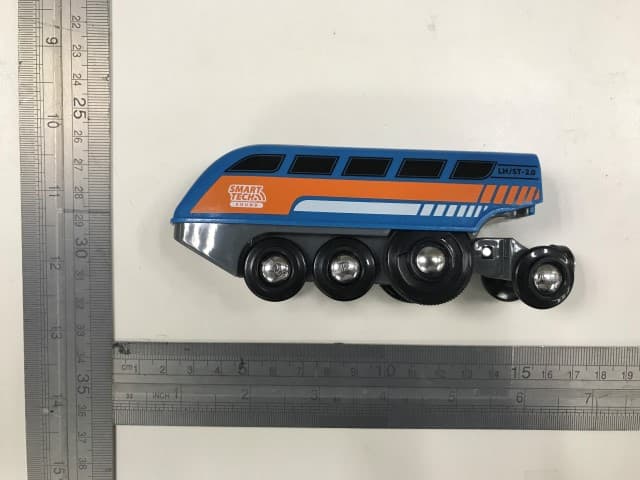
Jun 07, 2020Smart Engine
Equipment Class
DTS - Digital Transmission System
2AITT30408
May 21, 2020Radio Controlled Toy Transmitter (2.4GHz)
Equipment Class
DXX - Part 15 Low Power Communication Device Transmitter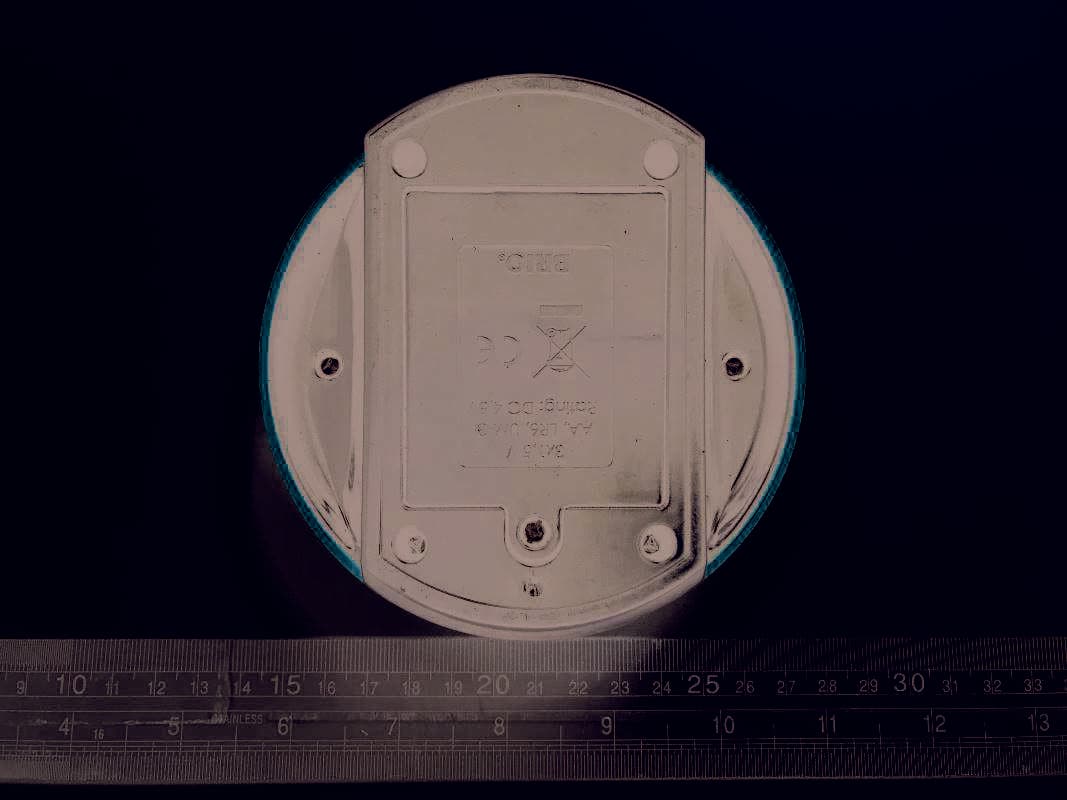
2AITT30388
May 21, 2020Radio Controlled Toy Transmitter (2.4GHz)
Equipment Class
DXX - Part 15 Low Power Communication Device Transmitter