2AMC6-AIR2TRUE WIRELESS EARBUDS
Aiwa Corporation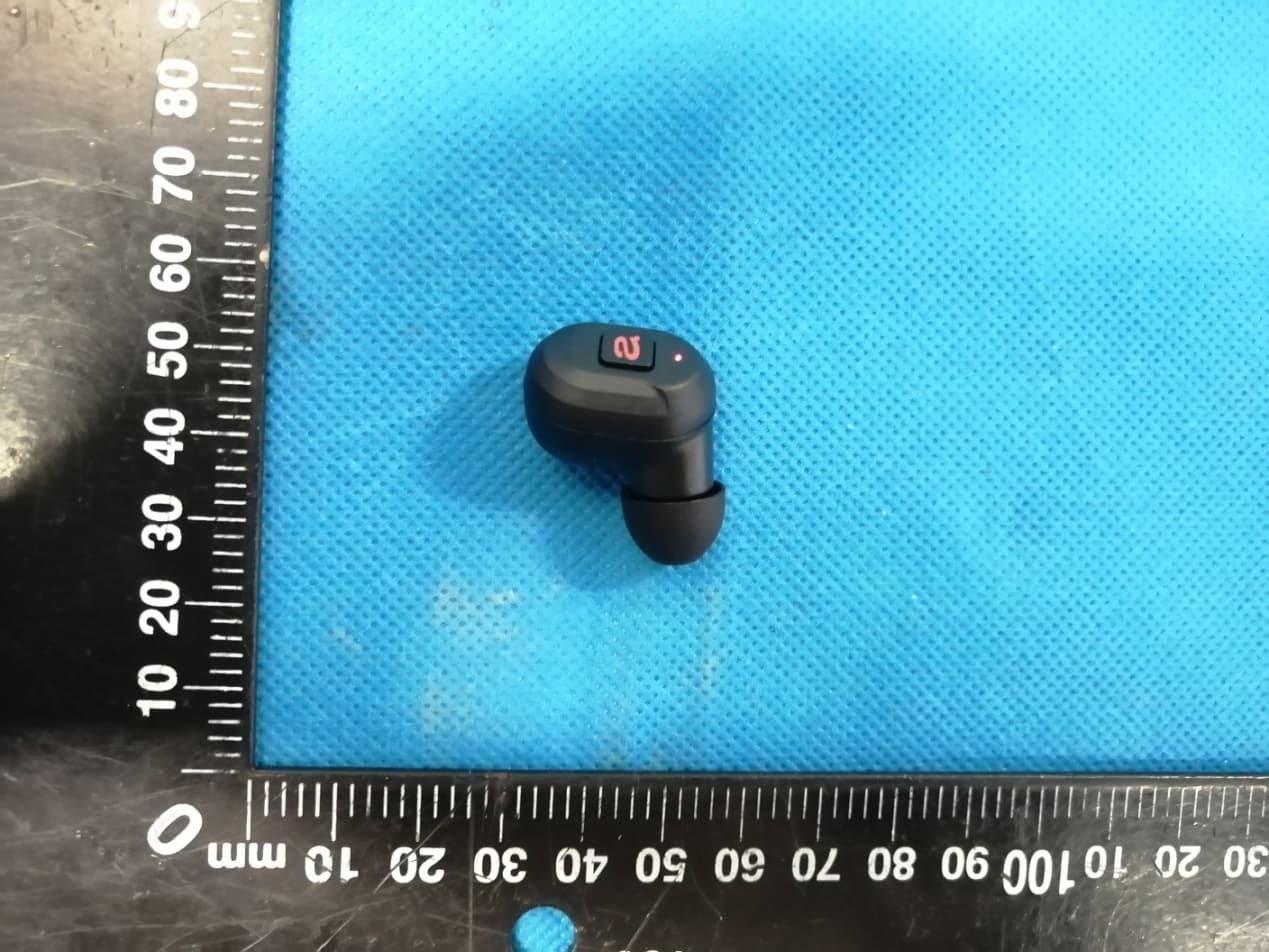
Click to zoom
Application Details
- Equipment Class
- DSS - Part 15 Spread Spectrum Transmitter
- Date of Grant
- Sep 23, 2020
- Application Purpose
- Original Equipment
- Date of Application
- Sep 23, 2020
- Equipment Note
- TRUE WIRELESS EARBUDS
- Frequency Range
- 2402.00000000 - 2480.00000000
- Company
- Aiwa Corporation
- Country
- United States
Documents & Files
Document Text
Text extracted from the exhibit documents filed with the FCC. Open a document above to read the original.
Users Manual
Prodigy Air 2 TRUE WIRELESS EARBUDS User Guide PRINTING SPECIFICATION: Book folded finish size: 110mm x 90mm (H x W) book (Perfect Bound) Printed: 4 colour Stock: 100gsm white matt paper Number of pages: 88 Spread page size: 110 x 180mm (H x W) Contents Box contents ...........................................................................1 Getting started .......................................................................2 Pairing your audio device .....................................................4 Activate voice assistant .........................................................6 Staying charged ......................................................................7 Earbud control functions ....................................................10 Technical specifications.......................................................12 Troubleshooting ...................................................................13 Safety instructions ...............................................................14 Recycle ...................................................................................15 Customer service .................................................................15 ( DE ) Benutzerhandbuch ......................................................17 ( FR ) Guide d’utilisation.........................................................35 (ES) Manual del usuario ......................................................53 (IT) Manuale d’uso ................................................................71 1 Box contents What’s in the box? AIWA Prodigy Air 2 True Wireless Earbuds Portable charging case Ear cushions – 6 pairs small, medium and large (S, M, L) USB Type C charging cable 23 Left Multi-function Button Earbud LED Lights / Microphone Right Multi-function Button Portable Charging Case Charging Case LED Light Indicators USB Type C Charging Case Port Open the AIWA Prodigy Air 2 earbud Portable Charging Case and gently pull the earbuds out of the magnetic casing with your fingers. Front 4 Back 6 5 1 2 3 4 5 6 Getting started 3 2 1 4 Pairing your audio device As soon as you remove both earbuds from the Portable Charging Case they will automatically turn on and the Earbud LED Lights will start to flash BLUE and RED. You may hear ‘Power on, pairing’ and a ‘beep’ as confirmation the earbuds have paired together. One of the Earbud LED Lights will continue to flash BLUE and RED. The other earbud will flash BLUE intermittently. Go to the Bluetooth settings on your audio device and select ‘AIWA Prodigy Air 2’ from the list. Once paired successfully with your audio device you will hear ‘Connected’ and both Earbud LED Lights will flash BLUE. You can now enjoy your music. After this initial pairing, the earbuds will seamlessly reconnect to the last used Bluetooth audio device it was paired with and will confirm by saying ‘Connected’. Place both earbuds (or either one) back in the Portable Charging Case to power them off. If there is no Bluetooth connection after 3 minutes the earbuds will automatically turn off and will confirm with ‘Power off’. Note: If you see two ‘AIWA Prodigy Air 2’ appear on your Bluetooth menu list please wait 4 seconds for the earbuds to connect to each other before pairing with your audio device. If there is still no connection simply ‘forget’ both earbuds in your Bluetooth settings, place them back in the Portable Charging Case and start again. 45 2 2 2 4 4 4 Activate voice assistant Pair your Bluetooth audio device with your earbuds. Press and hold either earbud Multi-function Buttons or for 2 seconds. Listen for the familiar Voice Assistant ‘beep’ to confirm connection with Siri or Google Assistant.* You can now ask Google Assistant or Siri a question or state a command. *Google Assistant or Siri may not be available in all languages. 6 2 4 13 Staying charged The Earbuds The AIWA Prodigy Air 2 earbuds are charged using the Portable Charging Case . While in the charging case each earbud LED Light will be RED. When fully charged the LED Lights will turn OFF. Secure the earbuds by closing the charging case lid. 2 3 2 1 7 Each LED charging indicator represents 25% charge on the case. The first LED Light indicator will flash WHITE while charging and once it reaches its 25% charge, it will then remain a solid WHITE as the next LED indicator light begins to flash and so on. When all 4 LED indicators are a solid WHITE and remain on then the charging case is fully charged. This should take approximately 1 – 2 hours. 5 25% charged 50% charged 75% charged 100% charged 89 5 5 The Portable Charging Case Viewing the Charge Case LED Indicator Lights will show you how much charge you have remaining on the case. The LED Indicator Lights will power on for 6 seconds, each time the earbuds are placed in or out of the charging case or when the case is being charged. If there are no WHITE LED Indicator Lights on when you remove or insert the earbuds then it is time to recharge the Portable Charging Case . Always charge the case using a suitable power source such as, a USB wall charger, computer USB port or power bank using the USB Type C charging cable supplied. 4 5 5 5 54 Portable charging case (front) Earbud control functions First time pairing Remove both earbuds from the Portable Charging Case. They will automatically pair with each other and will confirm with ‘Power on, pairing’. Go to the Bluetooth settings on your audio device to select ‘AIWA Prodigy Air 2’ from the list. Once paired successfully you will hear ‘Connected’. Play / Pause / Answer / End Call Short press either earbud Multi-function Buttons. Activate voice assistant Press and hold either earbud Multi-function Buttons for 2 seconds. Listen for the familiar Voice Assist ‘beep’ then ask a question or state a command. Power on Remove both earbuds from the Portable Charging Case and they will automatically pair to each other and will confirm with ‘Connected’. Power off Place both earbuds (or either one) in the the Portab…
Text truncated - open the document above for the full version.
Cover Letter(s)
Aiwa Corporation Agent Authorization Company: Aiwa Corporation Address: 956 W. Chicago Ave., Chicago, Illinois, 60642, United States Product Name: TRUE WIRELESS EARBUDS Model Number(s ): AIWA Prodigy Air 2, PA-002-A, PA-002-B, PA-002-C, PA-002-D, PA-002- E, PA-002-F, PA-002-G, PA-002-H, PA-002-I, PA-002-J Product Description: TRUE WIRELESS EARBUDS We authorize MiCOM Labs Inc., 575 Boulder Court, Pleasanton, California 94566, USA, to act on our behalf on all matters concerning the certification of above named equipment. We declare that MiCOM Labs Inc. is allowed to forward all information related to the approval and certification of equipment to the regulatory agencies as required and to discuss any issues concerning the approval application. Any and all acts carried out by MiCOM Labs on our behalf shall have the same effect as acts of our own. Signature: Date: Aug. 14, 2020 Name: Nan Teske Title: Manager Company: Aiwa Corporation
Cover Letter(s)
Aiwa Corporation Office of Engineering Technology Federal Communications Commission 7435 Oakland Mills Road Columbia, MD 21046 USA Date: Aug. 14, 2020 Subject; Request for Confidentiality FCC ID: 2AMC6-AIR2 To Whom It May Concern, Pursuant to the provisions of the Commission’s rules Title 47 Sections §0.457 and §0.459, we are requesting the Commission to withhold the following attachment(s) as confidential documents from public disclosure indefinitely. These documents contain detailed system and equipment descriptions and are considered as proprietary information in operation of the equipment. The public disclosure of these documents might be harmful to our company and would give competitors an unfair advantage in the market. Schematic Diagram Block Diagram Parts List Operational Description Tune-up Procedure It is our understanding that all measurement test reports, FCC ID label format and correspondence during the certification review process cannot be granted as confidential documents and this information will be available for public review once the grant of equipment authorization is issued. Sincerely, Signature: Name: Nan Teske Title: Manager
Cover Letter(s)
Model Difference Declaration To Whom It May Concern, We, Aiwa Corporation(TRUE WIRELESS EARBUDS) Trademark:AIWA; Model Number: AIWA Prodigy Air 2, PA-002-A, PA-002-B, PA-002-C, PA-002-D, PA-002-E, PA-002-F, PA-002-G, PA-002-H, PA-002-I, PA-002-J; All model’s the function, software and electric circuit are the same, only with a product color and model named different for commercial purpose. Test sample model: KX620 . Please contact me if you have any question. Name: Nan Teske Date: Aug. 14, 2020 Title: Manager Signature of applicant:
External Photos
Annex A External Photos Report No.: HK2008072144-1E/2E Page 1 of 7 Report No.: HK2008072144-1E/2E Page 2 of 7 L Report No.: HK2008072144-1E/2E Page 3 of 7 Report No.: HK2008072144-1E/2E Page 4 of 7 Report No.: HK2008072144-1E/2E Page 5 of 7 R Report No.: HK2008072144-1E/2E Page 6 of 7 Report No.: HK2008072144-1E/2E Page 7 of 7
ID Label/Location Info
FCC ID LABEL: Ca. 5mm x 10mm Include in manual: This device complies with part 15 of the FCC Rules. Operation is subject to the following two conditions: (1) This device may not cause harmful interference, and (2) this device must accept any interference received, including interference that may cause undesired operation. Label Location FCC ID: 2AMC6-AIR2
Internal Photos
Annex B Internal Photos Report No.: HK2008072144-1E/2E Page 1 of 4 L BT Antenna Report No.: HK2008072144-1E/2E Page 2 of 4 Report No.: HK2008072144-1E/2E Page 3 of 4 R Report No.: HK2008072144-1E/2E Page 4 of 4 BT Antenna
RF Exposure Info
FCC RF Exposure EUT Description: TRUE WIRELESS EARBUDS Model No.: AIWA Prodigy Air 2 FCC ID: 2AMC6-AIR2 1. Limits According to KDB 447498 D01 General RF Exposure Guidance v06 The 1‐g and 10‐g SAR test exclusion thresholds for 100 MHz to 6 GHz at test separation distances ≤50 mm are determined by: [(max power of channel, including tune‐up tolerance, mW)/(min. test separation distance, mm)]·[√ f(GHz)]≤3.0 for 1‐g SAR and ≤ 7.5 for 10‐g extremity SAR, Where: Result=P/D*√F F= the RF channel transmit frequency in GHz P=Maximum turn‐up power in mw D=Min. test separation distance in mm 2. Test Result of RF Exposure Evaluation BT Frequency (MHz) Output power (dBm) Tune Up Power (dBm) Max Tune Up power dBm/mW Min test separati on distance mm Result Limit (mW/cm 2 ) S A R Te s t Exclusion 2402(R) -6.548 -6±1 -5 /0.32 5 0.099 3.0 Pass 2480(L) -6.749 -6±1 -5 /0.32 5 0.099 3.0 Pass Note: PK Output power= conducted power. Conducted power see the test report HK2008072144-1E/2E, antenna gain=0.58dBi Per KDB 447498 D01, when the minimum test separation distance is < 5 mm, a distance of 5 mm is applied to determine RF Exposure test exclusion. The test exclusion threshold is 0.099 which is<= 3, RF Exposure testing is not required. Note: Exclusion Thresholds Results=[(max. power of channel, including tune-up tolerance, mW)/(min. test separation distance, mm)] ·[√f (GHz)] f(GHz) is the RF channel transmit frequency in GHz Distance=5mm
Test Report
Page 1 of 44 Report No.: HK2008072144-1E TEST REPORT FCC PART 15 SUBPART C 15.247 Test report On Behalf of Aiwa Corporation For TRUE WIRELESS EARBUDS Model No.: AIWA Prodigy Air 2, PA-002-A, PA-002-B, PA-002-C, PA-002-D, PA-002-E, PA-002-F, PA-002-G, PA-002-H, PA-002-I, PA-002-J FCC ID: 2AMC6-AIR2 Prepared for : Aiwa Corporation 956 W. Chicago Ave., Chicago, Illinois, 60642, United States Prepared By : Shenzhen HUAK Testing Technology Co., Ltd. 1F, B2 Building, Junfeng Zhongcheng Zhizao Innovation Park, Fuhai Street, Bao'an District, Shenzhen City, China Date of Test: Jul. 31, 2020 ~ Aug. 07, 2020 Date of Report: Aug. 07, 2020 Report Number: HK2008072144-1E Page 2 of 44 Report No.: HK2008072144-1E TEST RESULT CERTIFICATION Applicant’s name ....... Aiwa Corporation Address ....................... . 956 W. Chicago Ave., Chicago, Illinois, 60642, United States Manufacture's Name . . Aiwa Corporation Address ....................... . 956 W. Chicago Ave., Chicago, Illinois, 60642, United States Product description Trade Mark: AIWA Product name ................ TRUE WIRELESS EARBUDS Model and/or type reference ................... . AIWA Prodigy Air 2, PA-002-A, PA-002-B, PA-002-C, PA-002-D, PA-002-E, PA-002-F, PA-002-G, PA-002-H, PA-002-I, PA-002-J Standards ................... . 47 CFR FCC Part 15 Subpart C 15.247 This publication may be reproduced in whole or in part for non-commercial purposes as long as the Shenzhen HUAK Testing Technology Co., Ltd. is acknowledged as copyright owner and source of the material. Shenzhen HUAK Testing Technology Co., Ltd. takes no responsibility for and will not assume liability for damages resulting from the reader's interpretation of the reproduced material due to its placement and context. Date of Test ...................................... Date (s) of performance of tests ........ Jul. 31, 2020 ~ Aug. 07, 2020 Date of Issue ..................................... Aug. 07, 2020 Test Result ......................................... Pass Prepared by: Project Engineer Reviewed by: Project Supervisor Approved by: Technical Director Page 3 of 44 Report No.: HK2008072144-1E Table of Contents Page 1. SUMMARY............................................................................................................................................................ 5 1.1. TEST STANDARDS ..................................................................................................................................................... 5 1.2. TEST DESCRIPTION ........................................................................................................................................................ 5 1.3. TEST FACILITY .............................................................................................................................................................. 6 1.4. STATEMENT OF THE MEASUREMENT UNCERTAINTY ............................................................................................................... 6 2. GENERAL INFORMATION ....................................................................................................................................... 7 2.1. ENVIRONMENTAL CONDITIONS ........................................................................................................................................ 7 2.2. GENERAL DESCRIPTION OF EUT ...................................................................................................................................... 7 2.3. DESCRIPTION OF TEST MODES AND TEST FREQUENCY .......................................................................................................... 8 2.4. EQUIPMENTS USED DURING THE TEST .............................................................................................................................. 9 2.5. RELATED SUBMITTAL(S) / GRANT (S) .............................................................................................................................. 10 2.6. MODIFICATIONS ......................................................................................................................................................... 10 2.7. DESCRIPTION OF TEST SETUP ................................................................................................................................ 10 3. TEST CONDITIONS AND RESULTS ......................................................................................................................... 11 3.1. CONDUCTED EMISSIONS TEST ....................................................................................................................................... 11 3.2. RADIATED EMISSIONS AND BAND EDGE .......................................................................................................................... 14 3.3. MAXIMUM PEAK CONDUCTED OUTPUT POWER ............................................................................................................... 25 3.4. 20DB BANDWIDTH ..................................................................................................................................................... 26 3.5 FREQUENCY SEPARATION ..................................................................................................................................................... 29 3.5. NUMBER OF HOPPING FREQUENCY ................................................................................................................................. 31 3.6. TIME OF OCCUPANCY (DWELL TIME) .............................................................................................................................. 33 3.7. OUT‐OF‐BAND EMISSIONS ............................................................................................................................................ 36 3.8. PSEUDORANDOM FREQUENCY HOPPING SEQUENCE .......................................................................................................... 4…
Text truncated - open the document above for the full version.
Test Report
Page 1 of 44 Report No.: HK2008072144-2E TEST REPORT FCC PART 15 SUBPART C 15.247 Test report On Behalf of Aiwa Corporation For TRUE WIRELESS EARBUDS Model No.: AIWA Prodigy Air 2, PA-002-A, PA-002-B, PA-002-C, PA-002-D, PA-002-E, PA-002-F, PA-002-G, PA-002-H, PA-002-I, PA-002-J FCC ID: 2AMC6-AIR2 Prepared for : Aiwa Corporation 956 W. Chicago Ave., Chicago, Illinois, 60642, United States Prepared By : Shenzhen HUAK Testing Technology Co., Ltd. 1F, B2 Building, Junfeng Zhongcheng Zhizao Innovation Park, Fuhai Street, Bao'an District, Shenzhen City, China Date of Test: Jul. 31, 2020 ~ Aug. 10, 2020 Date of Report: Aug. 10, 2020 Report Number: HK2008072144-2E Page 2 of 44 Report No.: HK2008072144-2E TEST RESULT CERTIFICATION Applicant’s name ....... Aiwa Corporation Address ....................... . 956 W. Chicago Ave., Chicago, Illinois, 60642, United States Manufacture's Name . . Aiwa Corporation Address ....................... . 956 W. Chicago Ave., Chicago, Illinois, 60642, United States Product description Trade Mark: AIWA Product name ................ TRUE WIRELESS EARBUDS Model and/or type reference ................... . AIWA Prodigy Air 2, PA-002-A, PA-002-B, PA-002-C, PA-002-D, PA-002-E, PA-002-F, PA-002-G, PA-002-H, PA-002-I, PA-002-J Standards ................... . 47 CFR FCC Part 15 Subpart C 15.247 This publication may be reproduced in whole or in part for non-commercial purposes as long as the Shenzhen HUAK Testing Technology Co., Ltd. is acknowledged as copyright owner and source of the material. Shenzhen HUAK Testing Technology Co., Ltd. takes no responsibility for and will not assume liability for damages resulting from the reader's interpretation of the reproduced material due to its placement and context. Date of Test ...................................... Date (s) of performance of tests ........ Jul. 31, 2020 ~ Aug. 10, 2020 Date of Issue ..................................... Aug. 10, 2020 Test Result ......................................... Pass Prepared by: Project Engineer Reviewed by: Project Supervisor Approved by: Technical Director Page 3 of 44 Report No.: HK2008072144-2E Table of Contents Page 1. SUMMARY............................................................................................................................................................ 5 1.1. TEST STANDARDS ..................................................................................................................................................... 5 1.2. TEST DESCRIPTION ........................................................................................................................................................ 5 1.3. TEST FACILITY .............................................................................................................................................................. 6 1.4. STATEMENT OF THE MEASUREMENT UNCERTAINTY ............................................................................................................... 6 2. GENERAL INFORMATION ....................................................................................................................................... 7 2.1. ENVIRONMENTAL CONDITIONS ........................................................................................................................................ 7 2.2. GENERAL DESCRIPTION OF EUT ...................................................................................................................................... 7 2.3. DESCRIPTION OF TEST MODES AND TEST FREQUENCY .......................................................................................................... 8 2.4. EQUIPMENTS USED DURING THE TEST .............................................................................................................................. 9 2.5. RELATED SUBMITTAL(S) / GRANT (S) .............................................................................................................................. 10 2.6. MODIFICATIONS ......................................................................................................................................................... 10 2.7. DESCRIPTION OF TEST SETUP ................................................................................................................................ 10 3. TEST CONDITIONS AND RESULTS ......................................................................................................................... 11 3.1. CONDUCTED EMISSIONS TEST ....................................................................................................................................... 11 3.2. RADIATED EMISSIONS AND BAND EDGE .......................................................................................................................... 14 3.3. MAXIMUM PEAK CONDUCTED OUTPUT POWER ............................................................................................................... 25 3.4. 20DB BANDWIDTH ..................................................................................................................................................... 26 3.5 FREQUENCY SEPARATION ..................................................................................................................................................... 29 3.5. NUMBER OF HOPPING FREQUENCY ................................................................................................................................. 31 3.6. TIME OF OCCUPANCY (DWELL TIME) .............................................................................................................................. 33 3.7. OUT‐OF‐BAND EMISSIONS ............................................................................................................................................ 36 3.8. PSEUDORANDOM FREQUENCY HOPPING SEQUENCE .......................................................................................................... 4…
Text truncated - open the document above for the full version.
Test Setup Photos
Test Model:AIWA Prodigy Air 2 L Radiated Emission R Radiated Emission Conducted Emission
Contact Information
Applicant
Nan Teske(Manager)
Technical Contact
Test Firm
Shenzhen HUAK Testing Technology Co., Ltd.Jason Zhou
[email protected]+86-755-23029901
Technical Specifications
| # | Rule Parts | Frequency Range | Power Output |
|---|---|---|---|
| 1 | 15C | 2.40 GHz - 2.48 GHz | 210.00 µW |
Other Applications from Aiwa Corporation
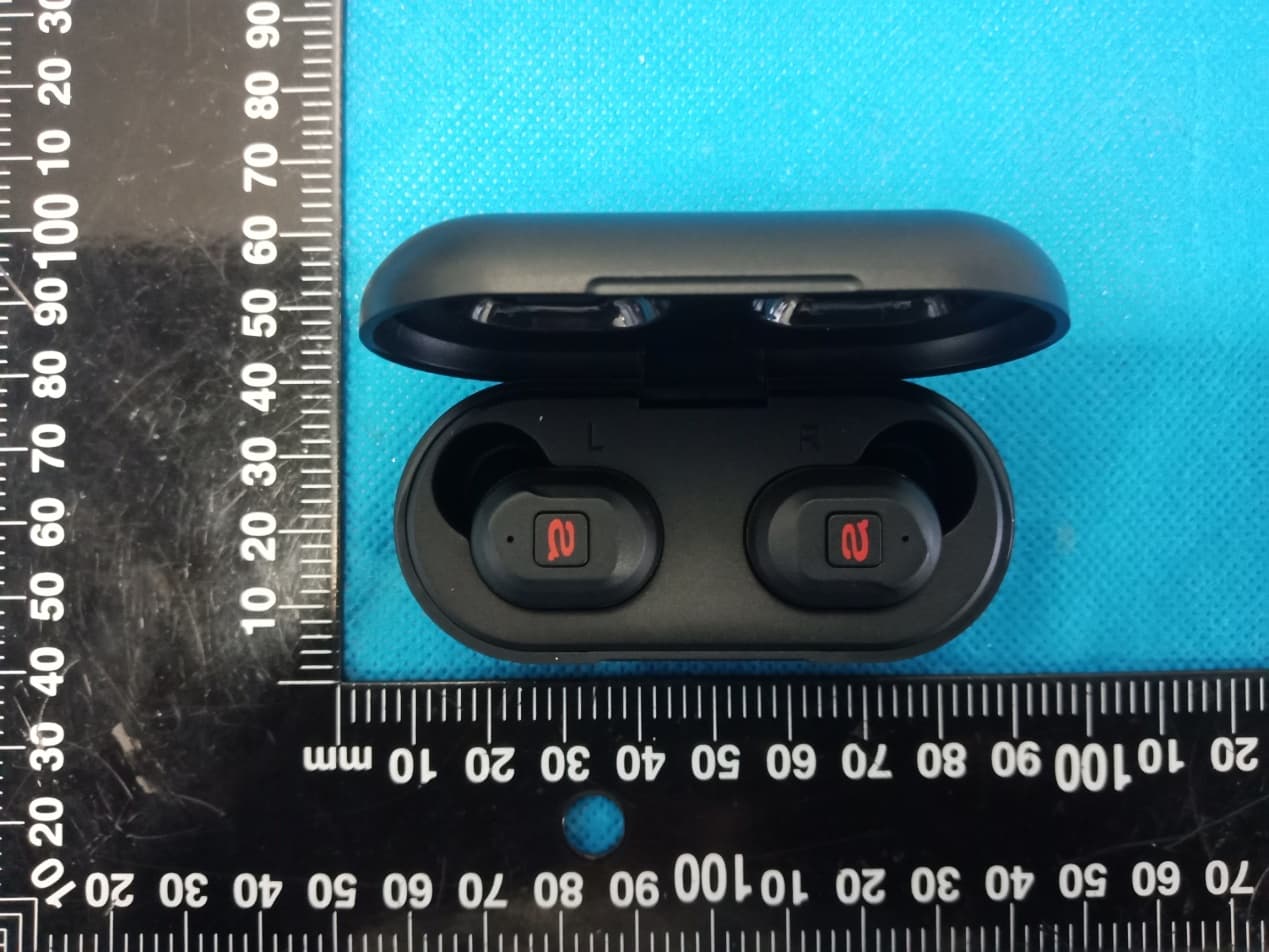
2AMC6-PRODIGY-AIR2
May 26, 2021TRUE WIRELESS EARBUDS
Equipment Class
DSS - Part 15 Spread Spectrum Transmitter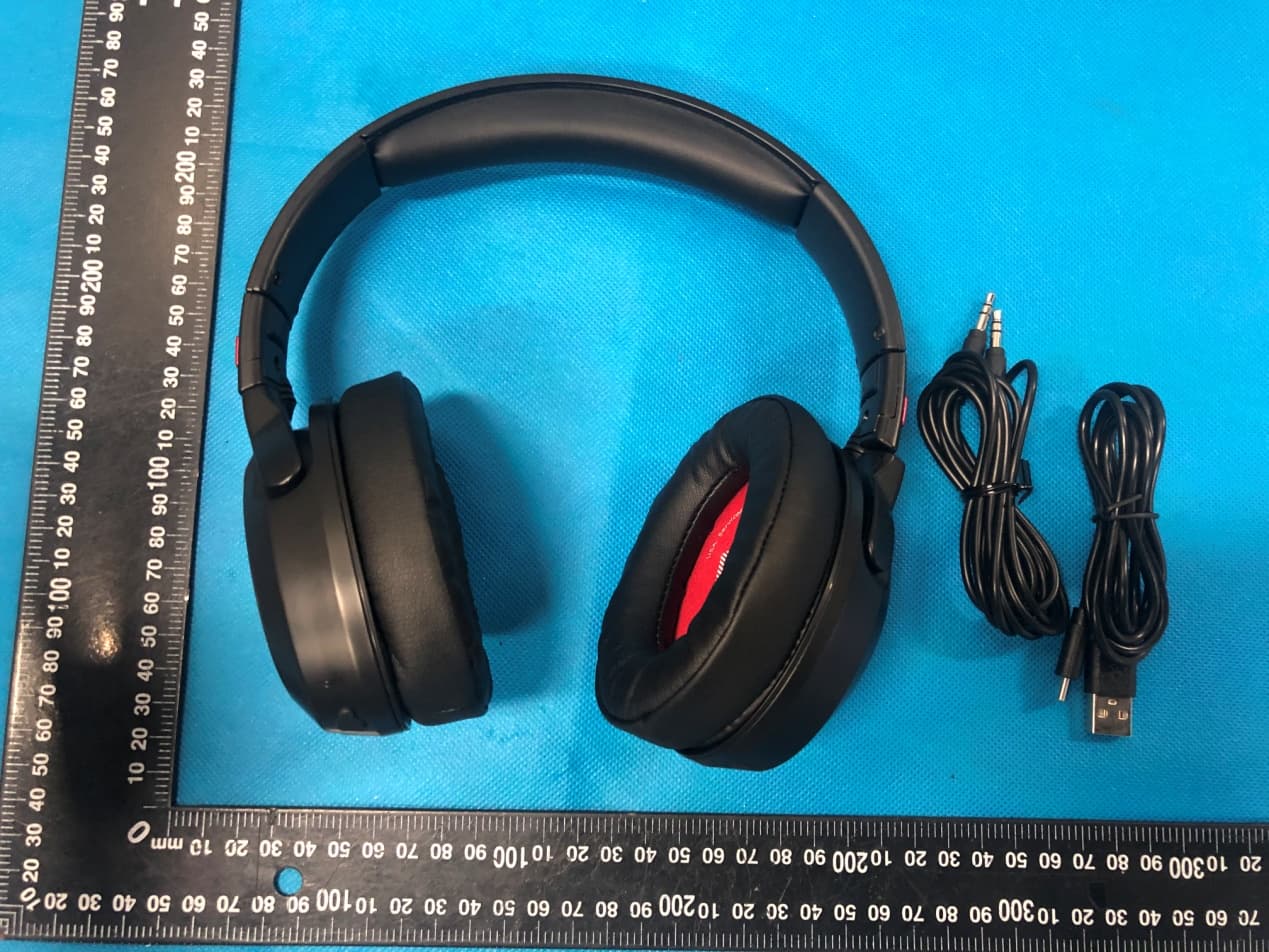
2AMC6-ARC1ANC
Oct 13, 2020Bluetooth Headphone
Equipment Class
DSS - Part 15 Spread Spectrum Transmitter