2ASK3GV-6488RPower Craze Drifter 1/28
AMAX INDUSTRIAL GROUP CHINA CO., LTD
Click to zoom
Application Details
- Equipment Class
- DXX - Part 15 Low Power Communication Device Transmitter
- Date of Grant
- Mar 26, 2023
- Application Purpose
- Original Equipment
- Date of Application
- Mar 26, 2023
- Equipment Note
- Power Craze Drifter 1/28
- Frequency Range
- 2407.00000000 - 2479.00000000
- Country
- China
Documents & Files
Document Text
Text extracted from the exhibit documents filed with the FCC. Open a document above to read the original.
Users Manual
Colors and styles may vary slightly. FCC Part 15 C Notice CAUTION: Changes or modifications not expressly approved by the party responsible for compliance could void the user’s authority to operate the equipment. NOTE: This equipment has been tested and found to comply with the limits for a Class B digital device, pursuant to Part 15 of the FCC Rules. These limits are designed to provide reasonable protection against harmful interference in a residential installation. This equipment generates, uses and can radiate radio frequency energy and, if not installed and used in accordance with the instructions, may cause harmful interference to radio communications. However, there is no guarantee that interference will not occur in a particular installation. If this equipment does cause harmful interference to radio or television reception, which can be determined by turning the equipment off and on, the user is encouraged to try to correct the interference by one or more of the following measures: • Reorient or relocate the receiving antenna. • Increase the separation between the equipment and receiver. • Connect the equipment into an outlet on a circuit different from that to which the receiver is connected. • Consult the dealer or experienced radio/TV technician for help. This device complies with Part 15 of the FCC Rules. Operation is subject to the following two conditions : (1) this device may not cause harmful interference, and (2) this device must accept any interference received, including interference that may cause undesired operation. INSTRUCTION MANUAL WARNING DO NOT USE TRUCK IN INCLEMENT WEATHER! SAFETY WARNINGS! • Improper use of batteries may lead to overheating, breakage or leaking. - Do not mix old and new batteries. - Do not mix different battery brands. - Install batteries with correct polarity. The flat side (negative terminal) of the battery should rest against the spring. - Remove dead batteries immediately. - Avoid liquids, which can short circuit the batteries. - The truck or remote will become unresponsive when batteries are low, at which point you should replace all batteries with new ones. - Remove the batteries if you will not use the truck for a long time. • Avoid using near furniture or glass to prevent damage to these objects. • Do not play on roads. • Do not play in crowded areas to avoid injury or damage. Choose a safe location away from traffic. • Do not use truck during a storm or when lightning or thunder are present. • Do not use in a wet , sandy or muddy environment as truck may become damaged. • Do not modify or attempt to replace the built-in original antenna on the remote or truck. Doing so will damage the set and affect operation. • Do not pull on any wires that are part of the truck. Such action may cause the wires to break and the truck to malfunction. • Keep fingers, hair and clothes away from the truck’s spinning tires. Failure to do so may result in physical injury. • Never aim the truck at other people. • Do not throw the truck or purposely hit it with any object. • Store truck in a cool environment, away from high-temperature sources such as fires, stoves, radiators, etc. • This truck has no user-serviceable parts. Do not attempt to modify components or circuit board. • This toy is only to be connected to equipment bearing either of the following symbols: or RECHARGEABLE BATTERY: This DRIFTER+™ uses an internal rechargeable battery and is not replaceable. If the battery no longer stays charged, dispose of it properly according to local disposal requirements. CAUTION: If the rechargeable battery leaks fluid, avoid contact with eyes and dispose of the DRIFTER+™. III Thank you for purchasing the DRIFTER+™. With proper care, your new DRIFTER+™ will provide you with many hours of enjoyment. Please read this instruc- tion manual completely before using the product for the first time and then keep this manual in a handy place for future reference. TROUBLESHOOTING Before sending your truck in for repair, please check for a solution below. Possible Cause(s) Weak batteries; no batteries Truck and remote not synced properly Another RC truck may be transmitting on the same radio frequency Using truck in a small enclosed area Using truck indoors Low batteries in transmitter or vehicle Driving truck for too long at high speeds, causing motor to overheat Solution Install new batteries in remote control and recharge the truck. Refer to sync section and re-sync your truck and remote. Move to a new location where no other RC trucks are present. Move outdoors to a large open area. Install new batteries in remote control or recharge your truck. Turn truck off for 10-15 minutes. Problem Truck will not move. Truck does not respond properly to remote control. Truck loses connection to remote control. Truck battery is fully charged, but slower than normal. Made in China Limited 90-Day Warranty NORTH AMERICA AMAX Group USA warrants to the original consumer that this product is free from any electrical or mechanical defects for a period of 90 DAYS from the date of purchase. If any such defect is discovered within the warranty period, AMAX Group USA will repair or replace the unit free of charge upon receipt of the unit, shipped postage prepaid and insured to our warranty center ALONG WITH THE ORIGINAL RECEIPT evidencing that the product was purchased from an approved AMAX retail partner and that the product is still within the 90 day warranty period. The warranty covers normal consumer use and does not cover damage that occurs in shipment or failure that results from alterations, accident, misuse, abuse, neglect, wear and tear, inadequate maintenance, commercial use or unreasonable use of the unit. Removal of any parts/components voids all warranties. This warranty does not cover cost of repairs made or attempted outside by third-party individuals or companies. Any applicable implied warranties, including warranties of merchantability and fitness, are hereby limited to 9…
Text truncated - open the document above for the full version.
Attestation Statements
AMAX INDUSTRIAL GROUP CHINA CO., LTD Date: 3/6/2023 Federal Communications Commissions Authorization and Evaluation Division 7435 Oakland Mills Road Columbia, MD 21046 RE: CFR 47 §2.911 (d)(5) Attestation FCC ID: 2ASK3GV-6488R 1. AMAX INDUSTRIAL GROUP CHINA CO., LTD certifies that the equipment for which authorization is sought is not “covered” equipment prohibited from receiving an equipment authorization pursuant to section 2.903 of the FCC rules. 2. AMAX INDUSTRIAL GROUP CHINA CO., LTD certifies that, as of the date of the filing of the application, the applicant is not identified on the Covered List as an entity producing “covered” equipment and is not an affiliate or subsidiary of an entity identified on the Covered List. Sincerely yours, Name: Nancy Chen Job Title: QA Manager Company Name: AMAX INDUSTRIAL GROUP CHINA CO., LTD
Attestation Statements
Date: 3/6/2023 Federal Communications Commissions Authorization and Evaluation Division 7435 Oakland Mills Road Columbia, MD 21046 RE: CFR 47 §2.911 (d)(7) FCC US Agent Letter of Attestation Grantee Code: 2ASK3 To whom it may concern: FCC US Agent Amax Group USA, LLC FCC FRN: 0033533266 Sus an Sheffield-Ocampo 12645 Memorial Dr, Suite F1 388, Houston, TX 77024 USA [email protected] This letter is t o confirm that we have accepted the responsibility to act as US Agent on behalf of AMAX INDUSTRIAL GROUP CHINA CO., LTD for the above referenced FCC Grantee Code. We are aware of the requirements and responsibilities of the applicant’s agent for service of process as outlined in the FCC section 2.911(d)(7) and Report and Order FCC 22-84 paragraph 63. Sincerely, Susan Sheffield-Ocampo CFO Amax Group USA, LLC
Attestation Statements
AMAX INDUSTRIAL GROUP CHINA CO., LTD Date: 3/6/2023 Federal Communications Commissions Authorization and Evaluation Division 7435 Oakland Mills Road Columbia, MD 21046 RE: CFR 47 §2.911 (d)(7) Agent Designation Attestation FCC ID: 2ASK3GV-6488R AMAX INDUSTRIAL GROUP CHINA CO., LTD as required by section 2.911(d)(7), designates the following agent, located in the United States, for purposes of acting as the applicant’s agent for service of process. The applicant acknowledges that they will maintain an agent for no less than one year after the grantee has terminated all marketing and importation or the conclusion of any Commission-related proceeding involving the equipment. The applicant further acknowledges their responsibility under CFR 47 §2.929(c) to inform the FCC whenever the agent information changes. U.S. Agent Information: Contact Pers on:S usan Sheffield-Ocampo Company Name:Amax Group USA,LLC Company Address:12645 Memorial Dr,Suite F1 388, Houston, TX 77024 USA Email:[email protected] Sincerely yours, Name: Nancy Chen Job Title: QA Manager Company Name: AMAX INDUSTRIAL GROUP CHINA CO., LTD
Cover Letter(s)
AMAX INDUSTRIAL GROUP CHINA CO., LTD Address: OFFICE NO.3 10/F WITTY COMMERCIAL BUILDING 1A-1L TUNG CHOI STREET MONGKOK KOWLOON HONG KONG, China Confirmation Letter We, AMAX INDUSTRIAL GROUP CHINA CO., LTD The product: Power Craze Drifter 1:28 And model No.: GV-6488, 2092088, CT-6482 FCC ID: 2ASK3GV-6488R GV-6488, 2092088, and CT-6482 have the same technical construction including circuit diagram, PCB Layout, components, and component layout, all electrical construction, and mechanical construction. The difference lies only in the model number. all these changes do not degrade the unwanted emissions of the certified product. Contact Name: Nancy Chen Title of Person: QA Manager Date: 03/06/2023
Cover Letter(s)
AMAX INDUSTRIAL GROUP CHINA CO., LTD Date: 3/6/2023 Federal Communications Commission 7435 Oakland Mills Road Columbia MD 21046 To whom it may concern: I, the undersigned, hereby authorize UL Verification Services Inc. to act on our behalf in all manners relating to application for equipment authorization, including signing of all documents relating to these matters. Any and all acts carried out by UL Verification Services Inc. on our behalf shall have the same effect as acts of our own. I, the undersigned, hereby certify that we are not subject to a denial of federal benefits, that includes FCC benefits, pursuant to Section 5301 of the Anti-Drug Abuse Act of 1988, 21 U.S.C. 853(a). In authorizing UL Verification Services Inc. as our representative, we still recognize that we are responsible to: a) comply with the relevant provisions of the certification program; b) make all necessary arrangements for the conduct of the evaluation, including provision for examining documentation and access to all areas, records (including internal audit reports) and personnel for the purposes of evaluation (e.g. testing, inspection, assessment, surveillance, reassessment) and resolution of complaints; c) make claims regarding certification only in respect of the scope for which certification has been granted; d) do not use our product certification in such a manner as to bring the Certification Division into disrepute and not make any statement regarding our product certification which the Certification Division may consider misleading or unauthorized; e) upon suspension or cancellation of certification, discontinue use of all advertising matter that contains any reference thereto and return any certification documents as required by the Certification Division; f) use certification only to indicate the products are certified as being in conformity with specified standards; g) endeavor to ensure that no certificate or report nor any part thereof is used in a misleading manner; h) ensure that any reference to our product certification in communication media such as documents, brochures or advertising, complies with the requirements of the Certification Division; i) keep a record of all complaints made known to us relating to the product’s compliance with requirements of the relevant standard and to make these records available to the when requested; j) take appropriate action with respect to such complaints and any deficiencies found in products or services that affect compliance with the requirements for certification; k) document the actions taken. This authorization is valid until further written notice from the applicant. Sincerely Yours, Signed by: Company Name: AMAX INDUSTRIAL GROUP CHINA CO., LTD Contact Name: Nancy Chen Title of Person:QA Manager Address: OFFICE NO.3 10/F WITTY COMMERCIAL BUILDING 1A-1L TUNG CHOI STREET MONGKOK KOWLOON HONG KONG, China
Cover Letter(s)
AMAX INDUSTRIAL GROUP CHINA CO., LTD Federal Communications Commission 7435 Oakland Mills Road Columbia MD 21046 Subject: Request for Confidentiality FCC ID: 2ASK3GV-6488R To Whom It May Concern: Pursuant to the provisions of Sections 0.457 and 0.459 of the Commission’s rules (47 CFR §§ 0.457, 0.459), we are requesting the Commission to withhold the following attachments as confidential document from public disclosure indefinitely. Schematic Diagram Block Diagram Theory of Operation Above mentioned document contains detailed system and equipment description are considered as proprietary information in operation of the equipment. The public disclosure of above documents might be harmful to our company and would give competitor an unfair advantage in the market. It is our understanding that all measurement test reports, FCC ID label format and correspondent during certification review process cannot be granted as confidential documents and those information will be available for public review once the grant of equipment authorization is issued. Best Regards Company Name: AMAX INDUSTRIAL GROUP CHINA CO., LTD Contact Name: Nancy Chen Title of Person:QA Manager Address: OFFICE NO.3 10/F WITTY COMMERCIAL BUILDING 1A-1L TUNG CHOI STREET MONGKOK KOWLOON HONG KONG, China Date: 3/6/2023
External Photos
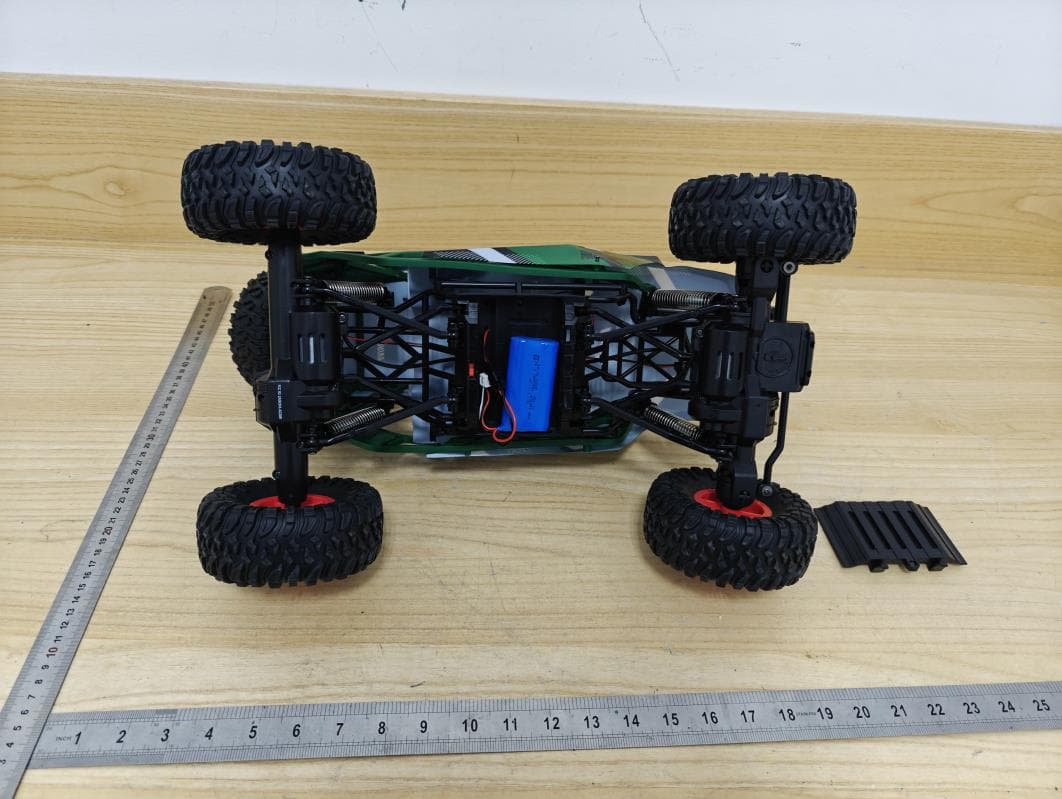
Appendix I External Photographs Page 2 of 4 UL Verification Services (Guangzhou) Co., Ltd, Song Shan Lake Branch This report shall not be reproduced except in full, without the written approval of UL Verification Services (Guangzhou) Co., Ltd, Song Shan Lake Branch. View of EUT-1 View of EUT-2 Page 3 of 4 UL Verification Services (Guangzhou) Co., Ltd, Song Shan Lake Branch This report shall not be reproduced except in full, without the written approval of UL Verification Services (Guangzhou) Co., Ltd, Song Shan Lake Branch. View of EUT-3 View of EUT-4 Page 4 of 4 UL Verification Services (Guangzhou) Co., Ltd, Song Shan Lake Branch This report shall not be reproduced except in full, without the written approval of UL Verification Services (Guangzhou) Co., Ltd, Song Shan Lake Branch. View of EUT-5 View of EUT-6
ID Label/Location Info
FCC ID: 2ASK3GV-6488R 24.2 mm 47 mm 5.5 mm 1.72 mm This device complies with part 15 of the FCC Rules. Operation is subject to the following two conditions: (1) This device may not cause harmful interference, and (2) this device must accept any interference received, including interference that may cause undesired operation. Note: This would be a plastic label with a permanent adhesive.
Internal Photos
Appendix II Internal Photographs Page 2 of 5 UL Verification Services (Guangzhou) Co., Ltd, Song Shan Lake Branch This report shall not be reproduced except in full, without the written approval of UL Verification Services (Guangzhou) Co., Ltd, Song Shan Lake Branch. Internal View of EUT-1 Internal View of EUT-2 Page 3 of 5 UL Verification Services (Guangzhou) Co., Ltd, Song Shan Lake Branch This report shall not be reproduced except in full, without the written approval of UL Verification Services (Guangzhou) Co., Ltd, Song Shan Lake Branch. Internal View of EUT-3 Internal View of EUT-4 Antenna Page 4 of 5 UL Verification Services (Guangzhou) Co., Ltd, Song Shan Lake Branch This report shall not be reproduced except in full, without the written approval of UL Verification Services (Guangzhou) Co., Ltd, Song Shan Lake Branch. Internal View of EUT-5 Internal View of EUT-6 Page 5 of 5 UL Verification Services (Guangzhou) Co., Ltd, Song Shan Lake Branch This report shall not be reproduced except in full, without the written approval of UL Verification Services (Guangzhou) Co., Ltd, Song Shan Lake Branch. Internal View of EUT-7
RF Exposure Info
FCC ID: 2ASK3GV-6488R According to 447498 D04 Interim General RF Exposure Guidance v01, 2.1.4 MPE-Based Exemption An alternative to the SAR-based exemption is provided in § 1.1307(b)(3)(i)(C), for a much wider frequency range, from 300 kHz to 100 GHz, applicable for separation distances greater or equal to λ/2π, where λ is the free-space operating wavelength in meters. The MPE-based test exemption condition is in terms of ERP, defined as the product of the maximum antenna gain and the delivered maximum time-averaged power.10 For this case, a RF source is an RF exempt device if its ERP (watts) is no more than a frequency-dependent value, as detailed tabular form in Appendix B. These limits have been derived based on the basic specifications on Maximum Permissible Exposure (MPE) considered for the FCC rules in § 1.1310(e)(1). B.4 SAR-based Exemption SAR-based thresholds are derived based on frequency, power, and separation distance of the RF source. The formula defines the thresholds in general for either available maximum time- averaged power or maximum time-averaged ERP, whichever is greater. If the ERP of a device is not easily determined, such as for a portable device with a small form factor, the applicant may use the available maximum time-averaged power exclusively if the device antenna or radiating structure does not exceed an electrical length of λ/4. As for devices with antennas of length greater than λ/4 where the gain is not well defined, but always less than that of a half-wave dipole (length λ/2), the available maximum time-averaged power generated by the device may be used in place of the maximum time-averaged ERP, where that value is not known. The separation distance is the smallest distance from any part of the antenna or radiating structure for all persons, during operation at the applicable ERP. In the case of mobile or portable devices, the separation distance is from the outer housing of the device where it is closest to the antenna. The SAR-based exemption formula of § 1.1307(b)(3)(i)(B), repeated here as Formula (B.2), applies for single fixed, mobile, and portable RF sources with available maximum time-averaged power or effective radiated power (ERP), whichever is greater, of less than or equal to the threshold Pth (mW). This method shall only be used at separation distances from 0.5 cm to 40 cm and at frequencies from 0.3 GHz to 6 GHz (inclusive). Pth is given by Formula (B.2). and f is in GHz, d is the separation distance (cm), and ERP 20cm is per Formula (B.1). The example values shown in Table B.2 are for illustration only. 1. SAR test exclusion threshold for 2.4 GHz is 3 mW. -The maximum Peak field strength is 78.10 dBuV/m, the ERP=78.10-97.4= -19.3 dBm=0.01 mW. Note: Both time averaged power and the ERP had been test, but only the worst data (ERP) was recorded in the report. - When the minimum test separation distance is < 5 mm, a distance of 5 mm is applied to determine SAR test exclusion. 2. Conclusion: No SAR is required.
RF Exposure Info
FCC ID: 2ASK3GV-6488R According to 447498 D04 Interim General RF Exposure Guidance v01, 2.1.4 MPE-Based Exemption An alternative to the SAR-based exemption is provided in § 1.1307(b)(3)(i)(C), for a much wider frequency range, from 300 kHz to 100 GHz, applicable for separation distances greater or equal to λ/2π, where λ is the free-space operating wavelength in meters. The MPE-based test exemption condition is in terms of ERP, defined as the product of the maximum antenna gain and the delivered maximum time-averaged power.10 For this case, a RF source is an RF exempt device if its ERP (watts) is no more than a frequency-dependent value, as detailed tabular form in Appendix B. These limits have been derived based on the basic specifications on Maximum Permissible Exposure (MPE) considered for the FCC rules in § 1.1310(e)(1). B.4 SAR-based Exemption SAR-based thresholds are derived based on frequency, power, and separation distance of the RF source. The formula defines the thresholds in general for either available maximum time- averaged power or maximum time-averaged ERP, whichever is greater. If the ERP of a device is not easily determined, such as for a portable device with a small form factor, the applicant may use the available maximum time-averaged power exclusively if the device antenna or radiating structure does not exceed an electrical length of λ/4. As for devices with antennas of length greater than λ/4 where the gain is not well defined, but always less than that of a half-wave dipole (length λ/2), the available maximum time-averaged power generated by the device may be used in place of the maximum time-averaged ERP, where that value is not known. The separation distance is the smallest distance from any part of the antenna or radiating structure for all persons, during operation at the applicable ERP. In the case of mobile or portable devices, the separation distance is from the outer housing of the device where it is closest to the antenna. The SAR-based exemption formula of § 1.1307(b)(3)(i)(B), repeated here as Formula (B.2), applies for single fixed, mobile, and portable RF sources with available maximum time-averaged power or effective radiated power (ERP), whichever is greater, of less than or equal to the threshold Pth (mW). This method shall only be used at separation distances from 0.5 cm to 40 cm and at frequencies from 0.3 GHz to 6 GHz (inclusive). Pth is given by Formula (B.2). and f is in GHz, d is the separation distance (cm), and ERP 20cm is per Formula (B.1). The example values shown in Table B.2 are for illustration only. 1. SAR test exclusion threshold for 2.4 GHz is 3 mW. -The maximum Peak field strength is 78.10 dBuV/m, the ERP=78.10-97.4= -19.3 dBm=0.01 mW. Note: Both time averaged power and the ERP had been test, but only the worst data (ERP) was recorded in the report. - When the minimum test separation distance is < 5 mm, a distance of 5 mm is applied to determine SAR test exclusion. 2. Conclusion: No SAR is required.
RF Exposure Info
FCC ID: 2ASK3GV-6488R According to 447498 D04 Interim General RF Exposure Guidance v01, 2.1.4 MPE-Based Exemption An alternative to the SAR-based exemption is provided in § 1.1307(b)(3)(i)(C), for a much wider frequency range, from 300 kHz to 100 GHz, applicable for separation distances greater or equal to λ/2π, where λ is the free-space operating wavelength in meters. The MPE-based test exemption condition is in terms of ERP, defined as the product of the maximum antenna gain and the delivered maximum time-averaged power.10 For this case, a RF source is an RF exempt device if its ERP (watts) is no more than a frequency-dependent value, as detailed tabular form in Appendix B. These limits have been derived based on the basic specifications on Maximum Permissible Exposure (MPE) considered for the FCC rules in § 1.1310(e)(1). B.4 SAR-based Exemption SAR-based thresholds are derived based on frequency, power, and separation distance of the RF source. The formula defines the thresholds in general for either available maximum time- averaged power or maximum time-averaged ERP, whichever is greater. If the ERP of a device is not easily determined, such as for a portable device with a small form factor, the applicant may use the available maximum time-averaged power exclusively if the device antenna or radiating structure does not exceed an electrical length of λ/4. As for devices with antennas of length greater than λ/4 where the gain is not well defined, but always less than that of a half-wave dipole (length λ/2), the available maximum time-averaged power generated by the device may be used in place of the maximum time-averaged ERP, where that value is not known. The separation distance is the smallest distance from any part of the antenna or radiating structure for all persons, during operation at the applicable ERP. In the case of mobile or portable devices, the separation distance is from the outer housing of the device where it is closest to the antenna. The SAR-based exemption formula of § 1.1307(b)(3)(i)(B), repeated here as Formula (B.2), applies for single fixed, mobile, and portable RF sources with available maximum time-averaged power or effective radiated power (ERP), whichever is greater, of less than or equal to the threshold Pth (mW). This method shall only be used at separation distances from 0.5 cm to 40 cm and at frequencies from 0.3 GHz to 6 GHz (inclusive). Pth is given by Formula (B.2). and f is in GHz, d is the separation distance (cm), and ERP 20cm is per Formula (B.1). The example values shown in Table B.2 are for illustration only. 1. SAR test exclusion threshold for 2.4 GHz is 3 mW. -The maximum Peak field strength is 78.10 dBuV/m, the ERP=78.10-97.4= -19.3 dBm=0.01 mW. Note: Both time averaged power and the ERP had been test, but only the worst data (ERP) was recorded in the report. - When the minimum test separation distance is < 5 mm, a distance of 5 mm is applied to determine SAR test exclusion. 2. Conclusion: No SAR is required.
Test Report
The results reported herein have been performed in accordance with the laboratory’s terms of accreditation. This report shall not be reproduced except in full without the written approval of the Laboratory. The results in this report apply to the test sample(s) mentioned above at the time of the testing period only and are not to be used to indicate applicability to other similar products. CFR 47 FCC PART 15 SUBPART C TEST REPORT For Power Craze Drifter 1:28 MODEL NUMBER: GV-6488, 2092088, CT-6482 REPORT NUMBER: 4790753744-RF-1 ISSUE DATE: March 23, 2023 FCC ID: 2ASK3GV-6488R Prepared for AMAX INDUSTRIAL GROUP CHINA CO., LTD OFFICE NO.3 10/F WITTY COMMERCIAL BUILDING 1A-1L TUNG CHOI STREET MONGKOK KOWLOON HONG KONG, China Prepared by UL Verification Services (Guangzhou) Co., Ltd, Song Shan Lake Branch Building 10, Innovation Technology Park, No. 1, Li Bin Road, Song Shan Lake Hi- Tech Development Zone Dongguan, 523808, People’s Republic of China Tel: +86 769 22038881 Fax: +86 769 33244054 Website: www.ul.com REPORT NO.: 4790753744-RF-1 Page 2 of 51 UL Verification Services (Guangzhou) Co., Ltd, Song Shan Lake Branch FORM NO: 10-SL-F0035 This report shall not be reproduced except in full, without the written approval of UL Verification Services (Guangzhou) Co., Ltd, Song Shan Lake Branch. Revision History Rev. Issue Date Revisions Revised By V0 March 23, 2023 Initial Issue REPORT NO.: 4790753744-RF-1 Page 3 of 51 UL Verification Services (Guangzhou) Co., Ltd, Song Shan Lake Branch FORM NO: 10-SL-F0035 This report shall not be reproduced except in full, without the written approval of UL Verification Services (Guangzhou) Co., Ltd, Song Shan Lake Branch. Summary of Test Results Clause Test Items FCC Rules Test Results 1 20dB Bandwidth and 99% Occupied Bandwidth CFR 47 FCC §15.215 (c) Pass 2 Radiated Emission CFR 47 FCC §15.249 (a)(d)(e) CFR 47 FCC §15.205 and §15.209 Pass 3 Conducted Emission Test for AC Power Port FCC Part 15.207 Pass 4 Antenna Requirement CFR 47 FCC §15.203 Pass Note 1: This test report is only published to and used by the applicant, and it is not for evidence purpose in China. Note 2: The measurement result for the sample received is <Pass> according to < CFR 47 FCC PART 15 SUBPART C > when <Accuracy Method> decision rule is applied. REPORT NO.: 4790753744-RF-1 Page 4 of 51 UL Verification Services (Guangzhou) Co., Ltd, Song Shan Lake Branch FORM NO: 10-SL-F0035 This report shall not be reproduced except in full, without the written approval of UL Verification Services (Guangzhou) Co., Ltd, Song Shan Lake Branch. CONTENTS 1. ATTESTATION OF TEST RESULTS ..................................................................................... 5 2. TEST METHODOLOGY ......................................................................................................... 6 3. FACILITIES AND ACCREDITATION ..................................................................................... 6 4. CALIBRATION AND UNCERTAINTY ................................................................................... 7 4.1. MEASURING INSTRUMENT CALIBRATION ........................................................... 7 4.2. MEASUREMENT UNCERTAINTY ............................................................................ 7 5. EQUIPMENT UNDER TEST .................................................................................................. 8 5.1. DESCRIPTION OF EUT ........................................................................................... 8 5.2. CHANNEL LIST ........................................................................................................ 8 5.3. MAXIMUM FIELD STRENGTH ................................................................................. 8 5.4. TEST CHANNEL CONFIGURATION ........................................................................ 8 5.5. THE WORSE CASE POWER SETTING PARAMETER ............................................ 9 5.6. DESCRIPTION OF AVAILABLE ANTENNAS ........................................................... 9 5.7. DESCRIPTION OF TEST SETUP ........................................................................... 10 6. MEASURING EQUIPMENT AND SOFTWARE USED......................................................... 11 7. ANTENNA PORT TEST RESULTS ..................................................................................... 12 7.1. 20DB BANDWIDTH AND 99% OCCUPIED BANDWIDTH ...................................... 12 7.2. DUTY CYCLE ......................................................................................................... 13 8. RADIATED TEST RESULTS ............................................................................................... 18 8.1. RESTRICTED BANDEDGE .................................................................................... 26 8.2. SPURIOUS EMISSIONS (1 GHZ ~ 3 GHZ) ............................................................ 29 8.3. SPURIOUS EMIS…
Text truncated - open the document above for the full version.
Contact Information
Applicant
Nancy Chen
Test Firm
UL Verification Services (Guangzhou) Co., Ltd.Stephen Guo
[email protected]+86 0769 33817120
Technical Specifications
| # | Rule Parts | Frequency Range | Power Output |
|---|---|---|---|
| 1 | 15C | 2.41 GHz - 2.48 GHz | - |
Other Applications from AMAX INDUSTRIAL GROUP CHINA CO., LTD
2ASK3GV-6587R
May 07, 20241/10 DUNE RUNNER RC AWD OFF ROAD BUGGY
Equipment Class
DXX - Part 15 Low Power Communication Device Transmitter
2ASK3NV-6474R
May 13, 2023Starriders Autonomous RC Drone
Equipment Class
DXX - Part 15 Low Power Communication Device Transmitter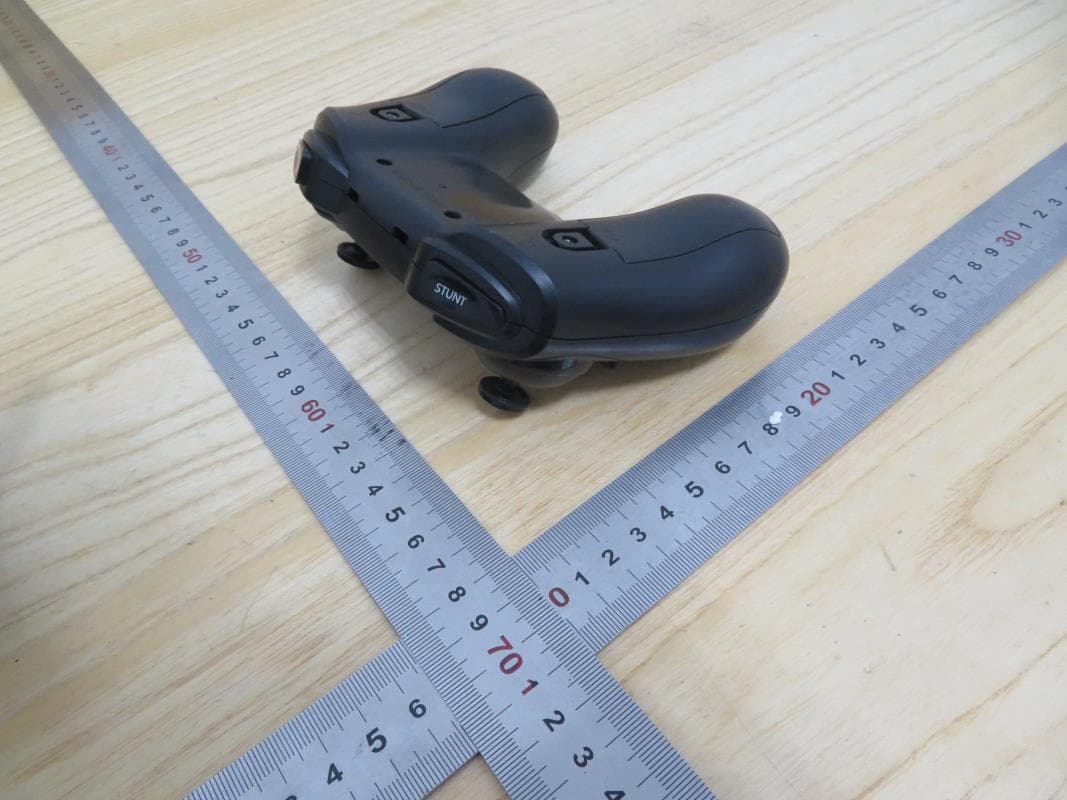
2ASK3CT-6342T
Jul 27, 2021ASC-2400 HD Video drone
Equipment Class
DXX - Part 15 Low Power Communication Device Transmitter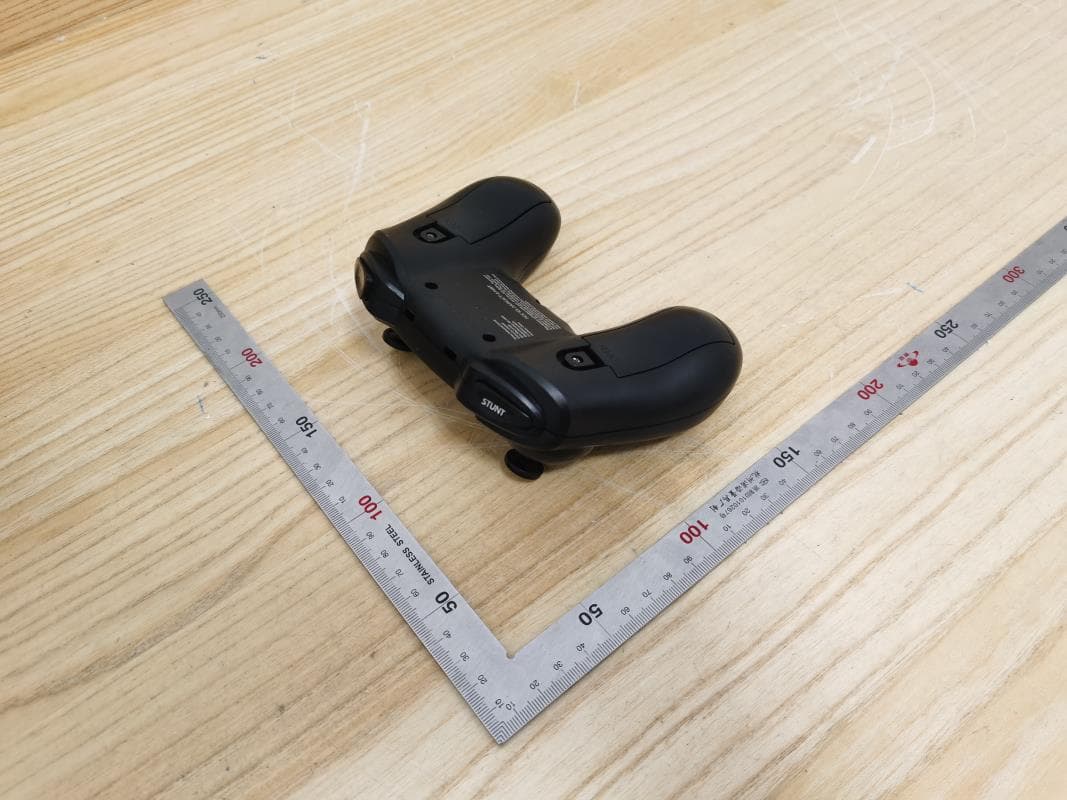
2ASK3SC-6141T
Jul 24, 2021FLEX3.0
Equipment Class
DXX - Part 15 Low Power Communication Device Transmitter
2ASK3SC-6141R
Jul 24, 2021FLEX3.0
Equipment Class
DTS - Digital Transmission System