2AWEY-A65Wireless Bluetooth Earphones
HONGKONG CHOICE ELECTRONICS CO., LTD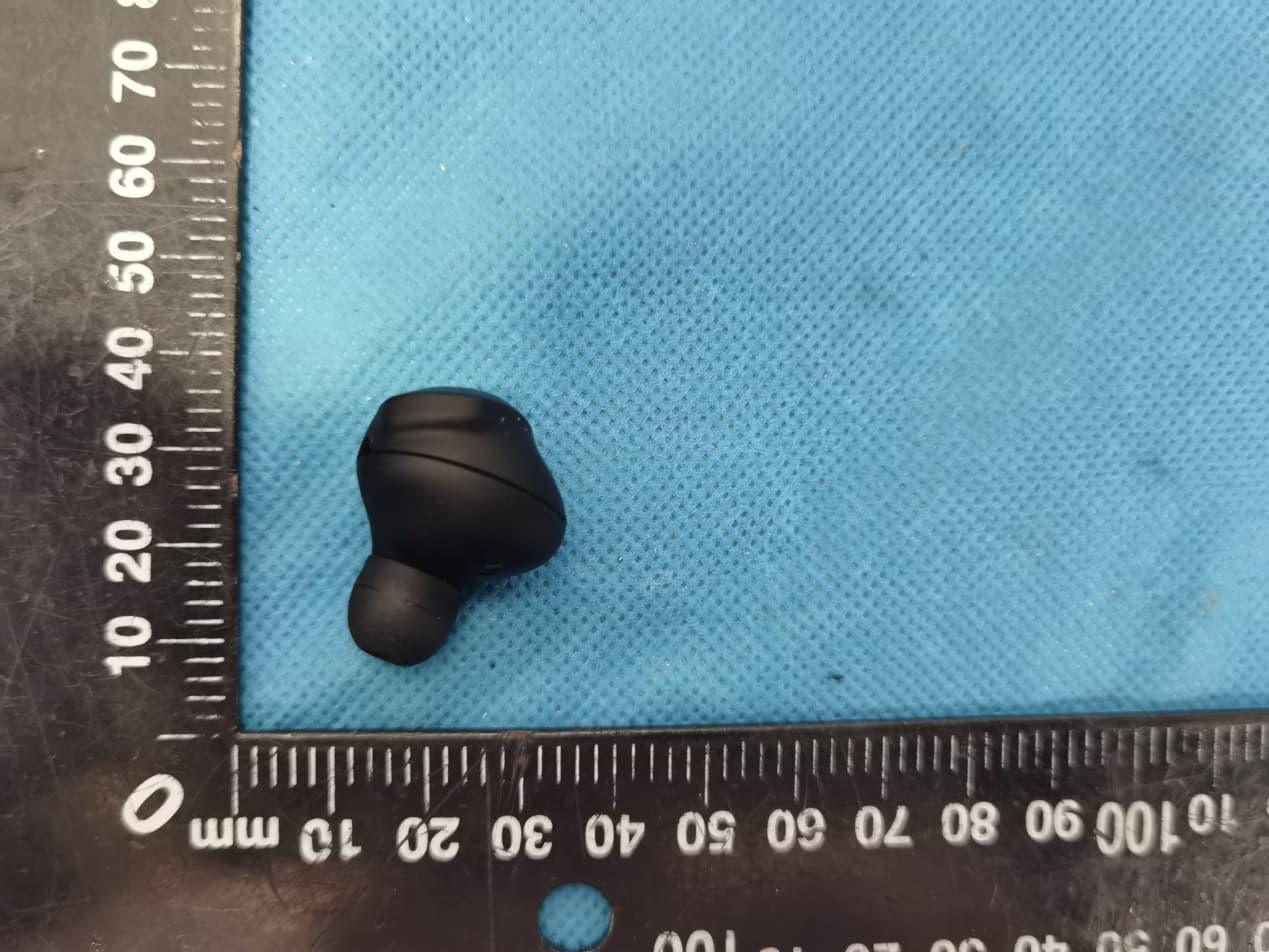
Click to zoom
Application Details
- Equipment Class
- DSS - Part 15 Spread Spectrum Transmitter
- Date of Grant
- Apr 29, 2021
- Application Purpose
- Original Equipment
- Date of Application
- Apr 29, 2021
- Equipment Note
- Wireless Bluetooth Earphones
- Frequency Range
- 2402.00000000 - 2480.00000000
- Country
- China
Documents & Files
Document Text
Text extracted from the exhibit documents filed with the FCC. Open a document above to read the original.
Users Manual
Wireless Bluetooth Ea rphones A65 (BTSX2) Instruction Manual Specification Wireless Version: 5.0 Support Protocols: A2DP1.3/HFP1.6/HSP1.2/AVRCP1.6/D11.3 Bluetooth Frequency: 2.4G Working Distance: 10m Playing/Talking time: 3‐5hours Charging box capacity: 350mA Operation: Auto Power On, Auto Pair When take out the earbuds from the charging case, The earbuds will be Power On Automatically,after a few seconds, the 2 earbuds will be pair automatically. And then you search the Bluetooth devices by your phones, will detect the earbuds' name: BTSX2. Click it to connect to your phones. Main Function: 1, Phone calls Answer/Hang up Call:Double touch the earbuds. Decline Call: Touchand hold 2 seconds the earbuds. 2, Listening to Music Double touch the earbuds: to pause the music and reply by touch again. Triple touch left earbud: Preview track Triple touch right earbud: Next track 3, Voice Enable Touch and hold 2 seconds to enable voice function on your phone. 4, Power Off Long touch the earbuds 5 seconds, then theearbuds will be power off. It would be power off automatically when the earbuds away from your Bluetooth device over 5 minutes, So do not worry the power exhausted. In Power off model, touch the earbuds around 2 seconds, it will be Power On. 5, Charging: A. Earbuds charging: Put the earbuds into the charging case, the earbuds will be turn off automatically,and begin to charge, The Led in solid red in earbudswhen charge full the light turn off. B. Charging Case charging: Connect the charging case via USB cable to a USB charger or device with USB port.During charging, the Led light flash Red, then turn solid when fullycharged. Precautions 1. The earbuds should be stored in a dry and ventilated environment, to avoid oil, water, moisture and dust affecting product performance. 2. Avoid using stimulus, organic solvents or items containing these ingredients to clean the earbuds. 3. The use of earbuds should be correctly as per the specification, pay attention to use the influence of environment on the earbuds. In order to ensure the smooth connection, it’s recommended that the distance between the earbuds and phones within 10 meters. 4. If the earbuds failed to connect or with poor connection, please do not take apart the earbuds or the accessories on your own, Otherwise, no warranty. 5. Regarding charging earbuds. Please use the standard USB cable or pointed charging cable from our company to charge the earbuds. 6. In order to ensure normal use, please ensure sufficient power of the earbuds. FCC Warning Statement Changes or modifications not expressly approved by the party responsible for compliance could void the user’s authority to operate the equipment. This equipment has been tested and found to comply with the limits for a Class B digital device, pursuant to Part 15 of the FCC Rules. These limits are designed to provide reasonable protection against harmful interf erence in a residential in stallation. This equipment generates uses and ca n radiate radio frequency energy and, if not in stalled and used in accordance with the in structions, may cause harmful interf erence to radio communica tio ns. However, there is no guarantee that inter ference will not occur in a particular in stallation. If this equipment does cause harmful interf erence to radio or television reception, which can be determined by turning the equipment off and on, the user is encouraged to try to corr ect the interference by one or more of the following measures: ‐‐ Reori ent or relocate the receiving antenna. ‐‐ Increase the separation between the equipment and receiver. ‐‐Connect the equipment into an outlet on a circuit different from that to which th e receiver is connected. ‐‐ Consult the dealer or an experienced radio/TV technician for help. This device complies with part 15 of the FCC Rules. Operation is subject to th e following two conditions: (1) This device may not ca use harmful interference, and (2) this device must accept any interference received, including interference that may cause undesired operation. The device has been evaluated to meet general RF exposure requirement.
Cover Letter(s)
HONGKONG CHOICE ELECTRONICS CO., LTD Agent Authorization Company: HONGKONG CHOICE ELECTRONICS CO., LTD Address: Rm.803, Chevalier House, 45-51 Chatham Road South, Tsim Sha Tsui, Kowloon, Hong Kong, China Product Name: Wireless Bluetooth Earphones Model Number(s): A65, BTSX2, A64 Product Description: Wireless Bluetooth Earphones We authorize MiCOM Labs Inc., 575 Boulder Court, Pleasanton, California 94566, USA, to act on our behalf on all matters concerning the certification of above named equipment. We declare that MiCOM Labs Inc. is allowed to forward all information related to the approval and certification of equipment to the regulatory agencies as required and to discuss any issues concerning the approval application. Any and all acts carried out by MiCOM Labs on our behalf shall have the same effect as acts of our own. Signature: Date: Apr. 29, 2021 Name: Robert Luo Title: CEO Company: HONGKONG CHOICE ELECTRONICS CO., LTD
Cover Letter(s)
HONGKONG CHOICE ELECTRONICS CO., LTD Office of Engineering Technology Federal Communications Commission 7435 Oakland Mills Road Columbia, MD 21046 USA Date: Apr. 29, 2021 Subject; Request for Confidentiality FCC ID: 2AWEY-A65 To Whom It May Concern, Pursuant to the provisions of the Commission’s rules Title 47 Sections §0.457 and §0.459, we are requesting the Commission to withhold the following attachment(s) as confidential documents from public disclosure indefinitely. These documents contain detailed system and equipment descriptions and are considered as proprietary information in operation of the equipment. The public disclosure of these documents might be harmful to our company and would give competitors an unfair advantage in the market. Schematic Diagram Block Diagram Parts List Operational Description Tune-up Procedure It is our understanding that all measurement test reports, FCC ID label format and correspondence during the certification review process cannot be granted as confidential documents and this information will be available for public review once the grant of equipment authorization is issued. Sincerely, Signature: Name: Robert Luo Title: CEO
Cover Letter(s)
Model Difference Declaration To Whom It May Concern, We, HONGKONG CHOICE ELECTRONICS CO., LTD(Wireless Bluetooth Earphones ) ; Model Number: A65, BTSX2, A64; All model’s the function, software and electric circuit are the same, only with a product color, appearance and model named different. Test sample model: A65 Please contact me if you have any question. Name: Robert Luo Date: Apr. 29, 2021 Title: CEO Signature of applicant:
External Photos
Annex A External Photos Report No.: HK2104161153‐E Page 1 of 4 Report No.: HK2104161153‐E Page 2 of 4 Report No.: HK2104161153‐E Page 3 of 4 Report No.: HK2104161153‐E Page 4 of 4
ID Label/Location Info
FCC ID LABEL: Ca. 5mm x 10mm Include in manual: This device complies with part 15 of the FCC Rules. Operation is subject to the following two conditions: (1) This device may not cause harmful interference, and (2) this device must accept any interference received, including interference that may cause undesired operation. Label Location FCC ID: 2AWEY-A65
Internal Photos
Annex B Internal Photos Report No.: HK2104161153‐E Page 1 of 3 Report No.: HK2104161153‐E Page 2 of 3 Antenna Report No.: HK2104161153‐E Page 3 of 3
RF Exposure Info
FCC RF Exposure EUT Description: Wireless Bluetooth Earphones Model No.: A65, BTSX2, A64 FCC ID: 2AWEY‐A65 1. Limits According to KDB 447498 D01 General RF Exposure Guidance v06 The 1‐g and 10‐g SAR test exclusion thresholds for 100 MHz to 6 GHz at test separation distances ≤50 mm are determined by: [(max power of channel, including tune‐up tolerance, mW)/(min. test separation distance, mm)]·[√ f(GHz)]≤3.0 for 1‐g SAR and ≤ 7.5 for 10‐g extremity SAR, Where: Result=P/D*√F F= the RF channel transmit frequency in GHz P=Maximum turn‐up power in mw D=Min. test separation distance in mm 2. Test Result of RF Exposure Evaluation Frequency (MHz) Output power (dBm) Tune Up Power (dBm) Max Tune Up power dBm/mW Min test separati on distance mm Result Limit (mW/cm 2 ) SAR Test Exclusion 2480 ‐11.438 ‐11±1 ‐10/0.105 0.031 3.0 Pass Note: PK Output power= conducted power. Conducted power see the test report HK2104161153‐E, antenna gain=0dBi Per KDB 447498 D01, when the minimum test separation distance is < 5 mm, a distance of 5 mm is applied to determine RF Exposure test exclusion. The test exclusion threshold is 0.031 which is<= 3, RF Exposure testing is not required. Note: Exclusion Thresholds Results=[(max. power of channel, including tune-up tolerance, mW)/(min. test separation distance, mm)] ·[√f (GHz)] f(GHz) is the RF channel transmit frequency in GHz Distance=5mm
Test Report
Page 1 of 45 Report No.: HK2104161153-E TEST REPORT FCC PART 15 SUBPART C 15.247 T est report On Behalf of HONGKONG CHOICE ELECTRONICS CO., LTD For Wireless Bluetooth Earphones Model No.: A65, BTSX2, A64 FCC ID: 2AWEY-A65 Prepared for : HONGKONG CHOICE ELECTRONICS CO., LTD Rm.803, Chevalier House, 45-51 Chatham Road South, Tsim Sha Tsui, Kowloon, Hong Kong, China Prepared By : Shenzhen HUAK Testing Technology Co., Ltd. 1F, B2 Building, Junfeng Zhongcheng Zhizao Innovation Park, Fuhai Street, Bao'an District, Shenzhen City, China Date of Test: Apr. 14, 2021 ~ Apr. 21, 2021 Date of Report: Apr. 21, 2021 Report Number: HK2104161153-E Page 2 of 45 Report No.: HK2104161153-E TEST RESULT CERTIFICATION Applicant’s name ................. : HONGKONG CHOICE ELECTRONICS CO., LTD Address ................................. : Rm.803, Chevalier House, 45-51 Chatham Road South, Tsim Sha Tsui, Kowloon, Hong Kong, China Manufacture's Name ............ : Shenzhen Caiyu Electronics Technology Co., Ltd. Address ................................. : 301, A1 Building, Huafeng Zhigu, Hangkong Road, Hangcheng S treet, Bao'An district, Shenzhen, China. Product description Trade Mark: N/A Product name ........................... : Wireless Bluetooth Earphones Model and/or type reference : A65, BTSX2, A64 Standards ............................. : 47 CFR FCC Part 15 Subpart C 15.247 This publication may be reproduced in whole or in part for non-commercial purposes as long as the Shenzhen HUAK Testing Technology Co., Ltd. is acknowledged as copyright owner and source of the material. Shenzhen HUAK Testing Technology Co., Ltd. takes no responsibility for and will not assume liability for damages resulting from the reader's interpretation of the reproduced material due to its placement and context. Date of Test ............................................ : Date (s) of performance of tests ............. : Apr. 14, 2021 ~ Apr. 21, 2021 Date of Issue ........................................... : Apr. 21, 2021 Test Result ............................................... : Pass Prepared by: Project Engineer Reviewed b y: Project Supervisor Approved by: T echnica l Di rector Page 3 of 45 Report No.: HK2104161153-E Table of Contents Page 1. SUMMARY............................................................................................................................................................ 5 1.1. TEST STANDARDS ..................................................................................................................................................... 5 1.2. TEST DESCRIPTION ........................................................................................................................................................ 5 1.3. TEST FACILITY .............................................................................................................................................................. 6 1.4. STATEMENT OF THE MEASUREMENT UNCERTAINTY ............................................................................................................... 6 2. GENERAL INFORMATION ....................................................................................................................................... 7 2.1. ENVIRONMENTAL CONDITIONS ........................................................................................................................................ 7 2.2. GENERAL DESCRIPTION OF EUT ...................................................................................................................................... 7 2.3. DESCRIPTION OF TEST MODES AND TEST FREQUENCY .......................................................................................................... 8 2.4. EQUIPMENTS USED DURING THE TEST .............................................................................................................................. 9 2.5. RELATED SUBMITTAL(S) / GRANT (S) .............................................................................................................................. 10 2.6. MODIFICATIONS ......................................................................................................................................................... 10 2.7. DESCRIPTION OF TEST SETUP ................................................................................................................................ 10 3. TEST CONDITIONS AND RESULTS ......................................................................................................................... 11 3.1. CONDUCTED EMISSIONS TEST ....................................................................................................................................... 11 3.2. RADIATED EMISSIONS AND BAND EDGE .......................................................................................................................... 14 3.3. MAXIMUM PEAK CONDUCTED OUTPUT POWER ............................................................................................................... 25 3.4. 20DB BANDWIDTH ..................................................................................................................................................... 26 3.5. FREQUENCY SEPARATION ............................................................................................................................................. 29 3.6. NUMBER OF HOPPING FREQUENCY ................................................................................................................................. 31 3.7. TIME OF OCCUPANCY (DWELL TIME) .............................................................................................................................. 33 3.8. OUT‐OF‐BAND EMISSIONS ............................................................................................................................................ 36 3.9. PSEUDORANDOM FREQUENCY HOPPING SEQUENCE ......................................…
Text truncated - open the document above for the full version.
Test Setup Photos
Test Model:A65 Radiated Emission
Contact Information
Applicant
Robert Luo(CEO)
Technical Contact
Test Firm
Shenzhen HUAK Testing Technology Co., Ltd.Jason Zhou
[email protected]+86-755-23029901
Technical Specifications
| # | Rule Parts | Frequency Range | Power Output |
|---|---|---|---|
| 1 | 15C | 2.40 GHz - 2.48 GHz | 70.00 µW |
Other Applications from HONGKONG CHOICE ELECTRONICS CO., LTD
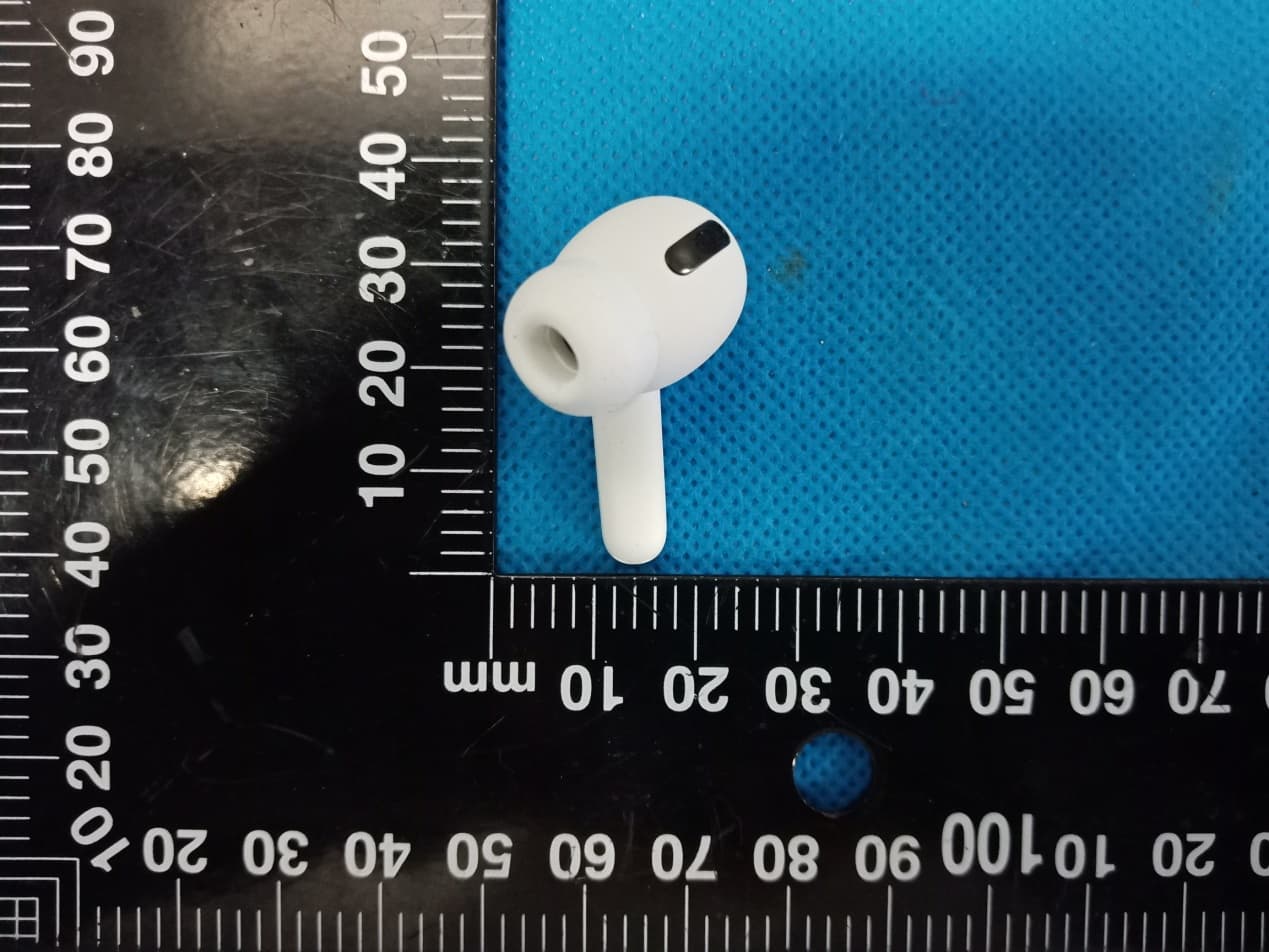
2AWEY-A11
May 07, 2021Wireless Bluetooth Earphones
Equipment Class
DSS - Part 15 Spread Spectrum Transmitter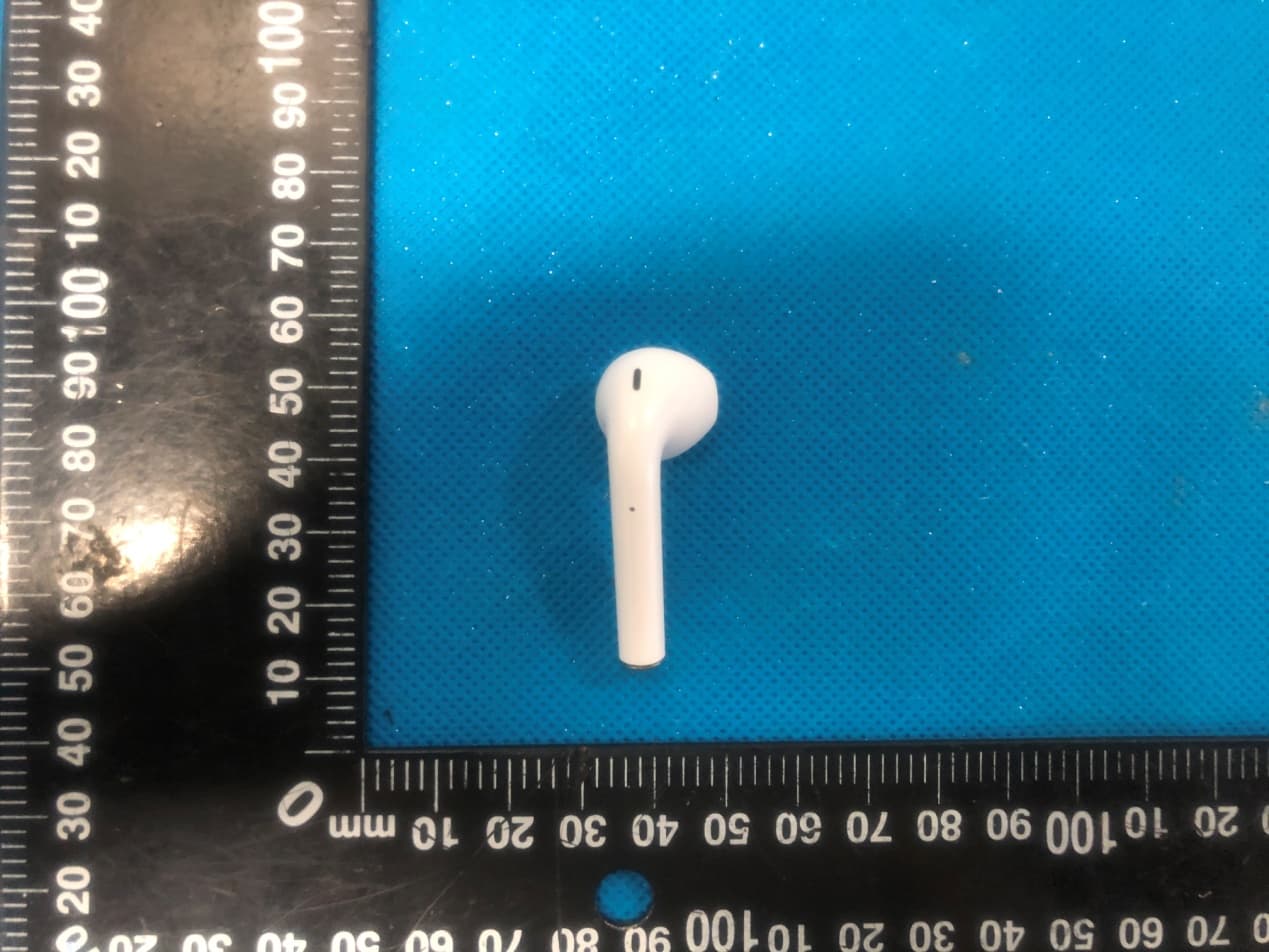
2AWEY-K3
May 14, 2020Wireless earphones
Equipment Class
DSS - Part 15 Spread Spectrum Transmitter