BEJG1500Single-Mode GSM1900 Phone
LG Electronics USA, Inc.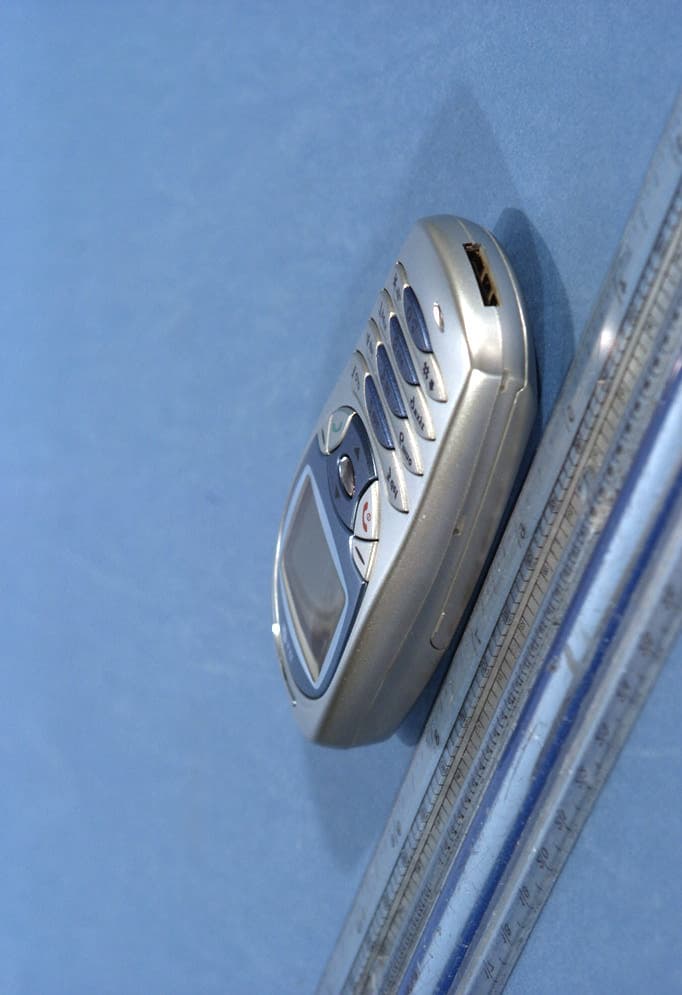
Click to zoom
Application Details
- Equipment Class
- PCE - PCS Licensed Transmitter held to ear
- Date of Grant
- Nov 02, 2003
- Application Purpose
- Original Equipment
- Date of Application
- Nov 02, 2003
- Equipment Note
- Single-Mode GSM1900 Phone
- Frequency Range
- 1850.20000000 - 1909.80000000
- Company
- LG Electronics USA, Inc.
- Country
- United States
Documents & Files
Document Text
Text extracted from the exhibit documents filed with the FCC. Open a document above to read the original.
Users Manual
GPRS Phone USER’S MANUAL MODEL: G1500 Please read this manual carefully before operating your set. Retain it for future reference. ENGLISH ENGLISH 3 G1500 Phone G1500 has a polished style which provides users’ a better feel and convenience. For Your Safety ENGLISH 4 Important Information This user guide contains important information on the use and operation of this phone. Please read all the information carefully for optimal performance and to prevent any damage to, or misuse of, the phone. Any changes or modifications not expressly approved in this user guide could void your warranty for this equipment. Before You Start Safety Instructions WARNING!To reduce the possibility of electric shock, do not expose your phone to high humidity areas, such as the bathroom, swimming pool, etc. Always store your phone away from heat. Never store your phone in settings that may expose it to temperatures less than 32°F or greater than 104°F, such as outside during a snowstorm or in your car on a hot day. Exposure to excessive cold or heat will result in malfunction, damage and/or catastrophic failure. Be careful when using your phone near other electronic devices.RF emissions from your mobile phone may affect nearby inadequately shielded electronic equipment. You should consult with manufacturers of any personal medical devices such as pacemakers and hearing aides to determine if they are susceptible to interference from your mobile phone. Turn off your phone in a medical facility or at a gas station. Never place your phone in a microwave oven as this will cause the battery to explode. IMPORTANT! Please read the TIA SAFETY INFORMATION on page 95 before using your phone. ENGLISH 5 Safety Information Please read and observe the following information for the safe and proper use of your phone and to prevent any unanticipated damage. Also, keep the user’s manual in an accessible place at all the times after reading it. • Unplug the power cord and charger during a lightning storm to avoid electric shock or fire. • Do not use your phone in high explosive areas as the phone may generate sparks. • Do not put your phone in a place subject to excessive dust, and keep the minimum required distance between the power cord and heat sources. • Unplug the power cord prior to cleaning your phone, and clean the power plug pin when it is dirty. • Do not damage the power cord by bending, twisting, pulling, or subjecting it to heat. Do not use the plug if it is loose as it may cause fire or electric shock. • Hold the power cord plug firmly to plug and unplug the power cord. Ensure the plug is firmly connected. If it is not firmly connected, it may cause excessive heat or fire. • Do not place a heavy item on the power cord. Do not allow the power cord to be crimped as it may cause fire or electric shock. • Be careful not to let the battery contact metal conductors such as a necklace or coins. When shorted, it may cause an explosion. • Do not disassemble or impact the battery as it may cause electric shock, short-circuit, and fire. Store the battery in a place out of reach of children. • Using a damaged battery or placing a battery in your mouth may cause serious injury. • Do not place items containing magnetic components such as a credit card, phone card, bank book or a subway ticket, near your phone. The magnetic strip can be damaged by the phone. • Do not hold or let the antenna come in contact with your body during a call. • Talking on your phone for a long period of time may reduce the call quality due to heat generated during the use of the phone. • Do not allow excessive vibration or impact to the phone. • When you do not plan to use the phone for a long period of time, store it in a safe area with the power cord unplugged. FCC RF Exposure Information WARNING!Read this information before operating the phone. In August 1996, the Federal Communications (FCC) of the United States, with its action in Report and Order FCC 96-326, adopted an updated safety standard for human exposure to radio frequency (RF) electromagnetic energy emitted by FCC regulated transmitters. Those guidelines are consistent with the safety standard previously set by both U.S. and international standards bodies. The design of this phone complies with the FCC guidelines and these international standards. CAUTION Use only the supplied and approved antenna. Use of unauthorized antennas or modifications could impair call quality, damage the phone, void your warranty and/or result in violation of FCC regulations. Do not use the phone with a damaged antenna. If a damaged antenna comes into contact with skin, a minor burn may result. Contact your local dealer for a replacement of antenna. ENGLISH 6 For Your Safety Body-worn Operation This device was tested for typical body-worn operations with the back of the phone kept 0.59 inches (1.5 cm) from the body. To maintain compliance with FCC RF exposure requirements, use only belt-clips, holsters or similar accessories that maintain a 0.59 inch (1.5 cm) separation distance between the user's body and the back of the phone, including the antenna. The use of belt-clips, holsters and similar acces- sories should not contain metallic components in its assembly. The use of accessories that do not satisfy these requirements may not comply with FCC RF exposure requirements, and should be avoided. Vehicle Mounted External Antenna (optional, if available) A minimum separation distance of 8 inches (20 cm) must be maintained between the user/bystander and the vehicle mounted external antenna to satisfy FCC RF exposure requirements. For more information about RF exposure, visit the FCC website at www.fcc.gov FCC Part 15 Class B Compliance This device and its accessories comply with part 15 of FCC rules. Operation is subject to the following two conditions: (1) This device and its accessories may not cause harmful interference, and (2) this device and its accessories must accept any interference received, including interfer…
Text truncated - open the document above for the full version.
Attestation Statements
LG Electronics Inc. LG Electronics Inc.
Cover Letter(s)
October 27, 2003 Federal Communications Commission Equipment Approval Services 7435 Oakland Mills Road Columbia, MD 21046 SUBJECT: LG Electronics, Inc. FCC ID: BEJG1500 Part 24 Certification Gentlemen: Submitted herewith, on behalf of LG Electronics, Inc., is an application for Part 24 Certification of the Single-Mode PCS GSM Phone . Attached is the applicant’s Letter of Authorization, Confidentiality Request, measurement report test data and plots, RF Exposure measurement report and data, FCC ID label and location, test setup photographs, internal and external photographs, block diagram (confidential), circuit diagrams & description (confidential), operational description (confidential), parts list & tune-up procedure (confidential), and the user's manual. Should you have any questions or comments concerning the above, please contact the undersigned. cc: LG Electronics, Inc.
External Photos
LGE FCC ID: BEJG1500 EUT Photographs © 2003 PCTEST Lab. Single-Mode GSM1900 Phone Model: G1500S LGE FCC ID: BEJG1500 EUT Photographs © 2003 PCTEST Lab. Single-Mode GSM1900 Phone Model: G1500S LGE FCC ID: BEJG1500 EUT Photographs © 2003 PCTEST Lab. Single-Mode GSM1900 Phone Model: G1500S LGE FCC ID: BEJG1500 EUT Photographs © 2003 PCTEST Lab. Single-Mode GSM1900 Phone Model: G1500S LGE FCC ID: BEJG1500 EUT Photographs © 2003 PCTEST Lab. Single-Mode GSM1900 Phone Model: G1500S
ID Label/Location Info
© 2003 PCTEST Lab FCC ID SAMPLE LABEL & LOCATION LABELLING REQUIREMENTS The Label shown shall be permanently affixed at a conspicuous location on the device and be readily visible to the user at the time of purchase. (SEE NEXT PAGE) LG Electronics Inc. qG1500 Label
Internal Photos
LGE FCC ID: BEJG1500 EUT Photographs © 2003 PCTEST Lab. Single-Mode GSM1900 Phone Model: G1500S LGE FCC ID: BEJG1500 EUT Photographs © 2003 PCTEST Lab. Single-Mode GSM1900 Phone Model: G1500S LGE FCC ID: BEJG1500 EUT Photographs © 2003 PCTEST Lab. Single-Mode GSM1900 Phone Model: G1500S LGE FCC ID: BEJG1500 EUT Photographs © 2003 PCTEST Lab. Single-Mode GSM1900 Phone Model: G1500S LGE FCC ID: BEJG1500 EUT Photographs © 2003 PCTEST Lab. Single-Mode GSM1900 Phone Model: G1500S
RF Exposure Info
PCTEST ENGINEERING LABORATORY, INC. 6660 – B Dobbin Road • Columbia, MD 21045 • USA Telephone 410.290.6652 / Fax 410.290.6654 http://www.pctestlab.com (email: [email protected]) CERTIFICATE OF COMPLIANCE (SAR EVALUATION) PCTEST SAR TEST REPORT FCC CERTIFICATION Reviewed by: Quality Manager SAR Filename: SAR.231008489.BEJ Test Dates: October 9-10, 2003 EUT Type: Single-Mode GSM1900 FCC ID: BEJG1500 Page 1 of 23 © 2003 PCTEST Engineering Laboratory, Inc. APPLICANT NAME & ADDRESS: DATE & LOCATION OF TESTING: LG ELECTRONICS, INC. Dates of Tests: October 9-10, 2003 2000 Milbrook Drive Test Report S/N: SAR.231008489.BEJ Lincolnshire, IL 60069 Test Site: PCTEST Lab, Columbia, MD USA FCC ID: BEJG1500 APPLICANT NAME: LG ELECTRONICS, INC. EUT Type: Single-Mode GSM1900 Phone Tx Frequency: 1850.20 – 1909.80 MHz (GSM1900) Rx Frequency: 1930.20 – 1989.80 MHz (GSM1900) Max. RF Output Power: 0.782 W EIRP GSM1900 (28.921 dBm) Max. SAR Measurement: 0.27 W/kg GSM1900 Head SAR; 0.25 W/kg GSM1900 Body SAR Model(s): G1500 & G1500S FCC Rule Part(s): §2.1093; FCC/OET Bulletin 65 Supplement C [July 2001] Application Type: Certification Test Device Serial No.: Identical Prototype [S/N: 5829] This wireless portable device has been shown to be capable of compliance for localized specific absorption rate (SAR) for uncontrolled environment/general population exposure limits specified in ANSI/IEEE Std. C95.1-1992 and had been tested in accordance with the measurement procedures specified in FCC/OET Bulletin 65 Supplement C (2001) and IEEE Std. P1528 D1.2 (April 2002). I attest to the accuracy of data. All measurements reported herein were performed by me or were made under my supervision and are correct to the best of my knowledge and belief. I assume full responsibility for the completeness of these measurements and vouch for the qualifications of all persons taking them. Grant Conditions: Power output listed is EIRP. SAR compliance for body-worn operating configuration is based on a separation distance of 1.5 cm between the back of the unit and the body of the user. End-users must be informed of the body-worn operating requirements for satisfying RF exposure compliance. Belt clips or holsters may not contain metallic components. PCTEST certifies that no party to this application has been denied the FCC benefits pursuant to Section 5301 of the Anti-Drug Abuse Act of 1988, 21 U.S.C. 862. SAR.231008489.BEJ PCTEST SAR TEST REPORT FCC CERTIFICATION Reviewed by: Quality Manager SAR Filename: SAR.231008489.BEJ Test Dates: October 9-10, 2003 EUT Type: Single-Mode GSM1900 FCC ID: BEJG1500 Page 2 of 23 © 2003 PCTEST Engineering Laboratory, Inc. TABLE OF CONTENTS 1. INTRODUCTION / SAR DEFINITION................................................................................3 2. SAR MEASUREMENT SETUP............................................................................................4 3. ALIDX-500 E-FIELD PROBE SYSTEM.................................................................................5 4. PROBE CALIBRATION PROCESS......................................................................................6 5. PHANTOM & EQUIVALENT TISSUES................................................................................7 6. TEST SYSTEM SPECIFICATIONS........................................................................................8 7. DOSIMETRIC ASSESSMENT & PHANTOM SPECS...............................................................9 8. DEFINITION OF REFERENCE POINTS.............................................................................10 9. TEST CONFIGURATION POSITION................................................................................11 10. ANSI/IEEE C95.1 - 1992 RF EXPOSURE LIMITS................................................................12 11. MEASUREMENT UNCERTAINTIES..................................................................................13 12. SAR TEST DATA SUMMARY...........................................................................................14 13. SAR TEST EQUIPMENT..................................................................................................15 14. CONCLUSION..............................................................................................................16 15. REFERENCES.................................................................................................................17 EXHIBIT A. SYSTEM VERIFICATION......................................................................................18 EXHIBIT A. SAR DATA SUMMARY....................................................................................19-23 PCTEST SAR TEST REPORT FCC CERTIFICATION Reviewed by: Quality Manager SAR Filename: SAR.231008489.BEJ Test Dates: October 9-10, 2003 EUT Type: Single-Mode GSM1900 FCC ID: BEJG1500 Page 3 of 23 © 2003 PCTEST Engineering Laboratory, Inc. 1. INTRODUCTION / SAR DEFINITION The FCC has adopted the guidelines for evaluating the environmental effects of radiofrequency radiation in ET Docket 93-62 on Aug. 6, 1996 to protect the public and workers from the potential hazards of RF emissions due to FCC-regulated portable devices.[1] The safety limits used for the environmental evaluation measurements are based on the criteria published by the American National Standards Institute (ANSI) for localized specific absorption rate (SAR) in IEEE/ANSI C95.1-1992 Standard for Safety Levels with Respect to Human Exposure to Radio Frequency Electromagnetic Fields, 3 kHz to 300 GHz. (c) 1992 by the Institute of Electrical and Electronics Engineers, Inc., New York, New York 10017.[2] The measurement procedure described in IEEE/ANSI C95.3-1992 Recommended Practice for the Measurement of Potentially Hazardous Electromagnetic Fields - RF and Microwave[3] is used for guidance in measuring SAR due to the RF radiation exposure from the Equipment Under Test (EUT). These criteria for SAR evaluation are similar to those recommended by the National…
Text truncated - open the document above for the full version.
RF Exposure Info
LGE FCC ID: BEJG1500 EUT Photographs © 2003 PCTEST Lab. Single-Mode GSM1900 Phone Model: G1500S LGE FCC ID: BEJG1500 EUT Photographs © 2003 PCTEST Lab. Single-Mode GSM1900 Phone Model: G1500S LGE FCC ID: BEJG1500 EUT Photographs © 2003 PCTEST Lab. Single-Mode GSM1900 Phone Model: G1500S LGE FCC ID: BEJG1500 EUT Photographs © 2003 PCTEST Lab. Single-Mode GSM1900 Phone Model: G1500S LGE FCC ID: BEJG1500 EUT Photographs © 2003 PCTEST Lab. Single-Mode GSM1900 Phone Model: G1500S LGE FCC ID: BEJG1500 EUT Photographs © 2003 PCTEST Lab. Single-Mode GSM1900 Phone Model: G1500S LGE FCC ID: BEJG1500 EUT Photographs © 2003 PCTEST Lab. Single-Mode GSM1900 Phone Model: G1500S LGE FCC ID: BEJG1500 EUT Photographs © 2003 PCTEST Lab. Single-Mode GSM1900 Phone Model: G1500S LGE FCC ID: BEJG1500 EUT Photographs © 2003 PCTEST Lab. Single-Mode GSM1900 Phone Model: G1500S LGE FCC ID: BEJG1500 EUT Photographs © 2003 PCTEST Lab. Single-Mode GSM1900 Phone Model: G1500S LGE FCC ID: BEJG1500 EUT Photographs © 2003 PCTEST Lab. Single-Mode GSM1900 Phone Model: G1500S LGE FCC ID: BEJG1500 EUT Photographs © 2003 PCTEST Lab. Single-Mode GSM1900 Phone Model: G1500S LGE FCC ID: BEJG1500 EUT Photographs © 2003 PCTEST Lab. Single-Mode GSM1900 Phone Model: G1500S
Test Report
PCTEST PT. 24 REPORT FCC MEASUREMENT REPORT Reviewed By: Quality Manager Test Report S/N: 24.231008490.BEJ Test Dates: October 9-10, 2003 Phone Type: Single-Mode GSM1900 FCC ID: BEJG1500 Page 1 of 17 © 2003 PCTEST ENGINEERING LABORATORY, INC. PCTEST Engineering Laboratory, Inc. 6660-B Dobbin Road • Columbia, MD 21045 • U.S.A. TEL (410) 290-6652 • FAX (410) 290-6654 http://www.pctestlab.com CERTIFICATE OF COMPLIANCE FCC Part 24 Certification LG ELECTRONICS, INC. Dates of Tests: October 9-10, 2003 2000 Milbrook Drive Test Report S/N: 24.231008490.BEJ Lincolnshire, IL 60069 Test Site: PCTEST Lab, Columbia MD FCC ID BEJG1500 APPLICANT LG ELECTRONICS, INC. Classification: Licensed Portable Transmitter Held to Ear (PCE) FCC Rule Part(s): §24(E), §2 EUT Type: Single-Mode GSM1900 Phone Model(s): G1500 & G1500S Tx Frequency Range: 1850.20MHz – 1909.80MHz (GSM1900) Rx Frequency Range: 1930.20MHz – 1989.80MHz (GSM1900) Max. RF Output Power: 0.782 W EIRP GSM1900 (28.921 dBm) Max. SAR Measurement: 0.27 W/kg GSM1900 Head SAR; 0.25 W/kg GSM1900 Body SAR Emission Designator(s): 300KGXW (GSM) Test Device Serial No. Identical Prototype [S/N: 5829] This equipment has been shown to be capable of compliance with the applicable technical standards as indicated in the measurement report and was tested in accordance with the measurement procedures specified in §2.947. I attest to the accuracy of data. All measurements reported herein were performed by me or were made under my supervision and are correct to the best of my knowledge and belief. I assume full responsibility for the completeness of these measurements and vouch for the qualifications of all persons taking them. Grant conditions: Power output listed is EIRP. SAR compliance for body-worn operating configuration is based on a separation distance of 1.5 cm between the back of the unit and the body of the user. End-users must be informed of the body-worn operating requirements for satisfying RF exposure compliance. Belt clips or holsters may not contain metallic components. PCTEST certifies that no party to this application has been denied the FCC benefits pursuant to Section 5301 of the Anti-Drug Abuse Act of 1988, 21 U.S.C. 862. 24.231008490.BEJ PCTEST PT. 24 REPORT FCC MEASUREMENT REPORT Reviewed By: Quality Manager Test Report S/N: 24.231008490.BEJ Test Dates: October 9-10, 2003 Phone Type: Single-Mode GSM1900 FCC ID: BEJG1500 Page 2 of 17 © 2003 PCTEST ENGINEERING LABORATORY, INC. TABLE OF CONTENTS ATTACHMENT A: COVER LETTER(S) ATTACHMENT B: ATTESTATION STATEMENT(S) ATTACHMENT C: TEST REPORT 1.1 SCOPE 3 2.1 INTRODUCTION 4 3.1 INSERTS 5 4.1 DESCRIPTION OF TESTS 6-7 6.1 EQUIVALENT ISOTROPIC RADIATED POWER 8 7.1 RADIATED MEASUREMENTS 9-11 8.1 FREQUENCY STABILITY 12-13 9.1 PLOTS OF EMISSIONS 14 10.1 LIST OF TEST EQUIPMENT 15 11.1 SAMPLE CALCULATIONS 16 12.1 CONCLUSION 17 ATTACHMENT D: TEST PLOTS ATTACHMENT E: FCC ID LABEL / LOCATION ATTACHMENT F: TEST SETUP PHOTOGRAPHS ATTACHMENT G: EXTERNAL PHOTOGRAPHS ATTACHMENT H: INTERNAL PHOTOGRAPHS ATTACHMENT I: BLOCK DIAGRAM(S) ATTACHMENT J: SCHEMATIC DIAGRAM(S) ATTACHMENT K: OPERATIONAL / CIRCUIT DESCRIPTION ATTACHMENT L: PARTS LIST/TUNE UP PROCEDURE ATTACHMENT M: USER’S MANUAL ATTACHMENT N: SAR MEASUREMENT REPORT ATTACHMENT O: SAR TEST DATA ATTACHMENT P: SAR TEST SETUP PHOTOGRAPHS ATTACHMENT Q: DIPOLE VALIDATION ATTACHMENT R: PROBE CALIBRATION PCTEST PT. 24 REPORT FCC MEASUREMENT REPORT Reviewed By: Quality Manager Test Report S/N: 24.231008490.BEJ Test Dates: October 9-10, 2003 Phone Type: Single-Mode GSM1900 FCC ID: BEJG1500 Page 3 of 17 © 2003 PCTEST ENGINEERING LABORATORY, INC. MEASUREMENT REPORT 1.1 Scope Measurement and determination of electromagnetic emissions (EME) of radio frequency devices including intentional and/or unintentional radiators for compliance with the technical rules and regulations of the Federal Communications Commission. §2.1033 General Information Applicant Name: LG ELECTRONICS INC. Address: 2000 Milbrook Drive Lincolnshire, IL 60069 • FCC ID: BEJG1500 • Quantity: Quantity production is planned • Emission Designators: 300KGXW (GSM) • Tx Freq. Range: 1850.20 – 1909.80 MHz (GSM1900) • Rx Freq. Range: 1930.20 – 1989.80 MHz (GSM1900) • Max. Power Rating: 0.782 W EIRP GSM1900 (28.921 dBm) • FCC Classification(s): Licensed Portable Tx Held to Ear (PCE) • Equipment (EUT) Type: Single-Mode GSM1900 Phone • Modulation(s): GSM • Frequency Tolerance: ± 0.00025% (2.5 ppm) • FCC Rule Part(s): § 24(E), §2 • Dates of Tests: October 9-10, 2003 • Place of Tests: PCTEST Lab, Columbia, MD U.S.A. • Test Report S/N: 24.231008490.BEJ PCTEST PT. 24 REPORT FCC MEASUREMENT REPORT Reviewed By: Quality Manager Test Report S/N: 24.231008490.BEJ Test Dates: October 9-10, 2003 Phone Type: Single-Mode GSM1900 FCC ID: BEJG1500 Page 4 of 17 © 2003 PCTEST ENGINEERING LABORATORY, INC. 2.1 INTRODUCTION These measurement tests were conducted at PCTEST Engineering Laboratory, Inc. facility in New Concept Business Park, Guilford Industrial Park, Columbia, Maryland. The site address is 6660-B Dobbin Road, Columbia, MD 21045. The test site is one of the highest points in the Columbia area with an elevation of 390 feet above mean sea level. The site coordinates are 39° 11'15" N latitude and 76° 49'38" W longitude. The facility is 1.5 miles North of the FCC laboratory, and the ambient signal and ambient signal strength are approximately equal to those of the FCC laboratory. There are no FM or TV transmitters within 15 miles of the site. The detailed description of the measurement facility was found to be in compliance with the requirements of § 2.948 according to ANSI C63.4 on October 19, 1992. Measurement Procedure The radiated and spurious measurements were made outdoors at a 3-meter test range (see Figure2). The equipment under test is placed on a wooden turntable 3-meters from the receive antenna. The receive antenna height and turntable rotations were adjusted for the highest reading on the receive spectrum analyzer.…
Text truncated - open the document above for the full version.
Test Setup Photos
LGE FCC ID: BEJG1500 EUT Photographs © 2003 PCTEST Lab. Single-Mode GSM1900 Phone Model: G1500S LGE FCC ID: BEJG1500 EUT Photographs © 2003 PCTEST Lab. Single-Mode GSM1900 Phone Model: G1500S LGE FCC ID: BEJG1500 EUT Photographs © 2003 PCTEST Lab. Single-Mode GSM1900 Phone Model: G1500S LGE FCC ID: BEJG1500 EUT Photographs © 2003 PCTEST Lab. Single-Mode GSM1900 Phone Model: G1500S
Contact Information
Applicant
David Kim(Team leader, LGEUS NA Policy & Regulatory Affairs)
Technical Contact
PCTEST Engineering Lab., Inc.Randy Ortanez
[email protected]410-290-6652
6660-B Dobbin Road · Columbia, Maryland · United States
Test Firm
PCTEST Engineering Laboratory, Inc.Randy Ortanez
Technical Specifications
| # | Rule Parts | Frequency Range | Power Output | Emission | Tolerance |
|---|---|---|---|---|---|
| 1 | 24E | 1.85 GHz - 1.91 GHz | 782.00 mW | 300KGXW | 2.5000000000 ppm |
Other Applications from LG Electronics USA, Inc.
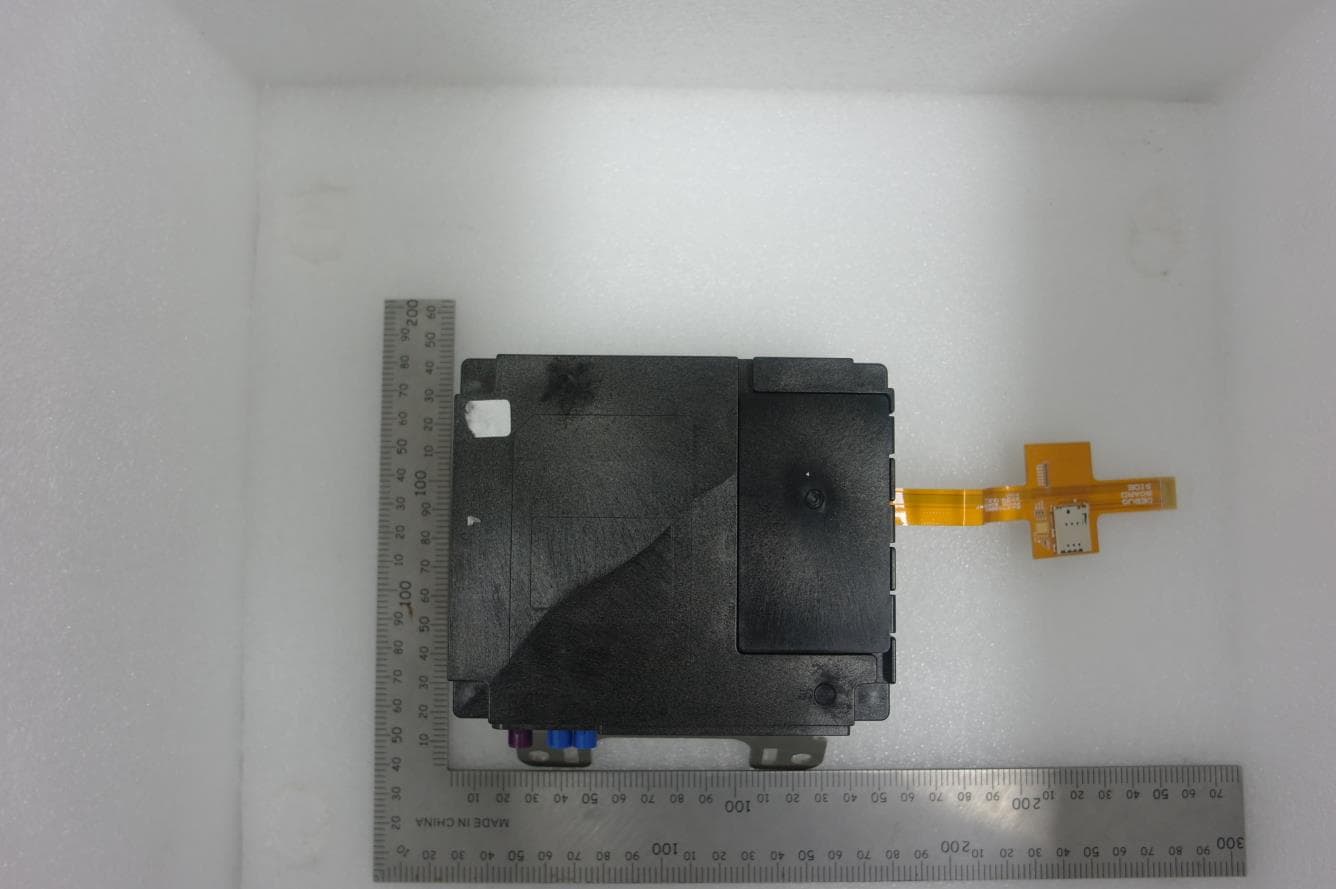
BEJTFHOBINI1F1
Jan 08, 2025Telematics
Equipment Class
DTS - Digital Transmission SystemBEJNT-16Z90TS
Oct 02, 2024Notebook Computer
Equipment Class
DSS - Part 15 Spread Spectrum TransmitterBEJSP-PEW8
Sep 26, 2024Stylus Pen
Equipment Class
DCD - Part 15 Low Power Transmitter Below 1705 kHzBEJ-RSMV2
Sep 24, 2024RF Module
Equipment Class
FDS - Part 15 Field Disturbance SensorBEJTFBMEIBN3EU
Sep 24, 2024Telematics
Equipment Class
NII - Unlicensed National Information Infrastructure TX