BEJKE800Single-Band PCS GSM Phone with Bluetooth
LG Electronics USA, Inc.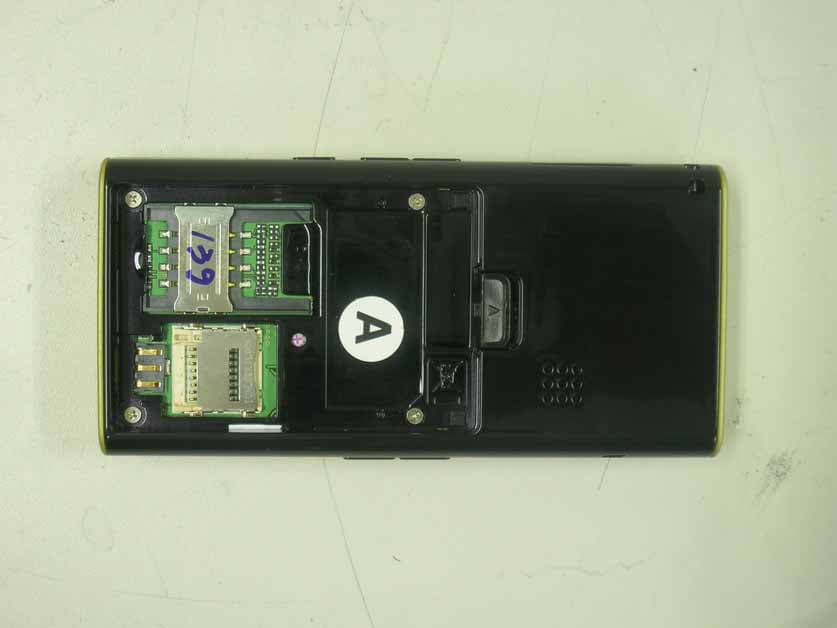
Click to zoom
Application Details
- Equipment Class
- PCE - PCS Licensed Transmitter held to ear
- Date of Grant
- Nov 07, 2006
- Application Purpose
- Original Equipment
- Date of Application
- Nov 01, 2006
- Equipment Note
- Single-Band PCS GSM Phone with Bluetooth
- Frequency Range
- 1850.20000000 - 1909.80000000
- Company
- LG Electronics USA, Inc.
- Country
- United States
Documents & Files
Document Text
Text extracted from the exhibit documents filed with the FCC. Open a document above to read the original.
Users Manual
KE800 USER GUIDE WE SHOULD INFORM USER THAT THIS MANUAL CAN HAVESOME DIFFERENCES FROM PHONE DEPENDING ON PHONES/W AND SERVICE PROVIDER. Disposal of your old appliance1. When this crossed-out wheeled bin symbol is attached to a product it meansthe product is covered by the European Directive 2002/96/EC. 2. All electrical and electronic products should be disposed of separately fromthe municipal waste stream via designated collection facilities appointed bythe government or the local authorities. 3. The correct disposal of your old appliance will help prevent potential negativeconsequences for the environment and human health. 4. For more detailed information about disposal of your old appliance, pleasecontact your city office, waste disposal service or the shop where youpurchased the product. ENGLISH Congratulations on your purchase of the advanced andcompact KE800 mobile phone, designed to operatewith the latest digital mobile communicationtechnology.This user’s guide contains important information onthe use and operation of this phone. Please read all theinformation carefully for optimal performance and toprevent any damage to or misuse of the phone. Anychanges or modifications not expressly approved inthis user’s guide could void your warranty for thisequipment. Introduction 4 Introduction 8 For Your Safety Important InformationThis user guide contains important information on the use andoperation of this phone. Please read all the informationcarefully for optimal performance and to prevent any damageto or misuse of the phone. Any changes or modifications notexpressly approved in this user guide could void your warrantyfor this equipment.Before You StartSafety InstructionsWARNING! To reduce the possibility of electric shock, do not expose your phone to high humidity areas, such as thebathroom, swimming pool, etc.Always store your phone away from heat. Never store your phone in settings that may expose it to temperatures less than32°F or greater than 104°F, such as outside during extremeweather conditions or in your car on a hot day. Exposure toexcessive cold or heat will result in malfunction, damageand/or catastrophic failure.Be careful when using your phone near other electronicdevices. RF emissions from your mobile phone may affect nearby in adequately shielded electronic equipment. Youshould consult with manufacturers of any personal medicaldevices such as pacemakers and hearing aides to determine ifthey are susceptible to interference from your mobile phone. Turn off your phone in a medical facility or at a gas station.Never place your phone in a microwave oven as this willcause the battery to explode.IMPORTANT! Please read the TIA SAFETY INFORMATION on page 78 before using your phone. Safety InformationRead these simple guidelines. Breaking the rules may bedangerous or illegal. Further detailed information is given in thisuser guide.] Never use an unapproved battery since this could damagethe phone and/or battery and could cause the battery toexplode. ] Never place your phone in a microwave oven as it willcause the battery to explode. ] Do not dispose of your battery by fire or with hazardous orflammable materials. ] Make sure that no sharp-edged items come into contactwith the battery. There is a risk of this causing a fire. ] Store the battery in a place out of reach of children. ] Be careful that children do not swallow any parts such asrubber plugs (earphone, connection parts of the phone,etc.). This could cause asphyxiation or suffocation. 9 For Your Safety ] Unplug the power cord and charger during lightning stormsto avoid electric shock or fire. ] When riding in a car, do not leave your phone or set up thehands-free kit near to the air bag. If wireless equipment isimproperly installed and the air bag is activated, you may beseriously injured. ] Do not use a hand-held phone while driving. ] Do not use the phone in areas where its use is prohibited.(For example: aircraft). ] Do not expose the battery charger or adapter to directsunlight or use it in places with high humidity, such as abathroom. ] Never store your phone in temperatures less than- 4°F orgreater than 122°F. ] Do not use harsh chemicals (such as alcohol, benzene,thinners, etc.) or detergents to clean your phone. There is arisk of this causing a fire. ] Do not drop, strike, or shake your phone severely. Suchactions may harm the internal circuit boards of the phone. ] Do not use your phone in high explosive areas as the phonemay generate sparks. ] Do not damage the power cord by bending, twisting, pulling,or heating. Do not use the plug if it is loose as it may causea fire or electric shock. ] Do not place any heavy items on the power cord. Do notallow the power cord to be crimped as it may cause fire orelectric shock. ] Do not handle the phone with wet hands while it is beingcharged. It may cause an electric shock or seriouslydamage your phone. ] Do not disassemble the phone. ] Do not place or answer calls while charging the phone as itmay short-circuit the phone and/or cause electric shock orfire. ] Only use the batteries, antennas, and chargers provided byLG. The warranty will not be applied to products provided byother suppliers. ] Only authorized personnel should service the phone and itsaccessories. Faulty installation or service may result inaccidents and consequently invalidate the warranty. ] Do not hold or let the antenna come in contact with yourbody during a call. ] An emergency call can be made only within a service area.For an emergency call, make sure that you are within aservice area and that the phone is turned on. 10 For Your Safety FCC RF Exposure InformationWARNING! Read this information before operating the phone. In August 1996, the Federal Communications (FCC) of he UnitedStates, with its action in Report and Order FCC 96-326, adoptedan updated safety standard for human exposure to radiofrequency (RF) electromagnetic energy emitted by FCCregulated transmitters. Those guidelines are consisten…
Text truncated - open the document above for the full version.
RF Exposure Info
Ͳͽ ͅʹͲͿ΅͑ͿͲ;Ͷ͑͗͑Ͳ͵͵Ͷ ́ ́͑ͫ ͵Ͳ΅Ͳ͑͗͑ͽʹͲ΅ ͅͿ͑ͷ͑΅Ͷ ́΅ ͅͿ ͽ͑ͶΝΖΔΥΣΠΟΚΔΤ͑ ͅΟΔ͟ ͵ΒΥΖΤ͑ΠΗ͑ΥΖΤΥΚΟΘ͑ͫ͑ ΅ΖΤΥ͑ ́ΚΥΖ͑ͫ͑Ͷ ́΅Ͷʹ͑ʹΠ͑͟͝ͽΥΕ͑͟ͼΠΣΖΒ ΅ΖΤΥ͑͵ΖΧΚΔΖ͑ͫ͑ ΅ΖΤΥ͑ΣΖΡΠΣΥ͑ΟΠ͑ͫͿΦΞΓΖΣ͑ΠΗ͑ΡΒΘΖ͑ͫ ʹΠΟΥΒΔΥ͑ΡΖΣΤΠΟ͑ͫΖΤΡΠΟΤΚΓΝΖ͑ΥΖΤΥ͑ͶΟΘΚΟΖΖΣ͑ͫ ͲΡΡΝΚΔΒΟΥ͑΅ΪΡΖ͑ͫ ͷʹʹ͑ʹͽͲ ́ ́ ͅͷ ͅʹͲ΅ ͅͿ͑ͫ ͷʹʹ͑ΦΝΖ͑ΒΣΥ͙Τ͚ ΅ΖΤΥ͑ΣΖΤΦΝΥΤ͑ͫ͑ ͵ΒΥΖ͑ΒΟΕ͑ ́ΚΘΟΒΥΦΣΖΤ͑ͫ͑ ͨ͑ ́ΖΡΥΖΞΓΖΣ͑ͣͧ͡͡ ΖΡΠΣΥ͑ΣΖΡΒΣΖΕ͑ͳΪ͑ͫ͑ ͶΟΘΚΟΖΖΣ͑͠ͼ͟͟ͼΒΟΘ ͙ ́ΚΘΟΒΥΦΣΖ͚ ͶΟΘΚΟΖΖΣΚΟΘ͑;ΒΟΒΘΖΣ͑͠ͻΒΪ͑ͼΚΞ ͙ ́ΚΘΟΒΥΦΣΖ͚ {GGGaGlz{zhyW]W`TWWX ͷʹʹ͑ ͅ͵͑ͫ͑ͳͶͻͼͶͩ͡͡ΈΖΓ͑ͫ͑ΨΨΨ͑͟ΖΤΥΖΔΙ͑͟ΔΠ͑͟ΜΣ͑͑͑͑͑͑͑ΒΘΖ͑͑͢ΠΗ͑ͣͥ ͣ͑͢ͲΦΘΦΤΥ͑ͣͧ͑͑͑͡͡ί͑ͨ͑ ́ΖΡΥΖΞΓΖΣ͑ͣͧ͡͡ ͑͑΅ΙΖ͑΅ΖΤΥΖΕ͑ΕΖΧΚΔΖ͑ΔΠΞΡΝΚΖΤ͑ΨΚΥΙ͑ΥΙΖ͑ΣΖΦΚΣΖΞΖΟΥΤ͑ΚΟ͑ΣΖΤΡΖΔΥ͑ΠΗ͑ΒΝΝ ΡΒΣΒΞΖΥΖΣΤ͑ΤΦΓΛΖΔΥ͑ΥΠ͑ΥΙΖ͑ΥΖΤΥ͑͟΅ΙΖ͑ΥΖΤΥ͑ΣΖΤΦΝΥΤ͑ΒΟΕ͑ΤΥΒΥΖΞΖΟΥΤ͑ΣΖΝΒΥΖ͑ΠΟΝΪ ΥΠ͑ΥΙΖ͑ΚΥΖΞΤ͑ΥΖΤΥΖΕ͑͟΅ΙΖ͑ΥΖΤΥ͑ΣΖΡΠΣΥ͑ΤΙΒΝΝ͑ΟΠΥ͑ΓΖ͑ΣΖΡΣΠΕΦΔΖΕ͑ΣΖΔΖΡΥ͑ΚΟ͑ΗΦΝΝ͝ ΨΚΥΙΠΦΥ͑ΨΣΚΥΥΖΟ͑ΒΡΡΣΠΧΒΝ͑ΠΗ͑ΥΙΖ͑ΝΒΓΠΣΒΥΠΣΪ͟ ͅͶͶͶ͙͑ͦͣͩ͢͵ΖΔ͚ͣͤ͟͡͡ ΖΔΠΞΞΖΟΕΖΕ͑ΣΒΔΥΚΔΖ͑ΗΠΣ͑͵ΖΥΖΣΞΚΟΚΟΘ͑ΥΙΖ͑ΖΒΜ͑ ́ΡΒΥΚΒΝ͞ͲΧΖΣΒΘΖ͑ ́ΡΖΔΚΗΚΔ ͲΓΤΠΣΡΥΚΠΟ͑ΒΥΖ͙ ́Ͳ͚͑ΚΟ͑ΥΙΖ͑ΦΞΒΟ͑ͳΠΕΪ͑͵ΦΖ͑ΥΠ͑ΈΚΣΖΝΖΤΤ͑ʹΠΞΞΦΟΚΔΒΥΚΠΟΤ ͵ΖΧΚΔΖ͑ͫ͑ͶΩΡΖΣΚΞΖΟΥΒΝ͑΅ΖΔΙΟΚΦΖΤ ͽΚΔΖΟΤΖΕ͑ΠΣΥΒΓΝΖ͑΅ΣΒΟΤΞΚΥΥΖΣ͑ΖΝΕ͑ΥΠ͑ͶΒΣ͙͑ʹͶ͚ ηͣͪͤͬ͑͟͢͡ͷʹʹ͠Ͷ΅͑ͳΦΝΝΖΥΚΟ͑ͧͦ͑ ́ΦΡΡΝΖΞΖΟΥ͑ʹ͙͑ͻΦΝΪ͚͑ͣ͢͡͡ ͼ͟͟ͼΒΟΘͳΠΟΘ͑ΪΠ͑͝ΒΟ ʹΖΣΥΚΗΚΔΒΥΚΠΟ ́Ͳ͑ʹΠΞΡΝΚΒΔΖ͑΅ΖΤΥ͑ΖΡΠΣΥ Ͷ ́΅ ́Ͳͧͪͣͥ͢͡͡͞͡͡ ͥͦͪͪ͑͞͝ͼΒΤΒΟ͞ΕΠΟΘ͑͝ͼΖΦΞΔΙΦΟ͞ΜΦ͝ ́ΖΠΦΝ͑ͦͤͣͤ͑͢͞͡͝ͼΠΣΖΒ ;ΠΕΖΝΤ͑ͫ͑ͼͶͩ͡͡ ͷʹʹ͑ ͅ͵͑ͫ͑ͳͶͻͼͶͩ͡͡ ΅ΊͶ͑ͫ͑ ́;͠ ́͑ΙΠΟΖ͑ΨΚΥΙ͑ͳΝΦΖΥΠΠΥΙ͙͑ΣΠΥΠΥΪΡΖ͚ ΅ΖΤΥΚΟΘ͑ΙΒΤ͑ΓΖΖΟ ʹΒΣΣΚΖΕ͑ΠΦΥ͑ΚΟ ͲΔΔΠΣΕΒΟΔΖ͑ΨΚΥΙ͑ͫ 1. SUMMARY FOR SAR TET REPORT --------------------------------------------------------------------- ͤ 1.1 Head Configuration ------------------------------------------------------------------------------------------ ͤ 1.2 Body Worn Configuration ---------------------------------------------------------------------------------- ͤ 1.3 Measurement Uncertainty --------------------------------------------------------------------------------- ͤ 2. INTRODUCTION ------------------------------------------------------------------------------------------------ ͥ 3. DESCRIPTION OF THE DEVICE UNDER TEST ------------------------------------------------------ ͦ 3.1 Antenna Description ---------------------------------------------------------------------------------------- ͦ 3.2 Device Description ------------------------------------------------------------------------------------------- ͦ 3.3 Battery Option ------------------------------------------------------------------------------------------------ ͦ 4. TEST CONDITIONS -------------------------------------------------------------------------------------------- ͧ 4.1 Ambient Conditions ----------------------------------------------------------------------------------------- ͧ 4.2 RF Characteristics of The Test Site --------------------------------------------------------------------- ͧ 4.3 Test Signal, Frequencies, And Output Power --------------------------------------------------------- ͧ 5. DESCRIPTION OF THE TEST EQUIPMENT ------------------------------------------------------------ ͨ 5.1 Test System Specifications ------------------------------------------------------------------------------- ͨ 5.2 SAR Measurement Setup --------------------------------------------------------------------------------- ͨ 5.3 DASY 4 E-Field Probe System --------------------------------------------------------------------------- ͩ 5.4 Phantom & Equivalent Tissues --------------------------------------------------------------------------- ͢͡ 6. DESCRIPTION OF THE TEST PROCEDURE ---------------------------------------------------------- ͣ͢ 6.1 Definition of Reference Point ----------------------------------------------------------------------------- ͣ͢ 6.2 Test Configuration Positions ------------------------------------------------------------------------------ ͤ͢ 6.3 Scan Procedures --------------------------------------------------------------------------------------------- ͧ͢ 6.4 SAR Averaging Methods ----------------------------------------------------------------------------------- ͧ͢ 7. MEASUREMENT UNCERTAINTY ------------------------------------------------------------------------- ͨ͢ 8. SYSTEM VERIFICATION ------------------------------------------------------------------------------------- ͩ͢ 8.1 Tissue Verification ------------------------------------------------------------------------------------------- ͩ͢ 8.2 Test System Validation ------------------------------------------------------------------------------------- ͩ͢ 9. RESULTS --------------------------------------------------------------------------------------------------------- ͪ͢ 10. REFERENCES ------------------------------------------------------------------------------------------------- ͣͥ APPENDIX A : Validation Test Data of Tissue APPENDIX B : Validation Test Data APPENDIX C : SAR Test Data APPENDIX D : Calibration Certificates ͑ {GGGaGlz{zhyW]W`TWWX ͷʹʹ͑ ͅ͵͑ͫ͑ ͳͶͻͼͶͩ͡͡ΈΖΓ͑ͫ͑ΨΨΨ͑͟ΖΤΥΖΔΙ͑͟ΔΠ͑͟ΜΣ͑͑͑͑͑͑͑ΒΘΖ͑ͣ͑ΠΗ͑ͣͥ ΅ΒΓΝΖ͑ΠΗ͑ʹΠΟΥΖΟΥΤ ͑͢͟͢ΖΒΕ͑ʹΠΟΗΚΘΦΣΒΥΚΠΟ͑ ͑͑͑;ΒΩ͑͟ ́Ͳ͑;ΖΒΤΦΣΖΞΖΟΥ ;Ϋ ʹΙΕͳΞ ͳΒΥΥΖΣΪ ͪͪͩ͢͟͡ ͩ͢͡ ́; ͤ͡ ́ΥΒΟΕΒΣΕ ΚΘΙΥ͑΅ΠΦΔΙ Ά ͥͥͣ͟͡ ͣ͑͢͟ͳΠΕΪ͑ΈΠΣΟ͑ʹΠΟΗΚΘΦΣΒΥΚΠΟ͑ ͑͑͑;ΒΩ͑͟ ́Ͳ͑;ΖΒΤΦΣΖΞΖΟΥ ;Ϋ ʹΙΕͳΞ ͳΒΥΥΖΣΪ ͤ͑͢͟;ΖΒΤΦΣΖΞΖΟΥ͑ΆΟΔΖΣΥΒΚΟΥΪ {GGGaGlz{zhyW]W`TWWX ͷʹʹ͑ ͅ͵͑ͫ͑ͳͶͻ ͼͶͩ͡͡ΈΖΓ͑ͫ͑ΨΨΨ͑͟ΖΤΥΖΔΙ͑͟ΔΠ͑͟ΜΣ͑͑͑͑͑͑͑ΒΘΖ͑ͤ͑ΠΗ͑ͣͥ ͦ͢͟ΔΞ͑ΌΨ͠Π͑ΠΝΤΥΖΣΎ Ά ͩ͟͢͢͡ ͑͢͟ ́Ά;;ͲΊ͑ͷ͑΅Ͷ ́΅͑Ͷ΅ ͑͵ΒΥΖ͑ΠΗ͑ΥΖΤΥ ͑ͷʹʹ͑ ͅ͵ ͑;ΖΒΤΦΣΖΞΖΟΥ͑ΡΖΣΗΠΣΞΖΕ͑ΓΪ ͣ͑͢ͲΦΘΦΤΥ͑ͣͧ͑͑͑͡͡ί͑ͨ͑ ́ΖΡΥΖΞΓΖΣ͑ͣͧ͡͡ ͳͶͻͼͶͩ͡͡ ͻΒΪ͑ͼΚΞ͑ΖΤΡΠΟΤΚΓΝΖ͑ΥΖΤΥ͑ΖΟΘΚΟΖΖΣ ͼ͟͟ͼΒΟΘ ͑ͶΆ΅͑΅ΪΡΖ ͑΅Ω͑ͷΣΖΦΖΟΔΪ ́;͠ ́͑ΙΠΟΖ͑ΨΚΥΙ͑ͳΝΦΖΥΠΠΥΙ͙͑ΣΠΥΠΥΪΡΖ͚͑ ͩͦͣ͑͢͟͡ί͑ͪͪͩ͑͢͟͡;Ϋ͑ ʹΠΟΕΦΔΥΖΕ͑ΠΨΖΣ͙ΕͳΞ͚ ͑Ω͑ͷΣΖΦΖΟΔΪ ͑;ΒΩ͑͟ͷ͑ΦΥΡΦΥ͑ΠΨΖΣ ͪͤͣ͑͢͟͡ί͑ͪͩͪͩ͑͢͟;Ϋ͑ ́;͙͑͑ͤ͑͡ΕͳΞ͚͑͑͑͑͑ ͙́͑͑ͤ͑͡ΕͳΞ͚͑ ́Ͳ ͙Έ͠ΜΘ͚ ͷͶΆͶͿʹΊ ́ΝΚΕΖ ΡΠΤΚΥΚΠΟ ́Ͳ ͙Έ͠ΜΘ͚ ́ΝΚΕΖ ΡΠΤΚΥΚΠΟ ;ΒΩΚΞΦΞ͑ΖΤΦΝΥΤ͑ͷΠΦΟΕ͑͵ΦΣΚΟΘ͑ ́Ͳ͑ͶΧΒΝΦΒΥΚΠΟ͑ΦΟΕΖΣ͑ΡΙΠΟΖ͑ΔΒΝΝ͑ΒΟΕ͑ΓΝΦΖΥΠΠΥΙ͑ΗΦΟΔΥΚΠΟ͑ΖΟΒΓΝΖ ͷͶΆͶͿʹΊ ;ΠΕΦΝΒΥΚΠΟ ʹΠΟΕΦΔΥΖΕ͑ΠΨΖΣ͙ΕͳΞ͚ ́ΖΡΒΣΒΥΚΠΟ͑ΥΖΤΥ ΡΠΤΚΥΚΠΟ ͵ΖΧΚΔΖ͑ΥΖΤΥ ΡΠΤΚΥΚΠΟ ;ΠΕΦΝΒΥΚΠΟ ρ͙͑͑͢͢͟͡͡Μ͚ͮ͢ ρ͙͑ͣͣ͑͟͡͡Μ͖ͮͣ͑ͪͦ͑͝ʹͿͷ ͅ͵ͶͿʹͶ͑ͽͶ·Ͷͽ͚ ʹΠΞΓΚΟΖ͑ ́ΥΒΟΕΒΣΕ͑ΆΟΔΖΣΥΒΚΟΥΪ ͶΩΥΖΟΕΖΕ͑ ́ΥΒΟΕΒΣΕ͑ΆΟΔΖΣΥΒΚΟΥΪ ́ΥΒΟΕΒΣΕ͢…
Text truncated - open the document above for the full version.
Test Report
Product Name Model Name Applicant FCC ID KE800 LG Electronics Inc. BEJKE800 ESTECH CO., LTD Rm. 1015 World Venture Center, 426-5 Gasan-dong, Geumcheon-gu, Seoul, 153-803, Korea. Tel:82-2-867-3201, Fax:82-2-867-3204 ͑͑ESTECH CO., LTD. http://www.estech.co.kr FCC TEST REPORT GSM Phone with Bluetooth Report Number : ESTR0609-0121 of 18 FCC ID : BEJKE800 Company Name Address Product Name Model No.Manufacturer Serial No. Country of origin Issued DateTested Date ͑͑ESTECH CO., LTD. http://www.estech.co.kr Rm. 1015 World Venture Center, 426-5 Gasan-dong, Geumcheon-gu, Seoul, 153-803, Korea. Tel:82-2-867-3201, Fax:82-2-867-3204 ESTECH CO., LTD FCC Test Report Applicant Product Report Number KE800 Korea LG Electronics Inc. o This is certified that the above mentioned products have been tested for the sample provided by client. o No part of this document may not be duplicated or reproduced by any means without the express written permission of Estech Co., Ltd. Standard FCC PART 24 Subpart E Tested by Approved by S.R. Kim/ Engineer (Signature) Jay Kim/ Engineering Manager (Signature) ESTR0609-012 459-9, Kasan-dong, Keumchun-ku, Seoul 153-023, Korea GSM Phone with Bluetooth NONE LG Electronics Inc. Test Result PASS 2006-09-27 2006-08-21 ~ 2006-09-27 Other Report Number : ESTR0609-0122 of 18 FCC ID : BEJKE800 1. General Information Page 4 2. Laboratory Information Page 5 3. Summary of Test Results Page 5 4. RF Output Power Page 6 5. Occupied Bandwidth Page 7 6. Spurious and Harmonic Emission at Antenna Terminal Page 9 7. Field Strength of Spurious Radiation Page 13 8. Frequency stability Page 15 Contents ͑͑ESTECH CO., LTD. http://www.estech.co.kr Report Number : ESTR0609-0123 of 18 FCC ID : BEJKE800 1. General Information 1.1 EUT Description Channel Tx :1850.20 ~ 1909.80MHz (Low: 512/Mid: 661/High: 810) GSM Frequency Rx :1930.20 ~ 1989.80MHz 3.7VDC(3.2 ~ 4.3VDC) Power Rating ͑͑ ESTECH CO., LTD. http://www.estech.co.kr FCC ID BEJKE800 Modulation Type Product Name Model Name GSM Phone with Bluetooth KE800 Report Number : ESTR0609-0124 of 18 FCC ID : BEJKE800 2. Laboratory Information 3. Summary of Test Results Result PASS PASS PASS PASS ͑͑ ESTECH CO., LTD. http://www.estech.co.kr 58-1, Osan-Ri, GaNam-Myon, YeoJoo-Gun, KyungKi-Do, Korea 97-1, Hoiuk-Ri Majang-Myon, Icheon-city, KyungKi-Do, Korea 2.4 Major Accredited Mark Test Item Accredited by KOLAS(ISO/IEC 17025) Head Office EMC Lab(Ichon) EMC Lab(Yanggi) Standard RF Output Power Occupied Bandwidth PASS 2.1 Laboratory Name 2.2 Location 2.3 Quality System Estech Co., Ltd. Rm. 1015, World Venture Center II, 426-5 Gasan-dong Geumcheon-gu, Seoul, 153-803. Korea. Part 24 Field Strength of Spurious Radiation Frequency stability Spurious and Harmonic Emission at Antenna Terminal Report Number : ESTR0609-0125 of 18 FCC ID : BEJKE800 4. RF Output Power 4.1 Test Procedure 4.2 Test Equipments The following test equipments are used during tests Cal. Due Date 2007-01-06 2006-09-02 2006-10-25 2007-02-06 2006-09-21 2007-03-31 2007-05-01 4.3. Test Results 5121850.20 6611880.00 8101909.80 29.89 29.90 30.33 30.64 310N BBHA 9120 D BBHA 9120 D SONOMA INSTRUMENT SCHWARZBECK SCHWARZBECK Ch No.Freq (MHz) 29.7430.70 Peak Power Meter(dBm)Peak Power EIRP(dBm) Pre Amplifier Horn Antenna Horn Antenna Agilent Wireless Communications Test Set E5515C Model ESP17 HP HP Manufacturer Rohde & Schwarz ͑͑ ESTECH CO., LTD. http://www.estech.co.kr Signal Generator Power Meter 83620B EPM-442A Equipment Receiver The EUT was placed on a wooden turn table 3 meters from the receive antenna. The receive antenna height and turn table rotation was adjusted for the highest reading on the receive spectrum analyzer. For CDMA signals, a peak detector is used, with RBW = VBW = 3MHz. For AMPS, GSM, and NADC TDMA signals, a peak detector is used, with RBW = VBW = 1MHz, A Horn antenna was substituted in place of the EUT. This Horn antenna was driven by a signal generator and the level of the signal generator was adjusted to obtain the same receive spectrum analyzer reading. This spurious level is recorded. For reading 1GHz, the above procedure is repeated using horn antennas and the difference between the gain of the horn and an isotropic or dipole antenna are taken into consideration. Report Number : ESTR0609-0126 of 18 FCC ID : BEJKE800 Antenna gain(dBi) Cable Loss (dB) 1850.20 100.0010.40 4.0024.3030.7033V 1880.00 101.6710.43 4.0023.9030.3333V 1909.80 101.0010.44 4.0024.2030.6433V ͑͑ ESTECH CO., LTD. http://www.estech.co.kr FREQ (MHz) Correction Factor (dB) POL (H/V) Limit (dBm) EIRP (dBm) SG Reading (dBm) Receiver Reading (dBuV) Report Number : ESTR0609-0127 of 18 FCC ID : BEJKE800 5. Occupied Bandwidth 5.1 Test Procedure 5.2 Test Equipments The following test equipments are used during tests Cal. Due Date 2007-03-03 2007-03-22 2007-02-06 5.3 Test Results The transmitter output is connected to the spectrum analyzer. The RBW is set to 1% of the Emission bandwidth. The VBW is set to 3 times the RBW. The sweep time is coupled. 8101909.80298.90 E5515C 6611880.00289.70 ChannelFrequency(MHz) Manufacturer Agilent HP ͑͑ ESTECH CO., LTD. http://www.estech.co.kr Dual Directional Coupler EquipmentModel E4407B 778D 5121850.20287.49 Spectrum Analyzer Wireless Communications Test Set Agilent 26dB Bandwidth(kHz) Report Number : ESTR0609-0128 of 18 FCC ID : BEJKE800 5.4 Test Plot 26dB Channel Bandwidith(512) 26dB Channel Bandwidith(661) 26dB Channel Bandwidith(810) ͑͑ESTECH CO., LTD. http://www.estech.co.kr Report Number : ESTR0609-0129 of 18 FCC ID : BEJKE800 6. Spurious and Harmonic Emission at Antenna Terminal 6.1 Test Procedure 6.2 Test Equipments The following test equipments are used during tests Cal. Due Date 2007-03-03 2007-03-22 2007-02-06 6.3 Test Results GSM(Spurious Emission: Band Edge) ChannelFrequencyResultLimitMargin 5121850.20-17.35-13.004.35 8101909.80-16.97-13.003.97 GSM (Spurious Emission: Out of Band) ChannelFrequencyResultLimitMargin 5121850.20-25.68-13.0012.68 6611880.00-25.86-13.0012.86 8101909.8…
Text truncated - open the document above for the full version.
Test Setup Photos
1.5 SAR Test Setup Photographs [ Left Hand -Touch Position Slide IN] [ Right Hand -Touch Position Slide IN] [ Left Hand -Tlit Position Slide IN] [ Right Hand -Tilt Position Slide IN] 1.5 SAR Test Setup Photographs [ Left Hand -Touch Position Slide UP] [ Right Hand -Touch Position Slide UP] [ Left Hand -Tlit Position Slide UP] [ Right Hand -Tilt Position Slide UP] [ Flat - Body Side Configuration (Without Holster) Slide IN] [ Flat - Body Side Configuration (Without Holster) Slide UP]
Contact Information
Applicant
David Kim(Team leader, LGEUS NA Policy & Regulatory Affairs)
Technical Contact
PCTEST Engineering Lab., Inc.Randy Ortanez
[email protected]410-290-6652
6660-B Dobbin Road · Columbia, Maryland · United States
Test Firm
ESTECH Co., Ltd.Yang Jinmo
Technical Specifications
| # | Rule Parts | Frequency Range | Power Output | Emission | Tolerance |
|---|---|---|---|---|---|
| 1 | 24E | 1.85 GHz - 1.91 GHz | 1.18 W | 246KGXW | 2.5000000000 ppm |
Other Applications from LG Electronics USA, Inc.
BEJTFHOBINI1F1
Jan 08, 2025Telematics
Equipment Class
DTS - Digital Transmission SystemBEJNT-16Z90TS
Oct 02, 2024Notebook Computer
Equipment Class
DSS - Part 15 Spread Spectrum TransmitterBEJSP-PEW8
Sep 26, 2024Stylus Pen
Equipment Class
DCD - Part 15 Low Power Transmitter Below 1705 kHzBEJ-RSMV2
Sep 24, 2024RF Module
Equipment Class
FDS - Part 15 Field Disturbance SensorBEJTFBMEIBN3EU
Sep 24, 2024Telematics
Equipment Class
NII - Unlicensed National Information Infrastructure TX