BEJLSI120RCellphone
LG Electronics USA, Inc.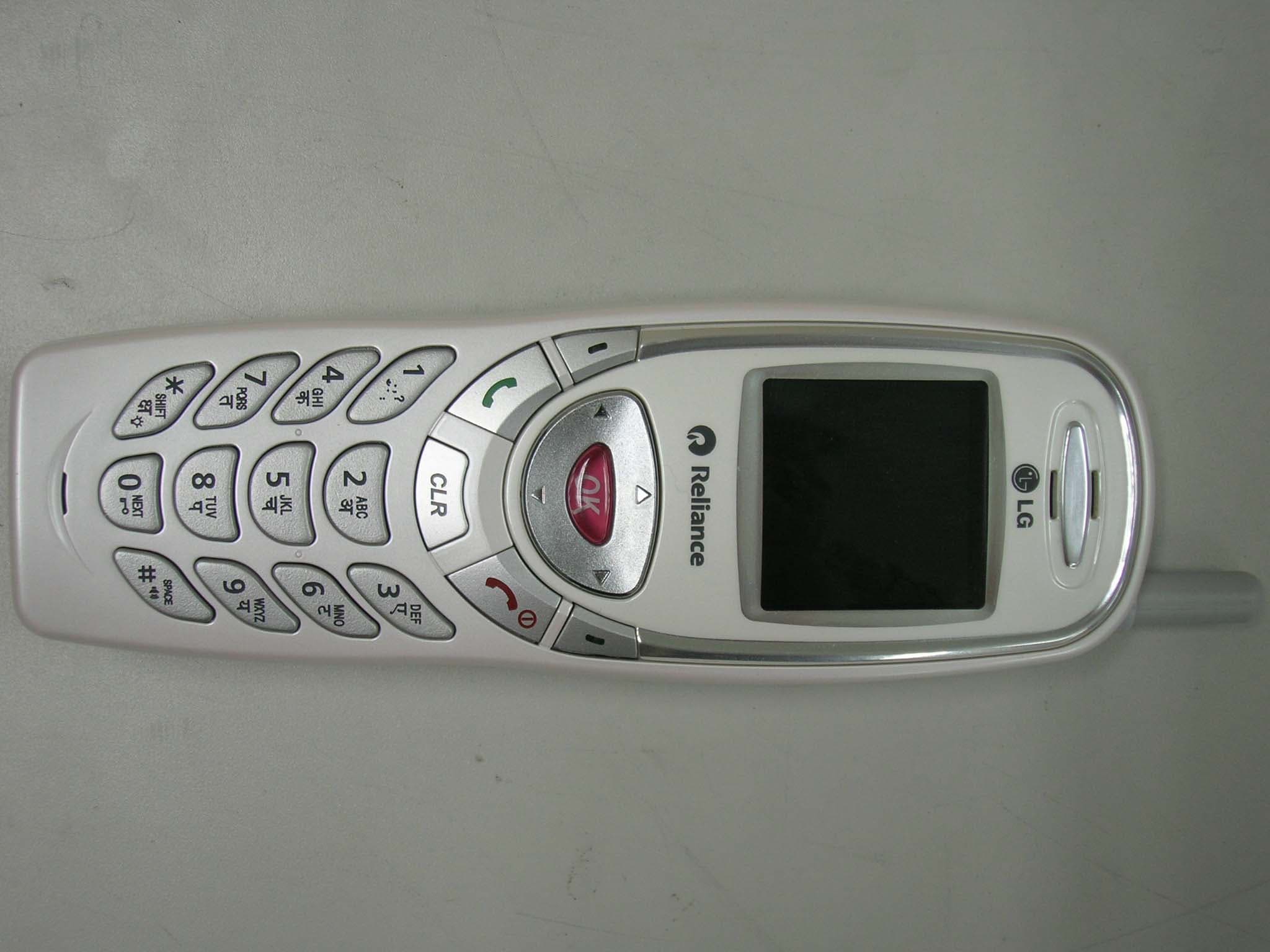
Click to zoom
Application Details
- Equipment Class
- TNE - Licensed Non-Broadcast Transmitter Held to Ear
- Date of Grant
- Nov 17, 2005
- Application Purpose
- Original Equipment
- Date of Application
- Nov 17, 2005
- Equipment Note
- Cellphone
- Frequency Range
- 824.70000000 - 848.31000000
- Company
- LG Electronics USA, Inc.
- Country
- United States
Documents & Files
Document Text
Text extracted from the exhibit documents filed with the FCC. Open a document above to read the original.
Users Manual
C L R CLR LSI-120 USER GUIDE Please read this manual carefully before operating your set. Retain it for future reference. Important Information5 1.1 Safety Instruction5 1.2 Optimal Phone Performance5 1.3 Care and Service6 1.4 Safety Information7 Introduction8 2.1 Front View of the Phone10 2.2 LCD Display 11 2.3 Installation 12 2.4 Battery Replacement Step 14 2.5 Installation Steps 15 Basic Operations 16 3.1 Making a Call 16 3.2 Data Call (Packet) 16 3.3 3 Way Call Conferencing 16 3.4 Call Waiting 16 3.5 Receiving a Call 16 3.6 Lock Mode 17 3.7 Entering and Editing Information17 Menu Tree 22 4.1 Names 23 4.2 Messages 24 4.3 Call History 29 4.4 Sound 30 4.5 Display 32 4.6 Settings 34 4.7 Organiser 38 4.8 R World 40 Speaker Phone 41 Troubleshooting 42 General Information 44 7.1 Main Unit 44 7.2 AC/DC Adapter 44 7.3 Battery 45 TIA Safety Information 46 Limited Warranty Statement 59 Authorized LGE Service Center List 62 CONTENTS 3 CONTENTS Appendix. RF Exposure Statement Appendix 2. Consumer Information on SAR Important Information Important Information 4 1.1 Safety Instruction WARNING / CAUTION To reduce the risk of fire or electric shock, do not expose this phone to rain or moisture. Do not use this phone in swimming pools or other water bodies. 1.2 Optimal Phone Performance ▶ Do not hold the antenna when operating the phone, or operate the phone when someone is within four inches (ten centimeters) of the antenna. Both cases affect the call quality and may cause the phone to operate at a higher power level than required. ▶ For the best call quality, keep the antenna free from obstructions and position the antenna upright. ▶ Do not use the phone if the antenna is damaged. Replace the damaged antenna immediately by a qualified technician. Use only a manufacturer - approved antenna. Non-approved antennas, modifications or attach- ments may impair call quality and damage the phone. ▶ RF energy may affect improperly installed or inadequately shielded personal medical devices such as pace-makers or hospital monitors. Consult the manufacturer of any personal medical devices to determine whether they are adequately shielded from external RF energy. Turn your phone OFF in health care centers if any regulations posted in the area instruct you to do so. Hospitals or health care centers may be using equipment that may be sensitive to external RF energy. ▶ If this phone causes harmful interference to radio or television reception, which can be determined by turning the equipment off and on, the user is encouraged to try to correct the interference by one or more of the following measures: - Reorient or relocate the receiving antenna - Place the radio or television farther away from the phone. - Connect the equipment to an outlet on a circuit different from that to which the phone is 4 presently connected. - Consult the Authorized LGE Dealer for assistance of an experienced radio/TV technician. ▶ Use battery, antenna and AC/DC power adapter provided by LGE. Using parts made by any other manufactures may invalidate the warranty. ▶ Only authorized personnel should service the phone and its accessories. Faulty installation or service can be dangerous and may invalidate the warranty. ▶ Do not use the phone in any designated “ cellular phone use ” area. ▶ Avoid using the phone in high temperature or humidity. ▶ Avoid spilling any liquid on the phone. If the phone gets wet, turn the power off immediately. If the phone doesn ’ t work, please contact the service provider immediately. ▶ Avoid shock or impact. ▶ We recommend you to charge the backup battery before initial use. The backup battery may be discharged during delivery. 1.3 Care and Service Before cleaning, always unplug the phone from the wall outlet Do not use liquid or aerosol cleaners; use a damp cloth for cleaning. If the phone doesn ’ t work, do not attempt to disassemble it, contact the authorized LGE Service center for assistance. If any of the following conditions exist, unplug the phone from the wall plug, remove the battery and call the qualified engineer. - The power supply cord is damaged or frayed. - Liquid has spilled into the phone. - The phone has been exposed to rain or water. - The phone has been dropped or damaged. - The phone does not function normally even after following the operating instructions. Important Information Important Information 5 1.4 Safety Information WWAARRNNIINNGG ▶ For safety, use only an adapter approved by LG. LG does not bear responsibility for any faults that may arise due to non-conformation to this guide. Example: LSI-120R (LG Power Adapter Source: DC 5V / 1A) ▶ Do not, in any way, cause a short-circuit. It may start a fire or the phone may explode causing injury. ▶ Do not create a sudden impact on the battery by throwing it. Do not dispose off batteries by putting them in a fire. They may explode or catch fire due to the electrolyte within. CCAAUUTTIIOONN ▶ Do not use the phone with a car battery. It may cause electric shock, fire, breakdown or transformation. ▶ Avoid using the phone in high temperature or humidity. Avoid spilling any liquid on this phone. If the phone gets wet, turn off AC power supply. ▶ Keep the phone dry. Submersion, humidity, and liquids contain minerals that may corrode internal electronic circuits. ▶ Do not store or use the phone in dusty or dirty areas as this can damage the moving parts. ▶ Do not store the phone in hot areas. High temperatures can shorten the life of electronic devices, damage batteries, and Important Information Important Information 6 Important Information Important Information 7 warp or melt certain plastics. ▶ Do not store the phone in cold areas. When the phone warms up to its normal operating temperature, moisture can form inside the phone, which can damage the internal electronic circuit boards. ▶ Do not attempt to open it. Nonexpert handling of the phone could damage it. It may cause fire, electric shock and breakdown. Consult your authorized LG dealer for …
Text truncated - open the document above for the full version.
Cover Letter(s)
Oct 26. 2005 Federal Communication Commission Equipment Authorization Branch 7435 Oakland Mills Road Columbia, MID 21046 In re : LG Electronics Inc.. FCC ID: BEJLSI120R Single - Mode WLL Phone (CDMA) Part 22 Certification Request for Confidentiality Gentlemen: In accordance with 0.459 of CFR 47, LG Electronics, Inc. hereby requests confidentiality of the Block Diagram, Schematic Diagrams, Operational Description, Technical Specification, Parts List, and Tune-Up Procedure for the above-referenced certification application. These documents contain detailed system and equipment description and related information about the product which LG Electronics Inc. Considers to be proprietary, confidential, and a custom design and, otherwise, would not release to the general public. Since this design is a basis from which future technological products will evolve, LG Electronics Inc. considers this information to be of benefit to its competitors, such that the disclosure of the information in these documents would give competitors an unfair advantage in the market. Sincerely, E.S.Park Chief Research Engineer Mobile Handset Lab LG Electronics Inc. Tel : 82- 2-2033-3850 Fax : 82- 2-2033-3855 [email protected] 459- 9, Kasan-dong,Kemchun-ku Seoul 153- 023, Korea LG Electronics Inc. LGE
Cover Letter(s)
Oct 26, 2005 Federal Communications Commission Authorization and Evaluation Div. Equipment Authorization Branch 7435 Oakland Mills Road Columbia, MD 21046 In re: LG Electronics Inc. FCC ID: BEJLSI120R Request for Short-Term Confidentiality To Whom It May Concern: In accordance with 0.457 and 0.459 of CFR 47, LG Electronics Inc. requests short-term confidentiality for the test setup photos, external photos, internal photos, and user’s manual of the attached test report. These documents contain detailed system and equipment descriptions and related information about the product, which LG Electronics Inc. considers to be proprietary, confidential, and a custom design and otherwise, would not release to the general public. Since this design is a basis from which future technological products will evolve, LG Electronics feels that this information would be of benefit to its competitors, and that the disclosure of the information in these documents would give our competitors an unfair advantage in the market. Sincerely, E.S.Park Chief Research Engineer LG Electronics Inc. LG Electronics Inc. LGE Tel : 82-2-2033-3850 Fax : 82-2-2033-3855 [email protected] 459-9, Kasan-dong, Kemchun-ku Seoul 153-023, Korea
Cover Letter(s)
American Telecommunications Certification Body Inc. 6731 Whittier Ave, McLean, VA 22101 November 2, 2005 RE: LG Electronics FCC ID: BEJLSI120R After a review of the submitted information, I have a few comments on the above referenced Application. 1) Please note that photographs (internal) show an AC adapter that is not an FCC version. If possible, please correct. 2) According to TCB policy issued last month TCBs are currently asked to seek FCC advise prior to issuing grant for EACH device utilizing what the FCC deems new technology. This device appears to utilize CDMA 2000 which to the FCC is considered as new technology. In effort to communicate with the FCC as quickly as possible and avoid delays, please provide confirm the details of what exact standard the CDMA radio is capable of using i.e. IS-95, IS-2000, etc. 3) Please note that for CDMA, the FCC has been asking for the following information (although this is subject to change as we further communications with them). If this device does contain CDMA 2000, Please provide information regarding the following: Filings should be clear about transmitter setup & operation capabilities to ensure devices are configured properly according to communication protocol and operating requirements to obtain valid SAR and EMC results. Supporting info should include but may not be limited to: a) CDMA MS Protocol Revision number. b) applicability of test codes to simulate the required test conditions, as defined in 3GPP2, TIA, and other standards. c) Base station simulator and test device configuration info and procedures used to maximize output in all applicable modes, including code domain channels, power & relative gain levels. d) Identify CDMA Radio Configurations, Service Options, multiplex options, voice/data, code channel combinations and options used for the SAR tests. e) Because of the different RC's, SO's, data rates, channel combinations and modulations, filing should include justifications on the selection of applicable configurations to establish and maintain maximum output to demonstrate SAR compliance for other configurations that are not tested. 4) This device appears to be capable of USB connection to a PC and is therefore also considered a PC peripheral device (in addition to the TX requirements, i.e. Part 22, etc.) and is subject to either a Certification or DoC as a PC peripheral. Therefore the application must clarify if you are asking for: a) Certification of the device as a TX, and a DoC has been performed by an appropriately accredited test lab for a PC peripheral b) Certification as a TX + PC peripheral. Note 1: The option b) would be considered as a composite application and 2 certificates (one for the TX, one for the PC peripheral portion) would be issued. Note that there are additional review costs associated with this additional certification. z Page 2 November 4, 2005 Note 2: To qualify to perform DoC applications, the test lab must be accredited (i.e. NVLAP or A2LA) to perform testing under the DoC procedure. Note 3: Note that for DoC tests, the device is configured with a minimum test configuration as specified by ANSI C63.4 which includes complete computer + 2 I/O devices attached (one may be the EUT) during this particular test. Information appears to be provided that supports this. Note 4: Each path (DoC or Certificaiton) has particular labeling requirements that must be followed. For DoC authorizations, the label should also include specific DoC labeling information and also the users manual should include information regarding Part 2.1077. If the device is Certified, the FCC ID and current labeling requirements for the TX will cover the labeling requirements. However, additional grants are generated and review costs are higher. Currently labeling and users manual do not support a DoC. The manufacturer does have a choice of DoC or Certification, however the device labeling and manual information must match the appropriate methods used. 5) The users manual reports conflicting SAR results. Page 56 (labeled 55) and page 73 appear to contain different information than the test report. 6) FCC ID in users manual is incorrect on page 73. Please correct. 7) FCC asks that SAR report identify if the test device is production unit or identical prototype (47 CFR §2.908). 8) Further detail on how test signals for SAR are established should be provided. Please provide more detailed procedures to establish the test signals described (put phone on a call, e.g., base- station simulator vs internal test codes)? This may include a test equipment list or test codes. 9) Body worn photographs for SAR do not appear to show a headset attached. Accessories should be attached for SAR testing during body worn conditions. Timothy R. Johnson Examining Engineer mailto: [email protected] The items indicated above must be submitted before processing can continue on the above referenced application. Failure to provide the requested information may result in application termination. Correspondence should be considered part of the permanent submission and may be viewed from the Internet after a Grant of Equipment Authorization is issued. Please do not respond to this correspondence using the email reply button. In order for your response to be processed expeditiously, you must submit your documents through the AmericanTCB.com website. Also, please note that partial responses increase processing time and should not be submitted. Any questions about the content of this correspondence should be directed to the sender.
Cover Letter(s)
Tim, Please see the reply for the comments as following. 1. This phone is for India. That's why the DC adapter is India type. 2. 3. This phone support IS95 and IS2000. It does not support CDMA2000. 4. This phone does not support USB cable. Please see updated Manual(Uploaded). 5. We uploaded modified manual 6. We uploaded modified manual 7. We uploaded modified SAR Report 8. We uploaded modified SAR Report. 9. This phone does not support connection for headset. There are no port for headset. If you have any questions, please let me know. Thank you. Jay Kim.
Cover Letter(s)
Inquiry: We are currently reviewing a cellphone that has been determined to contain IS2000. In corresponding with the lab regarding CDMA2000 and the requirements the FCC is asking for, we have received the following response from the lab/applicant: This phone support IS95 and IS2000. It does not support CDMA2000. We are currently complete with the review process with this exception. Per recent 2005 training, we are writing to ask what additional considerations must we consider due to IS2000 for this phone and whether the FCC agrees/disagrees with a phone supporting IS2000 but not supporting CDMA2000. Please let us know ASAP as this client is urgently awaiting a response. Thank You Response: All parties are suggested to please execute simple or detailed Internet searches, and review resulting relevant standards and other documents. For FCC purposes, IS-2000 and CDMA-2000 are the same. Do not reply to this message. Please select the Reply to an Inquiry Response link from the OET Inquiry System to add any additional information pertaining to this inquiry. From: Generic Office of Engineering Technology <[email protected]> Subject: Response to Inquiry to FCC (Tracking Number 675386) To: [email protected] Page 1 of 1LG BEJLSI120R 11/19/2005Printed for "Timothy R. Johnson" <[email protected]>
Cover Letter(s)
Inquiry: We are currently reviewing a cellphone that has been determined to contain CDMA 2000. We are just about complete with the review process with this exception. Per May 2005 training, we are writing to ask what additional considerations must we consider due to CDMA2000 for this phone Please let us know ASAP as it our understanding that this client has strict marketing deadlines to be met. Thank You Response: 1. -Op desc, user manual, etc. should indicate cdma2000 operation 2. Filings should be clear about transmitter setup & operation capabilities to ensure devices are configured properly according to communication protocol and operating requirements to obtain valid SAR and EMC results. Supporting info should include but may not be limited to: a) CDMA MS Protocol Revision number. b) applicability of test codes to simulate the required test conditions, as defined in 3GPP2, TIA, and other standards. c) Base station simulator and test device configuration info and procedures used to maximize output in all applicable modes, including code domain channels, power & relative gain levels. d) Identify CDMA Radio Configurations, Service Options, multiplex options, voice/data, code channel combinations and options used for the SAR tests. e) Because of the different RC's, SO's, data rates, channel combinations and modulations, filing should include justifications on the selection of applicable configurations to establish and maintain maximum output to demonstrate SAR compliance for other configurations that are not tested. Do not reply to this message. Please select the Reply to an Inquiry Response link from the OET Inquiry System to add any additional information pertaining to this inquiry. From: Generic Office of Engineering Technology <[email protected]> Subject: Response to Inquiry to FCC (Tracking Number 481992) To: [email protected]
Cover Letter(s)
Tim, Please see my reply for your CDMA-2000 comments. a) CDMA MS Protocol Revision number. --> Protocol Revision Number 6. b) Applicability of test codes to simulate the required test conditions, as defined in 3GPP2, TIA, and other standards. --> TIA/EIA-98-D c) Base station simulator and test device configuration info and procedures used to maximize output in all applicable modes, including code domain channels, power & relative gain levels. --> Please see attached file. d) Identify CDMA Radio Configurations, Service Options, multiplex options, voice/data, code channel combinations and options used for the SAR tests. -- > Please see attached file. e) Because of the different RC's, SO's, data rates, channel combinations and modulations, filing should include justifications on the selection of applicable configurations to establish and maintain maximum output to demonstrate HAC compliance for other configurations that are not tested. -- > Please see attached file. If you have any questions, please let me know. Thank you. Jay Kim. -----Original Message----- From: Timothy R. Johnson [mailto:[email protected]] Sent: Tuesday, November 15, 2005 2:56 PM To: JayKim; 'Timothy R. Johnson' Subject: RE: Review of LG Electronics,Inc., FCC ID: BEJLSI120R Jay, From: "JayKim" <[email protected]> To: "'Timothy R. Johnson'" <[email protected]> Cc: <[email protected]>, "'Sung-Ryul Kim \(Estech\)'" <[email protected]> Subject: RE: Review of LG Electronics,Inc., FCC ID: BEJLSI120R After discussion, we are proceeding forth with the FCC grant. I am awaiting CB approval (internally) and then it will be released. Probably late today your time or overnight. Thank You, Tim At 04:44 PM 11/9/2005 +0900, JayKim wrote: >Tim, > >Please see the reply for the comments as following. > 1. This phone is for India. That's why the DC adapter is India type. > 2. 3. This phone support IS95 and IS2000. It does not support CDMA2000. > 4. This phone does not support USB cable. Please see updated >Manual(Uploaded). >5. We uploaded modified manual >6. We uploaded modified manual >7. We uploaded modified SAR Report >8. We uploaded modified SAR Report. >9. This phone does not support connection for headset. There are no port for >headset. > >If you have any questions, please let me know. > >Thank you. > >Jay Kim. > > >-----Original Message----- >From: Timothy R. Johnson [mailto:[email protected]] >Sent: Friday, November 04, 2005 6:25 PM >To: [email protected] >Subject: Review of LG Electronics,Inc., FCC ID: BEJLSI120R > >Jay Kim, > >Attached are comments regarding review of this application. Please >provide information as soon as possible. > >Thank You, > > >Timothy R. Johnson >NARTE Certified EMC Engineer >No. EMC-002205-NE > >email: [email protected] >alternate email: [email protected] Timothy R. Johnson, NARTE Certified EMC Engineer (No. EMC-002205-NE) Examining Engineer American TCB, Inc. 6731 Whittier Ave. McLean, VA 22101 email: [email protected] alternate email: [email protected] USA direct number: 404-414-8071 USA corporate phone: 703-847-4700 USA corporate fax: 703-847-6888 test device configuration1.pdf CDMA2000 POWER TABLE1.pdf
Cover Letter(s)
1. Connect the mobile station's antenna output to the test set's front panel RF IN/OUT connector and power them on. 2. Set all of the access parameter s (open loop parameters) to their maximum settings • Set Nominal Power (NOM_PWR) to 3 dB. • Set Initial Power (INIT_PWR) to 3 dB. • Set Power Step (PWR_STEP) to 7 dB/step. • Set Number of Steps (NUM_ST EP) to 15 (16 pr obes/sequence). • Set Maximum Response Sequence (M AX_RSP_PWR) to 15 sequences. 3. Set Cell Band 4. Set Radio Config (Fwd3, Rvs3) 5. Set Service Option for Fwd3, Rvs3 to SO55 (Loopback) . 6. Press Originate Call 7. Set Cell Power (Î or ) to -104 dBm/1.23 MHz 8. Set Rvs Power Ctrl to All Up bits to transmit continuous '0' power control bits.
Cover Letter(s)
23.7024.1024.10 S032(+SCH) 23.9023.9524.09 S032(+ F-SCH) 363CH777CH 23.72 23.88 23.7523.92 1013CH S02 24.12 S055 23.93 RC3 DIGITAL AVERAGE POWER 363CH 24.04 23.98 777CH 23.84 24.02 S09 S055 1013CH 24.06 23.99 RC2 DIGITAL AVERAGE POWER S02 23.8424.0724.09 S055 DIGITAL AVERAGE POWER CDMA-2000 RC Output Power Table(LSI-120R) RC1 777CH363CH 1013CH 23.96 24.18 24.10 777CH 23.91 23.88 1013CH 24.09 24.26 363CH 23.83 24.06 RC5 DIGITAL AVERAGE POWER S09 S055 24.06 777CH 23.72 23.89 23.70 23.68 363CH 23.87 23.85 24.09 S032(+ F-SCH) 1013CH 24.11 24.08 24.06 24.00 S02 S055 S032(+SCH) RC4 DIGITAL AVERAGE POWER
Cover Letter(s)
Tim, Thank you for your effort for us. I think it is deep night in your country. For the EMC/SAR conducted power, it is measured with power meter. For the various modes of power, it is measured with 5515C with connecting by call. But we checked the various modes of power with power meter also. It is almost same. I can say surely the peak power is not higher than the power of SAR testing. Here is the comment from my client for the power output limitation. • Using calibration Procedure, LSI-120 Max. AGC value is limited. All applicable mode, although LSI-120 is received power up commend consecutively, AGC value is maintained limited value. Thank you. Jay Kim. From: Timothy R. Johnson [mailto:[email protected]] Sent: Friday, November 18, 2005 3:50 PM To: JayKim Subject: RE: Review of LG Electronics,Inc., FCC ID: BEJLSI120R Jay, The EMC/SAR conducted appears as Peak Power Meter, while power test for various modes provide states Digital Average Power. Please clarify and explain how these powers relate to each other as one appears peak, the other average. Was the same test/method used for both? Etc. What the FCC is primarily concerned with is that the mode selected for SAR was determined to be worse case. Therefore either the worse case mode given in the power table should have been used for SAR, or the test mode use must be greater than/equal to worse case from the power table without exceeding a +5% tolerance. Please clarify this issue as necessary. Thanks, Tim At 03:41 PM 11/18/2005 +0900, you wrote: Tim, Thank you for your great job for us. For FCC testing, we normally use the test program from LG. With that, we can tune the power and transmit the signal continuously. I hope it can be helpful for you. Thank you. Jay Kim. From: Timothy R. Johnson [ mailto:[email protected]] From: "JayKim" <[email protected]> To: "'Timothy R. Johnson'" <[email protected]> Subject: RE: Review of LG Electronics,Inc., FCC ID: BEJLSI120R Sent: Friday, November 18, 2005 3:37 PM To: JayKim; 'Timothy R. Johnson' Cc: [email protected]; 'Sung-Ryul Kim (Estech)' Subject: RE: Review of LG Electronics,Inc., FCC ID: BEJLSI120R Jay, Let me first say that I am very impressed with the information provided to cover the necessary items. However the one concern regarding the power information provided is it is not clear which mode the test setup would achieve and was used during SAR testing, or was SAR done using a different mode and/or sample that produced even higher power. Can further explanation be provided to clarify this? Thanks, Tim
ID Label/Location Info
FCC ID: BEJLSI120R Single - Mode WLL Phone (CDMA) LG Electronics Inc.
RF Exposure Info
Ͳͽ ͅʹͲͿ΅͑ͿͲ;Ͷ͑͗͑Ͳ͵͵Ͷ ́ ́͑ͫ ͵Ͳ΅Ͳ͑͗͑ͽʹͲ΅ ͅͿ͑ͷ͑΅Ͷ ́΅ ͅͿ ͽ͑ͶΝΖΔΥΣΠΟΚΔΤ͑ ͅΟΔ͟ ͵ΒΥΖΤ͑ΠΗ͑ΥΖΤΥΚΟΘ͑ͫ͑ͣͦ͑͑͑͢͢͡͡͡͠͡ί͑ͣ͢͡͠͡ ΅ΖΤΥ͑ ́ΚΥΖ͑ͫ͑Ͷ ́΅Ͷʹ͑ʹΠ͑͟͝ͽΥΕ͑͟ͼΠΣΖΒ ΅ΖΤΥ͑͵ΖΧΚΔΖ͑ͫ͑ ΅ΖΤΥ͑ΣΖΡΠΣΥ͑ΟΠ͑ͫͿΦΞΓΖΣ͑ΠΗ͑ΡΒΘΖ͑ͫ ʹΠΟΥΒΔΥ͑ΡΖΣΤΠΟ͑ͫΖΤΡΠΟΤΚΓΝΖ͑ΥΖΤΥ͑ͶΟΘΚΟΖΖΣ͑ͫ ͲΡΡΝΚΔΒΟΥ͑΅ΪΡΖ͑ͫ ͷʹʹ͑ʹͽͲ ́ ́ ͅͷ ͅʹͲ΅ ͅͿ͑ͫ ͷʹʹ͑ΦΝΖ͑ΒΣΥ͙Τ͚ ΅ΖΤΥ͑ΣΖΤΦΝΥΤ͑ͫ͑ ͵ΒΥΖ͑ΒΟΕ͑ ́ΚΘΟΒΥΦΣΖΤ͑ͫ͑ ͣͦͣ͢͡͡͠͡͠͡ ΖΡΠΣΥ͑ΣΖΡΒΣΖΕ͑ͳΪ͑ͫ͑ ͶΟΘΚΟΖΖΣ͑͠ͼ͟͟ͼΒΟΘ ͙ ́ΚΘΟΒΥΦΣΖ͚ ;ΒΟΒ ΘΖΣ͑ͶΟΘΚΟΖΖΣ͑͠ͻΒΪ͑ͼΚΞ ͙ ́ΚΘΟΒΥΦΣΖ͚ {GGGaGlz{zhyW\XWTWW[ ͷʹʹ͑ ͅ͵͑ͫ͑ͳͶͻͽ ́ ͣ͢͡ͅΈΖΓ͑ͫ͑ΨΨΨ͑͟ΖΤΥΖΔΙ͑͟ΔΠ͑͟ΜΣ͑͑͑͑͑͑͑ΒΘΖ͑͑͢ΠΗ͑ͣͣ ́Ͳ͑ʹΠΞΡΝΚΒΔΖ͑΅ΖΤΥ͑ΖΡΠΣΥ Ͷ ́΅ ́Ͳͦͥͣͣ͢͡͡͞͡͡ ͥͦͪͪ͑͞͝ͼΒΤΒΟ͞ΕΠΟΘ͑͝ͼΖΦΞΔΙΦΟ͞ΜΦ͝ ́ΖΠΦΝ͑ͦͤͣͤ͑͢͞͡͝ͼΠΣΖΒ ͼ͟͟ͼΒΟΘʹΙΖΠΝ͞ΠΠ͑ͽΖΖ ʹΖΣΥΚΗΚΔΒΥΚΠΟ ;ΠΕΖΝΤ͑ͫ͑ͽ ́ ͣ͑͑͢͞͡͝ͅͽ ́ ͣ͢͞͡ͅ΅ ͷʹʹ͑ ͅ͵͑ͫ͑ͳͶͻͽ ́ ͣ͢͡ͅ ΅ΊͶ͑ͫ͑ ́ΚΟΘΝΖ͑͑͞;ΠΕΖ͑Έͽͽ͑ΙΠΟΖ͙͑ʹ͵;Ͳ͚ ΅ΖΤΥΚΟΘ͑ΙΒΤ͑ΓΖΖΟ ʹΒΣΣΚΖΕ͑ΠΦΥ͑ΚΟ ͲΔΔΠΣΕΒΟΔΖ͑ΨΚΥΙ͑ͫ ͑͑΅ΙΖ͑΅ΖΤΥΖΕ͑ΕΖΧΚΔΖ͑ΔΠΞΡΝΚΖΤ͑ΨΚΥΙ͑ΥΙΖ͑ΣΖΦΚΣΖΞΖΟΥΤ͑ΚΟ͑ΣΖΤΡΖΔΥ͑ΠΗ͑ΒΝΝ ΡΒΣΒΞΖΥΖΣΤ͑ΤΦΓΛΖΔΥ͑ΥΠ͑ΥΙΖ͑ΥΖΤΥ͑͟΅ΙΖ͑ΥΖΤΥ͑ΣΖΤΦΝΥΤ͑ΒΟΕ͑ΤΥΒΥΖΞΖΟΥΤ͑ΣΖΝΒΥΖ͑ΠΟΝΪ ΥΠ͑ΥΙΖ͑ΚΥΖΞΤ͑ΥΖΤΥΖΕ͑͟΅ΙΖ͑ΥΖΤΥ͑ΣΖΡΠΣΥ͑ΤΙΒΝΝ͑ΟΠΥ͑ΓΖ͑ΣΖΡΣΠΕΦΔΖΕ͑ΣΖΔΖΡΥ͑ΚΟ͑ΗΦΝΝ͝ ΨΚΥΙΠΦΥ͑ΨΣΚΥΥΖΟ͑ΒΡΡΣΠΧΒΝ͑ΠΗ͑ΥΙΖ͑ΝΒΓΠΣΒΥΠΣΪ͟ ͅͶͶͶ͑ͦͣͩͣ͢͞͡͡Ή͑͵ΣΒΗΥ͑ͧͥ͟ ΖΔΠΞΞΖΟΕΖΕ͑ΣΒΔΥΚΔΖ͑ΗΠΣ͑͵ΖΥΖΣΞΚΟΚΟΘ͑ΥΙΖ͑ΖΒΜ͑ ́ΡΒΥΚΒΝ͞ͲΧΖΣΒΘΖ͑ ́ΡΖΔΚΗΚΔ ͲΓΤΠΣΡΥΚΠΟ͑ΒΥΖ͙ ́Ͳ͚͑ΚΟ͑ΥΙΖ͑ΦΞΒΟ͑ͳΠΕΪ͑͵ΦΖ͑ΥΠ͑ΈΚΣΖΝΖΤΤ͑ʹΠΞΞΦΟΚΔΒΥΚΠΟΤ ͵ΖΧΚΔΖ͑ͫ͑ͶΩΡΖΣΚΞΖΟΥΒΝ͑΅ΖΔΙΟΚΦΖΤ ͽΚΔΖΟΤΖΕ͑ͿΠΟ͞ͳΣΠΒΕΔΒΤΥ͑΅ΣΒΟΤΞΚΥΥΖΣ͑ΖΝΕ͑ΥΠ͑ͶΒΣ͙͑΅ͿͶ͚ ηͣͪͤͬ͑͟͢͡ͷʹʹ͠Ͷ΅͑ͳΦΝΝΖΥΚΟ͑ͧͦ͑ ́ΦΡΡΝΖΞΖΟΥ͑ʹ͙͑ͻΦΝΪ͚͑ͣ͢͡͡ 1. SUMMARY FOR SAR TET REPORT --------------------------------------------------------------------- ͤ 1.1 Head Configuration ----------------------------------------------------------------------------------------- - ͤ 1.2 Body Worn Configuration --------------------------------------------------------------------------------- - ͤ 1.3 Measurement Uncertainty -------------------------------------------------------------------------------- - ͤ 2. INTRODUCTION ----------------------------------------------------------------------------------------------- - ͥ 3. DESCRIPTION OF THE DEVICE UNDER TEST ------------------------------------------------------ ͦ 3.1 Antenna Description ---------------------------------------------------------------------------------------- ͦ 3.2 Device Description ------------------------------------------------------------------------------------------ - ͦ 3.3 Battery Option ------------------------------------------------------------------------------------------------ ͦ 4. TEST CONDITIONS ------------------------------------------------------------------------------------------- - ͧ 4.1 Ambient Conditions ----------------------------------------------------------------------------------------- ͧ 4.2 RF Characteristics of The Test Site -------------------------------------------------------------------- - ͧ 4.3 Test Signal, Frequencies, And Output Power -------------------------------------------------------- - ͧ 5. DESCRIPTION OF THE TEST EQUIPMENT ----------------------------------------------------------- - ͨ 5.1 Test System Specifications ------------------------------------------------------------------------------- ͨ 5.2 SAR Measurement Setup --------------------------------------------------------------------------------- ͨ 5.3 DASY 4 E-Field Probe System -------------------------------------------------------------------------- - ͩ 5.4 Phantom & Equivalent Tissues -------------------------------------------------------------------------- - ͢͡ 6. DESCRIPTION OF THE TEST PROCEDURE --------------------------------------------------------- - ͣ͢ 6.1 Definition of Reference Point ----------------------------------------------------------------------------- ͣ͢ 6.2 Test Configuration Positions ----------------------------------------------------------------------------- - ͤ͢ 6.3 Scan Procedures -------------------------------------------------------------------------------------------- - ͧ͢ 6.4 SAR Averaging Methods ---------------------------------------------------------------------------------- - ͧ͢ 7. MEASUREMENT UNCERTAINTY ------------------------------------------------------------------------- ͨ͢ 8. SYSTEM VERIFICATION ------------------------------------------------------------------------------------ - ͩ͢ 8.1 Tissue Verification ------------------------------------------------------------------------------------------ - ͩ͢ 8.2 Test System Validation ------------------------------------------------------------------------------------ - ͩ͢ 9. RESULTS -------------------------------------------------------------------------------------------------------- - ͪ͢ 10. REFERENCES ------------------------------------------------------------------------------------------------ - ͣͣ APPENDIX A : Validation Test Data of Tissue APPENDIX B : Validation Test Data APPENDIX C : SAR Test Setup Photographs APPENDIX D : SAR Test Data ͑ ͑͑ͲͶͿ͵ ͅΉ͑Ͷ͑ͫ͑ʹΒΝΚΓΣΒΥΚΠΟ͑ʹΖΣΥΚΗΚΔΒΥΖΤ {GGGaGlz{zhyW\XWTWW[ ͷʹʹ͑ ͅ͵͑ͫ͑ͳͶͻͽ ́ ͣ͢͡ͅΈΖΓ͑ͫ͑ΨΨΨ͑͟ΖΤΥΖΔΙ͑͟ΔΠ͑͟ΜΣ͑͑͑͑͑͑͑ΒΘΖ͑ͣ͑ΠΗ͑ͣͣ ΅ΒΓΝΖ͑ΠΗ͑ʹΠΟΥΖΟΥΤ ͑͑͑͑͑͑;ΒΩΚΞΦΞ͑ΖΤΦΝΥΤ͑ͷΠΦΟΕ͑͵ΦΣΚΟΘ͑ ́Ͳ͑ͶΧΒΝΦΒΥΚΠΟ ͑͢͟͢ΖΒΕ͑ʹΠΟΗΚΘΦΣΒΥΚΠ…
Text truncated - open the document above for the full version.
Contact Information
Applicant
David Kim(Team leader, LGEUS NA Policy & Regulatory Affairs)
Technical Contact
LG ElectronicsJay Kim
[email protected]82-2-867-3201
Rm 1015, World Venture Center II · Seoul · South Korea
Test Firm
ESTECH Co., Ltd.Yang Jinmo
Technical Specifications
| # | Rule Parts | Frequency Range | Power Output | Emission | Tolerance |
|---|---|---|---|---|---|
| 1 | 22H | 824.7 MHz - 848.31 MHz | 233.00 mW | 1M25F9W | 2.5000000000 ppm |
Other Applications from LG Electronics USA, Inc.
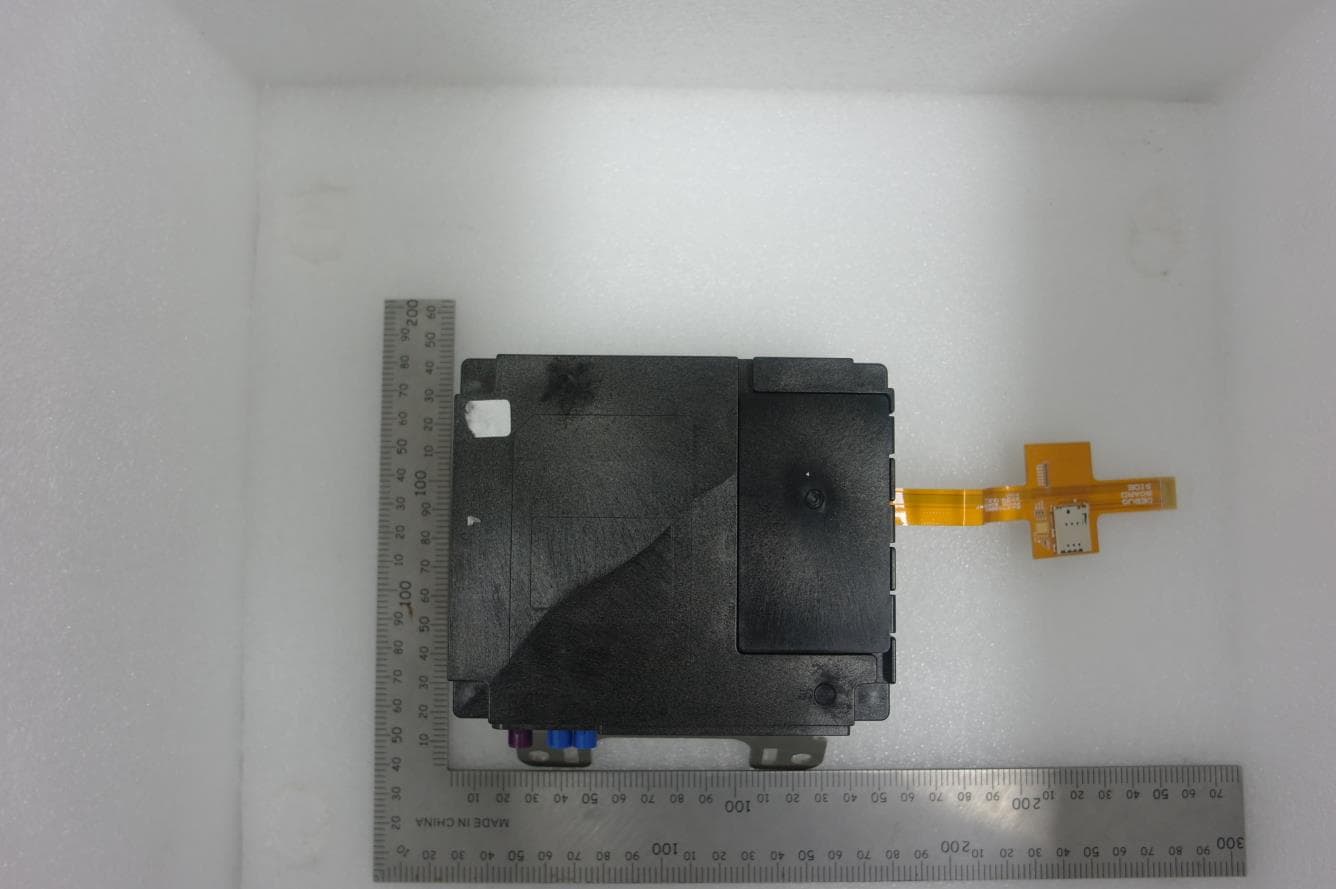
BEJTFHOBINI1F1
Jan 08, 2025Telematics
Equipment Class
DTS - Digital Transmission SystemBEJNT-16Z90TS
Oct 02, 2024Notebook Computer
Equipment Class
DSS - Part 15 Spread Spectrum TransmitterBEJSP-PEW8
Sep 26, 2024Stylus Pen
Equipment Class
DCD - Part 15 Low Power Transmitter Below 1705 kHzBEJ-RSMV2
Sep 24, 2024RF Module
Equipment Class
FDS - Part 15 Field Disturbance SensorBEJTFBMEIBN3EU
Sep 24, 2024Telematics
Equipment Class
NII - Unlicensed National Information Infrastructure TX