BEJMG100GSM Phone
LG Electronics USA, Inc.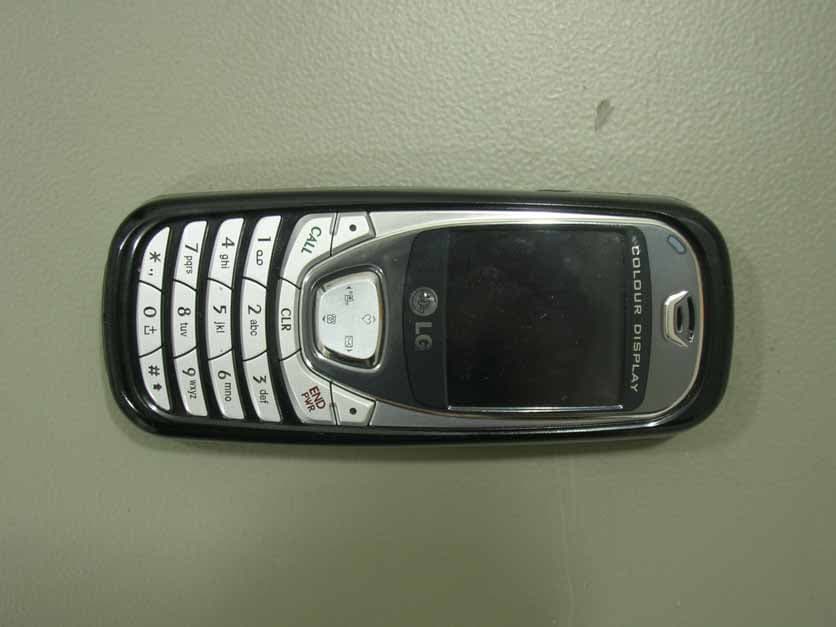
Click to zoom
Application Details
- Equipment Class
- PCE - PCS Licensed Transmitter held to ear
- Date of Grant
- Mar 07, 2006
- Application Purpose
- Original Equipment
- Date of Application
- Mar 07, 2006
- Equipment Note
- GSM Phone
- Frequency Range
- 824.20000000 - 848.80000000
- Company
- LG Electronics USA, Inc.
- Country
- United States
Documents & Files
Document Text
Text extracted from the exhibit documents filed with the FCC. Open a document above to read the original.
Users Manual
ENGLISH USER’S MANUAL MODEL: MG100 Please read this manual carefully before operating your mobile phone. Retain it for future reference. GPRS & MMS Phone Introduction 2 Congratulations on your purchase of the advanced and compact MG100 cellular phone, designed to operate with the latest digital mobile communication technology. This user’s guide contains important information on the use and operation of this phone. Please read all the information carefully for optimal performance and to prevent any damage or misuse of the phone. Any changes or modifications not expressly approved in this user’s guide could void your warranty for this equipment. Guidelines for safe and efficient use Product care and maintenance Warning: Use only batteries, charger and accessories approved for use with this particular phone model. The use of any other types may invalidiate any approval or warranty applying to the phone, and may be dangerous. • Do not disassemble this unit. (Take it to a qualified service technician when repair work is required.) • Keep Away from electrical appliance such as a TV, radio or personal computer. • The unit should be situated from heat sources such as radiators or cookers. • Do not drop. • Do not subject this unit to mechanical vibration or shock. • The coating of the phone may be damaged if covered with wrap or vinyl wrapper. • Use dry cloth to clean the exterior of the unit. (Do not use solvent such as benzene, thinner or alcohol.) • Do not subject this unit to excessive smoke or dust. • Do not keep the phone next to credit cards or transport tickets; it can affect the information on the magnetic strips. • Do not tap the screen with a sharp object; otherwise, it may damage the phone. • Do not expose the phone to liquid or moisture. • Use the accessories like an earphone cautiously. Do not touch the antenna unnecessarily. • For use only with power supply model TA-25GR2 made by Best Technology Co., Ltd. Guidelines for Safe and Efficient Use Efficient phone operation To enjoy optimum performance with minimum power consumption please: • Hold the phone as you speak to any other telephone. While speaking directly into the microphone, angle the antenna in a direction up and over your shoulder. • Do not hold the antenna when the phone is in use. If you hold it, it can affect call quality, it also may cause the phone to operate as a higher power level that needed and shorten talk and standby times. • If your mobile phone supports infrared, never direct the infrared ray at anyone’s eye. Electronics devices All wireless phones may get interference, which could affect performance. • Do not use your mobile phone near medical equipment without requesting permission. Avoid placing the phone over the pacemaker, i.e. in your breast pocket. • Some hearing aids might be disturbed by mobile phones. • Minor interference may affect TVs, radios etc. 5 Guidelines for safe and efficient use Road safety Check the laws and regulations on the use of mobile phones in the areas when you drive. • Do not use a hand-held phone while driving. • Give full attention to driving. • Use an handsfree kit, if available. • Pull off the road and park before making and answering a call if driving conditions so require. • RF energy may affect some electonic system in your motor vehicle such as car stereo, safety equipment. • When your vehicle is equipped with an Air bag, do not place objects including either installed or portable wireless equiment. It can be cause serious injury die to improper performance. Blasting area Do not use the phone where blasting is in progress. Observe restrictions, and follow any regulations or rules. Potentially explosive atmospheres • Do not use the phone at a refuelling point. Don't use near fuel or chemicals. • Do not transport or store flammable gas, liquid, or explosives in the compartment of your vehicle, which contains your mobile phone and accessories. In aircraft Wireless devices can cause interference in aircraft. • Turn off your mobile phone before boarding any aircraft. • Do not use it on the ground without crew permission. 6 Guidelines for Safe and Efficient Use Children Keep the phone in a safe place out of children’s reach. It includes small parts which if detached may cause a choking hazard. Emergency calls Emergency call may not be available under all cellular networks. Therefore, you should never depend solely on the phone for emergency calls. Check with your local service provider. Battery information and care • You do not need to completely discharge the battery before recharging. Unlike other battery systems, there is no memory effect that could compromise the battery’s performance. • Use only LG batteries and chargers. LG chargers are designed to maximize the battery life. • Do not disassemble or short-circuit the battery pack. • Keep the metal contacts of the battery pack clean. • Replace the battery when it no longer provides acceptable performance. The battery pack may be recharged hundreds of times until it needs replacing. • Recharge the battery if it has not been used for a long time to maximize usability. • Do not expose the battery charger to direct sunlight or use it in high humidity, such as the bathroom. • Do not leave the battery in hot or cold places, this may deteriorate the battery performance. 7 8 Overview Parts of the Phone .................................................................. 12 • Front view ............................................................................................. 12 • Rear view ............................................................................................. 13 Key Description ....................................................................... 14 • Keypad Description .............................................................................. 14 • Letter Keys ............................................................................................ 16 Display Information Display Information .........…
Text truncated - open the document above for the full version.
Cover Letter(s)
February 28, 2006 Federal Communication Commission Equipment Authorization Branch 7435 Oakland Mills Road Columbia, MID 21046 In re : LG Electronics Inc.. FCC ID: BEJMG100 Dual-band GSM Phone Part 22/24 Certification Request for Confidentiality Gentlemen: In accordance with 0.459 of CFR 47, LG Electronics, Inc. hereby requests confidentiality of the Block Diagram, Schematic Diagrams, Operational Description, Technical Specification, Parts List, and Tune-Up Procedure for the above-referenced certification application. These documents contain detailed system and equipment description and related information about the product which LG Electronics Inc. Considers to be proprietary, confidential, and a custom design and, otherwise, would not release to the general public. Since this design is a basis from which future technological products will evolve, LG Electronics Inc. considers this information to be of benefit to its competitors, such that the disclosure of the information in these documents would give competitors an unfair advantage in the market. Sincerely, E.S.Park Chief Research Engineer CDMA Handset Lab LG Electronics Inc. Tel : 82- 2-2033-3850 Fax : 82- 2-2033-2228 [email protected] 459- 9, Kasan-dong,Kemchun-ku Seoul 153- 023, Korea LG Electronics Inc. LGE
Cover Letter(s)
February 28, 2006 Federal Communications Commission Authorization and Evaluation Div. Equipment Authorization Branch 7435 Oakland Mills Road Columbia, MD 21046 In re: LG Electronics Inc. FCC ID: BEJMG100 Request for Short-Term Confidentiality To Whom It May Concern: In accordance with 0.457 and 0.459 of CFR 47, LG Electronics Inc. requests short-term confidentiality for the test setup photos, external photos, internal photos, and user’s manual of the attached test report. These documents contain detailed system and equipment descriptions and related information about the product, which LG Electronics Inc. considers to be proprietary, confidential, and a custom design and otherwise, would not release to the general public. Since this design is a basis from which future technological products will evolve, LG Electronics feels that this information would be of benefit to its competitors, and that the disclosure of the information in these documents would give our competitors an unfair advantage in the market. Sincerely, E.S.Park Chief Research Engineer CDMA Handset Lab LG Electronics Inc. LG Electronics Inc. LGE Tel : 82-2-2033-3850 Fax : 82-2-2033-2228 [email protected] 459-9, Kasan-dong, Kemchun-ku Seoul 153-023, Korea
Cover Letter(s)
American Telecommunications Certification Body Inc. 6731 Whittier Ave, McLean, VA 22101 March 7, 2006 RE: FCC ID: BEJMG100_ATCB003240 Attention: Jay Kim I have a few comments on this Application. Please note that further comments may arise in response to answers provided to the questions below. 1. Please note that the label exhibit shows the FCC ID to be BEJMG185, but the application is for BEJMG100. Please provide the actual FCC ID label information on the FCC ID label exhibit. 2. Please provide a manual that includes the 1.5cm separation distance for body SAR. 3. Please note that the power measured using the power meter shown on page 7 of the EMC report states 3.3dBm. Should this be 33dBm as shown in the SAR report? Please explain. Dennis Ward mailto:[email protected] The items indicated above must be submitted before processing can continue on the above referenced application. Failure to provide the requested information may result in application termination. Correspondence should be considered part of the permanent submission and may be viewed from the Internet after a Grant of Equipment Authorization is issued. Please do not respond to this correspondence using the email reply button. In order for your response to be processed expeditiously, you must submit your documents through the AmericanTCB.com website. Also, please note that partial responses increase processing time and should not be submitted. Any questions about the content of this correspondence should be directed to the sender.
ID Label/Location Info
Model No : MG100, MG100a, MG100c, MG100d FCC ID : BEJMG100 SN : Made In Korea
RF Exposure Info
Ͳͽ ͅʹͲͿ΅͑ͿͲ;Ͷ͑͗͑Ͳ͵͵Ͷ ́ ́͑ͫ ͵Ͳ΅Ͳ͑͗͑ͽʹͲ΅ ͅͿ͑ͷ͑΅Ͷ ́΅ ͅͿ ͽ͑ͶΝΖΔΥΣΠΟΚΔΤ͑ ͅΟΔ͟ ͵ΒΥΖΤ͑ΠΗ͑ΥΖΤΥΚΟΘ͑ͫ͑ͣͧ͑͑ͣͥ͑͢͡͡͠ί͑ͣͣͥ͠ ΅ΖΤΥ͑ ́ΚΥΖ͑ͫ͑Ͷ ́΅Ͷʹ͑ʹΠ͑͟͝ͽΥΕ͑͟ͼΠΣΖΒ ΅ΖΤΥ͑͵ΖΧΚΔΖ͑ͫ͑ ΅ΖΤΥ͑ΣΖΡΠΣΥ͑ΟΠ͑ͫͿΦΞΓΖΣ͑ΠΗ͑ΡΒΘΖ͑ͫ ʹΠΟΥΒΔΥ͑ΡΖΣΤΠΟ͑ͫΖΤΡΠΟΤΚΓΝΖ͑ΥΖΤΥ͑ͶΟΘΚΟΖΖΣ͑ͫ ͲΡΡΝΚΔΒΟΥ͑΅ΪΡΖ͑ͫ ͷʹʹ͑ʹͽͲ ́ ́ ͅͷ ͅʹͲ΅ ͅͿ͑ͫ ͷʹʹ͑ΦΝΖ͑ΒΣΥ͙Τ͚ ΅ΖΤΥ͑ΣΖΤΦΝΥΤ͑ͫ͑ ͵ΒΥΖ͑ΒΟΕ͑ ́ΚΘΟΒΥΦΣΖΤ͑ͫ͑ ͣͧͣͣͥ͡͡͠͠ ΖΡΠΣΥ͑ΣΖΡΒΣΖΕ͑ͳΪ͑ͫ͑ ͶΟΘΚΟΖΖΣ͑͠ͼ͟͟ͼΒΟΘ ͙ ́ΚΘΟΒΥΦΣΖ͚ ;ΒΟΒΘΖΣ͑ͶΟΘΚΟΖΖΣ͑͠ͻΒΪ͑ͼΚΞ ͙ ́ΚΘΟΒΥΦΣΖ͚ {GGGaGlz{zhyW]WYTWW^ ͷʹʹ͑ ͅ͵͑ͫ͑ͳͶͻ;͢͡͡ΈΖΓ͑ͫ͑ΨΨΨ͑͟ΖΤΥΖΔΙ͑͟ΔΠ͑͟ΜΣ͑͑͑͑͑͑͑ΒΘΖ͑͑͢ΠΗ͑ͣͦ ͑͑΅ΙΖ͑΅ΖΤΥΖΕ͑ΕΖΧΚΔΖ͑ΔΠΞΡΝΚΖΤ͑ΨΚΥΙ͑ΥΙΖ͑ΣΖΦΚΣΖΞΖΟΥΤ͑ΚΟ͑ΣΖΤΡΖΔΥ͑ΠΗ͑ΒΝΝ ΡΒΣΒΞΖΥΖΣΤ͑ΤΦΓΛΖΔΥ͑ΥΠ͑ΥΙΖ͑ΥΖΤΥ͑͟΅ΙΖ͑ΥΖΤΥ͑ΣΖΤΦΝΥΤ͑ΒΟΕ͑ΤΥΒΥΖΞΖΟΥΤ͑ΣΖΝΒΥΖ͑ΠΟΝΪ ΥΠ͑ΥΙΖ͑ΚΥΖΞΤ͑ΥΖΤΥΖΕ͑͟΅ΙΖ͑ΥΖΤΥ͑ΣΖΡΠΣΥ͑ΤΙΒΝΝ͑ΟΠΥ͑ΓΖ͑ΣΖΡΣΠΕΦΔΖΕ͑ΣΖ ΔΖΡΥ͑ΚΟ͑ΗΦΝΝ͝ ΨΚΥΙΠΦΥ͑ΨΣΚΥΥΖΟ͑ΒΡΡΣΠΧΒΝ͑ΠΗ͑ΥΙΖ͑ΝΒΓΠΣΒΥΠΣΪ͟ ͅͶͶͶ͑ͦͣͩͣ͢͞͡͡Ή͑͵ΣΒΗΥ͑ͧͥ͟ ΖΔΠΞΞΖΟΕΖΕ͑ΣΒΔΥΚΔΖ͑ΗΠΣ͑͵ΖΥΖΣΞΚΟΚΟΘ͑ΥΙΖ͑ΖΒΜ͑ ́ΡΒΥΚΒΝ͞ͲΧΖΣΒΘΖ͑ ́ΡΖΔΚΗΚΔ ͲΓΤΠΣΡΥΚΠΟ͑ΒΥΖ͙ ́Ͳ͚͑ΚΟ͑ΥΙΖ͑ΦΞΒΟ͑ͳΠΕΪ͑͵ΦΖ͑ΥΠ͑ΈΚΣΖΝΖΤΤ͑ʹΠΞΞΦΟΚΔΒΥΚΠΟΤ ͵ΖΧΚΔΖ͑ͫ͑ͶΩΡΖΣΚΞΖΟΥΒΝ͑΅ΖΔΙΟΚΦΖΤ ηͣͪͤͬ͑͟͢͡ͷʹʹ͠Ͷ΅͑ͳΦΝΝΖΥΚΟ͑ͧͦ͑ ́ΦΡΡΝΖΞΖΟΥ͑ʹ͙͑ͻΦΝΪ͚͑ͣ͢͡͡ ͽΚΔΖΟΤΖΕ͑ͿΠΟ͞ͳΣΠΒΕΔΒΤΥ͑΅ΣΒΟΤΞΚΥΥΖΣ͑ΖΝΕ͑ΥΠ͑ͶΒΣ͙͑΅ͿͶ͚ ͽΚΔΖΟΤΖΕ͑ΠΣΥΒΓΝΖ͑΅ΣΒΟΤΞΚΥΥΖΣ͑ΖΝΕ͑ΥΠ͑ͶΒΣ͙͑ʹͶ͚ ͼ͟͟ͼΒΟΘͳΠΟΘ͑ΪΠ͑͝ΒΟ ʹΖΣΥΚΗΚΔΒΥΚΠΟ ́Ͳ͑ʹΠΞΡΝΚΒΔΖ͑΅ΖΤΥ͑ΖΡΠΣΥ Ͷ ́΅ ́Ͳͧͣͨͣͦ͡͡͞͡͡ ͥͦͪͪ͑͞͝ͼΒΤΒΟ͞ΕΠΟΘ͑͝ͼΖΦΞΔΙΦΟ͞ΜΦ͝ ́ΖΠΦΝ͑ͦͤͣͤ͑͢͞͡͝ͼΠΣΖΒ ;ΠΕΖΝΤ͑ͫ͑;͑͢͡͡͝;͢͡͡Β͑͝;͢͡͡Δ͑͝;͢͡͡Ε ͷʹʹ͑ ͅ͵͑ͫ͑ͳͶͻ;͢͡͡ ΅ΊͶ͑ͫ͑ ́;͑ΙΠΟΖ͙͑ΣΠΥΠΥΪΡΖ͚ ΅ΖΤΥΚΟΘ͑ΙΒΤ͑ΓΖΖΟ ʹΒΣΣΚΖΕ͑ΠΦΥ͑ΚΟ ͲΔΔΠΣΕΒΟΔΖ͑ΨΚΥΙ͑ͫ 1. SUMMARY FOR SAR TET REPORT --------------------------------------------------------------------- ͤ 1.1 Head Configuration ----------------------------------------------------------------------------------------- - ͤ 1.2 Body Worn Configuration --------------------------------------------------------------------------------- - ͤ 1.3 Measurement Uncertainty -------------------------------------------------------------------------------- - ͤ 2. INTRODUCTION ----------------------------------------------------------------------------------------------- - ͥ 3. DESCRIPTION OF THE DEVICE UNDER TEST ------------------------------------------------------ ͦ 3.1 Antenna Description ---------------------------------------------------------------------------------------- ͦ 3.2 Device Description ------------------------------------------------------------------------------------------ - ͦ 3.3 Battery Option ------------------------------------------------------------------------------------------------ ͦ 4. TEST CONDITIONS ------------------------------------------------------------------------------------------- - ͧ 4.1 Ambient Conditions ----------------------------------------------------------------------------------------- ͧ 4.2 RF Characteristics of The Test Site -------------------------------------------------------------------- - ͧ 4.3 Test Signal, Frequencies, And Output Power -------------------------------------------------------- - ͧ 5. DESCRIPTION OF THE TEST EQUIPMENT ----------------------------------------------------------- - ͨ 5.1 Test System Specifications ------------------------------------------------------------------------------- ͨ 5.2 SAR Measurement Setup --------------------------------------------------------------------------------- ͨ 5.3 DASY 4 E-Field Probe System -------------------------------------------------------------------------- - ͩ 5.4 Phantom & Equivalent Tissues -------------------------------------------------------------------------- - ͢͡ 6. DESCRIPTION OF THE TEST PROCEDURE --------------------------------------------------------- - ͣ͢ 6.1 Definition of Reference Point ----------------------------------------------------------------------------- ͣ͢ 6.2 Test Configuration Positions ----------------------------------------------------------------------------- - ͤ͢ 6.3 Scan Procedures -------------------------------------------------------------------------------------------- - ͧ͢ 6.4 SAR Averaging Methods ---------------------------------------------------------------------------------- - ͧ͢ 7. MEASUREMENT UNCERTAINTY ------------------------------------------------------------------------- ͨ͢ 8. SYSTEM VERIFICATION ------------------------------------------------------------------------------------ - ͩ͢ 8.1 Tissue Verification ------------------------------------------------------------------------------------------ - ͩ͢ 8.2 Test System Validation ------------------------------------------------------------------------------------ - ͩ͢ 9. RESULTS -------------------------------------------------------------------------------------------------------- - ͪ͢ 10. REFERENCES ------------------------------------------------------------------------------------------------ - ͣͦ APPENDIX A : Validation Test Data of Tissue APPENDIX B : Validation Test Data APPENDIX C : SAR Test Data APPENDIX D : Calibration Certificates ͑ {GGGaGlz{zhyW]WYTWW^ ͷʹʹ͑ ͅ͵͑ͫ͑ͳͶͻ;͢͡͡ΈΖΓ͑ͫ͑ΨΨΨ͑͟ΖΤΥΖΔΙ͑͟ΔΠ͑͟ΜΣ͑͑͑͑͑͑͑ΒΘΖ͑ͣ͑ΠΗ͑ͣͦ ΅ΒΓΝΖ͑ΠΗ͑ʹΠΟΥΖΟΥΤ ͑͢͟͢ΖΒΕ͑ʹΠΟΗΚΘΦΣΒΥΚΠΟ͑ ͑͑͑;ΒΩ͑͟ ́Ͳ͑;ΖΒΤΦΣΖΞΖΟΥ ;Ϋ ʹΙΕͳΞ ͳΒΥΥΖΣΪ ͩͤͧͧ͟ ͪ͢͡ ́; ͤͤ ́ΥΒΟΕΒΣΕ ͽΖΗΥ͑΅ΠΦΔΙ ͪͣͧ͟͞͡ ͩͩ͢͟͡͡ ͧͧ͢ ́; ͤ͡ ́ΥΒΟΕΒΣΕ ͽΖΗΥ͑΅ΚΝΥ ͨͨͣ͟͞͡ ͣ͑͢͟ͳΠΕΪ͑ΈΠΣΟ͑ʹΠΟΗΚΘΦΣΒΥΚΠΟ͑ ͑͑͑;ΒΩ͑͟ ́Ͳ͑;ΖΒΤΦΣΖΞΖΟΥ ;Ϋ ʹΙΕͳΞ ͳΒΥΥΖΣΪ ͩͣͥͣ͟ ͣͩ͢ ́; ͤͤ ́ΥΒΟΕΒΣΕ ͦ͢͟ΔΞ͑ΌΨ͠Π͑ΠΝΤΥΖΣΎ ͩͩ͟͞͡ ͩͦͣ͢͟͡ ͦͣ͢ ́; ͤ͡ ́ΥΒΟΕΒΣΕ ͦ͢͟ΔΞ͑ΌΨ͠Π͑ΠΝΤΥΖΣΎ ͦͣͧ͟͞͡ ͤ͑͢͟;ΖΒΤΦΣΖΞΖΟΥ͑ΆΟΔΖΣΥΒΚΟΥΪ {GGGaGlz{zhyW]WYTWW^ ͷʹʹ͑ ͅ͵͑ͫ͑ͳͶͻ;͢͡͡ΈΖΓ͑ͫ͑ΨΨΨ͑͟ΖΤΥΖΔΙ͑͟ΔΠ͑͟ΜΣ ͑͑͑͑͑͑͑ΒΘΖ͑ͤ͑ΠΗ͑ͣͦ ρ͙͑ͩ͑͢͟͢͡Μ͚ͮ͢ ρ͙͑ͣͧͣ͑͢͟Μ͖ͮͣ͑ͪͦ͑͝ʹͿͷ ͅ͵ͶͿʹͶ͑ͽͶ·Ͷͽ͚ ʹΠΞΓΚΟΖ͑ ́ΥΒΟΕΒΣΕ͑ΆΟΔΖΣΥΒΚΟΥΪ ͶΩΥΖΟΕΖΕ͑ ́ΥΒΟΕΒΣΕ͑ΆΟΔΖΣΥΒΚΟΥΪ ͲΟΥΖΟΟΒ ΡΠΤΚΥΚΠΟ ́Ͳ ͙Έ͠ΜΘ͚ ͲΟΥΖΟΟΒ ΡΠΤΚΥΚΠΟ ͑͑͑͑͑͑;ΒΩΚΞΦΞ͑ΖΤΦΝΥΤ͑ͷΠΦΟΕ͑͵ΦΣΚΟΘ͑ ́Ͳ͑ͶΧΒΝΦΒΥΚΠΟ ͷͶΆͶͿʹΊ ;ΠΕΦΝΒΥΚΠΟ ʹΠΟΕΦΔΥΖΕ͑ΠΨΖΣ͙ΕͳΞ͚ ́ΖΡΒΣΒΥΚΠΟ͑ΥΖΤΥ ΡΠΤΚΥΚΠΟ ͵ΖΧΚΔΖ͑ΥΖΤΥ ΡΠΤΚΥΚΠΟ ;ΠΕΦΝΒΥΚΠΟ ʹΠΟΕΦΔΥΖΕ͑ΠΨΖΣ͙ΕͳΞ͚ ͑Ω͑ͷΣΖΦΖΟΔΪ ͑;ΒΩ͑͟ͷ͑ΦΥΡΦΥ͑ΠΨΖΣ ͩͧͪͣ͑͟ί͑ͩͪͤͩ͟;Ϋ͙ ́;͚ͩͦ͑ͪͤͣ͑͢͟͡͝͡ί͑ͪͩͪͩ͑͢͟;Ϋ͙ʹ ͚́ͪ͢͡͡ ́;͙͑͑ͤͤ͑ΕͳΞ͚͑͑͑͑͑͑ʹ ͙́͑͑ͤ͑͡ΕͳΞ͚͑ ́Ͳ ͙Έ͠ΜΘ͚ ͷͶΆͶͿʹΊ ͑ͶΆ΅͑΅ΪΡΖ ͑΅Ω͑ͷΣΖΦΖΟΔΪ ́;͑ΙΠΟΖ͙͑ΣΠΥΠΥΪΡΖ͚͑ ͩͣͥͣ͑͟ί͑ͩͥͩͩ͟;Ϋ͙ ́;͚ͩͦ͑ͩͦͣ͑͢͟͡͝͡ί͑ͪͪͩ͑͢͟͡;Ϋ͙…
Text truncated - open the document above for the full version.
RF Exposure Info
ͲͶͿ͵ ͅΉ͑͵͑ͫ͑ʹΒΝΚΓΣΒΥΚΠΟ͑ʹΖΣΥΚΗΚΔΒΥΖΤ
Test Report
Product Name Model Name Applicant FCC ID MG100, MG100a, MG100c, MG100d LG Electronics Inc. BEJMG100 ESTECH CO., LTD Rm. 1015 World Venture Center, 426-5 Gasan-dong, Geumcheon-gu, Seoul, 153-803, Korea. Tel:82-2-867-3201, Fax:82-2-867-3204 ͑͑ESTECH CO., LTD. http://www.estech.co.kr FCC TEST REPORT GSM Phone Report Number : ESTR0603-0041 of 25 FCC ID : BEJMG100 Company Name Address Product Name Model No.Manufacturer Serial No. Country of origin Issued DateTested Date ͑͑ESTECH CO., LTD. http://www.estech.co.kr Rm. 1015 World Venture Center, 426-5 Gasan-dong, Geumcheon-gu, Seoul, 153-803, Korea. Tel:82-2-867-3201, Fax:82-2-867-3204 ESTECH CO., LTD FCC Test Report Applicant Product Report Number MG100, MG100a, MG100c, MG100d KOREA LG Electronics Inc. o This is certified that the above mentioned products have been tested for the sample provided by client. o No part of this document may not be duplicated or reproduced by any means without the express written permission of Estech Co., Ltd. Standard FCC PART 24 Subpart E & PART 22 Subpart H Tested by Approved by S.R. Kim/ Engineer (Signature) Jay Kim/ Engineering Manager (Signature) ESTR0603-004 459-9, Kasan-dong, Keumchun-ku, Seoul 153-023, Korea GSM Phone 511KPPB235992-IND- P40 LG Electronics Inc. Test Result Pass 2006-03-03 2005-02-14 ~ 2006-03-03 Other Report Number : ESTR0603-0042 of 25 FCC ID : BEJMG100 1. General Information Page 4 2. Laboratory Information Page 5 3. Summary of Test Results Page 5 4. RF Output Power Page 6 5. Occupied Bandwidth Page 8 6. Spurious and Harmonic Emission at Antenna Terminal Page 11 7. Field Strength of Spurious Radiation Page 20 8. Frequency stability Page 23 Contents ͑͑ESTECH CO., LTD. http://www.estech.co.kr Report Number : ESTR0603-0043 of 25 FCC ID : BEJMG100 1. General Information 1.1 EUT Description Channel Tx :1850.20 ~ 1909.80MHz(PCS1900), 824.2 ~ 848.8MHz(GSM850) PCS1900(512/661/810), GSM850(128/190/251) GSM Frequency Rx :1930.20 ~ 1989.80MHz(PCS1900), 869.2 ~ 893.8MHz(GSM850) 3.7VDC(3.2 ~ 4.3VDC) Power Rating ͑͑ ESTECH CO., LTD. http://www.estech.co.kr FCC ID BEJMG100 Modulation Type Product Name Model Name GSM Phone MG100, MG100a, MG100c, MG100d Report Number : ESTR0603-0044 of 25 FCC ID : BEJMG100 2. Laboratory Information 3. Summary of Test Results Result PASS PASS PASS PASS ͑͑ ESTECH CO., LTD. http://www.estech.co.kr 58-1, Osan-Ri, GaNam-Myon, YeoJoo-Gun, KyungKi-Do, Korea 97-1, Hoiuk-Ri Majang-Myon, Icheon-city, KyungKi-Do, Korea 2.4 Major Accredited Mark Test Item Accredited by KOLAS(ISO/IEC 17025) Head Office EMC Lab(Ichon) EMC Lab(Yanggi) Standard RF Output Power Occupied Bandwidth PASS 2.1 Laboratory Name 2.2 Location 2.3 Quality System Estech Co., Ltd. Rm. 1015, World Venture Center II, 426-5 Gasan-dong Geumcheon-gu, Seoul, 153-803. Korea. Part 22 & 24 Field Strength of Spurious Radiation Frequency stability Spurious and Harmonic Emission at Antenna Terminal Report Number : ESTR0603-0045 of 25 FCC ID : BEJMG100 4. RF Output Power 4.1 Test Procedure 4.2 Test Equipments The following test equipments are used during tests 4.3.1 Test Results (PCS1900) 5121850.20 6611880.00 8101909.80 29.97 30.00 27.65 28.31 310N BBHA 9120 D BBHA 9120 D SONOMA INSTRUMENT SCHWARZBECK SCHWARZBECK Ch No.Freq (MHz) 30.0430.48 Peak Power Meter(dBm)Peak Power EIRP(dBm) Pre Amplifier Horn Antenna Horn Antenna Agilent Wireless Communications Test Set E5515C Model ESP17 HP HP Manufacturer Rohde & Schwarz ͑͑ ESTECH CO., LTD. http://www.estech.co.kr Signal Generator Power Meter 83620B EPM-442A Equipment Receiver The EUT was placed on a wooden turn table 3 meters from the receive antenna. The receive antenna height and turn table rotation was adjusted for the highest reading on the receive spectrum analyzer. For CDMA signals, a peak detector is used, with RBW = VBW = 3MHz. For AMPS, GSM, and NADC TDMA signals, a peak detector is used, with RBW = VBW = 1MHz, A Horn antenna was substituted in place of the EUT. This Horn antenna was driven by a signal generator and the level of the signal generator was adjusted to obtain the same receive spectrum analyzer reading. This spurious level is recorded. For reading 1GHz, the above procedure is repeated using horn antennas and the difference between the gain of the horn and an isotropic or dipole antenna are taken into consideration. Report Number : ESTR0603-0046 of 25 FCC ID : BEJMG100 Antenna gain(dBi) Cable Loss (dB) 1850.20 100.6710.35 3.4123.5430.4833V 1880.00 98.8310.45 3.4120.6127.6533V 1909.80 97.3310.45 3.4121.2728.3133V 4.3.2 Test Results (GSM850) 128824.20 190836.60 251848.80 Antenna gain(dBi) Cable Loss (dB) 824.20 101.000.97 3.3028.8926.5638.5V 836.60 104.331.27 3.3030.8128.7838.5V 848.80 106.001.57 3.3032.5330.8038.5V POL (H/V) FREQ (MHz) Receiver Reading (dBuV) Correction Factor (dB) SG Reading (dBm) 28.78 33.0030.80 ERP (dBm) Limit (dBm) ESTECH CO., LTD. http://www.estech.co.kr Ch No.Freq (MHz)Peak Power Meter(dBm)Peak Power ERP(dBm) 32.9426.56 32.97 FREQ (MHz) Correction Factor (dB) POL (H/V) Limit (dBm) EIRP (dBm) SG Reading (dBm) Receiver Reading (dBuV) Report Number : ESTR0603-0047 of 25 FCC ID : BEJMG100 5. Occupied Bandwidth 5.1 Test Procedure 5.2 Test Equipments The following test equipments are used during tests 5.3 Test Results (PCS1900) (GSM850) The transmitter output is connected to the spectrum analyzer. The RBW is set to 1% of the Emission bandwidth. The VBW is set to 3 times the RBW. The sweep time is coupled. 8101909.80308.49 E5515C 6611880.00315.94 ChannelFrequency(MHz) Manufacturer Agilent HP ͑͑ ESTECH CO., LTD. http://www.estech.co.kr Dual Directional Coupler EquipmentModel E4407B 778D 5121850.20315.91 Spectrum Analyzer Wireless Communications Test Set Agilent 26dB Bandwidth(kHz) ChannelFrequency(MHz)26dB Bandwidth(kHz) 128824.20314.23 190836.60311.47 251848.80306.77 Report Number : ESTR0603-0048 of 25 FCC ID : BEJMG100 5.4 Test Plot PCS1900 26dB Channel Bandwidith(512) 26dB Channel Bandwidith(661) 26dB Channel Bandwidith(810) ͑͑ESTECH CO., LTD. http…
Text truncated - open the document above for the full version.
Contact Information
Applicant
David Kim(Team leader, LGEUS NA Policy & Regulatory Affairs)
Technical Specifications
| # | Rule Parts | Frequency Range | Power Output | Emission | Tolerance |
|---|---|---|---|---|---|
| 2 | 22H | 824.2 MHz - 848.8 MHz | 1.202 W | 250KGXW | 2.5 ppm |
Other Applications from LG Electronics USA, Inc.
BEJTFHOBINI1F1
Jan 08, 2025Telematics
Equipment Class
DTS - Digital Transmission SystemBEJNT-16Z90TS
Oct 02, 2024Notebook Computer
Equipment Class
DSS - Part 15 Spread Spectrum TransmitterBEJSP-PEW8
Sep 26, 2024Stylus Pen
Equipment Class
DCD - Part 15 Low Power Transmitter Below 1705 kHzBEJ-RSMV2
Sep 24, 2024RF Module
Equipment Class
FDS - Part 15 Field Disturbance SensorBEJTFBMEIBN3EU
Sep 24, 2024Telematics
Equipment Class
NII - Unlicensed National Information Infrastructure TX