BOUSCD570DECT BABY MONITOR (BABY UNIT)
Philips Consumer Lifestyle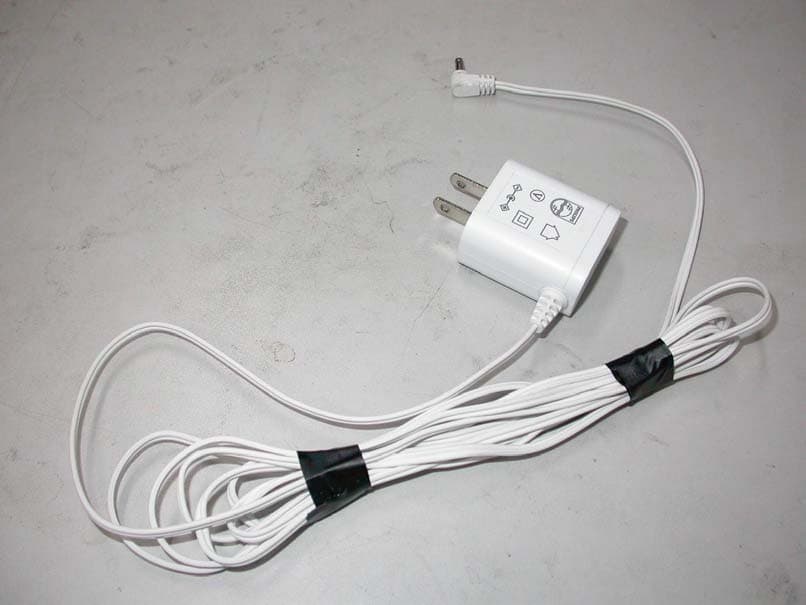
Click to zoom
Application Details
- Equipment Class
- PUB - Part 15 Unlicensed PCS Base Station
- Date of Grant
- Jun 05, 2013
- Application Purpose
- Original Equipment
- Date of Application
- Jun 05, 2013
- Equipment Note
- DECT BABY MONITOR (BABY UNIT)
- Frequency Range
- 1921.53600000 - 1928.44800000
- Company
- Philips Consumer Lifestyle
- Country
- Hong Kong
Documents & Files
Document Text
Text extracted from the exhibit documents filed with the FCC. Open a document above to read the original.
Users Manual
13 Cet appareil peut contenir du plomb et du mercure. La mise au rebut de ces matériaux peut être réglementée pour des raisons environnementales. Pour en savoir plus sur la mise au rebut ou sur le recyclage, veuillez communiquer avec les autorités locales ou visitez le site d’Electronic Industries Alliance à l’adresse suivante : www.eiae.org.com. 14 Toutes les mentions requises figurent sur les compartiments des piles de l’unité parent et de l’unité bébé et au bas du chargeur (le cas échéant) AVERTISSEMENT- RISQUE D’ÉTRANGLEMENT – Il est déjà arrivé que des enfants S’ÉTRANGLENT avec des cordons, aussi veillez à garder celui-ci hors de leur portée (à plus d’un mètre/3,5 pieds). Ne retirez pas cette étiquette (fig. 3). Avertissement Attention : Prévenez tout risque d’explosion, d’électrocution, de court-circuit ou de fuite Cet appareil ne doit pas être exposé à un égouttement ou à des éclaboussures et aucun objet rempli de liquide, par exemple un vase, ne devrait être placé dessus. -Lorsque la fiche d’alimentation est utilisée comme dispositif de déconnexion, celui-ci doit rester facilement accessible. -Branchez l’unité bébé et l’unité parent sur la prise de courant uniquement à l’aide de l’adaptateur fourni. -Afin d’éviter tout risque d’électrocution, n’ouvrez pas les boîtiers de l’écoute-bébé et de l’unité-parent (à l’exception des compartiments des piles/de la batterie). -Assurez-vous que vous avez les mains sèches lorsque vous insérez ou changez les piles/la batterie ou lorsque vous manipulez des cordons ou des sources d’alimentation à brancher sur le secteur. -Pour l’unité parent, utilisez uniquement la batterie rechargeable fournie avec l’écoute-bébé. Rechargez-la conformément aux instructions du manuel d’utilisation. -Si la batterie n’est pas remplacée correctement, il existe un risque d’explosion. Remplacez-la uniquement par un modèle du même type. -L’unité parent comporte une fonction de recharge compatible avec la batterie rechargeable seulement. -Pour obtenir plus d’informations sur les types d’adaptateurs et de batteries, consultez le chapitre « Remplacement ». -Afin d’éviter tout risque de fuite ou d’explosion de la batterie ou des piles risquant d’endommager l’écoute-bébé et de causer des brûlures et des irritations oculaires ou cutanées : -ne tentez pas de recharger des piles non rechargeables; -respectez la polarité des piles (+/-); -retirez les piles si vous ne comptez pas utiliser l’appareil pendant plus de 30 jours; -conservez la batterie à l’abri d’une chaleur excessive (lumière du soleil, feu, etc.). -Ne laissez pas de pile vide dans l’unité bébé. -Afin d’éviter la surchauffe de la batterie ou des piles et la libération de substances toxiques, d’hydrogène ou d’oxygène, veillez à ne pas : -surcharger ; -court-circuiter ; -charger en polarité inversée ou -endommager la batterie ou les piles. -Lorsque vous manipulez des piles endommagées ou qui fuient, portez des gants de protection pour éviter le contact avec la peau. Supervision par un adulte -Cet écoute-bébé est conçu pour vous aider à surveiller votre bébé. Il n’est pas destiné à remplacer la surveillance responsable et adéquate par un adulte et ne devrait jamais être utilisé à cette fin. -Ne placez jamais l’unité bébé dans le lit ou le parc du bébé. -Pour leur propre sécurité, ne laissez pas les enfants manipuler l’écoute-bébé, les adaptateurs ou les accessoires. CE NE SONT PAS DES JOUETS. Nettoyage et entretien -N’utilisez pas de détergents liquides ou en vaporisateur. -Débranchez les unités parents et bébé de la prise secteur avant de les nettoyer. Mise aux rebuts -Mettez les piles au rebut de façon responsable en respectant les instructions. Ne les incinérez pas. Les piles peuvent exploser en cas de surchauffe. -Ne les enveloppez pas dans du papier métallique ou d’aluminium, mais plutôt dans du papier journal avant de les mettre au rebut. -Nous vous suggérons de communiquer avec les responsables de votre ville pour connaître le ou les sites où vous pouvez laisser votre batterie. -Visitez le site www.recycle.philips.com pour savoir comment trouver un centre de recyclage dans votre région. Précautions de stockage -Utilisez et rangez l’écoute-bébé à une température comprise entre 5 °C (40 °F) et 40 °C (104 °F). -N’exposez pas les unités bébé et parent à des températures extrêmes, ni à la lumière directe du soleil. -Ne laissez par les unités bébé et parent à proximité d’une source de chaleur. Remplacement -Si vous avez besoin de remplacer la batterie et l’adaptateur, reportez-vous aux instructions de sécurité fournies sur le site www.philips.com/support pour ce numéro de modèle. -Pour tout achat d’accessoires ou de pièces détachées, visitez notre boutique en ligne : www.shop.philips.com/service. Vous pouvez également communiquer avec le service à la clientèle Philips de votre pays (reportez-vous au feuillet de garantie internationale pour obtenir les numéros de téléphone). S’il n’existe pas de centre de service à la clientèle dans votre pays, veuillez communiquer votre détaillant ou un centre de service Philips. Conformité aux normes -Cet appareil est conforme à l’alinéa 15 de la réglementation de la FCC et à la norme CNR sans licence d’Industrie Canada. Son fonctionnement est assujetti aux deux conditions suivantes : (1) l’appareil ne doit pas causer d’interférences nuisibles et (2) l’appareil doit accepter toute interférence reçue, y compris les interférences qui peuvent causer un fonctionnement non désiré (fig. 4). Interférence radio L’appareil a été testé et trouvé conforme aux limites d’un appareil numérique de catégorie B, en vertu de la partie 15 des règlements de la FCC et de la norme NMB-003 d’Industrie Canada. Ces limites sont conçues pour fournir une protection raisonnable contre les interférences préjudiciables dans une installation résidentielle. L’appareil génère, utilise et peut émettre de l’énergie radiofréquence et, s’il n’est pas installé et utilisé conformément aux directives, peut causer des interf…
Text truncated - open the document above for the full version.
Cover Letter(s)
Philips Consumer Lifestyle 5/F Philips Electronics Building, 5 Science Park East Avenue, Hong Kong Science Park, Shatin, Hong Kong Tel: (852) 68272015 CONFIDENTIALITY REQUEST LETTER FCC ID: BOUSCD570, BOUSCD570H CANADA IC: 135M-SCD570, 135M-SCD570H Device Name: DECT Baby Monitor Model No. (Baby Unit): SCD570 Model No. (Parent Unit): SCD570-H Date: March 4, 2013 Ref: Request for Confidentiality Dear Sir: With regard to the referenced application, Philips Consumer Lifestyle is requesting confidentiality of certain sections of the accompanying documents. The documents for which Philips Consumer Lifestyle is requesting confidentiality are: Exhibit Type File Name Block Diagrams Block Diagrams.pdf Schematic Diagrams Schematic Diagrams.pdf Operation Description Operation Description.pdf This request is made under the provisions of Section 0.457(d) of the Commission’s Rules, and Section 552(b)(4) of the Freedom of Information Act. The material for which confidentiality is requested falls within the scope of Section 552(b)(4) as trade secrets and includes material covered by Section 0.459 of the Commission’s Rules. Sincerely, By: ___________________________ By:______ Benson Lai_________________ (Signature) (Printed) Title: Lead Engineer, BG LE Safety and Compliance Applicant: Philips Consumer Lifestyle Address: 5/F Philips Electronics Building, 5 Science Park East Avenue. Hong Kong Science Park, Shatin. Hong Kong Tel: +852 2489-4406 Fax: +852 2401-1482
Cover Letter(s)
Philips Consumer Lifestyle 5/F Philips Electronics Building, 5 Science Park East Avenue, Hong Kong Science Park, Shatin, Hong Kong Tel: (852) 68272015 Authorization Letter FCC ID: BOUSCD570, BOUSCD570H CANADA IC: 135M-SCD570, 135M-SCD570H Device Name: DECT Baby Monitor Model No. (Baby Unit): SCD570 Model No. (Parent Unit): SCD570-H Date: January 21, 2013 Federal Communications Commission To whom it may concern: I, the undersigned, hereby authorize Mr. James Cheng / Application Examiner of ELECTRONICS TESTING CENTER, TAIWAN and hereafter referred to as ETC, to act on our behalf in all manners relating to application for equipment authorization, including signing of all documents relating to these matters. Any and all acts carried out by Mr. James Cheng of ETC on our behalf shall have the same effect as acts of our own. We, the undersigned, hereby certify that we are not subject to a denial of federal benefits, that includes FCC benefits, pursuant to Section 5301 of the Anti-Drug Abuse Act of 1988, 21 U.S.C. 853(a). In authorizing ELECTRONICS TESTING CENTER, TAIWAN as our agent, we still recognize that we are responsible to: a) comply with the relevant provisions of the certification program; b) make all necessary arrangements for the conduct of the evaluation, including provision for examining documentation and access to all areas, records (including internal audit reports) and personnel for the purposes of evaluation (e.g. testing, inspection, assessment, surveillance, reassessment) and resolution of complaints; c) make claims regarding certification only in respect of the scope for which certification has been granted; d) do not use our product certification in such a manner as to bring the Certification Division into disrepute and not make any statement regarding our product certification which the Certification Division may consider misleading or unauthorized; e) upon suspension or cancellation of certification, discontinue use of all advertising matter that contains any reference thereto and return any certification documents as required by the Certification Division; f) use certification only to indicate the products are certified as being in conformity with specified standards; g) endeavor to ensure that no certificate or report nor any part thereof is used in a misleading manner; h) ensure that any reference to our product certification in communication media such as documents, brochures or advertising, complies with the requirements of the Certification Division; i) keep a record of all complaints made known to the us relating to the products compliance with requirements of the relevant standard and to make these records available to the Certification Division when requested; j) take appropriate action with respect to such complaints and any deficiencies found in products or services that affect compliance with the requirements for certification; k) document the actions taken. Philips Consumer Lifestyle 5/F Philips Electronics Building, 5 Science Park East Avenue, Hong Kong Science Park, Shatin, Hong Kong Tel: (852) 68272015 This authorization is valid until further written notice from the applicant. Sincerely Yours, By: ___________________________ By:______ Benson Lai_________________ (Signature) (Printed) Title: Lead Engineer, BG LE Safety and Compliance Applicant: Philips Consumer Lifestyle Address: 5/F Philips Electronics Building, 5 Science Park East Avenue. Hong Kong Science Park, Shatin. Hong Kong Tel: +852 2489-4406 Fax: +852 2401-1482
External Photos
FCC ID: BOUSCD570 ETC Report No.: 13-04-MAS-268-02 IC ID: 135M-SCD570 Page A1 of A3 ANNEX A: EXTERNAL CONSTRUCTION PHOTOS OF EUT 1. Outside view 1 of EUT 2. Outside view 2 of EUT FCC ID: BOUSCD570 ETC Report No.: 13-04-MAS-268-02 IC ID: 135M-SCD570 Page A2 of A3 3. Outside view 1 of Adapter 4. Outside view 2 of Adapter FCC ID: BOUSCD570 ETC Report No.: 13-04-MAS-268-02 IC ID: 135M-SCD570 Page A3 of A3 5. Outside view 3 of Adapter
Internal Photos
FCC ID: BOUSCD570 ETC Report No.: 13-04-MAS-268-02 IC ID: 135M-SCD570 Page B1 of B5 ANNEX B: INTERNAL CONSTRUCTION PHOTOS OF EUT 1. Inside View 1 of EUT 2. Inside View 2 of EUT FCC ID: BOUSCD570 ETC Report No.: 13-04-MAS-268-02 IC ID: 135M-SCD570 Page B2 of B5 3. Inside View 3 of EUT 4. Inside View 4 of EUT FCC ID: BOUSCD570 ETC Report No.: 13-04-MAS-268-02 IC ID: 135M-SCD570 Page B3 of B5 5. Antenna 6. Front view of PCB1 FCC ID: BOUSCD570 ETC Report No.: 13-04-MAS-268-02 IC ID: 135M-SCD570 Page B4 of B5 7. Rear view of PCB1 8. PCB2 FCC ID: BOUSCD570 ETC Report No.: 13-04-MAS-268-02 IC ID: 135M-SCD570 Page B5 of B5 9. Module
RF Exposure Info
FCC ID: BOUSCD570 Sheet 29 of 88 Sheets IC ID: 135M-SCD570 ETC Report No.: 13-04-MAS-268-02 Electronics Testing Center, Taiwan No.8, Lane 29, Wenming RD., LeShan Tsuen, GuiShan Shiang, Taoyuan County 33383, Taiwan, R.O.C. Rev. No 1.0 6.11 Safety exposure levels 6.11.1 Standard Applicable: FCC 15.319(i) UPCS devices are subject to the radio frequency radiation exposure requirements specified in FCC parts 1.1307 (b), 2.1091 and 2.1093, as appropriate. All equipment shall be considered to operate in a “general population / uncontrolled environment. For portable devices tests according to IEEE 1528 are requested, if applicable. 6.11.2 Measurement procedure Consideration of radio frequency radiation exposure for EUT is done as SAR test according IEEE1528 (for PP) MPE calculation as below (for FP, Repeater) SAR test results: not applicable MPE calculation: The EUT is considered as a mobile device according to OET Bulletin 65, Edition -97-01. Therefore distance to human body of min. 20 cm is determined. The limit of Power density for General Population / Umcontrolled Exposure is 1.0 mW/cm². Formula: S = EIRP / 4πR² Calculation: EIRP Radiated Power (dBm) 19.94 EIRP Radiated Power (mW) 98.63 R Distance (cm) 20 S Power Density (mW/cm²)0.01962 6.11.3 Results:Complies
Test Report
FCC ID: BOUSCD570 Sheet 1 of 88 Sheets IC ID: 135M-SCD570 ETC Report No.: 13-04-MAS-268-02 Electronics Testing Center, Taiwan No.8, Lane 29, Wenming RD., LeShan Tsuen, GuiShan Shiang, Taoyuan County 33383, Taiwan, R.O.C. Rev. No 1.0 CONFORMANCE TEST REPORT FOR FCC Part 15, subpart D and Industry Canada RSS-213, Issue 2(4.3.4b) Report No.: 13-04-MAS-268-02 Client: Philips Consumer Lifestyle Product: DECT Baby Monitor (Baby Unit) Model: SCD570 FCC ID: BOUSCD570 IC ID: 135M-SCD570 Manufacturer/supplier: VTECH (DONGGUAN) TELECOMMUNICATION LTD Date test item received: 2013/04/24 Date test campaign completed: 2013/05/09 Date of issue: 2013/05/10 The test result only corresponds to the tested sample. It is not permitted to copy this report, in part or in full, without the permission of the test laboratory. Total number of pages of this test report: 88 pages Total number of pages of photos: External photos 3 pages Internal photos 5 pages Setup photos 2 pages Test Engineer Checked By Approved By John Li Perry Lin James Cheng FCC ID: BOUSCD570 Sheet 2 of 88 Sheets IC ID: 135M-SCD570 ETC Report No.: 13-04-MAS-268-02 Electronics Testing Center, Taiwan No.8, Lane 29, Wenming RD., LeShan Tsuen, GuiShan Shiang, Taoyuan County 33383, Taiwan, R.O.C. Rev. No 1.0 Table of Contents Page 1 GENARAL INFORMATION......................................................................................................... 4 1.1 Testing Laboratory..................................................................................................................... 4 1.2 Client Information....................................................................................................................... 4 1.3 Manufacturer...............................................................................................................................4 2 TEST INFORMATION................................................................................................................... 5 2.1 Description of Tested Device(s)............................................................................................... 5 2.2 Test Environment....................................................................................................................... 5 3 TEST REPORT SUMMARY......................................................................................................... 6 3.1 Test Summary............................................................................................................................ 6 3.2 Other Comments........................................................................................................................ 7 4 TEST SETUP.................................................................................................................................. 8 4.1 Frequency and Timing Measurements................................................................................... 8 4.2 Conducted Emission Tests....................................................................................................... 8 4.3 Radiated Emission Tests.......................................................................................................... 9 4.4 Power line Conducted Tests.................................................................................................... 9 4.5 Monitoring Tests....................................................................................................................... 10 5 TEST EQUIPMENT LIST............................................................................................................ 11 6 TEST RESULT............................................................................................................................. 12 6.1 Coordination with fixed microwave........................................................................................ 12 6.2 Cross Reference...................................................................................................................... 13 6.3 Labeling Requirements........................................................................................................... 15 6.4 Power line Conducted Emissions.......................................................................................... 16 6.5 Antenna Requirement............................................................................................................. 19 6.6 Digital Modulation Techniques............................................................................................... 19 6.7 Peak Transmit Power.............................................................................................................. 20 6.8 Power Spectral Density........................................................................................................... 24 6.9 Antenna Gain............................................................................................................................ 28 6.10 Automatic discontinuation of transmission......................................................................... 28 6.11 Safety exposure levels.......................................................................................................... 29 6.12 Emission Bandwidth B.......................................................................................................... 30 6.13 Monitoring time....................................................................................................................... 34 6.14 Monitoring threshold.............................................................................................................. 35 6.15 Maximum transmit period..................................................................................................... 36 FCC ID: BOUSCD570 Sheet 3 of 88 Sheets IC ID: 135M-SCD570 ETC Report No.: 13-04-MAS-268-02 Electronics Testing Center, Taiwan No.8, Lane 29, Wenming RD., LeShan Tsuen, GuiShan Shiang, Taoyuan County 33383, Tai…
Text truncated - open the document above for the full version.
Test Setup Photos
FCC ID: BOUSCD570 ETC Report No.: 13-04-MAS-268-02 IC ID: 135M-SCD570 Page 1 of 2 Photos of Radiation Measuring Setup FCC ID: BOUSCD570 ETC Report No.: 13-04-MAS-268-02 IC ID: 135M-SCD570 Page 2 of 2 Photos of Conduction Measuring Setup
Contact Information
Applicant
Tee Wee Jaw(Director, Project Management)
Test Firm
ELECTRONICS TESTING CENTER, TAIWANWinpo Tsai
Technical Specifications
| # | Rule Parts | Frequency Range | Power Output |
|---|---|---|---|
| 1 | 15D | 1.92 GHz - 1.93 GHz | 78.34 mW |
Other Applications from Philips Consumer Lifestyle
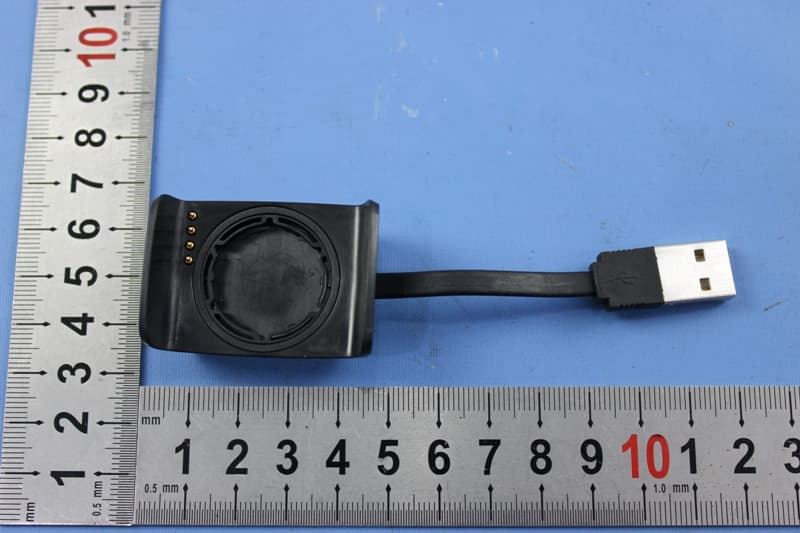
BOUDL8775
May 21, 2015BLE Activity Monitor with OHR
Equipment Class
DTS - Digital Transmission System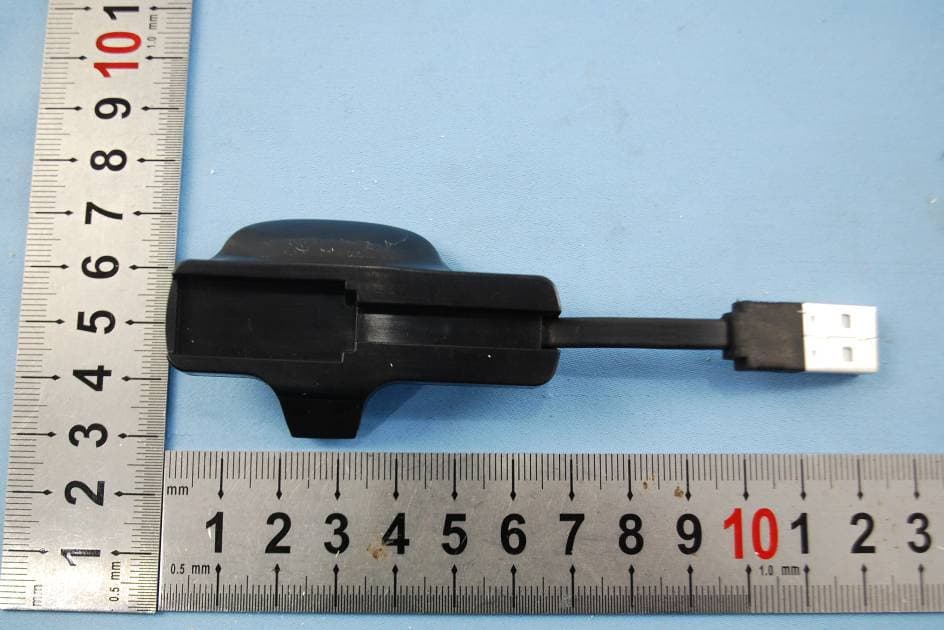
BOUDL8770
Sep 17, 2014Activity Monitor with OHR
Equipment Class
JBP - Part 15 Class B Computing Device Peripheral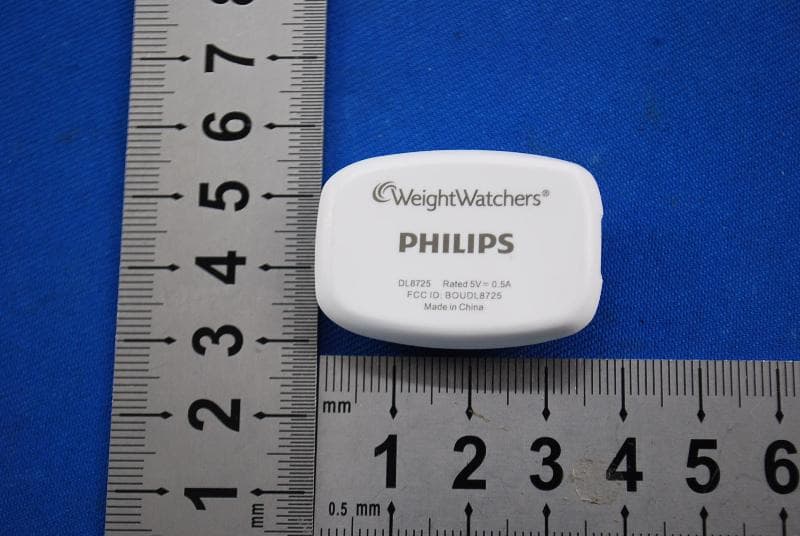
BOUDL8725
Jul 10, 2014Personal Activity Monitor with Bluetooth Function
Equipment Class
JBP - Part 15 Class B Computing Device Peripheral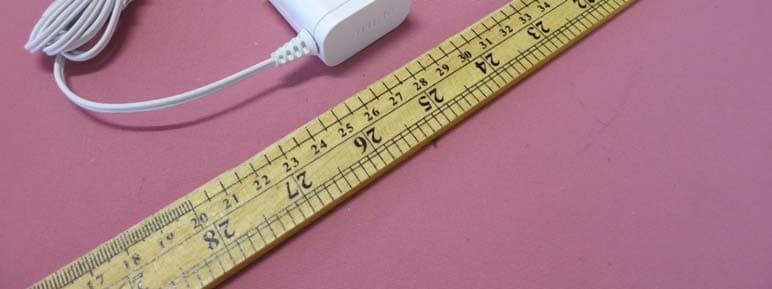
BOUSCD501
May 28, 20141.9GHz DECT Baby Monitor - Baby Unit
Equipment Class
PUB - Part 15 Unlicensed PCS Base Station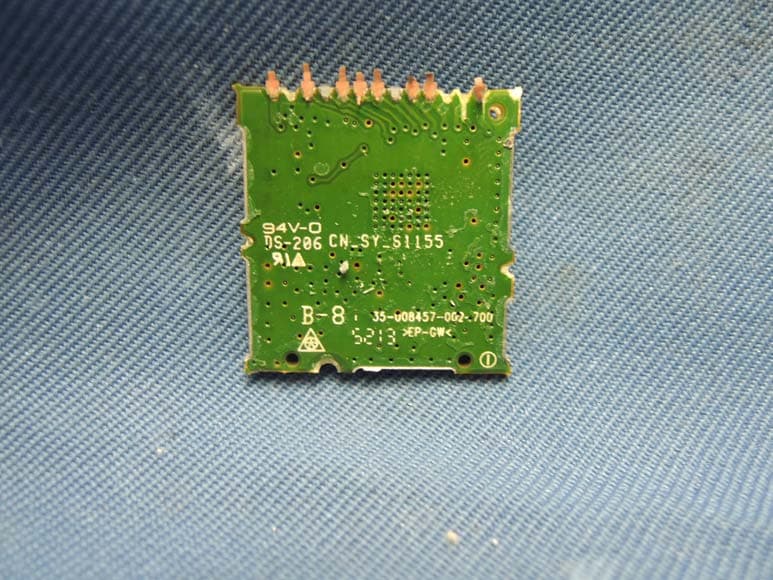
BOUSCD501H
May 28, 20141.9GHz DECT Baby Monitor - Parent Unit
Equipment Class
PUT - Part 15 Unlicensed PCS portable Tx worn on body