BXZWH1VoWiFi Handset
Ascom (Sweden) AB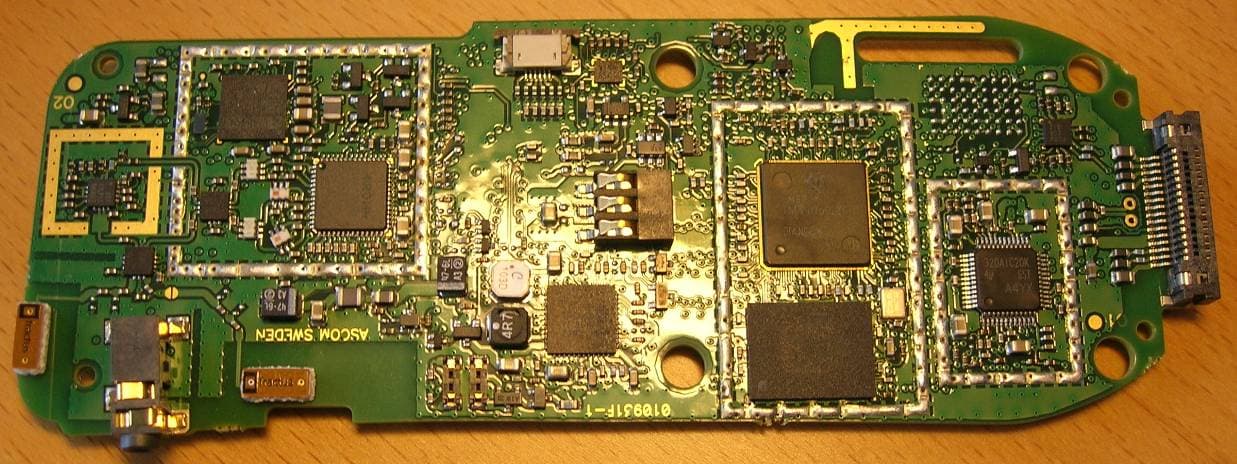
Click to zoom
Application Details
- Equipment Class
- NII - Unlicensed National Information Infrastructure TX
- Date of Grant
- Nov 21, 2010
- Application Purpose
- Original Equipment
- Date of Application
- Nov 04, 2010
- Equipment Note
- VoWiFi Handset
- Frequency Range
- 5745.00000000 - 5805.00000000
- Company
- Ascom (Sweden) AB
- Country
- Sweden
Documents & Files
Document Text
Text extracted from the exhibit documents filed with the FCC. Open a document above to read the original.
Users Manual
1 English Safety Instructions For safe and efficient operation of the handset, observe the guidelines given in this manual and all necessary safety precautions when using the handset. Follow the operating instructions and adhere to all warnings and safety precautions located on the product, the Quick Reference Guide and the User Manual. Do not disassemble the handset. Disassembling the handset voids the warranty. The handset consists of no consumer serviceable components. Service should be performed by Authorized Service centre only. Changes or Frutiger modifications to the equipment not expressly approved by the party responsible for compliance could void the user’s authority to operate the equipment. This product shall only be used with the following batteries: • Art.No.: 660190 Battery Single chargers shall only be connected with power adapters supplied by the manufacturer. Available power adapters (Suppliers Designation) are: • Art.No.DC3: 130160 Power supply unit AC/5V DC/0.65A - Europe • Art.No.DC3: 130166 Power supply unit AC/5V DC/1A - USA, Canada, AUS, and UK Precautions •Save this manual. It includes important safety information and operating instructions. Save all instructions for future reference. • Avoid volume levels that may be harmful to your hearing. Exposure to excessive sound pressure from a handset's earpiece or headset may cause permanently hearing loss. • Connect AC (power supply) to the desktop battery charger only to designated power sources as marked on the product. Danger: Never change the AC cord or plug. If the plug does not fit into the outlet, have a proper outlet installed by a qualified electrician. Improper connection increases the risk of electric shock. • Position the electrical cord to the AC power supply where it is least likely to be subjected to damage or stress. GB 2 • Remove the electrical cord from an outlet by pulling gently on the AC adapter, not by pulling the cord. • Unplug the battery charger from a power source (or remove handset from charger) before cleaning the handset to reduce risk of electric shock. • Do not use auxiliary equipment with the handset which is not exclusively recommended by the manufacturer, see the user manual. The use of any auxiliary equipment not recommended by the manufacturer may result in fire, electric shock, or injury, and will void the warranty. • Do not expose the handset to open flame. • Do not expose the handset and/or the charger to direct sunlight for long periods. Keep the handset and/or charger away from excessive heat and moisture. • Do not allow heavy objects to fall on the handset. • Do not allow children to play with the product packaging material. Product packaging material is often small and may present a choking hazard. • Do not allow children to play with the handset. It is not a toy. Children could hurt themselves or others. Children could also damage the handset. Regulatory Compliance Statements (EU/EFTA only) This equipment is intended to be used in the whole EU & EFTA. This equipment is in compliance with the essential requirements and other relevant provisions of R&TTE Directive 1999/5/EC and 2009/125/EC (Eco Design). The Declaration of Conformity may be consulted at: https://www.ascom-ws.com/doc/ The handset is marked with the label Restrictions for Wireless LANs (EU/EFTA and US/ CAN) Frequency Band (MHz) and Channel Max Power Level (EIRP)(mW) Indoor ONLY Indoor and Outdoor 2400-2483.5 Ch 1-13100 x 5150-5350* Ch 36-64 200 x 5470-5725* Ch100-140 1000 x 3 * Dynamic Frequency Selection and Transmit Power Control is required in the 5250 to 5350-MHz and 5470 to 5725-MHz frequency range. Additional National Restrictions Note: Always consult local authorities for the latest status of National Regulations for both 2400 and 5000-MHz wireless LANs. Denmark The 5150-5350 MHz Frequency band is also allowed for outdoor usage. France The 2454-2483.5 MHz Frequency band is restricted to 10 mW EIRP when the product is used outdoors. See also http://www.arcep.fr/ for more details. Italy Operating wireless wireless equipment requires a “general authorization” unless it is operated within the boundaries of the owner’s property. See also http://www.comunicazioni.it for more details. Latvia The outdoor usage of the 2400-MHz Frequency band requires an authorization from the Electronic Communications Office. See also http://www.esd.lv for more details. Regulatory Compliance Statements (USA and Canada only) FCC compliance statements This equipment has been tested and found to comply with the limits for a Class B digital device, pursuant to part 15 of the FCC Rules. These limits are designed to provide reasonable protection against harmful interference in a residential installation. This equipment generates, uses and can radiate radio frequency energy and, if not installed and used in accordance with the instructions, may cause harmful FCC ID: BXZWH1 IC: 3724B-WH1 US: 9FVIPNANWH1 HAC GB 4 interference to radio communications. However, there is no guarantee that interference will not occur in a particular installation. If this equipment does cause harmful interference to radio or television reception, which can be determined by turning the equipment off and on, the user is encouraged to try to correct the interference by one or more of the following measures: • Reorient or relocate the receiving antenna. • Increase the separation between the equipment and receiver. • Connect the equipment into an outlet on a circuit different from that to which the receiver is connected. • Consult the dealer or an experienced radio/TV technician for help. This Class B digital apparatus complies with Canadian ICES- 003. Cet appareil numérique de la Classe B conforme á la norme NMB-003 du Canada. Privacy of communications may not be ensured when using this handset. Exposure to Radio Frequency Signals This equipment complies with FCC radiation exposure limits set forth for an uncontrolled environment. This device complies with FCC SAR li…
Text truncated - open the document above for the full version.
Users Manual
2 EnglishEnglish Display Icons Signal strength Battery status Microphone off Loudspeaker on Loudspeaker off Sound off Headset connected New message New message with request for answer New message, important New message, alarm priority Voice mail Multifunction/Alarm button End key and On/off Shows time and icons Volume buttons Mute button Soft keys Call key LED Five-way navigation key Display Alphanumeric keys Sound off key Key lock and upper/lower case Voice mail Confirmation key Microphone Space Headset connector Shows date and icons Shows the soft key function PRELIMINARY GB 3 Read message Sent message Profile active Missed call Incoming call Outgoing call Missed call Connected call Call on hold Call diverted Software update Locked keypad Locked entry (e.g. company phonebook) Locked handset PTT Push-To-Talk Indicates that the handset is a i62 Talker model Indicates that the handset is a i62 Messenger model Indicates that the handset is a i62 Protector model EnglishEnglish Display Icons 4 The i62 VoWiFi Handset is a feature-rich handset with colour display, telephony, messaging. It supports the WiFi standard a/ b/g/n radio. The handset functions are license dependant and are available in three versions: i62 Talker, i62 Messenger, and i62 Protector with alarm. The handset is also upgradeable with additional functions via a license, contact your site administrator for details. The handset is designed to be used in office environment and medium demanding environment such as hospital environment. It is suitable for users dependent of being reachable and/or having a need for mobile voice and messaging features, which makes it ideal for applications where the user needs either one way messaging or to be able to interact with other users. The colour display enhances and simplifies the use of the handset. For detailed information, see User Manual, Ascom i62, TD92599GB. * System dependent Product presentation Functions Local phonebook (250 contacts)XXX Central phonebook*XXX Company phonebook (1000 contacts)XXX Downloadable languagesXXX Voice mail access*XXX VibratorXXX Headset connectorXXX Microphone on/off during callXXX Loudspeaking functionXXX Interactive messaging*-XX SMS - messaging between handsets*-XX Data send*-XX Multifunction buttonXX- Push button alarm*--X Upgradable to MessengerX-- Upgradable to ProtectorXX- Centralized management*XXX Easy replacementXXX T a l k e r M e s s e n g e r P r o t e c t o r PRELIMINARY GB 5 Note: Your unit may have more functions than described here, see User Manual, Ascom i62. Switch the handset on/off Press and hold the End key to switch the handset on or off. When switching the handset off, “Switch off?” is displayed, press “Yes”. Make a call Dialling can be made in the following ways: • In standby mode, dial the number and press the Call key , or the Soft key “Call”. • Press the Call key and select number from the Call list. • Press a pre-programmed Hot key* or Soft key. • Dial a number from the local phonebook. Enter the Contacts menu, select “Call contact” and select the name from the list, press “Call” or the Call key . • Dial a number from the Central phonebook. Enter the Contacts menu, select Central phonebook > search by name/number/ last result, and press search. Press Call key , or the Soft key “Call”. * The alpha-numeric keys can be programmed with a telephone number. Answer/End a call When the ring signal sounds; press the Call key to answer. To end the call, press the End key or the right Soft key. Reject a call When the ring signal sounds; press the End key . Call information will be stored in the Call list. Turn loudspeaker on/off During a call, press the left Soft key to turn the loudspeaking function on/off. Basic functions 6 Turn audio signals on/off In idle mode a long press on the Sound off key , or a long press on the Mute button ,changes between audio signals on/off. The icon indicates a silenced handset. A short press on the Sound off key or a press on the Mute button before answering a call, silences the ring signal. Lock/Unlock the keypad manually Press the *-key to lock/unlock and then Soft key "Lock/ Yes”. The “Locked keypad” icon indicates a locked keypad. Change the volume during a call Press to increase the volume, and to decrease the volume. Charge the battery Charging is done in a desktop charger or in a charging rack. Charging is indicated by orange LED. When the battery is fully charged the LED is green and a fully charged “Battery” icon is displayed. While in a desktop charger the handset is fully operational. The handset does not vibrate in charger. The battery can also be charged in a separate battery pack charger. Note: Charging below 5°C will harm the battery and shorten the lifetime. Remove the battery It is recommended to switch off the handset before removing the battery. 7 For descriptions of all functions, see User Manual, Ascom i62 VoWiFi Handset TD92599. Use the Navigation key to move around in the menu structure. The menus for Messenger and Protector are; “Connections”, “Calls”, Short cuts”, “Services”, “Messaging”, “Settings”, “Profiles”, and “Contacts”. The menus for Talker are; “Connections”, “Calls”, “Contacts”, “Short cuts”, “Profiles”,and “Settings”. The three Soft keys below the display are used for choices in the menu. The function of each Soft key is explained by text in the soft key field in the display. Contacts Use the local phonebook To find and call a name: Enter “Contacts” , step to “Call contact” and press “Select”. Enter the first letter in the name or the whole name (will be displayed in Search field while entering text), or step in the contact list. Select the name and press “Call”. To edit the contact: Select “Edit contact”, select the name and press “Edit” twice. Make your changes, press “OK” and then press “Save”. To add a contact, select “Add contact”, select “New” or “From call list”. Press “Add”, enter the name and press “OK”. Select Menu Operation 13:00 ServicesSettings Select Back …
Text truncated - open the document above for the full version.
External Photos
The WH1 is shipped with the battery uninstalled. The label is visible to the user!
External Photos
The WH1 is shipped with the battery uninstalled. The label is visible to the user!
External Photos
The WH1 is shipped with the battery uninstalled. The label is visible to the user!
ID Label/Location Info
The WH1 is shipped with the battery uninstalled. The label is visible to the user!
ID Label/Location Info
The WH1 is shipped with the battery uninstalled. The label is visible to the user!
ID Label/Location Info
The WH1 is shipped with the battery uninstalled. The label is visible to the user!
Internal Photos
The WH1 is shipped with the battery uninstalled. The label is visible to the user!
Internal Photos
The WH1 is shipped with the battery uninstalled. The label is visible to the user!
Internal Photos
The WH1 is shipped with the battery uninstalled. The label is visible to the user!
RF Exposure Info
DAT-P-152/98-02 SAR_Report_Nemko_6620_809_FCC_2450_5GHz_plots_AAAA Page 1 of 53 Appendix for the Report Dosimetric Assessment of the Ascom WH1-AAAA/PF (FCC ID: BXZWH1) According to the FCC and IC Requirements SAR Distribution Plots September 20, 2010 IMST GmbH Carl-Friedrich-Gauß-Str. 2 D-47475 Kamp-Lintfort Customer Ascom Sweden AB Wireless Solution P.O. Box 8783 Gøteborg The test results only relate to the items tested. This report shall not be reproduced except in full without the written approval of the testing laboratory. dasy_report_fcc_850_1900_plots_1.1.doc/04.07.2005/CH SAR_Report_Nemko_6620_809_FCC_2450_5GHz_plots_AAAA Page 2 of 53 Table of Contents 1 SAR DISTRIBUTION PLOTS, IEEE 802.11 B HEAD ................................................................................ 3 2 SAR DISTRIBUTION PLOTS, IEEE 802.11 B BODY ................................................................................ 7 3 SAR DISTRIBUTION PLOTS, IEEE 802.11 N HEAD (2.45 GHZ RANGE) ............................................ 9 4 SAR DISTRIBUTION PLOTS, IEEE 802.11 N BODY (2.45 GHZ RANGE) ......................................... 11 5 SAR DISTRIBUTION PLOTS, IEEE 802.11 A HEAD (5200 MHZ RANGE) ........................................ 12 6 SAR DISTRIBUTION PLOTS, IEEE 802.11 A BODY (5200 MHZ RANGE) ........................................ 16 7 SAR DISTRIBUTION PLOTS, IEEE 802.11 A HEAD (5500 MHZ RANGE) ........................................ 17 8 SAR DISTRIBUTION PLOTS, IEEE 802.11 A BODY (5500 MHZ RANGE) ........................................ 21 9 SAR DISTRIBUTION PLOTS, IEEE 802.11 A HEAD (5800 MHZ RANGE) ........................................ 22 10 SAR DISTRIBUTION PLOTS, IEEE 802.11 A BODY (5800 MHZ RANGE) ........................................ 26 11 SAR DISTRIBUTION PLOTS, IEEE 802.11 N HEAD (5200 MHZ RANGE) ........................................ 27 12 SAR DISTRIBUTION PLOTS, IEEE 802.11 N BODY (5200 MHZ RANGE) ........................................ 31 13 SAR DISTRIBUTION PLOTS, IEEE 802.11 N HEAD (5500 MHZ RANGE) ........................................ 33 14 SAR DISTRIBUTION PLOTS, IEEE 802.11 N BODY (5500 MHZ RANGE) ........................................ 40 15 SAR DISTRIBUTION PLOTS, IEEE 802.11 N HEAD (5800 MHZ RANGE) ........................................ 42 16 SAR DISTRIBUTION PLOTS, IEEE 802.11 N BODY (5800 MHZ RANGE) ........................................ 46 17 SAR Z-AXIS SCANS (VALIDATION) ......................................................................................................... 48 18 SAR Z-AXIS SCANS (MEASUREMENTS) ................................................................................................ 52 SAR_Report_Nemko_6620_809_FCC_2450_5GHz_plots_AAAA Page 3 of 53 1 SAR Distribution Plots, IEEE 802.11 b Head Test Laboratory: Imst GmbH, DASY Yellow (II); File Name: AAAA_ywlm_1_CH6_b_cw.da4 DUT: ASCOM; Type: WH1-AAAA; Program Name: IEEE 802.11 b Communication System: WLAN 2450; Frequency: 2437 MHz;Duty Cycle: 1:1 Medium parameters used: f = 2437 MHz; σ = 1.86 mho/m; ε r = 39.2; ρ = 1000 kg/m 3 Phantom section: Left Section DASY4 Configuration: - Probe: EX3DV4 - SN3536; ConvF(7.59, 7.59, 7.59); Calibrated: 18.09.2009 - Sensor-Surface: 4mm (Mechanical Surface Detection) - Electronics: DAE3 Sn335; Calibrated: 10.02.2010 - Phantom: SAM Glycol 1340; Type: QD 000 P40 CB; Serial: TP-1340 - Measurement SW: DASY4, V4.7 Build 80; Postprocessing SW: SEMCAD, V1.8 Build 186 Cheek Left/Area Scan (7x12x1): Measurement grid: dx=15mm, dy=15mm Maximum value of SAR (measured) = 0.281 mW/g Cheek Left/Zoom Scan (7x7x7)/Cube 0: Measurement grid: dx=5mm, dy=5mm, dz=5mm Reference Value = 12.0 V/m; Power Drift = -0.075 dB Peak SAR (extrapolated) = 0.581 W/kg SAR(1 g) = 0.303 mW/g; SAR(10 g) = 0.160 mW/g Maximum value of SAR (measured) = 0.330 mW/g Fig. 1: SAR distribution for IEEE 802.11 b, channel 6, cheek position, left side of head (August 26, 2010; Ambient Temperature: 22.1° C; Liquid Temperature: 21.8° C). SAR_Report_Nemko_6620_809_FCC_2450_5GHz_plots_AAAA Page 4 of 53 Test Laboratory: Imst GmbH, DASY Yellow (II); File Name: AAAA_ywlm_2_CH6_b_cw.da4 DUT: ASCOM; Type: WH1-AAAA; Program Name: IEEE 802.11 b Communication System: WLAN 2450; Frequency: 2437 MHz;Duty Cycle: 1:1 Medium parameters used: f = 2437 MHz; σ = 1.86 mho/m; ε r = 39.2; ρ = 1000 kg/m 3 Phantom section: Left Section DASY4 Configuration: - Probe: EX3DV4 - SN3536; ConvF(7.59, 7.59, 7.59); Calibrated: 18.09.2009 - Sensor-Surface: 4mm (Mechanical Surface Detection) - Electronics: DAE3 Sn335; Calibrated: 10.02.2010 - Phantom: SAM Glycol 1340; Type: QD 000 P40 CB; Serial: TP-1340 - Measurement SW: DASY4, V4.7 Build 80; Postprocessing SW: SEMCAD, V1.8 Build 186 Tilted Left/Area Scan (7x12x1): Measurement grid: dx=15mm, dy=15mm Maximum value of SAR (measured) = 0.245 mW/g Tilted Left/Zoom Scan (7x7x7)/Cube 0: Measurement grid: dx=5mm, dy=5mm, dz=5mm Reference Value = 11.9 V/m; Power Drift = -0.012 dB Peak SAR (extrapolated) = 0.460 W/kg SAR(1 g) = 0.238 mW/g; SAR(10 g) = 0.124 mW/g Maximum value of SAR (measured) = 0.259 mW/g Fig. 2: SAR distribution for IEEE 802.11 b, channel 6, tilted position, left side of head (August 26, 2010; Ambient Temperature: 22.1° C; Liquid Temperature: 21.8° C). SAR_Report_Nemko_6620_809_FCC_2450_5GHz_plots_AAAA Page 5 of 53 Test Laboratory: Imst GmbH, DASY Yellow (II); File Name: AAAA_ywrm_1_CH6_b_cw.da4 DUT: ASCOM; Type: WH1-AAAA; Program Name: IEEE 802.11 b Communication System: WLAN 2450; Frequency: 2437 MHz;Duty Cycle: 1:1 Medium parameters used: f = 2437 MHz; σ = 1.86 mho/m; ε r = 39.2; ρ = 1000 kg/m 3 Phantom section: Right Section DASY4 Configuration: - Probe: EX3DV4 - SN3536; ConvF(7.59, 7.59, 7.59); Calibrated: 18.09.2009 - Sensor-Surface: 4mm (Mechanical…
Text truncated - open the document above for the full version.
RF Exposure Info
DAT-P-152/98-01 SAR_Report_Nemko_6620_809_FCC_CalData_AAAA dasy_report_fcc_850_1900_cal_data_2.0.doc/08.01.2005/CH Appendix for the Report Dosimetric Assessment of the Portable Device Ascom WH1-AAAA (FCC ID: BXZWH1) According to the FCC Requirements Calibration Data September 20, 2010 IMST GmbH Carl-Friedrich-Gauß-Str. 2 D-47475 Kamp-Lintfort Customer Ascom Sweden AB Wireless Solutoin P.O. Box 8783 SE-40276 Gøteborg DAT-P-152/98-01 Cal_D2450V2_SN709_1209 Page 1 of 8 _ Calibration_Certificate_Dipole_V1.0/01.08.2009/ABo Calibration Certificate Certificate No: Cal_D2450V2_SN709_1209 Object: D2450V2 SN: 709 Date of Calibration: December 09, 2009 Next Calibration: December 2011 Object Condition: In Tolerance Calibration Equipment used: Test Equipment Serial Number Last calibration Calibrated by Next calibration Powermeter E4416A GB41050414 Dec 08 Agilent Techn. (ISO/IEC 17025, 1-1784162174-1) Dec 10 Power Sensor E9301H US40010212 Dec 08 Agilent Techn. (ISO/IEC 17025, 1-1784041195-1) Dec 10 Powermeter E4417A GB41050441 Dec 08 Agilent Techn. (ISO/IEC 17025, 1-1674038198-1) Dec 10 Power Sensor E9301A MY41495584 Dec 08 Agilent Techn. (ISO/IEC 17025, 1-1784041307-1) Dec 10 Network Analyzer E5071C MY46103220 Aug 09 Rohde& Schwarz (14967-DKD-00201- 2009-08) Aug 10 Reference Probe EX3DV4 SN 3536 Sep 09 SPEAG, No EX- 3536_Sep09 Sep 10 DAE4 SN 661 Sep 09 SPEAG, No DAE4- 661_Sep09 Sep 10 Cal_D2450V2_SN709_1209 Page 2 of 8 Calibration is performed according the following standards: IEEE 1528-2003 "IEEE Recommended Practice for Determining the Peak Spatial - Averaged Specific Absorption Rate (SAR) in the Human Head from Wireless Communication Devices: Measurement Technique", December 2003 IEC 62209-1 "Procedure to measure the Specific Absorption Rate (SAR) for hand - held devices used in close proximity to the ear (frequency range of 300 MHz to 3GHz)", February 2005 Federal Communications Commission Office of Engineering & Technologies (FCCOET) "Evaluating Compliance wit FCC Guidelines for Human Exposure to Radiofrequency Electromagnetic Fields; Additional Information for Evaluating Compliance of Mobile and Portable Devices with FCC Limits for Human Exposure to Radiofrequency Emissions", Supplement C (Edition 01-01) to Bulletin 65 Additional Documentation: DASY 4 System Handbook prepared by: reviewed by: Alexander Rahn André van den Bosch test engineer quality assurance engineer 08/ABo Cal_D2450V2_SN709_1209 Page 3 of 8 Measurement Conditions DASY Version: Dasy 4; V4.7 Phantom: SAM Phantom 1341 Distance Dipole Center – TSL: 10mm With spacer Zoom Scan res. dx, dy, dz = 5mm Frequency: 2450 MHz ± 1MHz Head TSL Parameters Temperature Permittivity Conductivity Nominal Head TSL Parameters 22.0 39.20 1.80 Measured Head TSL Parameters 22.0 40.2 ± 6% 1.84 S/m ± 6% SAR result with Head TSL Averaged over 1g SAR measured 250mW input power 13.60 mW/g SAR normalized normalized to 1W 54.40 mW/g SAR for nominal Head TSL parameters normalized to 1W 54.58 mW/g ± 16.5 % k=2) Averaged over 10g SAR measured 250mW input power 6.16 mW/g SAR normalized normalized to 1W 24.64 mW/g SAR for nominal Head TSL parameters normalized to 1W 24.78 mW/g ± 16.5 % (k=2) Cal_D2450V2_SN709_1209 Page 4 of 8 Body TSL Parameters Temperature Permittivity Conductivity Nominal Body TSL Parameters 22.0 52.70 1.95 Measured Body TSL Parameters 22.0 51.70 ± 6% 2.00 S/m ± 6% SAR result with Body TSL Averaged over 1g SAR measured 250mW input power 13.20 mW/g SAR normalized normalized to 1W 52.80 mW/g SAR for nominal Body TSL parameters normalized to 1W 51.76 mW/g ± 16.5 % (k=2) Averaged over 10g SAR measured 250mW input power 6.01 mW/ g SAR normalized normalized to 1W 24.04 mW/g SAR for nominal Body TSL parameters normalized to 1W 23.81 mW/g ± 16.5 % (k=2) General Antenna Parmeters Antenna Parameters with Head TSL Impedance, transformed to feed point 49.7 jΩ - 1.23 jΩ Return Loss -37.97 dB Antenna Parameter with Body TSL Impedance, transformed to feed point 50.8 jΩ - 1.27 jΩ Return Loss -36.55 dB After long term use with 100W radiated power, only a slight warming of the dipole near the feedpoint can be measured. The dipole is made of standard semigrid coaxial cable. The center conductor of the feeding line is directly connected to the second arm of the dipole. The antenna is therefore short-circuited for DC signals. Additional EUT Data Manufactured by: SPEAG Manufactured on: July 5, 2002 Cal_D2450V2_SN709_1209 Page 5 of 8 SAR result with Head TSL Test Laboratory: Imst GmbH, DASY Yellow (II); File Name: 091209_y_3536.da4 DUT: Dipole 2450 MHz SN: 709; Type: D2450V2; Serial: D2450V2 - SN:709 Program Name: System Performance Check at 2450 MHz Communication System: CW; Frequency: 2450 MHz;Duty Cycle: 1:1 Medium parameters used: f = 2450 MHz; σ = 1.84 mho/m; ε r = 40.2; ρ = 1000 kg/m 3 Phantom section: Flat Section DASY4 Configuration: - Probe: EX3DV4 - SN3536; ConvF(7.59, 7.59, 7.59); Calibrated: 18.09.2009 - Sensor-Surface: 4mm (Mechanical Surface Detection) - Electronics: DAE4 Sn631; Calibrated: 14.09.2009 - Phantom: SAM Glycol 1340; Type: QD 000 P40 CB; Serial: TP-1340 - Measurement SW: DASY4, V4.7 Build 80; Postprocessing SW: SEMCAD, V1.8 Build 186 d=10mm, Pin=250mW/Area Scan (7x7x1): Measurement grid: dx=10mm, dy=10mm Maximum value of SAR (measured) = 15.3 mW/g d=10mm, Pin=250mW/Zoom Scan (7x7x7)/Cube 0: Measurement grid: dx=5mm, dy=5mm, dz=5mm Reference Value = 91.4 V/m; Power Drift = 0.016 dB Peak SAR (extrapolated) = 29.6 W/kg SAR(1 g) = 13.6 mW/g; SAR(10 g) = 6.16 mW/g Maximum value of SAR (measured) = 15.2 mW/g Cal_D2450V2_SN709_1209 Page 6 of 8 SAR result with Body TSL Test Laboratory: Imst GmbH, DASY Yellow (II); File Name: 081209_y_3536.da4 DUT: Dipole 2450 MHz SN: 709; Type: D2450V2; Serial: D2450V2 - SN:709 Program Name: System Performance Check at 2450 MHz Communication System: CW; Frequency: 2450 MHz;Duty Cycle: 1:1 Medium parameters used: f = 2450 MHz; σ = 2 mho/m; ε r = 51.7; ρ = 1000 kg/m 3 Phantom section: Flat Section DASY4 Configuration:…
Text truncated - open the document above for the full version.
RF Exposure Info
DAT-P-152/98-02 SAR_Report_Nemko_6620_809_FCC_2450_5GHz_plots_EACA Page 1 of 69 Appendix for the Report Dosimetric Assessment of the Ascom WH1-EACA/PF (FCC ID: BXZWH1) According to the FCC and IC Requirements SAR Distribution Plots September 21, 2010 IMST GmbH Carl-Friedrich-Gauß-Str. 2 D-47475 Kamp-Lintfort Customer Ascom Sweden AB Wireless Solution P.O. Box 8783 Gøteborg The test results only relate to the items tested. This report shall not be reproduced except in full without the written approval of the testing laboratory. dasy_report_fcc_850_1900_plots_1.1.doc/04.07.2005/CH SAR_Report_Nemko_6620_809_FCC_2450_5GHz_plots_EACA Page 2 of 69 δασψ_ρεπορτ_φχχ_850_1900_πλοτ σ_1.1.δοχ/04.07.2005/ΧΗ Table of Contents 1 SAR DISTRIBUTION PLOTS, IEEE 802.11 B HEAD ................................................................................ 3 2 SAR DISTRIBUTION PLOTS, IEEE 802.11 B BODY ................................................................................ 7 3 SAR DISTRIBUTION PLOTS, IEEE 802.11 N HEAD (2.45 GHZ RANGE) ............................................ 9 4 SAR DISTRIBUTION PLOTS, IEEE 802.11 N BODY (2.45 GHZ RANGE) ......................................... 11 5 SAR DISTRIBUTION PLOTS, IEEE 802.11 A HEAD (5200 MHZ RANGE) ........................................ 12 6 SAR DISTRIBUTION PLOTS, IEEE 802.11 A BODY (5200 MHZ RANGE) ........................................ 16 7 SAR DISTRIBUTION PLOTS, IEEE 802.11 A HEAD (5500 MHZ RANGE) ........................................ 17 8 SAR DISTRIBUTION PLOTS, IEEE 802.11 A BODY (5500 MHZ RANGE) ........................................ 27 9 SAR DISTRIBUTION PLOTS, IEEE 802.11 A HEAD (5800 MHZ RANGE) ........................................ 28 10 SAR DISTRIBUTION PLOTS, IEEE 802.11 A BODY (5800 MHZ RANGE) ........................................ 32 11 SAR DISTRIBUTION PLOTS, IEEE 802.11 N HEAD (5200 MHZ RANGE) ........................................ 33 12 SAR DISTRIBUTION PLOTS, IEEE 802.11 N BODY (5200 MHZ RANGE) ........................................ 37 13 SAR DISTRIBUTION PLOTS, IEEE 802.11 N HEAD (5500 MHZ RANGE) ........................................ 39 14 SAR DISTRIBUTION PLOTS, IEEE 802.11 N BODY (5500 MHZ RANGE) ........................................ 49 15 SAR DISTRIBUTION PLOTS, IEEE 802.11 N HEAD (5800 MHZ RANGE) ........................................ 54 16 SAR DISTRIBUTION PLOTS, IEEE 802.11 N BODY (5800 MHZ RANGE) ........................................ 60 17 SAR Z-AXIS SCANS (VALIDATION) ......................................................................................................... 64 18 SAR Z-AXIS SCANS (MEASUREMENTS) ................................................................................................ 68 SAR_Report_Nemko_6620_809_FCC_2450_5GHz_plots_EACA Page 3 of 69 δασψ_ρεπορτ_φχχ_850_1900_πλοτ σ_1.1.δοχ/04.07.2005/ΧΗ 1 SAR Distribution Plots, IEEE 802.11 b Head Test Laboratory: Imst GmbH, DASY Yellow (II); File Name: EACA_ywlm_1_CH6_b_cw.da4 DUT: ASCOM; Type: WH1-EACA; Program Name: IEEE 802.11 b Communication System: WLAN 2450; Frequency: 2437 MHz;Duty Cycle: 1:1 Medium parameters used: f = 2437 MHz; σ = 1.86 mho/m; ε r = 39.2; ρ = 1000 kg/m 3 Phantom section: Left Section DASY4 Configuration: - Probe: EX3DV4 - SN3536; ConvF(7.59, 7.59, 7.59); Calibrated: 18.09.2009 - Sensor-Surface: 4mm (Mechanical Surface Detection) - Electronics: DAE3 Sn335; Calibrated: 10.02.2010 - Phantom: SAM Glycol 1340; Type: QD 000 P40 CB; Serial: TP-1340 - Measurement SW: DASY4, V4.7 Build 80; Postprocessing SW: SEMCAD, V1.8 Build 186 Cheek Left/Area Scan (7x12x1): Measurement grid: dx=15mm, dy=15mm Maximum value of SAR (measured) = 0.270 mW/g Cheek Left/Zoom Scan (7x7x7)/Cube 0: Measurement grid: dx=5mm, dy=5mm, dz=5mm Reference Value = 12.0 V/m; Power Drift = 0.012 dB Peak SAR (extrapolated) = 0.560 W/kg SAR(1 g) = 0.292 mW/g; SAR(10 g) = 0.155 mW/g Maximum value of SAR (measured) = 0.322 mW/g Fig. 1: SAR distribution for IEEE 802.11 b, channel 6, cheek position, left side of head (August 26, 2010; Ambient Temperature: 22.1° C; Liquid Temperature: 21.8° C). SAR_Report_Nemko_6620_809_FCC_2450_5GHz_plots_EACA Page 4 of 69 δασψ_ρεπορτ_φχχ_850_1900_πλοτ σ_1.1.δοχ/04.07.2005/ΧΗ Test Laboratory: Imst GmbH, DASY Yellow (II); File Name: EACA_ywlm_2_CH6_b_cw.da4 DUT: ASCOM; Type: WH1-EACA; Program Name: IEEE 802.11 b Communication System: WLAN 2450; Frequency: 2437 MHz;Duty Cycle: 1:1 Medium parameters used: f = 2437 MHz; σ = 1.86 mho/m; ε r = 39.2; ρ = 1000 kg/m 3 Phantom section: Left Section DASY4 Configuration: - Probe: EX3DV4 - SN3536; ConvF(7.59, 7.59, 7.59); Calibrated: 18.09.2009 - Sensor-Surface: 4mm (Mechanical Surface Detection) - Electronics: DAE3 Sn335; Calibrated: 10.02.2010 - Phantom: SAM Glycol 1340; Type: QD 000 P40 CB; Serial: TP-1340 - Measurement SW: DASY4, V4.7 Build 80; Postprocessing SW: SEMCAD, V1.8 Build 186 Tilted Left/Area Scan (7x12x1): Measurement grid: dx=15mm, dy=15mm Maximum value of SAR (measured) = 0.239 mW/g Tilted Left/Zoom Scan (7x7x7)/Cube 0: Measurement grid: dx=5mm, dy=5mm, dz=5mm Reference Value = 11.4 V/m; Power Drift = 0.040 dB Peak SAR (extrapolated) = 0.452 W/kg SAR(1 g) = 0.236 mW/g; SAR(10 g) = 0.123 mW/g Maximum value of SAR (measured) = 0.257 mW/…
Text truncated - open the document above for the full version.
Contact Information
Applicant
Peter Soderberg
Technical Contact
Ascom (Sweden)ABStefan Jinstrand
[email protected]46 31 559 304
P.O.Box 8783, Grimbodalen 2 · Goteborg · Sweden
Non-Technical Contact
Ascom (Sweden)ABJohan Comstedi
[email protected]46 31 559 114
Test Firm
Nemko ASFrode Sveinsen
Technical Specifications
| # | Rule Parts | Frequency Range | Power Output |
|---|---|---|---|
| 4 | 15E | 5.75 GHz - 5.80 GHz | 13.00 mW |
Other Applications from Ascom (Sweden) AB

BXZCHAT2
Sep 27, 2023Narrow band alarm transceiver
Equipment Class
TNB - Licensed Non-Broadcast Station Transmitter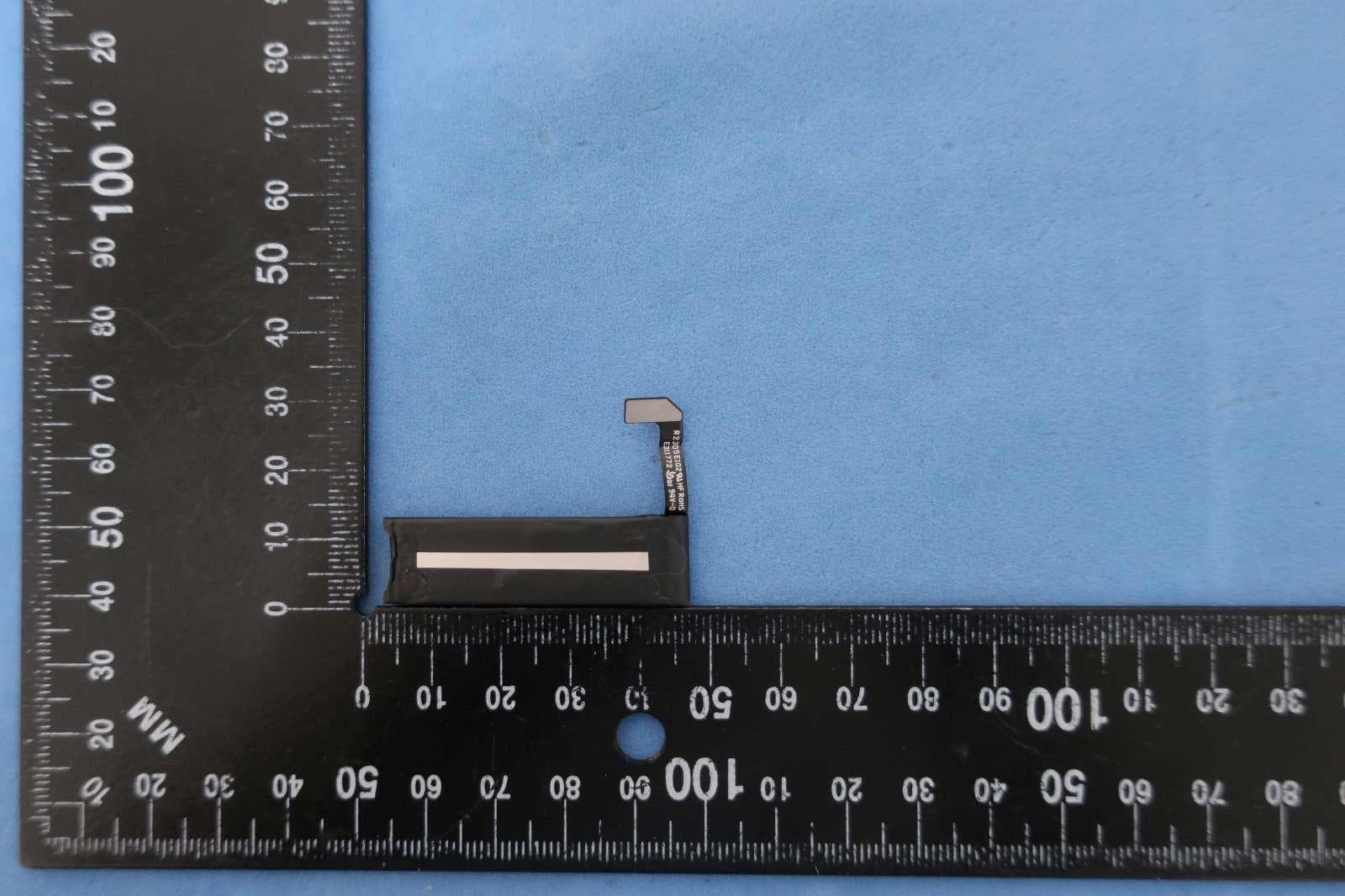
BXZSH4
Aug 02, 2023Myco 4 WiFi, Myco 4 Slim
Equipment Class
JBP - Part 15 Class B Computing Device Peripheral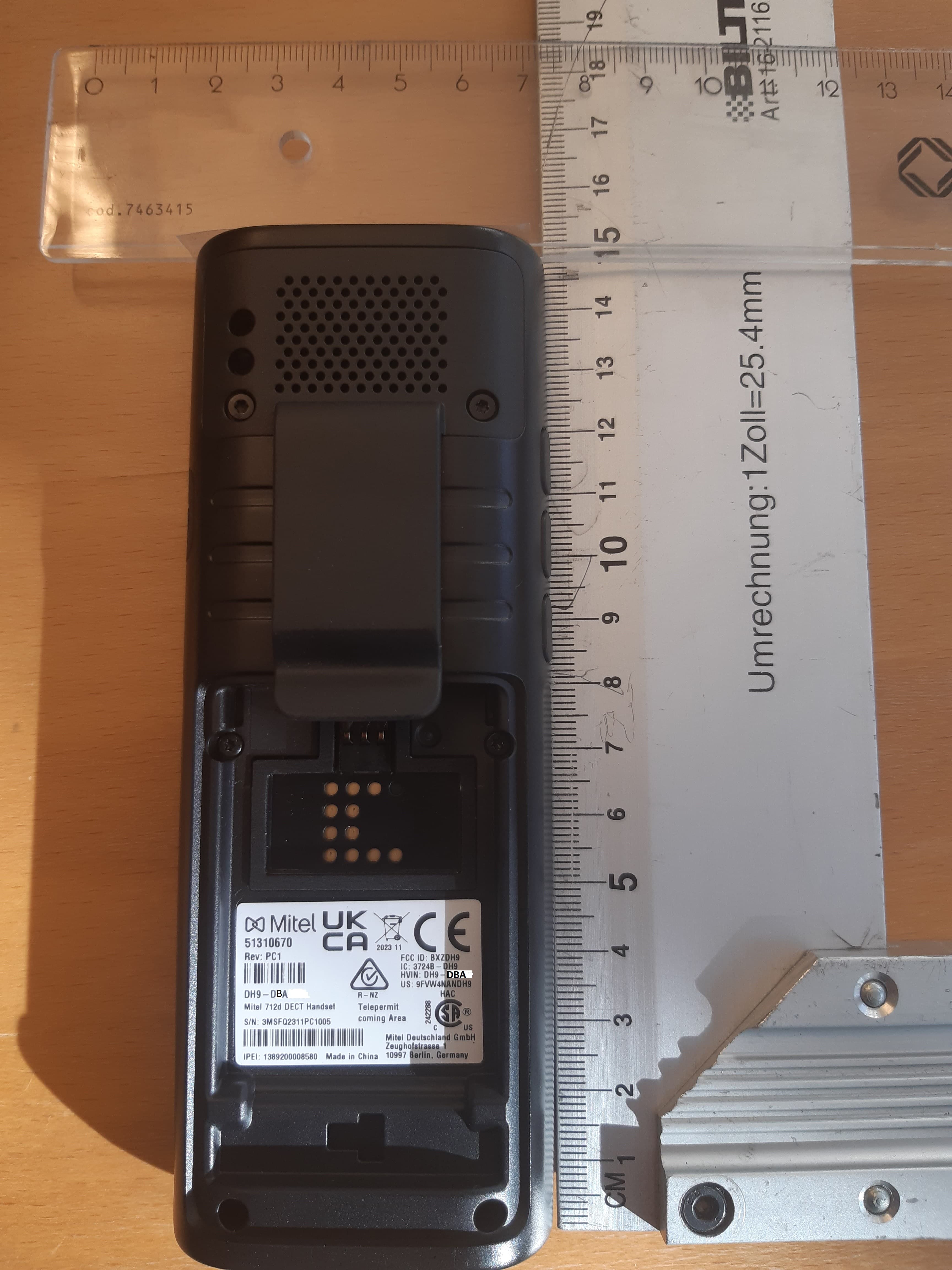
BXZDH9
Apr 16, 2023DECT Handset with Bluetooth
Equipment Class
PUE - Part 15 Unlicensed PCS portable Tx held to ear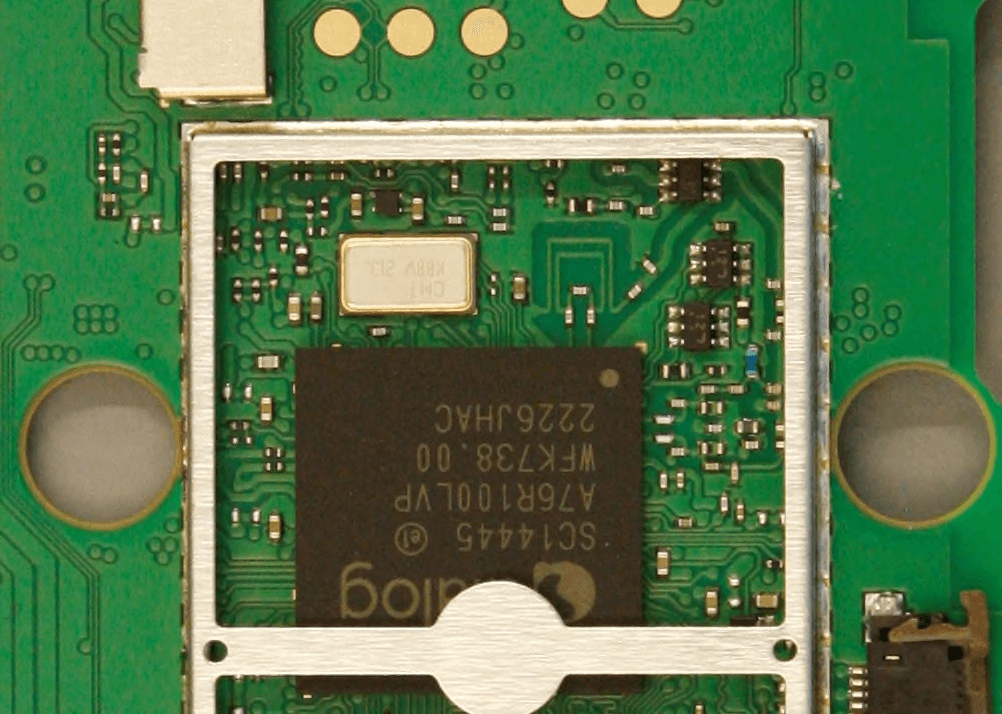
BXZDH10
Apr 16, 2023DECT Handset with Bluetooth
Equipment Class
DSS - Part 15 Spread Spectrum Transmitter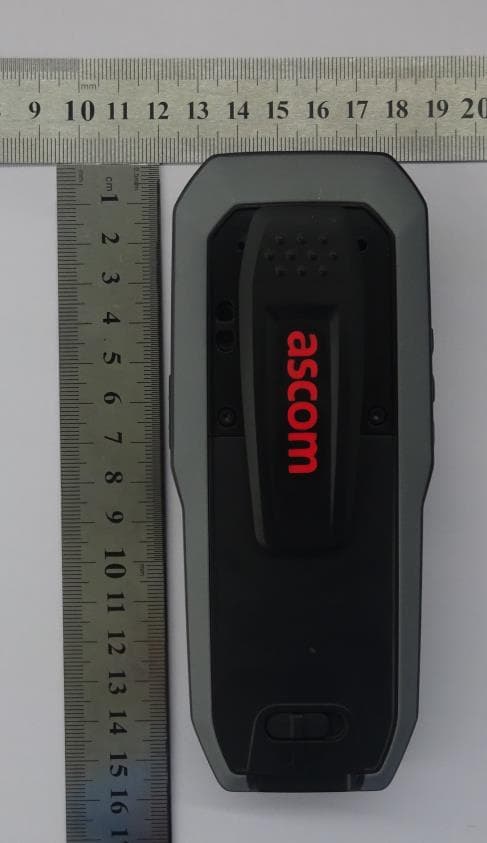
BXZDH8
Aug 09, 2021DECT Handset with Bluetooth and BLE
Equipment Class
JAB - Part 15 Class B Digital Device