CWTUGPZ4Modular Bluetooth Transmitter
ALPS ALPINE CO., LTD.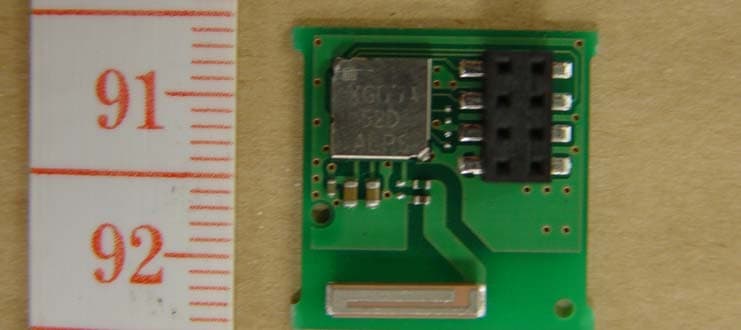
Click to zoom
Application Details
- Equipment Class
- DSS - Part 15 Spread Spectrum Transmitter
- Date of Grant
- May 21, 2005
- Application Purpose
- Original Equipment
- Date of Application
- May 21, 2005
- Equipment Note
- Modular Bluetooth Transmitter
- Frequency Range
- 2402.00000000 - 2480.00000000
- Company
- ALPS ALPINE CO., LTD.
- Country
- Japan
Documents & Files
Document Text
Text extracted from the exhibit documents filed with the FCC. Open a document above to read the original.
Users Manual
ALPS Bluetooth TM Transceiver Module UGPZ4 Ver. 1.0 May 9, 2005 Copyright © 2005 ALPS ELECTRIC CO., LTD. page1 User Guide Information to 2.4GHz ALPS Bluetooth TM Transceiver Module Model UGPZ4 Caution: This user guide information is only provided to OEM or module installer. Do not supply to the end user. 1. Introduction: The ALPS, UGPZ4 with Bluetooth TM wireless technology is a radio device that transmits and receives radio signals in accordance with the spectrum regulations for the 2.4 GHz unlicensed frequency range. The following table shows a major function. Model No. Major Function Remarks UGPZ4 1. Output Power; Bluetooth™ class 2. 2.5mW (+4dBm) Max. 2. On-board antenna provided. 3. Voltage regulator built in. Rating of Input voltage: +3.3Vdc, +/-0.2V 4. Programmed 4Mbit built in 5. Reference oscillator built in 6.Operating temperature: Nominal; +15 °C to +35°C 7. Regulatory frequency range USA, Canada, Europe, Taiwan, Korea, China and Japan: 2400 – 2483.5MHz Electrical features Contents Program memory 4M bit ROM RAM 32k bytes Reference oscillator Built in Sub clock oscillator Built in Serial data interface UART(BCSP or H4) 2. Radio part Bluetooth™ Transceiver Module, model UGPZ4 has fully integrated 2.4GHz radio transceiver with Class2 power, receiver and frequency-hopping synthesizer. Then, UGPZ4 has also provision of Adaptive Frequency Hopping (AFH) that is used to improve the performance of physical links in the presence of interference as well as reducing the interference caused by physical links on other devices in the ISM band. AFH shall only be used during the connection state. In order to facilitate power management, each section of the radio may be powered up and down separately. Various software controllable switches have been implemented to control power to the transmitter, the frequency synthesizer/VCO, the receiver and the LNA, if provided. 3. Base band part Bluetooth™ Transceiver Module contains link controller, which performs all the real-time functions of the Bluetooth™ baseband protocol layer, including data transfer and connection management. The device also controls states of operation enables sniff, park and hold modes of operation. Real-time functions such as frequency-hopping burst timing and clock synchronization are also implemented in this hardware. Further processing is required to format the data into the Bluetooth™ packet format before it may be applied to the GFSK modulator. On the receive side the controller performs error correction and de-scrambling before de-packetizing the incoming payload and storing it in RX buffers. The link controller hardware also implements the basic, repetitive actions of paging, inquiry, page or inquiry scans and the general Bluetooth™ modes of park and sniff. This ensures that the processor used to implement the Link Manager and other lower layer protocol can be kept inactive. ALPS Bluetooth TM Transceiver Module UGPZ4 Ver. 1.0 May 9, 2005 Copyright © 2005 ALPS ELECTRIC CO., LTD. page2 4. Eligibility requirements for regulatory approval: As a part of regulatory certification, ALPS will provide an approval for certain countries in the form of modular approval (MA) . The regulatory approval is required for each country throughout world where the end-user wishes to use ALPS UGPZ4 into entire end product, if no certification program for the modular approval exists in the country. The countries that can accept MA include the USA, Canada, Taiwan, Korea, China, Japan and certain European countries. The conditions for approval of ALPS UGPZ4 and related information for each country are described below. ALPS wishes that our customer for end product would contact with us about what module of UGPZ4 has been certified for each country. 4.1 USA 4.1.1 Compliance statement to FCC This module complies with part 15 of the FCC rules. Operation is subject to the following conditions: (1) This device may not cause harmful interference, and (2) this device must accept any interference received, including interference that may cause undesired operation. RF exposure compliance This module may be installed into any end product in mobile device applications. Because the module only radiates very low power levels, it complies with RF exposure requirements. 4.1.3 Requirements to end product The following provisions for end product will be required on the FCC regulation, part 15. (1) Antenna ALPS wishes that our customer shall use the UGPZ4 module without any modifications including antenna. If customer use a unique antenna, the FCC certification is required for the end product. (2) Markings To satisfy FCC exterior labeling requirements, the following text must be placed on the exterior of the end product. Any similar wording that expresses the same meaning may be used. (3) Caution to user for modification The following caution is expressed on the user’s instruction manual. (4) Compliance statement to FCC The following statement is expressed on the user’s instruction manual. The changes or modifications not expressly approved by the party responsible for compliance could void the user’s authority to operate the device. This module complies with part 15 of the FCC rules. Operation is subject to the following conditions: (1) This device may not cause harmful interference, and (2) this device must accept any interference received, including interference that may cause undesired operation. Contains Transmitter Module FCC ID: CWTUGPZ4 ALPS Bluetooth TM Transceiver Module UGPZ4 Ver. 1.0 May 9, 2005 Copyright © 2005 ALPS ELECTRIC CO., LTD. page3 4.2 Canada In general, I.C (Industry Canada) follows the FCC in terms of emission levels and other regulatory requirements. 4.2.1 Compliance statement for IC This device complies with Industry Canada RSS-210. Operation is subject to the following conditions: (1) This device may not cause harmful interference, and (2) this device must accept any interference received, including interference that may cause undesired op…
Text truncated - open the document above for the full version.
External Photos
ETS DR.GENZ TAIWAN PS CO., LTD. . Registration number: J10M20504-0002-P-15 FCC ID : CWTUGPZ4 ETS Dr.Genz Taiwan PS Co., Ltd. ETS DR.GENZ TAIWAN PS CO., LTD. . Registration number: J10M20504-0002-P-15 FCC ID : CWTUGPZ4 ETS Dr.Genz Taiwan PS Co., Ltd. ETS DR.GENZ TAIWAN PS CO., LTD. . Registration number: J10M20504-0002-P-15 FCC ID : CWTUGPZ4 ETS Dr.Genz Taiwan PS Co., Ltd. ETS DR.GENZ TAIWAN PS CO., LTD. . Registration number: J10M20504-0002-P-15 FCC ID : CWTUGPZ4 ETS Dr.Genz Taiwan PS Co., Ltd. ETS DR.GENZ TAIWAN PS CO., LTD. . Registration number: J10M20504-0002-P-15 FCC ID : CWTUGPZ4 ETS Dr.Genz Taiwan PS Co., Ltd. ETS DR.GENZ TAIWAN PS CO., LTD. . Registration number: J10M20504-0002-P-15 FCC ID : CWTUGPZ4 ETS Dr.Genz Taiwan PS Co., Ltd.
Test Report
ETS Dr.Genz Taiwan PS Co., LTD FCC Registration No.: 930600 Industry Canada filed test laboratory Reg. No. IC 5679 Accredited Testing Laboratory A2LA Cert.No.: 2300.01 FCC TEST - REPORT FCC RULES PART 15 / SUBPART C FCC ID: CWTUGPZ4 Test report no.: J10M20504-0002-P-15 ETS DR.GENZ TAIWAN PS CO., LTD. 6F, NO. 58, LANE 188, RUEY-KUANG RD., NEIHU, TAIPEI 114, TAIWAN, R.O.C. PHONE 886-2-66068877 FAX 886-2-66068879 ETS DR.GENZ TAIWAN PS CO., LTD. . Registration number: J10M20504-0002-P-15 FCC ID : CWTUGPZ4 ETS Dr. Genz Taiwan PS Co., Ltd. Page 2 of 40 TABLE OF CONTENTS 1 GENERAL INFORMATION......................................................................................................3 1.1 NOTES................................................................................................................................... 3 1.2 TESTING LABORATORY.........................................................................................................4 1.2.1 Location.......................................................................................................................4 1.2.2 Details of accreditation status.....................................................................................4 1.3 DETAILS OF APPROVAL HOLDER............................................................................................4 1.4 APPLICATION DETAILS..........................................................................................................5 1.5 GENERAL INFORMATION OF TEST ITEM.................................................................................5 1.6 TEST STANDARDS..................................................................................................................6 2 TECHNICAL TEST....................................................................................................................7 2.1 SUMMARY OF TEST RESULTS................................................................................................. 7 2.2 TEST ENVIRONMENT..............................................................................................................7 2.3 TEST EQUIPMENT LIST..........................................................................................................8 3 TEST RESULTS (ENCLOSURE).............................................................................................13 3.1 PEAK OUTPUT POWER (TRANSMITTER)................................................................................14 3.2 EQUIVALENT ISOTROPIC RADIATED POWER..........................................................................16 3.2.1 Transmitter ................................ ................................ ................................ ..................16 3.3 RF EXPOSURE COMPLIANCE REQUIREMENTS......................................................................16 3.4 OUT OF BAND RADIATED EMISSIONS...................................................................................16 3.5 TRANSMITTER RADIATED EMISSIONS IN RESTRICTED BANDS..............................................17 3.6 SPURIOUS EMISSIONS (TX)...................................................................................................18 3.7 CARRIER FREQUENCY SEPARATION.....................................................................................21 3.8 NUMBER OF HOPPING FREQUENCIES...................................................................................22 3.8.1 Pseudorandom Frequency Hopping Sequence.........................................................22 3.8.2 Coordination of hopping sequences to other transmitters.........................................22 3.8.3 System Receiver Hopping Capability.........................................................................22 3.9 TIME OF OCCUPANCY (DWELL TIME)..................................................................................23 3.10 20DB BANDWIDTH.............................................................................................................24 3.10.1 System Receiver Input Bandwidth...............................................................................24 3.11 BAND-EDGE COMPLIANCE OF RF EMISSIONS.....................................................................25 3.12 RADIATED EMISSIONS FROM RECEIVER SECTION OF TRANSCEIVER....................................26 3.13 POWER LINE CONDUCTED EMISSION..................................................................................29 APPENDIX.........................................................................................................................................30 APPENDIX A.....................................................................................................................................31 APPENDIX B.....................................................................................................................................32 APPENDIX C.....................................................................................................................................33 APPENDIX D.....................................................................................................................................34 APPENDIX E .....................................................................................................................................35 APPENDIX F .....................................................................................................................................36 APPENDIX G.....................................................................................................................................37 APPENDIX H.....................................................................................................................................38 APPENDIX I ......................................................................................................................................39 APPENDIX J.........................................…
Text truncated - open the document above for the full version.
Test Setup Photos
ETS DR.GENZ TAIWAN PS CO., LTD. . Registration number: J10M20504-0002-P-15 FCC ID : CWTUGPZ4 ETS Dr.Genz Taiwan PS Co., Ltd. Set Up Photo ETS DR.GENZ TAIWAN PS CO., LTD. . Registration number: J10M20504-0002-P-15 FCC ID : CWTUGPZ4 ETS Dr.Genz Taiwan PS Co., Ltd. ETS DR.GENZ TAIWAN PS CO., LTD. . Registration number: J10M20504-0002-P-15 FCC ID : CWTUGPZ4 ETS Dr.Genz Taiwan PS Co., Ltd. ETS DR.GENZ TAIWAN PS CO., LTD. . Registration number: J10M20504-0002-P-15 FCC ID : CWTUGPZ4 ETS Dr.Genz Taiwan PS Co., Ltd. ETS DR.GENZ TAIWAN PS CO., LTD. . Registration number: J10M20504-0002-P-15 FCC ID : CWTUGPZ4 ETS Dr.Genz Taiwan PS Co., Ltd.
Contact Information
Applicant
Yuji Ouchi
Technical Contact
ETS Dr. Genz Taiwan PS Co., Ltd.Steven Chuang
[email protected]+886-2-6606-8877
6F., No. 58, Lane 188, Ruey Kuang Road, Neihu · Taipei · Taiwan
Non-Technical Contact
ETS Dr. Genz Taiwan PS Co., Ltd.Lulu Lin
[email protected]+886-2-6606-8877
Test Firm
Worldwide Testing Services (Taiwan) Co. Ltd.Chang Tse-Ming
Technical Specifications
| # | Rule Parts | Frequency Range | Power Output |
|---|---|---|---|
| 1 | 15C | 2.40 GHz - 2.48 GHz | 1.42 mW |
Other Applications from ALPS ALPINE CO., LTD.
CWTUMNZ1A2
Oct 06, 20245G Communication Module
Equipment Class
PCB - PCS Licensed TransmitterCWTB2311
Apr 09, 2024Automatic access gesture control
Equipment Class
DXX - Part 15 Low Power Communication Device Transmitter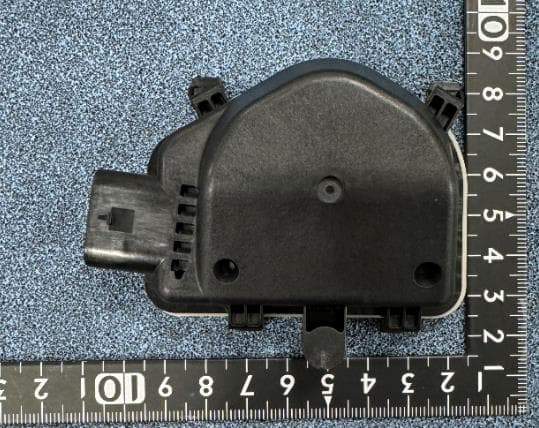
CWTB230X
Feb 07, 2024Sensor for opening and closing doors in cars
Equipment Class
FDS - Part 15 Field Disturbance Sensor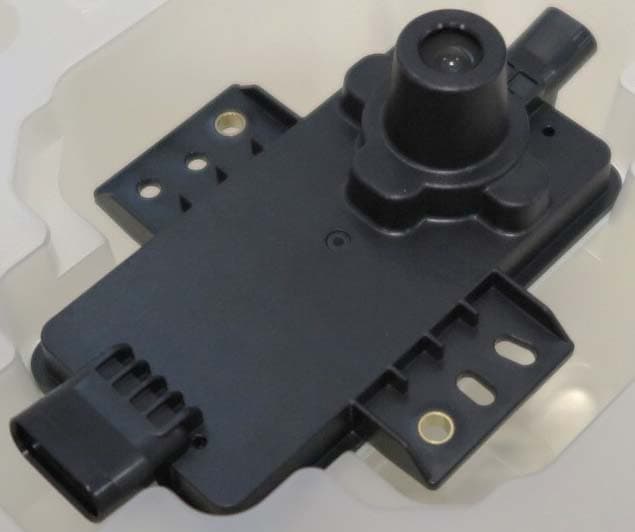
CWTB2211
Dec 26, 2023Automatic access gesture control
Equipment Class
DXX - Part 15 Low Power Communication Device Transmitter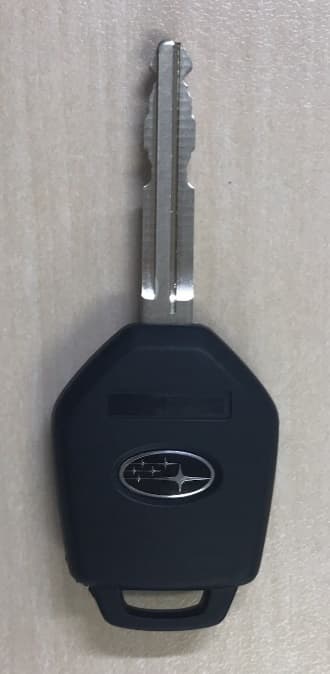
CWTB1G496
Aug 01, 2021KEYLESS ENTRY SYSTEM
Equipment Class
DSC - Part 15 Security/Remote Control Transmitter