JYCP8010Portable Handset with Multi-Band GSM/ WCDMA/ EDGE/ LTE with WLAN and Bluetooth
Pantech Co Ltd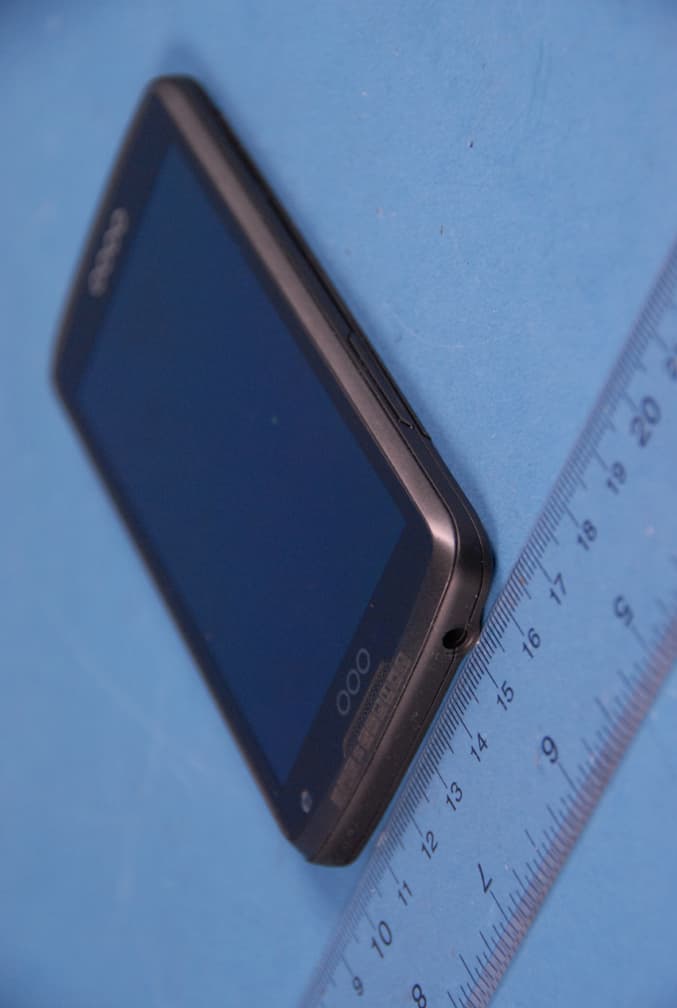
Click to zoom
Application Details
- Equipment Class
- PCE - PCS Licensed Transmitter held to ear
- Date of Grant
- May 14, 2012
- Application Purpose
- Original Equipment
- Date of Application
- Apr 30, 2012
- Equipment Note
- Portable Handset with Multi-Band GSM/ WCDMA/ EDGE/ LTE with WLAN and Bluetooth
- Frequency Range
- 1855.00000000 - 1905.00000000
- Company
- Pantech Co Ltd
- Country
- South Korea
Documents & Files
Document Text
Text extracted from the exhibit documents filed with the FCC. Open a document above to read the original.
Users Manual
3 1 1. Before Using Before Using 4 Before Using Important Safety Information Safety information The following list shows how to maintain your mobile phone and precautions to take as you use the device. xKeep your mobile phone and its accessories out of the reach of children and pets. xMaintain your mobile phone in dry conditions and keep it within normal operating temperatures. It may be damaged at temperatures higher than 55°C/131°F or lower than -20°C/-4°F. xDo not dry your phone in a microwave oven. Sparks may occur and cause an explosion or fire. xDo not use or store your mobile phone in dusty, dirty areas. xDo not disassemble your mobile phone. xDo not drop or cause severe impact to your mobile phone. xDo not clean your mobile phone with chemical products, cleaning solvents or detergents. xContact your dealer immediately if your mobile phone does not work properly. xUse only authorized batteries, battery chargers and accessories. Any malfunction or damage caused by the use of unauthorized batteries, battery chargers and accessories will void the limited product warranty. xEnsure that the battery and the battery charger do not come in contact with conductive objects. xFor optimal performance, use cases and accessories that do not contain magnets. Safety precautions xUsing a mobile phone while driving is prohibited. xUsing a mobile phone while driving can distract your attention and cause an accident. Always switch your phone off to drive safely. xIn an emergency, use a hands-free device built into your car or pull over in a safe place first. xCheck local laws and regulations and comply with them, with regard to the prohibition of mobile phone use while driving. Switch off in restricted areas Always switch your phone off in areas where mobile phone use is restricted. Switch off in an aircraft Always switch your phone off or select the airplane mode when you are in an aircraft. Electromagnetic waves emitted by your phone may affect the electronic navigation equipment in the aircraft. Switch off in hospitals and near medical equipment Always switch your phone off in hospitals and obey their regulations. Switch your phone off when using medical equipment for private purposes. Always consult with the medical equipment’s manufacturer or an expert regarding phone use near the medical equipment. 5 Before Using Switch off in dangerous areas Always switch your phone off in areas where explosive or dangerous materials (e.g. fuels or chemical products) are located and obey relevant instructions or signals. Do not insert or remove your mobile phone’s battery in such areas. Install a hands-free device in a safe location Install a hands-free device away from the steering wheel and airbag expansion areas. Otherwise you can be injured in a car accident. Keep away from other electronic devices Mobile phones emit electromagnetic waves that may affect nearby electronic devices. After switching on your phone, do not place it close to other electronic goods. About the battery usage Your phone is powered by a Lithium Ion (Li-Ion) battery. This type of battery typically has a longer lifespan than other types of batteries. However, it must be handled with care. Please read and follow these battery guidelines: xDo not use a damaged battery or charger. xDo not disassemble, open, crush, bend, deform, puncture, or shred the battery. xDo not modify or remanufacture the battery, insert foreign objects into the battery, immerse or expose the battery to water or other liquids, or expose it to fire, explosions, or other hazard. xDispose of and recycle used batteries in accordance with local regulations. Do not dispose of batteries by burning as they may explode. Do not use an unauthorized charger or battery. xUse the battery only for the device for which it is specified. xUse the battery with a charging device that has been qualified for the device. Use of an unqualified battery or charger may present a risk of fire, explosion, leakage, or other hazard. xDo not short circuit a battery or allow metallic conductive objects to contact battery terminals. xReplace the battery only with another battery that has been qualified with the device per the IEEE-Std-1725-2006. xChildren should not be allowed to handle the battery. xAvoid dropping the phone or the battery. If the phone or the battery is dropped, especially on a hard surface, and you suspect damage, take it to a service center for inspection. xUse your battery for its specified purpose only. xThe battery recharging time varies depending on the remaining battery capacity and the battery and charger type. xBattery life inevitably shortens over time. xSince overcharging may shorten battery life, remove the phone from its charger once it is fully charged. Unplug the charger once charging is complete. Do not store the battery in exceedingly hot or cold places, such as inside a car in the summer or winter as doing so may reduce its capacity and life span. 6 Table of contents 1. Before Using Before Using .....................................................................4 Safety information ......................................................................................4 Safety precautions ......................................................................................4 About the battery usage ............................................................................5 Trademarks.......................................................................8 About DivX video .........................................................................................8 Dolby Digital Plus/Dolby Mobile for Dolby Mobile Solutions 3 Plus Kits ......................................................................................................8 On-screen Indicators .....................................................9 2. Getting Started Getting Started ................................................................11 Layout .................................................…
Text truncated - open the document above for the full version.
Attestation Statements
Date: March 6, 2012 PCTEST TCB/CB Div. of PCTEST Engineering Lab., Inc. 6660-B Dobbin Road Columbia, MD 21045 Subject: Pantech Co., Ltd. FCC ID: JYCP8010 To Whom It May Concern: We attest the following regarding FCC ID: JYCP8010 1. Supported LTE Transmission Bands, channel BWs, and modulations: a) LTE Band 2 (Channel BW 5 , 10 MHz)/QPSK & 16QAM b) LTE Band 5 (Channel BW 5 , 10 MHz)/QPSK & 16QAM c) LTE Band 4 (Channel BW 5 , 10 MHz)/QPSK & 16QAM d) LTE Band 17 (Channel BW 5 , 10 MHz)/QPSK & 16QAM 2. MPR is enabled for this device, according to 3GPP TS 36.101 Section 6.2.3 – 6.2.5 under Table 6.2.3 – 1. With the MPR permanently implemented, this device will never operate at a power higher than 23.5 dBm in QPSK and 16QAM. 3. We confirm the specific MPR targets and tolerances shown below: a. The LTE MPR Targets for Band 2 (PCS) are: Band Bandwidth [MHz] Modulation RB Size RB Offset Target MPR [dB] Maximum MPR Allowed per 3GPP [dB] 5 QPSK 1 0 0 0 5 QPSK 1 24 0 0 5 QPSK 12 6 1 0-1 5 QPSK 25 0 1 0-1 5 16-QAM 1 0 1 0-1 5 16-QAM 1 24 1 0-1 5 16-QAM 12 6 2 0-2 5 16-QAM 25 0 2 0-2 10 QPSK 1 0 0 0 10 QPSK 1 49 0 0 10 QPSK 25 12 1 0-1 10 QPSK 50 0 1 0-1 10 16-QAM 1 0 1 0-1 10 16-QAM 1 49 1 0-1 10 16-QAM 25 12 2 0-2 LTE Band 2 10 16-QAM 50 0 2 0-2 Pantech Co Ltd Pantech Building, I-2, DMC Sangam-dong, Mapo-gu, Seoul, KOREA 121-792 b. The LTE MPR Targets for Band 5 (Cell.) are: Band Bandwidth [MHz] Modulation RB Size RB Offset Target MPR [dB] Maximum MPR Allowed per 3GPP [dB] 5 QPSK 1 0 0 0 5 QPSK 1 24 0 0 5 QPSK 12 6 1 0-1 5 QPSK 25 0 1 0-1 5 16-QAM 1 0 1 0-1 5 16-QAM 1 24 1 0-1 5 16-QAM 12 6 2 0-2 5 16-QAM 25 0 2 0-2 10 QPSK 1 0 0 0 10 QPSK 1 49 0 0 10 QPSK 25 12 1 0-1 10 QPSK 50 0 1 0-1 10 16-QAM 1 0 1 0-1 10 16-QAM 1 49 1 0-1 10 16-QAM 25 12 1 0-2 LTE Band 5 10 16-QAM 50 0 2 0-2 c. The LTE MPR Targets for Band 4 (AWS) are: Band Bandwidth [MHz] Modulation RB Size RB Offset Target MPR [dB] Maximum MPR Allowed per 3GPP [dB] 5 QPSK 1 0 0 0 5 QPSK 1 24 0 0 5 QPSK 12 6 1 0-1 5 QPSK 25 0 1 0-1 5 16-QAM 1 0 1 0-1 5 16-QAM 1 24 1 0-1 5 16-QAM 12 6 2 0-2 5 16-QAM 25 0 2 0-2 10 QPSK 1 0 0 0 10 QPSK 1 49 0 0 10 QPSK 25 12 1 0-1 10 QPSK 50 0 1 0-1 10 16-QAM 1 0 1 0-1 10 16-QAM 1 49 1 0-1 10 16-QAM 25 12 1 0-2 LTE Band 4 10 16-QAM 50 0 2 0-2 d. The LTE MPR Targets for Band 17 are: Band Bandwidth [MHz] Modulation RB Size RB Offset Target MPR [dB] Maximum MPR Allowed per 3GPP [dB] 5 QPSK 1 0 0 0 5 QPSK 1 24 0 0 5 QPSK 12 6 1 0-1 5 QPSK 25 0 1 0-1 5 16-QAM 1 0 1 0-1 5 16-QAM 1 24 1 0-1 5 16-QAM 12 6 2 0-2 5 16-QAM 25 0 2 0-2 10 QPSK 1 0 0 0 10 QPSK 1 49 0 0 10 QPSK 25 12 1 0-1 10 QPSK 50 0 1 0-1 10 16-QAM 1 0 1 0-1 10 16-QAM 1 49 1 0-1 10 16-QAM 25 12 1 0-2 Band 17 10 16-QAM 50 0 2 0-2 4. A-MPR was disabled for all SAR test samples for SAR testing purposes only. 5. This device does not implement power back-off schemes for SAR compliance. 6. We attest to the Simultaneous Tx listed on Operational Description to be accurate and furthermore, any other simultaneous Tx combinations not listed on the SAR report are not supported by software/hardware design. Should you have any questions or comments concerning the above, please contact the undersigned. Sincerely,
Cover Letter(s)
PANTECH PANTECH BLDG, I-2 ,DMC, Sang Am dong, Mapo- Gu, Seoul, 121-792, Korea Date: 2012. 2. 23 Federal Communications Commission Authorization and Evaluation Division 7435 Oakland Mills Road, Columbia, MD 21046 RE: Request of Confidentiality for FCC ID: JYCP8010 To Whom It May Concern: Pursuant to Sections 0.457 and 0.459 of the Commission’s Rules (CFR 47), and Section 552 (b) (4) of the Freedom of Information Act, PANTECH hereby requests confidentiality and treatment of certain information accompanying this application. The materials contain trade secrets and proprietary information not customarily released to the public. The public disclosure of these matters might be harmful to the Applicant and provide unjustified benefits to its competitors. We are also hereby request Short-Term Confidentiality for 180 days after the grant as outlined in Public Notice DA 04-1705. This provision will give PANTECH temporary confidentiality of commercially sensitive information prior to product release. The requested Permanent and Temporary Confidential exhibits are listed as follows: CONFIDENTIAL LIST Exhibit Description 1 Block Diagram 2 Operational Descriptions 3 Parts Lists and Tune-Up Procedure PERMANENT 4 Schematics 5 External Photos 6 Internal Photos 7 Test-Setup Photos SHORT-TERM CONFIDENTIAL 8 User’s Manual The Applicant understands that pursuant to Rule 0.457, disclosure of this application and all accompanying documentations, where applicable, will not be made public before the date of the Grant for this application. Sincerely, Park Hee su, Principal MTS Pantech.co
Cover Letter(s)
PANTECH PANTECH BLDG, I-2 ,DMC, Sang Am dong, Mapo- Gu, Seoul, 121-792, Korea <2012.02.23> Federal Communications Commission Equipment Approval Services 7435 Oakland Mills Road Columbia, MD 21046 SUBJECT: <PANTECH> FCC ID: <JYCP8010> Part 20.19 Certification To Whom It May Concern: The following are the model designations and their associated key features for this FCC ID, according to requirement in the TCB Guidance issued on June 20, 2008. FCC ID: JYCP8010 Model(s): P8010 HAC Rating M3,T3 Bluetooth MP3 Player WiFi Key Features: Should you have any questions or comments concerning the above, please contact the undersigned. Sincerely, Park Hee su, Principal MTS Pantech.co
Cover Letter(s)
PANTECH PANTECH BLDG, I-2 ,DMC, Sang Am dong, Mapo- Gu, Seoul, 121-792, Korea <2012.02.23> Federal Communications Commission Equipment Approval Services 7435 Oakland Mills Road Columbia, MD 21046 SUBJECT: <PANTECH> FCC ID: <JYCP8010> Part 20.19 Certification To Whom It May Concern: We, <Pantech>, hereby declare the samples evaluated in this application are equivalent to production samples. Should you have any questions or comments concerning the above, please contact the undersigned. Sincerely, <authorized signature> Park Hee su, Principal MTS Pantech.co
External Photos
Pantech FCC ID: JYCP8010 Model: P8010 External Photos EUT Type: Portable Handset Page 1 of 4 © 2012 PCTEST Engineering Laboratory Inc. EXTERNAL PHOTOGRAPHS Pantech FCC ID: JYCP8010 Model: P8010 External Photos EUT Type: Portable Handset Page 2 of 4 © 2012 PCTEST Engineering Laboratory Inc. Pantech FCC ID: JYCP8010 Model: P8010 External Photos EUT Type: Portable Handset Page 3 of 4 © 2012 PCTEST Engineering Laboratory Inc. Pantech FCC ID: JYCP8010 Model: P8010 External Photos EUT Type: Portable Handset Page 4 of 4 © 2012 PCTEST Engineering Laboratory Inc.
Internal Photos
Pantech FCC ID: JYCP8010 Model: P8010 Internal Photos EUT Type: Portable Handset Page 1 of 7 © 2012 PCTEST Engineering Laboratory Inc. INTERNAL PHOTOGRAPHS Pantech FCC ID: JYCP8010 Model: P8010 Internal Photos EUT Type: Portable Handset Page 2 of 7 © 2012 PCTEST Engineering Laboratory Inc. Pantech FCC ID: JYCP8010 Model: P8010 Internal Photos EUT Type: Portable Handset Page 3 of 7 © 2012 PCTEST Engineering Laboratory Inc. Pantech FCC ID: JYCP8010 Model: P8010 Internal Photos EUT Type: Portable Handset Page 4 of 7 © 2012 PCTEST Engineering Laboratory Inc. Pantech FCC ID: JYCP8010 Model: P8010 Internal Photos EUT Type: Portable Handset Page 5 of 7 © 2012 PCTEST Engineering Laboratory Inc. Pantech FCC ID: JYCP8010 Model: P8010 Internal Photos EUT Type: Portable Handset Page 6 of 7 © 2012 PCTEST Engineering Laboratory Inc. Pantech FCC ID: JYCP8010 Model: P8010 Internal Photos EUT Type: Portable Handset Page 7 of 7 © 2012 PCTEST Engineering Laboratory Inc.
RF Exposure Info
Reviewed by: FCC ID: JYCP8010 SAR EVALUATION REPORT Quality Manager Document S/N: Test Dates: DUT Type: 0Y1202100185.JYC 02/09/12 - 03/07/12 Portable Handset Page 1 of 1 © 2012 PCTEST Engineering Laboratory, Inc. REV 11.1 M 02/20/2012 Applicant Name: Date of Testing: Pantech, Co. Ltd. 02/09/12 - 03/07/12 Pantech Building, I-2, DMC Test Site/Location: Sangam-dong, Mapo-gu, PCTEST Lab, Columbia, MD, USA Seoul, KOREA 121-792 Document Serial No.: 0Y1202100185.JYC FCC ID: JYCP8010 APPLICANT: Pantech, Co. Ltd. DUT Type: Portable Handset Application Type: Certification FCC Rule Part(s): Model(s): CFR §2.1093 P8010 1 gm Head (W/kg) 1 gm Body- Worn (W/kg) 1 gm Hotspot (W/kg) GSM/GPRS/EDGE 850824.20 - 848.80 MHz33.35 0.341.021.02 WCDMA/HSPA 850826.40 - 846.60 MHz23.090.22 0.390.39 GSM/GPRS/EDGE 19001850.20 - 1909.80 MHz29.750.36 0.540.54 WCDMA/HSPA 19001852.4 - 1907.6 MHz23.060.66 0.620.62 LTE Band 17706.5 - 713.5 MHz23.320.18 0.420.42 LTE Band 5 (Cell)826.5 - 846.5 MHz23.050.37 0.450.45 LTE Band 4 (AWS)1712.5 - 1752.5 MHz22.980.65 0.730.73 LTE Band 2 (PCS)1852.5 - 1907.5 MHz23.470.55 0.430.44 2.4 GHz WLAN2412 - 2462 MHz17.700.29 0.150.15 5.8 GHz WLAN5745 - 5825 MHz9.05N/ AN/AN/A 5.2 GHz WLAN5180 - 5240 MHz9.99N/AN/AN/A 5.3 GHz WLAN5260 - 5320 MHz9.70N/AN/AN/A 5.5 GHz WLAN5500 - 5700 MHz9.70N/AN/AN/A Bluetooth2402 - 2480 MHz2.99 0.900.881.17 SAR Band & ModeTx Frequency Conducted Power [dBm] N/A Simultaneous SAR per KDB 690783 D01: Note: Powers in the above table represent output powers for the SAR test configurations and may not represent the highest output powers for all configurations for each mode. This wireless portable device has been shown to be capable of compliance for localized specific absorption rate (SAR) for uncontrolled environment/general population exposure limits specified in ANSI/IEEE C95.1-1992 and has been tested in accordance with the measurement procedures specified in FCC/OET Bulletin 65 Supplement C (2001), IEEE 1528-2003 and in applicable Industry Canada Radio Standards Specifications (RSS); for North American frequency bands only. I attest to the accuracy of data. All measurements reported herein were performed by me or were made under my supervision and are correct to the best of my knowledge and belief. I assume full responsibility for the completeness of these measurements and vouch for the qualifications of all persons taking them. Test results reported herein relate only to the item(s) tested. PCTEST certifies that no party to this application has been subject to a denial of Federal benefits that includes FCC benefits to Section 5301 of the Anti-Drug Abuse Act of 1988, 21 U.S.C. 862. PCTEST ENGINEERING LABORATORY, INC. 6660-B Dobbin Road, Columbia, MD 21045 USA Tel. +1.410.290.6652 / Fax +1.410.290.6654 http://www.pctestlab.com SAR EVALUATION REPORT Reviewed by: FCC ID: JYCP8010 SAR EVALUATION REPORT Quality Manager Document S/N: Test Dates: DUT Type: 0Y1202100185.JYC 02/09/12 - 03/07/12 Portable Handset Page 2 of 2 © 2012 PCTEST Engineering Laboratory, Inc. REV 11.1 M 02/20/2012 TABLE OF CONTENTS 1 DEVICE UNDER TEST ................................................................................................................... 3 2 LTE CHECKLIST PER KDB 941225 D05 ....................................................................................... 7 3 INTRODUCTION ............................................................................................................................. 8 4 SAR MEASUREMENT SETUP ....................................................................................................... 9 5 DOSIMETRIC ASSESSMENT ...................................................................................................... 12 6 DEFINITION OF REFERENCE POINTS ...................................................................................... 13 7 TEST CONFIGURATION POSITIONS FOR HANDSETS ............................................................ 14 8 FCC RF EXPOSURE LIMITS........................................................................................................ 17 9 FCC MEASUREMENT PROCEDURES........................................................................................ 18 10 RF CONDUCTED POWERS......................................................................................................... 22 11 SYSTEM VERIFICATION.............................................................................................................. 32 12 SAR DATA SUMMARY ................................................................................................................. 35 13 FCC MULTI-TX AND ANTENNA SAR CONSIDERATIONS......................................................... 51 14 EQUIPMENT LIST......................................................................................................................... 55 15 MEASUREMENT UNCERTAINTIES ............................................................................................ 56 16 CONCLUSION............................................................................................................................... 57 17 REFERENCES .............................................................................................................................. 58 Reviewed by: FCC ID: JYCP8010 SAR EVALUATION REPORT Quality Manager Document S/N: Test Dates: DUT Type: 0Y1202100185.JYC 02/09/12 - 03/07/12 Portable Handset Page 3 of 3 © 2012 PCTEST Engineering Laboratory, Inc. REV 11.1 M 02/20/2012 1 DEVICE UNDER TEST 1.1 Device Overview GSM/GPRS/EDGE 850824.20 - 848.80 MHz WCDMA/HSPA 850826.40 - 846.60 MHz GSM/GPRS/EDGE 19001850.20 - 1909.80 MHz WCDMA/HSPA 19001852.4 - 1907.6 MHz LTE Band 17706.5 - 713.5 MHz LTE Band 5 (Cell)826.5 - 846.5 MHz LTE Band 4 (AWS)1712.5 - 1752.5 MHz LTE Band 2 (PCS)1852.5 - 1907.5 MHz 2.4 GHz WLAN2412 - 2462 MHz 5.8 GHz WLAN5745 - 5825 MHz 5.2 GHz WLAN5180 - 5240 MHz 5.3 GHz WLAN5260 - 5320 MHz 5.5 GHz WLAN5500 - 5700 MHz Bluetooth2402 …
Text truncated - open the document above for the full version.
RF Exposure Info
© 2012 PCTEST Engineering Laboratory, Inc. APPENDIX A: SAR TEST DATA PCTEST ENGINEERING LABORATORY, INC. DUT: JYCP8010; Type: Portable Handset; Serial: 089C10160 Communication System: LTE BAND 17; Frequency: 710 MHz;Duty Cycle: 1:1 Medium: 695 Head Medium parameters used: f = 710 MHz; σ = 0.882 mho/m; ε r = 43.1; ρ = 1000 kg/m 3 Phantom se ction: Right Section Test Date: 02-16-2012; Ambient Temp: 24.7 °C ; Tissue Temp: 23.3 °C Probe: EX3DV4 - SN3561; ConvF(8.38, 8.38, 8.38); Calibrated: 7/27/2011 Sensor-Surface: 4mm (Mechanical Surface Detection) Electronics: DAE4 Sn665; Calibrated: 4/20/2011 Phantom: SAM Main; Type: SAM 4.0; Serial: TP-1114 Measurement SW: DASY4, V4.7 Build 80; Postprocessing SW: SEMCAD, V1.8 Build 186 Mode: LTE Band 17, Right Head, Touch, Mid.ch QPSK, 10 MHz BW, 1 RB, 49 RB Offset Area Scan (8x12x1): Measurement grid: dx=15mm, dy=15mm Zoom Scan (5x5x7)/Cube 0: Measurement grid: dx=8mm, dy=8mm, dz=5mm Reference Value = 14.5 V/m; Power Drift = 0.169 dB Peak SAR (extrapolated) = 0.223 W/kg SAR(1 g) = 0.173 mW/g; SAR(10 g) = 0.131 mW/g 0 dB = 0.181mW/g A1 PCTEST ENGINEERING LABORATORY, INC. DUT: JYCP8010; Type: Portable Handset; Serial: 089C10160 Communication System: LTE BAND 17; Frequency: 710 MHz;Duty Cycle: 1:1 Medium: 695 Head Medium parameters used: f = 710 MHz; σ = 0.882 mho/m; ε r = 43.1; ρ = 1000 kg/m 3 Phantom se ction: Right Section Test Date: 02-16-2012; Ambient Temp: 24.7 °C ; Tissue Temp: 23.3 °C Probe: EX3DV4 - SN3561; ConvF(8.38, 8.38, 8.38); Calibrated: 7/27/2011 Sensor-Surface: 4mm (Mechanical Surface Detection) Electronics: DAE4 Sn665; Calibrated: 4/20/2011 Phantom: SAM Main; Type: SAM 4.0; Serial: TP-1114 Measurement SW: DASY4, V4.7 Build 80; Postprocessing SW: SEMCAD, V1.8 Build 186 Mode: LTE Band 17, Right Head, Tilt, Mid.ch QPSK, 10 MHz BW, 1 RB, 49 RB Offset Area Scan (8x12x1): Measurement grid: dx=15mm, dy=15mm Zoom Scan (5x5x7)/Cube 0: Measurement grid: dx=8mm, dy=8mm, dz=5mm Reference Value = 12.0 V/m; Power Drift = 0.048 dB Peak SAR (extrapolated) = 0.146 W/kg SAR(1 g) = 0.117 mW/g; SAR(10 g) = 0.089 mW/g 0 dB = 0.124mW/g A2 PCTEST ENGINEERING LABORATORY, INC. DUT: JYCP8010; Type: Portable Handset; Serial: 089C10160 Communication System: LTE BAND 17; Frequency: 710 MHz;Duty Cycle: 1:1 Medium: 695 Head Medium parameters used: f = 710 MHz; σ = 0.882 mho/m; ε r = 43.1; ρ = 1000 kg/m 3 Phantom se ction: Left Section Test Date: 02-16-2012; Ambient Temp: 24.7 °C ; Tissue Temp: 23.3 °C Probe: EX3DV4 - SN3561; ConvF(8.38, 8.38, 8.38); Calibrated: 7/27/2011 Sensor-Surface: 4mm (Mechanical Surface Detection) Electronics: DAE4 Sn665; Calibrated: 4/20/2011 Phantom: SAM Main; Type: SAM 4.0; Serial: TP-1114 Measurement SW: DASY4, V4.7 Build 80; Postprocessing SW: SEMCAD, V1.8 Build 186 Mode: LTE Band 17, Left Head, Touch, Mid.ch QPSK, 10 MHz BW, 1 RB, 49 RB Offset Area Scan (8x12x1): Measurement grid: dx=15mm, dy=15mm Zoom Scan (5x5x7)/Cube 0: Measurement grid: dx=8mm, dy=8mm, dz=5mm Reference Value = 15.0 V/m; Power Drift = 0.053 dB Peak SAR (extrapolated) = 0.215 W/kg SAR(1 g) = 0.180 mW/g; SAR(10 g) = 0.142 mW/g 0 dB = 0.188mW/g A3 PCTEST ENGINEERING LABORATORY, INC. DUT: JYCP8010; Type: Portable Handset; Serial: 089C10160 Communication System: LTE BAND 17; Frequency: 710 MHz;Duty Cycle: 1:1 Medium: 695 Head Medium parameters used: f = 710 MHz; σ = 0.882 mho/m; ε r = 43.1; ρ = 1000 kg/m 3 Phantom se ction: Left Section Test Date: 02-16-2012; Ambient Temp: 24.7 °C ; Tissue Temp: 23.3 °C Probe: EX3DV4 - SN3561; ConvF(8.38, 8.38, 8.38); Calibrated: 7/27/2011 Sensor-Surface: 4mm (Mechanical Surface Detection) Electronics: DAE4 Sn665; Calibrated: 4/20/2011 Phantom: SAM Main; Type: SAM 4.0; Serial: TP-1114 Measurement SW: DASY4, V4.7 Build 80; Postprocessing SW: SEMCAD, V1.8 Build 186 Mode: LTE Band 17, Left Head, Tilt, Mid.ch QPSK, 10 MHz BW, 1 RB, 49 RB Offset Area Scan (8x12x1): Measurement grid: dx=15mm, dy=15mm Zoom Scan (5x5x7)/Cube 0: Measurement grid: dx=8mm, dy=8mm, dz=5mm Reference Value = 11.5 V/m; Power Drift = 0.147 dB Peak SAR (extrapolated) = 0.139 W/kg SAR(1 g) = 0.111 mW/g; SAR(10 g) = 0.087 mW/g 0 dB = 0.117mW/g A4 DUT: JYCP8010; Type: Portable Handset; Serial: 089C10135 Communication System: GSM850; Frequency: 836.6 MHz;Duty Cycle: 1:8.3 Medium: 835 Head Medium parameters used (interpolated): f = 836.6 MHz; σ = 0.864 mho/m; ε r = 40.5; ρ = 1000 kg/m 3 Phantom section: Right Section Test Date: 02-13-2012; Ambient Temp: 23.2°C; Tissue Temp: 21.3°C Probe: ES3DV3 - SN3209; ConvF(6.17, 6.17, 6.17); Calibrated: 4/18/2011 Sensor-Surface: 4mm (Mechanical Surface Detection) Electronics: DAE4 Sn1272; Calibrated: 1/18/2012 Phantom: SAM Sub; Type: SAM 4.0; Serial: TP-1403 Measurement SW: DASY4, V4.7 Build 80; Postprocessing SW: SEMCAD, V1.8 Build 186 Mode: GSM 850, Right Head, Touch, Mid.ch Area Scan (7x14x1): Measurement grid: dx=15mm, dy=15mm Zoom Scan (5x5x7)/Cube 0: Measurement grid: dx=8mm, dy=8mm, dz=5mm Reference Value = 19.1 V/m; Power Drift = -0.012 dB Peak SAR (extrapolated) = 0.367 W/kg SAR(1 g) = 0.298 mW/g; SAR(10 g) = 0.223 mW/g 0 dB = 0.316mW/g A5 DUT: JYCP8010; Type: Portable Handset; Serial: 089C10135 Communication System: GSM850; Frequency: 836.6 MHz;Duty Cycle: 1:8.3 Medium: 835 Head Medium parameters used (interpolated): f = 836.6 MHz; σ = 0.864 mho/m; ε r = 40.5; ρ = 1000 kg/m 3 Phantom section: Right Section Test Date: 02-13-2012; Ambient Temp: 23.2°C; Tissue Temp: 21.3°C Probe: ES3DV3 - SN3209; ConvF(6.17, 6.17, 6.17); Calibrated: 4/18/2011 Sensor-Surface: 4mm (Mechanical Surface Detection) Electronics: DAE4 Sn1272; Calibrated: 1/18/2012 Phantom: SAM Sub; Type: SAM 4.0; Serial: TP-1403 Measurement SW: DASY4, V4.7 Build 80; Postprocessing SW: SEMCAD, V1.8 Build 186 Mode: GSM 850, Right Head, Tilt, Mid.ch Area Scan (7x14x1): Measurement grid: dx=15mm, dy=15mm Zoom Scan (5x5x7)/Cube 0: Measurement grid: dx=8mm, dy=8mm, dz=5mm Reference Value = 16.0 V/m; Power Drift = -0.022 dB Peak SAR (extrapolated) = 0.252 W/kg SAR(1 g) = 0.206 mW/g;…
Text truncated - open the document above for the full version.
RF Exposure Info
© 2012 PCTEST Engineering Laboratory, Inc. APPENDIX B: SYSTEM VERIFICATION PCTEST ENGINEERING LABORATORY, INC. DUT: Dipole 750 MHz; Type: D750V3; Serial: 1003 Communication System: CW; Frequency: 750 MHz;Duty Cycle: 1:1 Medium: 740 Head Medium parameters used (interpolated): f = 750 MHz; σ = 0.924 mho/m; ε r = 42.7; ρ = 1000 kg/m 3 Phantom section: Flat Section; Space: 1.5 cm Test Date: 02-16-2012; Ambient Temp: 24.7°C; Tissue Temp: 23.3°C Probe: EX3DV4 - SN3561; ConvF(8.38, 8.38, 8.38); Calibrated: 7/27/2011 Sensor-Surface: 4mm (Mechanical Surface Detection) Electronics: DAE4 Sn665; Calibrated: 4/20/2011 Phantom: SAM Main; Type: SAM 4.0; Serial: TP-1114 Measurement SW: DASY4, V4.7 Build 80; Postprocessing SW: SEMCAD, V1.8 Build 186 750MHz System Verification Area Scan (7x13x1): Measurement grid: dx=15mm, dy=15mm Zoom Scan (5x5x7)/Cube 0: Measurement grid: dx=8mm, dy=8mm, dz=5mm Input Power = 20 dBm (100 mW) SAR(1 g) = 0.877 mW/g; SAR(10 g) = 0.572 mW/g Deviation = 4.40 % 0 dB = 0.947mW/g B1 PCTEST ENGINEERING LABORATORY, INC. DUT: Dipole 750 MHz; Type: D750V3; Serial: 1003 Communication System: CW; Frequency: 750 MHz;Duty Cycle: 1:1 Medium: 740 Head Medium parameters used (interpolated): f = 750 MHz; σ = 0.924 mho/m; ε r = 42.7; ρ = 1000 kg/m 3 Phantom section: Flat Section; Space: 1.5 cm Test Date: 02-16-2012; Ambient Temp: 24.7°C; Tissue Temp: 23.3°C Probe: EX3DV4 - SN3561; ConvF(8.38, 8.38, 8.38); Calibrated: 7/27/2011 Sensor-Surface: 4mm (Mechanical Surface Detection) Electronics: DAE4 Sn665; Calibrated: 4/20/2011 Phantom: SAM Main; Type: SAM 4.0; Serial: TP-1114 Measurement SW: DASY4, V4.7 Build 80; Postprocessing SW: SEMCAD, V1.8 Build 186 750MHz System Verification Area Scan (7x13x1): Measurement grid: dx=15mm, dy=15mm Zoom Scan (5x5x7)/Cube 0: Measurement grid: dx=8mm, dy=8mm, dz=5mm Input Power = 20 dBm (100 mW) SAR(1 g) = 0.877 mW/g; SAR(10 g) = 0.572 mW/g Deviation = 4.40 % B2 PCTEST ENGINEERING LABORATORY, INC. DUT: SAR Dipole 835 MHz; Type: D835V2; Serial: 4d026 Communic ation System: CW; Frequency: 835 MHz;Duty Cycle: 1:1 Medium: 835 Head Medium parameters used: f = 835 MHz; σ = 0.862 mho/m; ε r = 40.5; ρ = 1000 kg/m 3 Phantom se ction: Flat Section; Space: 1.5 cm Test Date: 02-13-2012; Ambient Temp: 23.2 ° C ; Tissue Temp: 21.3 ° C Probe: ES3DV3 - SN3209; ConvF(6.17, 6.17, 6.17); Calibrated: 4/18/2011 Sensor-Surface: 4mm (Mechanical Surface Detection) Electronics: DAE4 Sn1272; Calibrated: 1/18/2012 Phantom: SAM Sub; Type: SAM 4.0; Serial: TP-1403 Measurement SW: DASY4, V4.7 Build 80; Postprocessing SW: SEMCAD, V1.8 Build 186 835MHz Syste m Ver ification Area Scan (7x13x1): Measurement grid: dx=15mm, dy=15mm Zoom Scan (5x5x7)/Cube 0: Measurement grid: dx=8mm, dy=8mm, dz=5mm Input Power = 20.0 dBm (100 mW) SAR(1 g) = 0.969 mW/g; SAR(10 g) = 0.634 mW/g Deviation = 2.43 % 0 dB = 1.05mW/g B3 PCTEST ENGINEERING LABORATORY, INC. DUT: SAR Dipole 835 MHz; Type: D835V2; Serial: 4d026 Communication System: CW; Frequency: 835 MHz;Duty Cycle: 1:1 Medium: 835 Head Medium parameters used: f = 835 MHz; σ = 0.862 mho/m; ε r = 40.5; ρ = 1000 kg/m 3 Phantom se ction: Flat Section; Space: 1.5 cm Test Date: 02-13-2012; Ambient Temp: 23.2 ° C ; Tissue Temp: 21.3 ° C Probe: ES3DV3 - SN3209; ConvF(6.17, 6.17, 6. 17); Calibrated: 4/18/2011 Sensor-Surface: 4mm (Mechanical Surface Detection) Electronics: DAE4 Sn1272; Calibrated: 1/18/2012 Phantom: SAM Sub; Type: SAM 4.0; Serial: TP-1403 Measurement SW: DASY4, V4.7 Build 80; Postprocessing SW: SEMCAD, V1.8 Build 186 835MHz System Verification Area Scan (7x13x1): Measurement grid: dx=15mm, dy=15mm Zoom Scan (5x5x7)/Cube 0: Measurement grid: dx=8mm, dy=8mm, dz=5mm Input Power = 20.0 dBm (100 mW) SAR(1 g) = 0.969 mW/g; SAR(10 g) = 0.634 mW/g Deviation = 2.43 % B4 PCTEST ENGINEERING LABORATORY, INC. DUT: Dipole 835 MHz; Type: D835V2; Serial: 4d026 Communication System: CW; Frequency: 835 MHz;Duty Cycle: 1:1 Medium: 835 Head Medium parameters used: f = 835 MHz; σ = 0.916 mho/m; ε r = 43.3; ρ = 1000 kg/m 3 Phantom s ection: Flat Section; Space: 1.5 cm Test Date: 02-16-2012; Ambient Temp: 23.8 ° C ; Tissue Temp: 22.8 ° C Probe: ES3DV3 - SN3209; ConvF(6.17, 6.17, 6.17); Calibrated: 4/18/2011 Sensor-Surface: 4mm (Mechanical Surface Detection) Electronics: DAE4 Sn1272; Calibrated: 1/18/2012 Phantom: SAM Main; Type: SAM 4.0; Serial: TP-1406 Measurement SW: DASY4, V4.7 Build 80; Postprocessing SW: SEMCAD, V1.8 Build 186 835MHz System Verification Area Sc…
Text truncated - open the document above for the full version.
Contact Information
Applicant
Bum-Young Lee(Vice President)
Technical Contact
PCTEST Engineering Lab., Inc.Randy Ortanez
[email protected]410-290-6652
6660-B Dobbin Road · Columbia, Maryland · United States
Test Firm
Element Materials Technology Washington DC LLCRandy Ortanez
Technical Specifications
| # | Rule Parts | Frequency Range | Power Output | Emission | Tolerance |
|---|---|---|---|---|---|
| 22 | 24E | 1.85 GHz - 1.91 GHz | 208.00 mW | 8M96W7D | 2.5 ppm |
Other Applications from Pantech Co Ltd
JYCP2050
Aug 04, 2013GSM/WCDMA Phone with Bluetooth
Equipment Class
PCE - PCS Licensed Transmitter held to ear
JYCORBIT
Feb 19, 2013CDMA/PCS,GSM,WCDMA,LTE Portable Router with WLAN
Equipment Class
PCB - PCS Licensed Transmitter
JYCPREMIAV
Sep 06, 2012CDMA/GSM/LTE Phone with BT/WLAN/NFC
Equipment Class
DTS - Digital Transmission System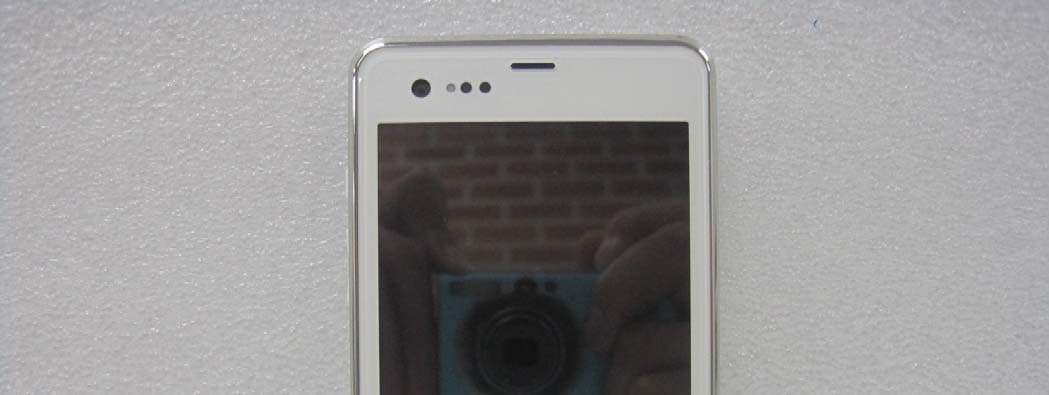
JYCCDMAPTL21
Aug 29, 2012GSM/WCDMA/CDMA Phone with Bluetooth/WLAN/NFC
Equipment Class
DSS - Part 15 Spread Spectrum Transmitter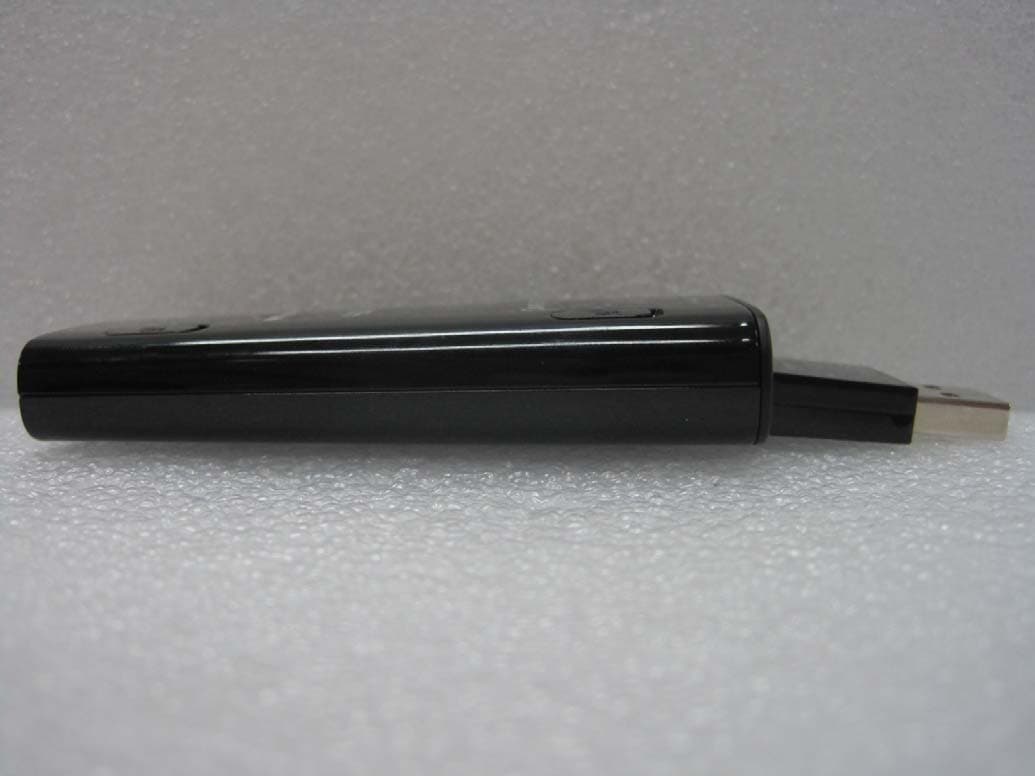
JYCSPARKLE
Aug 21, 2012CDMA/GSM/EDGE/WCDMA/LTE USB Data Dongle
Equipment Class
PCB - PCS Licensed Transmitter