LF5MICSIMPLANT2Implantable cardiac device
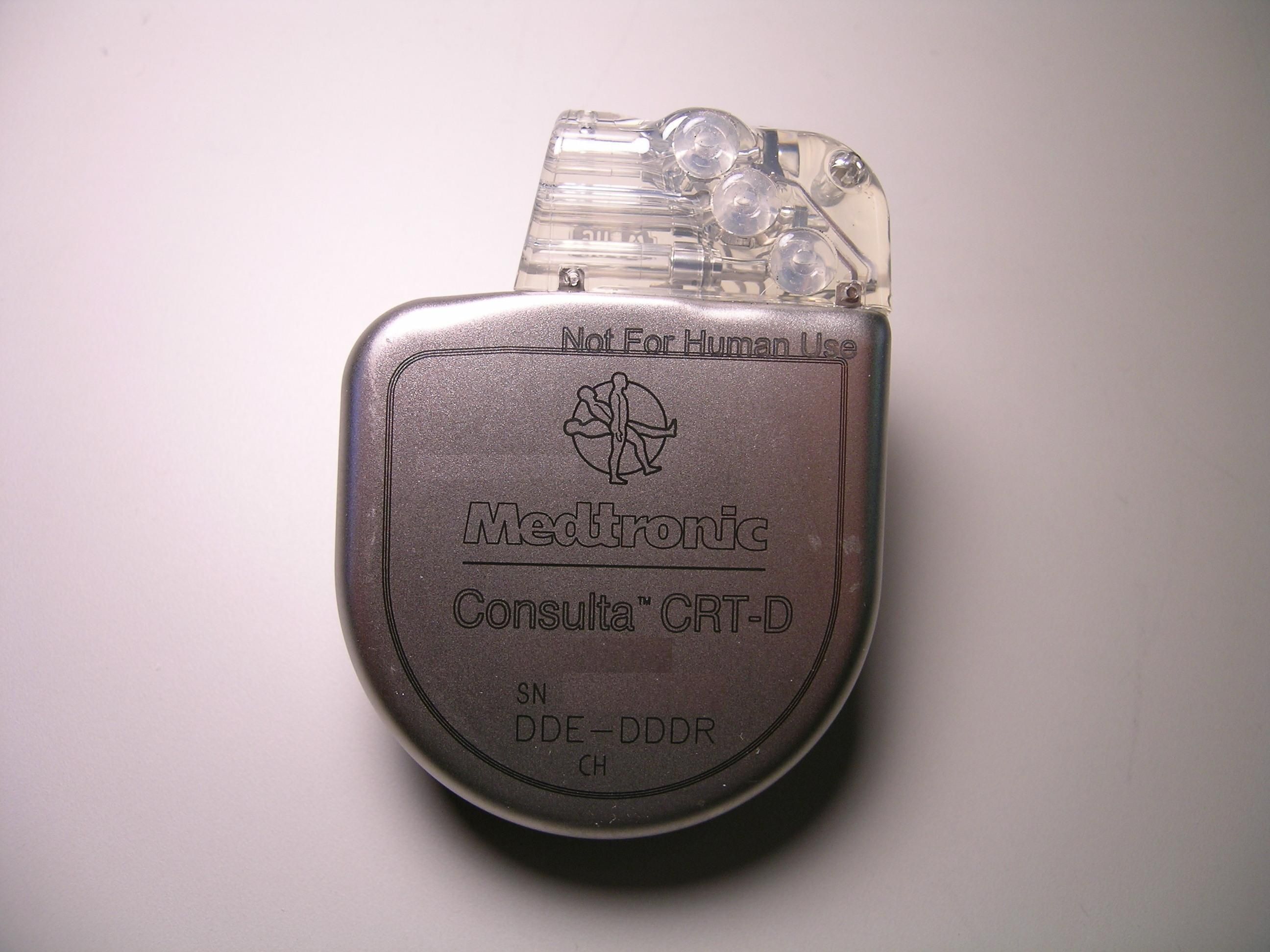
Medtronic, Inc.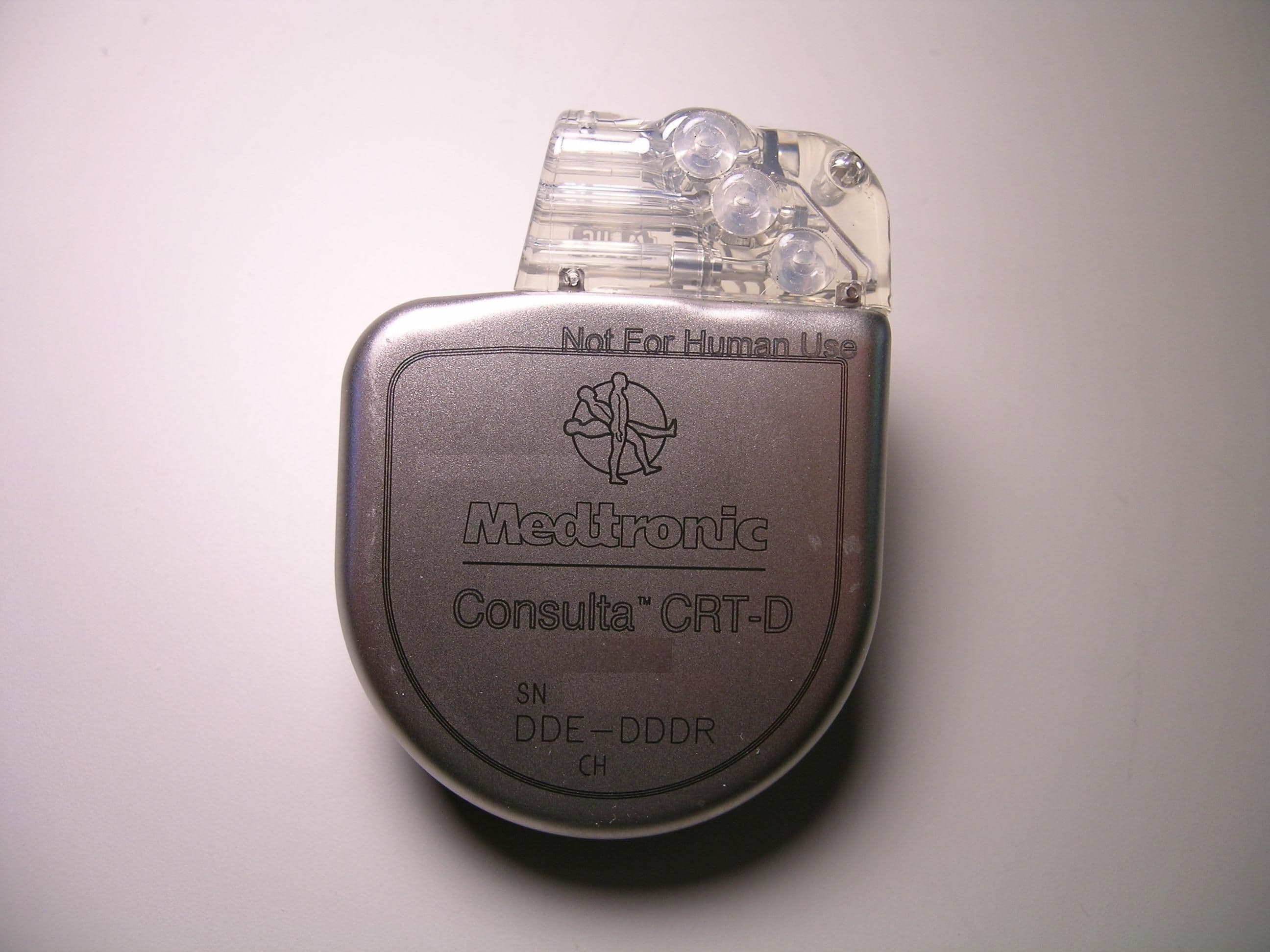
Click to zoom
Application Details
- Equipment Class
- TNT - Licensed Non-Broadcast Transmitter Worn on Body
- Date of Grant
- Feb 29, 2008
- Application Purpose
- Original Equipment
- Date of Application
- Jun 25, 2007
- Equipment Note
- Implantable cardiac device
- Frequency Range
- 402.00000000 - 405.00000000
- Company
- Medtronic, Inc.
- Country
- United States
Documents & Files
Document Text
Text extracted from the exhibit documents filed with the FCC. Open a document above to read the original.
Users Manual
ECOMarket ReleaseDBLxxxxxxxxxxx Printinginstructions:doc# xxxxxx; refer to ’Implant manuals’ row in the applicable table. XXXXXX ™ GENII Implantable Cardioverter Defibrillator Implant Manual Caution:Federal law (USA)restrictsthis devicetosaleby orontheorderofa physicianorproperly licensedpractitioner. 198483001CMedtronicConfidentialComposed:2002-02-1411:48 MedtronCRM B,C xxxx-xx-xx ECOMarket ReleaseDBL:xxxxxxxxxxx Printinginstructions:doc# xxxxxx; refer to ’Implant manuals’ row in the applicable table. ThefollowingaretrademarksofMedtronic. Active Can,CapSure, CardiacCompass, Flashback, GEM,GEMDR,MarkerChannel, Marquis II, Medtronic, PR Logic, Patient Alert, Quick Look, Sigma 198483001CMedtronicConfidentialComposed: xxxx-xx-xx11:48 MedtronCRMB ,Cxxxx-xx-xx ECOMarket ReleaseDBL:xxxxxxxxxx Printinginstructions:doc#xxxxxxx; refer to ’Implant manuals’ row in the applicable table. TableofContents 1Description3 2Indicationsandusage3 3Contraindications3 4Warningsandprecautions3 4.1Storageandhandling4 4.2Resterilization4 4.3Deviceoperation4 4.4Leadevaluationandleadconnection5 4.5Follow-uptesting5 4.6Explantanddisposal6 4.7Medicaltherapy hazards6 4.8Homeandoccupationalenvironments7 5Adverseevents8 5.1Observedadverseevents8 5.2Potentialadverseevents10 6Clinicalstudies11 6.1Acutestudy11 6.2Implantstudy11 7Patientselectionandtreatment15 7.1Individualizationoftreatment15 7.2Specificpatientpopulations15 8Patientcounselinginformation16 9Conformancetostandards16 10How supplied16 11Clinicianuseinformation16 11.1Physiciantraining16 11.2Directionsforuse16 11.3Maintainingdeviceeffectiveness17 12Patientinformation17 13Implantprocedure17 13.1Pre-operative programming18 13.2Testingleadoperation18 13.3Connectingleadstotheimplanteddevice19 13.4Defibrillationthresholdtesting20 13.5Placingthedevice21 13.6Programming21 13.7ReplacinganoldICD21 14Featuresummary22 14.1Tachyarrhythmiaoperations22 14.2Pacingoperations22 1 198483001CMedtronicConfidentialComposed:2xxxx-xx-xx11:48 MedtronCRMB,Cxxxxx-xx-xx ECOMarket ReleaseDBL:xxxxxxxxxxx Printinginstructions:doc#xxxxxx; refer to ’Implant manuals’ row in the applicable table. 14.3Monitoringoperations23 15Productspecifications23 15.1Physicalspecifications(nominal)23 15.2Replacementindicators23 15.3Projectedlongevity24 15.4Magnetbehavior26 15.5Functionalparameters26 2 198483001CMedtronicConfidentialComposed: xxxx-xx-xx11:48 MedtronCRMB ,Cxxxx-xx-xx ECOMarket ReleaseDBL:xxxxxxxxxxx Printinginstructions:doc#xxxxxx; refer to ’Implant manuals’ row in the applicable table. 1Description TheMode lXXXXMarquis IIDR Implantable Cardioverter Defibrillator (ICD) System is a multiprogrammable, implantable cardioverterdefibrillatorthatmonitorsandregulatesa patient’s heart rateby providingventricular arrhythmiatherapy, andsingleordualchamberrateresponsive bradycardiapacing. TheModel XXXXMarquisII DR ICD, along with commercially available pace/sense leads and cardioversion/ defibrillationleads, constitutestheimplantable portionoftheICDsystem.Theleadsystemsforthe Marquis IIDR system are implanted using standard transvenous placement techniques. TheModel9790Cprogrammer, Model9966software, Model9466patientmagnet,Model9322SmartMagnet andModel9767(orModel9767L)programmingheadconstitute oneexternal portion of the ICD system. The Model 2090 programmer is compatible. Programmers from other manufacturers are not compatible. Contentsofsterilepackage–Thesterilepackagecontainsoneimplantable cardioverterdefibrillator, one torquewrench,andoneDF–1pinplug. Aboutthismanual–Thisdocumentis intendedprimarilyasanimplantmanual.Regularpatient follow-upsessionsshouldbescheduledafterimplant.Follow-upproceduressuchasmonitoringbattery measurementsandconfirmingtherapy parametersaredescribedin themanualincludedwiththesoftware supportingtheModel XXXXMarquisII DR ICD. (To obtain additional copies of this manual, contact your Medtronicrepresentative.) 2Indicationsandusage Theimplantable cardioverterdefibrillatoris intendedtoprovideventricularantitachycardiapacingand ventriculardefibrillationforautomatedtreatmentoflife threateningventriculararrhythmias. 3Contraindications TheMarquis IIDR system is contraindicated for • patientswhosetachyarrhythmiasmay have transientorreversible causes, suchas:acutemyocardial infarction,digitalisintoxication,drowning,electrocution,electrolyteimbalance, hypoxia,orsepsis. • patientswithincessantVTorVF • patientswhohave a unipolarpacemaker • patientswhoseprimary disorderis bradyarrhythmiasoratrialarrhythmias 4Warningsandprecautions Avoidingshock duringhandling–ProgramtachyarrhythmiadetectionOffduringsurgicalimplantand explantorpost-mortemproceduresbecausetheICDcandelivera seriousshock if youtouchthedefibrillation terminalswhiletheICDis charged. Electricalisolationduringimplantation–Donotpermitthepatienttocontactgroundedequipment, whichcouldproducehazardousleakagecurrentduringimplantation.Resultingarrhythmiainductioncould resultin thepatient’sdeath. Leadsystem–Donotuseanothermanufacturer’sleadsystemwithoutdemonstratedcompatibility, as undersensingofcardiacactivityandfailuretodelivernecessary therapy couldresult. Resuscitationavailability–DonotperformICDtestingunlessanexternaldefibrillatorandmedical personnelskilledin cardiopulmonary resuscitation(CPR)arereadilyavailable. 3 198483001CMedtronicConfidentialComposed:2xxxx-xx-xx11:48 MedtronCRMB,C xxxx-xx-xx ECOMarket ReleaseDBL:xxxxxxxxxxxx Printinginstructions:doc#xxxxrefer to ’Implant manuals’ row in the applicable table. 4.1Storage andhandling Checkingandopeningthepackage–Beforeopeningthesterilepackagetray, visuallycheck forany signs ofdamagethatmightinvalidatethesterilityofitscontents. Return damagedpackagestothemanufacturer. Forinstructionsonopeningthesterilepackage, seethediagraminsidethelidof theshelfbox. Devicestorage–Storethedevicein a cleanarea,away frommagnets, kitscontainingmagnets, and sourcesofelectromagneticinterferencetoavoiddevicedamage. Droppeddevice–Donotimplantthedeviceif it hasbeendroppedona hardsurfacefroma heightof 30cm (12in)o…
Text truncated - open the document above for the full version.
Cover Letter(s)
TRP Inc. 14085 Howard Rd Dayton, MD 21036 June 26, 2007 Federal Communications Commission Laboratory Division 7435 Oakland Mills Road Columbia, MD 21045 In re: Application for certification of a Medical Implant Transceiver FCC ID:LF5MICSIMPLANT2 Dear Sir or Madam: Submitted herewith on behalf of Medtronic Incorporated, 710 Medtronic Parkway, Minneapolis, Minnesota 55432, is an application for an implant to be used in a medical implant communications system that operates in the Medical Implant Communications Service (MICS) band from 402 to 405 MHz under Part 95 of the FCC Rules and Regulations. This application contains a separate request for post grant confidential treatment of certain portions of the application material as identified in that letter. Medtronic is requesting that the application be processed in a timely manner with the actual grant of equipment authorization to be deferred, pursuant to Section 0.457(d)(1)(ii), until the date specified on the application for equipment authorization (11/30/07) or alternatively, to an alternate date to be specified by Medtronic Inc., via written or email correspondence to the Chief, Equipment Authorization Branch. Deferral of the grant date is requested in order to allow the grant to be coordinated with the public release of the start of clinical evaluation of the product by the Food and Drug Administration (FDA). Medical products, such as this new implant technology, require a pre-market clinical approval regimen through a negotiated process between the manufacture and the FDA. These negotiations from developement with the required testing protocols typically take anywhere from 6 to 18 months or in rare instances, longer. Thus Medtronic is requesting deferral for an extended period of time due to the uncertainty associated with the FDA pre-market product approval process. Pursuant to Section 95.1217, the FCC ID number associated with the transmitter and the information required by Section 2.925 of the FCC Rules will be placed in the instruction manual for the transmitter and on the shipping container for the transmitter, in lieu of being placed directly on the transmitter. The application contains a separate attachment showing the format of the information to be placed in the manual. Each implant is given a specific serial number that is permanently encoded in the electronics contained on the internal printed circuit board. Sincerely, Phillip Inglis Consultant to Medtronic.
Cover Letter(s)
June 26, 2007 VIA ELECTRONIC FILIING Equipment Authorization Branch Federal Communications Commission Columbia, MD 21046 Re: Medtronic, Inc. Request For Confidentiality FCC ID No.:LF5MICSIMPLANT2 Ladies and Gentlemen: Medtronic, Inc. (“Medtronic”) requests that the information contained in the items enumerated below pertaining to the above-referenced application be withheld from public disclosure in accordance with Section 0.459 of the Commission’s Rules, 47 C.F.R. § 0.459 (2001), following grant of the application. In support of this request, Medtronic submits the following: (1) identification of the specific information for which confidential treatment is sought: Schematics Parts List Block Diagram Internal Photographs Operational Description The materials set forth in these exhibits, which are segregated from the non- confidential exhibits of the application, are those for which confidentiality is sought. (2) identification of the Commission proceeding in which the information was submitted or a description of the circumstances giving rise to the submission: The proceeding is that involving the application for and certification request for FCC ID No.: LF5MICSIMPLANT2. (3) explanation of the degree to which the information is commercial or financial, or contains a trade secret or is privileged: This information is embodied in circuit diagrams, detailed explanations, parts lists, a block diagram and internal photographs of a sealed device designed for implantation in humans. As such, this material is treated as highly confidential Equipment Authorization Branch June 26, 2007 Page 2 business information and information that could convey trade secrets pertaining to manufacturing and design techniques. (4) explanation of the degree to which the information concerns a service that is subject to competition: The information for which confidentiality is sought is employed in the design and manufacture of medical implant devices that are offered on a highly competitive basis. Customers for this equipment have a variety of competing sources of supply from both domestic and foreign suppliers. (5) explanation of how disclosure of the information could result in substantial competitive harm: Disclosure would, in effect, give away the fruits of the labors of Medtronic’s engineering personnel, who have designed the equipment and the manufacturing processes. Disclosure would also offer competitors additional unwarranted insight into the state of product development thereby allowing such competitors an advantage that would not be available to Medtronic. (6) identification of any measures taken by the submitting party to prevent unauthorized disclosure: The information for which confidential treatment is sought is kept confidential by Medtronic and not made available to third parties except pursuant to arrangements designed to prevent public disclosure. (7) identification of whether the information is available to the public and the extent of any previous disclosure of the information to third parties: To the knowledge of those preparing this application, the information has not been disclosed publicly heretofore. The protection sought is narrowly drawn and pertains to certain specific implementations of the technology incorporated into the device for which certification is sought.. (8) justification of the period during which the submitting party asserts that material should not be available for public disclosure: This material should not be disclosed for at least ten years. While improvements in design are likely to be made during this period, disclosure of the design information would lead to insights into both designs and manufacturing techniques and could have an adverse competitive effect for many years to come. This application contains information that will be used in future applications for similar devices. Moreover, the communications aspects of this device are employed in the programming of a medical implant device and in the transmission of highly private medical information to and from the device. Disclosure of the information for which Equipment Authorization Branch June 26, 2007 Page 3 confidentiality is sought could jeopardize the protection of such personal private medical information generated for the benefit of patients into whom the device has been implanted. As such, it is important that information pertaining to the design and operation of this device not be made available to unauthorized persons who might attempt to use knowledge of the design to compromise the applications for which the equipment will be employed. (9) any other information that the party seeking confidential treatment believes may be useful in assessing whether its request for confidentiality should be granted: See item 8 above. Note that the equipment for which approval is being sought will be employed in applications that inherently carry a premium on security. Respectfully, Phillip Inglis Consultant for Medtronic, Inc.
Cover Letter(s)
. . . . . . . . . . . . . . . . . . . . . . . . . . . . . . . . . . . . . TRP Inc. October 18, 2007 Federal Communications Commission Laboratory Division 7435 Oakland Mills Road Columbia, MD 21045 In re: Application for certification of a Medical Implant Transceiver FCC ID:LF5MICSIMPLANT2 Gentlemen: Submitted herewith is a request for delay in issuing the certification for a Medical Implant Communications system transmitter, FCC ID:LF5MICSIMPLANT2. The requested grant date when the application was filed was October 30, 2007, however, due to delays in getting the approval of the medical authority we are requesting a new grant date of March 1, 2008. If you have any questions, please call Phillip Inglis at 410 531 3439 or contact via email at [email protected] . It is also requested that you forward copies of any correspondence and authorization documents to the email address specified above. Sincerely, Phillip Inglis Consultant 4085 Howard Rd Dayton, MD 21936
ID Label/Location Info
FCC REGULATORY LABELING REQUIREMENTS The transmitter covered by this manual has been certified under FCC ID:LF5MICSIMPLANT2 and in Canada under IC:3408D-MIMPLANT2. This transmitter is authorized by rule under the Medical Implant Communications Service (47 C.F.R. Part 95) and must not cause harmful interference to stations operating in the 400.150 - 406.000 MHz band in the Meteorological Aids (i.e. transmitters and receivers used to communicate weather data), the Meteorological Satellite, or the Earth Exploration Satellite Services and must accept interference that may be caused by such aids, including interference that may cause undesired operation. This transmitter shall be used only in accordance with the FCC Rules governing the Medical Implant Communications Service. Analog and digital voice communications are prohibited. Although this transmitter has been approved by the Federal Communications Commission, there is no guarantee that it will not receive interference or that any particular transmission from this transmitter will be free from interference. This device may not interfere with stations operating in the 400.150 - 406.000 MHz band in the Meteorological Aids, Meteorological Satellite, and Earth Exploration Satellite Services and must accept any interference received, including interference that may cause undesired operation.
RF Exposure Info
FDTD SAR Analysis: The analysis for the SAR report is not available at this time but will be made available shortly. Update of the file will be made at that time.
RF Exposure Info
%PDF-1.4%忏嫌 128 0 obj <</Linearized 1/L 141450/O 131/E 49135/N 4/T 138842/H [ 709 273]>>endobj xref 128 20 0000000016 00000 n 0000001153 00000 n 0000001442 00000 n 0000001599 00000 n 0000001927 00000 n 0000002363 00000 n 0000002399 00000 n 0000002671 00000 n 0000002748 00000 n 0000004306 00000 n 0000004763 00000 n 0000005006 00000 n 0000007676 00000 n 0000021696 00000 n 0000025751 00000 n 0000032913 00000 n 0000039719 00000 n 0000045260 00000 n 0000000982 00000 n 0000000709 00000 n trailer <</Size 148/Prev 138830/XRefStm 982/Root 129 0 R/Info 33 0 R/ID[<72A9E8902E5C94473E48B50CD6E96C61><0FA46133A380774ABA9AC4D3D94F7CF3>]>> startxref 0 %%EOF 147 0 obj<</Length 179/C 181/Filter/FlateDecode/I 203/L 165/S 101>>stream x 赽```e``櫲缆类 n 汤蟺麫 1V 尕曼虅佱諺?5?*2?︱瞜(L\餌 0 萘 Q 媮 A 埃(艝腀哷 ZL? 卫?<?bQ?* |孫?R?0M 琲\蔿砫?鶓薝 3?0-(`瑎?死牧€ ?坋?觻 4#衅p'+20Ik@D 橠 h+$ endstreamendobj146 0 obj<</Length 22/Filter/FlateDecode/W[1 1 1]/Index[34 94]/DecodeParms<</Columns 3/Predictor 12>>/Size 128/Type/XRef>>stream x 赽 b 抋`b``鹏?8 endstreamendobj129 0 obj<</MarkInfo<</LetterspaceFlags 0/Marked true>>/Metadata 32 0 R/PieceInfo<</MarkedPDF<</LastModified(D:20070802111031)>>>>/Pages 31 0 R/PageLayout/OneColumn/OCProperties<</OCGs[130 0 R]>>/StructTreeRoot 34 0 R/Type/Catalog/LastModified(D:20070802111031)/PageLabels 29 0 R>>endobj130 0 obj<</Usage<</CreatorInfo<</Subtype/Artwork/Creator(Acrobat PDFMaker 7.0 for Word)>>/PageElement<</Subtype/HF>>>>/Name(HeaderFooter)/Type/OCG>>endobj131 0 obj<</CropBox[0 0 612 792]/Parent 31 0 R/StructParents 0/Contents 136 0 R/Rotate 0/MediaBox[0 0 612 792]/Resources<</XObject<</Im0 141 0 R/Im1 142 0 R/Im2 143 0 R/Im3 144 0 R/Im4 145 0 R>>/ColorSpace<</CS0 133 0 R>>/Font<</TT0 132 0 R/TT1 137 0 R>>/ProcSet[/PDF/Text/ImageC]/ExtGState<</GS0 135 0 R>>>>/Type/Page>>endobj132 0 obj<</Subtype/TrueType/FontDescriptor 134 0 R/LastChar 122/Widths[316 0 0 0 0 0 0 0 0 0 0 0 316 0 316 0 632 0 632 632 632 632 0 632 0 0 316 0 0 0 0 0 0 690 0 692 749 542 536 723 0 288 0 0 533 861 739 0 553 0 632 539 632 0 0 0 0 0 0 0 0 0 0 0 0 552 629 512 629 557 368 624 0 289 0 584 289 934 621 614 629 0 409 510 374 621 0 771 0 522 573]/BaseFont/PIPLEE+LucidaSansUnicode/FirstChar 32/Encoding/WinAnsiEncoding/Type/Font>>endobj133 0 obj[/ICCBased 139 0 R]endobj134 0 obj<</StemV 96/FontName/PIPLEE+LucidaSansUnicode/FontStretch/Normal/FontFile2 140 0 R/FontWeight 400/Flags 32/Descent -439/FontBBox[-615 -440 1384 1145]/Ascent 1096/FontFamily(Lucida Sans Unicode)/CapHeight 718/XHeight 531/Type/FontDescriptor/ItalicAngle 0>>endobj135 0 obj<</OPM 1/OP false/op false/Type/ExtGState/SA false/SM 0.02>>endobj136 0 obj<</Length 1487/Filter/FlateDecode>>stream H 墱 WMs 贖襟+?m 咇惕{+暘哪 Y ?氚 UI ?樕侱鬭柱踣=#$傲^锪 X窈胱觅紐}6?繙?o 尥蝍箩>Lh 郘s 劘?09 鹥?6 搘殇,M9>? 餶 i?|伌灵/悙?$掊?垯'!L艕? 持徤鹴騸庱掀溎.(宻-S?]JIGt慏,??*k竸腩 f 6[?痖"榑瀇_委>烬準 S 葥 `?侌 0?? %K|摿踣/鸲蘓鲘 nN 咈 N???必囆鳈 o 婟晏 jW 笀 k 釜葸赣拦 w=ザ瓦例瀪<?_? 盩2nK ヰ飲 mV稹 Z,NU峟 kC8?d隓屦垍覗;wЬ?m]?囁掝鋵^O?V 蕨 9d 篗槹 e 蝩 Y 猯 S 璽?鏌!|铯姠迎 MFj 帐 M 虉橙躁柬 n 沪?$i 釪傍 0 榵<橤 f1"&?硏 Y 畉┊椯 F抅劅象 X,=-$湁 Ib 预?嗱 H?峁廎?庳鎘 D]s 楿?;?鴮秦濰?猊躢?M?倈!?x, 9G??呧', B 菴?&-陇 G??沣 G?锻?孅-餴螥 y<橦鰧算?謀=?+.%vV 鹰俍 m 袅 歯絭 c'@嫙^烫念皉 d 徟 A@?`魠狿ㄊ[仁Mw:W8 誙賎劍[?舞^躰 焬 I?欖弓 0 潔蓫甥滱 l 鞂骼儳 2 贫耇燭 lr ペ娄畩.o陠??Um0 绐 pC б???菍徽橃烑 笳 i3S 绲驶:傿蓍\5 <^b 欷??Sx 圆@癵 d 鍩謨 7r?E 黔誳珛髎甘愻$x嵤﹨x 蛙?棍凸 bCv 鴁 ccM?w*湶 [d?E>;躰氮 M'?h 氍 lz 﨔肇簛毣啸 n湒啧 tF 薚/猇 e?5BSg 栔??|s.f?程?|f 拥(?B 烆?铎 x 衪 呯?U???酵+僆?%舱眚 h?6 蚂?e:uV 鑚 A,b!鰼 o 通€ 鷊 S5]?脄慂ˋZO ち Z 禇-Nn虵鍅?F 騪!慙%<駷 Pb 養%?d 騣%喯\薧襥 e?f7 麥?雗ト氺渁_v 兦 YAS 弳b 鏯嫭涞蔤 U0<翕?籕璸 S靼 6Ov 褾 l 旃癕 4 鴞顐? 憳!?Y??笾?鴰篠蠙埕?_易孝铕 叚橜靖戫-}; j懍?囨た a&M 礹駖о 噵 d0l8\?_?t3l 膠絫 B --靥?審>o??W 邟 D禿s种潟?薼?{d?秓傦辟兪磋絽;遢>?h;`F呈 J?涃挸刿 e?樨鉪豛-?t 壄 w a 畚!>8?g 億 蒽 mOM P挡#簾 a 槽 v 硾醐&祥壁 aJ?oB? un 詮 M 蠏-[SQ??傅$墽藘 b:4?^孷匆止?}肨>a*?My-;祛! 蝑 ?Gw 鹻郑_y譢 Y?_C +N(14)n endstreamendobj137 0 obj<</Subtype/TrueType/FontDescriptor 138 0 R/LastChar 121/Widths[250 0 0 0 0 0 0 0 333 333 0 0 250 333 250 278 500 500 500 500 500 500 500 500 500 500 278 0 0 0 0 0 0 722 667 667 722 0 556 0 722 333 0 0 611 889 722 0 556 0 667 556 611 0 722 944 722 0 0 0 0 0 0 0 0 444 500 444 500 444 333 500 500 278 278 500 278 778 500 500 500 500 333 389 278 500 500 722 500 500]/BaseFont/TimesNewRomanPSMT/FirstChar 32/Encoding/WinAnsiEncoding/Type/Font>>endobj138 0 obj<</StemV 82/FontName/TimesNewRomanPSMT/FontStretch/Normal/FontWeight 400/Flags 34/Descent - 216/FontBBox[-568 -307 2000 1007]/Ascent 891/FontFamily(Times New Roman)/CapHeight 656/XHeight - 546/Type/FontDescriptor/ItalicAngle 0>>endobj139 0 obj<</Length 2575/Filter/FlateDecode/N 3/Alternate/DeviceRGB>>stream H 墱杫 TSw?o 蔀悤懊 c[€ ??la?QIBH?ADED 劒?謒 tFOE?甤?謢暌?觇 8?讕?8G 漀 gτ?秣9 鱳镲葸谨濗?オ嫡 0 嵵犗 J 屌b? 2y?-;!鄴芀癦?鼖瀆恑?L 世 0??组@8(數 r?q 7 鐻?測&哘腭q?眏灲鐋?謀 峍伋)g 滲?駃淲??#?w 诈曱 8_刨ナ≦泓?玅蔶@?籄)/琴g?'K 傮萾?\??鹰$蘸 F 絑 Un 儡??4T?) 氆??C&瘮?槫 Z i樋鬁 8 bx 憙 E×罛?咜瘺縋斡撎篂 A?om?鏦= € x兑-尟莉鎇浰0 窬绝蝳 y)7ta 揪貂?j ボ荰?鸁 緻锛锨 t 軟騚 q?櫛蕗欔&?瓯 Z 滾?鈅 yxg)藬 z?徣莽 L 璘犴??u?Sk Se 豋 4?赘竎??蚍 逡R?邅摁-晵2?哚撄芟 S?樱 V 瓪嫇 d 錪 r>n~萧 Y?&?+`渷;翧 4??鋩?華 9=?-?t??l胉;涣~p寖徚 餑 p-| 畞[`L 儑`<?"A ?YA ??鵆 b(妵 R?*乀?2B-??陣啞衝梓蠶?t ?}MA狅牀 0觓-l涣景巵 S?x 瑐 k??^粒??|>_?釃?翯!"F$H:R 垟!z?镕慟 d?r 9媆A&慓?攬rQ ⑨h殝恃?鞥囇]鑑?z滲 g 凶翓郋#H ?*B= 0H 豂鴪 p 唒?MxJ$鵇1 剺 D, V泬侥你腒幕 腨塪 E?E 愐 I2 拋訣贐贕鷮 t?MzN 叁?r!YK?掲?%_&?竣?當 0J:EAi Q??)訑 WT6U@崰鍼+?陗?阭? 嶆D 以村?陲 h 熡/??]B/?殡?覐涌?a0n 宧 F!美 X 秦?砒汃軐 k 鎐&5S 樀檷?6 籰鰳 Ia2c 楰橫藺?鍱?呭茠癲 琕???k 柾 e 嬝閘粭絿}巬烠飧 q? N'??蝅.聈鍶竢???w 欸?xR^瘒鱗?o 茰 c-h 瀏轥>b ?峄癀?~ :滶寘襜嵟~嬎?m,?晼輺,痀敬卢猸 *?X 峓荼 F?? Y 煴~d 贸 窇踭?垂 i 踷趂?踾`{羦治?袾 g 放顢?{緘磢咠€ ???j?囅檆 1X6 劃苀m?崕;'_9 渞??8 輖?嫕藴淥: 细 8 袱勾胳 u 归 Jq粬籲 v=膪蘉鄸锒蕀茼纠 R 4 ?n?埽躪蹽莜 z=??[=爵???G</z 羄羄 j ^椉 蕖 轟颭?B?FX'?滘猁 t 鴮?鰑?糨鄘主礯恄曔樳-G??}顼??窨?Hh 8餸燱?p[酂兏 AiA 珎 N?8$X?鳤圞 HI 葅!7?q 喐 W 鼀(!46?翥?a 羇啺僡哤嗭 靠@癅筦 l 凛?Y 膸埳 H,?螨壬(?Y 詇?盐褗铦痒 b<b*b 雠<庻嬚莮鸏&Y&9-嚹%苪荕膕鈙銍憧 NpJP%霱業 JlN<濪 HJI 趷 tCj'攁 wKg 扖挆%烴 ̈d?撽櫔 O=?? L 唤衭醲:H 棪 oL 繐!权渗 C&13#s$?Y 柆迟莒忪=貽 sbs 鷕 n 搴?sO?髪騰?藦孙蠠\浠 h 佗??陚#叅录聺叧嬨oZ…
Text truncated - open the document above for the full version.
RF Exposure Info
Class I Submittal: LF5MICSIMPLANT2 SAR Analysis Dr. Piotr Przybyszewski Dr. Edward Goff Medtronic Inc. Minneapolis, MN 55432 August 2, 2007 The report is a summary of the FDTD modeling and simulations results of SAR to support the class I new product submittal for the Medtronic Consulta and Secura devices: LF5MICSIMPLANT2. FCC Part 95, section 95.603(g) requires manufacturers of MICS transmitters perform a Finite Difference Time Domain (FDTD) computational modeling report showing compliance with radiofrequency radiation exposure requirements as specified in 1.1307 and 2.1093. To show compliance with FCC rules a device model was created. The human body model used for these analyses is the High Fidelity Human Body Model which is provided with the Remcom XFDTD software version 5.3. For this analysis a 1 mm mesh was used. Figure 1 depicts the antenna model. Figure 2 depicts different views of the entire implant model used in the analysis. The information in this report is intended to supplement the original report to show continued compliance of the modified unit with the RF exposure limits in the FCC rules. LF5MICSIMPLANT2 model . Figure 1: Antenna model Figure2: Views of Implant model All simulation data is related to the implant placed in a cube of muscle tissue. The domain is surrounded by electric wall boundary. The antenna surfaces are at 4cm distance from the wall in the transverse plane and 3 cm from the wall in the normal plane. The smallest distance between the can and the wall is 2cm. Figure 3 depicts a 3D view of the FDTD model used for SAR analysis. Figure 3: 3D view of SAR model LF5MICSIMPLANT2 SAR results The SAR simulation result plots show the relative SAR level for the model implant in muscle tissue. Figure 4: 1g Avg SAR distribution at front surface Figure 5: 1 g Avg SAR distribution at max SAR cross section Figure 6: 1 g Avg. SAR distribution at back surface Figure 7: SAR distribution 3D view. Implant Safety Conclusions The important SAR conclusions: • The SAR average in exposed object is 9.02 e-04 W/kg. This is below the ANSI safety standard of 0.08 W/kg. Note: This is a worst case result since the exposed object in this analysis was a cube of muscle tissue significantly smaller than the Human Body Model. Therefore if this result was averaged over an entire body the calculated SAR value would be smaller and the relative safety margin would be greater. This is justified by comparison to original SAR analysis using the Human Body Model that was accepted by FCC. • The maximum 1 g average SAR is 0.078 W/kg. This is below the ANSI safety standard of 1.6 W/kg. Summary of FDTD Modeling Conclusions Analysis of SAR shows an absorption rate of power into the body well within the standard guidelines for safety, demonstrating the ability of MICS to operate safely within the human body. The unit complies with the RF exposure guidelines specified in the FCC Rules.
RF Exposure Info
LF5MICSIMPLANT2 SAR Analysis Dr. Piotr Przybyszewski Dr. Edward Goff Medtronic Inc. Minneapolis, MN 55432 August 2, 2007 The report is a summary of the FDTD modeling and simulations results of SAR to support the product submittal for the Medtronic Consulta and Secura devices: LF5MICSIMPLANT2. FCC Part 95, section 95.603(g) requires manufacturers of MICS transmitters perform a Finite Difference Time Domain (FDTD) computational modeling report showing compliance with radiofrequency radiation exposure requirements as specified in 1.1307 and 2.1093. To show compliance with FCC rules a device model was created. The human body model used for these analyses is the High Fidelity Human Body Model which is provided with the Remcom XFDTD software version 5.3. For this analysis a 1 mm mesh was used. Figure 1 depicts the antenna model. Figure 2 depicts different views of the entire implant model used in the analysis. The information in this report is intended to show compliance of the unit with the RF exposure limits in the FCC rules. LF5MICSIMPLANT2 model . Figure 1: Antenna model Figure2: Views of Implant model All simulation data is related to the implant placed in a cube of muscle tissue. The domain is surrounded by electric wall boundary. The antenna surfaces are at 4cm distance from the wall in the transverse plane and 3 cm from the wall in the normal plane. The smallest distance between the can and the wall is 2cm. Figure 3 depicts a 3D view of the FDTD model used for SAR analysis. Figure 3: 3D view of SAR model LF5MICSIMPLANT2 SAR results The SAR simulation result plots show the relative SAR level for the model implant in muscle tissue. 2 Figure 4: 1g Avg SAR distribution at front surface Figure 5: 1 g Avg SAR distribution at max SAR cross section Figure 6: 1 g Avg. SAR distribution at back surface 3 Figure 7: SAR distribution 3D view. Implant Safety Conclusions The important SAR conclusions: • The SAR average in exposed object is 9.02 e-04 W/kg. This is below the ANSI safety standard of 0.08 W/kg. Note: This is a worst case result since the exposed object in this analysis was a cube of muscle tissue significantly smaller than the Human Body Model. Therefore if this result was averaged over an entire body the calculated SAR value would be smaller and the relative safety margin would be greater. This is justified by comparison to original SAR analysis using the Human Body Model that was accepted by FCC. • The maximum 1 g average SAR is 0.078 W/kg. This is below the ANSI safety standard of 1.6 W/kg. Summary of FDTD Modeling Conclusions Analysis of SAR shows an absorption rate of power into the body well within the standard guidelines for safety, demonstrating the ability of MICS to operate safely within the human body. The unit complies with the RF exposure guidelines specified in the FCC Rules. 4
RF Exposure Info
III: SPECIFIC INFORMATION FOR SAR COMPUTATIONS 1) Computational resources a) a summary of the computational resource required to perform the SAR computations for the test transmitter and phantom configurations Response: The analysis was performed in two stages. In the first stage a lower resolution modeling of the device inside a human body was performed. The human body model used for these simulations was the High Fidelity Human Body Model, which is provided with the Remcom XFDTD software. The software used for the computational analyses is Remcom XFDTD version 5.3. In the second stage, the device was modelled with a higher resolution grid and was placed within a homogeneous material with electromagnetic properties of muscle tissue at 403MHz. The same software was used in this stage. b) a summary of the computational requirements with respect to modeling and computing parameters for determining the highest exposure expected for normal device operation, such as minimal computational requirements and those used in the computation Response: A uniform cell size of 5 mm was used in the first stage of the analysis. This allowed modelling of the antenna, which is the only source of RF energy and the human body. The number of cells, in this case, was about 4 million. Experience with the 5mm model has determined that the region of maximum SAR is concentrated very near the antenna. This allowed the second analysis with 1mm model in a box of a homogeneous muscle tissue (cell space requirement of about 8.5 million cells). 2) FDTD algorithm implementation and validation a) a summary of the basic algorithm implementation applicable to the particular SAR evaluation, including absorbing boundary conditions, source excitation methods, certain standard algorithms for handling thin metallic wires, sheets or dielectric materials etc Response: The human body model can be used to evaluate the safety of the MICS implant by examining the Specific Absorption Rate (SAR) in the body. In general, the Finite-Difference Time-Domain (FDTD) method calculates the time-domain vector E and H fields at every location inside and outside of the body. These can be converted to frequency domain fields (magnitude and phase at given frequencies). From them, values commonly of interest in bioelec…
Text truncated - open the document above for the full version.
Contact Information
Applicant
Guillaume Girard(Sr. RF Regulatory Program Manager)
Technical Contact
TRP IncPhillip Inglis
[email protected]410 531 3439
14085 Howard Rd · Dayton, Maryland · United States
Test Firm
PCTEST Engineering Laboratory, Inc.Randy Ortanez
Technical Specifications
| # | Rule Parts | Frequency Range | Power Output | Emission | Tolerance |
|---|---|---|---|---|---|
| 1 | 95I | 402 MHz - 405 MHz | 0.20 µW | 193KF1D | 100.0000000000 ppm |
Other Applications from Medtronic, Inc.
LF5BLEIMPLANT5
Jul 09, 2026Confirma DR/SR MRI SureScan, Effectra DR/SR MRI SureScan, Refina CSP DR/SR MRI SureScan, Restoria CSP DR/SR MRI SureScan, ReSyncra CSP DR MRI SureScan, HarmoniaBP DR MRI SureScan
Equipment Class
DTS - Digital Transmission System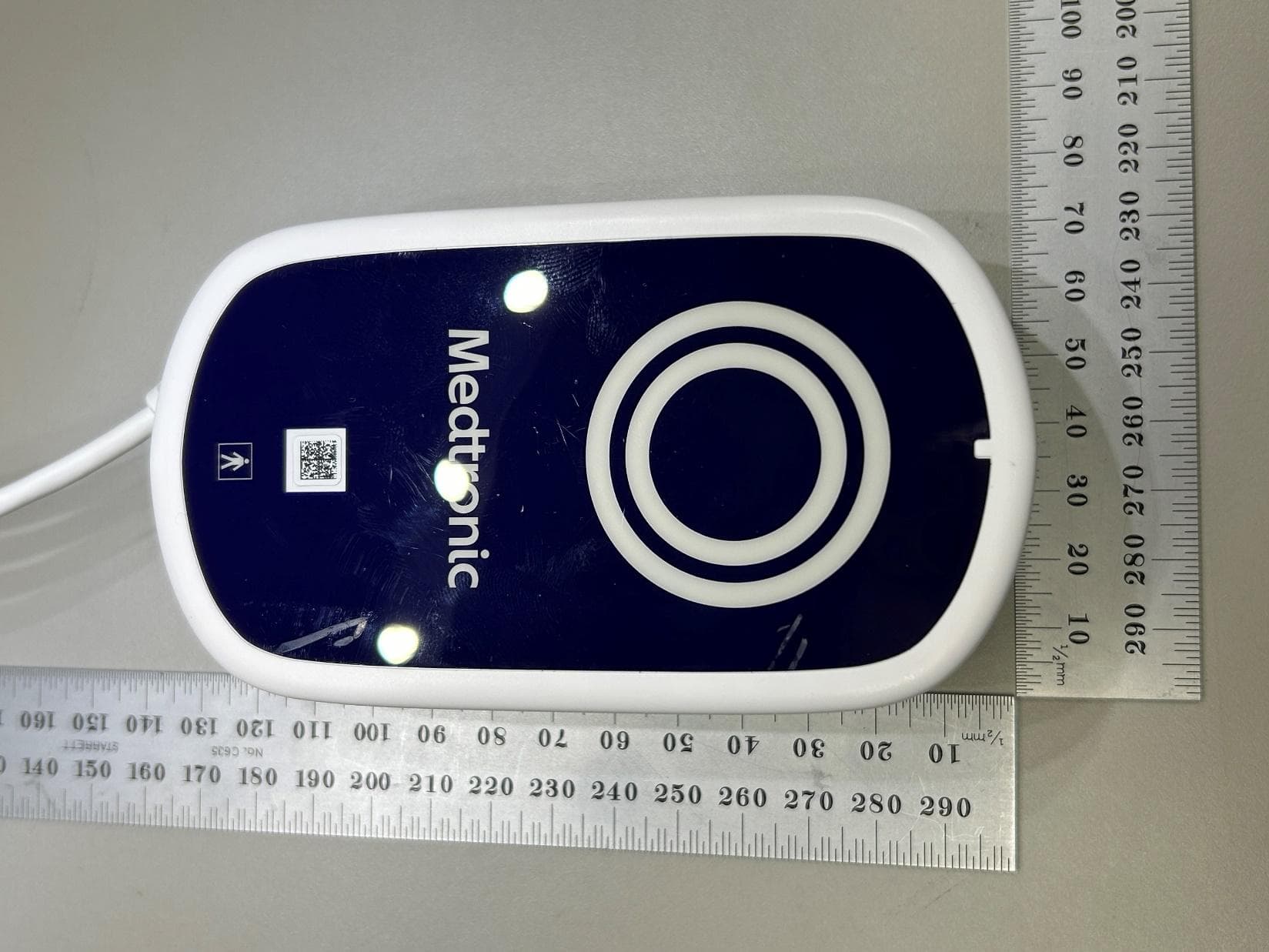
LF526950
Mar 27, 2026MyCareLink Home Communicator Model 26950
Equipment Class
DTS - Digital Transmission System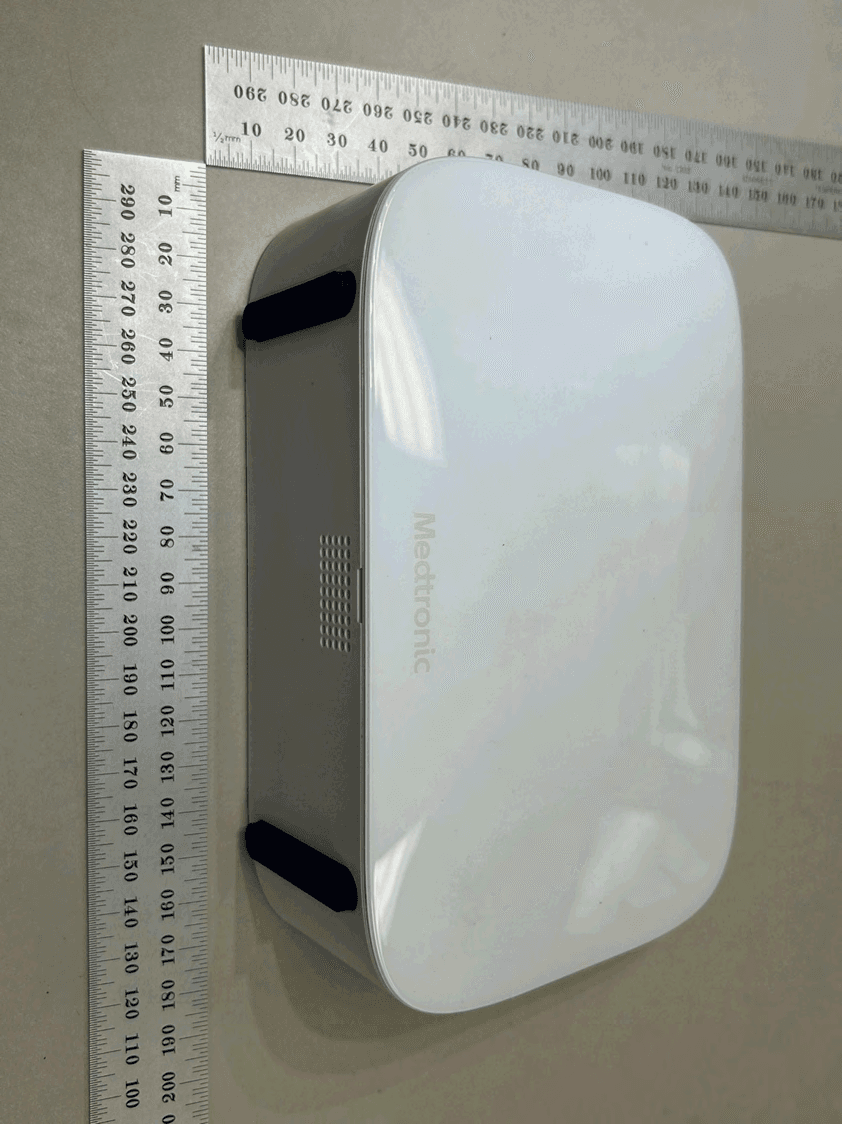
LF526900
Mar 27, 2026MyCareLink Home Communicator Model 26900
Equipment Class
DTS - Digital Transmission System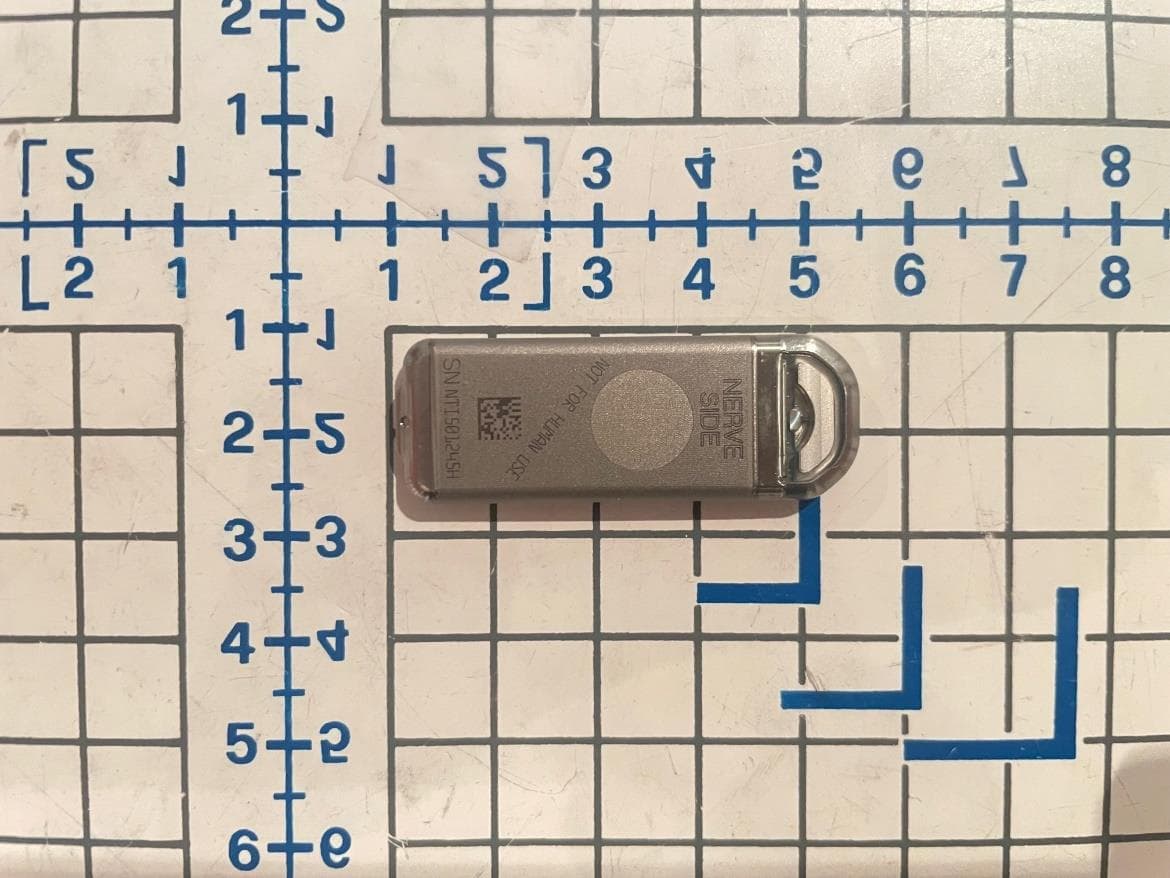
LF5P7850N
Sep 24, 2023Implantable Neurostimulator
Equipment Class
DCD - Part 15 Low Power Transmitter Below 1705 kHz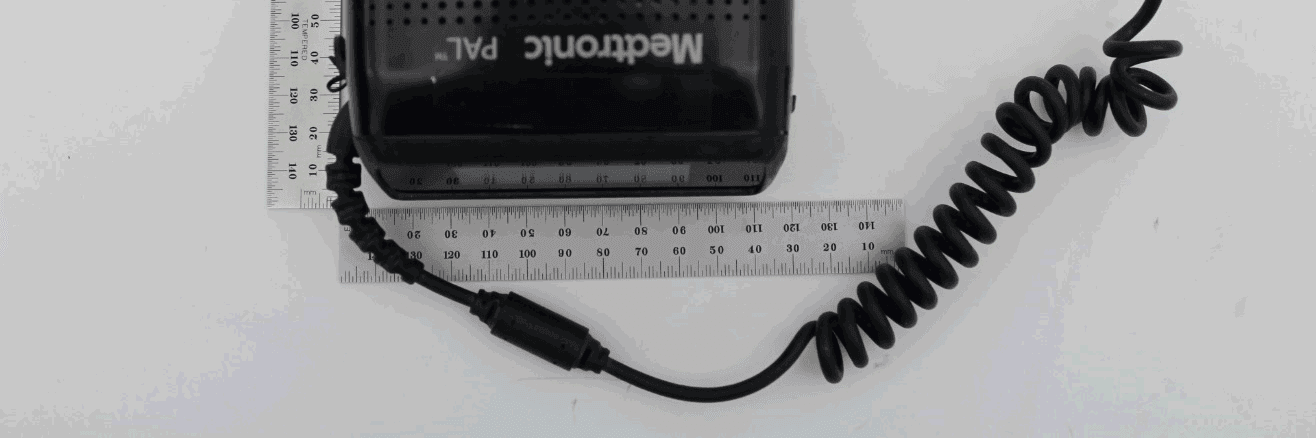
LF5MCS3101CO
May 14, 2020MCS3101CO
Equipment Class
DTS - Digital Transmission System