MCLJ07H06904802.11 b/g Mini PCI Module
HON HAI Precision Ind. Co., Ltd.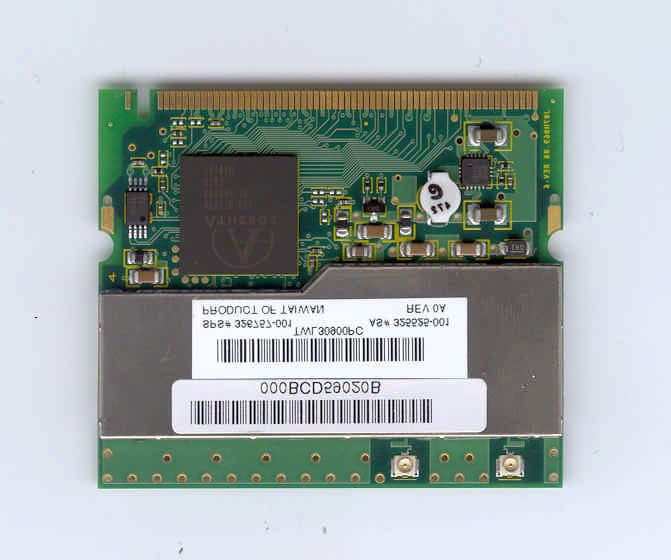
Click to zoom
Application Details
- Equipment Class
- DTS - Digital Transmission System
- Date of Grant
- Mar 25, 2003
- Application Purpose
- Original Equipment
- Date of Application
- Mar 25, 2003
- Equipment Note
- 802.11 b/g Mini PCI Module
- Frequency Range
- 2412.00000000 - 2462.00000000
- Country
- Taiwan
Documents & Files
Document Text
Text extracted from the exhibit documents filed with the FCC. Open a document above to read the original.
Users Manual
Wireless Notices This device is intended for OEM integrators only. This device cannot be co-located with any other transmitter. Information for the OEM Integrators: In some environments, the use of wireless devices may be restricted. Such restrictions may apply aboard airplanes, in hospitals, near explosives, in hazardous locations, etc. If you are uncertain of the policy that applies to the use of this device, please ask for authorization to use it prior to turning it on. U.S. Regulatory Wireless Notice This device complies with Part 15 of the FCC Rules. Operation is subject to the following two conditions: (1) This device may not cause harmful interference, and (2) this device must accept any interference received, including interference that may cause undesired operation. The FCC requires the user to be notified that any changes or modifications made to device that are not expressly approved by the Hewlett-Packard Company may void the user's authority to operate the equipment. This product emits radio frequency energy, but the radiated output power of this device is far below the FCC radio frequency exposure limits. Nevertheless, the device should be used in such a manner that the potential for human contact with the antenna during normal operation is minimized. ! Warning: Exposure to Radio Frequency Radiation The radiated output power of this device is far below the FCC radio frequency exposure limits. Nevertheless, the device should be used in such a manner that the potential for human contact during normal operation is minimized. In order to avoid the possibility of exceeding the FCC radio frequency exposure limits, human proximity to the antenna should not be less than 20cm (8 inches) during normal operation. This device is intended only for OEM integrators under the following conditions: 1) The antenna must be installed such that 20 cm is maintained between the antenna and users. For laptop installations, the antenna must be installed to ensure that the proper spacing is maintained in the event the users places the device in their lap during use (i.e. positioning of antennas must be placed in the upper portion of the LCD panel only to ensure 20 cm will be maintained if the user places the device in their lap for use) and 2) The transmitter module may not be co-located with any other transmitter or antenna. End Product Labeling This transmitter module is authorized only for use in devices where the antenna may be installed such that 20 cm may be maintained between the antenna and users (for example access points, routers, wireless ASDL modems, certain laptop configurations, and similar equipment). The final end product must be labeled in a visible area with the following: " FCC ID: XXXXXXXXXXXXXXX," where XXXXXXXXXXXXXXX is replaced by the FCC ID on the module being integrated. Additional Information That Must be Provided to OEM Integrators The end user should NOT be provided any instructions on how to remove or install the device. USA Radio Frequency Interference Requirements FCC Regulations Part 15 Declaration of Conformity (DoC) Ambit Microsystems Corporation declares that the equipment described in this document is within the requirements of the Code of Federal Regulations listed below: Title 47 Part 15, Subpart B, Class B for a digital device. This declaration is based upon the compliance of the Wireless LAN Mini PCI Adapters to the above standards. Ambit has determined that the models listed have been shown to comply with the applicable technical standards if no unauthorized change is made in the equipment and if the equipment is properly maintained and operated. These units are identical to the units tested and found acceptable with the applicable standards. Records maintained by Ambit continue to reflect that units being produced under this Declaration of Conformity, within the variation that can be expected due to quantity production and tested on a statistical basis, continue to comply with the applicable technical standards. Canadian Regulatory Wireless Notice Operation is subject to the following two conditions: (1) this device may not cause interference, and (2) this device must accept any interference, including interference that may cause undesired operation of the device. U.S. and Canada Safety Requirement and Notice •Do not touch or move antenna while the unit is transmitting or receiving. •Do not hold any component containing the radio such that the antenna is very close or touching any exposed parts of the body, especially the face or eyes, while transmitting. •Do not operate the radio or attempt to transmit data unless the antenna is connected; if not, the radio may be damaged. Warning: To comply with the FCC and ANSI C95.1 RF exposure limits, it is recommended for Wireless LAN Mini PCI Adapters installed in a desktop or portable computer, that the antenna for this device be installed so as to provide a separation distance of al least 20 cm (8 inches) from all persons and that the antenna must not be co-located or operating in conjunction with any other antenna or radio transmitter. It is recommended that the user limit exposure time if the antenna is positioned closer than 20 cm (8 inches). Use On Aircraft Caution Caution: Regulations of the FCC and FAA prohibit airborne operation of radio-frequency wireless devices because their signals could interfere with critical aircraft instruments. European Union Notice 0984 Products bearing the CE marking comply with the R&TTE Directive (1999/5/EC), EMC Directive (89/336/EEC) and the Low Voltage Directive (73/23/EEC) issued by the Commission of the European Community. Compliance with these directives implies conformity to the following European Norms (in parentheses are the equivalent international standards and regulations): • EN 55022 (CISPR 22) – Electromagnetic Interference • EN55024 (IEC61000-4-2, 3, 4, 5, 6, 8, 11) – Electromagnetic Immunity • EN61000-3-2 (IEC61000-3-2) – Power Line Harmonics • EN61000-3-3 (IEC61…
Text truncated - open the document above for the full version.
Users Manual
HP WLAN 802.11b/g User Manual Chapter 1 About the HP WLAN 802.11b/g device....................................................3 1-1 Introduction...........................................................................................................3 1-2 Using a Wireless Local Area Network.................................................................3 1-3 Features and Requirements...................................................................................4 Chapter 2 Network Configuring and Planning............................................................5 2-1 Ad-Hoc Network..................................................................................................5 2-2 Access Point (Infrastructure) Network.................................................................6 Chapter 3 Atheros Client Utility Installation...............................................................7 3-1 Atheros Client Utility Installation........................................................................7 Chapter 4 Atheros Client Utility (ACU) Configuration............................................10 4-1 Atheros Client Utility icon.................................................................................10 4-2 Current Status Tab...............................................................................................11 4-3 Profile Management............................................................................................13 4-3-1 Create or Modify a Profile.......................................................................14 4-3-2 Security Settings in Profile Management................................................16 4-3-3 Advanced settings in Profile Management..............................................20 4-4 Diagnostic Tab....................................................................................................21 4-5 Action Menu.......................................................................................................22 4-5-1 Enable/Disable Radio..............................................................................22 4-5-2 Enable/Disable Tray Icon........................................................................22 Chapter 5 Wireless Configuration using Windows XP.....................................................23 5-1 Configuring Your Wireless Networking Settings...............................................23 5-2 Advanced Wireless Settings...............................................................................23 5-3 Disabling the Radio............................................................................................24 5-4 Help and Support Information............................................................................24 Appendix A - Atheros Client Utility Uninstall Process....................................................25 Appendix B - Glossary......................................................................................................28 Appendix C – Wireless Notice..........................................................................................29 Chapter 1 About the HP WLAN 802.11b/g device 1-1 Introduction The HP WLAN 802.11b/g device allows you to access Wireless Local Area Networks (WLANs), share a local printer and files with others in your network, access the Internet, and roam about the office—wirelessly. This wireless Local Area Network solution is designed for both large and small businesses, and it is scalable so that you can add users and new network features as your networking needs grow. The HP WLAN 802.11b/g device is a 2.4Ghz WLAN technology that will operate with at a maximum data rate of 11Mbps with 802.11b and maximum data rate of 54Mbps with 802.11g wireless networks. The HP WLAN 802.11b/g device will automatically detect and seamlessly roam between both 802.11b and 802.11g wireless networks. 1-2 Using a Wireless Local Area Network A wireless LAN provides the same functionality of a wired network, but it eliminates the need to install networking cables and other networking equipment. Not only is a wireless LAN easier to deploy, but it also allows for mobility through “roaming.” For example the HP WLAN 802.11b/g device can roam from a conference room to an office without being disconnected from the network. 1-3 Features and Requirements The HP WLAN 802.11b/g device includes the following features: Wireless Features • Support for the IEEE 802.11b standard • Support for the IEEE 802.11g standard • Operates within the 2.4-GHz band • Maximum data rate of up to 11 Mbps (802.11b) • Maximum data rate of up to 54 Mbps (802.11g) Interoperability • WiFi certified at 2.4GHz to ensure wireless interoperability with other WiFi (802.11b) certified devices. Security • Cisco Client Extension compatibility (including LEAP) • Wired Equivalent Privacy (WEP) encryption, operating with 64bit, 128bit or 152 bit encryption • AES-CCM Encryption support • Support for Windows 802.1X supplicants Chapter 2 Network Configuring and Planning A wireless LAN can be configured for two different modes of operation. While each method has its advantages, one may be better suited for your needs. Review the following configurations to determine which mode is best for you. • Ad-Hoc Network • Access Point (Infrastructure) Network 2-1 Ad-Hoc Network An Ad-Hoc network is the simplest to deploy and is ideal for small offices. Ad-Hoc wireless networks can be comprised of two or more wireless client configured to communicate with one another. All Ad-hoc clients communicate directly with each other without using an access point (AP). As a user on this type of network, you are able to quickly build up a wireless network in order to share files with other employees, print to a shared office printer, and access the Internet through a single shared connection. Ad-hoc networking is cost effective, because no other devices components are needed (access points, hubs or routers) in order to setup a ne…
Text truncated - open the document above for the full version.
Cover Letter(s)
Feb. 06, 2003 Federal Communications Commission Authorization and Evaluation Division 7435 Oakland Mills Road Columbia, MD 21046 Re: Request for Confidentiality In reference to the application under FCC ID: (MCLJ07H06904), and pursuant to Sections 0.457(d)(1)(ii) and 0.459 of the Commission's Rules, the Applicant hereby requests confidential treatment of the accompanying information as outlined below: Block Diagram Schematics Theory of Operation The above materials contain trade secrets and proprietary information not customarily released to the public. The public disclosure of these matters might be harmful to the Applicant and provide unjustified benefits to its competitors. The Applicant understands that pursuant to Rule 0.457(d)(1)(ii), disclosure of this Application and all accompanying documentation will not be made before the date of the Grant for this application. Sincerely, Ronnie Cheng / Senior Engineer Communication R&D Dept. 2 of Div. 1 AMBIT Microsystems Corporation
Cover Letter(s)
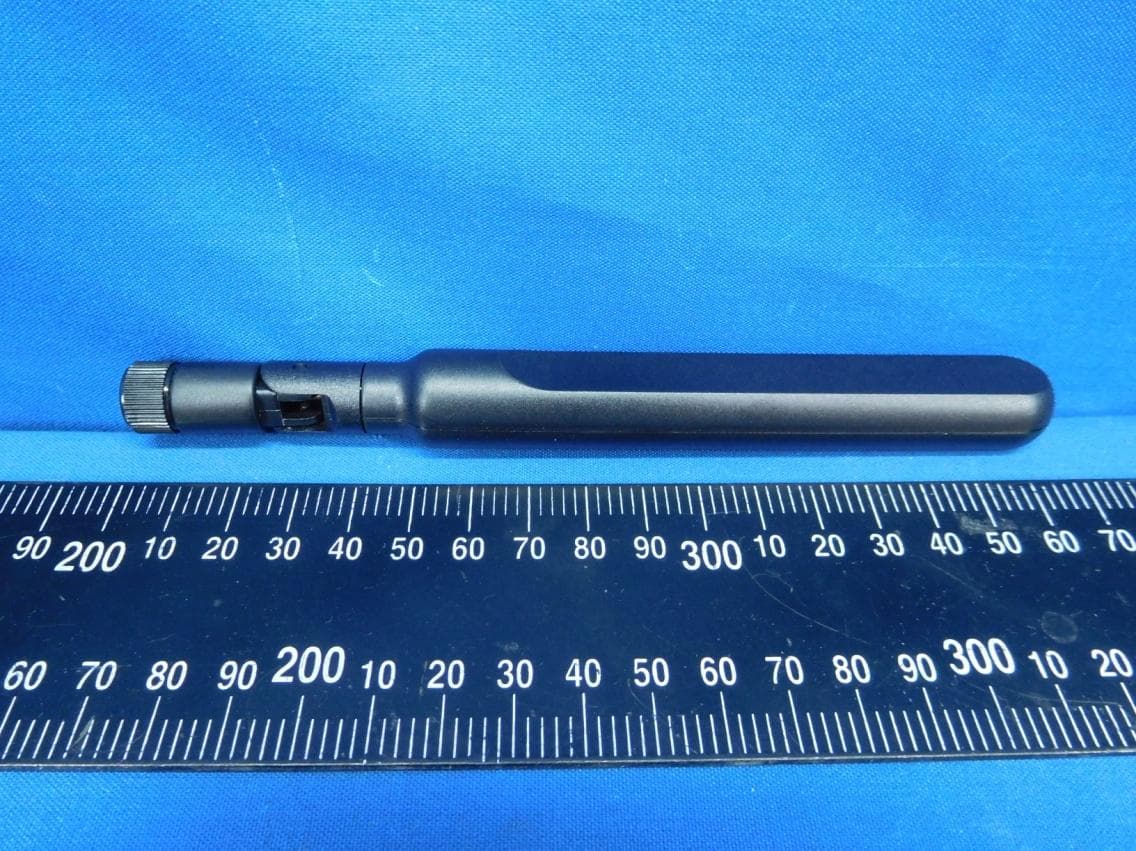
From: Helen Zhao Sent: Tuesday, March 25, 2003 10:47 AM To: Mike Kuo Cc: Steve Cheng; Michael Heckrotte Subject: RE: Ambit Microsystems Corporation, FCC ID:MCLJ07H06904, AN03T2656 Hello Mike, Question #1: Please submit a request for module approval cover letter per FCC public no:DA00-1407 requirements. When addressing the module approval requirements, please indicate what types of device will this mini-PCI module be installed. Please refer to Modular approval cover letter attached here. Question #2: Please provide antenna photos and specification. Please refer to antenna photos and specification attached here. Question #3: Please provide antenna installation will be provided to OEM integrator . Please refer to OEM notice informtion attached here. Question #4: Please provide OEM instruction on how to apply the FCC ID number on the end product. Please refer to OEM notice informtion #4. Question #5: The test report submitted has included 802.11 b/g function. However, the user manual only indicate the device is capable of operating as 802.11/b device. Please provide revised user manual to agree with the equipment under test. Please refer to the revised Users Manual. Question #6: In the theory of operation exhibit, technical information exhibits mentioned this device also equipped with 5GHz operation. Please explain why the 5GHz is not include in the test report. If the 5GHz operation is equipped but not activate at the time of marketing. Please provide detail technical description on how to de-activate 5GHz operation. Please note: if the 5GHz operation can be selectable by the end user and not by limiting through firmware, 5GHz operation must be tested and included in the filing. Please refer to the revised Theory of Operation attached here. Question #7: Section 5.3 of test report, the high frequency antenna listed are out of calibration. Please explain why such antennas were used. Please refer to the revised test report attached here. Question #8: Section 8.2 of test report, since the peak power meter was used, please provide the cable lost information between the EUT to the power meter. Please refer to #5. Question #9:Please provide a clear copy of test report for page 67-69 and 78-81. Please refer to #5. Best Regards Helen Zhao
Cover Letter(s)
Modular Transmitter Approval The following attestation addresses the eight requirements to support modular approval as required by the FCC Public Notice DA00-1407 “Part 15 Unlicensed Modular Transmitter Approval” 1 The modular transmitter has its own RF shielding. (Refer to “Internal Photograph Exhibit”) (Ambit) Yes. We have RF shielding on our J07H069.02 module to cover modular transmitter. 2 The modular transmitter has buffered modulation/data inputs. All inputs to the modules are buffered through the radio circuitry. (Refer to “Block Diagram and Schematics Exhibit”) (Ambit) Yes. The modular transmitter has buffered modulation/data inputs. All inputs to the modules are buffered through the radio circuitry. 3 The modular transmitter has its own power supply regulator. (Refer to “Block Diagram and Schematics Exhibit” and “Theory of operation”) (Ambit) Yes. It has its own power supply regulator via AR5111, AR2111 and AR5212 to provide 2.5Vdc. 4 The modular transmitter has an antenna that complies with section 15.203 of the FCC rules. It has a UFL type of connector at the transmitter end and is soldered to the antenna (depending on OEM configuration). Also the antenna will be internal in the OEM host equipment and inaccessible to the user. (Refer to “Antenna Specification Exhibit”) (Ambit) It has a UFL type of connector at the transmitter end . Also the antenna will be internal in the OEM host equipment and inaccessible to the user. 5 The modular transmitter was tested outside of a host desktop computer using a PCI extender card. The PCI extender card allows the transmitter to be placed outside of the chassis of the host desktop computer. (Refer to “Test Configuration” in Aegis Labs, Inc. test report and to “External Photograph Exhibit”) (Ambit) Yes, the modular transmitter was tested outside of a host desktop computer using a PCI extender card 6 The modular transmitter will be labeled with it own FCC ID. Also, the OEM host computer manufacturer will be informed to display a label referring to the enclosed module. The exterior label will read as follows: “Contains Transmitter Module FCC ID: MCLJ07H06904” or “Contains TXFCCID: MCLJ07H06904”. (Refer to “Label Information Exhibit”) (Ambit) Yes. Please refer the attached OEM notice and installation instruction. 7 The modular transmitter is manufactured so that the user cannot influence the operation of the transmitter that will operate outside of the scope of the regulations. (Refer to “User’s Guide Exhibit) (Ambit) Yes. OEM notice and installation instruction provides regulatory notices. 8 The modular transmitter meets the MPE calculations of 47 CFR 1.1307(b)(1) (Refer to “RF Exposure Exhibit”). (Ambit) As indicated in OEM notice and installation instruction, the antenna will be installed to provide 20cm separation
ID Label/Location Info
PROPOSED FCC ID LABEL AND LOCATION Ambit Microsystems Corporation This device complies with Part 15 of the FCC Rules. Operation is subject to the following two conditions: (1) this device may not cause harmful interference, and (2) this device must accept any interference received, including interference that may cause undesired operation. FCC ID: MCLJ07H06904 FCC ID LABEL LOCATION
Test Report
FCC CFR47 PART 15 SUBPART C CERTIFICATION TEST REPORT FOR 802.11 b/g MINI PCI CARD MODEL NUMBER: J07H069.02 FCC ID: MCLJ07H06904 REPORT NUMBER: 03U1761-1 ISSUE DATE: FEBRUARY 21, 2003 Prepared for AMBIT MICROSYSTEMS, INC. 5F-1, 5 HSIN-AN ROAD, HSINCHU SCIENCE-BASED INDUSTRAIL PARK, TAIWAN, R.O.C. Prepared by COMPLIANCE CERTIFICATION SERVICES 561F MONTEREY ROAD, MORGAN HILL, CA 95037, USA TEL: (408) 463-0885 FAX: (408) 463-0888 REPORT NO: 03U1761-1 DATE: FEBRUARY 21, 2003 EUT: 802.11 b/g MINI PCI CARD FCC ID: MCLJ07H06904 Page 2 of 92 COMPLIANCE CERTIFICATION SERVICES DOCUMENT NO: CCSUP4031A 561F MONTEREY ROAD, MORGAN HILL, CA 95037 USA TEL: (408) 463-0885 FAX: (408) 463-0888 This report shall not be reproduced except in full, without the written approval of CCS. This document may be altered or revised by Compliance Certification Services personnel only, and shall be noted in the revision section of the document. TABLE OF CONTENTS 1. TEST RESULT CERTIFICATION..........................................................................................3 2. EUT DESCRIPTION...............................................................................................................4 3. TEST METHODOLOGY.........................................................................................................5 4. FACILITIES AND ACCREDITATION...................................................................................5 4.1. FACILITIES AND EQUIPMENT.........................................................................................5 4.2. TABLE OF ACCREDITATIONS AND LISTINGS..................................................................6 5. CALIBRATION AND UNCERTAINTY..................................................................................7 5.1. MEASURING INSTRUMENT CALIBRATION......................................................................7 5.2. MEASUREMENT UNCERTAINTY.......................................................................................7 5.3. TEST AND MEASUREMENT EQUIPMENT.........................................................................8 6. SETUP OF EQUIPMENT UNDER TEST................................................................................9 7. APPLICABLE RULES...........................................................................................................13 8. TEST SETUP, PROCEDURE AND RESULT........................................................................16 8.1. 6 dB BANDWIDTH...........................................................................................................16 8.2. PEAK POWER.................................................................................................................24 8.3. AVERAGE POWER..........................................................................................................25 8.4. PEAK POWER SPECTRAL DENSITY................................................................................26 8.5. MAXIMUM PERMISSIBLE EXPOSURE............................................................................34 8.6. SPURIOUS EMISSIONS...................................................................................................36 8.7. RADIATED EMISSIONS...................................................................................................58 8.8. POWERLINE CONDUCTED EMISSIONS.........................................................................83 8.9. SETUP PHOTOS..............................................................................................................86 REPORT NO: 03U1761-1 DATE: FEBRUARY 21, 2003 EUT: 802.11 b/g MINI PCI CARD FCC ID: MCLJ07H06904 Page 3 of 92 COMPLIANCE CERTIFICATION SERVICES DOCUMENT NO: CCSUP4031A 561F MONTEREY ROAD, MORGAN HILL, CA 95037 USA TEL: (408) 463-0885 FAX: (408) 463-0888 This report shall not be reproduced except in full, without the written approval of CCS. This document may be altered or revised by Compliance Certification Services personnel only, and shall be noted in the revision section of the document. 1. TEST RESULT CERTIFICATION COMPANY NAME: AMBIT MICROSYSTEMS 5F-1, 5 HSIN-AN ROAD, HSINCU SCIENCE BASED INDUSTRIAL PARK, TAIWAN, R.O.C EUT DESCRIPTION: 802.11 B/G MINI PCI CARD MODEL NAME: J07H069.02 DATE TESTED: DECEMBER 20, 2002 – FEBRUARY 21, 2003 APPLICABLE STANDARDS STANDARD TEST RESULTS FCC PART 15 SUBPART C NO NON-COMPLIANCE NOTED Compliance Certification Services, Inc. tested the above equipment in accordance with the requirements set forth in the above standards. The test results show that the equipment tested is capable of demonstrating compliance with the requirements as documented in this report. Note: This document reports conditions under which testing was conducted and results of tests performed. This document may not be altered or revised in any way unless done so by Compliance Certification Services and all revisions are duly noted in the revisions section. Any alteration of this document not carried out by Compliance Certification Services will constitute fraud and shall nullify the document. Approved & Released For CCS By: Tested By: MIKE HECKROTTE NEELESH RAJ CHIEF ENGINEER EMC ENGINEER COMPLIANCE CERTIFICATION SERVICES COMPLIANCE CERTIFICATION SERVICES REPORT NO: 03U1761-1 DATE: FEBRUARY 21, 2003 EUT: 802.11 b/g MINI PCI CARD FCC ID: MCLJ07H06904 Page 4 of 92 COMPLIANCE CERTIFICATION SERVICES DOCUMENT NO: CCSUP4031A 561F MONTEREY ROAD, MORGAN HILL, CA 95037 USA TEL: (408) 463-0885 FAX: (408) 463-0888 This report shall not be reproduced except in full, without the written approval of CCS. This document may be altered or revised by Compliance Certification Services personnel only, and shall be noted in the revision section of the document. 2. EUT DESCRIPTION The J07H069.04 card is an 802.11b/g Mini-PCI module. The module is compatible with the IEEE 802.11g draft standard, and meets the mechanical specifications of the Type IIIA Mini-PCI form factor. The operational frequency rang…
Text truncated - open the document above for the full version.
Test Report
REPORT NO: 03U1761-1 DATE: FEBRUARY 21, 2003 EUT: 802.11 b/g MINI PCI CARD FCC ID: MCLJ07H06904 Page 46 of 92 COMPLIANCE CERTIFICATION SERVICES DOCUMENT NO: CCSUP4031A 561F MONTEREY ROAD, MORGAN HILL, CA 95037 USA TEL: (408) 463-0885 FAX: (408) 463-0888 This report shall not be reproduced except in full, without the written approval of CCS. This document may be altered or revised by Compliance Certification Services personnel only, and shall be noted in the revision section of the document. CONDUCTED SPURIOUS EMISSIONS (2.4 GHZ g BAND) 2.412GHz REPORT NO: 03U1761-1 DATE: FEBRUARY 21, 2003 EUT: 802.11 b/g MINI PCI CARD FCC ID: MCLJ07H06904 Page 47 of 92 COMPLIANCE CERTIFICATION SERVICES DOCUMENT NO: CCSUP4031A 561F MONTEREY ROAD, MORGAN HILL, CA 95037 USA TEL: (408) 463-0885 FAX: (408) 463-0888 This report shall not be reproduced except in full, without the written approval of CCS. This document may be altered or revised by Compliance Certification Services personnel only, and shall be noted in the revision section of the document. REPORT NO: 03U1761-1 DATE: FEBRUARY 21, 2003 EUT: 802.11 b/g MINI PCI CARD FCC ID: MCLJ07H06904 Page 48 of 92 COMPLIANCE CERTIFICATION SERVICES DOCUMENT NO: CCSUP4031A 561F MONTEREY ROAD, MORGAN HILL, CA 95037 USA TEL: (408) 463-0885 FAX: (408) 463-0888 This report shall not be reproduced except in full, without the written approval of CCS. This document may be altered or revised by Compliance Certification Services personnel only, and shall be noted in the revision section of the document. REPORT NO: 03U1761-1 DATE: FEBRUARY 21, 2003 EUT: 802.11 b/g MINI PCI CARD FCC ID: MCLJ07H06904 Page 49 of 92 COMPLIANCE CERTIFICATION SERVICES DOCUMENT NO: CCSUP4031A 561F MONTEREY ROAD, MORGAN HILL, CA 95037 USA TEL: (408) 463-0885 FAX: (408) 463-0888 This report shall not be reproduced except in full, without the written approval of CCS. This document may be altered or revised by Compliance Certification Services personnel only, and shall be noted in the revision section of the document. 2.437GHz REPORT NO: 03U1761-1 DATE: FEBRUARY 21, 2003 EUT: 802.11 b/g MINI PCI CARD FCC ID: MCLJ07H06904 Page 50 of 92 COMPLIANCE CERTIFICATION SERVICES DOCUMENT NO: CCSUP4031A 561F MONTEREY ROAD, MORGAN HILL, CA 95037 USA TEL: (408) 463-0885 FAX: (408) 463-0888 This report shall not be reproduced except in full, without the written approval of CCS. This document may be altered or revised by Compliance Certification Services personnel only, and shall be noted in the revision section of the document. REPORT NO: 03U1761-1 DATE: FEBRUARY 21, 2003 EUT: 802.11 b/g MINI PCI CARD FCC ID: MCLJ07H06904 Page 51 of 92 COMPLIANCE CERTIFICATION SERVICES DOCUMENT NO: CCSUP4031A 561F MONTEREY ROAD, MORGAN HILL, CA 95037 USA TEL: (408) 463-0885 FAX: (408) 463-0888 This report shall not be reproduced except in full, without the written approval of CCS. This document may be altered or revised by Compliance Certification Services personnel only, and shall be noted in the revision section of the document. REPORT NO: 03U1761-1 DATE: FEBRUARY 21, 2003 EUT: 802.11 b/g MINI PCI CARD FCC ID: MCLJ07H06904 Page 52 of 92 COMPLIANCE CERTIFICATION SERVICES DOCUMENT NO: CCSUP4031A 561F MONTEREY ROAD, MORGAN HILL, CA 95037 USA TEL: (408) 463-0885 FAX: (408) 463-0888 This report shall not be reproduced except in full, without the written approval of CCS. This document may be altered or revised by Compliance Certification Services personnel only, and shall be noted in the revision section of the document. 2.462GHz REPORT NO: 03U1761-1 DATE: FEBRUARY 21, 2003 EUT: 802.11 b/g MINI PCI CARD FCC ID: MCLJ07H06904 Page 53 of 92 COMPLIANCE CERTIFICATION SERVICES DOCUMENT NO: CCSUP4031A 561F MONTEREY ROAD, MORGAN HILL, CA 95037 USA TEL: (408) 463-0885 FAX: (408) 463-0888 This report shall not be reproduced except in full, without the written approval of CCS. This document may be altered or revised by Compliance Certification Services personnel only, and shall be noted in the revision section of the document. REPORT NO: 03U1761-1 DATE: FEBRUARY 21, 2003 EUT: 802.11 b/g MINI PCI CARD FCC ID: MCLJ07H06904 Page 54 of 92 COMPLIANCE CERTIFICATION SERVICES DOCUMENT NO: CCSUP4031A 561F MONTEREY ROAD, MORGAN HILL, CA 95037 USA TEL: (408) 463-0885 FAX: (408) 463-0888 This report shall not be reproduced except in full, without the written approval of CCS. This document may be altered or revised by Compliance Certification Services personnel only, and shall be noted in the revision section of the document. REPORT NO: 03U1761-1 DATE: FEBRUARY 21, 2003 EUT: 802.11 b/g MINI PCI CARD FCC ID: MCLJ07H06904 Page 55 of 92 COMPLIANCE CERTIFICATION SERVICES DOCUMENT NO: CCSUP4031A 561F MONTEREY ROAD, MORGAN HILL, CA 95037 USA TEL: (408) 463-0885 FAX: (408) 463-0888 This report shall not be reproduced except in full, without the written approval of CCS. This document may be altered or revised by Compliance Certification Services personnel only, and shall be noted in the revision section of the document. CONDUCTED SPURIOUS EMISSIONS (2.4 GHZ g BAND, TURBO MODE) REPORT NO: 03U1761-1 DATE: FEBRUARY 21, 2003 EUT: 802.11 b/g MINI PCI CARD FCC ID: MCLJ07H06904 Page 56 of 92 COMPLIANCE CERTIFICATION SERVICES DOCUMENT NO: CCSUP4031A 561F MONTEREY ROAD, MORGAN HILL, CA 95037 USA TEL: (408) 463-0885 FAX: (408) 463-0888 This report shall not be reproduced except in full, without the written approval of CCS. This document may be altered or revised by Compliance Certification Services personnel only, and shall be noted i…
Text truncated - open the document above for the full version.
Contact Information
Applicant
Mrs. Rio Chen(Compliance Deputy Manager)
Test Firm
Compliance Certification Services IncSteve Cheng
Technical Specifications
| # | Rule Parts | Frequency Range | Power Output |
|---|---|---|---|
| 1 | 15C | 2.41 GHz - 2.46 GHz | 156.00 mW |
Other Applications from HON HAI Precision Ind. Co., Ltd.
MCLT77W968
Jun 03, 2021LTE M.2 Module
Equipment Class
CBE - Citizens Band End User Devices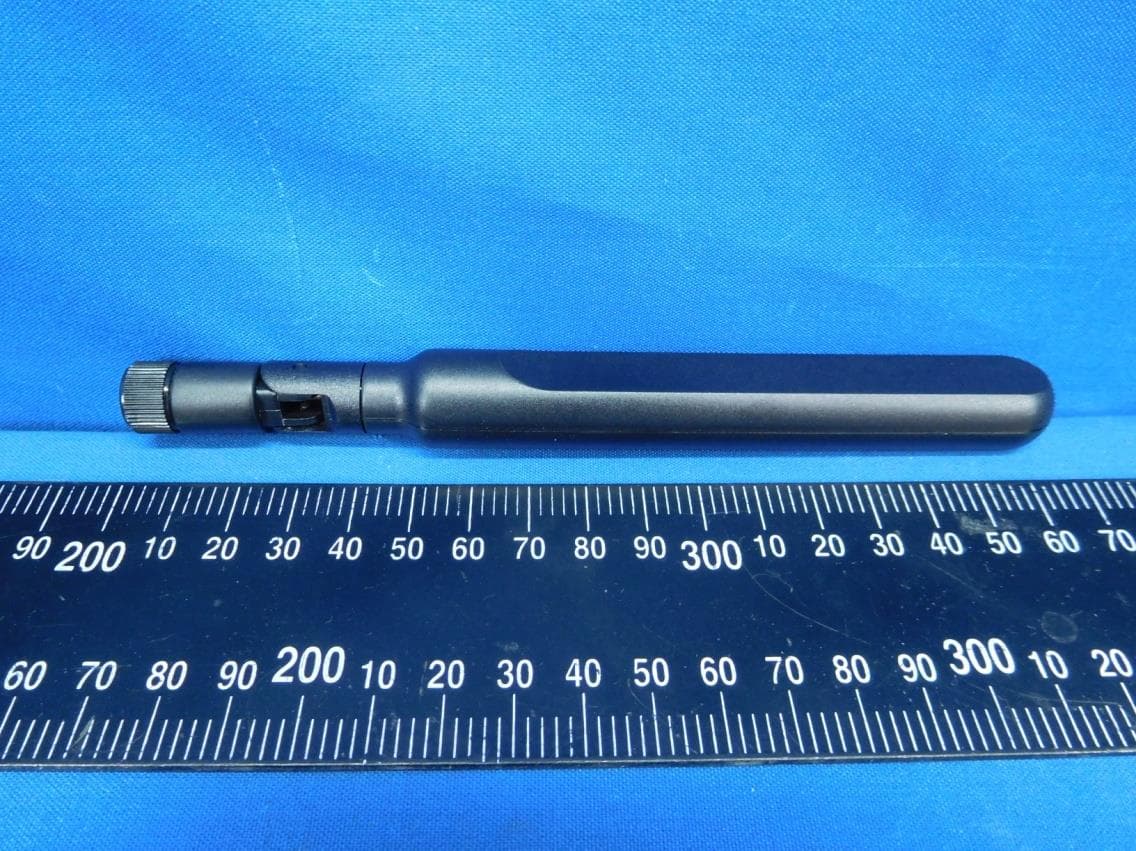
MCLT77W968C9
Feb 13, 2020LTE M.2 Module
Equipment Class
PCB - PCS Licensed Transmitter
MCLADB1761WF
Jun 03, 2015IP Set-Top Box with Wi-Fi 11ac
Equipment Class
DTS - Digital Transmission System
MCLADB1761W
Jun 02, 2015IP Set-Top Box
Equipment Class
DTS - Digital Transmission System
MCLT77H566
Feb 16, 2015WiFi/BT Module
Equipment Class
DTS - Digital Transmission System