NPI47591Construction toy with Bluetooth transceiver
LEGO Systems Inc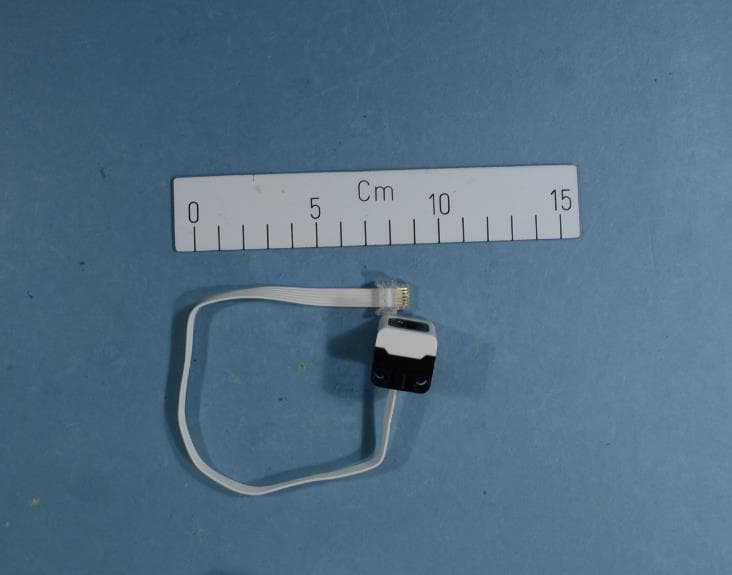
Click to zoom
Application Details
- Equipment Class
- DSS - Part 15 Spread Spectrum Transmitter
- Date of Grant
- Apr 27, 2021
- Application Purpose
- Original Equipment
- Date of Application
- Apr 27, 2021
- Equipment Note
- Construction toy with Bluetooth transceiver
- Frequency Range
- 2402.00000000 - 2480.00000000
- Company
- LEGO Systems Inc
- Country
- Denmark
Documents & Files
Document Text
Text extracted from the exhibit documents filed with the FCC. Open a document above to read the original.
Cover Letter(s)
LEGO System A/S Aastvej 1 DK-7190 Billund Denmark Tel.: +45 79 50 60 70 Fax: +45 75 33 83 77 www.LEGO.com CVR No. 47 45 87 14 3/30/2021 Nemko North America, Inc. 303 River Road Ottawa, Ontario, Canada K1V 1H2 REQUEST FOR CONFIDENTIALITY - FCC FCC ID: NPI47591 Pursuant to Sections 0.457(d)(1)(ii) and 0.459 of the Commission’s Rules and FCC Guidance document 726920, LEGO System A/S hereby request confidential treatment of information accompanying this application as outlined below: PERMANENT LONG-TERM CONFIDENTIALITY: • Schematics • Bill of Materials/Parts List • Block Diagrams • Theory of Operation SHORT TERM CONFIDENTIALITY FOR A PERIOD OF 180 DAYS • Internal Photos • External Photos • User Manual • Test Set-up Photographs When the device is marketed before the requested number of days listed above, the grantee will inform the TCB to release the Short-Term Confidentiality information withheld on the FCC equipment authorization website. The above information contains trade secrets and proprietary information not customarily released to the public. The public disclosure of this information might be harmful to the applicant and provide unjustified benefits to its competitors. The Applicant understands that pursuant to Rule 0.457(d)(1)(ii), disclosure of this Application and all accompanying materials will not be made before the date of the Grant for this Application. Sincerely, Signed: Printed name: Lone Nielsen Title: Product Safety Manager
External Photos
EXTERNAL PHOTOS Project no.: 396223 FCC ID: NPI47591 Page 1 (2) EXTERNAL PHOTOS – HUB NO.7 External photos View from above View from rear-with battery View of ports Long side A Short side A Short side B EXTERNAL PHOTOS Project no.: 396223 FCC ID: NPI47591 Page 2 (2) PHOTOS OF ACCESSORIES USED DURING THE TEST Photos of accessories Lego Light Brick - 47592 Lego motor - 47588 Lego Colur sensor – 37308
ID Label/Location Info
01 02 03 04 05 0 Measuring-line to secure scale of drawing when prin ting or copying. Scale 1:1 Model: HUB NO.7 IC: 3072A - 47591 FCCID: NPI47591 CNC ID: xxxxxxxxxx CMIIT ID: XXXXXXXXXX ANATEL ID: xxxxxxxx 209-J00410 xxxNx xxxxxxxx
Internal Photos
INTERNAL PHOTOS Project no.: 396223 FCC ID: NPI47591 Page 1 (1) INTERNAL PHOTOS – HUB NO.7 Rear side Top side
Internal Photos
HUB NO.7 – internal photos
RF Exposure Info
SAR Exclusion Justification Test exclusion thresholds for 100 MHz to 6 GHz at test separation distances ≤ 50 mm Guidance document reference: 447498 D01 General RF Exposure Guidance v05r01, page 11, paragraph 4.3.1(1). The 1-g and 10-g SAR test exclusion thresholds for 100 MHz to 6 GHz at test separation distances ≤ 50 mm are determined by: [(max. power of channel, including tune-up tolerance, mW)/(min. test separation distance, mm)] * [√f(GHz)] ≤ 3.0 for 1-g SAR and ≤ 7.5 for 10-g extremity SAR, where • f(GHz) is the RF channel transmit frequency in GHz • Power and distance are rounded to the nearest mW and mm before calculation • The result is rounded to one decimal place for comparison • 3.0 and 7.5 are referred to as the numeric thresholds in the step 2 below The test exclusions are applicable only when the minimum test separation distance is ≤ 50 mm and for transmission frequencies between 100 MHz and 6 GHz. When the minimum test separation distance is < 5 mm, a distance of 5 mm according to 5) in section 4.1 is applied to determine SAR test exclusion. SAR test exclusion analysis: Assumptions: Since the exact separation distance may vary from sensor to sensor, the minimum separation distance of 5 mm is assumed per the guidance document. Max. power of channel:1.57mW Min. separation distance:5mm Max. frequency:2.402GHz [(Pwr/Dist)*√Freq.] =0.5 The result of the above SAR threshold calculation demonstrates that the result is less than the 1-g numeric threshold of 3 and the 10-g numeric threshold of 7.5. Conclusion: The above analysis shows that the evaluated device qualifies for exemption from SAR testing. Signed: , Senior Engineer 4/14/2021
RF Exposure Info
SAR Exclusion Justification Test exclusion thresholds for 100 MHz to 6 GHz at test separation distances ≤ 50 mm Guidance document reference: 447498 D01 General RF Exposure Guidance v05r01, page 11, paragraph 4.3.1(1). The 1-g and 10-g SAR test exclusion thresholds for 100 MHz to 6 GHz at test separation distances ≤ 50 mm are determined by: [(max. power of channel, including tune-up tolerance, mW)/(min. test separation distance, mm)] * [√f(GHz)] ≤ 3.0 for 1-g SAR and ≤ 7.5 for 10-g extremity SAR, where • f(GHz) is the RF channel transmit frequency in GHz • Power and distance are rounded to the nearest mW and mm before calculation • The result is rounded to one decimal place for comparison • 3.0 and 7.5 are referred to as the numeric thresholds in the step 2 below The test exclusions are applicable only when the minimum test separation distance is ≤ 50 mm and for transmission frequencies between 100 MHz and 6 GHz. When the minimum test separation distance is < 5 mm, a distance of 5 mm according to 5) in section 4.1 is applied to determine SAR test exclusion. SAR test exclusion analysis: Assumptions: Since the exact separation distance may vary from sensor to sensor, the minimum separation distance of 5 mm is assumed per the guidance document. Max. power of channel:2.45mW Min. separation distance:5mm Max. frequency:2.402GHz [(Pwr/Dist)*√Freq.] =0.8 The result of the above SAR threshold calculation demonstrates that the result is less than the 1-g numeric threshold of 3 and the 10-g numeric threshold of 7.5. Conclusion: The above analysis shows that the evaluated device qualifies for exemption from SAR testing. Signed: , Senior Engineer 4/14/2021
Test Report
Report No. 396223-01-R00 Template version: C Nemko Norway Nemko AS, Instituttveien 6, P.O. Box 96 Kjeller, 2027 Kjeller, Norway TEL +47 22 96 03 30 FAX +47 22 96 05 50 EMAIL [email protected] ENTERPRISE NUMBER NO974404532 nemko.com/no Test Report Product Bluetooth Low Energy Transceiver Name and address of the applicant LEGO System A/S Aastvej 1, 7190 Billund, Denmark Name and address of the manufacturer LEGO System A/S Aastvej 1, 7190 Billund, Denmark Model HUB NO.7 Rating 7.3Vdc (Secoundary Batteries) Trademark LEGO Serial number See page 3 Additional information This tested device can be operated either with BLE or classic Bluetooth. Tested according to FCC Part 15.247 Frequency Hopping Transmitters / Digital Transmission Systems Industry Canada RSS-247, Issue 2 Digital Transmission Systems (DTSs), Frequency Hopping Systems (FHSs) and Licence-Exempt Local Area Network (LE-LAN) Devices Order number 396223 Tested in period 2020.11.03 – 2020.11.04 Issue date 2020.11.30 Name and address of the testing laboratory Instituttveien 6 Kjeller, Norway CAB Number: FCC: NO0001 ISED: NO0470 TEL: +47 22 96 03 30 FAX: +47 22 96 05 50 An accredited technical test executed under the Norwegian accreditation scheme Prepared by [G.Suhanthakumar] Approved by [Frode Sveinsen] This report shall not be reproduced except in full without the written approval of Nemko. Opinions and interpretations expressed within this report are not part of the current accreditation. This report was originally distributed electronically with digital signatures. For more information contact Nemko. TEST REPORT FCC Part 15.247 Report no.: 396223-01-R00 FCC ID: NPI47591 Nemko Norway, Instituttveien 6, Kjeller, Norway Page 2 (32) CONTENTS 1 INFORMATION ......................................................................................................................... 3 1.1 Test Item .................................................................................................................................... 3 1.2 Normal test condition ................................................................................................................. 4 1.3 Test Engineer(s) ........................................................................................................................ 4 1.4 Antenna Requirement ................................................................................................................ 4 1.5 Worst-Case Configuration and Mode ......................................................................................... 4 1.6 Comments ................................................................................................................................. 4 2 TEST REPORT SUMMARY ...................................................................................................... 5 2.1 General ...................................................................................................................................... 5 2.2 Test Summary ........................................................................................................................... 6 2.3 Revision history ......................................................................................................................... 6 3 TEST RESULTS ........................................................................................................................ 7 3.1 Number of Frequencies ............................................................................................................. 7 3.2 Power Line Conducted Emissions ............................................................................................. 8 3.3 99% Occupied Bandwidth .......................................................................................................... 9 3.4 DTS Bandwidth ........................................................................................................................ 11 3.5 Peak Power Output .................................................................................................................. 13 3.6 Conducted Emissions at Antenna Connector .......................................................................... 16 3.7 Restricted Bands of operation.................................................................................................. 18 3.8 Band Edge Emissions (Radiated) ............................................................................................ 19 3.9 Spurious Emissions 30 – 1000 MHz (Radiated) ...................................................................... 21 3.10 Power Spectral Density (PSD) ................................................................................................. 28 4 Measurement Uncertainty ..................................................................................................... 30 5 LIST OF TEST EQUIPMENT................................................................................................... 31 6 BLOCK DIAGRAM .................................................................................................................. 32 6.1 Power Line Conducted Emission ............................................................................................. 32 6.2 Test Site Radiated Emission .................................................................................................... 32 TEST REPORT FCC Part 15.247 Report no.: 396223-01-R00 FCC ID: NPI47591 Nemko Norway, Instituttveien 6, Kjeller, Norway Page 3 (32) 1 INFORMATION 1.1 Test Item Name LEGO FCC ID NPI47591 ISED ID 3072A - 47591 Model/version HUB NO.7 Serial number Radiated sample : Marked as “FEP2-530” Conducted sample: Marked as “Nemko 396223001” Hardware identity and/or version C Software identity and/or version 1.00.00.0 Frequency Band 2400 – 2483.5 MHz Frequency Range 2402 – 2480 MHz Tunable Bands None Number of Channels 40 Operating Modes TX and RX Measured BW (99%) 1.04 MHz Emission clasification F1D Transm…
Text truncated - open the document above for the full version.
Test Report
Report No. 396223-02-R00 Template version: C Nemko Norway Nemko AS, Instituttveien 6, P.O. Box 96 Kjeller, 2027 Kjeller, Norway TEL +47 22 96 03 30 FAX +47 22 96 05 50 EMAIL [email protected] ENTERPRISE NUMBER NO974404532 nemko.com/no Test Report Product Bluetooth Transceiver Name and address of the applicant LEGO System A/S Aastvej 1, 7190 Billund, Denmark Name and address of the manufacturer LEGO System A/S Aastvej 1, 7190 Billund, Denmark Model HUB NO.7 Rating 7.3Vdc (Secondary Batteries) Trademark LEGO Serial number See page 3 Additional information This tested device can be operated either with BLE or classic Bluetooth. Tested according to FCC Part 15.247 Frequency Hopping Transmitters / Digital Transmission Systems Industry Canada RSS-247, Issue 2 Digital Transmission Systems (DTSs), Frequency Hopping Systems (FHSs) and Licence-Exempt Local Area Network (LE-LAN) Devices Order number 396223 Tested in period 2020.11.04 – 2020.11.09 Issue date 2020.11.30 Name and address of the testing laboratory Instituttveien 6 Kjeller, Norway CAB Number: FCC: NO0001 ISED: NO0470 TEL: +47 22 96 03 30 FAX: +47 22 96 05 50 An accredited technical test executed under the Norwegian accreditation scheme Prepared by [G.Suhanthakumar] Approved by [Frode Sveinsen] This report shall not be reproduced except in full without the written approval of Nemko. Opinions and interpretations expressed within this report are not part of the current accreditation. This report was originally distributed electronically with digital signatures. For more information contact Nemko. TEST REPORT FCC Part 15.247 Report no.: 396223-02-R00 FCC ID: NPI47591 Nemko Norway, Instituttveien 6, Kjeller, Norway Page 2 (48) CONTENTS 1 INFORMATION ......................................................................................................................... 3 1.1 Test Item .................................................................................................................................... 3 1.2 Normal test condition ................................................................................................................. 4 1.3 Test Engineer(s) ........................................................................................................................ 4 1.4 Description of modification for Modification Filing ...................................................................... 4 1.5 Family List Rational ................................................................................................................... 4 1.6 Antenna Requirement ................................................................................................................ 4 1.7 Worst-Case Configuration and Mode ......................................................................................... 4 1.8 Comments ................................................................................................................................. 4 2 TEST REPORT SUMMARY ...................................................................................................... 5 2.1 General ...................................................................................................................................... 5 2.2 Test Summary ........................................................................................................................... 6 2.3 Revision history ......................................................................................................................... 6 3 TEST RESULTS ........................................................................................................................ 7 3.1 Number of Frequencies ............................................................................................................. 7 3.2 Power Line Conducted Emissions ............................................................................................. 8 3.3 Pseudorandom Hopping Algorithm .......................................................................................... 11 3.4 Occupancy Time ...................................................................................................................... 12 3.5 Occupied Bandwidth ................................................................................................................ 14 3.6 Peak Power Output .................................................................................................................. 18 3.7 Conducted Emissions at Antenna Connector .......................................................................... 22 3.8 Spurious Emissions (Radiated)................................................................................................ 25 4 Measurement Uncertainty ..................................................................................................... 46 5 LIST OF TEST EQUIPMENT................................................................................................... 47 6 BLOCK DIAGRAM .................................................................................................................. 48 6.1 Power Line Conducted Emission ............................................................................................. 48 6.2 Test Site Radiated Emission .................................................................................................... 48 TEST REPORT FCC Part 15.247 Report no.: 396223-02-R00 FCC ID: NPI47591 Nemko Norway, Instituttveien 6, Kjeller, Norway Page 3 (48) 1 INFORMATION 1.1 Test Item Name LEGO FCC ID NPI47591 ISED ID 3072A - 47591 Model/version HUB NO.7 Serial number Radiated sample : Marked as “FEP2-530” Conducted sample: Marked as “Nemko 396223001” Hardware identity and/or version C Software identity and/or version 1.00.00.0 Frequency Range 2400 – 2483.5 MHz Tunable Bands None Number of Channels 79 Operating Modes TX and RX Measured BW (99%) 1.03 MHz Emission clasification F1D Transmitter spurious, dBμV/m@3m 61.9…
Text truncated - open the document above for the full version.
Test Setup Photos
TEST SET-UP PHOTOS Project no.: 396223 FCC ID: NPI47591 Page 1 (1) PHOTOS OF TEST SET-UP Test set-up for Emissions tests Power line Conducted emissions Radiated emissions below 1GHz Radiated emissions > 1GHz, XZ plane Radiated emissions > 1GHz, XY plane Radiated emissions > 1GHz, YZ plane
Contact Information
Applicant
Henning Mikkelsen(Senior Quality Engineer)
Test Firm
Nemko Scandinavia ASFrode Sveinsen
[email protected]+4796905548
Technical Specifications
| # | Rule Parts | Frequency Range | Power Output |
|---|---|---|---|
| 1 | 15C | 2.40 GHz - 2.48 GHz | 1.58 mW |
Other Applications from LEGO Systems Inc
NPI116357
Sep 07, 2026Hand-held remote control with BLE for use with LEGO units.
Equipment Class
DTS - Digital Transmission SystemNPI116360
Sep 07, 2026Hand-held remote control with BLE for use with LEGO units.
Equipment Class
DTS - Digital Transmission SystemNPI106929
Dec 10, 2025Smart brick
Equipment Class
DXX - Part 15 Low Power Communication Device TransmitterNPI103651
Sep 12, 2024Toy with Bluetooth Low Energy transceiver
Equipment Class
DTS - Digital Transmission System
NPI49242
May 12, 2020Construction toy with Bluetooth transceiver
Equipment Class
DTS - Digital Transmission System