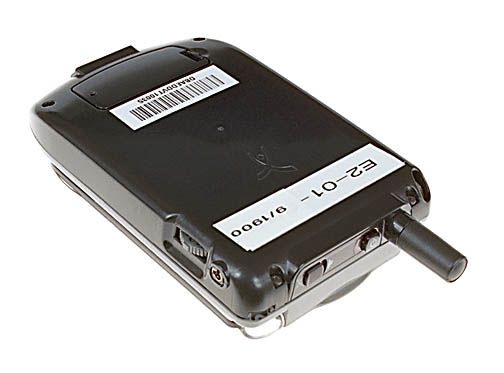
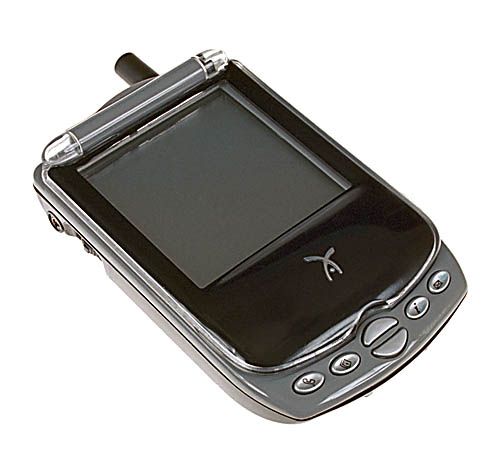
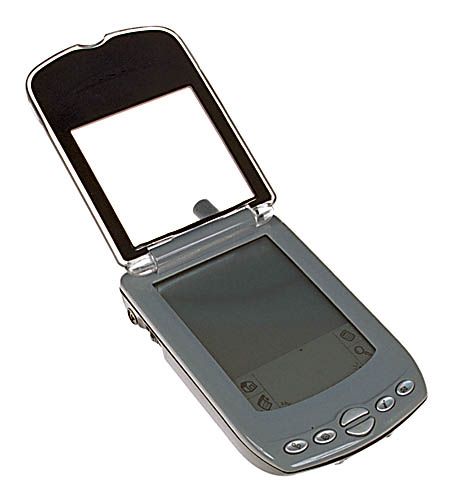
O8FNYNYHandspring Treo
Palm Inc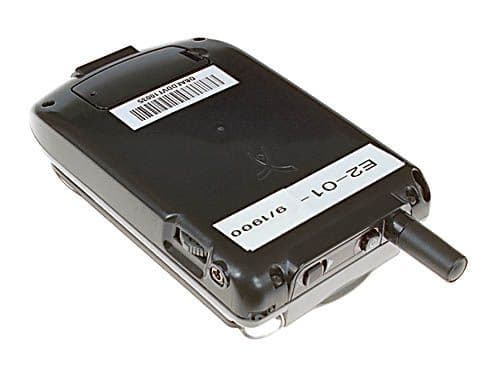
Click to zoom
Application Details
- Equipment Class
- PCE - PCS Licensed Transmitter held to ear
- Date of Grant
- Apr 21, 2002
- Application Purpose
- Original Equipment
- Date of Application
- Jul 17, 2001
- Equipment Note
- Handspring Treo
- Frequency Range
- 1850.20000000 - 1909.80000000
- Company
- Palm Inc
- Country
- United States
Documents & Files
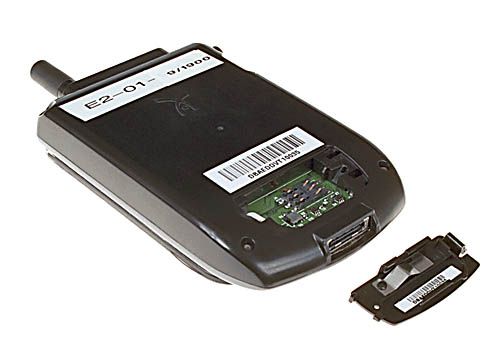
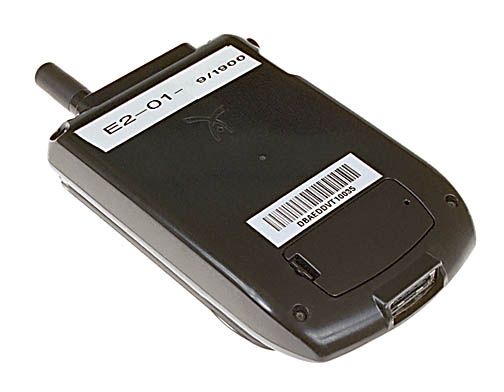
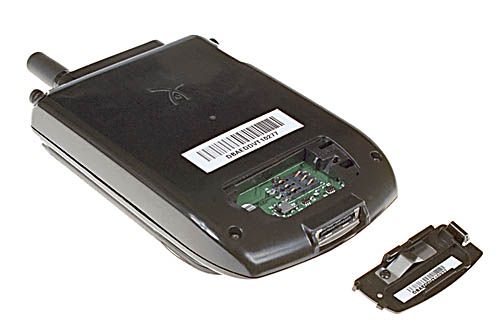
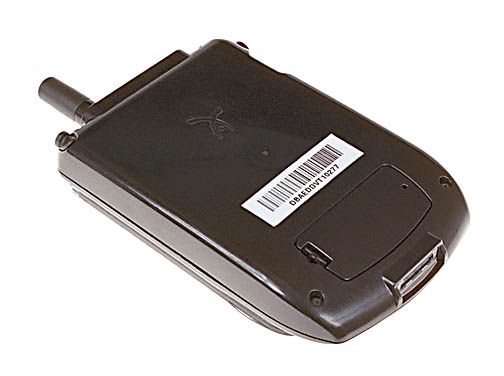
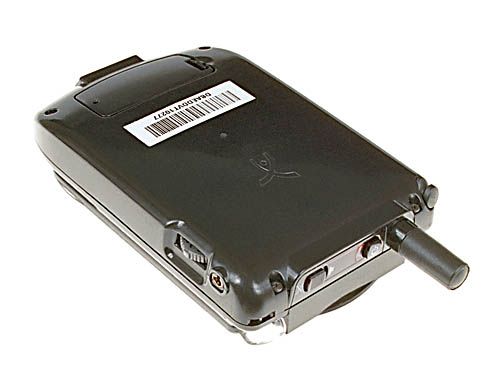
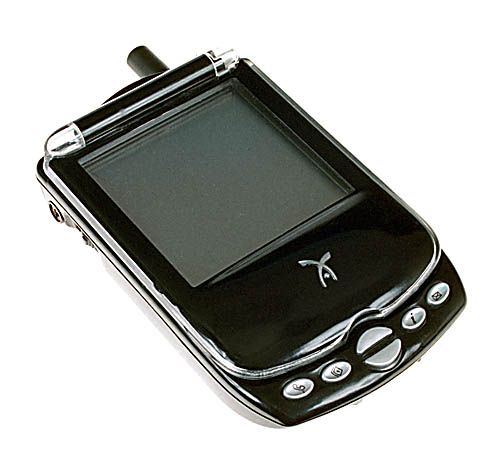
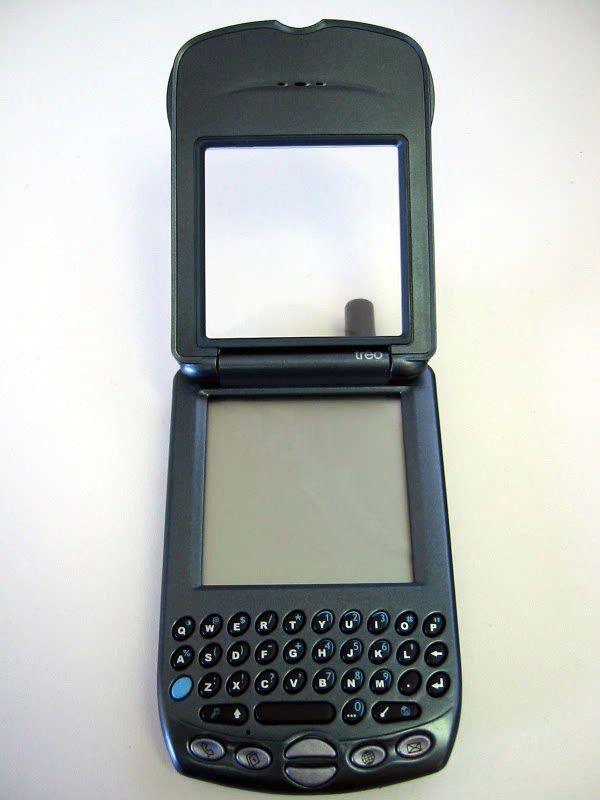
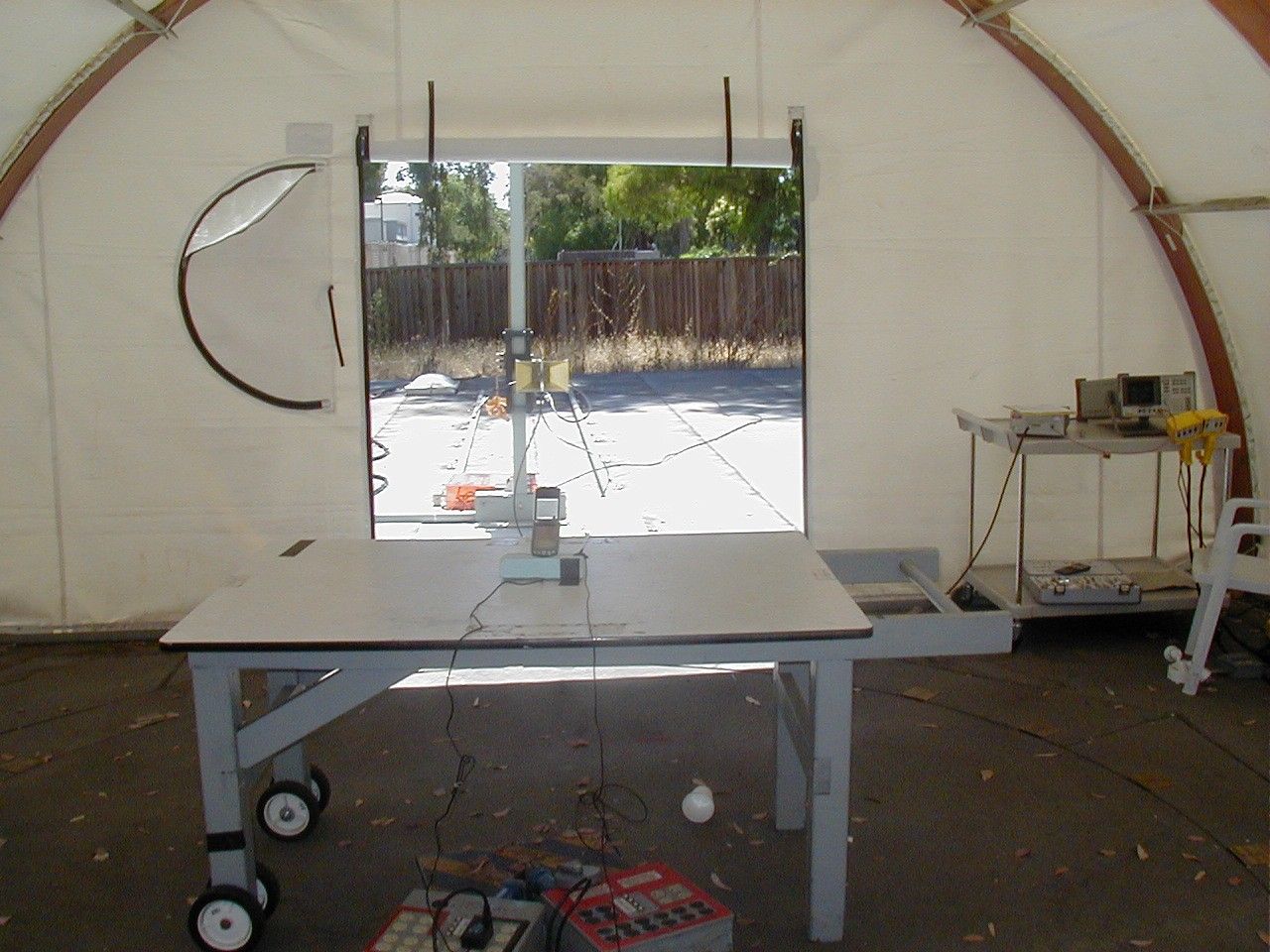
Document Text
Text extracted from the exhibit documents filed with the FCC. Open a document above to read the original.
Users Manual
1 Applicant: Handspring, Inc. FCC ID: O8F-NYNY This is the RF Exposure warning that will appear in the user manual(s). At this time, even the preliminary manuals have not been printed. This statement will appear towards the back of the manual with other regulatory and safety information. A preliminary version of the entire manual will be forwarded as soo as it becomes available Exposure To Radio Frequency Energy (SAR) In order to comply with FCC RF exposure safety guidelines users MUST use a Handspring brand body worn accessory during body-worn operation. Use of accessories not provided by Handspring or that have not been tested for RF exposure compliance with this product may not comply with the FCC RF exposure safety guidelines and should not be used. See http://www.fcc.gov/oet/rfsafety/ for more information on RF exposure safety.
Users Manual
Contentsi Contents Getting Up and Running ................................................1 Charging the Battery .....................................................5 Using the Keyboard ......................................................6 Adjusting the Screen Display.......................................... 8 Using Your Phone.......................................................... 9 Date Book Plus ............................................................16 Blazer Web Browser....................................................19 SMS Messages ............................................................20 Preferences and Other Settings ....................................22 Synchronizing Data with Your Computer ......................25 Beaming Information ...................................................29 Resetting Your Handheld .............................................30 Using the Electronic User Guide....................................31 Troubleshooting ..........................................................32 FCC Statement.............................................................35 ii Copyright Copyright © 2001 Handspring, Inc. All rights reserved. Handspring and the Handspring logo are trademarks of Handspring, Inc., and may be registered in some jurisdictions. Graffiti, HotSync, and Palm OS are registered trademarks, and Palm is a trademark of Palm, Inc. or its subsidiaries. All other trademarks are the property of their respective owners. Disclaimer and limitation of liability Handspring, Inc. and its suppliers assume no responsibility for any damage or loss resulting from the use of this guide. Handspring, Inc. and its suppliers assume no responsibility for any loss or claims by third parties which may arise through the use of this software. Handspring, Inc. and its suppliers assume no re- sponsibility for any damage or loss caused by deletion of data as a result of malfunction, dead battery, or repairs. Be sure to make backup copies of all important data on other media to protect against data loss. Important:For warranty information and a copy of the End User License Agreement applicable to your Handspring product, please see the Handspring web site at www.handspring.com/support/ug_warranties.jhtml. If you would like a copy of these materials mailed to you, or if you have any questions, please contact Handspring Customer Support. The information included on this web site sets forth Handspring's sole and complete warranty and software licensing obligations with respect to your Handspring product. Use of the product indicates your acceptance of the terms of the warranty and the End User License Agreement. Software download available Palm™ Desktop software and the electronic User Guide are supplied on a CD-ROM disc. If you do not have access to a CD-ROM drive for your computer, you can download both of these items from www.handspring.com. Part #: ##-####-## Getting Up and Running1 Getting Up and Running Congratulations on the purchase of your new Manhattan™ handheld computer. Here’s how to get up and running quickly: n Complete all the steps on the Manhattan Start Here card. n Use this Quick Reference Guide to learn how to enter text and perform basic tasks. n Check the electronic User Guide in the Handspring folder on your computer to learn more about using your handheld. Tip: If you’re upgrading from another Palm OS ® handheld, see page 26 for upgrade instructions. 2 Getting Up and Running Getting to know your Manhattan handheld computer Speaker Jog rocker Blazer/Find button SMS Messages/ Application Launcher button Headset jack Phone button Date Book Plus button Scroll buttons Microphone Getting Up and Running3 The color of the LED and the blink state indicate the following: Green/solid = Charging complete Green/fast blink = Call in progress Green/slow blink = Radio on; in coverage area Red/solid = Charging battery Red/fast blink = Low battery Red/slow blink = Radio on; no coverage No light = Radio off Stylus IR port Power button LED Ringer switch Antenna 4 Getting Up and Running Turning your Manhattan on and off Your Manhattan is both a handheld computer and a radio for wireless communications. You can turn the handheld and the radio on and off independently of each other. When you turn on the handheld, you can use the various applications while the radio is off. However, to make or receive a call, you need to turn on the radio. Turning the handheld on and off Do any of the following: nOpen the lid to turn it on, or close the lid to turn it off. nPress and release the power button. Turning the radio on and off nHold down the power button until you hear the confirmation tones to turn the radio (and other wireless features) on and off. The ascending tone indicates the radio is on and the descending tone indicates the radio is off. Charging the Battery5 Charging the Battery Your handheld battery provides approximately 2 hours of talk time or 72 hours of standby time. If the battery drains to the reserve level, you can still use your handheld applications for about 1 day, but there is not enough power to use the phone and other wireless features. It takes approximately 1 hour to charge a fully drained battery. To charge the battery do one of the following: nWhen you’re near your computer, connect your handheld to the HotSync ® cable with the AC adapter connected to a wall outlet as shown on page 27. nWhen travelling, connect the AC adapter cable directly to your handheld as shown here. Tip:The LED is solid red while your handheld charges. When the LED turns green, your handheld is charged. If the LED does not turn on, make sure the AC adapter cable is connected to a wall outlet. LED 6 Using the Keyboard Using the Keyboard Entering text Use your thumbs to press the keys. Each letter key has three modes: nNormal: types a lowercase letter. nShift: types an uppercase letter. nOption: types the number/symbol, or activates the function, that appears in blue above the …
Text truncated - open the document above for the full version.
Users Manual
Contentsi Contents Getting Up and Running ................................................1 Charging the Battery .....................................................5 Using the Keyboard ......................................................6 Adjusting the Screen Display.......................................... 8 Using Your Phone.......................................................... 9 Date Book Plus ............................................................16 Blazer Web Browser....................................................19 SMS Messages ............................................................20 Preferences and Other Settings ....................................22 Synchronizing Data with Your Computer ......................25 Beaming Information ...................................................29 Resetting Your Handheld .............................................30 Using the Electronic User Guide....................................31 Troubleshooting ..........................................................32 FCC Statement.............................................................35 ii Copyright Copyright © 2001 Handspring, Inc. All rights reserved. Handspring and the Handspring logo are trademarks of Handspring, Inc., and may be registered in some jurisdictions. Graffiti, HotSync, and Palm OS are registered trademarks, and Palm is a trademark of Palm, Inc. or its subsidiaries. All other trademarks are the property of their respective owners. Disclaimer and limitation of liability Handspring, Inc. and its suppliers assume no responsibility for any damage or loss resulting from the use of this guide. Handspring, Inc. and its suppliers assume no responsibility for any loss or claims by third parties which may arise through the use of this software. Handspring, Inc. and its suppliers assume no re- sponsibility for any damage or loss caused by deletion of data as a result of malfunction, dead battery, or repairs. Be sure to make backup copies of all important data on other media to protect against data loss. Important:For warranty information and a copy of the End User License Agreement applicable to your Handspring product, please see the Handspring web site at www.handspring.com/support/ug_warranties.jhtml. If you would like a copy of these materials mailed to you, or if you have any questions, please contact Handspring Customer Support. The information included on this web site sets forth Handspring's sole and complete warranty and software licensing obligations with respect to your Handspring product. Use of the product indicates your acceptance of the terms of the warranty and the End User License Agreement. Software download available Palm™ Desktop software and the electronic User Guide are supplied on a CD-ROM disc. If you do not have access to a CD-ROM drive for your computer, you can download both of these items from www.handspring.com. Part #: ##-####-## Getting Up and Running1 Getting Up and Running Congratulations on the purchase of your new Manhattan™ handheld computer. Here’s how to get up and running quickly: n Complete all the steps on the Manhattan Start Here card. n Use this Quick Reference Guide to learn how to enter text and perform basic tasks. n Check the electronic User Guide in the Handspring folder on your computer to learn more about using your handheld. Tip: If you’re upgrading from another Palm OS ® handheld, see page 26 for upgrade instructions. 2 Getting Up and Running Getting to know your Manhattan handheld computer Speaker Jog rocker Blazer/Find button SMS Messages/ Application Launcher button Headset jack Phone button Date Book Plus button Scroll buttons Microphone Getting Up and Running3 The color of the LED and the blink state indicate the following: Green/solid = Charging complete Green/fast blink = Call in progress Green/slow blink = Radio on; in coverage area Red/solid = Charging battery Red/fast blink = Low battery Red/slow blink = Radio on; no coverage No light = Radio off Stylus IR port Power button LED Ringer switch Antenna 4 Getting Up and Running Turning your Manhattan on and off Your Manhattan is both a handheld computer and a radio for wireless communications. You can turn the handheld and the radio on and off independently of each other. When you turn on the handheld, you can use the various applications while the radio is off. However, to make or receive a call, you need to turn on the radio. Turning the handheld on and off Do any of the following: nOpen the lid to turn it on, or close the lid to turn it off. nPress and release the power button. Turning the radio on and off nHold down the power button until you hear the confirmation tones to turn the radio (and other wireless features) on and off. The ascending tone indicates the radio is on and the descending tone indicates the radio is off. Charging the Battery5 Charging the Battery Your handheld battery provides approximately 2 hours of talk time or 72 hours of standby time. If the battery drains to the reserve level, you can still use your handheld applications for about 1 day, but there is not enough power to use the phone and other wireless features. It takes approximately 1 hour to charge a fully drained battery. To charge the battery do one of the following: nWhen you’re near your computer, connect your handheld to the HotSync ® cable with the AC adapter connected to a wall outlet as shown on page 27. nWhen travelling, connect the AC adapter cable directly to your handheld as shown here. Tip:The LED is solid red while your handheld charges. When the LED turns green, your handheld is charged. If the LED does not turn on, make sure the AC adapter cable is connected to a wall outlet. LED 6 Using the Keyboard Using the Keyboard Entering text Use your thumbs to press the keys. Each letter key has three modes: nNormal: types a lowercase letter. nShift: types an uppercase letter. nOption: types the number/symbol, or activates the function, that appears in blue above the …
Text truncated - open the document above for the full version.
Cover Letter(s)
To: Whom it may Concern FCC Application Processing Branch From: David Waitt Tel: 650 230 5384 Em: [email protected] I would like to make note of a few issues surrounding this application. I spoke with Frank Coperitch regarding “covering” two versions of the same product with one certification application. Although he told me what he was offering me was his opinion and not “policy” he did comment that since the two devices are so similar with respect to the RF portion of the devices and their RF performance, that he felt that a single application was acceptable. Unfortunately, our schedule does not allow waiting for one grant and then doing a permissive change, and filing for two different grants is not preferable due to the fact that this would result in two different FCC ID’s which would effect labels for the devices and so on. Taking all this into account, I followed Frank’s suggestion that a single application seemed acceptable. If this is not the case, then please let me know via email as soon as possible because we are on a very tight schedule. At this time, even a preliminary manual is not available however I have submitted the RF Exposure warning statement that will be in the manual. I will upload a preliminary version of the manual as soon as it is available. Also at this time, the final product name has not been chosen, as soon as it is I will notify the FCC. Sincerely David Waitt Handspring, Inc. 189 Bernardo Ave. Mountain View, CA 94043
Cover Letter(s)
July 13, 2001 Federal Communications Commission Authorization and Evaluation Division Equipment Authorization Division 7345 Oakland Mills Road Columbia, Maryland 21046 To whom it may concern, Handspring requests that the following documents contained in this Part 24 certification application be withheld from public disclosure. All schematic diagrams All electrical block diagrams All theory of operations Handspring also certifies that no party to this application is subject to denial of benefits, including FCC benefits, pursuant to section 5301 of the anti-drug abuse act of 1988, 21 U.S.C 853(a) Sincerely David Waitt Lead HW QA Engineer Handspring, Inc. 189 Bernardo Ave. Mountain View, CA 94043
Cover Letter(s)
To: Whom it may Concern FCC Application Processing Branch From: David Waitt Tel: 650 230 5384 Em: [email protected] There are two issues that I would like to clear up regarding this application. 1: While there was a “Request for confidentiality” letter uploaded with the application I realized after I uploaded the application that I neglected to check the “confidential” box for the schematics and block diagrams. To clear up any confusion, Handspring would like those items outlined in the request for confidentiality withheld from public disclosure. 2: It has come to my attention that an error was made on the FCC label drawing that was uploaded with the application. The FCC ID on the label drawing was shown as “O8F-NYNY”. In fact the FCC ID is “O8FNYNY”. A new drawing is being created and will be uploaded to the FCC site as soon as it is complete. Sincerely David Waitt Handspring, Inc. 189 Bernardo Ave. Mountain View, CA 94043
Cover Letter(s)
Handspring’s replies to FCC inquiries are below. FCC: Upload an Operational Description. This should include the name and FCC ID of the module used in the Manhattan and Shea. Handspring: The RF module is called a “Wismo-3” module and is a purchased component from Wavecom based in France. The module has not been FCC Certified. Handspring is unsure if Wavecom intends to eventually certify the module with the FCC. The module is currently undergoing FTA testing in Europe. I have uploaded the Wavecom Wismo-3 module technical specification as well as a preliminary copy of Handspring’s Manhattan product development guide to the FCC web site. FCC: Upload The Parts List/Tune-up Information for both models. Handspring: A parts list for the PCB in Shea and Manhattan has been uploaded to the FCC site. In asking for “tune up” information, I am assuming you are looking for an RF alignment procedure. Handspring has no procedure. Since the RF module is a purchased component all the RF alignment is performed at Wavecom. Handspring cannot “tune” or adjust any of the RF characteristics of the module. FCC: The application is for PCE. Should it be PCF? Please verify. Handspring: While the device could be worn on the body in a belt pouch or held to the face and used like a small speakerphone. Handspring feels that most common use of the device will be held to the ear. Therefore the “PCE” designation is correct. FCC: The Block diagram and schematics are identical for both models. Please explain. Handspring: This is correct. From the point of view of the PCB, it does not “know” or care where the text entry is coming from, either the graffiti area or the keyboard. All the PCB “sees” is an incoming bit pattern that represents characters. It does not know or care where the characters are coming from. I hope these answers address the FCC’s concerns. If additional information is required, please contact me at [email protected] . Sincerely, David Waitt Handspring, Inc. 189 Bernardo Ave. Mountain View, CA 94043 To: David Waitt, Handspring From: Andy Leimer [email protected] FCC Application Processing Branch Re: FCC ID O8FNYNY Applicant: Handspring, Inc. Correspondence Reference Number: 20070 731 Confirmation Number: EA101742 Main PCB Text entry from keyboard Text entry from Graffiti Area 100010110100101 100010110100101 - OR - Manhattan Shea
Cover Letter(s)
To: FCC OET From: Handspring, Inc. David Waitt [email protected] (650 230-5384 Subject: Actual model names for O8FNYNY ( EA101742 ) The above referenced certification application was submitted referencing the internal company project names because at the time the actual model names had not been determined. However, at this time, the model names have been determined, they are: Model name used in certification application Method of text input Actual model name the product will be sold under MANHATTAN Keyboard Treo k180 SHEA “Graffiti” Treo g180 If there are any questions, please contact me at the email address above. Sincerely David Waitt Handspring, Inc. 189 Bernardo Ave. Mountain View, CA 94043
Cover Letter(s)
FCC: Please submit signed letter requesting that this application be deferred. The letter should include the deferral date. In order to issue a Grant on the deferral date, you must send a reminder E-mail one day before you want the Grant to the following: Andy Leimer [email protected] Rich Fabina [email protected] If this is not done the application will remain in the Deferred status. Handspring: Handspring requests that the issuance of the Grant, referred to above, be deferred until at least October 15, 2001. Handspring also requests that the grant NOT be issued, at any time, (October 15 or later), unless the FCC so has received a written request from Handspring to issue the grant. Handspring will contact the FCC at least one day in advance of a requested issue date. This is to prevent inadvertently issuing the grant and posting information on the web prior to our product launch date, should the launch date be postponed. Thank You. Regards, David Waitt Handspring, Inc. 189 Bernardo Ave. Mountain View, CA 94043 To: David Waitt, HANDSPRING, INC. From: Andy Leimer [email protected] FCC Application Processing Branch Re: FCC ID O8FNYNY Applicant: Handspring, Inc. Correspondence Reference Number: 20495 731 Confirmation Number: EA101742
Cover Letter(s)
22 Oct 2001 Federal Communications Commission Authorization and Evaluation Division Equipment Authorization Division 7345 Oakland Mills Road Columbia, Maryland 21046 Re: Revised confidentiality request To whom it may concern, Handspring would like to amend its previous confidentiality request that was submitted with this certification application dated 13 July 2001 (O8FNYNY) to include all parts lists and an additional two documents listed below. Thus, Handspring requests that the following documents contained in this Part 24 certification application be withheld from public disclosure. All schematic diagrams All electrical block diagrams All theory of operations All parts lists (Specifically “parts_list_shea_1900_main_PCB.pdf” and “parts_list_manhattan_1900_main_PCB.pdf”) The document entitled: “product_development_guide.pdf” The document entitled: “wismo3_specs.pdf “ (GSM RF module specs) The handspring letter requesting initial deferral of the grant Handspring feels that allowing the above documents to become public could be detrimental to its business by permitting its competitors to have access to information that would not normally be released to the public. Handspring would also like to request that some of the photographs that were submitted with the original certification application be superceded with newer, more up-to-date items that have been uploaded with this letter. Specifically: Supercede the photo(s) “M_assy360.jpg” and/or “M_assy_72.jpg” with “M_assy_new.jpg” Supercede the photo “M_Front_open” with “M_front_open_new.jpg” Handspring would like to request that the FCC grant the above referenced certification application contingent on the FCC being able to accommodate the requests above. Handspring also certifies that no party to this application is subject to denial of benefits, including FCC benefits, pursuant to section 5301 of the anti-drug abuse act of 1988, 21 U.S.C 853(a) If there are any questions, please contact me at [email protected] Sincerely David Waitt Lead HW QA Engineer Handspring, Inc. 189 Bernardo Ave. Mountain View, CA
Cover Letter(s)
22 Oct 2001 Federal Communications Commission Authorization and Evaluation Division Equipment Authorization Division 7345 Oakland Mills Road Columbia, Maryland 21046 Re: Revised confidentiality request To whom it may concern, Handspring would like to amend its previous confidentiality request that was submitted with this certification application dated 13 July 2001 (O8FNYNY) to include all parts lists and an additional two documents listed below. Thus, Handspring requests that the following documents contained in this Part 24 certification application be withheld from public disclosure. All schematic diagrams All electrical block diagrams All theory of operations All parts lists (Specifically “parts_list_shea_1900_main_PCB.pdf” and “parts_list_manhattan_1900_main_PCB.pdf”) The document entitled: “product_development_guide.pdf” The document entitled: “wismo3_specs.pdf “ (GSM RF module specs) Handspring feels that allowing the above documents to become public could be detrimental to its business by permitting its competitors to have access to information that would not normally be released to the public. Handspring would also like to request that some of the photographs that were submitted with the original certification application be superceded with newer, more up-to-date items that have been uploaded with this letter. Specifically: Supercede the photo(s) “M_assy360.jpg” and/or “M_assy_72.jpg” with “M_assy_new.jpg” Supercede the photo “M_Front_open” with “M_front_open_new.jpg” Handspring would like to request that the FCC grant the above referenced certification application contingent on the FCC being able to accommodate the requests above. Handspring also certifies that no party to this application is subject to denial of benefits, including FCC benefits, pursuant to section 5301 of the anti-drug abuse act of 1988, 21 U.S.C 853(a) If there are any questions, please contact me at [email protected] Sincerely David Waitt Lead HW QA Engineer Handspring, Inc. 189 Bernardo Ave. Mountain View, CA
RF Exposure Info
Page 1 of 15 Project #:HANB-Shea PDA w. Phone Capability-3759 51 Spectrum Way Tel. (613) 820-2730 Nepean, Ontario, K2R 1E6 Fax (613) 820 4161 e-mail: [email protected] © APREL 2000 This report shall not be reproduced, except in full, without the express written approval of APREL Laboratories. INVESTIGATIVE SAR REPORT Subject: Specific Absorption Rate (SAR) Head Report Product: PDA with Phone Capability Model: Shea** Internal Product Name Client: Handspring Address: 189 Bernardo Avenue Mountain View, CA 94043-5203 Project #: HANB-Shea PDA w. Phone Capability-3759 Prepared by APREL Laboratories 51 Spectrum Way Nepean, Ontario K2R 1E6 Approved by ___________________________ Date: ________________ Stuart Nicol Director Product Development, Dosimetric R&D Submitted by ____________________________ Date: _________________ Jay Sarkar Technical Director of Standards & Certification Released by _____________________________ Date: _________________ Dr. Jacek J. Wojcik, P. Eng. A173-Shea Page 2 of 15 Project #:HANB-Shea PDA w. Phone Capability-3759 51 Spectrum Way Tel. (613) 820-2730 Nepean, Ontario, K2R 1E6 Fax (613) 820 4161 e-mail: [email protected] © APREL 2000 This report shall not be reproduced, except in full, without the express written approval of APREL Laboratories. FCC ID: Applicant: Handspring Equipment: PDA with Phone Capability Model: Shea Standard: FCC 96 –326, Guidelines for Evaluating the Environmental Effects of Radio- Frequency Radiation ENGINEERING SUMMARY This report contains the results of the engineering evaluation performed on the Shea PDA with phone capability . The measurements were carried out in accordance with FCC 96-326. The Device Under Investigation (DUI) was evaluated for its maximum power level 30 dBm (nominally). The client will supply a letter of confirmation as to the true power level for the product tested. The duty cycle for the radio is set by the PCS standard at a value of one in eight and is restricted by the operational characteristics of the DUI. The end user will not be able to change the duty cycle. The DUI was tested at low, middle and high channels for the PCS frequency range. The maximum 1g SAR ( 0.75 W/kg) was found to coincide with the peak performance RF output power of channel 512 low (1850.2 MHz) for the keyboard up side of the device. (The hot spot is located near the antenna). Test data and graphs are presented in this report. Figures 3 and 4 provide graphical details of the area and depth scans for this unit. Due to the cut off nature of the graphs it was decided that the DUI would be reassessed by moving the microphone towards the ear so as to scan a larger area of the keyboard for the DUI. These tests were not in line with the general use position, and would constitute a more unnatural way of using the unit. This test proved that the general use position was providing a more conservative measurement. Due to the construction of the chassis the distance from the radiating source to the phantom actually increased when it was reassessed in the unnatural position. Based on the test results and on how the device will be marketed and used, it is certified that the product meets the requirements as set forth in the above specifications, for RF exposure environment. (The results presented in this report relate only to the sample tested.) Page 3 of 15 Project #:HANB-Shea PDA w. Phone Capability-3759 51 Spectrum Way Tel. (613) 820-2730 Nepean, Ontario, K2R 1E6 Fax (613) 820 4161 e-mail: [email protected] © APREL 2000 This report shall not be reproduced, except in full, without the express written approval of APREL Laboratories. Table of Contents 1. Introduction....................................................................................................................4 2. Applicable Documents...................................................................................................4 3. Device Under Investigation...........................................................................................4 4. Test Equipment..............................................................................................................5 5. Test Methodology..........................................................................................................5 6. Test Results....................................................................................................................6 6.1. Transmitter Characteristics............................................................................................6 6.2. SAR Measurements.......................................................................................................7 7. User's HEAD EXPOSURE............................................................................................8 8. Conclusions..................................................................................................................10 APPENDIX A. Measurement Setup, Tissue Properties and SAR Graphs.............................11 APPENDIX B. Uncertainty Budget........................................................................................13 APPENDIX C. Validation Scan on a Flat Phantom...............................................................14 APPENDIX D. Probe Calibration...........................................................................................15 TABLES AND FIGURES Table 1. Sampled RF Power.....................................................................................................6 Table 2. SAR Measurements....................................................................................…
Text truncated - open the document above for the full version.
Contact Information
Applicant
Helen Zhao(Sr. Regulatory Compliance Engineer)
Technical Contact
HandspringDavid Waitt
[email protected]650 230 5384
189 Bernardo ave · Mt View, California · United States
Non-Technical Contact
Handspringdavid waitt
[email protected]650 230 5384
Test Firm
Elliott Laboratories LLCDavid Bare
Technical Specifications
| # | Rule Parts | Frequency Range | Power Output | Emission | Tolerance |
|---|---|---|---|---|---|
| 1 | 24E | 1.85 GHz - 1.91 GHz | 1.46 W | 283KGXW | 0.0010000000 % |
Other Applications from Palm Inc

O8F-BROY
Feb 21, 2011Phone
Equipment Class
PCE - PCS Licensed Transmitter held to ear
O8F-BROU
Feb 10, 2011Phone
Equipment Class
DXX - Part 15 Low Power Communication Device Transmitter
O8F-ROAE
Oct 18, 2010CDMA/1x EVDO phone with 802.11 b/g and Bluetooth
Equipment Class
DTS - Digital Transmission System
O8F-ROAU
Oct 18, 2010UMTS Phone with 802.11b/g and Bluetooth
Equipment Class
PCE - PCS Licensed Transmitter held to ear
O8F-ROAY
Oct 05, 2010GSM phone with 802.11a/b/g and Bluetooth
Equipment Class
DTS - Digital Transmission System