PBWB200R36BABY MONITOR -BASE UNIT
Ascalade Technologies, Inc.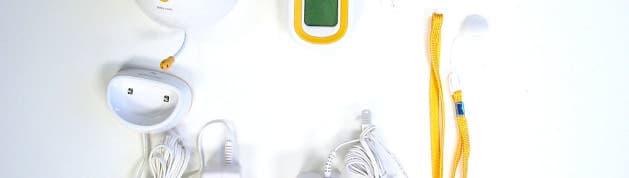
Click to zoom
Application Details
- Equipment Class
- PUB - Part 15 Unlicensed PCS Base Station
- Date of Grant
- Mar 09, 2006
- Application Purpose
- Original Equipment
- Date of Application
- Mar 09, 2006
- Equipment Note
- BABY MONITOR -BASE UNIT
- Frequency Range
- 1921.53600000 - 1928.44800000
- Company
- Ascalade Technologies, Inc.
- Country
- Canada
Documents & Files
Document Text
Text extracted from the exhibit documents filed with the FCC. Open a document above to read the original.
Users Manual
SCD589 User manual4 Mode d’emploiX Instrucciones de manejo X ES FR EN 13Unplug this product from the wall outlet and refer servicing to qualified service personnel under the following conditions: A.When the power supply cord or plug is damaged or frayed. B. If the product has been exposed to rain or water. C. If the product does not operate normally by following the operating instructions. D. If the product’s cabinet has been damaged. E. If the product exhibits a distinct change in performance. 14Do not place this product on an unstable cart, stand or table.The product may fall, causing serious damage to the product. 15Make sure the baby unit and adapter cable are always out of reach of the baby (at least 1 meter / 3 feet away). 16Never place the baby unit inside the baby’s bed or playpen. 17Never cover the baby monitor (with a towel, blanket, etc.). If your product utilizes batteries, the following additional precautions should be observed: 1Use only the type and size of the battery(ies) specified in the user manual. 2Do not dispose of the battery(ies) in fire.They may explode. Check with local regulations for possible special disposal instructions. 3Do not open or mutilate the battery(ies). Released electrolyte is corrosive and may cause damage to the eyes or skin. It may be toxic if swallowed. 4Exercise care in handling battery(ies) in order not to short out the battery(ies) with conducting materials such as rings, bracelets and keys.The batter(ies) or conductor may overheat and cause burns. 5 Do not attempt to recharge the battery(ies) provided with or identified for use with this product that are not intended to be charged.The battery(ies) may leak corrosive electrolyte or explode. 6Do not attempt to rejuvenate the battery(ies) provided with or identified for use with this product by heating them. Sudden release of the battery(ies) electrolyte may occur causing burns or irritation to eyes or skin. 7When replacing battery(ies), all batteries should be replaced at the same time. Missing fresh and discharged batteries could increase internal cell pressure and rupture the discharged battery(ies). (Applies to products employing more than one separately replaceable primary battery.) 8When inserting battery(ies) into this product, the proper polarity or direction must be observed. Reverse insertion of battery(ies) can cause charging, and that may result in leakage or explosion. 9Remove battery(ies) from this product if storing over 30 days because the battery(ies) could leak and damage the product. 10Discard ‘dead’ battery(ies) as soon as possible since ‘dead’ batteries are more likely to leak in a product. 11Do not store this product, or the battery(ies) provided with or identified for use with this product, in high-temperature areas. Batteries that are stored in a freezer or refrigerator for the purpose of extending shelf life should be protected from condensation during storage and defrosting. Batteries should be stabilized at room temperature prior to use after cold storage. Important 3 EN 3 + + + + + + 1 3 5 10 8 7 13 12 6 2 9 4 11 + + + + + + 1 4 8 7 6 5 9 2 3 10 11 + + + + + + 13 8 9 12 17 A. Baby unit B. Parent unit 14 14 15 16 4 EN A. Baby unit A-1On/Off button (y) A-2Temperature sensor A-3LINK light A-4Volume – / + buttons A-5PAGE button A-6Microphone A-7Night light button ( ) A-8Lullaby button ( ) A-9Play/stop button (29) A-10 Night light A-11 Display A-12 Battery compartment cover A-13 DC 9V / 300mA power supply jack A-14 AC power adapter B. Parent Unit B-1TALK button B-2MENU button B-3LINK light B-4Loudspeaker B-5Microphone B-6On/Off button (y) B-7OK button B-8Display B-9Sound level lights B-10 Volume – / + buttons B-11 Recess for the belt clip or neck strap B-12 Battery compartment cover B-13 Belt clip B-14 AC power adapter B-15 Charging base B-16 POWER light B-17 Neck strap B-18 Travel bag Legend of functions Legend of functions 5 C.What else you need Both units can be battery operated. For battery-operated use you’ll need: – 4 x 1.5V AA non-rechargeable batteries for baby unit. Not supplied. – 2 x 1.2V AAA rechargeable batteries for parent unit. Supplied. D. Display Room temperature indicator Battery indicator Volume indicators Night light indicator Lullaby indicator Microphone sensitivity indicator High - Room temperature above temperature set in menu LoW - Room temperature below temperature set in menu Not LinKed - No connection between units VoluMe 9 9 9- Volume indication PauSed - Playback of lullaby interrupted EN 2Important Safety Instructions 3Illustrations 4Legend of functions 4Baby unit 4Parent unit 5What else you need 5Display 6Contents 7Welcome 9Getting your baby monitor ready for use 9Baby unit 10Parent unit 11 Using your baby monitor 12 Other features 12Adjusting loudspeaker volume 13Talking to your baby 13Monitoring baby silently 14Switching nightlight on / off 14Paging the parent unit 14Playing lullabies 15Connecting / disconnecting belt clip and neck strap 16 Menu options 16Menu operation - General explanation 17Switching nightlight on / off 17Playing lullabies 17Adjusting microphone sensitivity 18Switching sound alert on / off 18Setting room temperature range 18Setting temperature alert 19 Troubleshooting 21 Frequently asked questions 22 Important information 22Technical specifications 22Maintenance 23Environmental information 23Factory initialization mode 24Compliance information 24Radio Interference 25FCC RF Radiation Exposure Statement 18 Need help? 25 Guarantee and service 25Service centers 6 EN Contents Battery operated use 1Open the battery compartment by turning the cover (A-12) to the left (1OPEN), using the palm of your hand. Take off the cover. 2Insert four 1.5V AA batteries, noting the + and – configuration inside the battery compartment (batteries are not supplied; we recommend Philips Alkaline batteries). 3Put the battery compartment cover (A-12) back in place. Close the compartment by turning the cover (A-12) to the right (CLOSE2), using the p…
Text truncated - open the document above for the full version.
External Photos
Doc Sec. Exterior Photo – SCD589 Complete Set Revision 1.0 Page(s) 1 of 1 This document contains confidential and proprietary information of Ascalade. Its use is under the terms and conditions of Proprietary. Ascalade in this document means Ascalade Technologies Inc., Ascalade Communications Ltd., or Dongguan Ascalade Electronics Co. Ltd.
ID Label/Location Info
Doc Sec. Marking – SCD384 Baby Unit (Base) Revision 1.2 Page(s) 1 of 2 This document contains confidential and proprietary information of Ascalade. Its use is under the terms and conditions of Proprietary. Ascalade in this document means Ascalade Technologies Inc., Ascalade Communications Ltd., or Dongguan Ascalade Electronics Co. Ltd. Engrave Doc Sec. Marking – SCD384 Baby Unit (Base) Revision 1.2 Page(s) 2 of 2 This document contains confidential and proprietary information of Ascalade. Its use is under the terms and conditions of Proprietary. Ascalade in this document means Ascalade Technologies Inc., Ascalade Communications Ltd., or Dongguan Ascalade Electronics Co. Ltd. Model Label
ID Label/Location Info
Doc Sec. Marking – SCD386 Baby Unit (Base) Revision 1.2 Page(s) 1 of 2 This document contains confidential and proprietary information of Ascalade. Its use is under the terms and conditions of Proprietary. Ascalade in this document means Ascalade Technologies Inc., Ascalade Communications Ltd., or Dongguan Ascalade Electronics Co. Ltd. Engrave Doc Sec. Marking – SCD386 Baby Unit (Base) Revision 1.2 Page(s) 2 of 2 This document contains confidential and proprietary information of Ascalade. Its use is under the terms and conditions of Proprietary. Ascalade in this document means Ascalade Technologies Inc., Ascalade Communications Ltd., or Dongguan Ascalade Electronics Co. Ltd. Model Label
ID Label/Location Info
Doc Sec. Marking – SCD589 Baby Unit (Base) Revision 1.0 Page(s) 1 of 2 This document contains confidential and proprietary information of Ascalade. Its use is under the terms and conditions of Proprietary. Ascalade in this document means Ascalade Technologies Inc., Ascalade Communications Ltd., or Dongguan Ascalade Electronics Co. Ltd. Label Label Engrave Silkscreen Doc Sec. Marking – SCD589 Baby Unit (Base) Revision 1.0 Page(s) 2 of 2 This document contains confidential and proprietary information of Ascalade. Its use is under the terms and conditions of Proprietary. Ascalade in this document means Ascalade Technologies Inc., Ascalade Communications Ltd., or Dongguan Ascalade Electronics Co. Ltd. Model Label Caution Label
Internal Photos
Doc Sec. PCBA Photo – Base RF Revision 1.1 Page(s) 1 of 2 This document contains confidential and proprietary information of Ascalade. Its use is under the terms and conditions of Proprietary. Ascalade in this document means Ascalade Technologies Inc., Ascalade Communications Ltd., or Dongguan Ascalade Electronics Co. Ltd. TOP VIEW Doc Sec. PCBA Photo – Base RF Revision 1.1 Page(s) 2 of 2 This document contains confidential and proprietary information of Ascalade. Its use is under the terms and conditions of Proprietary. Ascalade in this document means Ascalade Technologies Inc., Ascalade Communications Ltd., or Dongguan Ascalade Electronics Co. Ltd. BOTTOM VIEW
Internal Photos
Doc Sec. PCBA Photo – SCD386 Baby Unit (BS) Baseband Revision 1.0 Page(s) 1 of 1 This document contains confidential and proprietary information of Ascalade. Its use is under the terms and conditions of Proprietary. Ascalade in this document means Ascalade Technologies Inc., Ascalade Communications Ltd., or Dongguan Ascalade Electronics Co. Ltd. TOP VIEW BOTTOM VIEW Doc Sec. PCBA Photo – SCD386 Base Keypad Board Revision 1.0 Page(s) 1 of 2 This document contains confidential and proprietary information of Ascalade. Its use is under the terms and conditions of Proprietary. Ascalade in this document means Ascalade Technologies Inc., Ascalade Communications Ltd., or Dongguan Ascalade Electronics Co. Ltd. TOP VIEW 1 TOP VIEW 2 Doc Sec. PCBA Photo – SCD386 Base Keypad Board Revision 1.0 Page(s) 2 of 2 This document contains confidential and proprietary information of Ascalade. Its use is under the terms and conditions of Proprietary. Ascalade in this document means Ascalade Technologies Inc., Ascalade Communications Ltd., or Dongguan Ascalade Electronics Co. Ltd. BOTTOM VIEW
Internal Photos
Doc Sec. PCBA Photo – SCD587 Baby Unit (BS) Baseband Revision 1.0 Page(s) 1 of 2 This document contains confidential and proprietary information of Ascalade. Its use is under the terms and conditions of Proprietary. Ascalade in this document means Ascalade Technologies Inc., Ascalade Communications Ltd., or Dongguan Ascalade Electronics Co. Ltd. TOP VIEW 1 TOP VIEW 2 Doc Sec. PCBA Photo – SCD587 Baby Unit (BS) Baseband Revision 1.0 Page(s) 2 of 2 This document contains confidential and proprietary information of Ascalade. Its use is under the terms and conditions of Proprietary. Ascalade in this document means Ascalade Technologies Inc., Ascalade Communications Ltd., or Dongguan Ascalade Electronics Co. Ltd. BOTTOM VIEW Doc Sec. PCBA Photo – SCD587 Base Keypad Board Revision 1.0 Page(s) 1 of 1 This document contains confidential and proprietary information of Ascalade. Its use is under the terms and conditions of Proprietary. Ascalade in this document means Ascalade Technologies Inc., Ascalade Communications Ltd., or Dongguan Ascalade Electronics Co. Ltd. TOP VIEW BOTTOM VIEW
Internal Photos
Doc Sec. PCBA Photo – SCD589 Baby Unit (BS) Baseband Revision 1.0 Page(s) 1 of 2 This document contains confidential and proprietary information of Ascalade. Its use is under the terms and conditions of Proprietary. Ascalade in this document means Ascalade Technologies Inc., Ascalade Communications Ltd., or Dongguan Ascalade Electronics Co. Ltd. TOP VIEW 1 TOP VIEW 2 Doc Sec. PCBA Photo – SCD589 Baby Unit (BS) Baseband Revision 1.0 Page(s) 2 of 2 This document contains confidential and proprietary information of Ascalade. Its use is under the terms and conditions of Proprietary. Ascalade in this document means Ascalade Technologies Inc., Ascalade Communications Ltd., or Dongguan Ascalade Electronics Co. Ltd. BOTTOM VIEW Doc Sec. PCBA Photo – SCD589 Base Keypad Board Revision 1.0 Page(s) 1 of 2 This document contains confidential and proprietary information of Ascalade. Its use is under the terms and conditions of Proprietary. Ascalade in this document means Ascalade Technologies Inc., Ascalade Communications Ltd., or Dongguan Ascalade Electronics Co. Ltd. TOP VIEW 1 TOP VIEW 2 Doc Sec. PCBA Photo – SCD589 Base Keypad Board Revision 1.0 Page(s) 2 of 2 This document contains confidential and proprietary information of Ascalade. Its use is under the terms and conditions of Proprietary. Ascalade in this document means Ascalade Technologies Inc., Ascalade Communications Ltd., or Dongguan Ascalade Electronics Co. Ltd. BOTTOM VIEW Doc Sec. PCBA Photo – SCD589 Power Jack Revision 1.0 Page(s) 1 of 1 This document contains confidential and proprietary information of Ascalade. Its use is under the terms and conditions of Proprietary. Ascalade in this document means Ascalade Technologies Inc., Ascalade Communications Ltd., or Dongguan Ascalade Electronics Co. Ltd. BOTTOM VIEW TOP VIEW Doc Sec. PCBA Photo – SCD589 Base Battery Spring Revision 1.0 Page(s) 1 of 1 This document contains confidential and proprietary information of Ascalade. Its use is under the terms and conditions of Proprietary. Ascalade in this document means Ascalade Technologies Inc., Ascalade Communications Ltd., or Dongguan Ascalade Electronics Co. Ltd. Top View Bottom View
RF Exposure Info
_____________________________ _____________________________ 849 NW State Road 45 PO Box 370 Newberry, FL 32669 TEST REPORT MPE CALCULATION: Calculation Results Power at the Antenna 0.120 watts Antenna Gain in dBi 2.00 dBi Distance to the Area of Interest 20cm Frequency 1925.000 MHz Ground Reflections No RF Power Density 0.0374 mw/cm 2 Controlled Environment Uncontrolled Environment Maximum Permissible Exposure (MPE) 5.00 mw/cm 2 1.00 mw/cm 2 Distance of Compliance From Center of Antenna 3.3cm 5.4cm Area of Interest in Compliance? Pass Pass
Test Report
________________________________ ________________________________ TEST REPORT STANDARD (s): FCC Part 15, Subparts B, C, and D IC RSS-213 & ICES-003 UPCS / LE-PCS Isochronous Device Base & Handset: 1921.536 – 1928.448 MHz ANSI C63.17 - 1998 (or 2005 Draft where applicable) ANSI C63.4 – 2003 APPLICANT: ASCALADE TECHNOLOGIES INC. 12051 RIVERSIDE WAY RICHMOND, BC V6W 1K7 V6W 1K7 Tel.: 1-604-241-7991 MR. KEVIN YAU, QUALITY MANAGER BASE MODEL NUMBERS: SCD589, SCD588, SCD587, SCD386, SCD384 HANDSET MODEL SCD589-R, SCD588-R, SCD587-R, NUMBERS: SCD386-R, SCD384-R DESCRIPTION OF PRODUCT: 1.9 GHz DECT Baby Monitor FCC IDs: PBWB200R36 (BASE) PBWB200R36H (HANDSET) IC: 3842A-B200R36 TEST RESULTS: PASS FAIL 849 NW State Road 45 PO Box 370 Newberry, FL 32669 APPLICANT: ASCALADE TECHNOLOGIES INC. FCC ID #: PBWB200R36 REPORT #: V:\A\Ascalade\255AUT6\Extra255AUT6\255AUT6 TestReport TEI-2.doc Page 2 of 26 PLEASE NOTE: THE ATTACHED REPORT SHALL NOT BE REPRODUCED EXCEPT IN FULL WITHOUT THE WRITTEN APPROVAL OF TIMCO ENGINEERING, INC. TABLE OF CONTENTS 1 GENERAL INFORMATION.............................................................................3 1.1 COMPLIANCE STATEMENT:...............................................................3 1.2 EQUIPMENT UNDER TEST SPECIFICATION.......................................4 1.2.1 TRANSMITTER TECHNICAL CHARACTERISTICS............4 1.2.2 POWER SOURCE (S)......................................................4 1.3 RATIONAL FOR SELECTING TEST CONFIGURATION(S):.....................4 1.4 DESCRIPTION ON HOW THE EUT WAS EXERCISED DURING TESTING: ..........................................................................................................4 1.5 TEST STANDARDS.............................................................................5 2 TEST ENVIRONEMENT.................................................................................5 3 TEST RESULTS............................................................................................6 3.1 RADIATED PEAK TRANSMIT POWER..................................................6 3.1.1 BASE:............................................................................6 3.1.2 HANDSET:.....................................................................7 3.2 TRANSMITTER SPURIOUS EMISSIONS..............................................8 3.2.1 BASE:............................................................................8 3.2.2 HANDSET:.....................................................................8 3.3 GENERAL RADIATED SPURIOUS EMISSIONS....................................9 3.3.1 RADIATED SPURIOUS EMISSIONS................................9 3.3.2 BASE in STAND-BY MODE (MODEL SCD386):...............10 3.3.3 BASE in STAND-BY MODE (MODEL SCD384): ..............11 3.3.4 HANDSET IN STAND-BY MODE (MODEL SCD386R):......12 3.3.5 HANDSET IN STAND-BY MODE (MODEL 08053R):...... 13 3.3.6 AC POWER LINES CONDUCTED SPURIOUS EMISSIONS:.14 4 TEST EQUIPMENT AND ANCILLARIES USED FOR TESTS.............................19 5 TEST SETUP PHOTOGRAPHS.......................................................................20 6 EUT EXTERNAL PHOTOGRAPHS..................................................................26 7 EUT INTERNAL PHOTOGRAPHS...................................................................26 8 LABEL PHOTOGRAPHS................................................................................26 APPLICANT: ASCALADE TECHNOLOGIES INC. FCC ID #: PBWB200R36 REPORT #: V:\A\Ascalade\255AUT6\Extra255AUT6\255AUT6 TestReport TEI-2.doc Page 3 of 26 1 GENERAL INFORMATION The test results relate only to the items tested. 1.1 COMPLIANCE STATEMENT: This equipment has been tested in accordance with the standards identified in this test report. To the best of my knowledge and belief, these tests were performed using the measurement procedures described in this report and demonstrate that the equipment complies with the appropriate standards. No modifications were made to the equipment during testing in order to demonstrate compliance with these standards. I attest that the necessary measurements were made, under my supervision, at TIMCO ENGINEERING, INC. located at 849 N.W. State Road 45, Newberry, Florida 32669. Authorized Signatory Name: BRUNO CLAVIER Signature: <ON FILE> Function: CHIEF ENGINEER Date: 2/28/2006 Test engineer name: NAM NGUYEN Signature: <ON FILE> Date: 2/28/2006 APPLICANT: ASCALADE TECHNOLOGIES INC. FCC ID #: PBWB200R36 REPORT #: V:\A\Ascalade\255AUT6\Extra255AUT6\255AUT6 TestReport TEI-2.doc Page 4 of 26 1.2 EQUIPMENT UNDER TEST SPECIFICATION Characterization of test item: Prototype Pre-production Production Construction of equipment: Single unit Multiple units (If multiple units describe each one clearly) TYPE OF EQUIPMENT: Fixed Mobile Portable Station X Transmitter Simplex X Integral antenna (Handset and Base) Receiver X Duplex Single antenna connector Transceiver Two antenna connector X Battery charger Vehicle battery adaptor Remote Control Head 1.2.1 TRANSMITTER TECHNICAL CHARACTERISTICS FREQUENCY CHARACTERISTICS (Method of frequency generation): CRYSTAL SYNTHESIZER OTHER State the maximum number of channels over which the equipment can operate:_____ MAXIMUM RATED TRANSMITTER OUTPUT POWER: _85mW for the Base and 80mW for the Handset. 1.2.2 POWER SOURCE (S) AC SUPPLY: State voltage: 120 Single phase: _X___ Three phase: ____ AC SUPPLY FREQUENCY (Hz) _60_____ EXTERNAL DC SUPPLY: Nominal voltage __2.4VDC NiMH rechargeable battery for Handset and 9VDC from power adapter. BATTERY: Nickel metal hydride Lead acid Leclanche Lithium 1.3 RATIONAL FOR SELECTING TEST CONFIGURATION(S): No deviation from technical specifications 1.4 DESCRIPTION ON HOW THE EUT WAS EXERCISED DURING TESTING: (e.g software description, test signal, etc.) The EUT was set in continuous transmit mode of operation. APPLICANT: ASCALADE TECHNOLOGIES INC. FCC ID #: PBWB200R36 REPORT #: V:\A\Ascalade\255AUT6\Extra255AUT6\255AUT6 TestReport TEI-2.doc Page 5 of 26 1.5 …
Text truncated - open the document above for the full version.
Test Report
Doc Sec. Test of Monitoring & Access Criteria Revision 1.1 Page(s) 1 of 7 _________________________________________________________________________________________________________________________________ This document contains confidential and proprietary information of Ascalade. Its use is under the terms and conditions of Proprietary. Ascalade in this document means Ascalade Technologies Inc., Ascalade Communications Ltd., or Dongguan Ascalade Eectronics Co. Ltd. TEST REPORT FCC ID: PBWB200R36 PBWB200R36H (Above respectively for Base and Handset of Models SCD589, SCD588, SCD587, SCD 386 and SCD384) IC: 3842A-B200R36 (For Models SCD589, SCD588, SCD587, SCD 386 & SCD384) Equipment Under Test: 1.9 GHz DECT Baby Monitor (EUT) S/N MS000552010012 S/N MS000552010013 In Accordance With: FCC Part 15, Subpart D / IC RSS-213 UPCS / LE-PCS Isochronous Device ANSI C63.17 – 1998 (or 2005 Draft where applicable) Tested By: Jeffrey Yang Reviewed By: Kevin Yau Date: February 10, 2006 Doc Sec. Test of Monitoring & Access Criteria Revision 1.1 Page(s) 2 of 7 _________________________________________________________________________________________________________________________________ This document contains confidential and proprietary information of Ascalade. Its use is under the terms and conditions of Proprietary. Ascalade in this document means Ascalade Technologies Inc., Ascalade Communications Ltd., or Dongguan Ascalade Eectronics Co. Ltd. TEST EQUIPMENT LIST ITEM EQUIPMENT MAKE MODEL S/N LAST CAL. 1. Spectrum Analyzer AGILENT 8560E 3337A00704 07 April 2005 2. Scope TEKTRONIX TDS-220 B051826 02 April 2004 3. 3-Port Combiner MINI CIRCUITS ZESC-2-11 15542 N/A 4. Selectable Attenuator KAY ELEMETRICS 839 20902-34 N/A 5. Attenuator In-house built Fixed 33 dB N/A N/A 6. Attenuator In-house built Fixed 22 dB N/A N/A Doc Sec. Test of Monitoring & Access Criteria Revision 1.3a Page(s) 3 of 7 TIMCO Ref: 255UT6 & 257UT6 1 OVERVIEW This report reviews the RF channel monitoring and access criteria employed in the subject DECT-based baby monitor models. Results indicate the subject models are meeting the requirements of FCC Part 15 Subpart D or Industry Canada specification RSS-213 for UPCS / LE-PCS Isochronous Devices. Details follow by sub-sections of the FCC rules or IC spec. 2 15.319 (c) / 6.5 The peak transmit power P is rated 20 dBm, within the limit of 100 μW x B under this clause and numerically derived in 15.323 (a). See Section 6 in another report for measured power. 3 15.319 (f) / 4.3.4 (a) The device system will automatically discontinue transmission in case of either absence of information to transmit or operational failure. However, control and signaling information is transmitted every frame by the base even when there are no links established. This information is in broadcast during 1 time slot. This kind of control signaling is permitted under this clause. The information is also in broadcast on all transmit bearers from the base in duplex connections. See paragraph 6 below for details of verification tests. 4 15.323 (a) / 6.5 The emission bandwidth B of the device is rated 1.5 MHz maximum, limiting the peak transmit power to Pmax = 5 logB - 10 dBm = 20.8 dBm as per 15.319 (c). See Section 5 in another report for measured emission bandwidth. 5 15.323 (e) / 4.3.4 (c) The frame period for the device is 20 ms/2 = 10 ms. This 10 ms frame period is set by the protocol firmware according to the ETSI standard for DECT systems. 10 ms frame period was verified in Section 9 (on duty cycle) of a separate report. Doc Sec. Test of Monitoring & Access Criteria Revision 1.3a Page(s) 4 of 7 TIMCO Ref: 255UT6 & 257UT6 6 15.323 (c) / 4.3.4 (b) The device incorporates a mechanism for monitoring the transmission time and spectrum windows based on the following criteria: (1) Immediately prior to initiating transmission, the handset, being the controlling part with respect to base for duplex connections, will monitor the last 10 ms combined windows (equivalent to a frame period) in time and spectrum in which the system intends to transmit. The base will also monitor the combined time and spectrum windows in which it intends to transmit the control and signaling information within the last 10 ms before initiating transmission. Test: This was verified per ANSI PC63.17-2005 Clause 7.3.4 using an EUT having an EEPROM setting to limit operation to two channel frequencies. The same EUT was used in the monitoring threshold test (see Section 3 of a separate report). (2) The least monitoring threshold used is -96 dBm , less than 30 dB above the thermal noise power for the emission bandwidth per ANSI C63.17 Clause 7.2.1: Lower limit = 15 logB – 184 + 30 – P = 15 log(1.5M) – 184 + 30 – 20 = - 81.4 dBm. However, this threshold level is not used because of the conditions in (5) below. Test: Not required due to other applicable condition. (3) The device system will monitor the time and spectrum windows by scanning the RF environment and storing the information in an RSSI table on a regular basis such that the data used from the RSSI table is never older than 10 seconds (30 s maximum per original DECT standard). Once the time slot / spectrum window is occupied in talk mode, monitoring continues at 10 ms interval on other criteria such as CRC (or BER), sync pulse and clock jitter instead of signal strength (per DECT MAC protocol EN 300 175-3). Information on the CRC errors detected by the base is transmitted to the handset and added to the error information already held there. Also, continuous 8-hour occupation of the same combined time and spectrum window is prevented. This is achieved by repeating access criteria of LBT (Listen Before Talk) &/or LIC (Least Interference Channel) after 4 hours of continuous occupation of the same combined time and spectrum windows. Test: This was verified per ANSI PC63.17-2005 Clause 8.2.2 using an EUT placed in a semi-anechoic chamber. After initiating communications, channel frequency was monitor…
Text truncated - open the document above for the full version.
Test Report
________________________________ ________________________________ TEST REPORT STANDARD (s): FCC Part 15, Subparts B, C, and D IC RSS-213 & ICES-003 UPCS / LE-PCS Isochronous Device Base & Handset: 1921.536 – 1928.448 MHz ANSI C63.17 - 1998 (or 2005 Draft where applicable) ANSI C63.4 – 2003 APPLICANT: ASCALADE TECHNOLOGIES INC. 12051 RIVERSIDE WAY RICHMOND, BC V6W 1K7 V6W 1K7 Tel.: 1-604-241-7991 MR. KEVIN YAU, QUALITY MANAGER BASE MODEL NUMBERS: SCD589, SCD588, SCD587, SCD386, SCD384, SCD590 HANDSET MODEL SCD589-R, SCD588-R, SCD587-R, NUMBERS: SCD386-R, SCD384-R, SCD590-R DESCRIPTION OF PRODUCT: 1.9 GHz DECT Baby Monitor FCC IDs: PBWB200R36 (BASE) PBWB200R36H (HANDSET) IC: 3842A-B200R36 TEST RESULTS: PASS FAIL 849 NW State Road 45 PO Box 370 Newberry, FL 32669 APPLICANT: ASCALADE TECHNOLOGIES INC. FCC ID #: PBWB200R36 REPORT #: A\ASCALADE\255AUT6\255AUT6TestReport.doc Page 2 of 29 PLEASE NOTE: THE ATTACHED REPORT SHALL NOT BE REPRODUCED EXCEPT IN FULL WITHOUT THE WRITTEN APPROVAL OF TIMCO ENGINEERING, INC. TABLE OF CONTENTS 1 GENERAL INFORMATION.............................................................................3 1.1 COMPLIANCE STATEMENT:...............................................................3 1.2 EQUIPMENT UNDER TEST SPECIFICATION.......................................4 1.2.1 TRANSMITTER TECHNICAL CHARACTERISTICS............4 1.2.2 POWER SOURCE (S)......................................................4 1.3 RATIONAL FOR SELECTING TEST CONFIGURATION(S):.....................4 1.4 DESCRIPTION ON HOW THE EUT WAS EXERCISED DURING TESTING: ..........................................................................................................4 1.5 TEST STANDARDS.............................................................................5 2 TEST ENVIRONEMENT.................................................................................5 3 TEST RESULTS............................................................................................6 3.1 RADIATED PEAK TRANSMIT POWER..................................................6 3.1.1 BASE:............................................................................6 3.1.2 HANDSET:.....................................................................7 3.2 TRANSMITTER SPURIOUS EMISSIONS..............................................8 3.2.1 BASE:............................................................................8 3.2.2 HANDSET:.....................................................................8 3.3 GENERAL RADIATED SPURIOUS EMISSIONS....................................9 3.3.1 RADIATED SPURIOUS EMISSIONS................................9 3.3.2 BASE in STAND-BY MODE (MODEL SCD589):...............10 3.3.3 BASE in STAND-BY MODE (MODEL SCD588): ..............11 3.3.4 BASE in STAND-BY MODE (MODEL SCD587):...............12 3.3.5 HANDSET IN STAND-BY MODE (MODEL SCD589R):......13 3.3.6 HANDSET IN STAND-BY MODE (MODEL SCD588R):......14 3.3.7 AC POWER LINES CONDUCTED SPURIOUS EMISSIONS:.15 4 TEST EQUIPMENT AND ANCILLARIES USED FOR TESTS.............................20 5 TEST SETUP PHOTOGRAPHS.......................................................................21 6 EUT EXTERNAL PHOTOGRAPHS..................................................................29 7 EUT INTERNAL PHOTOGRAPHS...................................................................29 8 LABEL PHOTOGRAPHS................................................................................29 APPLICANT: ASCALADE TECHNOLOGIES INC. FCC ID #: PBWB200R36 REPORT #: A\ASCALADE\255AUT6\255AUT6TestReport.doc Page 3 of 29 1 GENERAL INFORMATION The test results relate only to the items tested. 1.1 COMPLIANCE STATEMENT: This equipment has been tested in accordance with the standards identified in this test report. To the best of my knowledge and belief, these tests were performed using the measurement procedures described in this report and demonstrate that the equipment complies with the appropriate s…
Text truncated - open the document above for the full version.
Contact Information
Applicant
James Tung(Senior Engineering Manager)
Test Firm
Timco Engineering, Inc.Sid Sanders
Technical Specifications
| # | Rule Parts | Frequency Range | Power Output |
|---|---|---|---|
| 1 | 15D | 1.92 GHz - 1.93 GHz | 120.00 mW |
Other Applications from Ascalade Technologies, Inc.
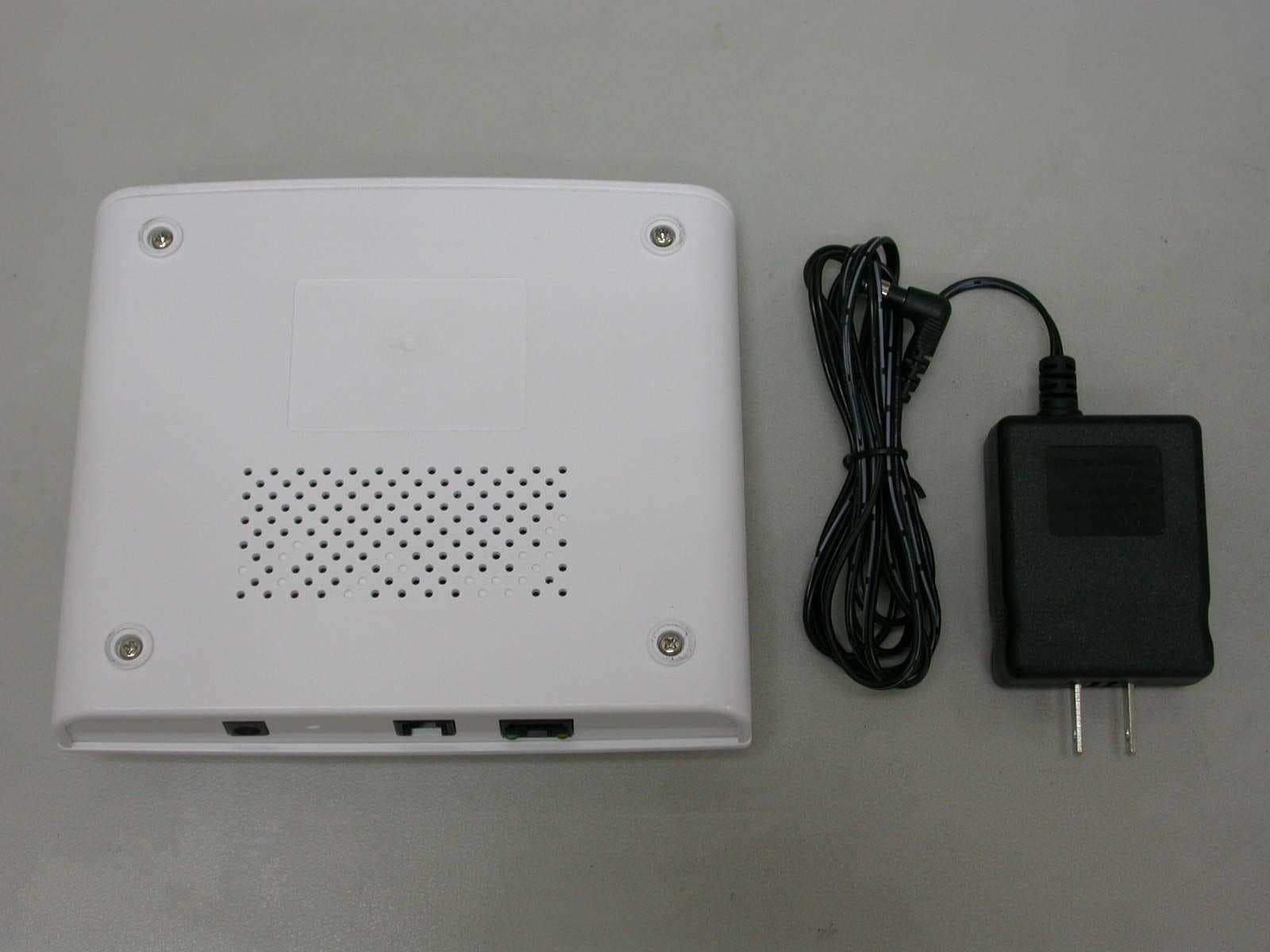
PBWDT19B232
Apr 02, 2008US DECT BASE UNIT
Equipment Class
PUB - Part 15 Unlicensed PCS Base Station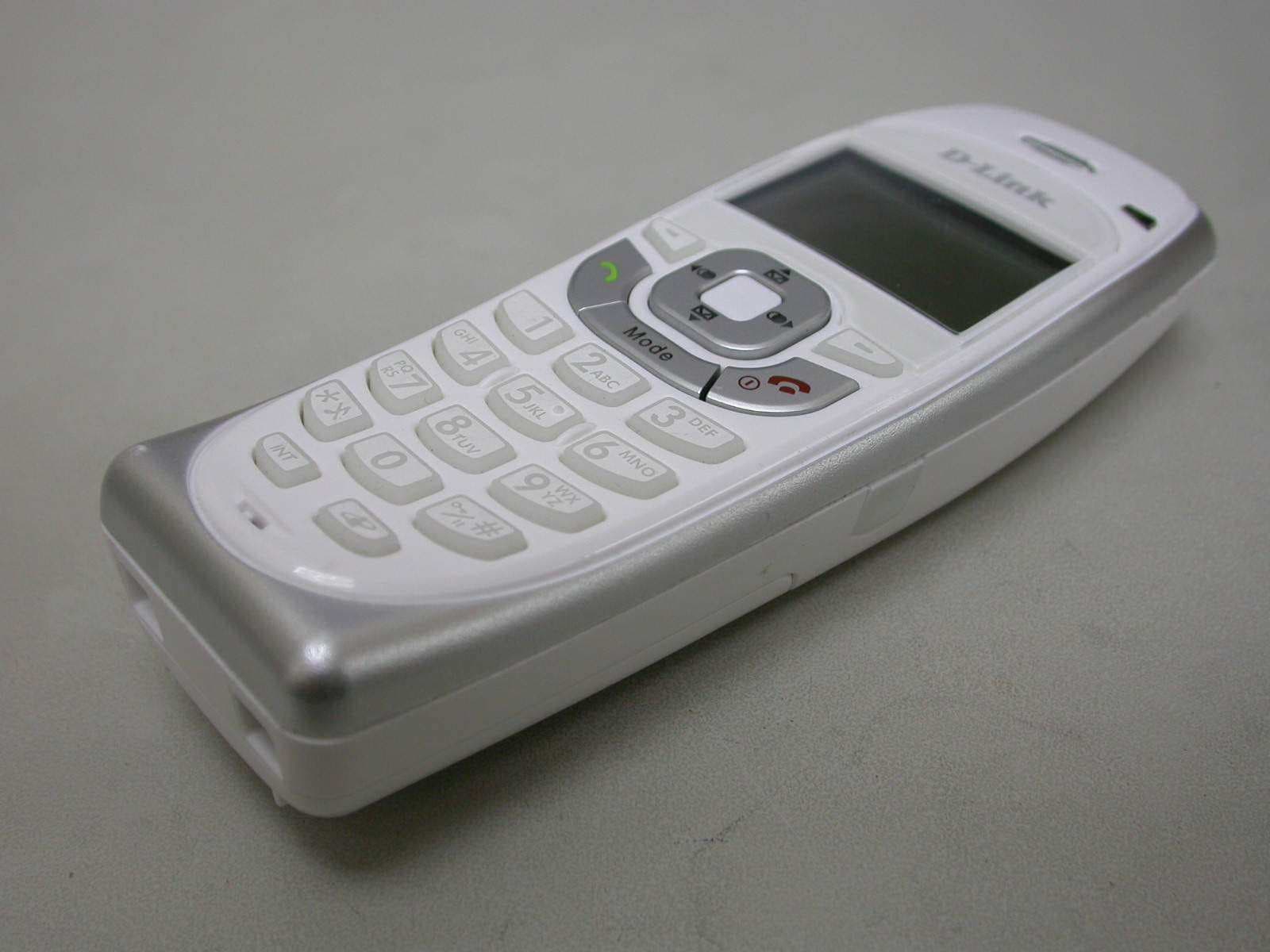
PBWDT19R35H
Apr 02, 2008US DECT HANDSET UNIT
Equipment Class
PUE - Part 15 Unlicensed PCS portable Tx held to ear
PBWUB19R51
Feb 24, 20081.9GHZ USB PHONE
Equipment Class
JBP - Part 15 Class B Computing Device Peripheral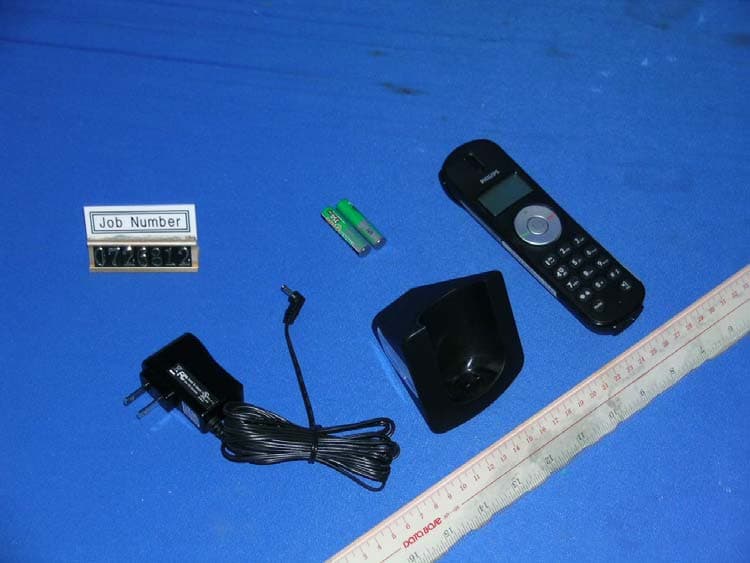
PBWUB19R51H
Feb 24, 20081.9GHZ USB PHONE- HANDSET
Equipment Class
PUE - Part 15 Unlicensed PCS portable Tx held to ear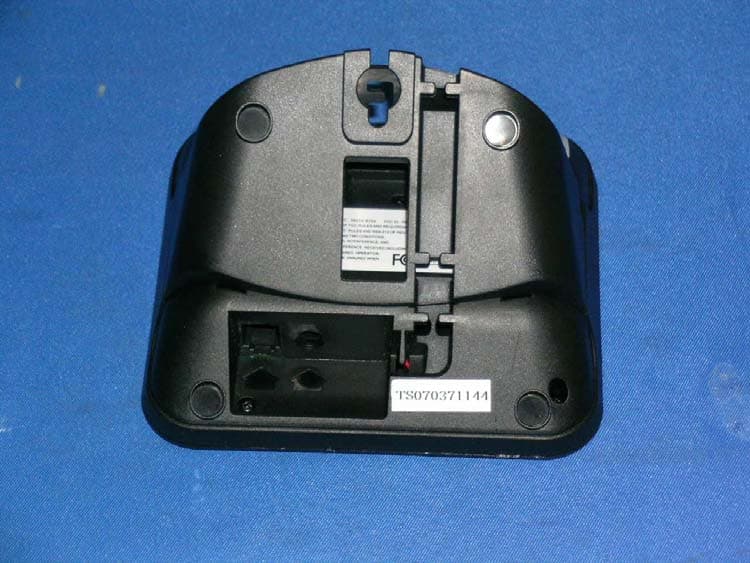
PBWDT19R51
Jan 28, 20081.9GHz cordless phone
Equipment Class
PUB - Part 15 Unlicensed PCS Base Station