PY7A7880002Mobile phone with Bluetooth, WLAN 802.11bg, GPS/A-GPS and FM Rx
Sony Corporation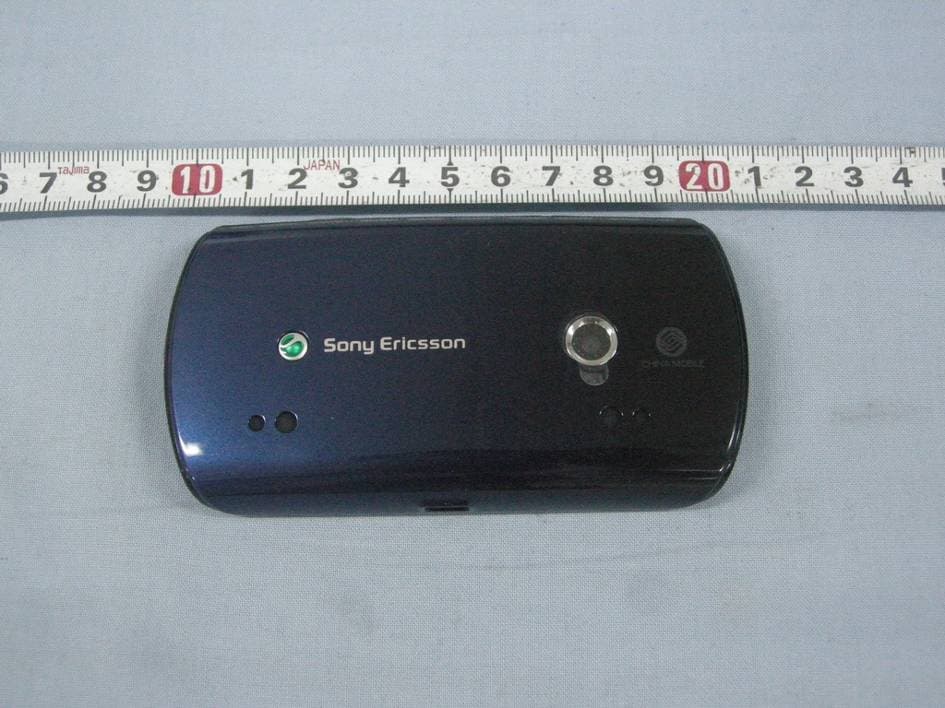
Click to zoom
Application Details
- Equipment Class
- DTS - Digital Transmission System
- Date of Grant
- Aug 03, 2011
- Application Purpose
- Original Equipment
- Date of Application
- Aug 03, 2011
- Equipment Note
- Mobile phone with Bluetooth, WLAN 802.11bg, GPS/A-GPS and FM Rx
- Frequency Range
- 2412.00000000 - 2462.00000000
- Company
- Sony Corporation
- Country
- Japan
Documents & Files
Document Text
Text extracted from the exhibit documents filed with the FCC. Open a document above to read the original.
Users Manual
FCC Statement Declaration of Conformity Sony Ericsson WT18i GSM GPRS/EDGE 900/1800/1900 Important Information United States & Canada THIS PHONE MODEL HAS BEEN CERTIFIED IN COMPLIANCE WITH THE GOVERNMENT’S REQUIREMENTS FOR EXPOSURE TO RADIO WAVES. The WT18i Series mobile phones have been designed to comply with applicable safety requirements for exposure to radio waves. Your wireless phone is a radio transmitter and receiver. It is designed to not exceed the limits* of exposure to radio frequency (RF) energy set by governmental authorities. These limits establish permitted levels of RF energy for the general population. The guidelines are based on standards that were developed by international scientific organizations through periodic and thorough evaluation of scientific studies. The standards include a safety margin designed to assure the safety of all individuals, regardless of age and health. The radio wave exposure guidelines employ a unit of measurement known as the Specific Absorption Rate (SAR). Tests for SAR are conducted using standardized methods with the phone transmitting at its highest certified power level in all used frequency bands. While there may be differences between the SAR levels of various phone models, they are all designed to meet the relevant guidelines for exposure to radio waves. For more information on SAR, please refer to the safe and efficient use chapter in the User Guide. The highest SAR value as reported to the authorities for this phone model when tested for use by the ear is 1.43 W/kg*, and when worn on the body is 0.54 W/kg* for speech and 1.02 W/kg* for data calls. For body-worn operation, the phone has been tested when positioned a minimum of 15 mm from the body without any metal parts in the vicinity of the phone or when properly used with an appropriate Sony Ericsson accessory and worn on the body. For devices which include “WiFi hotspot” functionality, body-worn SAR measurements for operation of the device operating in WiFi hotspot mode were taken using a separation distance of 10mm. 2 Use of third-party accessories may result in different SAR levels than those reported. **Before a phone model is available for sale to the public in the US, it must be tested and certified by the Federal Communications Commission (FCC) that it does not exceed the limit established by the government-adopted requirement for safe exposure*. The tests are performed in positions and locations (i.e., by the ear and worn on the body) as required by the FCC for each model. The FCC has granted an Equipment Authorization for this phone model with all reported SAR levels evaluated as in compliance with the FCC RF exposure guidelines. While there may be differences between the SAR levels of various phones, all mobile phones granted an FCC equipment authorization meet the government requirement for safe exposure. SAR information on this phone model is on file at the FCC and can be found under the Display Grant section of http://www.fcc.gov/oet/fccid after searching on FCC ID PY7A7880002. Additional information on SAR can be found on the Cellular Telecommunications & Internet Association (CTIA) website at http://www.phonefacts.net. * In the United States and Canada, the SAR limit for mobile phones used by the public is 1.6 watts/kilogram (W/kg) averaged over one gram of tissue. The standard incorporates a margin of safety to give additional protection for the public and to account for any variations in measurements. **This paragraph is only applicable to authorities and customers in the United States. 3 Renseignements importants États-Unis et Canada CE MODÈLE DE TÉLÉPHONE A ÉTÉ CERTIFIÉ CONFORME AUX EXIGENCES GOUVERNEMENTALES RELATIVES À L'EXPOSITION AUX ONDES RADIOÉLECTRIQUES. Les téléphones mobiles de la WT18i ont été conçus pour répondre aux normes de sécurité en vigueur en matière d'exposition aux ondes radioélectriques. Votre téléphone sans fil est un émetteur et un récepteur radio. Il est conçu de manière à ne pas dépasser les limites* d'exposition à l'énergie des fréquences radio (RF) établies par les autorités gouvernementales. Ces limites fixent les niveaux maximaux d'énergie RF auxquels peut être soumis le grand public. Ces lignes directrices sont basées sur des normes qui ont été élaborées par des organisations scientifiques internationales par le biais d'évaluations périodiques et approfondies des études scientifiques. Ces normes prévoient une marge de sécurité visant à assurer la protection de tous les individus, peu importe leur âge et leur état de santé. Les lignes directrices relatives à l'exposition aux ondes radioélectriques utilisent une unité de mesure appelée « Taux d'absorption spécifique » (TAS). Les tests de TAS sont effectués selon des méthodes standardisées dans lesquelles le téléphone émet dans toutes les bandes de fréquences utilisées, à la plus forte puissance pour laquelle il a été homologué. Bien que le TAS puisse être différent d'un modèle de téléphone à un autre, tous les appareils sont conçus pour respecter les lignes directrices relatives aux ondes radioélectriques. Pour en savoir plus sur le TAS, reportez-vous au chapitre sur l'utilisation efficace et sans danger du guide de l'utilisateur. Le TAS le plus élevé relevé par les autorités pour ce modèle de téléphone est de 1.43 W/kg* lorsqu'il est testé en utilisation près de l'oreille, et de 0.54 W/kg* pour les appels vocaux et de 1.02 W/kg* pour les transmissions de données lorsqu'il est porté sur le corps. En mode d’utilisation porté sur le corps, le téléphone a été testé lorsqu’il est à au moins 15 mm du corps et à l’écart de toute pièce en métal, ou lorsqu’il est utilisé de façon adéquate 4 avec un accessoire Sony Ericsson et porté sur le corps. Pour les appareils munis de la fonctionnalité « point d'accès WiFi », en mode d'utilisation porté sur le corps, les mesures du TAS de l'appareil en mode WiFi ont été prises à une distance de sécurité de 10 mm. L'utilisation d'accessoires tiers peut pr…
Text truncated - open the document above for the full version.
Users Manual
Extended User guide Please read the user instructions before installation and use WT18i G3 Phone Contents Experience more. Discover how.................................................5 User guide in the phone...............................................................6 Getting started..............................................................................7 Charging the battery...........................................................................7 Notes on USB cable usage and battery charging................................8 Settings.........................................................................................9 Settings for calling, messaging and the Internet.................................10 Call settings......................................................................................10 Mobile network setting......................................................................12 Display setting...................................................................................12 Home settings...................................................................................12 Sound settings..................................................................................13 Date & time settings..........................................................................13 Language and input method setting..................................................13 About phone.....................................................................................14 Security.............................................................................................14 Backup.............................................................................................15 Alarm clock.......................................................................................15 Getting to know your phone......................................................17 Phone overview.................................................................................17 Using the touch screen.....................................................................18 Using the hardware keys...................................................................18 Status bar.........................................................................................18 Home screen...............................................................................20 Widgets............................................................................................20 Rearranging your Home screen.........................................................20 Entering text...............................................................................22 Using the on-screen keypad.............................................................22 Calling..........................................................................................23 Call options.......................................................................................23 Contacts......................................................................................24 Managing contacts...........................................................................24 Backing up contacts.........................................................................24 2 This is an Internet version of this publication. © Print only for private use. Text and multimedia messages................................................25 Email............................................................................................26 Calendar......................................................................................27 Music...........................................................................................28 Using the Walkman™ player.............................................................28 TrackID™ Application................................................................30 Radio...........................................................................................31 Recording....................................................................................32 My Favorites...............................................................................33 Videos...............................................................................................33 Pictures.............................................................................................33 All files...............................................................................................33 G+ Game..........................................................................................33 Camera........................................................................................34 Viewfinder and camera keys..............................................................34 Using the still camera........................................................................35 Using the video mode.......................................................................35 CMCC services...........................................................................36 CMCC e100......................................................................................36 Fetion................................................................................................36 MM (Mobile Application Market)........................................................36 My PIM.............................................................................................36 Navigation.........................................................................................36 Mobile Music.....................................................................................37 Mobile TV..........................................................................................37 Search.........................................................................................39 WLAN...........................................................................................40 Bluetooth™ wireless technology..............................…
Text truncated - open the document above for the full version.
Cover Letter(s)
Sony Ericsson Confidentiality Request 2011-07-19 CVDVBA11 :346 SEMC/CVDVBA Afrah Sadiq +46 10 80 12250 Receiver Federal Communications Commission Subject: Request for Confidentiality FCC 10: PY7A7880002 To Whom It May Concern: In accordance with §0.459 of CFR 47, Sony Ericsson Mobile Communications AB requests confidentiality for the below listed items for our mobile phone type AAK 7880002-BV, FCC ID: PY7A7880002: 1. Block Diagram 2. Schematic Diagram 3. Part List 4. OperationallTechnical Descriptions These items contain detailed system and equipment description and related information about the product which Sony Ericsson Mobile Communications AB considers to be proprietary, confidential and a custom design which otherwise would not be released to the general public. Since this design is a basis from which future technological products will evolve, Sony Ericsson Mobile Communications AB also feels that this information would be of benefit to its competitors, and that the disclosure of the information in these exhibits would give our competitors an unfair advantage in the market. Please contact the undersigned if there are any further questions or additional information needed in this matter. Best Regards, /." C Afrah Sadiq- Development Engineer - Global Type Approval Sony Ericsson Mobile Communications AB Sony Ericsson Mobile Communications AB Styrelsens sa te : Lund Momsnr. \l.A. T.Na: SE55661 5665801 Register ed office: Lund Organisa ti onsnr • Reg No: 556615-6658 Posta dress • Mail Bes6ksadress • Office address Telefon • Telephone Telefax • Telefax SE- 221 88 Lund N ya Vattentornet Nat 010-80 00000 Nat 01 0-80 02040 Sweden Lund Int +46 10 80 00000 Int +46 1 0 80 02040
External Photos
No.2011TAR351 Page 10 of 25 ©Copyright. All rights reserved by TMC Beijing. ANNEX A: EUT photograph Mobile Phone Mobile Phone No.2011TAR351 Page 11 of 25 ©Copyright. All rights reserved by TMC Beijing. Mobile Phone Mobile Phone No.2011TAR351 Page 12 of 25 ©Copyright. All rights reserved by TMC Beijing. Mobile Phone Mobile Phone No.2011TAR351 Page 13 of 25 ©Copyright. All rights reserved by TMC Beijing. Mobile Phone Mobile Phone
ID Label/Location Info
Company Internal MARKING DRAWING 1 (3) Prepared (also subject responsible if other) No. Flora Kang (28848956) 1251-9361 Approved Checked Date Rev Reference Flora Kang (28848956) 2011-04-12 1 3State: Released Mulberry, Mobile Phone Label Content, Made in, CTA 1 General information Mobile Phone label part no 1247-4220 Bar code Standard: according to Ericsson corporate standard 102 01–109 Uen Print quality: C, according to ANSI X3.182-1990 as stated in Ericsson corporate standard 102 01– 1003 Uen Quiet zone: No bar codes are allowed to be closer to a label edge than 2 mm! Text If applicable, or nothing else specified, Zebra printer Scaleable Smooth Font CG Triumvirate Bold Condensed is imposed. When needed, the text is adjusted to fit the label. Coordinates “(x/y)” under each line number specifies the bottom / left alignment for text, graphics and bar codes, x is measured vertically, and y horizontally from the upper left corner of the label (landscape format), both in mm. When needed, the alignment is adjusted to fit the label. 2 Printing information Content Format Line 1a (5,0/3,0) Sony Ericsson stylized name. Graphics, height 1,5 mm. According to 1200-1925. Line 1b (5,0/20,0) Text, height 1,2 mm. Line 1c (5,0/23,5) Model name, “WT18i” Text, height 1,2 mm. Line 2a (7,0/3,0) Type number of the phone, “TYPE: AAK-7880002-BV” Text, height 1,2 mm. Line 2b (7,0/20,0) HW & SW identification field, if applicable; “FFGG” Text, height 1,2 mm. According to Type-testing report under Product Model Specifying Document Line 2c (7,0/32,0) Location code of where the phone is flashed, if applicable, “XXX” Text, height 1,2 mm. Line 3a (9,0/3,0) “FCC ID: PY7A7880002” Text, height 1,2 mm. Line 3b (9,0/20,0) Product number without revision of the Sales Item in which the phone is packed, if applicable. “SI XXXX-XXXX” Text, height 1,2 mm. Line 3c (9,0/32,0) Repair week, if applicable. “Ry’W’ww” (y = year, ww = week) Text, height 1,2 mm. Line 4a (11,0/3,0) “IC: 4170B-A7880002” Text, height 1,2 mm. Line 4b (11,0/20,0) Production week (flash), “yy’W’ww” (yy = year, ww = week) Text, height 1,2 mm. Line 4c (11,0/32,0) Marking of origin: Text or graphics according to 1200-4285, height 1,2 mm. Line 5 (13,5/3,0) Line 6a in bar code. As desired by supplier (e.g. only actual number). Bar code, height 2,0 mm. As desired by supplier (e.g. Code 128 symbology). Company Internal MARKING DRAWING 2 (3) Prepared (also subject responsible if other) No. Flora Kang (28848956) 1251-9361 Approved Checked Date Rev Reference Flora Kang (28848956) 2011-04-12 1 3State: Released Line 6a (16,0/3,0) Supplier’s identification for trace-ability of the telephone, as desired by supplier (e.g. “S/N: nnn....” for serial number). Text, height 1,2 mm. Defined by supplier. Line 6b (16,0/20,0) Actual electronic serial number (IMEI) of the mobile phone, “00000000-000000-0” Text, height 1,2 mm. In the format TAC-SNR-CD. TAC and SNR derived from pos 500 in BOM. CD = check digit according to the Luhn formula (ISO/IEC 7812), GSM 02.16. Line 7 (18,0/3,0) Line 6b in bar code (only actual number, without data identifier). Bar code, height 2,0 mm. Code 128 symbology, code C subset. If uneven number of digits, code B subset shall be used for the last digit. Line 8a (24,5/3,0) CE approval symbol Graphics, height 5 mm. According to 1210-0131. Line 8b (24,5/10,5) The notified body number “0682” Text, height 5,0 mm. Line 8c (24,5/22,0) “Alert Symbol” Graphics, height 5,0 mm According to 1001-5859 Line 8d (24,5/32,0) WEE trashcan without bar symbol Graphics, height 5,0 mm, According to 1202-5537. Line 9 (28,0/3,0) Text, height 1,5 mm. Line 10 (30,5/3,0) Text, height 1,5 mm. Line 11 (32,0/14,0) SIM-card logo Graphics height 5,5 mm, rotated 180 degrees anti-clockwise. According to 1235-2274. Line 12 (36,0/32,0) CCC-sticker with S&E Graphics, height 5 mm, width 6,5mm According to 1201-7981. Line 13 (38,5/27,0) “CMIIT ID: 20XXXXXXXX” Text, height 1,5mm with frame around. According to Chapter 3.1.1 in MLCI. 3 Layout The conceptual picture (for Zebra 90XiII printer, or equivalent) should not be considered as specifications, but as an additional help for setting up the label. 3.1 Conceptual picture double underlined = major changes since last revision. Company Internal MARKING DRAWING 3 (3) Prepared (also subject responsible if other) No. Flora Kang (28848956) 1251-9361 Approved Checked Date Rev Reference Flora Kang (28848956) 2011-04-12 1 3State: Released Label placement To find the label follow these steps: 1. Remove the cover on the rear side of the product. 2. Remove the battery. 3. The label is located behind the battery. Rear side of the phone Place for battery Label placement
Internal Photos
No.2011TAR351 Page 14 of 25 ©Copyright. All rights reserved by TMC Beijing. Mobile Phone Mobile phone Disassembly No.2011TAR351 Page 15 of 25 ©Copyright. All rights reserved by TMC Beijing. Mobile phone Disassembly Mobile phone Disassembly No.2011TAR351 Page 16 of 25 ©Copyright. All rights reserved by TMC Beijing. Mobile phone Disassembly Mobile phone Disassembly No.2011TAR351 Page 17 of 25 ©Copyright. All rights reserved by TMC Beijing. Mobile phone Disassembly Mobile phone Disassembly No.2011TAR351 Page 18 of 25 ©Copyright. All rights reserved by TMC Beijing. Battery Battery
RF Exposure Info
No.2011SAR00067 Page 1 of 53 ©Copyright. All rights reserved by TMC Beijing. SAR TEST REPORT No. 2011SAR00067 For Sony Ericsson Mobile Communications(China) Co., Ltd. GSM triple bands and TD-SCDMA dual bands mobile phone AAK-7880002-BV WT18i With Hardware Version: A Software Version: R1AA023 SEMC ID: AAK-7880002-BV Industry Canada ID: 4170B-A7880002 FCCID: PY7A7880002 Issued Date: 2011-06-15 No. DGA-PL-114/01-02 Note: The test results in this test report relate only to the devices specified in this report. This report shall not be reproduced except in full without the written approval of TMC Beijing. Test Laboratory: TMC Beijing, Telecommunication Metrology Center of MIIT No. 52, Huayuan Bei Road, Haidian District, Beijing, P. R. China 100191. Tel:+86(0)10-62304633-2079, Fax:+86(0)10-62304793 Email:[email protected]. www.emcite.com No.2011SAR00067 Page 2 of 53 TABLE OF CONTENT 1 TEST LABORATORY..................................................................................................................3 1.1 TESTING LOCATION........................................................................................................................................ 3 1.2 TESTING ENVIRONMENT................................................................................................................................. 3 1.3 PROJECT DATA............................................................................................................................................... 3 1.4 SIGNATURE..................................................................................................................................................... 3 2 GENERAL INFORMATION .........................................................................................................4 2.1 STATEMENT OF COMPLIANCE......................................................................................................................... 4 2.2 APPLICANT INFORMATION.............................................................................................................................. 4 2.3 MANUFACTURER INFORMATION..................................................................................................................... 4 3 EQUIPMENT UNDER TEST (EUT) AND ANCILLARY EQUIPMENT (AE) ................................5 3.1 ABOUT EUT ................................................................................................................................................... 5 3.2 INTERNAL IDENTIFICATION OF EUT USED DURING THE TEST.......................................................................... 5 3.3 INTERNAL IDENTIFICATION OF AE USED DURING THE TEST............................................................................. 5 3.4 ANTENNA DESCRIPTION.................................................................................................................................. 5 4 CHARACTERISTICS OF THE TEST ..........................................................................................5 4.1 APPLICABLE LIMIT REGULATIONS.................................................................................................................. 5 4.2 APPLICABLE MEASUREMENT STANDARDS...................................................................................................... 5 5 OPERATIONAL CONDITIONS DURING TEST ..........................................................................6 5.1 SCHEMATIC TEST CONFIGURATION................................................................................................................. 6 5.2 SAR MEASUREMENT SET-UP.......................................................................................................................... 6 5.3 DASY E-FIELD PROBE SYSTEM....................................................................................................................... 7 5.4 E-FIELD PROBE CALIBRATION........................................................................................................................ 8 5.5 OTHER TEST EQUIPMENT...............................................................................................................................9 5.6 EQUIVALENT TISSUES................................................................................................................................... 10 5.7 SYSTEM SPECIFICATIONS.............................................................................................................................. 10 6 CONDUCTED OUTPUT POWER MEASUREMENT................................................................. 11 6.1 SUMMARY.................................................................................................................................................... 11 6.2 CONDUCTED POWER.................................................................................................................................... 11 7 TEST RESULTS ........................................................................................................................12 7.1 DIELECTRIC PERFORMANCE......................................................................................................................... 12 7.2 SYSTEM VALIDATION.................................................................................................................................... 13 7.3 SUMMARY OF MEASUREMENT RESULTS....................................................................................................... 14 7.4 SUMMARY OF MEASUREMENT RESULTS (BLUETOOTH AND WIFI FUNCTION) ............................................... 15 7.5 CONCLUSION................................................................................................................................................ 18 8 MEASUREMENT UNCERTAINTY ............................................................................................19 9 MAIN TEST INSTRUMENTS ..................................................…
Text truncated - open the document above for the full version.
RF Exposure Info
No.2011SAR00067 Page 1 of 42 ©Copyright. All rights reserved by TMC Beijing. Appendix to test report no. 2011SAR00067 Calibration certificate and Test positions No. DGA-PL-114/01-02 Note: The test results in this test report relate only to the devices specified in this report. This report shall not be reproduced except in full without the written approval of TMC Beijing. Test Laboratory: TMC Beijing, Telecommunication Metrology Center of MIIT No. 52, Huayuan Bei Road, Haidian District, Beijing, P. R. China 100191. Tel:+86(0)10-62304633-2079, Fax:+86(0)10-62304793 Email:[email protected]. www.emcite.com No. 2011SAR00067 Page 2 of 42 TABLE OF CONTENT ANNEX E PROBE CALIBRATION CERTIFICATE......................................................................3 ANNEX F DIPOLE CALIBRATION CERTIFICATE ...................................................................21 ANNEX G EUT APPEARANCE AND TEST POSITIONS .........................................................39 No. 2011SAR00067 Page 3 of 42 ANNEX E PROBE CALIBRATION CERTIFICATE No. 2011SAR00067 Page 4 of 42 No. 2011SAR00067 Page 5 of 42 No. 2011SAR00067 Page 6 of 42 No. 2011SAR00067 Page 7 of 42 No. 2011SAR00067 Page 8 of 42 No. 2011SAR00067 Page 9 of 42 No. 2011SAR00067 Page 10 of 42 No. 2011SAR00067 Page 11 of 42 No. 2011SAR00067 Page 12 of 42 No. 2011SAR00067 Page 13 of 42 No. 2011SAR00067 Page 14 of 42 No. 2011SAR00067 Page 15 of 42 No. 2011SAR00067 Page 16 of 42 No. 2011SAR00067 Page 17 of 42 No. 2011SAR00067 Page 18 of 42 No. 2011SAR00067 Page 19 of 42 No. 2011SAR00067 Page 20 of 42 No. 2011SAR00067 Page 21 of 42 ANNEX F DIPOLE CALIBRATION CERTIFICATE 1900 MHz Dipole Calibration Certificate No. 2011SAR00067 Page 22 of 42 No. 2011SAR00067 Page 23 of 42 No. 2011SAR00067 Page 24 of 42 No. 2011SAR00067 Page 25 of 42 No. 2011SAR00067 Page 26 of 42 No. 2011SAR00067 Page 27 of 42 No. 2011SAR00067 Page 28 of 42 No. 2011SAR00067 Page 29 of 42 No. 2011SAR00067 Page 30 of 42 2450 MHz Dipole Calibration Certificate No. 2011SAR00067 Page 31 of 42 No. 2011SAR00067 Page 32 of 42 No. 2011SAR00067 Page 33 of 42 No. 2011SAR00067 Page 34 of 42 No. 2011SAR00067 Page 35 of 42 No. 2011SAR00067 Page 36 of 42 No. 2011SAR00067 Page 37 of 42 No. 2011SAR00067 Page 38 of 42 No. 2011SAR00067 Page 39 of 42 ANNEX G EUT APPEARANCE AND TEST POSITIONS Picture G1: Constituents of the sample (Lithium Battery is in the Handset) Picture G2: Left Hand Touch Cheek Position No. 2011SAR00067 Page 40 of 42 Picture G3: Left Hand Tilt 15° Position Picture G4: Right Hand Touch Cheek Position No. 2011SAR00067 Page 41 of 42 Picture G5: Right Hand Tilt 15° Position Picture G6: Body-worn Position (towards ground, the distance from handset to the bottom of the Phantom is 1.5cm) 1.5cm No. 2011SAR00067 Page 42 of 42 Picture G7: Body-worn Position (towards phantom, the distance from handset to the bottom of the Phantom is 1.5cm) Picture G8: Body-worn Position with Headset (towards ground, the distance from handset to the bottom of the Phantom is 1.5cm) 1.5cm 1.5cm
Test Report
No.2011WLN0251 Page1 of 75 ©Copyright. All rights reserved by TMC Beijing. FCC PART 15C/IC RSS-210 TEST REPORT No. 2011WLN0251 for Sony Ericsson Mobile Communications AB GSM triple bands and TD-SCDMA dual bands mobile phone Type: AAK-7880002-BV With FCC ID: PY7A7880002 IC ID: 4170B-A7880002 Hardware Version: A Software Version: R1AA023 Issued Date: 2011-07-07 No. DGA-PL-114/01-02 DAR accreditation (DIN EN ISO/IEC 17025): No. DGA-PL-114/01-02 FCC 2.948 Listed: No.733176 IC O.A.T.S listed: No.6629A-1 Note:The test results in this test report relate only to the devices specified in this report. This report shall not be reproduced except in full without the written approval of TMC Beijing. Test Laboratory: TMC Beijing, Telecommunication Metrology Center of Ministry of Industry and Information Technology No. 52, Huayuan Bei Road, Haidian District, Beijing, P. R. China, 100191 Tel:+86(0)10-62304633, Fax:+86(0)10-62304793 Email:[email protected]. www.emcite.com No.2011WLN0251 Page2 of 75 ©Copyright. All rights reserved by TMC Beijing. CONTENTS CONTENTS ...................................................................................................................................... 2 1. TEST LATORATORY ......................................................................................................... 6 1.1. TESTING LOCATION .............................................................................................................. 6 1.2. TESTING ENVIRONMENT ...................................................................................…
Text truncated - open the document above for the full version.
Contact Information
Applicant
Mika Kaneko(Chief Regulatory Compliance Manager)
Test Firm
TMC-Telecommunication Metrology Center of M.I.I.TChongwen Song
Technical Specifications
| # | Rule Parts | Frequency Range | Power Output |
|---|---|---|---|
| 1 | 15C | 2.41 GHz - 2.46 GHz | 173.00 mW |
Other Applications from Sony Corporation
PY7-75158T
Jul 16, 2026GSM/WCDMA/LTE Phone with BT, DTS/UNII a/b/g/n/ac/ax, NFC and GNSS
Equipment Class
NII - Unlicensed National Information Infrastructure TXPY7-52715J
Jul 16, 2026GSM/WCDMA/LTE Phone with BT, DTS/UNII a/b/g/n/ac/ax, NFC and GNSS
Equipment Class
DXX - Part 15 Low Power Communication Device TransmitterPY7-84526Y
Jul 16, 2026GSM/WCDMA/LTE Phone with BT, DTS/UNII a/b/g/n/ac/ax, NFC and GNSS
Equipment Class
PCE - PCS Licensed Transmitter held to earPY7-30515Z
Apr 13, 2026GSM/WCDMA/LTE/NR Phone with BT, DTS/UNII a/b/g/n/ac/ax/be, NFC, GNSS and WPT
Equipment Class
DXX - Part 15 Low Power Communication Device TransmitterPY7-73716J
Apr 11, 2024GSM/WCDMA/LTE Phone with BT, DTS/UNII a/b/g/n/ac, NFC and GNSS
Equipment Class
PCE - PCS Licensed Transmitter held to ear