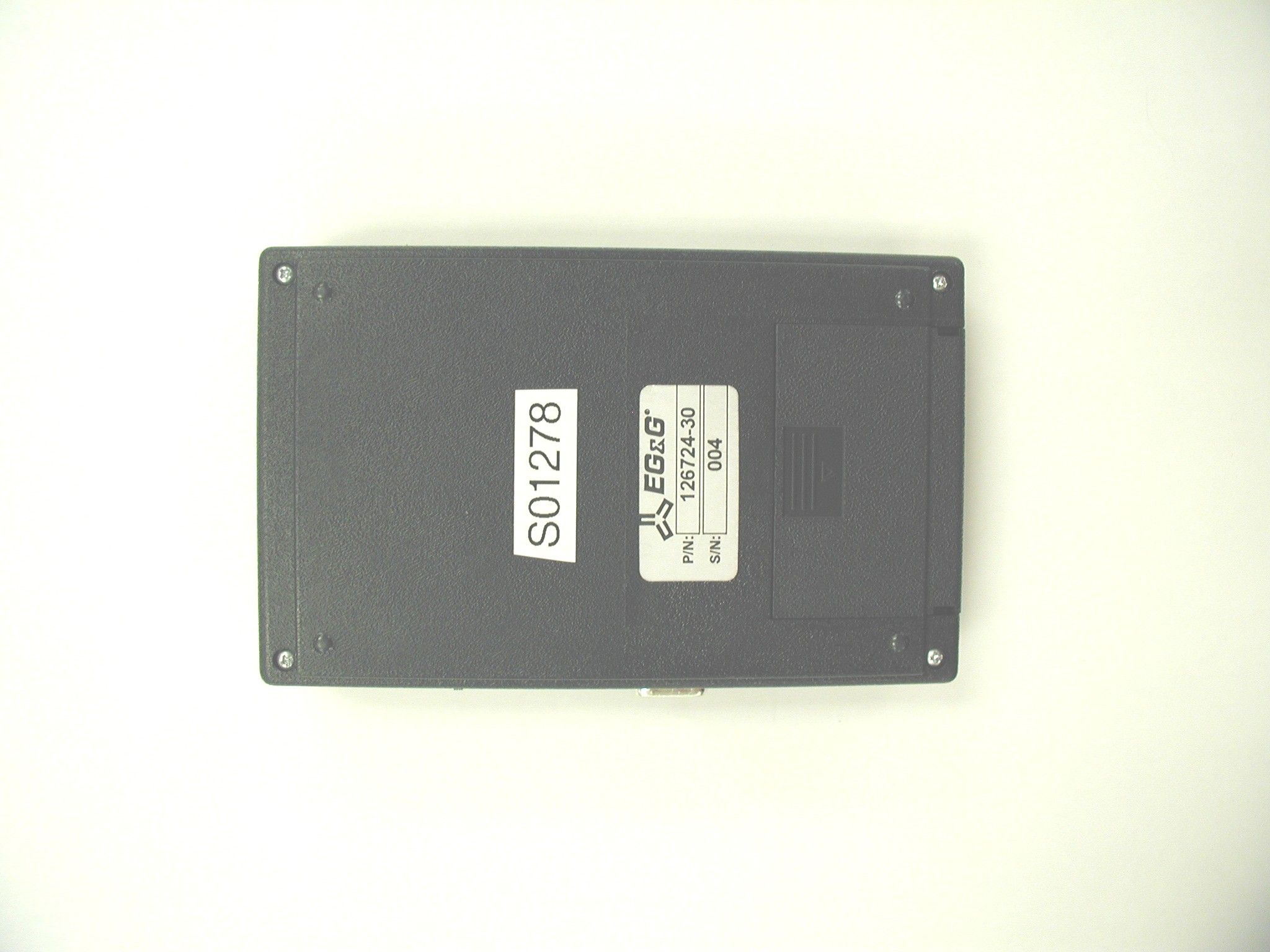
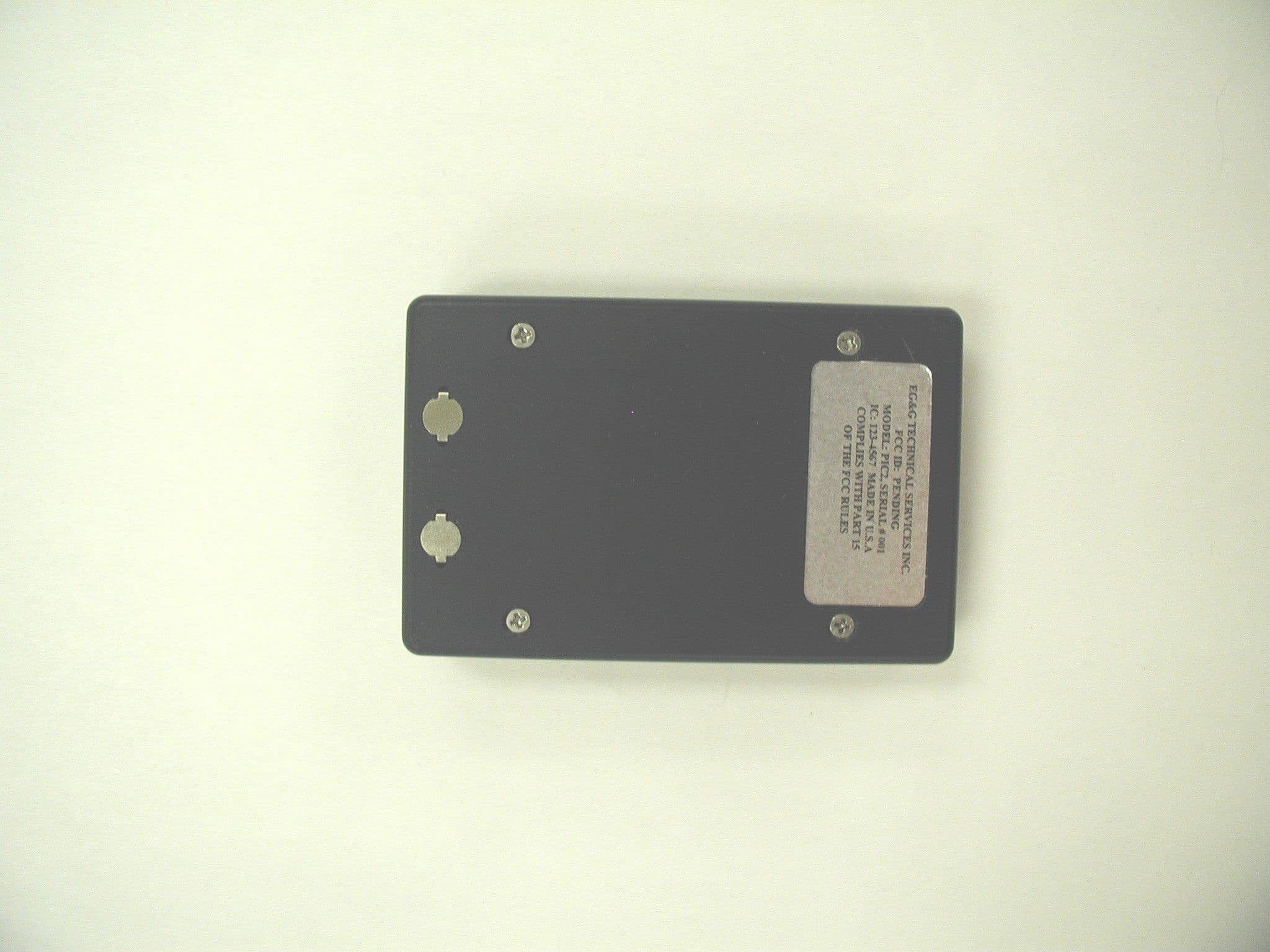
QUZ126724APERSONAL ID CREDENTIAL ENROLLMENT STATION
EG&G Technical Services, Inc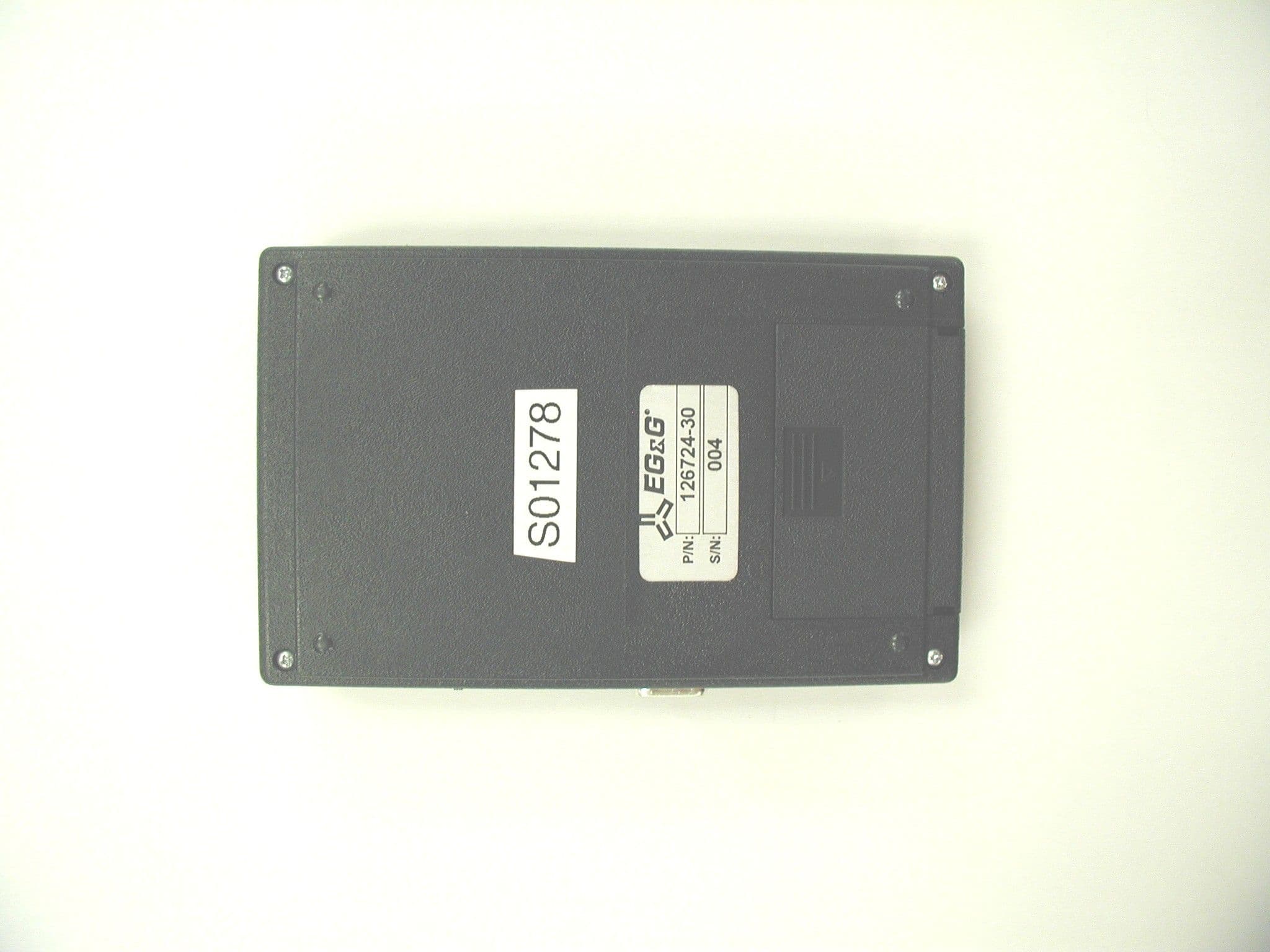
Click to zoom
Application Details
- Equipment Class
- FDS - Part 15 Field Disturbance Sensor
- Date of Grant
- Sep 23, 2004
- Application Purpose
- Original Equipment
- Date of Application
- Sep 23, 2004
- Equipment Note
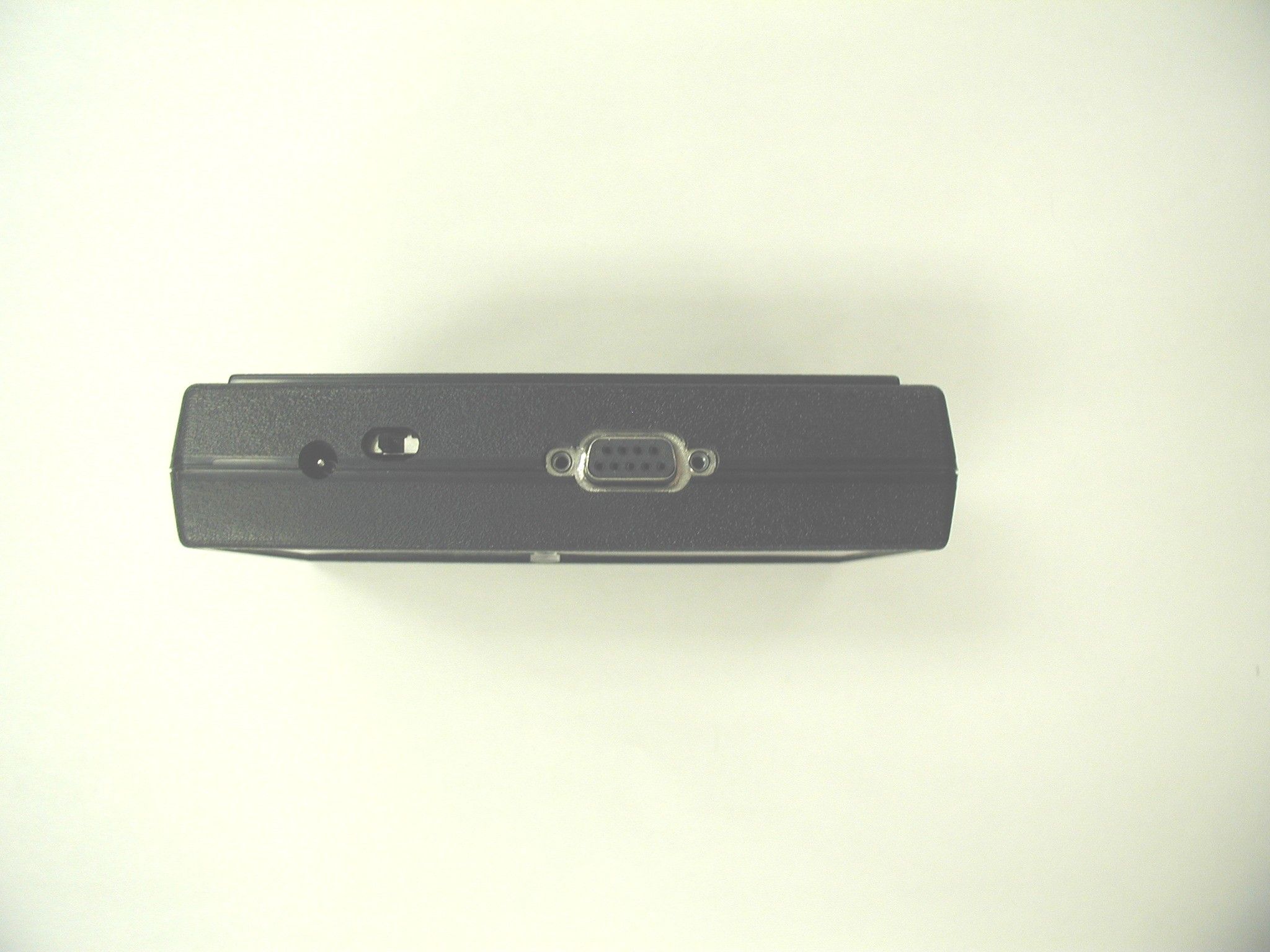
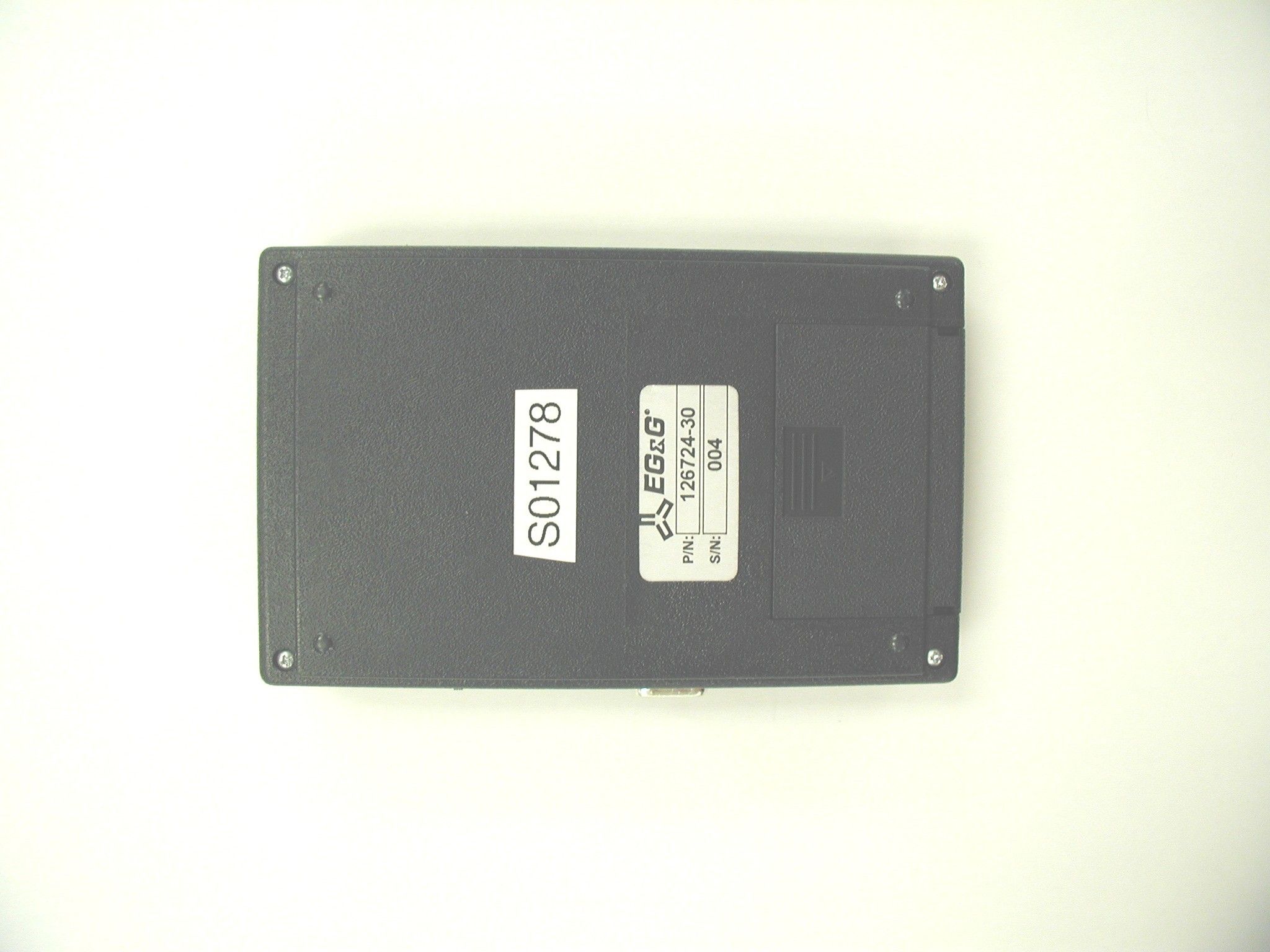
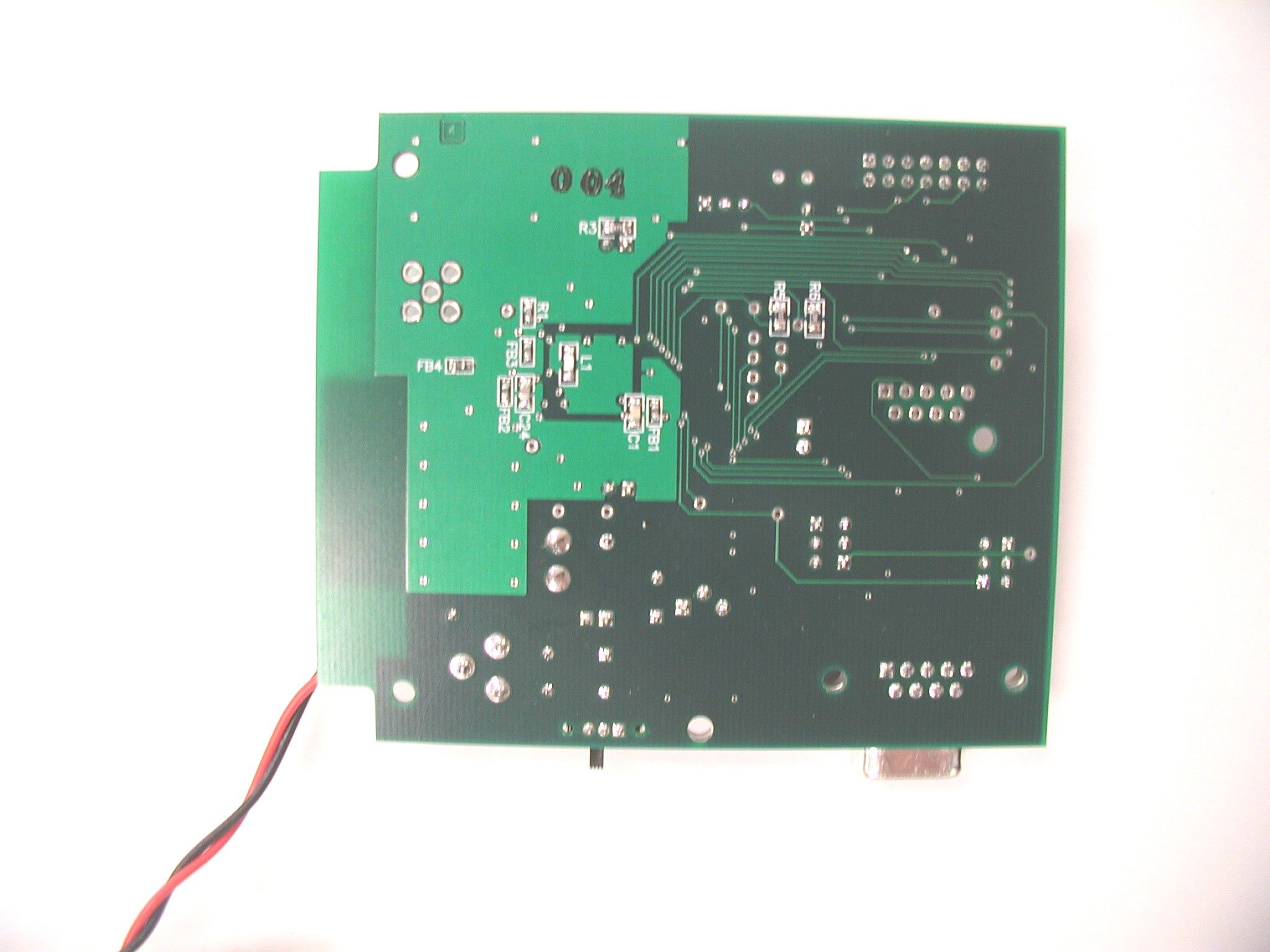
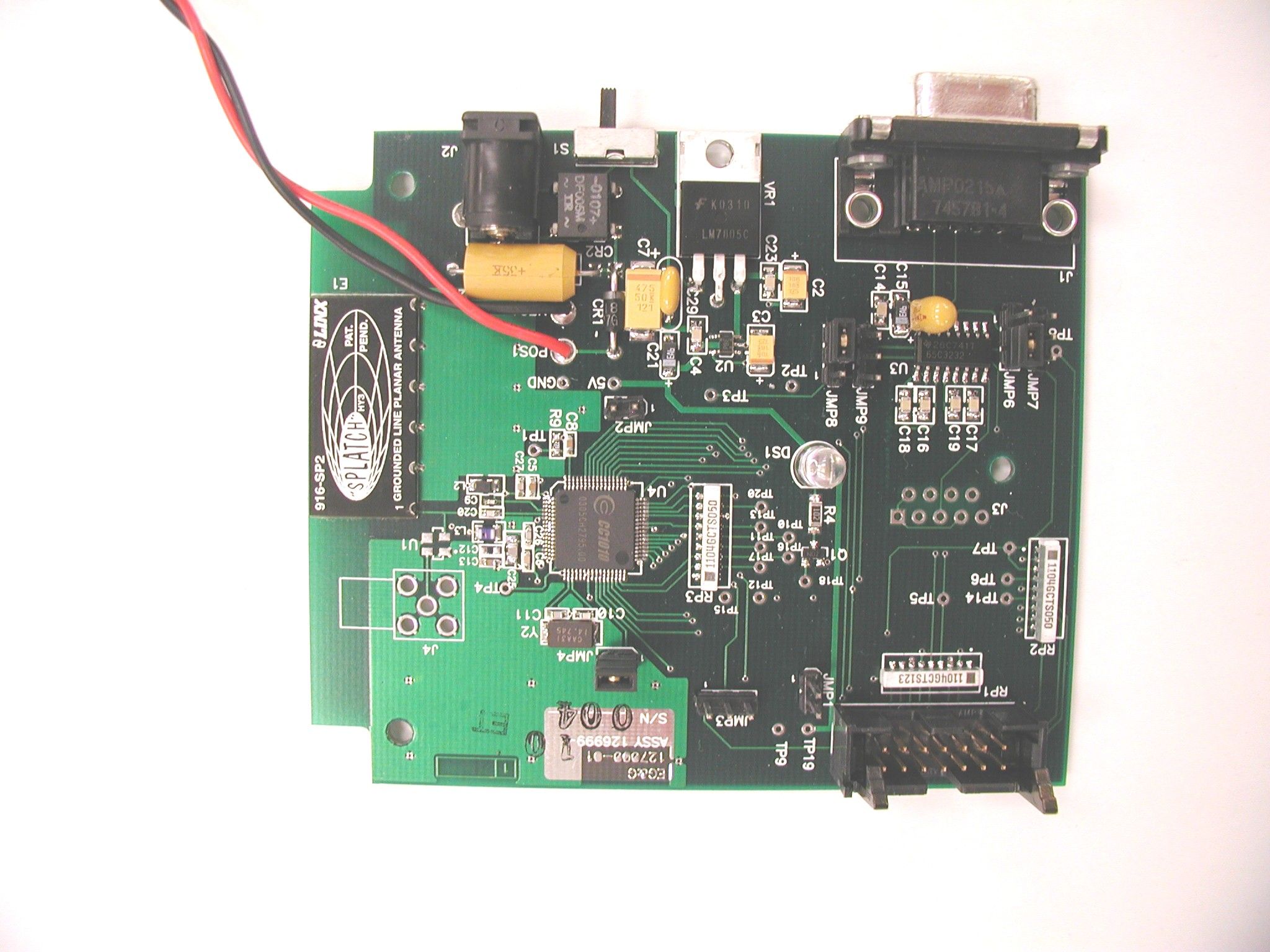
- PERSONAL ID CREDENTIAL ENROLLMENT STATION
- Frequency Range
- 914.50000000 - 915.50000000
- Company
- EG&G Technical Services, Inc
- Country
- United States
Documents & Files
Document Text
Text extracted from the exhibit documents filed with the FCC. Open a document above to read the original.
Users Manual
PICS User’s Manual 07 June 2004 1 DISTRIBUTION STATEMENT C: Distribution authorized to U.S. Government agencies and their contractors for Administrative and Operational Use, 4 April 2002. Other requests for this document shall be referred to ESC/FDP, 5 Eglin Street, Bldg. 1624, Hanscom AFB, MA 01731-2100. PERSONAL IDENTIFICATION CREDENTIAL SYSTEM (PICS) USER’S MANUAL Contract No. GS23F0108J Delivery Order No. F19628-02-F-0048 07 June 2004 Prepared for Electronic Systems Center ESC/FD 5 Eglin Street Hanscom AFB, MA 01731-2100 Prepared by EG&G Technical Services, Inc. Albuquerque Operations 2420 Comanche, NE Suite D-2 Albuquerque, NM 87107 CAGE Code 29674 PICS User’s Manual 07 June 2004 2 1.0 SCOPE This document is intended to provide guidance to the end user of the Personal Identification Credential System (PICS) for normal operations. This revision covers the Production Prototype system only. It describes typical operation of the Personal Identification Credential (PIC), the PICS Enrollment Station, and the PICS Reader. It also covers the operation of the software items included with the system, including the enrollment software (PICS Manager), the PICS Reader Service (PICS Reader Service) and the status display (PICS Status). In general, the roles discussed within this document cover the PIC user, the PICS Enrollment Station operator, and the PICS maintainer. The PIC user need only be concerned with the operation of the PIC itself. The PICS Enrollment Station operator will need to be familiar with both the PIC operation and the PICS Enrollment Station operation. The PICS maintainer will need to be familiar with all three roles. 1.1 Glossary PIC Personal Identification Credential (handheld identification unit incorporating biometric sensor and RF link) PICS Personal Identification Credential System PICS Enrollment Station Enrollment subsystem that assigns a PIC to an individual and maintains the database PICS Reader Interrogation unit that communicates with the PIC and is interfaced with a local access control system Proof of Concept (POC) PICS Prototype PICS that closely resembles the production system PIC User(s) The PIC Users are the end users of the system. The PIC users will be assigned a PIC and be enrolled in the PICS. The PIC users will interact only with the PIC to which they have been assigned Enrollment Station Operator The Enrollment Station Operator uses the Enrollment Station on a regular basis to enroll and disenroll PIC users. PICS Maintainer The PICS Maintainer is responsible for system configuration operations and troubleshooting problems which may arise. This includes setting up/configuring the PICS Reader, setting up, configuring and maintaining the PICS Enrollment Station and its software, including the PICS Enrollment Station software and its associated database. The PICS Maintainer roll may be accomplished by more than one individual. PICS User’s Manual 07 June 2004 3 1.2 Documentation Conventions Screen Labels Represents labels that appear on the screen in the PICS Manager software. Database Field Names Represents fields in the PICS database. User Entered Data Represents data which the user must enter. File Contents Represents the listing of files used by the system. PICS User’s Manual 07 June 2004 4 2.0 REFERENCE DOCUMENTS EG&G Drawing 126764-10, PICS Installation EG&G Drawing 126762-10, Assy, PICS Reader Terminal Unit PICS User’s Manual 07 June 2004 5 3.0 DESCRIPTIONS The Personal Identification Credential System (PICS) provides access control using a Personal Identification Credential (PIC), which can be issued to individual users. The PIC is a small, handheld, wireless biometric device small enough to fit in a shirt pocket. In the initial application, users will operate the PIC from within a vehicle in order to gain access to a facility. In addition to the PIC, the system will include a PICS Enrollment Station, which consists of a MS Windows based PC software application with an RF interface attached to a serial port. The Enrollment Station software will run under the MS Windows environment and provide enrollment capability and enrollment database maintenance. Lastly, the PICS Reader is used to control access of users to the system. The PICS Reader provides interrogation of PIC units and validation of PIC enrollment. The PIC is responsible for validating the fingerprint, but the Reader is responsible for insuring that a given PIC is to be allowed in the system. 3.1 PIC Operation The operation of the PIC is straightforward, but the nature of the biometric fingerprint sensor is such that the user will need to become well practiced in using it. The guidelines given here may not work for everyone. Some users may find that a different approach to using the sensor will yield better results. Unfortunately, the typical user will have little time to experiment with using the PIC before being permanently enrolled in it. Therefore, it is important that the PICS Enrollment Operator be well experienced in using the PIC and training new users. The act of sliding open the fingerprint sensor activates the electronics inside. The PIC automatically turns itself off after approximately 10 to 15 seconds. Upon activation, the PIC will immediately flash the LED amber to indicate that it is alive. Following a brief delay, the PIC will then flash the LED green and emit a short high pitch tone. This is an indication that the internal battery is good. If the user places a finger on the sensor immediately upon activating the PIC, the LED may go directly to a flashing amber LED without going green first. If the battery is getting low, the PIC will emit three short low pitch beeps and briefly flash the LED red. If the PIC emits a long, low pitch beep and flashes the LED red, this is an indication of an internal error and the user may need to be re-enrolled. If the battery gets too low, the PIC may not function at all, or it may function erratically. Any time the PIC indicates that the bat…
Text truncated - open the document above for the full version.
Block Diagram
EG&G Proprietary RS-232 Interface RF Chip with 14.7456 MHz crystal Tx Rx 915.000 MHz fc transmit, RXLO= Cf – 150 KHz 35 o Directional Log Periodic Antenna (12.4dBd (14.5dBi) gain) Attenuator NdB Tx/Rx En RS-232 Transceiver AC/DC Power Supply 5V 120VAC In Spark-gap Surge Arresto r Personal Identification Credential System (PICS) Reader Module Detailed Block Diagram
Cover Letter(s)
EG&G Technical Services, Inc. Albuquerque Operations 2420 Comanche Road, NE Suite D-2 Albuquerque, NM 87107 Tel: 505.998.0677 Fax: 505.998.0671 August 6, 2004 Federal Communications Commission, EQUIPMENT APPROVAL SERVICES, P.O. Box 358315 Pittsburgh, PA 15251-5315 ATTN: Authorization & Evaluation Division PER: 47 CFR 0.457 and 0.459 RE: QUZ126724A, PICSE-2 Pursuant to Sections 0.457(d)1)(ii) and 0.459 of the Commission’s Rules, the Applicant hereby requests confidential treatment of some of the information accompanying this Application as listed below, i.e. 126999-10: Assembly and Schematic 126724: Assembly Personal Identification Credential System (PICS) Reader Module Detailed Block Diagram Personal Identification Credential System (PICS) Reader Active Parts List These materials contain trade secrets and proprietary information not customarily released to the public and the public disclosure of these matters might be harmful to the Applicant and provide unjustified benefits to its competitors. The Applicant understands that pursuant to Rule 0.457(d)(1)(ii) disclosure of this Application and all accompanying documentation will not be made before the date of the Grant for this Application. Sincerely, EG&G Technical Services, Inc. Elaine G. Harlan Manager of Administrative Services
Operational Description
EG&G Proprietary Personal Identification Credential System (PICS) Theory of Operation February 13, 2003 Prepared by EG&G Technical Services, Inc. Albuquerque Operations 2420 Comanche NE, Suite D-2 Albuquerque, NM 87107 EG&G Proprietary Page 1 of 10 EG&G Proprietary 1.0 Glossary PIC - Personal Identification Credential – handheld identification unit incorporating biometric sensor and Radio Frequency (RF) link PICS - Personal Identification Credential System PICS Enrollment Station – Enrollment subsystem that assigns a PIC to an individual PICS Reader – Interrogation unit that communicates with the PIC and is interfaced with a local access control system 2.0 Background The PICS is a biometric-enabled access control system. The system provides positive user verification by incorporating a fingerprint sensor and Radio Frequency Identification (RFID) technology for access control. The Personal Identification Credential (PIC) handheld unit and system have been developed for this access control. The PIC is a device issued to authorized personnel and used for control of vehicular traffic in a fashion similar to electronic toll technology. 3.0 System Description The PICS consists of multiple handheld PICs, fixed location PICS Reader(s) and PICS Enrollment Station(s), as shown in Figure 3-1. Each PIC will be uniquely assigned to an individual. The PICS Enrollment Station, consisting of a fingerprint sensor, PIC loader, personal computer and enrollment software, will be used to capture the individual’s fingerprint(s). The Enrollment Station then will be used to download the individual’s unique data into his or her PIC and enter the individual into the system database. The PICS Reader, consisting of an RF module, antenna, and computer components with communication software, will be located at the secured gate of a base or at a secured door. The Reader will communicate with individual PICs one at a time when each is within antenna range. EG&G Proprietary Page 2 of 10 EG&G Proprietary Figure 3-1. PICS Components The PIC will be used to gain access to secure areas while being handheld by the individual in either a stationary position (on foot to enter through a secure door or gate) or while moving in a vehicle (at speeds up to 5 mph). The user, upon approaching a secure area checkpoint, will place his or her enrolled thumb or finger on the PIC fingerprint sensing element. This then will activate the PIC, which will begin the fingerprint verification process. The PIC incorporates visual and audio feedback to the user for the purpose of alerting the user of success or failure in the verification process. In the event of failure, the typical response of the user would be to reapply the fingertip to capture a better image. Once the PIC has verified the fingerprint and notified the user via built-in visual and audio cues, the PIC will begin checking for an interrogation message from the Reader. When the PIC receives the interrogation message, it will respond with a unique digital identification number (DIN) that the Reader will use to verify the PIC. The Reader then will look up the PIC in a locally stored database and send a verification confirmation message back to the PIC. The PIC then may notify the user that he or she is cleared to proceed. Optionally, the Reader will be able to interrogate the PIC for additional information, in order to increase the reliability of the verification. EG&G Proprietary Page 3 of 10 EG&G Proprietary Figure 3-2 depicts the PICS Reader integrated with the existing Smart Gate. A directional antenna mounted from the side of each vehicle path is directed such that vehicles approaching the interrogation field see very little RF energy from the Reader’s transmitter. The output power from the Reader’s transmitter also is reduced to provide just enough power to communicate with a PIC that is within the interrogation field. Figure 3-2. PICS Reader Physical Layout The typical scenario will be that a PICS user activates his or her PIC immediately before entering the PICS Reader RF field. After 1 to 2 seconds, the PIC notifies the user of the success or failure of the fingerprint verification. The user will need to re-verify in the event of a failure. The PICS Reader then begins communicating with the PIC and alerts the Smart Gate control system once the confirmation process has been completed. The entire process should take less than 1 second under normal circumstances. During the communication process, the PIC must identify itself, send a validation message, allow the Reader sufficient time to look up the PIC in the database, and then receive a confirmation message from the Reader. In order to minimize the time lost to communication, messages in this mode will be kept very short (most likely 20 to 50 bytes). Once the PIC is activated and verifies a fingerprint, there is only a period of approximately 5 seconds for the PIC to receive a query from the PICS Reader prior to the PIC timing out and turning off. During enrollment, the user activates the PIC by placing a finger on the sensor. The initial fingerprint reading will be rejected, but while processing, the PIC will receive a message to put it in enrollment mode. In this mode, the PIC will collect the fingerprint data and pass it on to the Enrollment Station. EG&G Proprietary Page 4 of 10 EG&G Proprietary 4.0 Detail Descriptions 4.1 PIC Circuit The PIC handheld unit contains batteries, 2 DC-DC switching converters, an TI Digital Signal Processor (12MHz crystal) with flash memory EEProm and SDRAM, an LED, a compact audio transducer, and a fingerprint sensor as well as the Chipcon RF Low Power Chip Transceiver and a very small helical monopole antenna (-1dB typical gain relative to isotropic). See Figure 4-1 for the detailed block diagram. The two step-up/down DC-DC converters are used to provide 3.3V and 2.5V from the batteries. The battery is a Varta, Lithium Ion 3.8 V, 1000mAh unit. The circuit provides for a low battery indicatio…
Text truncated - open the document above for the full version.
Test Report
FCC ID: QUZ126724A Date: August 24, 2004 Federal Communications Commission Via: Electronic Filing Attention: Authorization & Evaluation Division Applicant: EG & G Technical Services, Inc. Equipment: PICSE-2 FCC ID: QUZ126724A FCC Rules: 2, 15.245, Confidentiality Gentlemen: On behalf of the Applicant, enclosed please find Application Form 731, Engineering Test Report and all pertinent documentation, the whole for approval of the referenced equipment as shown. Filing fees are attached. We trust the same is in order. Should you need any further information, kindly contact the writer who is authorized to act as agent. Sincerely yours, Michael Schafer, Compliance Test Manager enclosure(s) cc: Applicant MS/del MFA p0480006, d0480058 FCC ID: QUZ126724A List Of Exhibits (FCC Certification (Transmitters) - Revised 9/28/98) Applicant: EG & G Technical Services, Inc. FCC ID: QUZ126724A By Applicant: 1. Letter Of Authorization 2. Identification Drawings Label Location of Label Compliance Statement Location of Compliance Statement 3. Documentation: 2.1033(B) (3) User Manual (4) Operational Description (5) Block Diagram (5) Schematic Diagram (7) Photographs Parts List Active Devices 4. Draft Specification Information By M.F.A. Inc. A. Testimonial & Statement of Certification MFA p0480006, d0480058 FCC ID: QUZ126724A Sub-part 2.1033(c): Equipment Identification FCC ID: QUZ126724A Nameplate Drawing Attached, Exhibit 1. Location As Per Label Drawing(s) Date Of Report August 24, 2004 Supervised By: David E. Lee, Compliance Test Manager MFA p0480006, d0480058 FCC ID: QUZ126724A The applicant has been cautioned as to the following: 15.21 Information to User. The users manual or instruction manual for an intentional radiator shall caution the user that changes or modifications not expressly approved by the party responsible for compliance could void the user's authority to operate the equipment. 15.27(a) Special Accessories. Equipment marketed to a consumer must be capable of complying with the necessary regulations in the configuration in which the equipment is marketed. Where special accessories, such as shielded cables and/or special connectors are required to enable an unintentional or intentional radiator to comply with the emission limits in this part, the equipment must be marketed with, i.e. shipped and sold with, those special accessories. However, in lieu of shipping or packaging the special accessories with the unintentional or intentional radiator, the responsible party may employ other methods of ensuring that the special accessories are provided to the consumer, without additional charge. Information detailing any alternative method used to supply the special accessories for a grant of equipment authorization or retained in the verification records, as appropriate. The party responsible for the equipment, as detailed in § 2.909 of this chapter, shall ensure that these special accessories are provided with the equipment. The instruction manual for such devices shall include appropriate instructions on the first page of text concerned with the installation of the device that these special accessories must be used with the device. It is the responsibility of the user to use the needed special accessories supplied with the equipment. MFA p0480006, d0480058 FCC ID: QUZ126724A Table Of Contents Rule Description Page . Test Report 1 2.1033(c) General Information Required 2 . Standard Test Conditions and Engineering Practices 6 2.1053(a) Field Strength of Spurious Radiation 7 2.1049(c)(1) Emission Masks (Occupied Bandwidth) 11 15.107 A/C Powerline Conducted Emissions 20 2.1055(a)(1) Frequency Stability (Temperature Variation) 24 MFA p0480006, d0480058 FCC ID: QUZ126724A Page Number 1 of 25. Required information per ISO/IEC Guide 25-1990, paragraph 13.2: a) Test Report b) Laboratory: (FCC: 31040/SIT) (Canada: IC 2044) M. Flom Associates, Inc. 3356 N. San Marcos Place, Suite 107 Chandler, AZ 85225 c) Report Number: d0480058 d) Client: EG & G Technical Services, Inc. 2420 Comanche Rd., NE., STE D-2 Albuquerque, NM 87107 e) Identification: PICSE-2 FCC ID: QUZ126724A Description: Enrollment Station f) EUT Condition: Not required unless specified in individual tests. g) Report Date: August 24, 2004 EUT Received: August 4, 2004 h, j, k): As indicated in individual tests. i) Sampling method: No sampling procedure used. l) Uncertainty: In accordance with MFA internal quality manual. m) Supervised by: David E. Lee, Compliance Test Manager n) Results: The results presented in this report relate only to the item tested. o) Reproduction: This report must not be reproduced, except in full, without written permission from this laboratory. MFA p0480006, d0480058 FCC ID: QUZ126724A Page Number 2 of 25. List of General Information Required for Certification In Accordance With FCC Rules and Regulations, Volume II, Part 2 and to 15.245 Sub-part 2.1033 (c)(1): Name and Address of Applicant: EG & G Technical Services, Inc. P.O. Box 9100 Albuquerque, NM 87119-9100 Manufacturer: EG & G Technical Services, Inc. P.O. Box 9100 Albuquerque, NM 87119-9100 (c)(2): FCC ID: QUZ126724A Model Number: PICSE-2 (c)(3): Instruction Manual(s): Please See Attached Exhibits (c)(4): Type Of Emission: FSK, 38.4kb data (c)(5): FREQUENCY RANGE, MHz: 915.000 (c)(6): Field Strength 90.261 mV/m @ 3m Switchable Variable X N/A (c)(7): Maximum Permissible Field Strength: 500 mV/m @ 3m 15.203: Antenna Requirement: X The antenna is permanently attached to the EUT The antenna uses a unique coupling The EUT must be professionally installed The antenna requirement does not apply MFA p0480006, d0480058 FCC ID: QUZ126724A Page Number 3 of 25. Subpart 2.1033 (continued) (c)(8): Voltages & currents in all elements in final RF Stage, including final transistor or solid state device: Collector Current, A = per manual Collector Voltage, Vdc = per manual Supply Voltage, Vdc = 12 (c)(9): Tune-Up Procedure: Please See Attached Exhibits (c)(10): Circuit Diagram/Circu…
Text truncated - open the document above for the full version.
Test Setup Photos
FCC ID: QUZ126724A Page Number 8 of 25. Photograph(s) of Test Setup for Highest Emissions Test Setup: Radiated Emissions MFA p0480006, d0480058
Contact Information
Applicant
Tom Cantrell(Project Engineer)
Test Firm
M. Flom Associates, Inc.Morton Flom
Technical Specifications
| # | Rule Parts | Frequency Range | Power Output |
|---|---|---|---|
| 1 | 15.245 | 914.5 MHz - 915.5 MHz | - |
Other Applications from EG&G Technical Services, Inc
QUZ126988A
Sep 23, 2004PERSONAL ID CREDENTIAL FIELD DISTURBANCE SENSOR
Equipment Class
FDS - Part 15 Field Disturbance Sensor
QUZ126742A
Sep 23, 2004PERSONAL ID CREDENTIAL SYSTEM READER
Equipment Class
FDS - Part 15 Field Disturbance Sensor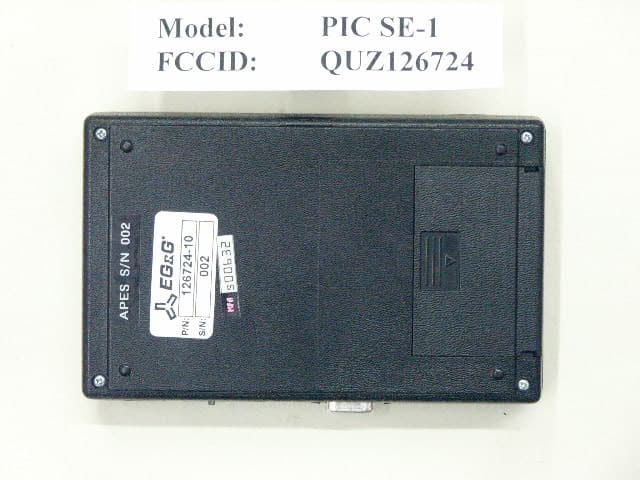
QUZ126724
Jun 22, 2003Personal ID Credential Enrollment Station
Equipment Class
FDS - Part 15 Field Disturbance Sensor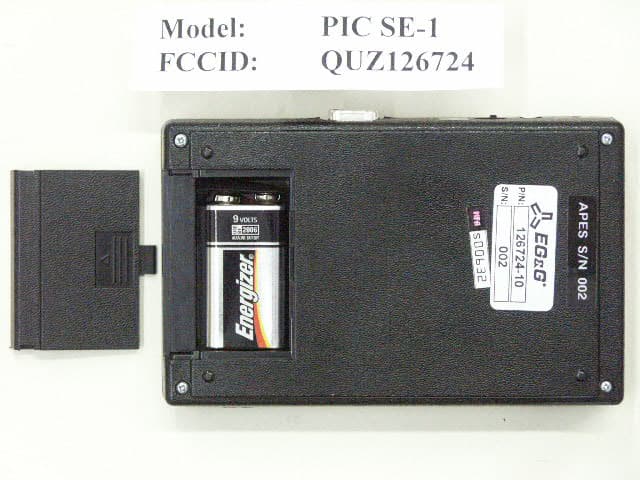
QUZ126728
Jun 22, 2003Personal ID Credential Field Distrubance Sensor
Equipment Class
FDS - Part 15 Field Disturbance Sensor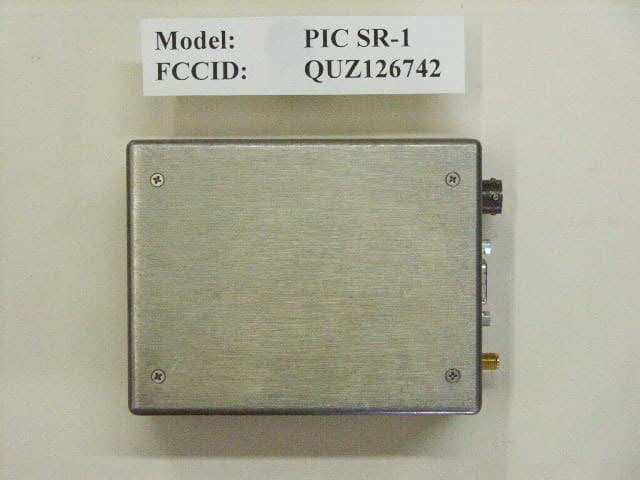
QUZ126742
Jun 22, 2003Personal ID Credential System Reader
Equipment Class
FDS - Part 15 Field Disturbance Sensor