QWG030217Bluetooth USB Dongle
HASSNET Inc.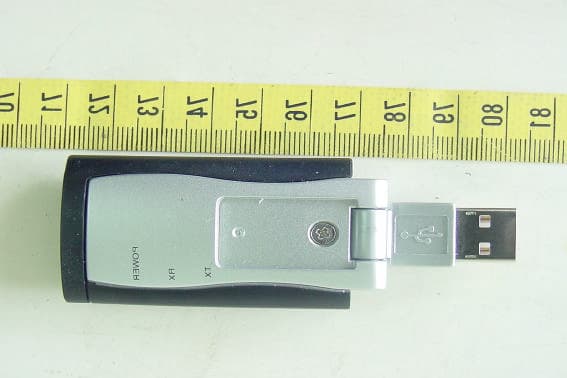
Click to zoom
Application Details
- Equipment Class
- DSS - Part 15 Spread Spectrum Transmitter
- Date of Grant
- Jun 18, 2003
- Application Purpose
- Original Equipment
- Date of Application
- Jun 18, 2003
- Equipment Note
- Bluetooth USB Dongle
- Frequency Range
- 2402.00000000 - 2480.00000000
- Company
- HASSNET Inc.
- Country
- South Korea
Documents & Files
Document Text
Text extracted from the exhibit documents filed with the FCC. Open a document above to read the original.
Users Manual
1 BUD Bluetooth USB Dongle Confidential and Proprietary Information Oct. 18, 2002 135-757 3fl. Missy2000 Bldg. 725, Sooseo - Dong, Kangnam- Ku, Seoul, Korea Office: +82-2-3413-1980 FAX: +82-2-3413-1985 Technical Support: [email protected]: [email protected] Document Number : BUD_English.pdf (20020628) Software Version : 1.2.1.20 User Manual 2 Table of contents [1] Welcome [2] Brief specification of BUD [3] What’s the powerful functions of BUD? [4] Getting started [5] What’s in the Box? [6] Various features of BUD [7] How to Setup the BUD software Step 1. Installation of Hassnet Bluetooth Software Step 2. Setup USB controller [8] How to use BUD software 1. Begin touring a Hassnet Bluetooth Software 1.1 The main page of Hassnet Bluetooth Software 1.1.1 Bluetooth Device Configuration in menu bar 1.1.2 My Device on the main panel 1.1.3 ‘Add Bluetooth Connection’on the main panel 1.2 Bluetooth TRAY 1.3 Icons used for Bluetooth devices and services 2. Basic Operations 2.1 Find Bluetooth Devices 2.2 Find a Service 2.3 Determine a Connection’s Status ----- 4 ----- 5 ----- 6 ----- 9 ----- 10 ----- 11 ----- 12 ----- 12 ------ 17 ------ 21 ------ 21 ------ 21 ------ 22 ------ 24 ------ 26 ------ 29 ------ 30 ------ 31 ------ 31 ------ 32 ------ 33 Ta ble of Contents 3. Client Applications 3.1 Network Access 3.1.1 Internet connection sharing with a Bluetooth-enabled computers that have a hardwired Ethernet connection. 3.1.1.1 Network Access Server-side Setup for Windows 2000 3.1.1.2 Network Access Server-side Setup for Windows 98SE & -- Windows Me 3.1.1.3 Network Access Client-side Setup for Windows 2000 3.1.2 Internet connection via Access Point 3.2 File Transfer 3.2.1 Setup for the Public Folder(shared folder) 3.2.2 Types of File Transfer operations 3.3 Information Synchronization 3.4 Dial-up Networking 3.5 FAX 3.6 Information Exchange 3.7 Bluetooth Serial Port 4. Security 5. Troubleshooting [9] Technical support and contact information [10] FCC Information ----- 34 ----- 34 ----- 34 ----- 34 --- 35 ----- 40 ------ 42 ------ 44 ------ 46 ------ 47 ------ 48 ------ 54 ------ 54 ------ 55 ------ 57 ------ 59 ------ 64 ------ 66 ------ 67 4 Welcome Chapter 1 BUD(Bluetooth USB Dongle) is a Bluetooth USB Adaptor. Only withsimple connection to the existent non-Bluetooth devices, you can access Internet and exchange data without cable attachment. The old-fashioned computers or PDAs will be changed to the Bluetooth-enabled devices and will have more mobility and productivity with BUD. BUD’sdesign is simple and comfortable, so it’s very easy to use and portable. To use it, external power is not needed and just the software installation leads you to the fantastic Bluetooth world. Plug BUD into your computer or PDA to allow you to enjoy a wireless freedom!! • You can go to a meeting anywhere in your building and send/receive e-mails and access the Internet via Bluetooth Access Point. • You can exchange files or business cards with anyone that comesinto your office. • If you are in a meeting, it is possible to transfer copies of presentations direct to attendees’computers wirelessly. • With BUD in your PDA or handheld computer, you can wirelessly synchronize all your data with your computer thatBUD’splugged in. • In your home, you can access internet with your family togetherusing only one ADSL line, if you have BUDs. Brief specification of BUD Chapter 2 Bluetooth Specification • Frequency Range : 2.402 GHz ~ 2.480 GHz • Data rate : 723.2 Kbps • Rx Sensitivity : -83dBm • Tx Power : 13dBm (Power Class 1) • BUD includes all software drivers necessary to support ad-hoc networking, peer-to- peer file transfers, data synchronization. The Bluetooth software drivers support Microsoft Windows ®98SE(Second Edition), ME(Millennium Edition), 2000, XP Professional and XP Home Edition. OVERVIEW on Bluetooth service; BUD’s software supports the following Bluetooth services to make a free world with BUD. • LAN Access Client and Server • Dial-up Networking Client and Server •FAX Client • Serial Port Profile Client and Server • Generic Object Exchange Profile • Object Push Profile Client and Server • File Transfer Profile Client and Server •SYNC Profile • Generic Access Profile • Service Discovery Application Profile Will support the following profiles in the near future. : Headset Profile / Intercom/ Cordless Telephony/ Personal Area Network/ Hardcopy Cable Replacement/ Enhanced Service Discovery 6 What’s the powerful functions of BUD? Chapter 3 •LAN Access •Internet connection sharing •File Transfer •Active Sync. 7 What’s the pow e rful fu nctions of BUD? Access to your wired network (LAN or ADSL) via Bluetooth Access Point without wired connections. With this function, you can go surfing into internet and check & send e-mail in great mobility. LAN Access Internet connection sharing The most powerful function of BUD is an internet connection sharing with 7 terminals simultaneously with just one wired network such as LAN or ADSL. Now, you’re reading CNN news in CNN site sitting in your desk and your cute child is playing game in Disney site in his room with a big smile. 8 File transfer Create Wireless communication network between devices embedded Bluetooth technology and BUD plugged into. Therefore, by just using BUD, you can transfer your file saved in your computer to other computers at any time and at any place. Active Sync What’s the pow e rful fu nctions of BUD? When you go back to the office or home to synchronize your data saved in your PDA with your computer, you don’t need to find a cradle and stoop for connecting the cable any more. If you have BUD !!!! 9 Getting started Chapter 4 To use your BUD, do the following proper steps: 1.Remove and identify the contents of this box. : To check the contains of your package, see What’s in the Box on page 9. 2.Install the software. : For instruction on how to install BUD Software on your computer, see Installing the BUD software on page 12. <caution>Before install…
Text truncated - open the document above for the full version.
Cover Letter(s)
From: S. S. Liou [[email protected]] Sent: Sunday, June 15, 2003 11:44 PM To: Mike Kuo Subject: Re: Hassnet Inc., FCC ID:QWG030217, AN03T2902 Hello Mike, This is the answer of your question. 1. Please refer to attached revised manual. 2. This is an typo. The assistant mistyped 41.0 as 47.0 and 40.5 as 46.5. Please revise the test report with attached file. 3. Please revised the test report with attached file. 4. Our customer didn't want the request of confidential. Could you uncheck that box on the TCB application form? Thank you very much! regards, S. S. Liou Engineer / EMC Dep. II ETC ----- Original Message ----- From: "Mike Kuo" <[email protected]> To: "ETC/Iris (E-mail)" <[email protected]> Cc: "Will Yauo (E-mail)" <[email protected]>; "Willyauo (E-mail)" <[email protected]> Sent: Thursday, June 12, 2003 3:43 AM Subject: FW: Hassnet Inc., FCC ID:QWG030217, AN03T2902 > > > -----Original Message----- > From: CERTADM > Sent: Wednesday, June 11, 2003 12:37 PM > To: '[email protected]' > Subject: Hassnet Inc., FCC ID:QWG030217, AN03T2902 > > > Notice_content > ------------- > Question #1: Please modify the RF exposure statement on page 67 of user > manual by adding " This device and its antenna must not be co-located or > operating in conjunction with any other antenna or transmitter ". Submit > revised user manual. > > Question #2: Page 18 of 43 of test report, the average reading is over the > average limit at 15.8GHz. Please address this non-compliance issue. > > Question #3:Page 37 of 43 of test report, the high output power listed do > not agree with spectrum plots. Please make necessary correction. > > Question #4: The request for confidential box is checked on the TCB > application form but no request for confidentiality letter was submitted. > Please submit the request letter. > > Best Regards > > Mike Kuo > The items indicated above must be submitted before processing can continue > on the above referenced application. Failure to provide the requested > information within 60 days of the original e-mail date may result in > application dismissal and forfeiture of the filing fee. Also, please note > that partial responses increase processing time and should not be submitted. > Any questions about the content of this correspondence should be directed to > the e-mail address listed below the name of the sender.
External Photos
ETC Report No. : ET92R-02-057-01 FCC ID. : QWG030217 Rev. No 1.0 CONSTRUCTED PHOTOS of EUT Front View of EUT Rear View of EUT ETC Report No. : ET92R-02-057-01 FCC ID. : QWG030217 Rev. No 1.0 CONSTRUCTED PHOTOS of EUT Side View of EUT
Internal Photos
ETC Report No. : ET92R-02-057-01 FCC ID. : QWG030217 Rev. No 1.0 CONSTRUCTED PHOTOS of EUT Internal View of EUT ETC Report No. : ET92R-02-057-01 FCC ID. : QWG030217 Rev. No 1.0 CONSTRUCTED PHOTOS of EUT Component View of Main PCB Solder View of Main PCB
Operational Description
This Bluetooth USB Dongle designed with a transmitting method of hopping spread spectrum technology using the 2400 to 2483.5 MHz ISM band. It includes an integrated antenna and a USB connector interface, offering a simple Bluetooth solution for electronic devices with USB interface.
Test Report
Rev. No 1.0 FCC Part 15 EMI TEST REPORT of E.U.T. : Bluetooth USB Dongle MODEL : BD1100 FCC ID. : QWG030217 for APPLICANT: Hassnet Inc. ADDRESS: 6fl. Techno Complex Bldg. Korea University, 126- 16, Anam-Dong 5-Ka, Seongbuk-Ku, Seoul, Korea. Test Performed by ELECTRONICS TESTING CENTER, TAIWAN NO. 34, LIN 5, DING FU TSUN, LINKOU HSIANG, TAIPEI HSIEN, TAIWAN, R.O.C. Tel:(02)26023052 Fax:(02)26010910 http // www.etc.org.tw e- mail [email protected] Report Number : ET92R-02-057-01 ETC Report No. : ET92R-02-057-01FCC ID. : QWG030217 Rev No 1 0 TEST REPORT CERTIFICATION Applicant: Hassnet Inc. 6fl. Techno Complex Bldg. Korea University, 126-16, Anam-Dong 5-Ka, Seongbuk-Ku, Seoul, Korea. Manufacturer: Hassnet Inc. 6fl. Techno Complex Bldg. Korea University, 126-16, Anam-Dong 5-Ka, Seongbuk-Ku, Seoul, Korea. Description of EUT: a) Type of EUT: Bluetooth USB Dongle b) Trade Name: BUD c) Model No.: BD1100 d) Power Supply: DC 4.4V-5.25V Regulation Applied: FCC Rules and Regulations Part 15 Subpart B & C (2002) I HEREBY CERTIFY THAT: The data shown in this report were made in accordance with the procedures given in ANSI C63.4, and the energy emitted by the device was founded to be within the limits applicable. I assume full responsibility for accuracy and completeness of these data. Note: 1. The result of the testing report relates only to the item tested. 2. The testing report shall not be reproduced expect in full, without the written approval of ETC. Issued Date :Apr. 19, 2003 Test Engineer : (Tien- lu Liau ) Approve & Authorized Signer : Will Yauo, Manager EMC Dept. II of ELECTRONICS TESTING CENTER, TAIWAN ETC Report No. : ET92R-02-057-01FCC ID. : QWG030217 Rev No 1 0 Table of ContentsPage 1 GENERAL INFORMATION....................................................................................................... 1 1.1 Product Description........................................................................................................................ 1 1.2 Characteristics of Device................................................................................................................ 1 1.3 Test Methodology.......................................................................................................................... 1 1.4 Test Facility.................................................................................................................................... 1 2 PROVISIONS APPLICABLE....................................................................................................... 2 2.1 Definition........................................................................................................................................ 2 2.2 Requirement for Compliance........................................................................................................... 3 2.3 Restricted Bands of Operation........................................................................................................ 5 2.4 Labeling Requirement..................................................................................................................... 6 2.5 User Information............................................................................................................................ 6 3. SYSTEM TEST CONFIGURATION........................................................................................... 7 3.1 Justification..................................................................................................................................... 7 3.2 Devices for Tested System............................................................................................................. 7 4 RADIATED EMISSION MEASUREMENT.............................................................................. 8 4.1 Applicable Standard....................................................................................................................... 8 4.2 Measurement Procedure................................................................................................................. 8 4.3 Measuring Instrument................................................................................................................... 10 4.4 Radiated Emission Data................................................................................................................ 11 4.4.1 RF Portion(Max power)...........................................................................................................11 4.4.2 RF Portion(Min power)............................................................................................................14 4.4.3 Radiated Emissions in Restricted Bands....................................................................................17 4.4.4 Other Emissions.......................................................................................................................19 4.5 Field Strength Calculation............................................................................................................. 19 4.6 Photos of Radiation Measuring Setup............................................................................................ 20 5 CONDUCTED EMISSION MEASUREMENT........................................................................ 21 5.1 Standard Applicable..................................................................................................................... 21 5.2 Measurement Procedure............................................................................................................... 21 5.3 Conducted Emission Data............................................................................................................. 22 5.4 Result Data Calculation................................................................................................................. 24 5.5 Conducted Measurement Equipment....................................................................................…
Text truncated - open the document above for the full version.
Test Report
ETC Report No. : ET92R-02-057-01 Sheet 18 of 43Sheets FCC ID. : QWG030217 Rev. No 1.0 b) Operation Mode : Receiving /Transmitting (Max Power) Test Date : Mar. 17, 2003 Temperature: 22 Humidity : 65 % Frequency (MHz) Reading (dBuV) H V Peak Ave Peak Ave Factor (dB) Corr. Result @3m (dBuV/m) Peak Ave Limit @3m (dBuV/m) Peak Ave. Margin (dB) Table Deg. (Deg.) Ant. High (m) 1100.000 ------ --- --- -9.3--- --- 74.0 54.0 --- --- --- 1400.000 ------ --- --- -7.9--- --- 74.0 54.0 --- --- --- 1550.000 ------ --- --- -7.2--- --- 74.0 54.0 --- --- --- 1645.900 47.546.8 --- --- -6.740.8 40.1 74.0 54.0 -13.9 175 1.1 1708.000 47.046.5 --- --- -6.340.7 40.2 74.0 54.0 -13.8 180 1.1 1719.800 ------ --- --- -6.2--- --- 74.0 54.0 --- --- --- 2250.000 ------ --- --- -3.7--- --- 74.0 54.0 --- --- --- 2350.000 ------ --- --- -3.3--- --- 74.0 54.0 --- --- --- 2494.800 46.045.3 --- --- -2.743.3 42.6 74.0 54.0 -11.4 180 1.4 2750.000 ------ --- --- -2.0--- --- 74.0 54.0 --- --- --- 3265.000 ------ --- --- -0.6--- --- 74.0 54.0 --- --- --- 3338.000 ------ --- --- -0.4--- --- 74.0 54.0 --- --- --- 3355.000 45.745.1 --- --- -0.345.4 44.8 74.0 54.0 -9.2 180 1.1 4120.000 44.543.9 --- --- 2.046.5 45.9 74.0 54.0 -8.1 90 1.0 5000.000 ------ --- --- 2.9--- --- 74.0 54.0 --- --- --- 5380.000 ------ --- --- 4.0--- --- 74.0 54.0 --- --- --- 7350.000 ------ --- --- 6.0--- --- 74.0 54.0 --- --- --- 8340.000 46.545.9 --- --- 6.753.2 52.6 74.0 54.0 -1.4 190 1.0 9100.000 ------ --- --- 7.0--- --- 74.0 54.0 --- --- --- 9400.000 ------ --- --- 7.2--- --- 74.0 54.0 --- --- --- 11000.000 ------ --- --- 8.5--- --- 74.0 54.0 --- --- --- 13300.000 ------ --- --- 10.7--- --- 74.0 54.0 --- --- --- 14490.000 ------ --- --- 11.6--- --- 74.0 54.0 --- --- --- 15800.000 41.0 40.5 --- --- 8.349.3 48.8 74.0 54.0 -5.2 180 1.4 18000.000 ------ --- --- 17.4--- --- 74.0 54.0 --- --- --- 22500.000 ------ --- --- 10.3--- --- 74.0 54.0 --- --- --- 23800.000 ------ --- --- 10.4--- --- 74.0 54.0 --- --- --- 31500.000 ------ --- --- 48.3--- --- 74.0 54.0 --- --- --- 36470.000 ------ --- --- 46.7--- --- 74.0 54.0 --- --- --- Note : 1. Remark “---” means that the emissions level is too low to be measured. 2. The expanded uncertainty of the radiated emission tests is 3.53 dB.
Test Report
ETC Report No. : ET92R-02-057-01Sheet38 of 69 Sheets FCC ID. : QWG030217 Rev No 1 0 Appendix 6 : Plotted Data for Output Peak Power ETC Report No. : ET92R-02-057-01Sheet39 of 69 Sheets FCC ID. : QWG030217 Rev No 1 0 ETC Report No. : ET92R-02-057-01Sheet40 of 69 Sheets FCC ID. : QWG030217 Rev No 1 0 ETC Report No. : ET92R-02-057-01Sheet41 of 69 Sheets FCC ID. : QWG030217 Rev No 1 0 ETC Report No. : ET92R-02-057-01Sheet42 of 69 Sheets FCC ID. : QWG030217 Rev No 1 0 ETC Report No. : ET92R-02-057-01Sheet43 of 69 Sheets FCC ID. : QWG030217 Rev No 1 0 ETC Report No. : ET92R-02-057-01Sheet44 of 69 Sheets FCC ID. : QWG030217 Rev No 1 0 ETC Report No. : ET92R-02-057-01Sheet45 of 69 Sheets FCC ID. : QWG030217 Rev No 1 0 Appendix 7 : Plotted Data for 100 kHz Bandwidth from Band Edge ETC Report No. : ET92R-02-057-01Sheet46 of 69 Sheets FCC ID. : QWG030217 Rev No 1 0 ETC Report No. : ET92R-02-057-01Sheet47 of 69 Sheets FCC ID. : QWG030217 Rev No 1 0 ETC Report No. : ET92R-02-057-01Sheet48 of 69 Sheets FCC ID. : QWG030217 Rev No 1 0 ETC Report No. : ET92R-02-057-01Sheet49 of 69 Sheets FCC ID. : QWG030217 Rev No 1 0 ETC Report No. : ET92R-02-057-01Sheet50 of 69 Sheets FCC ID. : QWG030217 Rev No 1 0 Appendix 8 : Plotted Data for Out-of-Band Conducted Emission ETC Report No. : ET92R-02-057-01Sheet51 of 69 Sheets FCC ID. : QWG030217 Rev No 1 0 ETC Report No. : ET92R-02-057-01Sheet52 of 69 Sheets FCC ID. : QWG030217 Rev No 1 0 ETC Report No. : ET92R-02-057-01Sheet53 of 69 Sheets FCC ID. : QWG030217 Rev No 1 0 ETC Report No. : ET92R-02-057-01Sheet54 of 69 Sheets FCC ID. : QWG030217 Rev No 1 0 ETC Report No. : ET92R-02-057-01Sheet55 of 69 Sheets FCC ID. : QWG030217 Rev No 1 0 ETC Report No. : ET92R-02-057-01Sheet56 of 69 Sheets FCC ID. : QWG030217 Rev No 1 0 ETC Report No. : ET92R-02-057-01Sheet57 of 69 Sheets FCC ID. : QWG030217 Rev No 1 0 ETC Report No. : ET92R-02-057-01Sheet58 of 69 Sheets FCC ID. : QWG030217 Rev No 1 0 ETC Report No. : ET92R-02-057-01Sheet59 of 69 Sheets FCC ID. : QWG030217 Rev No 1 0 ETC Report No. : ET92R-02-057-01Sheet60 of 69 Sheets FCC ID. : QWG030217 Rev No 1 0 ETC Report No. : ET92R-02-057-01Sheet61 of 69 Sheets FCC ID. : QWG030217 Rev No 1 0 ETC Report No. : ET92R-02-057-01Sheet62 of 69 Sheets FCC ID. : QWG030217 Rev No 1 0 ETC Report No. : ET92R-02-057-01Sheet63 of 69 Sheets FCC ID. : QWG030217 Rev No 1 0 Appendix 9 : Plotted Data for Peak Power Spectral Density ETC Report No. : ET92R-02-057-01Sheet64 of 69 Sheets FCC ID. : QWG030217 Rev No 1 0 ETC Report No. : ET92R-02-057-01Sheet65 of 69 Sheets FCC ID. : QWG030217 Rev No 1 0 ETC Report No. : ET92R-02-057-01Sheet66 of 69 Sheets FCC ID. : QWG030217 Rev No 1 0 ETC Report No. : ET92R-02-057-01Sheet67 of 69 Sheets FCC ID. : QWG030217 Rev No 1 0 ETC Report No. : ET92R-02-057-01Sheet68 of 69 Sheets FCC ID. : QWG030217 Rev No 1 0 ETC Report No. : ET92R-02-057-01Sheet69 of 69 Sheets FCC ID. : QWG030217 Rev No 1 0
Test Setup Photos
ETC Report No. : ET92R-02-057-01 Sheet 37 of 43Sheets FCC ID. : QWG030217 Rev. No 1.0 11.4 Measurement Data Model : Max power Test Date : Mar. 17, 2003 Temperature : 22 Humidity: 65 % 1) 2402MHz : Output Peak Power is 12.0 dBm = 15.849 mW 2) 2441MHz : Output Peak Power is 12.0 dBm = 15.849 mW 3) 2480MHz : Output Peak Power is 10.0 dBm = 10.000 mW Model : Min power Test Date : Mar. 17, 2003 Temperature : 22 Humidity: 65 % 1) 2402MHz : Output Peak Power is –14.00 dBm = 0.0398 mW 2) 2441MHz : Output Peak Power is –13.83 dBm = 0.0414 mW 3) 2480MHz : Output Peak Power is –13.67 dBm = 0.0429 mW Note : 1. Please see appendix 6 for Plotted Data 2. The expanded uncertainty of output power measurement tests is 2dB.
Contact Information
Applicant
Michael Kim(CTO)
Test Firm
Electronics Testing Center, TaiwanWin-Po Tsai
Technical Specifications
| # | Rule Parts | Frequency Range | Power Output |
|---|---|---|---|
| 1 | 15C | 2.40 GHz - 2.48 GHz | 15.80 mW |
Other Applications from HASSNET Inc.
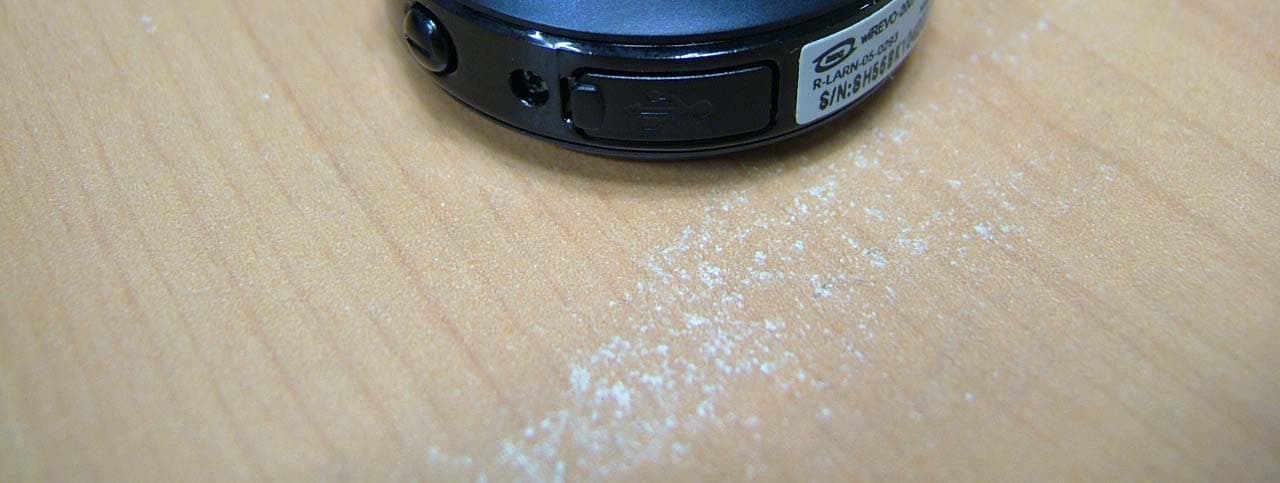
QWGHSH200
Aug 14, 2006Bluetooth Stereo Headset
Equipment Class
DSS - Part 15 Spread Spectrum Transmitter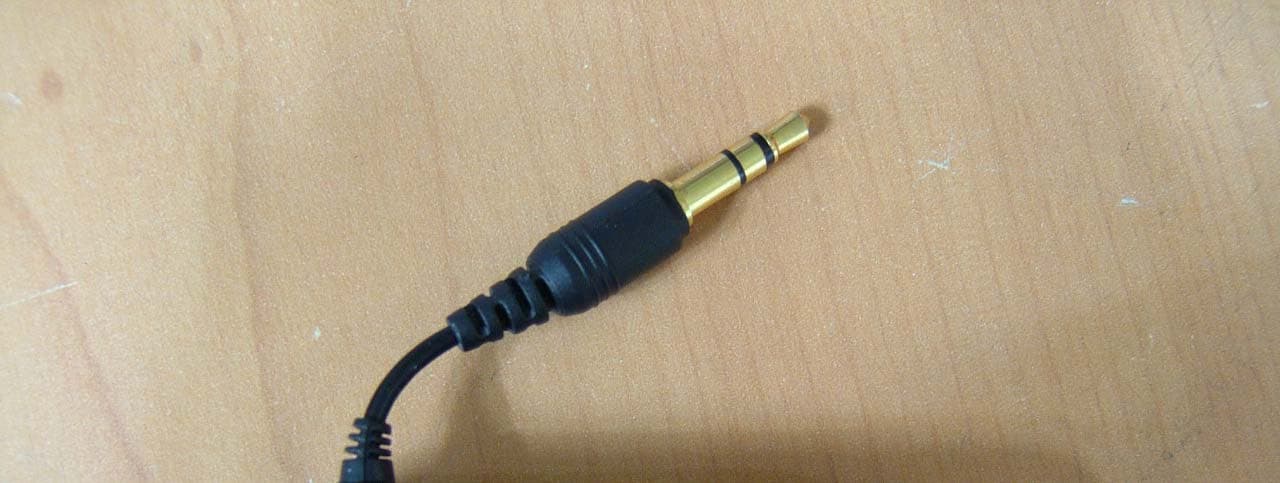
QWGD1000
Aug 13, 2006Bluetooth Audio Dongle
Equipment Class
DSS - Part 15 Spread Spectrum Transmitter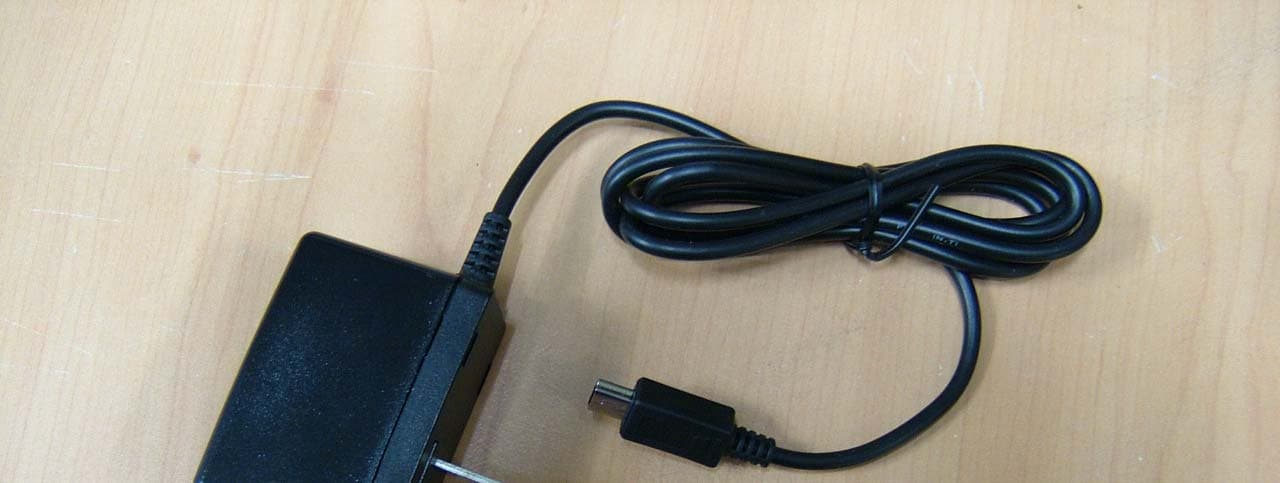
QWGS300
Aug 13, 2006Bluetooth Stereo Headset
Equipment Class
DSS - Part 15 Spread Spectrum Transmitter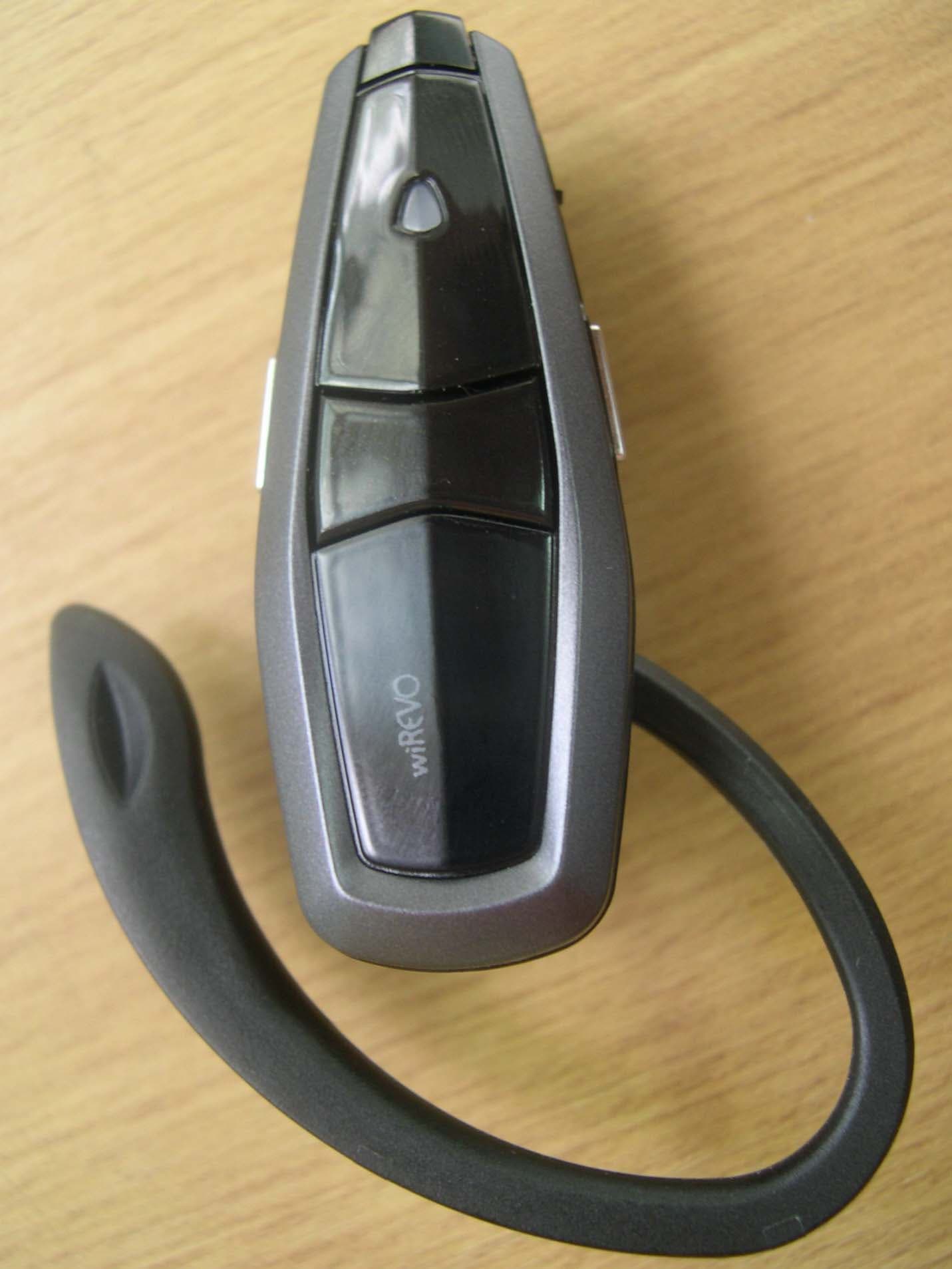
QWGBHE20
Oct 26, 2005HASSNET Mono Headset With Bluetooth
Equipment Class
DSS - Part 15 Spread Spectrum Transmitter