RV849RX915570995RF Remote Control Receiver
Overbreak, LLC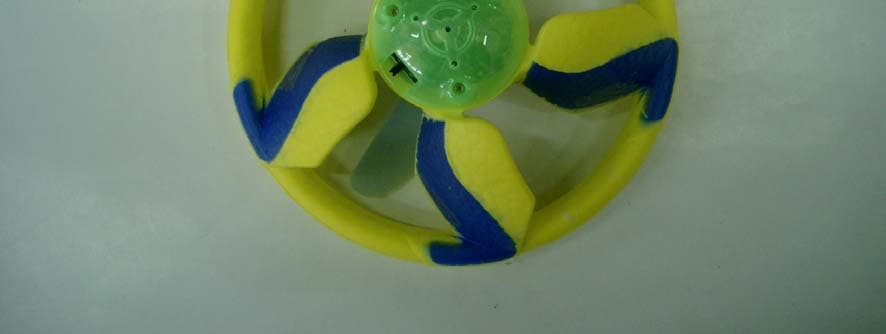
Click to zoom
Application Details
- Equipment Class
- CYY - Communications Receiver used w/Pt 15 Transmitter
- Date of Grant
- Nov 30, 2005
- Application Purpose
- Original Equipment
- Date of Application
- Nov 30, 2005
- Equipment Note
- RF Remote Control Receiver
- Frequency Range
- 49.86000000 - 49.86000000
- Company
- Overbreak, LLC
- Country
- United States
Documents & Files
Document Text
Text extracted from the exhibit documents filed with the FCC. Open a document above to read the original.
Block Diagram
49.860(RX)方框图.sch-1 - Fri Nov 11 12:10:54 2005
External Photos
Technical Report: (5205) 266-0580(A) Date: 18 October 2005 Page 1 of 2 Photographs: EUT Exterior Sample Description: Micro Hover Copter (49.860 MHz Receiver) FCC ID (if applicable): RV849RX915570995 Photo No. 1 : The Top view Technical Report: (5205) 266-0580(A) Date: 18 October 2005 Page 2 of 2 Photographs: EUT Exterior Sample Description: Micro Hover Copter (49.860 MHz Receiver) FCC ID (if applicable): RV849RX915570995 Photo No. 2 : The Bottom view
ID Label/Location Info
Label: Sample Description: Micro HoverCopter (Receiver 49.860MHZ) FCC ID (if applicable): RV849RX915570995 A): Label: B) Location:
Internal Photos
Technical Report: (5205) 266-0580(A) Date: 18 October 2005 Page 1 of 2 Photographs: EUT Interior Sample Description: Micro Hover Copter (49.860 MHz Receiver) FCC ID (if applicable): RV849RX915570995 Photo No. 1 : PCB bottom layer Technical Report: (5205) 266-0580(A) Date: 18 October 2005 Page 2 of 2 Photographs: EUT Interior Sample Description: Micro Hover Copter (49.860 MHz Receiver) FCC ID (if applicable): RV849RX915570995 Photo No. 2 : PCB top layer
Operational Description
Description of EUT Operation: Sample Description: Micro HoverCopter (49.860 MHz Receiver) FCC ID (if applicable): RV849RX915570995 Micro HoverCopter working theory Micor HoverCopter is combined with remote controlled transmitter gun and UFO mainframe. The radio frequency applied is 49.860 MHz. The circuit is combined with the special IC PT8A978/977 and cooperated wireless transmitting and receiving circuitry. Micro HoverCopter working process When adjusting the trigger of the transmitter gun, there are five steps functional keys. The first step is the lowest speed and the fifth step is the highest speed. The controlled dictate of the five steps will modulate the high frequency carried and have it launch. When the receiving circuit receives the signal from demodulation output, it will be sent to the decode IC. The high electricity will be exported correspondingly and then switches from low to high voltage in order to drive the motor, so that the motor will spin by different speed. Thereby, the Micro HoverCopter can carry out the up, down and suspending flying. The UFO mainframe can be charged with the rechargeable Ni-MH battery. Charging 10~12 mins can be play around 2 mins.
Test Setup Photos
Technical Report: (5205) 266-0580(A) Date: 18 October 2005 Page 1 of 1 Photographs: Test Setup Sample Description: Micro Hover Copter (49.860 MHz Receiver) FCC ID (if applicable): RV849RX915570995 Photo No. 1 : Test Setup
Contact Information
Applicant
Tony Hu(VP Product Development)
Technical Contact
Bureau Veritas Hong Kong LtdWai Leong
[email protected]852 2331 0888
1/f, Pacific Trade Ctr · Kowlong Bay, Kowlong · Hong Kong
Test Firm
Bureau Veritas Consumer Products Services (H.K.)Kent Lai
Technical Specifications
| # | Rule Parts | Frequency Range | Power Output |
|---|---|---|---|
| 1 | 15B | 49.86 MHz - 49.86 MHz | - |
Other Applications from Overbreak, LLC
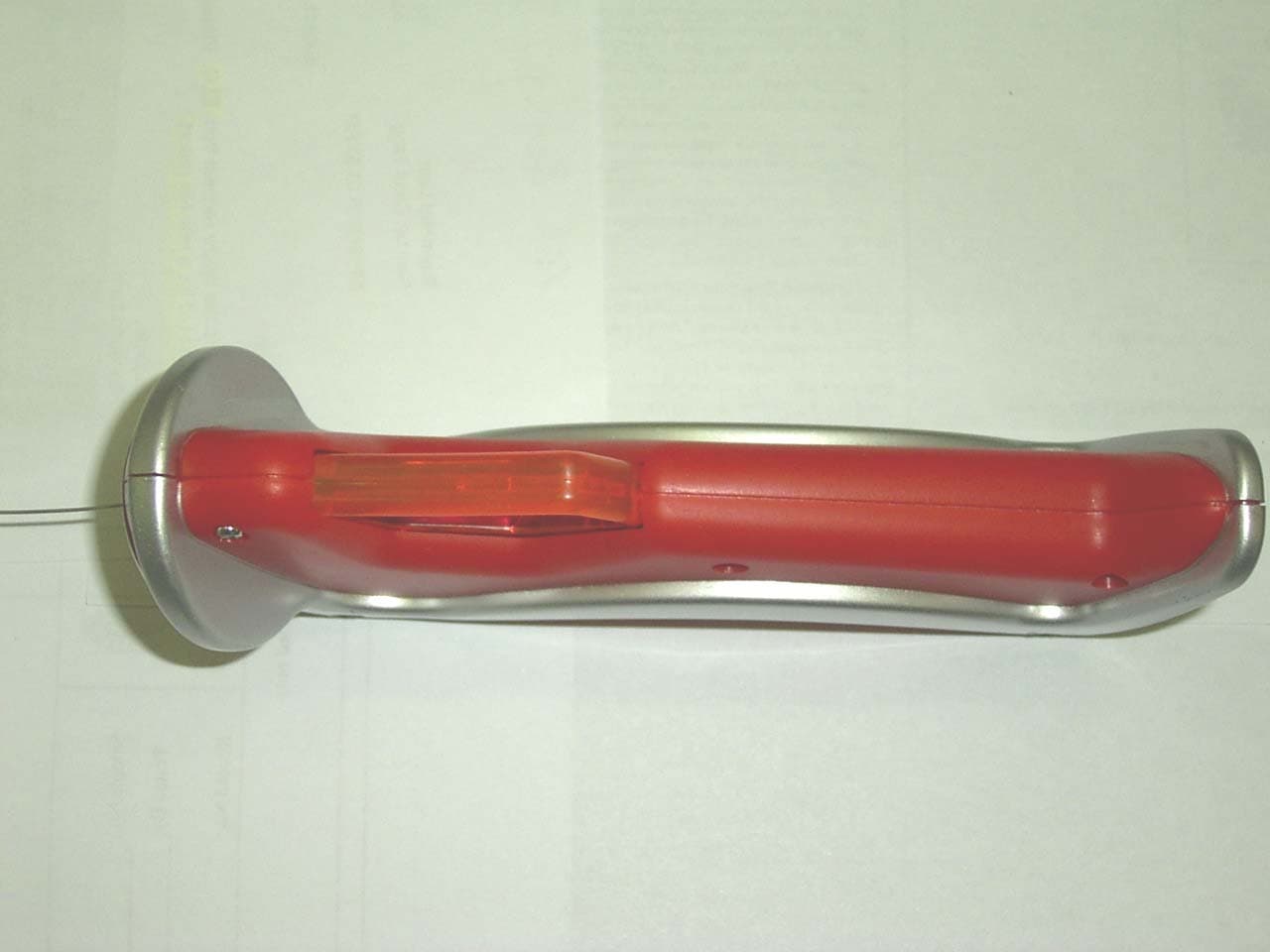
RV849915570995
Nov 30, 2005RF Remote Controller
Equipment Class
DXX - Part 15 Low Power Communication Device Transmitter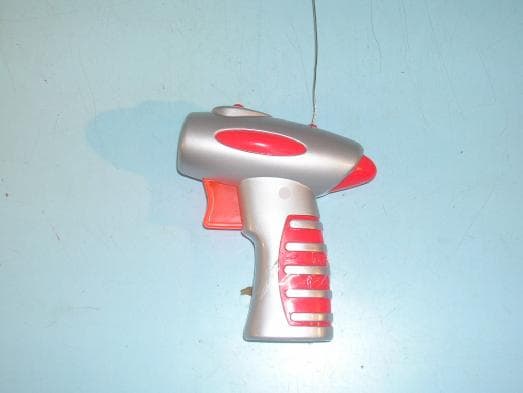
RV849915570976
Nov 09, 2005Remote Control Toy Transmitter
Equipment Class
DXX - Part 15 Low Power Communication Device Transmitter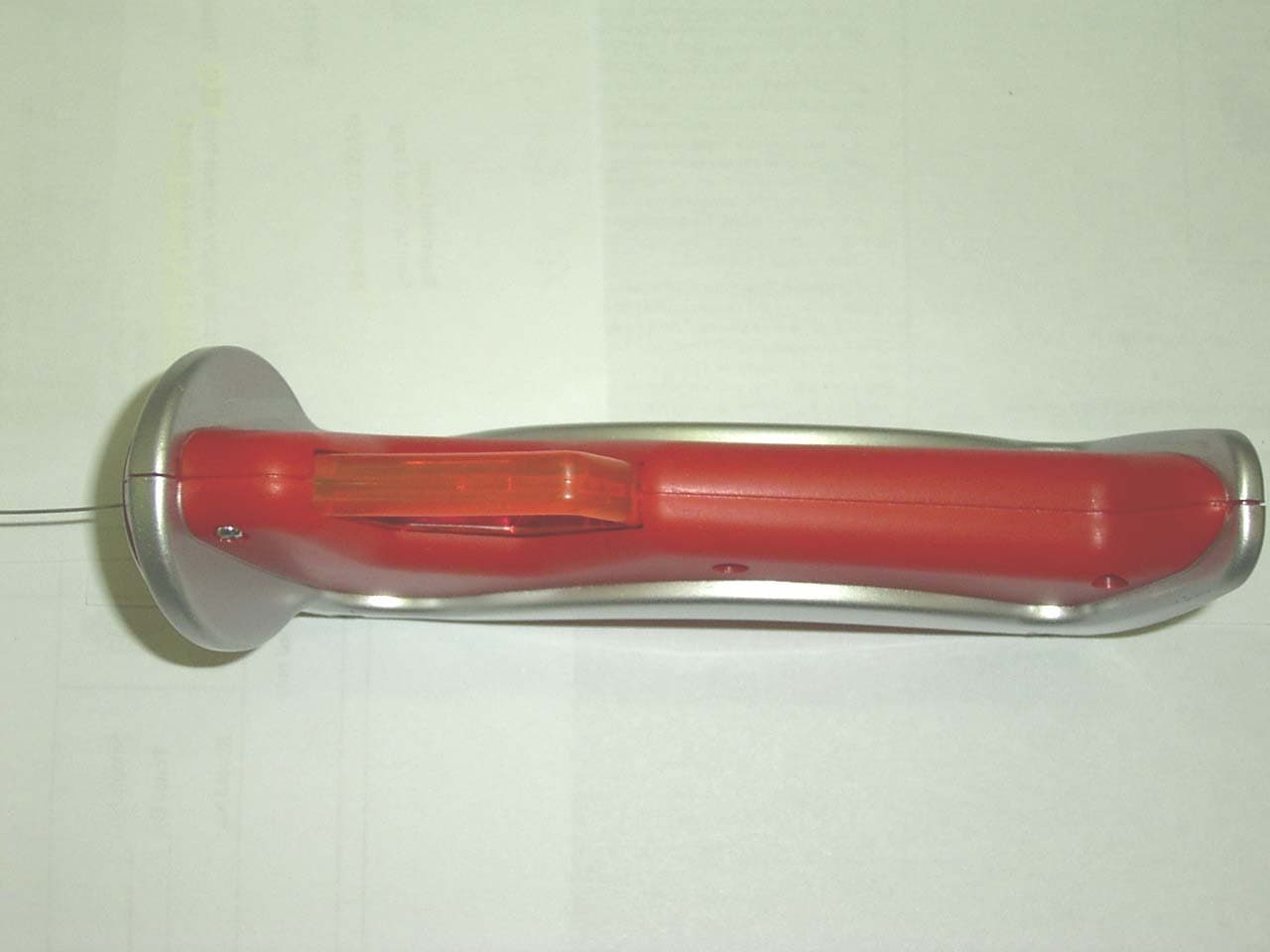
RV827915570995
Nov 07, 200527 MHz Transmitter
Equipment Class
DXX - Part 15 Low Power Communication Device Transmitter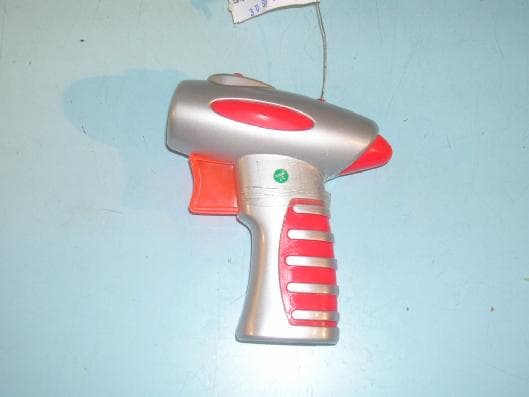
RV827915570976
Nov 06, 2005Remote Control Toy Transmitter
Equipment Class
DXX - Part 15 Low Power Communication Device Transmitter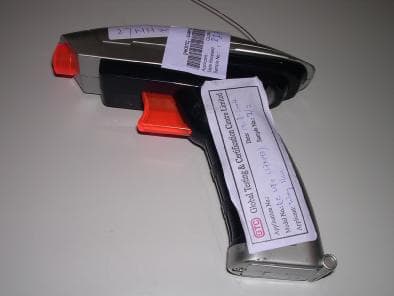
RV8271557A500
Oct 05, 2004Remote Control Toy Transmitter
Equipment Class
DXX - Part 15 Low Power Communication Device Transmitter