SDNTA-387Bluetooth Speaker
Tonika Electronics Technology (Shenzhen) Co., Ltd.Application Details
- Equipment Class
- DSS - Part 15 Spread Spectrum Transmitter
- Date of Grant
- May 04, 2014
- Application Purpose
- Original Equipment
- Date of Application
- May 04, 2014
- Equipment Note
- Bluetooth Speaker
- Frequency Range
- 2402.00000000 - 2480.00000000
- Country
- China
Documents & Files
Document Text
Text extracted from the exhibit documents filed with the FCC. Open a document above to read the original.
Users Manual
1. Power Indicator 2. BT (Blue Tooth) Indicator 3. FM Indicator 4. AUX 1 Indicator 5. AUX 2 Indicator 6. Charging Indicator 7. SOURCE Button 8. SCAN / (Radio Scan/Play-Pause)Button 9. CH - /(Channel Down/Skip Backward) Button 10. CH + / (Channel Up/Skip Forward)Button 11. EQ (Equalizer) Button 12. Volume Knob 13. MIC VOL (Microphone Volume) Knob 14. MIC ECHO (Microphone Echo) Knob 15. AUX 1 Jack 16. MIC (Microphone/Electric Guitar) Jack 17. Carry Handle 18. AUX 2 Jacks 19. POWER ON/POWER OFF/CHARGE Switch 20. AC IN Jack (AC 120V~; 60Hz) OPERATION: General: 1. Power on the unit as previous procedures. 2. Press the SOURCE Button repeatedly to select the source as desire (When change the input source from BT or to BT mode, it needs take approximate 1 second, please wait.). 3. Turn the VOL (Volume) Knob to adjust the volume level as desire. 4. Press the EQ (Equalizer) Button repeatedly to set the preset equalizer mode as desired. Notes: ~ EQ is operation in BT mode only. ~ To reset the EQ mode to normal mode, power off then power on the unit. 5. When finished, press the Power Switch to POWER OFF position to power off the unit. Note: If long period of time will not use the unit, unplug the AC power cord from wall outlet. BT (Blue Tooth): 1. Power on the unit as previous procedures. 2. Press the SOURCE Button repeatedly until the BT Indicator is light. 3. If this is the first time to use BT or re-pairing the unit to a new BT device, pairing the unit to external BT device as bellows: i. Power on the external BT device and enter to searching mode. ii. Start pairing as the on screen instructions on the external BT device. iii. After paired, the BT Indicator will stop blinking (For details pairing procedures, please refer to the user’s manual of your BT device.). Notes: ● When the external BT device searched the unit, our model number “CHT 936” will appears on the display of external BT device. ● Pairing code “0000” may need to enter. 4. Normal operation after paired: i. Turn on the BT function of the external BT device. ii. Power on the unit and press the SOURCE Button repeatedly until the BT Indicator is light and blinking. iii. Wait a few seconds until the unit paired to the external BT device automatically. (The BT Indicator will stop blinking). iv. Plays the music in the connected BT device as usual. Radio: 1. Power on the unit as previous procedures. 2. Press the SOURCE Button repeatedly until the FM Indicator is light. 3. If first time to use (or replaced the unit in a new location), press the SCAN/ Button. The unit will start searching and stored all available FM stations automatically. (Up to 30 stations can be stored). 4. After scanning, press the CH +/ or CH -/ Button repeatedly to select the desired stored FM station. 1 2 TO AC IN JACK To Wall Outlet 45 6 OPERATION: 789 GENERAL SPECIFICATIONS: Accessories: Before using the unit, be sure to read all operating instructions carefully . Please note that these are general precautions and may not pertain to your unit For example, this unit may not have the capability to be connected to an outdoor antenna. 1. Read these instructions All the safety and operating instructions should be read before the product is operated. 2. Keep these instructions The sately and operating instructions should be retained for future reference. POWER SOURCE TROUBLESHOOTING GUIDE Check the follows before requesting service: 1 x User’s Manual 1 x Audio Connection Cable with 3.5mm Stereo Mini Plugs 1 x AC Power Cord 1 x Dynamic Microphone 1 2 3 17 121314 15 16 7 18 20 19 810911 6 5 4 SYMPTOMPOSSIBLE CAUSE No powerhad not plug in the unit or wall outlet Plug it to the wall outlet and the properly POWER Switch is in OFF position Press the POWER Switch on the rear of unit to POWER ON position No Sound Volume in minimum position Rise volume level by turning the The connected device is not in playback mode Plays the audio/video files in the connected device as usual Sound output of the connected device weak Rise the volume level of the connected device Input source incorrect connection Sound distortionVolume level too high turning the Volume level of the connected device too highthe connected device BT not functionThe external BT device too far from the unit Place the external BT device close to the unit Set the input source as the Reduce the volume level by POSSIBLE SOULTION VOL (Volume) + Knob VOL (Volume) - Knob Reduce the volume and/or bass level of Craig warrants this product to be free from manufacturing defects in material and workmanship under normal use for a period of 90 days from date of purchase. If service is required, please return the product to the store where it was purchased for exchange; or, pack the unit in the original packing material with all accessories if applicable, a copy of your sales receipt and a Cashier’s check or Money Order for $18.00 (to cover shipping and handling costs) payable to Craig Electronics Inc. For consumers in Canada, please make sure that the cashier check or money order is redeemable through a U.S. bank. Ship your product freight pre-paid. Your unit will be repaired, replaced or if the unit can not be repaired or replaced, a refund will be forwarded to you within four weeks of receipt of your unit. Please ship your unit to: Craig Electronics Inc. 1160 NW 163 Drive Miami, Fl 33169 This warranty is void if the product has been: a) Used in a commercial application or rental. b) Damaged through misuse, negligence, or abuse. c) Modified or repaired by anyone other than an authorized Craig service center. d) Damaged because it is improperly connected to any other equipment. Note: This warranty does not cover: a) Ordinary adjustments as outlined in the Owner’s Manual which can be performed by the customer. b) Damage to equipment not properly connected to the product. c) Any cost incurred in shipping the product for repair. d) Damage to the product not used in the USA. This warranty is not transferable and only applies to the origi…
Text truncated - open the document above for the full version.
Users Manual
FCC INFORMATION (additional) RF Exposure: A distance of 20 cm shall be maintained between the antenna and users, and the transmitter may not be co-located with any other transmitter or antenna.
Cover Letter(s)
Model differences We: TONIKA ELECTRONICS TECHNOLOGY(SHENZHEN) CO.,LTD Statement that All the names(TA-387 CHT936) are the same circuit and RF module, except the model names and colors. Name: XIANG DONG Signature: 2014-04-25
Cover Letter(s)
Tonika Electronics Technology (Shenzhen) Co., Ltd. FCC Authorization Letter Number: CF304 Version: V01 Date: 01-02-2010 We, (the approval holder) Company name Tonika Electronics Technology (Shenzhen) Co., Ltd. Addresss No. 55 Busha Road, No. 2 Shanwei Industrial Estate Zhangshubu Commune, Nanwan Town City Shenzhen Country China declare that the following representative (agent): Name (person) Jim.he Company name Shenzhen STONE Testing Technology Co.,Ltd. Addresss F/6, Bldg.12, Zhongxing Industrial City, Chuangye Rd., Nanshan District City Shenzhen Country China is hereby authorized to apply the following equipment for certification on our behalf: Product Description Bluetooth Speaker Type or Model(s) TA-387,CHT936 Tradename or Brand(s) N/A We also authorize Teleconformity, Mr. M. Koop, (address: Rietven 31, 7534NH Enschede, Netherlands) to process this application. Attestation: City and Country: Date: Name: (this must be a person) Function: Signature: (or official company stamp) Shenzhen 2014.4.25 XIANG DONG Sales Manager
External Photos
APPENDIX-PHOTOGRAPHS OF EUT CONSTRUCTIONAL DETAILS Photo 1 Photo 2 Photo 3 Photo 4 Photo 5 Photo 6
ID Label/Location Info
Bluetooth Speaker M/N: TA-387 FCC ID: SDNTA-387 IC ID: 11933A-TA-387 TONIKA ELECTRONICS TECHNOLOGY(SHENZHEN) CO.,LTD This equipment has been tested and found to comply with the limits for a Class B digital device, pursuant to part 15 of the FCC Rules. These limits are designed to provide reasonable protection against harmful interference in a residential installation. This equipment generates, uses and can radiate radio frequency energy and, if not installed and used in accordance with the instructions, may cause harmful interference to radio communications. However, there is no guarantee that interference will not occur in a particular installation. If this equipment does cause harmful interference to radio or television reception, which can be determined by turning the equipment off and on, the user is encouraged to try to correct the interference by one or more of the following measures: --Reorient or relocate the receiving antenna. --Increase the separation between the equipment and receiver. --Connect the equipment into an outlet on a circuit different from that to which the receiver is connected. --Consult the dealer or an experienced radio/TV technician for help. This device complies with Part 15 of the FCC rules and Industry Canada licence-exempt RSS standard(s). Operation is subject to the following two conditions: (1) this device may not cause interference, and (2) this device must accept any interference received, including interference that may cause undesired operation. This Class B digital apparatus complies with Canadian ICES-003. Cet appareil numérique de la classe B est conforme à la norme NMB-003 du Canada. Le présent appareil est conforme aux CNR d'Industrie Canada applicables aux appareils radio exempts de licence. L'exploitation est autorisée aux deux conditions suivantes : (1) l'appareil ne doit pas produire de brouillage, et (2) l'utilisateur de l'appareil doit accepter tout brouillage radioélectrique subi, même si le brouillage est susceptible d'en compromettre le fonctionnement.
Internal Photos
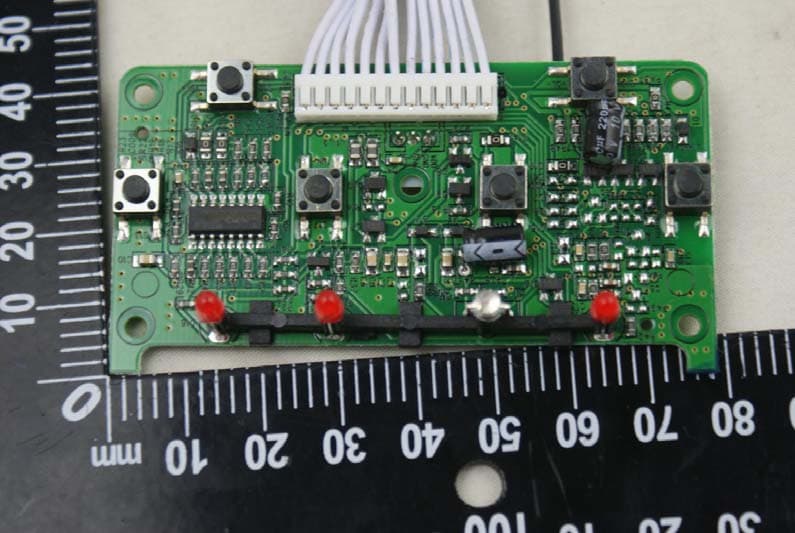
Photo 7 Photo 8 Photo 9 Photo 10 Photo 11 Photo 12 Photo 13 Photo 14 Photo 15 Photo 16 Photo 17 Photo 18 Photo 19
RF Exposure Info
MPE Calculation FCC ID: SDNTA-387 Remark: Average ≤ Peak, which means that calculating the power density (general population) applying Peak power (where possible) as worst case. The worst case operation mode generating the highest power in each frequency range is taken for calculation. Bluetooth 2.1+EDR 79Ch FHSS (GFSK, pi4-DQPSK, 8-DPSK) Mid Channel at 2441 MHz Conclusion: At 20cm, the Power Density is far under the limit, PASS Frequency Range:2402 -2480MHz;User distance: d =20cm Maximum Power in this bandP(max) =30W;Duty Cycle =1 Power Density limit in this band(lowest Frequency) =1/1 =1.00 Maximum measured Peak Power P(conducted) =0.768 =1.19 Effective Power with Duty Cycle incorporated =1.193438 =0.77 Antenna Gain: G =01.00linear 0.77 +0.00 =0.77 =1.19 Power Density S = P(rad) / (4*pi*d^2) =1.19 /5026.55 =0.0002 <1.00 mW/cm 2 dBmmW mWdBm dBi equals P(rad) = P(cond) + G(linear) =dBmmW mW/cm 2
Test Report
FCC RADIO TEST REPORT FCC ID: SDNTA-387 IC ID: 11933A-TA-387 Product: Bluetooth Speaker Trade Name: / Model Name: TA-387 Serial Model: CHT936 Prepared for TONIKA ELECTRONICS TECHNOLOGY(SHENZHEN) CO.,LTD NO.55 Busha Road,Nanwan Town,Longgang District,Shenzhen,Guangdong Province.China Prepared by Shenzhen STONE Testing Technology Co.,Ltd. F/6, Bldg.12, Zhongxing Industrial City, Chuangye Rd., Nanshan District Shenzhen P.R. China Page 2 of 74 Report No.: STT-2014DG0412088F TEST RESULT CERTIFICATION Applicant’s name................. TONIKA ELECTRONICS TECHNOLOGY(SHENZHEN) CO.,LTD Address................................ NO.55 Busha Road, Nanwan Town, Longgang District, Shenzhen, Guangdong Province.China Manufacture's Name............ TONIKA ELECTRONICS TECHNOLOGY(SHENZHEN) CO.,LTD Address................................ NO.55 Busha Road, Nanwan Town, Longgang District, Shenzhen, Guangdong Province.China Product description Product name...........................Bluetooth Speaker Model and/or type reference ............................. TA-387 Serial Model: CHT936 Standards............................. FCC Part15.247, RSS-210 Issue 8 Test procedure............................. ANSI C63.4-2003, RSS-Gen Issue 3 This device described above has been tested by STT, and the test results show that the equipment under test (EUT) is in compliance with the FCC requirements. And it is applicable only to the tested sample identified in the report. This report shall not be reproduced except in full, without the written approval of STT, this document may be altered or revised by STT, personal only, and shall be noted in the revision of the document. Date of Test......................................... Date (s) of performance of tests............ 15 Apr. 2014 ~25 Apr. 2014 Date of Issue........................................ 25 Apr. 2014 Test Result............................................Pass Testing Engineer : Assistant Technical Manager : Supervisor Authorized Signatory : Jacky Ou / Manager Page 3 of 74 Report No.: STT-2014DG0412088F Table of Contents Page 1 . SUMMARY OF TEST RESULTS 5 1.1 TEST FACILITY 6 1.2 MEASUREMENT UNCERTAINTY 6 2 . GENERAL INFORMATION 7 2.1 GENERAL DESCRIPTION OF EUT 7 2.2 DESCRIPTION OF TEST MODES 9 2.3 TABLE OF PARAMETERS OF TEXT SOFTWARE SETTING 9 2.4 BLOCK DIGRAM SHOWING THE CONFIGURATION OF SYSTEM TESTED 10 2.5 DESCRIPTION OF SUPPORT UNITS(CONDUCTED MODE) 11 2.6 EQUIPMENTS LIST FOR ALL TEST ITEMS 12 3 . EMC EMISSION TEST 13 3.1 CONDUCTED EMISSION MEASUREMENT 13 3.1.1 POWER LINE CONDUCTED EMISSION LIMITS 13 3.1.2 TEST PROCEDURE 14 3.1.3 DEVIATION FROM TEST STANDARD 14 3.1.4 TEST SETUP 14 3.1.5 EUT OPERATING CONDITIONS 14 3.1.6 TEST RESULTS 15 3.2 RADIATED EMISSION MEASUREMENT 17 3.2.1 RADIATED EMISSION LIMITS 17 3.2.2 TEST PROCEDURE 18 3.2.3 DEVIATION FROM TEST STANDARD 18 3.2.4 TEST SETUP 19 3.2.5 EUT OPERATING CONDITIONS 20 3.2.6 TEST RESULTS (BELOW 30 MHZ) 21 3.2.7 TEST RESULTS (BETWEEN 30M – 1000 MHZ) 22 3.2.8 TEST RESULTS (ABOVE 1000 MHZ) 23 4 . NUMBER OF HOPPING CHANNEL 33 4.1 APPLIED PROCEDURES / LIMIT 33 4.1.1 TEST PROCEDURE 33 4.1.2 DEVIATION FROM STANDARD 33 4.1.3 TEST SETUP 33 4.1.4 EUT OPERATION CONDITIONS 33 4.1.5 TEST RESULTS 34 5 . AVERAGE TIME OF OCCUPANCY 35 5.1 APPLIED PROCEDURES / LIMIT 35 Page 4 of 74 Report No.: STT-2014DG0412088F Table of Contents Page 5.1.1 TEST PROCEDURE 35 5.1.2 DEVIATION FROM STANDARD 35 5.1.3 TEST SETUP 36 5.1.4 EUT OPERATION CONDITIONS 36 5.1.5 TEST RESULTS 37 6 . HOPPING CHANNEL SEPARATION MEASUREMENT 43 6.1 APPLIED PROCEDURES / LIMIT 43 6.1.1 TEST PROCEDURE 43 6.1.2 DEVIATION FROM STANDARD 43 6.1.3 TEST SETUP 43 6.1.4 EUT OPERATION CONDITIONS 43 6.1.5 TEST RESULTS 44 7 . BANDWIDTH TEST 50 7.1 APPLIED PROCEDURES / LIMIT 50 7.1.1 TEST PROCEDURE 50 7.1.2 DEVIATION FROM STANDARD 50 7.1.3 TEST SETUP 50 7.1.4 EUT OPERATION CONDITIONS 50 7.1.5 TEST RESULTS 51 8 . PEAK OUTPUT POWER TEST 57 8.1 APPLIED PROCEDURES / LIMIT 57 8.1.1 TEST PROCEDURE 57 8.1.2 DEVIATION FROM STANDARD 57 8.1.3 TEST SETUP 57 8.1.4 EUT OPERATION CONDITIONS 57 8.1.5 TEST RESULTS 58 9 . 100 KHZ BANDWIDTH OF FREQUENCY BAND EDGE 64 9.1 DEVIATION FROM STANDARD 64 9.2 TEST SETUP 64 9.3 EUT OPERATION CONDITIONS 64 9.4 TEST RESULTS 65 10 . ANTENNA REQUIREMENT 72 10.1 STANDARD REQUIREMENT 72 10.2 EUT ANTENNA 72 11 . EUT TEST PHOTO 73 APPENDIX-PHOTOGRAPHS OF EUT CONSTRUCTIONAL DETAILS Page 5 of 74 Report No.: STT-2014DG0412088F 1. SUMMARY OF TEST RESULTS Test procedures according to the technical standards: FCC Part15 (15.247) , Subpart C Standard Section Test Item Judgment Remark 15.207 Conducted Emission PASS 15.247(a)(1) Hopping Channel Separation PASS 15.247(b)(1) Peak Output Power PASS 15.247(c) Radiated Spurious Emission PASS 15.247(a)(iii) Number of Hopping Frequency PASS 15.247(a)(iii) Dwell Time PASS 15.247(a)(1) Bandwidth PASS 15.205 Band Edge Emission PASS 15.203 Antenna Requirement PASS NOTE: (1)” N/A” denotes test is not applicable in this Test Report Page 6 of 74 Report No.: STT-2014DG0412088F 1.1 TEST FACILITY Shenzhen STONE Testing Technology Co.,Ltd. Add. : F/1 , Bldg.12, Zhongxing Industrial City, Chuangye Rd., Nanshan District Shenzhen China FCC Registration No.: 323508; IC Registration No.: 11043A 1.2 MEASUREMENT UNCERTAINTY The reported uncertainty of measurement y ± U,where expended uncertainty U is based on a standard uncertainty multiplied by a coverage factor of k=2,providing a level of confidence of approximately 95 %。 No. Item Uncertainty 1 Conducted Emission Test ±1.38dB 2 RF power,conducted ±0.16dB 3 Spurious emissions,conducted ±0.21dB 4 All emissions,radiated(<1G) ±4.68dB 5 All emissions,radiated(>1G) ±4.89dB 6 Temperature ±0.5°C 7 Humidity ±2% Page 7 of 74 Report No.: STT-2014DG0412088F 2. GENERAL INFORMATION 2.1 GENERAL DESCRIPTION OF EUT Equipment Bluetooth Speaker Trade Name / Model Name TA-387 Serial Model CHT936 Model Difference All the names are the same circuit and RF module, except the model names and colors. Product Description The…
Text truncated - open the document above for the full version.
Test Setup Photos
Page 73 of 74 Report No.: STT-2014DG0412088F 11. EUT TEST PHOTO Radiated Measurement Photos Page 74 of 74 Report No.: STT-2014DG0412088F CONDUCTED EMISSION Photo
Contact Information
Applicant
XIANG DONG(Sales Manager)
Technical Contact
Test Firm
Shenzhen STONE Testing Technology Co.,Ltd.Ethan Chen
[email protected]8607552658
Technical Specifications
| # | Rule Parts | Frequency Range | Power Output |
|---|---|---|---|
| 1 | 15C | 2.40 GHz - 2.48 GHz | 1.20 mW |
Other Applications from Tonika Electronics Technology (Shenzhen) Co., Ltd.
SDNTA-320B-01
Sep 08, 2015Bluetooth Speaker
Equipment Class
DSS - Part 15 Spread Spectrum Transmitter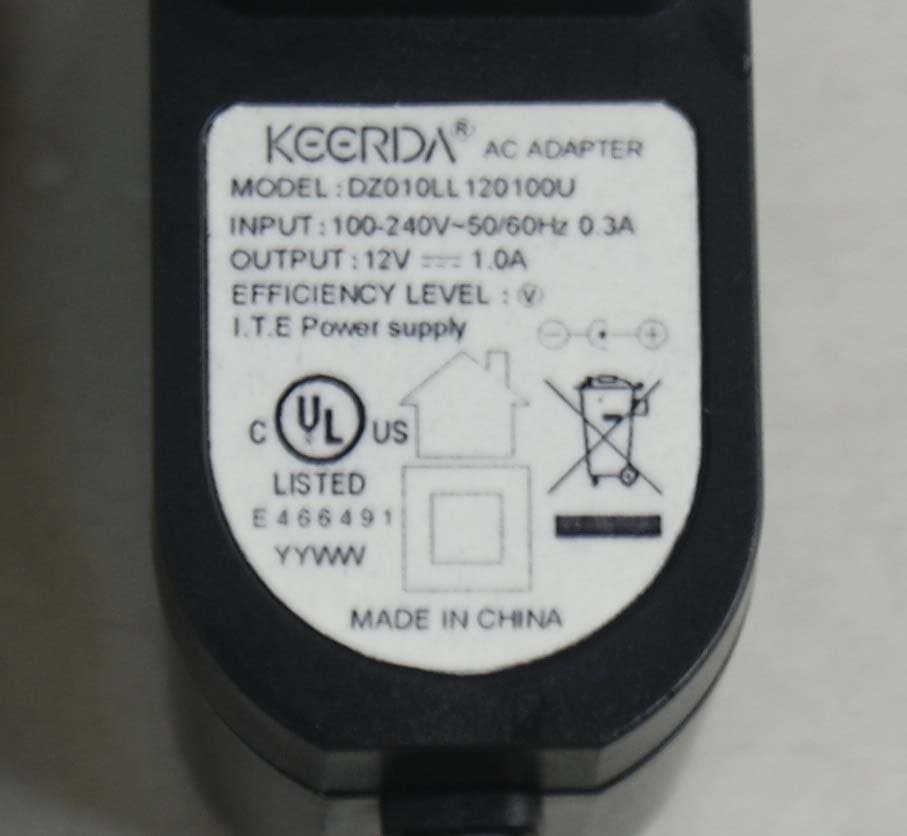
SDNTA-304DG-01
Aug 20, 2015Bluetooth Speaker
Equipment Class
DSS - Part 15 Spread Spectrum Transmitter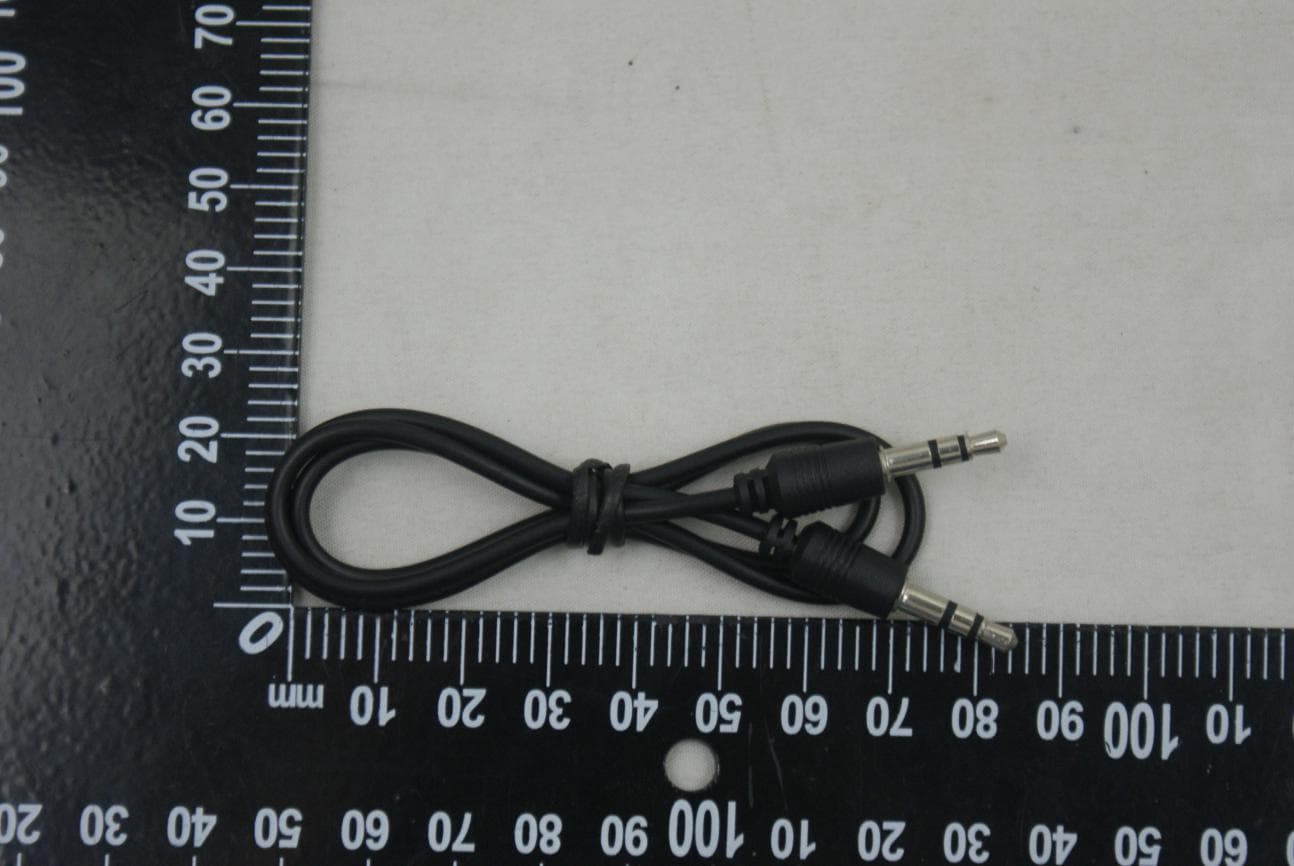
SDNTA-483-01
Aug 09, 2015Bluetooth Speaker
Equipment Class
DSS - Part 15 Spread Spectrum Transmitter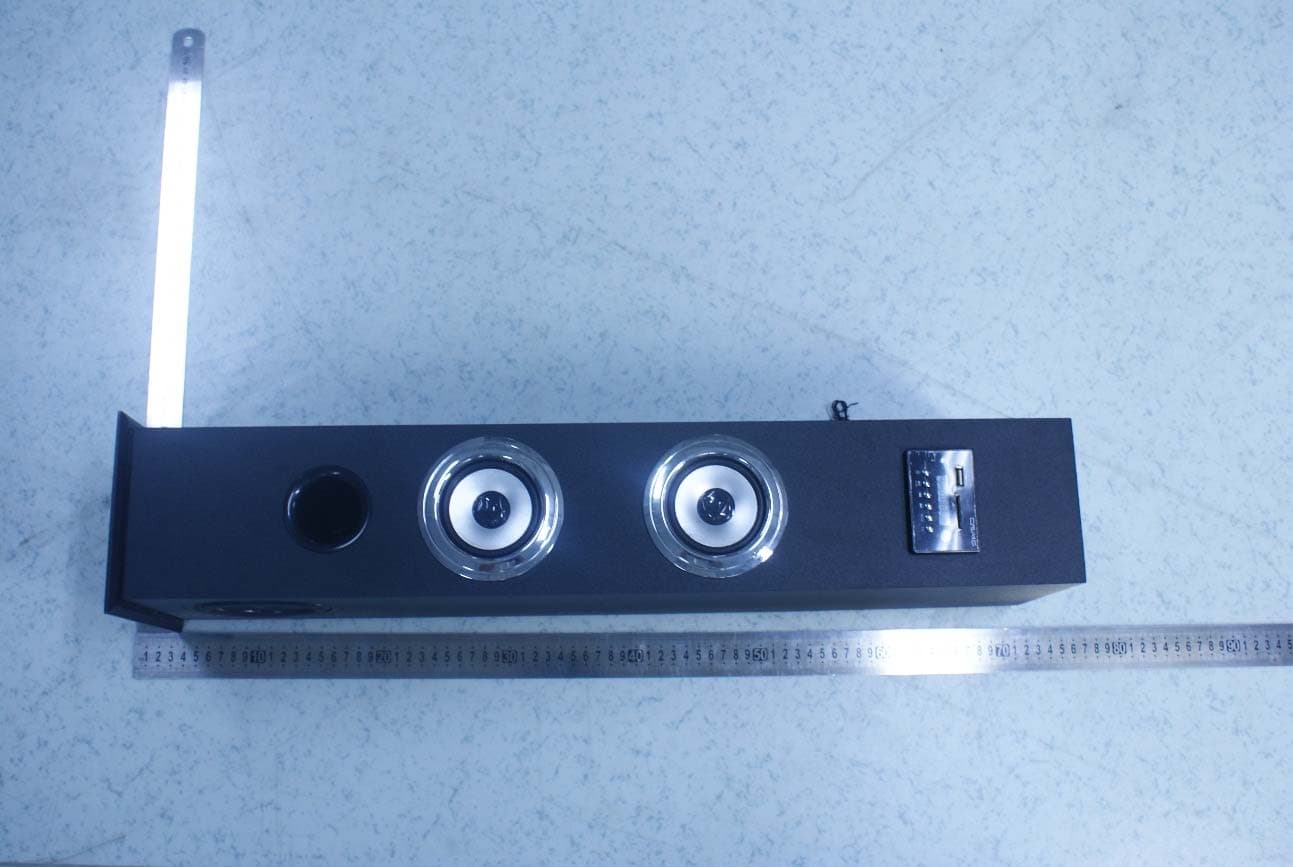
SDNTA-479-01
Jul 20, 2015BLUETOOTH WIRELESS TECHNOLOGY SPEAKER
Equipment Class
DSS - Part 15 Spread Spectrum Transmitter
SDNTA-440-01
May 20, 2015WATER DANCING TOWER SPEAKER
Equipment Class
DSS - Part 15 Spread Spectrum Transmitter