SGPK190001Wireless Keyboard
Shenzhen Delux Industry Co., Ltd.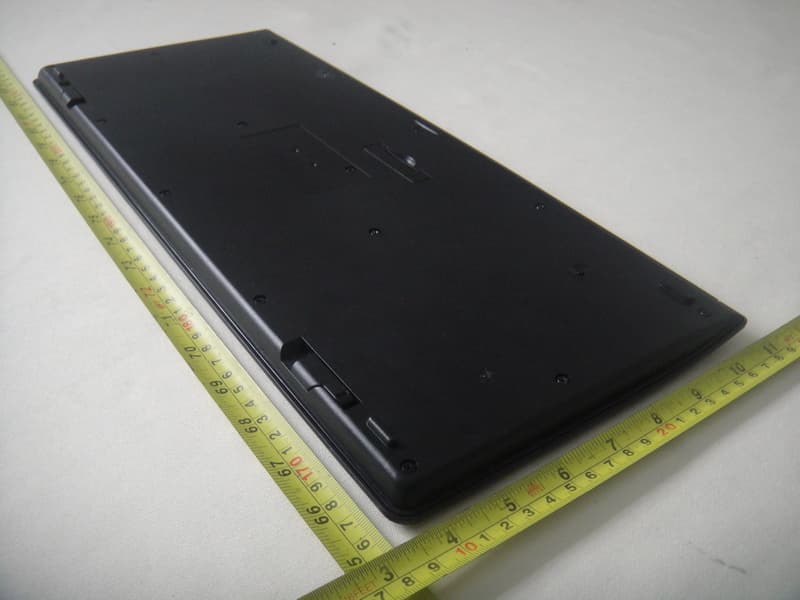
Click to zoom
Application Details
- Equipment Class
- DXX - Part 15 Low Power Communication Device Transmitter
- Date of Grant
- Mar 02, 2011
- Application Purpose
- Original Equipment
- Date of Application
- Mar 01, 2011
- Equipment Note
- Wireless Keyboard
- Frequency Range
- 2402.00000000 - 2480.00000000
- Country
- China
Documents & Files
Document Text
Text extracted from the exhibit documents filed with the FCC. Open a document above to read the original.
Users Manual
K1900G+G01UF Manual Thank you for choosing this 2.4G wireless keyboard, please read the manual of installations and specification. Specification K1900G+G01UF wireless keyboard · 2.4G wireless, strong anti-interference, effective distance 10 M. · 18 sets multi-media hot keys, convenient for Internet · Hair-line drawing, metal feeling. · New chocolate keycaps, soft touch feeling. · Fashionable outlook, super slim design, best choice for LCD monitor. · Ergonomics designed wide palm rest, can reduce the tiredness for long time working G01UF receiver 2.4G Mini receiver 1、Favorites 2、refresh 3、home page 4、up page 5、down page 6、mail 7、search 8、play/pause 9、 stop 10、up 11、next 12、volume down13、volume up 14、mute 15、my computer 16、calculator 17、sleep 18、multimedia start Instruction of the battery · It takes 2*AAA (7#)batteries for the wireless keyboard · Please take out the batteries if you do not use the wireless products for long time, and keep them in a cool and dry place · Please do not use the battery if leaking, discoloration, distortion or other abnormity happens. Battery installation to the keyboard 1. Press the button on the keyboard, the battery buckle will eject out 2. Put 2 AAA(7#) batteries in correct direction 3. Cover the buckle Connection of the receiver Connecting the receiver to the PC by the USB port Building up connection between the mouse or the keyboard and receive If there is radio disturbance from other wireless keyboard or mouse Somebody try to build up the connection, but failed Building up connection between the keyboard and receiver Pull out the receiver from the USB port at first, and press the “CONNECT” button at the bottom of the keyboard, the indicator on the keyboard will flash at this time. Connect the receiver to the USB port within 15 seconds, when the USB receiver is detected, the indicator will turn off, and can be used. If not, please try again. Working Environment The receiver should be far away from the monitor, outside disc driver or other electronic products. The radio signal can penetrate lignin, glass and other the non-metallic objects, realizing 360 degree free transmit, however, it can not penetrate the metal materials. So please not put the mouse, keyboard and the receiver onto the metallic tabletop. Please be sure there is no big metal between the mouse (keyboard) and receiver, otherwise the connection will be affected. Optical mouse is suitable for operating media wooden, paper or cloth, but not for the ratent, such as glass and smooth rubber. A mouse pad is needed in such environment. The standardized receiving distance we offered is under certain radio disturbance environment, the normal environment are better, the actual receiving distance is higher than standardized, but if mix-machine, motor, electric drill and other strong electronic equipments operating nearby, which may lead to slowly receiving or other abnormity. Debugging tips Check the receiver again, and make sure it is connected to the USB port. Check the battery direction should be correct. Re-establish the mouse (or keyboard) and the receiver communication channel. Reduce the distance of the receiver and the mouse (or keyboard) Change a pair of new battery Put the “on-off” button to “On” FCC Statement This equipment has been tested and found to comply with the limits for a Class B digital device, pursuant to part 15 of the FCC rules. These limits are designed to provide reasonable protection against harmful interference in a residential installation. This equipment generates, uses and can radiate radio frequency energy and, if not installed and used in accordance with the instructions, may cause harmful interference to radio communications. However, there is no guarantee that interference will not occur in a particular installation. If this equipment does cause harmful interference to radio or television reception, which can be determined by turning the equipment off and on, the user is encouraged to try to correct the interference by one or more of the following measures: -Reorient or relocate the receiving antenna. -Increase the separation between the equipment and receiver. -Connect the equipment into an outlet on a circuit different from that to which the receiver is connected. -Consult the dealer or an experienced radio/TV technician for help. To assure continued compliance, any changes or modifications not expressly approved by the party responsible for compliance could void the user’s authority to operate this equipment. (Example- use only shielded interface cables when connecting to computer or peripheral devices). This equipment complies with Part 15 of the FCC Rules. Operation is subject to the following two conditions: (1) This device may not cause harmful interference, and (2) This device must accept any interference received, including interference that may cause undesired operation. Caution! The manufacturer is not responsible for any radio or TV interference caused by unauthorized modifications to this equipment. Such modifications could void the user authority to operate the equipment.
External Photos
Neutron Engineering Inc. Project No.: 1101C173 Page 2 of 5 1101C173 1101C173 Neutron Engineering Inc. Project No.: 1101C173 Page 2 of 5 1101C173 1101C173
Internal Photos
Neutron Engineering Inc. Project No.: 1101C173 Page 3 of 5 1101C173 1101C173 Neutron Engineering Inc. Project No.: 1101C173 Page 3 of 5 1101C173 1101C173 Neutron Engineering Inc. Project No.: 1101C173 Page 4 of 5 1101C173 1101C173 Neutron Engineering Inc. Project No.: 1101C173 Page 4 of 5 1101C173 1101C173 Neutron Engineering Inc. Project No.: 1101C173 Page 5 of 5 1101C173 1101C173 Neutron Engineering Inc. Project No.: 1101C173 Page 5 of 5 1101C173 1101C173
Test Report
Neutron Engineering Inc. Report No.: NEI-FCCP-1-1101C173 Page 2 of 46 Declaration Neutron represents to the client that testing is done in accordance with standard procedures as applicable and that test instruments used has been calibrated with the standards traceable to National Measurement Laboratory (NML) of R.O.C., or National Institute of Standards and Technology (NIST) of U.S.A. Neutron's reports apply only to the specific samples tested under conditions. It is manufacture’s responsibility to ensure that additional production units of this model are manufactured with the identical electrical and mechanical components. Neutron shall have no liability for any declarations, inferences o r generalizations drawn by the client or others from Neutron issued reports. Neutron’s reports must not be used by the client to claim product endorsement by the authorities or any agency of the Government. This report is the confidential property of the client. As a mutual protection to the clients, the public and Neutron-self, extracts from the test report shall not be reproduced except in full with Neutron’s authorized written approval. Neutron’s laboratory quality assurance procedures are in compliance with the ISO Guide 17025 requirements, and accredited by the conformity assessment authorities listed in this test report. Limitation For the use of the authority's logo is limited unless the Test Standard(s)/Scope(s)/Item(s) mentioned in this test report is (are) included in the conformity assessment authorities acceptance respective. Neutron Engineering Inc. Report No.: NEI-FCCP-1-1101C173 Page 3 of 46 Table of Contents Page 1 . CERTIFICATION 5 2 . SUMMARY OF TEST RESULTS 6 2.1 TEST FACILITY 7 2.2 MEASUREMENT UNCERTAINTY 7 3 . GENERAL INFORMATION 8 3.1 GENERAL DESCRIPTION OF EUT 8 3.2 DESCRIPTION OF TEST MODES 12 3.3 BLOCK DIGRAM SHOWING THE CONFIGURATION OF SYSTEM TESTED 13 3.4 DESCRIPTION OF SUPPORT UNITS 14 4 . EMC EMISSION TEST 15 4.1 CONDUCTED EMISSION MEASUREMENT 15 4.1.1 POWER LINE CONDUCTED EMISSION LIMITS 15 4.1.2 MEASUREMENT INSTRUMENTS LIST 15 4.1.3 TEST PROCEDURE 16 4.1.4 DEVIATION FROM TEST STANDARD 16 4.1.5 TEST SETUP 16 4.1.6 EUT OPERATING CONDITIONS 16 4.1.7 TEST RESULTS 17 4.2 RADIATED EMISSION MEASUREMENT 18 4.2.1 RADIATED EMISSION LIMITS 18 4.2.2 MEASUREMENT INSTRUMENTS LIST 19 4.2.3 TEST PROCEDURE 20 4.2.4 DEVIATION FROM TEST STANDARD 20 4.2.5 TEST SETUP 21 4.2.6 EUT OPERATING CONDITIONS 21 4.2.7 TEST RESULTS (BETWEEN 30 – 1000 MHz) 22 4.2.8 TEST RESULTS (ABOVE 1000 MHz) 24 4.2.9 TEST RESULTS (2400 – 2483.5 MHz) 36 5 . BANDWIDTH TEST 37 5.1 MEASUREMENT INSTRUMENTS LIST 37 5.2 TEST PROCEDURE 37 5.3 DEVIATION FROM STANDARD 37 5.4 TEST SETUP 37 5.5 EUT OPERATION CONDITIONS 37 5.6 TEST RESULTS 38 6 . ANTENNA CONDUCTED SPURIOUS EMISSION 40 Neutron Engineering Inc. Report No.: NEI-FCCP-1-1101C173 Page 4 of 46 Table of Contents Page 6.1 APPLIED PROCEDURES / LIMIT 40 6.1.1 MEASUREMENT INSTRUMENTS LIST 40 6.1.2 TEST PROCEDURE 40 6.1.3 DEVIATION FROM STANDARD 40 6.1.4 TEST SETUP 40 6.1.5 EUT OPERATION CONDITIONS 40 6.1.6 TEST RESULTS 41 7 . EUT TEST PHOTO 46 Neutron Engineering Inc. Report No.: NEI-FCCP-1-1101C173 Page 5 of 46 1. CERTIFICATION E q u i p m e n t : Wireless Keyboard Brand Name : DELUX Model Name. : K1900G A p p l i c a n t : Shenzhen Delux Industry Co., Ltd. Date of Test : Feb. 15, 2011 ~ Feb. 23, 2011 T e s t I t e m : ENGINEERING SAMPLE Standards : FCC Part15, Subpart C(15.249)/ ANSI C63.4 : 2003 The above equipment has been tested and found compliance with the requirement of the relative standards by Neutron Engineering Inc. EMC Laboratory. The test data, data evaluation, and equipment configuration contained in our test report (Ref No. NEI-FCCP-1-1101C173) were obtained utilizing the test procedures, test instruments, test sites that has been accredited by the Authority of NVLAP and TAF according to the ISO-17025 quality assessment standard and technical standard(s). Neutron Engineering Inc. Report No.: NEI-FCCP-1-1101C173 Page 6 of 46 2. SUMMARY OF TEST RESULTS Test procedures according to the technical standards: FCC Part15, Subpart C (15.249) Standard Section Test Item Judgment Remark 15.207 Conducted Emission N/A 15.209 Radiated Emission PASS 15.249 Radiated Spurious Emission PASS NOTE: (1)” N/A” denotes test is not applicable in this Test Report (2) The EUT used new battery. Neutron Engineering Inc. Report No.: NEI-FCCP-1-1101C173 Page 7 of 46 2.1 TEST FACILITY The test facilities used to collect the test data in this report is DG-C02/DG-CB03at the location of No.3,Jinshagang 1st Road, ShiXia, Dalang Town,Dong Guan, China.523792 Neutron's test firm number is 319330 2.2 MEASUREMENT UNCERTAINTY Where relevant, the following measurement uncertainty levels have been estimated for tests performed on the EUT as specified in CISPR 16-4-2: The reported uncertainty of measurement y ± U,where expended uncertainty U is based on a standard uncertainty multiplied by a coverage factor of k=2,providing a level of confidence of approximately 95 %。 A. Conducted Measurement : Test Site Method Measurement Frequency Range U,(dB) NOTE DG-C02 CISPR 150 KHz ~ 30MHz 1.94 B. Radiated Measurement : Test Site Method Measurement Frequency Range Ant. H / V U,(dB) NOTE 30MHz ~ 200MHz V 2.48 30MHz ~ 200MHz H 2.16 200MHz ~ 1,000MHz V 2.50 CB03 CISPR 200MHz ~ 1,000MHz H 2.66 Neutron Engineering Inc. Report No.: NEI-FCCP-1-1101C173 Page 8 of 46 3. GENERAL INFORMATION 3.1 GENERAL DESCRIPTION OF EUT Equipment Wireless Keyboard Brand Name DELUX Model Name. K1900G OEM Brand/Model Name N/A Model Difference N/A Product Description The EUT is a Wireless Keyboard. Product Type Low Power Communication Device Operation Frequency: 2402~2480 MHz Modulation Type: GFSK Date rate: 1Mbps Number Of Channel 79CH .Please see note 2. Antenna Designation: Printed antenna Antenna Gain(Peak) 0.41 dBi Output Power: 74.46 dBuV/m (AV Max.) Based on the application, features, or specification exhibited in User's Manual, the …
Text truncated - open the document above for the full version.
Test Setup Photos
Neutron Engineering Inc. Report No.: NEI-FCCP-1-1101C173 Page 46 of 46 7. EUT TEST PHOTO Radiated Measurement Photos Neutron Engineering Inc. Report No.: NEI-FCCP-1-1101C173 Page 46 of 46 7. EUT TEST PHOTO Radiated Measurement Photos
Contact Information
Applicant
Feiyun Zhang(Manager Assistant)
Technical Contact
Neutron Engineering, Inc.Steven Lu
[email protected]+86-769-83183000
No.3, Jinshagang 1st Rd, ShiXia,Dalang · Dongguan City · China
Non-Technical Contact
Neutron Engineering, Inc.Cathy Wang
[email protected]+86-769-83183000
Test Firm
BTL Inc.Daisy Dai
Technical Specifications
| # | Rule Parts | Frequency Range | Power Output |
|---|---|---|---|
| 1 | 15C | 2.40 GHz - 2.48 GHz | - |
Other Applications from Shenzhen Delux Industry Co., Ltd.
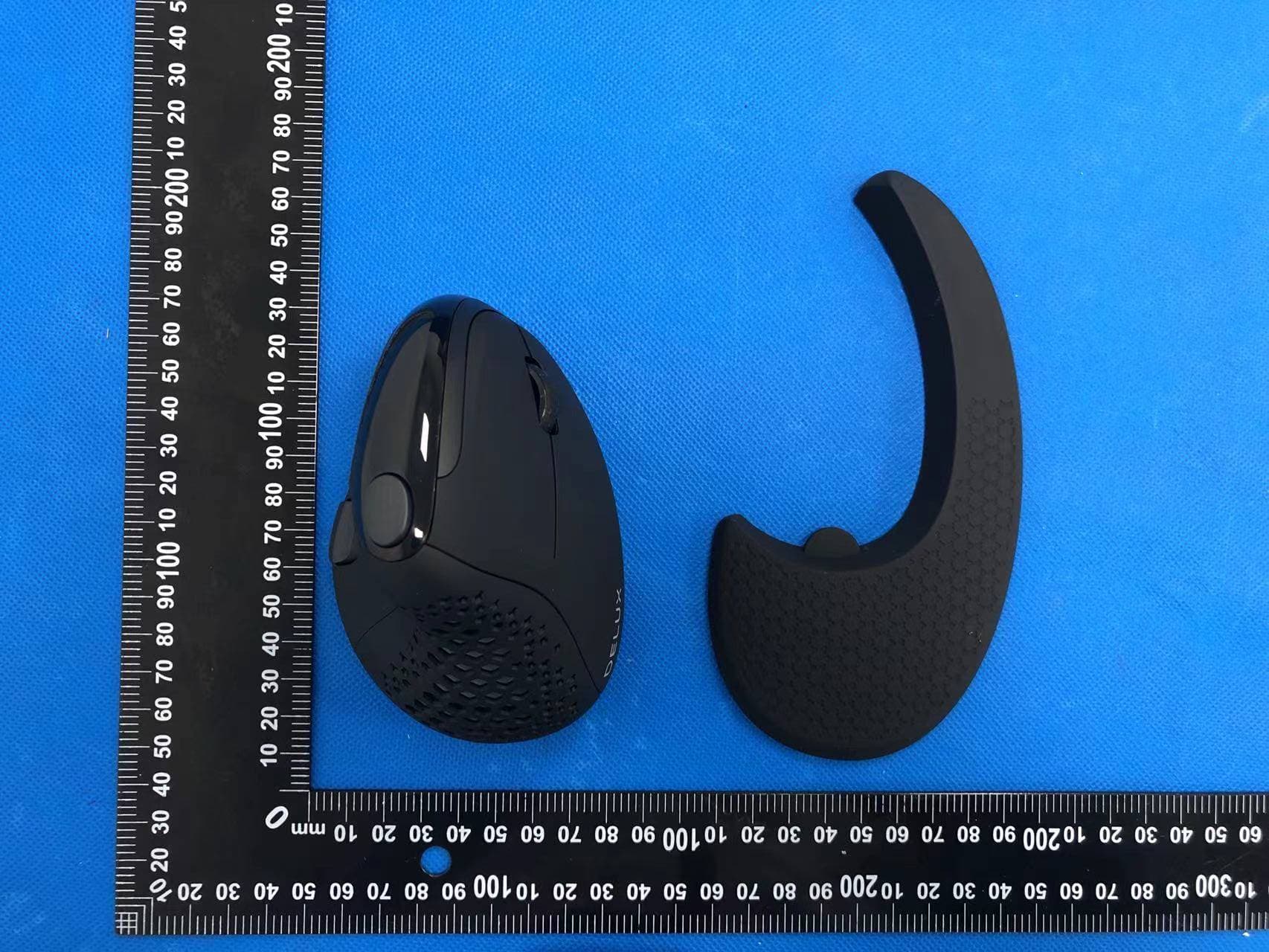
SGP-M618XSD
Apr 13, 2022Wireless mouse
Equipment Class
DTS - Digital Transmission System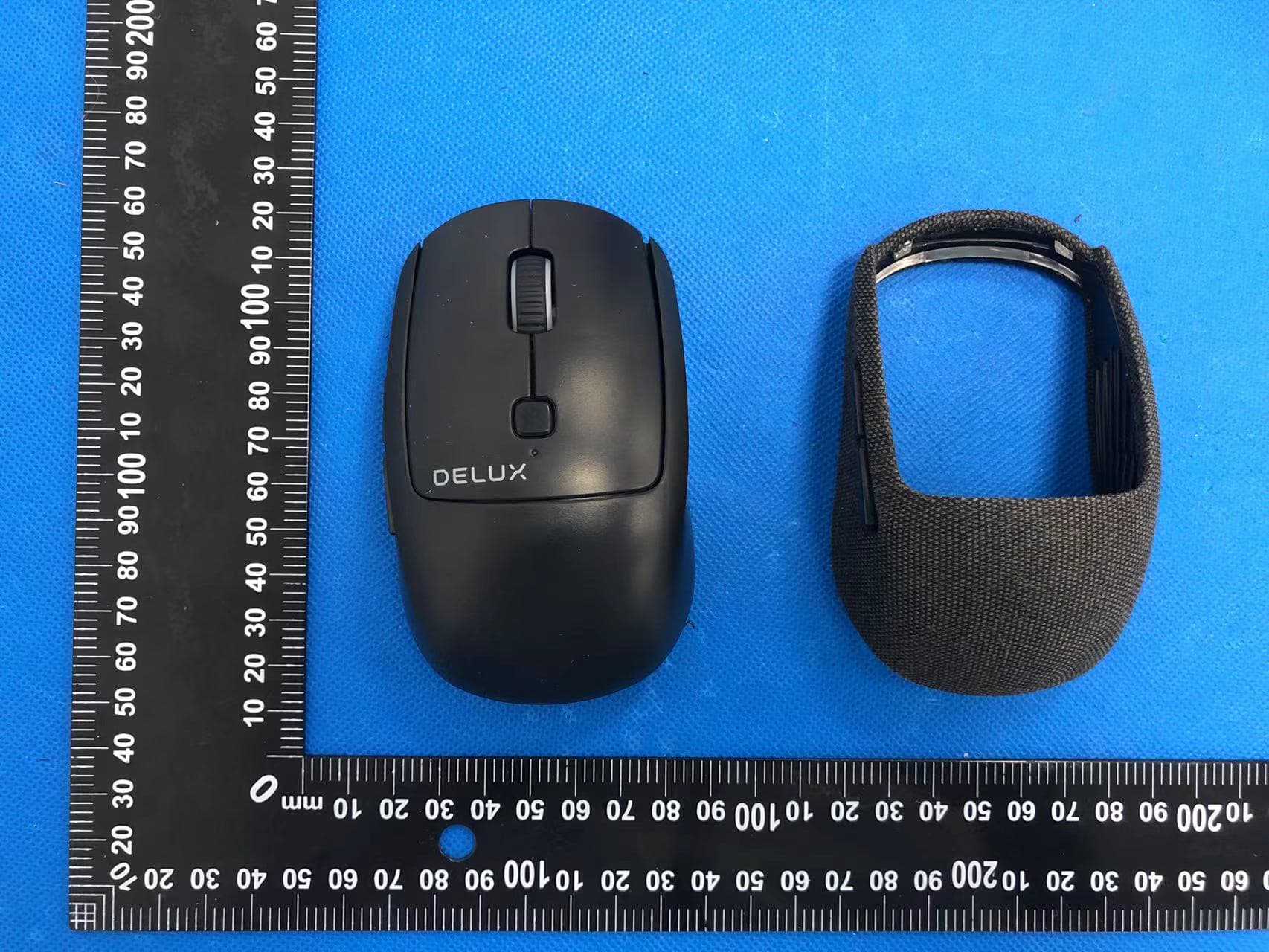
SGP-M520DB
Apr 13, 2022Wireless mouse
Equipment Class
DTS - Digital Transmission System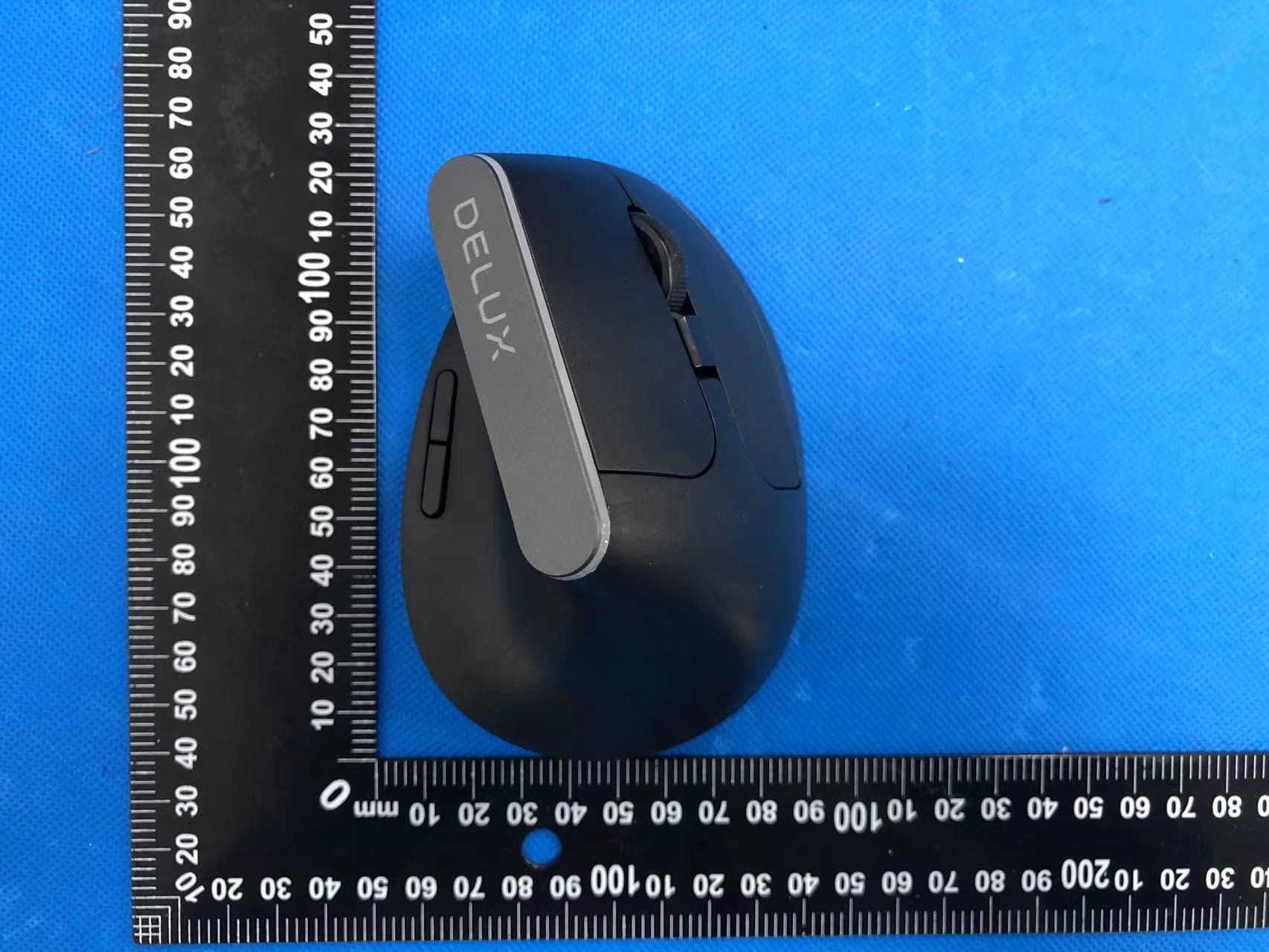
SGP-M618C
Apr 11, 2022Wireless mouse
Equipment Class
DTS - Digital Transmission System
SGP-SK800
Apr 11, 2022Wireless keyboard
Equipment Class
DTS - Digital Transmission System
SGP-M800DB
Apr 11, 2022Wireless mouse
Equipment Class
DTS - Digital Transmission System