TYM-EXPLORER-BTHSBluetooth Handset
AVAYA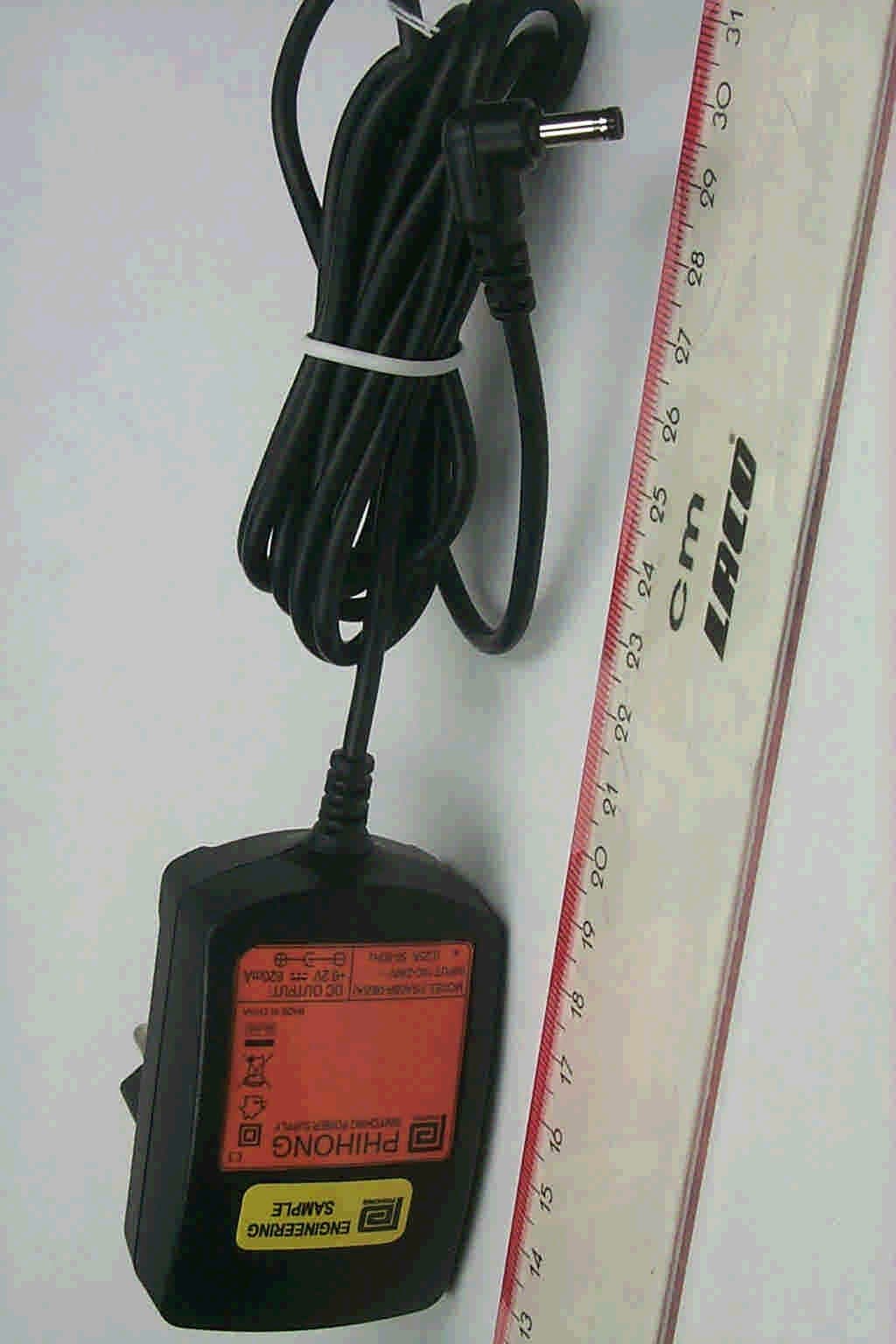
Click to zoom
Application Details
- Equipment Class
- DSS - Part 15 Spread Spectrum Transmitter
- Date of Grant
- Feb 21, 2006
- Application Purpose
- Original Equipment
- Date of Application
- Feb 21, 2006
- Equipment Note
- Bluetooth Handset
- Frequency Range
- 2402.00000000 - 2480.00000000
- Company
- AVAYA
- Country
- Canada
Documents & Files
Document Text
Text extracted from the exhibit documents filed with the FCC. Open a document above to read the original.
Users Manual
USER MANUAL EXPLORER BLUETOOTH HANDSET Thrane & Thrane A/S • [email protected] • www.thrane.com Contents 2 Contents Contents ................................................................................................................... 2 Familiarize yourself with the EXPLORER™ Bluetooth Handset EXPLORER™ Bluetooth Handset ............................................................................ 4 Important notes ......................................................................................................... 5 Overview of the EXPLORER™ Bluetooth Handset .................................................. 7 All keys at a glance ................................................................................................... 8 Commissioning Commissioning ......................................................................................................... 9 Positioning of the charger ....................................................................................... 10 Charging the battery ............................................................................................... 11 Pairing .................................................................................................................... 12 Basic rules of operation Switching the telephone on and off ........................................................................ 14 The display ............................................................................................................. 15 Functions in the menu ............................................................................................ 18 Entering text ........................................................................................................... 19 Locking the keypad ................................................................................................. 22 Charge level of the battery ..................................................................................... 23 Telephoning Making calls ............................................................................................................ 24 Answering calls ....................................................................................................... 25 Establishing several connections ........................................................................... 26 Making calls in Intercom mode ............................................................................... 27 Making calls with ease Phone book ............................................................................................................ 29 Call list .................................................................................................................... 34 Redial ..................................................................................................................... 36 Settings Acoustic settings ..................................................................................................... 37 Setting the date and time ........................................................................................ 41 Entering your own call number and name .............................................................. 42 Selecting the display language ............................................................................... 43 Further system settings .......................................................................................... 44 Consult the manual as required Menu overview ....................................................................................................... 46 Meaning of symbols ................................................................................................ 47 Table of characters ................................................................................................. 48 3 Contents Error Display ............................................................................................................50 Information about the EXPLORER™ terminal ........................................................51 Playing DMove ........................................................................................................52 FAQ - Frequently asked questions ..........................................................................53 Conformity ...............................................................................................................54 Specifications ..........................................................................................................56 Thrane & Thrane Service ........................................................................................57 Keywords .................................................................................................................58 EXPLORER™ Bluetooth Handset 4 Familiarize yourself with the EXPLORER™ Bluetooth Handset Familiarize yourself with the EXPLORER™ Bluetooth Handset EXPLORER™ Bluetooth Handset EXPLORER™ Bluetooth Handset is a cordless hand- set. It can communicate with any Bluetooth EXPLO- RER™ terminal by using the Bluetooth interface and the Bluetooth Cordless Telephony Profile. • EXPLORER™ Bluetooth Handset is an independent second device attached to your EXPLORER™ termi- nal. It rings together with all other phones connected to the EXPLORER™ terminal, if the Bluetooth inter- face and the Phone/Fax interface on the EXPLO- RER™ terminal are using the same voice quality. For further information, refer to the user manual for your EXPLORER™ terminal. • All basic telephone features can be used with EXPLORER™ Bluetooth Handset. • It is possible to make a telephone call outdoors at a remove of up to 100 metres from the EXPLORER™ terminal. Inside a building, it is possible to make a telephone call from the adjoining two or three rooms, depending on the layout of the building. Familiarize yourself with the EXPLORER™ Bluetooth Handset ( → S. 5) Commissioning ( → S. 9) Basic rules of operati…
Text truncated - open the document above for the full version.
External Photos
Annex C of test report R52105 Edition 1 EUT: EXPLORER Bluetooth Handset Manufacturer: Avaya-Tenovis GmbH & Co. KG Examiner: Thomas KÜHNDate of issue: 02 February 2006page 1 of 6 52105_12.jpgEXPLORER Bluetooth handset, 3D view 1 Annex C of test report R52105 Edition 1 EUT: EXPLORER Bluetooth Handset Manufacturer: Avaya-Tenovis GmbH & Co. KG Examiner: Thomas KÜHNDate of issue: 02 February 2006page 2 of 6 52105_11.jpgEXPLORER Bluetooth handset, 3D view 2 Annex C of test report R52105 Edition 1 EUT: EXPLORER Bluetooth Handset Manufacturer: Avaya-Tenovis GmbH & Co. KG Examiner: Thomas KÜHNDate of issue: 02 February 2006page 3 of 6 52105_10.jpgEXPLORER Bluetooth handsetCharger, 3D view 1 Annex C of test report R52105 Edition 1 EUT: EXPLORER Bluetooth Handset Manufacturer: Avaya-Tenovis GmbH & Co. KG Examiner: Thomas KÜHNDate of issue: 02 February 2006page 4 of 6 52105_9.jpgEXPLORER Bluetooth handset Charger, 3D view 2 Annex C of test report R52105 Edition 1 EUT: EXPLORER Bluetooth Handset Manufacturer: Avaya-Tenovis GmbH & Co. KG Examiner: Thomas KÜHNDate of issue: 02 February 2006page 5 of 6 52105_8.jpgEXPLORER Bluetooth handset AC / DC adapter, 3D view 1 Annex C of test report R52105 Edition 1 EUT: EXPLORER Bluetooth Handset Manufacturer: Avaya-Tenovis GmbH & Co. KG Examiner: Thomas KÜHNDate of issue: 02 February 2006page 6 of 6 52105_7.jpgEXPLORER Bluetooth handset AC / DC adapter, 3D view 2
ID Label/Location Info
FCC ID Lable Location Info
Internal Photos
Annex B of test report R52105 Edition 1 EUT: EXPLORER Bluetooth Handset Manufacturer: Avaya-Tenovis GmbH & Co. KG Examiner: Thomas KÜHNDate of issue: 02 February 2006page 1 of 8 52105_5.jpgEXPLORER Bluetooth handset, internal view Annex B of test report R52105 Edition 1 EUT: EXPLORER Bluetooth Handset Manufacturer: Avaya-Tenovis GmbH & Co. KG Examiner: Thomas KÜHNDate of issue: 02 February 2006page 2 of 8 52105_15.jpgEXPLORER Bluetooth handset, PCB, top view Annex B of test report R52105 Edition 1 EUT: EXPLORER Bluetooth Handset Manufacturer: Avaya-Tenovis GmbH & Co. KG Examiner: Thomas KÜHNDate of issue: 02 February 2006page 3 of 8 52105_18.jpgEXPLORER Bluetooth handset, PCB, top view, shielding removed Annex B of test report R52105 Edition 1 EUT: EXPLORER Bluetooth Handset Manufacturer: Avaya-Tenovis GmbH & Co. KG Examiner: Thomas KÜHNDate of issue: 02 February 2006page 4 of 8 52105_14.jpgEXPLORER Bluetooth handset, PCB, bottom view Annex B of test report R52105 Edition 1 EUT: EXPLORER Bluetooth Handset Manufacturer: Avaya-Tenovis GmbH & Co. KG Examiner: Thomas KÜHNDate of issue: 02 February 2006page 5 of 8 52105_16.jpgEXPLORER Bluetooth handset, PCB, bottom view, display removed Annex B of test report R52105 Edition 1 EUT: EXPLORER Bluetooth Handset Manufacturer: Avaya-Tenovis GmbH & Co. KG Examiner: Thomas KÜHNDate of issue: 02 February 2006page 6 of 8 52105_13.jpgEXPLORER Bluetooth handset, sample with antenna connector, PCB, top view Annex B of test report R52105 Edition 1 EUT: EXPLORER Bluetooth Handset Manufacturer: Avaya-Tenovis GmbH & Co. KG Examiner: Thomas KÜHNDate of issue: 02 February 2006page 7 of 8 52105_2.jpgEXPLORER Bluetooth handset Charger, PCB bottom view Annex B of test report R52105 Edition 1 EUT: EXPLORER Bluetooth Handset Manufacturer: Avaya-Tenovis GmbH & Co. KG Examiner: Thomas KÜHNDate of issue: 02 February 2006page 8 of 8 52105_1.jpgEXPLORER Bluetooth handset Charger, PCB top view
Operational Description
EXPLORER TM Bluetooth Handset for Thrane & Thrane A/S Bluetooth CTP Handset General Features Cordless Telephone based on Bluetooth Technology Compliant to Bluetooth Version 1.1 Bluetooth Class 1 Radio for extended range Intuitive MMI based on a WAP Browser Supports 6 languages Supports “R”-button for control of additional features in the access point Profiles Cordless Telephony Profile (CTP) Generic Access Profile (GAP) Power Supply Battery pack: 3.7V Li-Ion battery with a capacity of 950 mAh. Mounted and mechanically fixed to the battery compartment within the handset’s cover. Characteristics: Technology: Li-Ion Maximum charging time: 4 hours Continuous talk time: 11 hours Standby: 40 hours Switched off mode: 250 hours Minimum lifetime cycles: 500 Minimum battery lifetime: 4 years Overcharging prevention RF Operating frequency range: 2402 – 2480 MHz Type of modulation: FHSS modulation Number of channels: 79 Channel separation: 1 MHz Output power +16,5 dBm +/- 1dBm Receiver sensitivity -77 - -82 dBm This power and sensitivity is Bluetooth certified! Range of use outdoor 100 meters with free sight. Keypad Separate on hook key Separate off hook key Keys 0-9, * and # 2 softkeys Navigation Rocker: The navigation rocker can be pushed up and down to navigate and can be pressed to make a selection or confirmation. Emergency button Display 11520 pixels (120*96) Display illumination colour: blue Mechanical dimensions: 27*24mm Contrast: fixed Environmental -5°C - +45°C Operation Temperature Range -25°C - +55°C storage/transportation conditions -25°C - +60°C storage/transportation conditions (low humidity, slow change of temperature) IP65 Water and Dust Resistance Up to 93% Humidity Mechanical Dimensions approx. 137x46x21(mm) Weight (with battery pack) approx. <100g Rubber outline Plug on top right side of the handset used as charger interface Bottom charger contacts for optional charger cradle Vibrator alarm
RF Exposure Info
DAT-P-152/98-01 SAR_Report_Phoenix_6620_576_Cal Data_BlueVoiceL dasy_report_fcc_1900_cal_data_2.0.doc/08.01.2005/CH Appendix for the Report Dosimetric Assessment of the Portable Device Avaya-Tenovis Blue Voice L (FCC ID: TYM-EXPLORER-BTHS) According to the FCC Requirements Calibration Data February 15, 2006 IMST GmbH Carl-Friedrich-Gauß-Str. 2 D-47475 Kamp-Lintfort Customer Phoenix Testlab Königswinkel 10 D-32825 Blomberg This report shall not be reproduced except in full without the written approval of the testing laboratory.
RF Exposure Info
DAT-P-152/98-01 SAR Report, Phoenix_6620_576_FCC_2450_BlueVoiceL_2 Page 1 of 28 Report Dosimetric Assessment of the Portable Device Avaya-Tenovis Blue Voice L (FCC ID: TYM-EXPLORER-BTHS) According to the FCC Requirements February 14, 2006 IMST GmbH Carl-Friedrich-Gauß-Str. 2 D-47475 Kamp-Lintfort Customer Phoenix Testlab Königswinkel 10 D-32825 Blomberg The test results only relate to the items tested. This report shall not be reproduced except in full without the written approval of the testing laboratory. dasy_report_fcc_1900_4.5.doc/10.01.2006/AR SAR Report, Phoenix_6620_576_FCC_2450_BlueVoiceL_2 Page 2 of 28 dasy_report_fcc_1900_4.5.doc/10.01.2006/AR Executive Summary The Blue Voice L is a mobile phone (Portable Device) from Avaya-Tenovis operating in the 2450 MHz frequency range. The device has an helix antenna and the system concepts used is the Bluetooth standard. The objective of the measurements done by IMST was the dosimetric assessment of one device in the Bluetooth standard. The handset was set to use one specific channel and duty cycle during the measurement. The examinations have been carried out with the dosimetric assessment system „DASY4“. The measurements were made according to the Supplement C to OET Bulletin 65 of the Federal Communications Commission (FCC) Guidelines [OET 65] for evaluating compliance of mobile and portable devices with FCC limits for human exposure (general population) to radiofrequency emissions. All measurements have been performed in accordance to the recommendations given by SPEAG. The Avaya-Tenovis Blue Voice L mobile phone (FCC ID: TYM-EXPLORER-BTHS) is in compliance with the Federal Communications Commission (FCC) Guidelines [OET 65] for uncontrolled exposure. Since there is no headset available for the Avaya-Tenovis Blue Voice L, measurements in body worn configuration are not conducted. prepared by: ........................................... reviewed by: ..................................... Alexander Rahn André van den Bosch test engineer quality assurance engineer IMST GmbH Carl-Friedrich-Gauß-Straße 2 D-47475 Kamp-Lintfort Tel. +49- 2842-981 378 Fax +49- 2842-981 399 email: [email protected] SAR Report, Phoenix_6620_576_FCC_2450_BlueVoiceL_2 Page 3 of 28 dasy_report_fcc_1900_4.5.doc/10.01.2006/AR Table of Contents 1 SUBJECT OF INVESTIGATION.................................................................................................................... 4 2 THE IEEE STANDARD C95.1 AND THE FCC EXPOSURE CRITERIA................................................. 4 2.1 DISTINCTION BETWEEN EXPOSED POPULATION, DURATION OF EXPOSURE AND FREQUENCIES........... 4 2.2 DISTINCTION BETWEEN MAXIMUM PERMISSIBLE EXPOSURE AND SAR LIMITS....................................... 5 2.3 SAR LIMIT.................................................................................................................................................. 5 3 THE FCC MEASUREMENT PROCEDURE................................................................................................. 6 3.1 GENERAL REQUIREMENTS......................................................................................................................... 6 3.2 DEVICE OPERATING NEXT TO A PERSON’S EAR....................................................................................... 6 4 BODY-WORN CONFIGURATIONS.............................................................................................................. 9 4.1 POC (PTT) POSITION...............................................................................................................................9 4.2 PHANTOM REQUIREMENTS...................................................................................................................... 10 4.3 TEST TO BE PERFORMED......................................................................................................................... 10 5 THE MEASUREMENT SYSTEM................................................................................................................. 10 5.1 PHANTOM................................................................................................................................................. 12 5.2 PROBE...................................................................................................................................................... 12 5.3 MEASUREMENT PROCEDURE.................................................................................................................. 13 5.4 UNCERTAINTY ASSESSMENT................................................................................................................... 14 6 SAR RESULTS............................................................................................................................................... 15 7 EVALUATION................................................................................................................................................. 16 8 APPENDIX....................................................................................................................................................... 17 8.1 ADMINISTRATIVE DATA............................................................................................................................ 17 8.2 DEVICE UNDER TEST AND TEST CONDITIONS......................................................................................... 17 8.3 TISSUE RECIPES...................................................................................................................................... 17 8.4 MATERIAL PARAMETERS......................................................................................................................... 18 8.5 SIMPLIFIED PERFORMANCE CHECKING................................................................................................... 18 8.6 ENVIRONMENT..................................................................................................…
Text truncated - open the document above for the full version.
RF Exposure Info
DAT-P-152/98-01 SAR Report, Phoenix_6620_576_FCC_2450_SAR Plots_BlueVoiceL Page 1 of 7 Appendix for the Report Dosimetric Assessment of the Avaya-Tenovis BlueVoiceL (FCC ID: TYM-EXPLORER-BTHS) According to the FCC Requirements SAR Distribution Plots February 15, 2006 IMST GmbH Carl-Friedrich-Gauß-Str. 2 D-47475 Kamp-Lintfort Customer Phoenix Testlab Kˆnigswinkel 10 D-32825 Blomberg The test results only relate to the items tested. This report shall not be reproduced except in full without the written approval of the testing laboratory. dasy_report_fcc_1900_plots_1.1.doc/08.07.2005/CH SAR Report, Phoenix_6620_576_FCC_2450_SAR Plots_BlueVoiceL Page 2 of 7 dasy_report_fcc_1900_plots_1.1.doc/08.07.2005/CH Table of Contents 1 SAR DISTRIBUTION PLOTS, BLUETOOTH 2450, HEAD....................................................................... 3 2 SAR Z-AXIS SCANS (VALIDATION)........................................................................................................... 7 3 SAR Z-AXIS SCANS (MEASUREMENTS).................................................................................................. 7 SAR Report, Phoenix_6620_576_FCC_2450_SAR Plots_BlueVoiceL Page 3 of 7 dasy_report_fcc_1900_plots_1.1.doc/08.07.2005/CH 1 SAR Distribution Plots, Bluetooth 2450, Head Test Laboratory: Imst GmbH; File Name: BVL_yplm_1.da4 DUT: Tenovis ; Type: Blue Voice L; Program Name: Cheek Left Communication System: Bluetooth; Frequency: 2441 MHz;Duty Cycle: 1:1.2 Medium parameters used (interpolated): f = 2441 MHz; σ = 1.86 mho/m; ε r = 38.4; ρ = 1000 kg/m 3 Phantom section: Left Section DASY4 Configuration: - Probe: EX3DV4 - SN3536; ConvF(7.63, 7.63, 7.63); Calibrated: 23.09.2005 - Sensor-Surface: 4mm (Mechanical Surface Detection) - Electronics: DAE3 Sn335; Calibrated: 17.03.2005 - Phantom: SAM Glycol 1340; Type: QD 000 P40 CB; Serial: TP-1340 - Measurement SW: DASY4, V4.6 Build 19; Postprocessing SW: SEMCAD, V1.8 Build 159 Cheek Left/Area Scan (6x10x1): Measurement grid: dx=15mm, dy=15mm Maximum value of SAR (measured) = 0.294 mW/g Cheek Left/Zoom Scan (7x7x7)/Cube 0: Measurement grid: dx=5mm, dy=5mm, dz=5mm Reference Value = 12.9 V/m; Power Drift = -0.053 dB Peak SAR (extrapolated) = 0.580 W/kg SAR(1 g) = 0.300 mW/g; SAR(10 g) = 0.157 mW/g Maximum value of SAR (measured) = 0.330 mW/g Cheek Left/Zoom Scan (7x7x7)/Cube 1: Measurement grid: dx=5mm, dy=5mm, dz=5mm Reference Value = 12.9 V/m; Power Drift = -0.053 dB Peak SAR (extrapolated) = 0.465 W/kg SAR(1 g) = 0.261 mW/g; SAR(10 g) = 0.141 mW/g Maximum value of SAR (measured) = 0.282 mW/g Fig. 1: SAR distribution for Bluetooth 2441 MHz, channel 039, cheek position, left side of head (February 13, 2006; Ambient Temperature: 22.3∞ C; Liquid Temperature: 21.5∞ C). SAR Report, Phoenix_6620_576_FCC_2450_SAR Plots_BlueVoiceL Page 4 of 7 dasy_report_fcc_1900_plots_1.1.doc/08.07.2005/CH Test Laboratory: Imst GmbH; File Name: BVL_yplm_2.da4 DUT: Tenovis ; Type: Blue Voice L; Program Name: Tilted Left Communication System: Bluetooth; Frequency: 2441 MHz;Duty Cycle: 1:1.2 Medium parameters used (interpolated): f = 2441 MHz; σ = 1.86 mho/m; ε r = 38.4; ρ = 1000 kg/m 3 Phantom section: Left Section DASY4 Configuration: - Probe: EX3DV4 - SN3536; ConvF(7.63, 7.63, 7.63); Calibrated: 23.09.2005 - Sensor-Surface: 4mm (Mechanical Surface Detection) - Electronics: DAE3 Sn335; Calibrated: 17.03.2005 - Phantom: SAM Glycol 1340; Type: QD 000 P40 CB; Serial: TP-1340 - Measurement SW: DASY4, V4.6 Build 19; Postprocessing SW: SEMCAD, V1.8 Build 159 Tilted Left/Area Scan (6x10x1): Measurement grid: dx=15mm, dy=15mm Maximum value of SAR (measured) = 0.301 mW/g Tilted Left/Zoom Scan (7x7x7)/Cube 0: Measurement grid: dx=5mm, dy=5mm, dz=5mm Reference Value = 11.8 V/m; Power Drift = -0.069 dB Peak SAR (extrapolated) = 0.642 W/kg SAR(1 g) = 0.322 mW/g; SAR(10 g) = 0.161 mW/g Maximum value of SAR (measured) = 0.354 mW/g Fig. 2: SAR distribution for Bluetooth 2441, channel 039, tilted position, left side of head (February 13, 2006; Ambient Temperature: 22.2∞ C; Liquid Temperature: 21.4∞ C). SAR Report, Phoenix_6620_576_FCC_2450_SAR Plots_BlueVoiceL Page 5 of 7 dasy_report_fcc_1900_plots_1.1.doc/08.07.2005/CH Test Laboratory: Imst GmbH; File Name: BVL_yprm_1.da4 DUT: Tenovis ; Type: Blue Voice L; Program Name: Cheek Right Communication System: Bluetooth; Frequency: 2441 MHz;Duty Cycle: 1:1.2 Medium parameters used (interpolated): f = 2441 MHz; σ = 1.86 mho/m; ε r = 38.4; ρ = 1000 kg/m 3 Phantom section: Right Section DASY4 Configuration: - Probe: EX3DV4 - SN3536; ConvF(7.63, 7.63, 7.63); Calibrated: 23.09.2005 - Sensor-Surface: 4mm (Mechanical Surface Detection) - Electronics: DAE3 Sn335; Calibrated: 17.03.2005 - Phantom: SAM Glycol 1340; Type: QD 000 P40 CB; Serial: TP-1340 - Measurement SW: DASY4, V4.6 Build 19; Postprocessing SW: SEMCAD, V1.8 Build 159 Cheek Right/Area Scan (6x13x1): Measurement grid: dx=15mm, dy=15mm Maximum value of SAR (measured) = 0.348 mW/g Cheek Right/Zoom Scan (7x7x7)/Cube 0: Measurement grid: dx=5mm, dy=5mm, dz=5mm Reference Value = 12.8 V/m; Power Drift = -0.023 dB Peak SAR (extrapolated) = 0.599 W/kg SAR(1 g) = 0.314 mW/g; SAR(10 g) = 0.160 mW/g Maximum value of SAR (measured) = 0.347 mW/g Cheek Right/Zoom Scan (7x7x7)/Cube 1: Measurement grid: dx=5mm, dy=5mm, dz=5mm Reference Value = 12.8 V/m; Power Drift = -0.023 dB Peak SAR (extrapolated) = 0.425 W/kg SAR(1 g) = 0.240 mW/g; SAR(10 g) = 0.131 mW/g Maximum value of SAR (measured) = 0.264 mW/g Fig. 3: SAR distribution for Bluetooth 2441, channel 039, cheek position, right side of head (February 13, 2006; Ambient Temperature: 22.4∞ C; Liquid: Temperature : 21.5∞ C). SAR Report, Phoenix_6620_576_FCC_2450_SAR Plots_BlueVoiceL Page 6 of 7 dasy_report_fcc_1900_plots_1.1.doc/08.07.2005/CH Test Laboratory: Imst GmbH; File Name: BVL_yprm_2.da4 DUT: Tenovis ; Type: Blue Voice L; Program Name: Tilted Right Communication System: Bluetooth; Frequency: 2441 MHz;Duty Cycle: 1:1.2 Medium parameters used (interpolated…
Text truncated - open the document above for the full version.
Test Report
Königswinkel 10 32825 Blomberg Germany Phone+49 5235 9500-0 Fax+49 5235 9500-10 TEST REPORT Test Report Reference: R52105 Edition 1 Equipment under Test: EXPLORER Bluetooth Handset Serial Number: none Applicant: Avaya-Tenovis GmbH & Co. KG Manufacturer: Avaya-Tenovis GmbH & Co. KG Test Laboratory (CAB) accredited by DATech e.V. in compliance with DIN EN ISO/IEC 17025 under the Reg. No. DAT-P-105/99-21, FCC Test site registration number 90877 and Industry Canada Test site registration IC3469 TEST REPORT REFERENCE: R52105 Edition 1 Examiner: Thomas KÜHNDate of issue: 02 February 2006Page 2 of 72 Contents:Page 1 IDENTIFICATION.....................................................................................................................................4 1.1 APPLICANT.....................................................................................................................................4 1.2 MANUFACTURER..........................................................................................................................4 1.3 DATES.............................................................................................................................................4 1.4 TEST LABORATORY......................................................................................................................5 1.5 RESERVATION...............................................................................................................................5 1.6 NORMATIVE REFERENCES..........................................................................................................5 1.7 TEST RESULTS..............................................................................................................................5 2 TECHNICAL DATA OF EQUIPMENT......................................................................................................6 2.1 DEVICE UNDER TEST...................................................................................................................6 2.2 PERIPHERY DEVICES...................................................................................................................6 3 OPERATIONAL STATES AND PHYSICAL BOUNDARIES.....................................................................7 4 LIST OF MEASUREMENTS.....................................................................................................................8 5 TEST RESULTS.......................................................................................................................................9 5.1 20 dB BANDWIDTH........................................................................................................................9 5.1.1 METHOD OF MEASUREMENT (20 dB BANDWIDTH)......................................................9 5.1.2 TEST RESULTS (20 dB BANDWIDTH)..............................................................................10 5.2 CARRIER FREQUENCY SEPARATION.........................................................................................13 5.2.1 METHOD OF MEASUREMENT (CARRIER FREQUENCY SEPARATION)......................13 5.2.2 TEST RESULTS (CARRIER FREQUENCY SEPARATION)..............................................14 5.3 NUMBER OF HOPPING FREQUENCIES......................................................................................16 5.3.1 METHOD OF MEASUREMENT (NUMBER OF HOPPING FREQUENCIES)....................16 5.3.2 TEST RESULTS (NUMBER OF HOPPING FREQUENCIES)............................................17 5.4 DWELL TIME...................................................................................................................................18 5.4.1 METHOD OF MEASUREMENT (DWELL TIME)................................................................18 5.4.2 TEST RESULTS (DWELL TIME)........................................................................................19 5.5 MAXIMUM PEAK OUTPUT POWER..............................................................................................21 5.5.1 METHOD OF MEASUREMENT (MAXIMUM PEAK OUTPUT POWER)............................21 5.5.2 TEST RESULTS (MAXIMUM PEAK OUTPUT POWER)...................................................22 5.6 POWER SPECTRAL DENSITY......................................................................................................25 5.6.1 METHOD OF MEASUREMENT (POWER SPECTRAL DENSITY)....................................25 5.6.2 TEST RESULTS (POWER SPECTRAL DENSITY)............................................................26 5.7 BAND-EDGE COMPLIANCE...........................................................................................................28 5.7.1 METHOD OF MEASUREMENT (BAND-EDGE COMPLIANCE)........................................28 5.7.2 TEST RESULT (BAND-EDGE COMPLIANCE)..................................................................29 5.8 CONDUCTED EMISSIONS (TRANSMITTER)...............................................................................32 5.8.1 METHOD OF MEASUREMENT (CONDUCTED EMISSIONS)..........................................32 5.8.2 TEST RESULTS (CONDUCTED EMISSIONS)..................................................................33 TEST REPORT REFERENCE: R52105 Edition 1 Examiner: Thomas KÜHNDate of issue: 02 February 2006Page 3 of 72 Contents: (continued)Page 5.9 RADIATED EMISSIONS (TRANSMITTER)....................................................................................37 5.9.1 METHOD OF MEASUREMENT (RADIATED EMISSIONS)...............................................37 5.9.2 TEST RESULTS (RADIATED EMISSIONS).......................................................................43 5.9.2.1 PRELIMINARY MEASUREMENT (9 kHz to 25 GHz)............................................43 5.9.3 FINAL MEASUREMENT (30 MHz to 1 GHz)......................................................................52 5.9.4 FINAL MEASUREMENT (1 GHz to 25 GHz)...............................................................…
Text truncated - open the document above for the full version.
Test Setup Photos
Annex A of test report R52105 Edition 1 EUT: EXPLORER Bluetooth Handset Manufacturer: Avaya-Tenovis GmbH & Co. KG Examiner: Thomas KÜHNDate of issue: 02 Febru…
Text truncated - open the document above for the full version.
Contact Information
Applicant
Gwendolyn Faino(Avaya Regulatory Manager)
Test Firm
Phoenix TestLab GmbHH. Altmaier
Technical Specifications
| # | Rule Parts | Frequency Range | Power Output |
|---|---|---|---|
| 1 | 15C | 2.40 GHz - 2.48 GHz | 50.12 mW |
Other Applications from AVAYA
TYM-C170
Sep 08, 2024Avaya Room System
Equipment Class
NII - Unlicensed National Information Infrastructure TX
TYM-C130
Sep 04, 2024Avaya Room System
Equipment Class
DTS - Digital Transmission System
TYM-C190
Sep 04, 2024Avaya Room System
Equipment Class
DSS - Part 15 Spread Spectrum Transmitter
TYM-K155V3
Nov 03, 2020IP Phone
Equipment Class
DXX - Part 15 Low Power Communication Device Transmitter
TYM-J189
Aug 20, 2020IP Phone
Equipment Class
DXX - Part 15 Low Power Communication Device Transmitter