UZCGBH-M100PLUSBluetooth Headset
MobiFren Co., Ltd.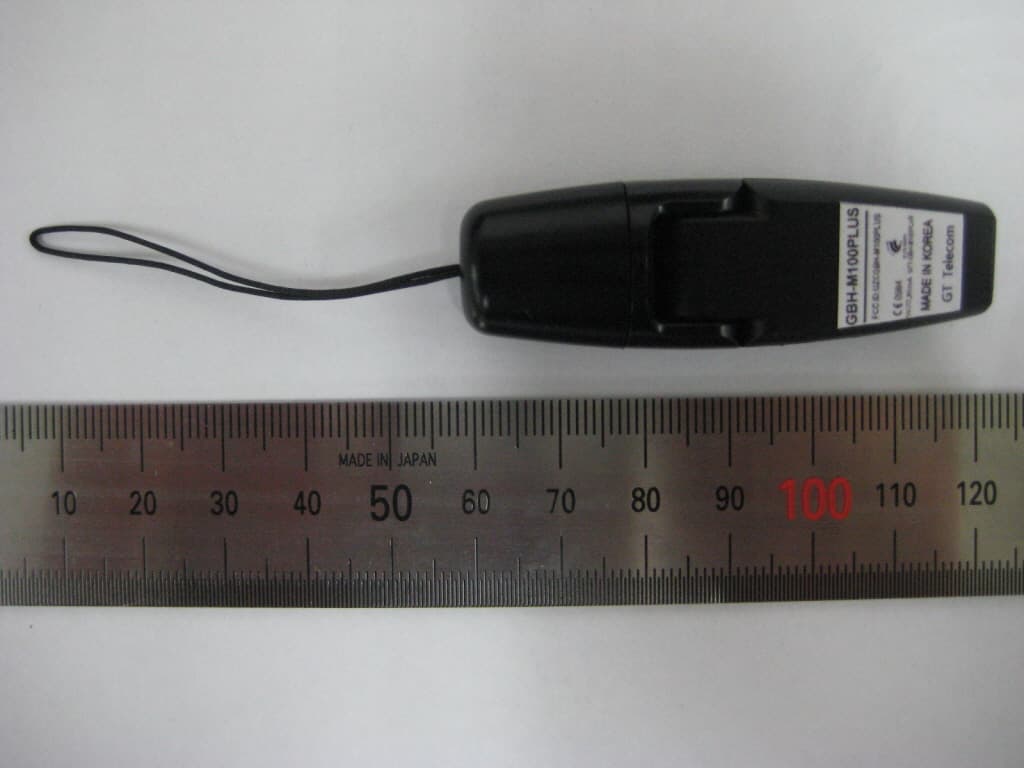
Click to zoom
Application Details
- Equipment Class
- DSS - Part 15 Spread Spectrum Transmitter
- Date of Grant
- Jul 06, 2010
- Application Purpose
- Original Equipment
- Date of Application
- Jul 06, 2010
- Equipment Note
- Bluetooth Headset
- Frequency Range
- 2402.00000000 - 2480.00000000
- Company
- MobiFren Co., Ltd.
- Country
- South Korea
Documents & Files
Document Text
Text extracted from the exhibit documents filed with the FCC. Open a document above to read the original.
Users Manual
堆歾捊 ࣮࣭࣭࣭࣬࣪࣬ࣴ࣪ࣳ 1月㡔Ề㣄 گڢ ڕ䊈⤼䂘 䖐㇠㟝Ề㣄 گڢ ڕ䊈⤼䂘 ᵐⵐ㐘㣙 祢 渆 昢 柣 ः ऐ ࣽ ࣩ ࣬ ࣬ ࣯ ࣤ ࣣ ࣬ ࣱ ࣩ ࣬ ࣭ ࣩ ࣯ ࣭ ࣥ ऑ य ड म उ झ प ऱ झ न ࣤ ँ प ण न थ य त ࣥ tm nioTtXWWws|z| tTTTTTTTTTTTTTTTTTTTTTTTTTTTTTTTTTTTTTTTTTTTTTTTTTTTTTTTTTTTTTTT TTTTTTTTTTTTTTTTTTTTTTTTTTTTTTTTTTTTTTTTTTTTTTT oT { tm nioTtXWWUp i oS U{ HTTTTTTTTTTTTTTTTTTTTTTTTTTTTTTTTTTTTTTTTTTTTTTTTTTTTTTTTTTTTTTT TTTTTTTTTTTTTTTTTTTTTTTTTTTTTTTTTTTTTTTTTTTTTTT t m n i o T t X W W w s | z | t jX h tmYmZ z[ n tmT j tmT w tm T { T | tm o jS h j sS t wS U\~slkf] { M mhx^ o tm_ j z ` n XW ~ 堆歾捊 ࣮࣭࣭࣭࣬࣪࣬ࣴ࣪ࣳ 1月㡔Ề㣄 گڢ ڕ䊈⤼䂘 䖐㇠㟝Ề㣄 گڢ ڕ䊈⤼䂘 ᵐⵐ㐘㣙 祢 渆 昢 柣 ः ऐ ࣽ ࣩ ࣬ ࣬ ࣯ ࣤ ࣣ ࣬ ࣱ ࣩ ࣬ ࣭ ࣩ ࣯ ࣭ ࣥ t z { S U z py z h {| U k ah U TTTTTTTTTTTTTTTTTTTTTTTTTTTTTTTTTTTTTTTTTTTTTTTTTTTTTTTTTTTTTTT TTTTTTTTTTTTTTTTTTTTTTTTTTTTTTTTTTTTTTTTTTTTTTT X U h t m OXP slk sT i OS PT y O POYP } ORPS OTPOZP j O[P t i OtmiPT s a tmi UT | a w tmi Y U m ˍhjs˞ˍ z j˞ˍ t wˍ h ˍ l ˍ y ˍ } ˍ s ˍ ~ ˍ w 堆歾捊 ࣮࣭࣭࣭࣬࣪࣬ࣴ࣪ࣳ 1月㡔Ề㣄 گڢ ڕ䊈⤼䂘 䖐㇠㟝Ề㣄 گڢ ڕ䊈⤼䂘 ᵐⵐ㐘㣙 祢 渆 昢 柣 ः ऐ ࣽ ࣩ ࣬ ࣬ ࣯ ࣤ ࣣ ࣬ ࣱ ࣩ ࣬ ࣭ ࣩ ࣯ ࣭ ࣥ ˍ s wQ m tm ˅ U j ˅ U{ TTTTTTTTTTTTTTTTTTTTTTTTTTTTTTTTTTTTTTTTTTTTTTTTTTTTTTTTTTTTTTT TTTTTTTTTTTTTTTTTTTTTTTTTTTTTTTTTTTTTTTTTTTTTTT Z U z ˍ{a[ˍ z a X\W ˍ y a wj |zi ˍ i j a Y ZWUˍ z¡ a ]W X` X[U_ˍ~a`U\ˍ v a XW OU ZZ Pˍ z a o o ˍ i a YUX R lky O z n P[ U n t m tm nioTtXWW ws|z U Tj tm a t tm nioTtXWW ws|z U j tT|zi S nioTtXWWws|z hkV kj U Q { slk ˄ylk˅ ˄is|l˅ U ~ |zi S U Tw tm a i tm nio TtXWWS U XU z nioTtXWW ws|z cw e 堆歾捊 ࣮࣭࣭࣭࣬࣪࣬ࣴ࣪ࣳ 1月㡔Ề㣄 گڢ ڕ䊈⤼䂘 䖐㇠㟝Ề㣄 گڢ ڕ䊈⤼䂘 ᵐⵐ㐘㣙 祢 渆 昢 柣 ः ऐ ࣽ ࣩ ࣬ ࣬ ࣯ ࣤ ࣣ ࣬ ࣱ ࣩ ࣬ ࣭ ࣩ ࣯ ࣭ ࣥ ཛt nioTtXWWws|z Uཛྷh S S ˈ w ˉ U { slk U Q p Z S U cw M e ཛ t U ཛྷ w t m i ] S s l k U Q p Z S U TTTTTTTTTTTTTTTTTTTTTTTTTTTTTTTTTTTTTTTTTTTTTTTTTTTTTTTTTTTTTTT TTTTTTTTTTTTTTTTTTTTTTTTTTTTTTTTTTTTTTTTTTTTTTT YU uS ˈw ˉ Uཛཛྷ { i i | t U { ˄˅ S ˄˅ ˄i˅ ˄˅ ˄˅ i U Ow ˈ t ˉ P ཝ z ˉ O ˈtm nioTtXWWˉ P U ཞ l O wpu P WWWW U Q z U ཟ ~ S \ U འ tm U O i Z U PQ k S U Ow ˅ P T { aˍ { S tmi ˄i˅ slk U h S O slk P S U ˍ { S tmi ˄i y˅ slkS U 堆歾捊 ࣮࣭࣭࣭࣬࣪࣬ࣴ࣪ࣳ 1月㡔Ề㣄 گڢ ڕ䊈⤼䂘 䖐㇠㟝Ề㣄 گڢ ڕ䊈⤼䂘 ᵐⵐ㐘㣙 祢 渆 昢 柣 ः ऐ ࣽ ࣩ ࣬ ࣬ ࣯ ࣤ ࣣ ࣬ ࣱ ࣩ ࣬ ࣭ ࣩ ࣯ ࣭ ࣥ T | tm a Q { U XU h j s˞T ~ tm S tmi …
Text truncated - open the document above for the full version.
Attestation Statements
848-16 Gupyeong-Dong, Gumi-City, Gyeongbuk, Korea Tel No : +82-54-474-2220 Fax No : +82-54-474-2251 Bluetooth Declaration Per FCC 15.247 Requirements 1 Output power and channel separation of a Bluetooth device in the different operating modes: The different operating modes (data-mode, acquisition-mode) of a Bluetooth device don’t influence the output power and the channel spacing. There is only one transmitter whic h is driven by identical input parameters concerning these two parameters. Only a differ ent hopping sequence will be used. For this reason the check of these RF parameters in one op-mode is sufficient. 2 Frequency range of a Bluetooth device: Hereby we declare that the maximum frequency of this device is: 2402 – 2480 MHz. This is according the Bluetooth Core Specification V 1.0B (+ critical errata) for devices which will be operated in the USA. This was checked during the Bluetooth Qualification tests (Test Case: TRM/CA/04-E). Other frequency ranges ( e.g. for Spain, France, Japan) which are allowed according the Core Specification are not supported by this device. 3 Co-ordination of the hopping sequence in data mode to avoid simultaneous occupancy by multiple transmitters: Bluetooth units which want to communicate with other units must be organized in a structure called piconet. This piconet consist of max. 8 Bluetooth units. One unit is the master the other seven are the slaves. The master co-ordinates frequency occupation in this piconet for all units. As the master hop sequence is derived from it’s BD address which is unique for every Bluetooth device, additional masters intending to establish ne w piconets will always use different hop sequences. 4 Example of a hopping sequence in data mode: Example of a 79 hopping sequence in data mode: 40, 21, 44, 23, 42, 53, 46, 55, 48, 33, 52, 35, 50, 65, 54, 67, 56, 37, 60, 39, 58, 69, 62, 71, 64, 25, 68, 27, 66, 57, 70, 59, 72, 29, 76, 31, 74, 61, 78, 63, 01, 41, 05, 43, 03, 73, 07, 75, 09, 45, 13, 47, 11, 77, 15, 00, 64, 49, 66, 53, 68, 02, 70, 06, 01, 51, 03, 55, 05, 04 5 Equally average use of frequencies in data mode and behaviour for short transmissions: The generation of the hopping sequence in connection mode depends essentially on two input values: 1. LAP/UAP of the master of the connection 2. Internal master clock The LAP (lower address part) are the 24 LSB’s of the 48 BD_A DDRESS. The BD_ADDRESS is an unambiguous number of every Bluetooth unit. The UA P (upper address part) are the 24 MSB’s of the 48 BD_ADDRESS. The internal clock of a Bluetooth unit is derived from a free running clock which is neve r adjusted and is never turned off. For synchronisation with other units only offset are u sed. It has no relation to the time of the day. Its resolution is at least half the RX/TX sl ot length of 312.5 μs. The clock has a cycle of about one day (23h30). In most case it is implemented as 28 bit counter. For the deriving of the hopping sequence the entire L AP (24 bits), 4 LSB’s (4 bits) (Input 1) and the 27 MSB’s of the clock (Input 2) are use d. With this input values different mathematical procedures (permutations, additions, XOR-o perations) are performed to generate the sequence. This will be done at the beginning o f every new transmission. Regarding short transmissions the Bluetooth system has the following behaviors: The first connection between the two devices is established, a hopping sequence was generated. For transmitting the wanted data the complete hopping sequence was not used. The connection ended. The second connection will be established. A new hopping sequence is generated. Due t o the fact that the Bluetooth clock has a different value, because the period between th e two transmission is longer (and it cannot be shorter) than the minimum resolution of the clock (312.5 μs). The hopping sequence will always differ from the first one. 6 Receiver input bandwidth and behaviors for repeated single or multiple packets: The input bandwidth of the receiver is 1 MHz. In every connection one Bluetooth device is the master and the other one is the slave. The master determines the hopping sequence (see chapter 5). The slave follows this sequence. Both devices shift between RX and TX time slot according to the clock of the master. Additionally the type of connection (e.g. single or multislot packet) is set up at the beginning of the connection. The master adapts its hopping frequency and its TX/RX timing according to the packet type of the connection. Also the slave of the connection will use these settings. Repeating of a packet has no influence on the hopping sequence. The hopping sequence generated by the master of the connection will be followed in any case. That means, a repeated packet will not be send on the same frequency, it is send on the next freque ncy of the hopping sequence. 7 Dwell time in data mode The dwell time of 0.3797s within a 30 second period in data mode is independent from the packet type (packet length). The calculation for a 30 second period is a follows: Dwell time = time slot length * hop rate / number of hopping channels *30s Example for a DH1 packet (with a maximum length of one time slot) Dwell time = 625 μs * 1600 1/s / 79 * 30s = 0.3797s (in a 30s period) For multislot packet the hopping is reduced according to the length of the packet. Example for a DH5 packet (with a maximum length of five time slots) Dwell time = 5 * 625 μs * 1600 * 1/5 *1/s / 79 * 30s = 0.3797s (in a 30s period) This is according the Bluetooth Core Specification V 1.0B (+ critical errata) for all Bluetooth devices. There for all Bluetooth devices comply with the FCC dwell time requirement in data mode. This was checked during the Bluetooth Qualification tests. The Dwell time in hybrid mode is measured and stated in the test report. 8 Channel Separation in hybrid mode The nominal channel spacing of the Bluetooth system is 1Mhz independent of the operating mode. The maximum “initial carrier frequency tolerance” which …
Text truncated - open the document above for the full version.
Cover Letter(s)
GT Telecom Co., Ltd. Date : June 30, 2010 Compliance Certification Services Certification Division 47173 Benicia Street Fremont, CA 94538, USA To whom it may concern: I, the undersigned, hereby authorize Young-Joon, Park/Application Examiner of CTK Co., Ltd. and hereafter referred to as CTK Co., Ltd., to act on our behalf in all manners relating to application for equipment authorization, including signing of all documents relating to these matters. Any and all acts carried out by Young-Joon, Park of CTK Co., Ltd.on our behalf shall have the same effect as acts of our own. I, the undersigned, hereby certify that we are not subject to a denial of federal benefits, that includes FCC benefits, pursuant to Section 5301 of the Anti-Drug Abuse Act of 1988, 21 U.S.C. 853(a). In authorizing CCS as our agent, we still recognize that we are responsible to: a) comply with the relevant provisions of the certification program; b) make all necessary arrangements for the conduct of the evaluation, including provision for examining documentation and access to all areas, records (including internal audit reports) and personnel for the purposes of evaluation (e.g. testing, inspection, assessment, surveillance, reassessment) and resolution of complaints; c) make claims regarding certification only in respect of the scope for which certification has been granted; d) do not use our product certification in such a manner as to bring the Certification Division into disrepute and not make any statement regarding our product certification which the Certification Division may consider misleading or unauthorized; e) upon suspension or cancellation of certification, discontinue use of all advertising matter that contains any reference thereto and return any certification documents as required by the Certification Division; f) use certification only to indicate the products are certified as being in conformity with specified standards; g) endeavor to ensure that no certificate or report nor any part thereof is used in a misleading manner; h) ensure that any reference to our product certification in communication media such as documents, brochures or advertising, complies with the requirements of the Certification Division; i) keep a record of all complaints made known to the us relating to the product’s compliance with requirements of the relevant standard and to make these records available to the Certification Division when requested; j) take appropriate action with respect to such complaints and any deficiencies found in products or services that affect compliance with the requirements for certification; k) document the actions taken. This authorization is valid until further written notice from the applicant. Sincerely Yours, HYO JIN, LEE R&D Department / Manager
Cover Letter(s)
848-16 Gupyeong-Dong, Gumi-City, Gyeongbuk, Korea Tel No : +82-54-474-2220 Fax No : +82-54-474-2251 June 30, 2010 Federal Communications Commission Equipment Authorization Branch 7435 Oakland Mills Road Columbia, MD 21046 In re : GT Telecom Co., Ltd. FCC ID : UZCGBH-M100PLUS Request for Confidentiality Gentlemen: Pursuant to Sections 0.457 and 0.459 of the Commission’s Rules, we hereby request confidential treatment of information accompanying this application as outlined below: Schematics, Block diagram and Operational description. The above materials contain trade secrets and proprietary information not customarily released to the public. The public disclosure of these materials may be harmful to the applicant and provide unjustified benefits to its competitors. The applicant understands that pursuant to Section 0.457 of the Rules, disclosure of this application and all accompanying documentation will not be made before the date of the Grant for this application. Sincerely Yours, HYO JIN, LEE R&D Department / Manager
External Photos
CTK Co., Ltd. 386-1, Ho-dong, Cheoin-gu, Yongin-si, Gyeonggi-do, 449-100, Korea Tel: +82-31-339-9970 Fax: +82-31-339-9855 www.e-ctk.com FCC ID: UZCGBH-M100PLUS Page 1 of 2 EUT External Photographs CTK Co., Ltd. 386-1, Ho-dong, Cheoin-gu, Yongin-si, Gyeonggi-do, 449-100, Korea Tel: +82-31-339-9970 Fax: +82-31-339-9855 www.e-ctk.com FCC ID: UZCGBH-M100PLUS Page 2 of 2
ID Label/Location Info
CTK Co., Ltd. 386-1, Ho-dong, Cheoin-gu, Yongin-si, Gyeonggi-do, 449-100, Korea Tel: +82-31-339-9970 Fax: +82-31-339-9855 www.e-ctk.com Label and Location
Internal Photos
CTK Co., Ltd. 386-1, Ho-dong, Cheoin-gu, Yongin-si, Gyeonggi-do, 449-100, Korea Tel: +82-31-339-9970 Fax: +82-31-339-9855 www.e-ctk.com FCC ID: UZCGBH-M100PLUS Page 1 of 2 EUT Internal Photographs CTK Co., Ltd. 386-1, Ho-dong, Cheoin-gu, Yongin-si, Gyeonggi-do, 449-100, Korea Tel: +82-31-339-9970 Fax: +82-31-339-9855 www.e-ctk.com FCC ID: UZCGBH-M100PLUS Page 2 of 2
Test Report
CTK Co., Ltd. 386-1, Ho-dong, Cheoin-gu, Yongin-si, Gyeonggi-do, 449-100, Korea Tel: +82-31-339-9970 Fax: +82-31-339-9855 www.e-ctk.com Test Report No.: 2010060073 Date: June 29, 2010 Page 1 of 44 This Report shall not be reproduced except in full without the written approval of CTK Form No.: CTK-RF-EF-Part15 SubpartC(Rev.2) TEST REPORT For FCC Test Report No. : 2010060073 Date of Issue : June 29, 2010 FCC ID : UZCGBH-M100PLUS Model/Type No. : GBH-M100PLUS Kind of Product : Bluetooth Headset Applicant : GT Telecom Co., Ltd. Applicant Address : 848-16 Gupyeong-Dong, Gumi-City, Gyeongbuk, Korea Manufacturer : GT Telecom Co., Ltd. Manufacturer Address : 848-16 Gupyeong-Dong, Gumi-City, Gyeongbuk, Korea Contact Person : HYO JIN, LEE / Manager Telephone : +82-54-474-2246 Received Date : June 14, 2010 Test period : Start : June 14, 2010 End : June 29, 2010 Test Results : In Compliance Not in Compliance The test results presented in this report relate only to the object tested. Tested by Reviewed by Lee Young-taek Test Engineer Young-Joon, Park Technical Manager Date: June 29, 2010 Date: June 29, 2010 CTK Co., Ltd. 386-1, Ho-dong, Cheoin-gu, Yongin-si, Gyeonggi-do, 449-100, Korea Tel: +82-31-339-9970 Fax: +82-31-339-9855 www.e-ctk.com Test Report No.: 2010060073 Date: June 29, 2010 Page 2 of 44 This Report shall not be reproduced except in full without the written approval of CTK Form No.: CTK-RF-EF-Part15 SubpartC(Rev.2) REPORT REVISION HISTORY Date Revision Page No June 29, 2010 Issued (2010060073) All This report shall not be reproduced except in full, without the written approval of CTK Co., Ltd. This document may be altered or revised by CTK Co., Ltd. personnel only, and shall be noted in the revision section of the document. Any alteration of this document not carried out by CTK Co., Ltd. will constitute fraud and shall nullify the document. CTK Co., Ltd. 386-1, Ho-dong, Cheoin-gu, Yongin-si, Gyeonggi-do, 449-100, Korea Tel: +82-31-339-9970 Fax: +82-31-339-9855 www.e-ctk.com Test Report No.: 2010060073 Date: June 29, 2010 Page 3 of 44 This Report shall not be reproduced except in full without the written approval of CTK Form No.: CTK-RF-EF-Part15 SubpartC(Rev.2) TABLE OF CONTENTS REPORT REVISION HISTORY ..........................................................................................2 1.0 General Product Description ...............................................................................4 1.1 Tested Frequency .............................................................................................4 1.2 Tested Mode ....................................................................................................4 1.3 Model Differences .............................................................................................5 1.4 Device Modifications .........................................................................................5 1.5 Peripheral Devices ............................................................................................5 1.6 Calibration Details of Equipment Used for Measurement .........................................5 1.7 Test Facility......................................................................................................5 1.8 Laboratory Accreditations and Listings .................................................................6 2.0 Summary of tests .............................................................................................7 2.1 Transmitter Requirements ..................................................................................8 2.1.1 Carrier Frequency Separation .......................................................................8 2.1.2 Number of Hopping Frequencies ................................................................. 10 2.1.3 20 dB bandwidth ...................................................................................... 12 2.1.4 Time of Occupancy (Dwell Time) ................................................................. 18 2.1.5 Maximum peak Conducted Output Power...................................................... 23 2.1.6 Band-edge............................................................................................... 28 2.1.7 Field Strength of Emissions ........................................................................ 36 2.1.8 AC Conducted Emissions............................................................................ 41 APPENDIX A – Test Equipment Used For Tests ................................................................ 44 CTK Co., Ltd. 386-1, Ho-dong, Cheoin-gu, Yongin-si, Gyeonggi-do, 449-100, Korea Tel: +82-31-339-9970 Fax: +82-31-339-9855 www.e-ctk.com Test Report No.: 2010060073 Date: June 29, 2010 Page 4 of 44 This Report shall not be reproduced except in full without the written approval of CTK Form No.: CTK-RF-EF-Part15 SubpartC(Rev.2) 1.0 General Product Description Equipment model name : GBH-M100PLUS Serial number : Prototype EUT condition : Pre-production, not damaged Antenna type : Chip antenna Gain 0.42 dBi Frequency Range : 2402 ~ 2480 MHz RF output power Range : -6 dBm ~ +4 dBm (Class 2) RF power : 4.364 dBm Peak Conducted (GFSK) : 3.765dBm Peak Conducted (8-DPSK) Number of channels : 79 Channel Spacing : 1MHz Channel Access Protocol : Frequency Hopping Type of Modulation : GFSK(1Mbps), DQPSK(2Mbps), 8-DPSK(3Mbps) Power Source : Internal Lithium ion Battery (DC 3.7V) 1.1 Tested Frequency LOW MID HIGH Frequency (MHz) 2402 2441 2480 1.2 Tested Mode - Pre-Scan has been conducted to determine the worst-case mode from all possible combinations between available modulations, data rates and antenna ports (if EUT with antenna diversity architecture). - Following channel(s) was (were) selected for the final test as listed below. Tested Ch Modulation Technology Modulation Type Packet Type Low, Mid, High FHSS GFSK DH 5 Low, Mid, High FHSS 8-DPSK 3DH 5 CTK Co., Ltd. 386-1, Ho-dong, Cheoin-gu, Yongin-si, Gyeonggi-do, 449-100, Ko…
Text truncated - open the document above for the full version.
Test Setup Photos
CTK Co., Ltd. 386-1, Ho-dong, Cheoin-gu, Yongin-si, Gyeonggi-do, 449-100, Korea Tel: +82-31-339-9970 Fax: +82-31-339-9855 www.e-ctk.com FCC ID: UZCGBH-M100PLUS Page 1 of 2 Test Setup Photos and Configuration Conducted Voltage Emissions CTK Co., Ltd. 386-1, Ho-dong, Cheoin-gu, Yongin-si, Gyeonggi-do, 449-100, Korea Tel: +82-31-339-9970 Fax: +82-31-339-9855 www.e-ctk.com FCC ID: UZCGBH-M100PLUS Page 2 of 2 Radiated Electric Field Emissions
Contact Information
Applicant
Jin Yun Seo(Assistant Research Engineer)
Test Firm
CTK Co., Ltd.Young-Joon Park
Technical Specifications
| # | Rule Parts | Frequency Range | Power Output |
|---|---|---|---|
| 1 | 15C | 2.40 GHz - 2.48 GHz | 2.70 mW |
Other Applications from MobiFren Co., Ltd.

UZCMFB-HC7700
Jan 03, 2023Bluetooth bone-conduction Earphone
Equipment Class
DSS - Part 15 Spread Spectrum Transmitter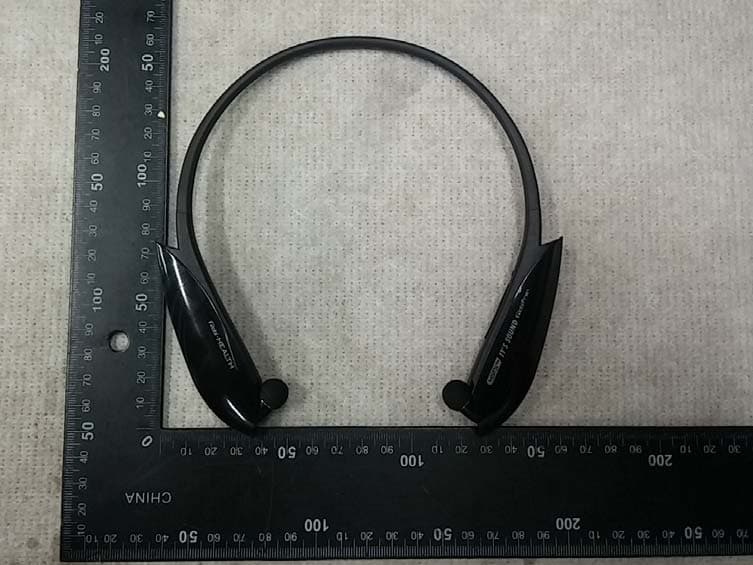
UZCGBH-S700
Aug 18, 2015Stereo Bluetooth Headset
Equipment Class
DTS - Digital Transmission System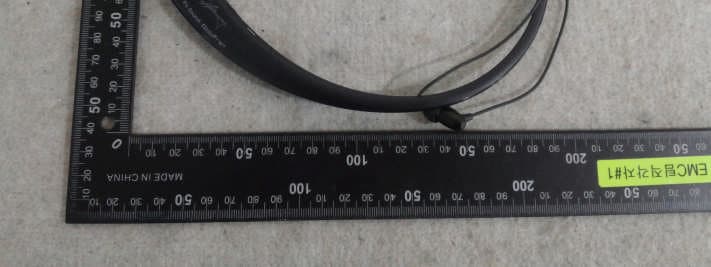
UZCGBH-S500
Jan 22, 2014Stereo Bluetooth Headset
Equipment Class
DSS - Part 15 Spread Spectrum Transmitter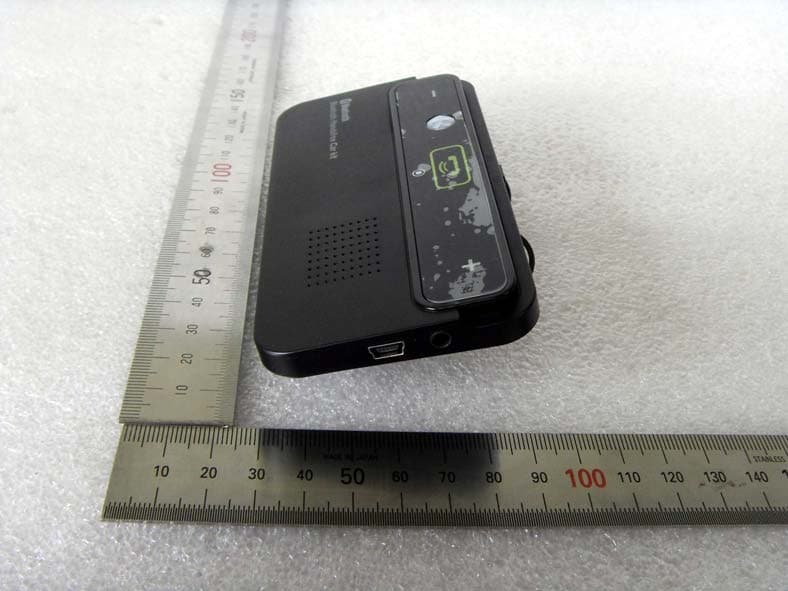
UZCGBC-1000
Sep 16, 2010Bluetooth Handsfree Car Kit
Equipment Class
DSS - Part 15 Spread Spectrum Transmitter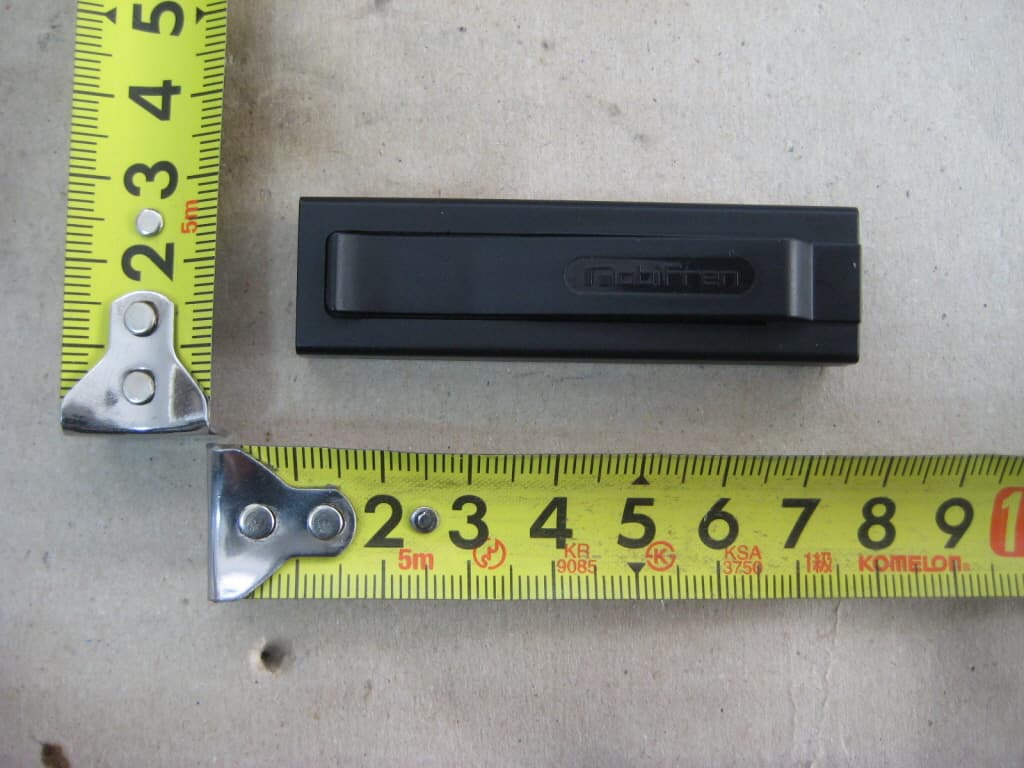
UZCGBH-S300
Jan 07, 2010Bluetooth Headset
Equipment Class
DSS - Part 15 Spread Spectrum Transmitter