VO8-RPLUSBluetooth Headphone
GuangZhou LIWEI Electronics, LTD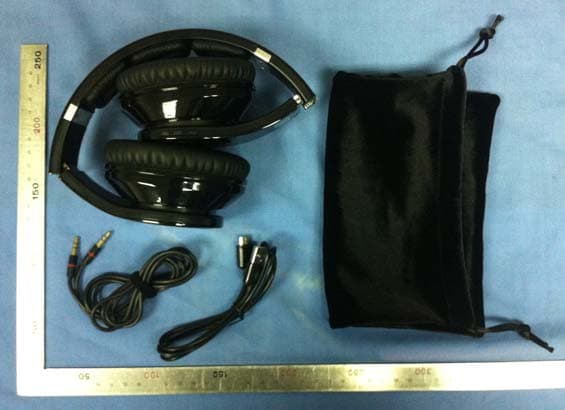
Click to zoom
Application Details
- Equipment Class
- DSS - Part 15 Spread Spectrum Transmitter
- Date of Grant
- Aug 07, 2013
- Application Purpose
- Original Equipment
- Date of Application
- Aug 04, 2013
- Equipment Note
- Bluetooth Headphone
- Frequency Range
- 2402.00000000 - 2480.00000000
- Country
- China
Documents & Files
Document Text
Text extracted from the exhibit documents filed with the FCC. Open a document above to read the original.
Users Manual
FCC STATEMENT 1. This device complies with Part 15 of the FCC Rules. Operation is subject to the following two conditions: (1) This device may not cause harmful interference. (2) This device must accept any interference received, including interference that may cause undesired operation. 2. Changes or modifications not expressly approved by the party responsible for compliance could void the user's authority to operate the equipment. NOTE: This equipment has been tested and found to comply with the limits for a Class B digital device, pursuant to Part 15 of the FCC Rules. These limits are designed to provide reasonable protection against harmful interference in a residential installation. This equipment generates uses and can radiate radio frequency energy and, if not installed and used in accordance with the instructions, may cause harmful interference to radio communications. However, there is no guarantee that interference will not occur in a particular installation. If this equipment does cause harmful interference to radio or television reception, which can be determined by turning the equipment off and on, the user is encouraged to try to correct the interference by one or more of the following measures: ǂ Reorient or relocate the receiving antenna. ǂ Increase the separation between the equipment and receiver. ǂ Connect the equipment into an outlet on a circuit different from that to which the receiver is connected. ǂ Consult the dealer or an experienced radio/TV technician for help.
Cover Letter(s)
Guangzhou Liwei Electronics Co.,LTD.
Cover Letter(s)
Guangzhou Liwei Electronics Co.,LTD.
External Photos
External Photographs EUT –External Photos
ID Label/Location Info
FCC ID Label Location FCC ID Label Location
ID Label/Location Info
FCC Label Sample
Internal Photos
Internal Photographs EUT –PCB View
RF Exposure Info
FCC RF Exposure FCC ID: V O8-RPLUS Frequency: 2402-2480 MHz (79 channels) Mid-Channel: 2.441 GHz (channel 39) Mid-Channel Peak Power, Conducted: 1.32 dBm == 1.36 mW Antenna Gain: G = 0 dBi Peak, Radiated = 1.32 dBm + 0 dBi = 1.32 dBm = 1.36 mW SAR Test Exclusion Thresholds specified in KDB447498 Appendix A: Evaluation: The Calculated Radiated Peak output power is taken as worst case, and this emission level appears to be far under the maximum allowed emission level at even the closest distance for 2.4G device specified in this table. Conclusion: The emitted power appears to be (far) below the required limit, so PASS.
Test Report
Test Report of FCC Part 15 C for FCC Certificate On Behalf of Guangzhou Liwei Electronics Co.,LTD. FCC ID: VO8-RPLUS Product Description: Bluetooth Headphone Model No.: R+, ODIN Brand: and k.lab Prepared for: Guangzhou Liwei Electronics Co.,Ltd No.33 Zhenzhong North Rd,Shenshan Ind.Park BaiYun District, Guangzhou GuangDong,China Prepared by: Shenzhen Laker Testing Technology Co.,Ltd 15C,Block 1,Sunshine Huayi Building,Nanhai West Road, Nanshan, Shenzhen, China Tel: 86-755-86307736 Fax: 86-755-86307199 Report No.: LK13GR-0165E-1 Issue Date: July 30, 2013 Test Date: July 15~30, 2013 Test by: Reviewed By: Owen Li Edmund Zou Report No.: LK13GR-0165E-1 Page 2 of 48 FCC ID: VO8-RPLUS TABLE OF CONTENTS 1. GENERAL INFORMATION....................................................................................................................................4 1.1 PRODUCT DESCRIPTION FOR EQUIPMENT UNDER TEST (EUT).........................................................................4 1.2TEST FACILITY.......................................................................................................................................................5 1.3 RELATED SUBMITTAL(S) / GRANT (S)...................................................................................................................5 1.4 MEASUREMENT UNCERTAINTY.............................................................................................................................5 2. SYSTEM TEST CONFIGURATION......................................................................................................................6 2.1 EUT CONFIGURATION..........................................................................................................................................6 2.2 EUT EXERCISE.....................................................................................................................................................6 2.3 GENERAL TEST PROCEDURES.............................................................................................................................6 2.4 LIST OF MEASURING EQUIPMENTS.......................................................................................................................7 2.5 LIST OF AUXILIARY DEVICE....................................................................................................................................9 3. SUMMARY OF TEST RESULTS.........................................................................................................................10 4. CONDCUTED EMISSION TEST.........................................................................................................................11 4.1 APPLICABLE STANDARD.....................................................................................................................................11 4.2 LIMITS..................................................................................................................................................................11 4.3 EUT TEST SETUP..............................................................................................................................................11 4.4 PROCEDURE OF CONDUCTED EMISSION TEST.................................................................................................12 4.5 TEST RESULT......................................................................................................................................................12 5. TEST OF HOPPING CHANNEL BANDWIDTH................................................................................................15 5.1 APPLICABLE STANDARD.....................................................................................................................................15 5.2 EUT SETUP........................................................................................................................................................15 5.3 TEST EQUIPMENT LIST AND DETAILS.................................................................................................................15 5.4 TEST PROCEDURE..............................................................................................................................................15 5.5 TEST RESULT......................................................................................................................................................15 6. TEST OF HOPPING CHANNEL SEPARATION...............................................................................................19 6.1 APPLICABLE STANDARD.....................................................................................................................................19 6.2 EUT SETUP........................................................................................................................................................19 6.3 TEST EQUIPMENT LIST AND DETAILS.................................................................................................................19 6.4 TEST PROCEDURE..............................................................................................................................................19 6.5 TEST RESULT......................................................................................................................................................19 7. TEST OF NUMBER OF HOPPING FREQUENCY...........................................................................................23 7.1 APPLICABLE STANDARD.....................................................................................................................................23 7.2 EUT SETUP........................................................................................................................................................23 7.3 TEST EQUIPMENT LIST AND DETAILS......................................................................................................…
Text truncated - open the document above for the full version.
Test Setup Photos
TEST SETUP PHOTOGRAPHS Conduted Emission Radiated Emission
Contact Information
Applicant
Jiawei Yang(Manager)
Technical Contact
Test Firm
Centre Testing InternationalLouisa Lu
[email protected]86-755-33683919
Technical Specifications
| # | Rule Parts | Frequency Range | Power Output |
|---|---|---|---|
| 1 | 15C | 2.40 GHz - 2.48 GHz | 1.40 mW |
Other Applications from GuangZhou LIWEI Electronics, LTD
VO8-S6
Apr 07, 2022S6
Equipment Class
DSS - Part 15 Spread Spectrum Transmitter
VO8-P
Jun 10, 2020True Wireless Stereo Earphones
Equipment Class
DSS - Part 15 Spread Spectrum TransmitterVO8CI3
Jan 27, 2016Bluetooth headset
Equipment Class
DXX - Part 15 Low Power Communication Device Transmitter
VO8-BS-3
Jul 08, 2015Bluetooth Stereo Speaker
Equipment Class
DSS - Part 15 Spread Spectrum Transmitter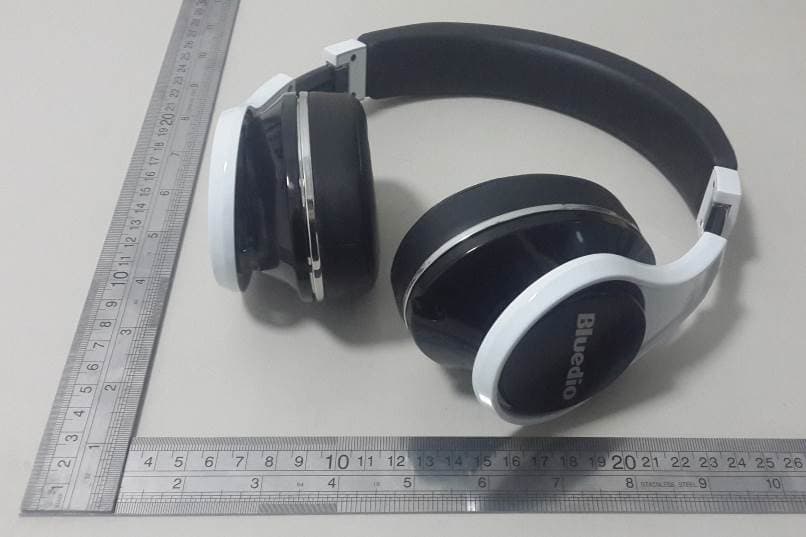
VO8-UFO
Feb 15, 2015Bluetooth Headset
Equipment Class
DTS - Digital Transmission System