ZF8-PC-217244Bluetooth stereo receiver
MASTER CHOICE, S.A. de C.V.Application Details
- Equipment Class
- DSS - Part 15 Spread Spectrum Transmitter
- Date of Grant
- Dec 20, 2011
- Application Purpose
- Original Equipment
- Date of Application
- Dec 20, 2011
- Equipment Note
- Bluetooth stereo receiver
- Frequency Range
- 2402.00000000 - 2480.00000000
- Company
- MASTER CHOICE, S.A. de C.V.
- Country
- Mexico
Documents & Files
Document Text
Text extracted from the exhibit documents filed with the FCC. Open a document above to read the original.
Users Manual
Welcome to the PERFECT CHOICE Design world Before using this product it is important to read this manual. V.PCD 1.2 Bluetooth® Audio Receiver with built-in Microphone PC-217244 Content • Bluetooth® receiver 1 piece • USB charge cable 1 piece • User’s manual 1 piece Features • Get rid of cable restrictions. • Receive audio from Bluetooth® sources and connect your receiver to headphones or speakers. • Built-in microphone that can be used with smart phones or PCs. • Rechargeable battery. • Supports the following Bluetooth® profiles: A2DP (Advanced Audio Distribution Profile), HSP (Headset Profile), HFP (Hands-Free Profile), AVRCP (Audio/Video Re mote Control Profile). • Works up to 10 meters. Before using Charging 1. Connect one end of the USB cable to the headset and the other end to a computer or to an USB power adapter. 2. While battery is charging the red LED indicator will be turn on. When the battery is fully charged, the red LED indicator will turn off. Note: Your device has a built-in rechargeable battery so you should charge it for at least 3 hours before the first use. Functions Turn “ON” and “OFF” Press the “MFB” button for 3 seconds to turn it on. Your device will beep and the LED indicator will blink in blue 3 times. To turn it off, press the “MFB” button about 3~6 seconds. Your device will beep and the LED indicator will blink in red 3 times. Pairing 1. While the headset is OFF press and hold MFB button for about 6 seconds until the LED indicator blinks red and blue. 2. Set a Bluetooth® device in paring mode. (Check the device user manual for reference). 3. The receiver will be visible as “PC-217244”. Select it to connect to your PC or phone. 4. The passkey to complete the pairing process is “0000”. Note: For some devices is not necessary to enter a passkey. For Bluetooth® audio devices that don’t require passkey is necessary to make sure that its output passkey is 0000. Working in Audio/Video mode • Short press MFB button to toggle play/pause action. • Short press Vol+ or Vol- to adjust volume one step at the time. • Press and hold Vol+ to constantly increase the volume. • Press and hold Vol- to constantly decrease the volume. • Short press Forward or Backward button to select songs Working in headset mode Standby mode: • Double click MFB button to start voice dial function. • Long press MFB button to start the last number redial function Incoming call mode: • Short press MFB button to accept phone call. • Long press MFB button to reject incoming call. During a call: • Short press Vol+ or Vol- to adjust volume. • Long press MFB button (until you hear a beep tone) to toggle the call between headset or the phone. • Short press MFB button to end call. • Press simultaneously Forward and Backward buttons to toggle microphone mute. LED indicator status Compatibility • Bluetooth® 2.1+EDR • Profiles: HSP (Headset Profile), HFP (Hands-Free Profile), A2DP (Advanced Audio Distribution Profile) y AVRCP (Audio/Video Remote Control Profile) POWER ONLED indicator blinks 3 times in blue. POWER OFFLED indicator blinks 3 times in red. PAIRINGBlue and red LED flashes in blue then red. STANDBY MODELED indicator turns On in blue. AV ACTIVE MODELED indicator blinks in blue twice every 2 seconds. HEADSET ACTIVE MODELED indicator blinks in blue once every 2 seconds. LOW BATTERY INDICATIONLED indicator blinks in red continuously once 2 sec. AUTO SHUTDOWNLED Indicator blinks in red 3 times and powers off (5 minutes if there is no connection) Troubleshooting Bluetooth® receiver does not turn on • Fully charge the battery. Both devices cannot be paired • Start again the procedure to pair both devices. • Check if connecting device requires no passkey and make sure default passkey is set to “0000”, same as the receiver. One or more profiles are not available • Check if Bluetooth® emitter’s protocol is compatible with receiver’s protocol. Safety and Care Information • Handle with care. Avoid dropping your headset. • Always store the device turned off and protected from heavy objects. • Do not store at high temperatures (greater than 110 º F) like a car at direct sunlight. • Do not expose your device to liquids • Clean with a damp cloth slightly. • Keep equipment away from dust. Technical specifications Power supply:............................................................................................5 Vcc 500 mA Battery capacity:..................................................................................................90 mAh Working time talk mode:......................................................................................4 hours Stand-by mode:...............................................................................................140 hours Work frequency:..................................................................................................2.4 GHz Bluetooth® version:.....................................................................Bluetooth® 2.1 + EDR Operating Distance:......................................................................Up to 10 m in open air Bluetooth® profiles:.......................................................A2DP, HSP, HFP (V1.5), AVRCP Contents, specifications and options are subject to change without notice. Regulatory Information Federal Communication Commission Interference Statement This equipment has been tested and found to comply with the limits for a Class B digital device, pursuant to Part 15 of the FCC Rules. These limits are designed to provide reasonable protection against harmful interference in a residential installation. This equipment generates, uses and can radiate radio frequency energy and, if not in- stalled and used in accordance with the instructions, may cause harmful interference to radio communications. However, there is no guarantee that interference will not occur in a particular installation. If this equipment does cause harmful interference to radio or television reception, which can be determined by turnin…
Text truncated - open the document above for the full version.
External Photos
Page 1 CONSTRUCTION PHOTOS OF EUT
Internal Photos
Page 2 Page 3 Page 4 Page 5
Operational Description
FCC ID: ZF8-PC-217244 Report No.: RF111118C17 Operational Description This device is a Bluetooth stereo receiver. The transmitter of the EUT is powered by 3.7Vdc from battery or 5.0Vdc from charger. The antenna is Chip antenna without antenna connector. For more detailed instruction, please take a look at the user’s manual.
RF Exposure Info
Report No.: SA991217C12A Report Format Version 4.0.0 Reference No.: 111118C17 1 RF EXPOSURE REPORT REPORT NO.: SA991217C12A MODEL NO.: PC-217244 FCC ID: ZF8-PC-217244 RECEIVED: Nov. 18, 2011 TESTED: Nov. 22 ~ Nov. 23, 2011 ISSUED: Nov. 25, 2011 APPLICANT: Master Choice, S.A. de C.V. ADDRESS: Jose Guadalupe Gallo #8490, Col. Agua Blanca Industrial., Zapopan, Jalisco, Mexico 45235 ISSUED BY: Bureau Veritas Consumer Products Services (H.K.) Ltd., Taoyuan Branch LAB ADDRESS: No. 47, 14th Ling, Chia Pau Vil., Lin Kou Dist., New Taipei City, Taiwan ( R.O.C ) TEST LOCATION: No. 19, Hwa Ya 2nd Rd, Wen Hwa Tsuen, Kwei Shan Hsiang, Taoyuan Hsien 333, Taiwan, R.O.C. This test report consists of 5 pages in total. It may be duplicated completely for legal use with the approval of the applicant. It should not be reproduced, except in full, without the written approval of our laboratory. The client should not use it to claim product certification, approval or endorsement by any government agency. The test results in the report only apply to the tested sample. Report No.: SA991217C12A Report Format Version 4.0.0 Reference No.: 111118C17 2 TABLE OF CONTENTS RELEASE CONTROL RECORD ................................................................................................. 3 1. CERTIFICATION................................................................................................................4 2. REDUCED CONDITION FOR SAR ................................................................................... 5 3. MAXIMUM MEASURED POWER OF EUT........................................................................ 5 4. CONCLUSION ...................................................................................................................5 Report No.: SA991217C12A Report Format Version 4.0.0 Reference No.: 111118C17 3 RELEASE CONTROL RECORD ISSUE NO. REASON FOR CHANGE DATE ISSUED Original release NA Nov. 25, 2011 Report No.: SA991217C12A Report Format Version 4.0.0 Reference No.: 111118C17 4 1. CERTIFICATION PRODUCT: Bluetooth stereo receiver MODEL: PC-217244 BRAND: Master Choice APPLICANT: Master Choice, S.A. de C.V. TESTED: Nov. 22 ~ Nov. 23, 2011 TEST SAMPLE: ENGINEERING SAMPLE STANDARDS: FCC Part 2 (Section 2.1093) FCC OET Bulletin 65, Supplement C (01-01) IEEE C95.1 The above equipment (model: PC-217244) have been tested by Bureau Veritas Consumer Products Services (H.K.) Ltd., Taoyuan Branch, and found compliance with the requirement of the above standards. The test record, data evaluation & Equipment Under Test (EUT) configurations represented herein are true and accurate accounts of the measurements of the sample’s EMC characteristics under the conditions specified in this report. PREPARED BY : , DATE:Nov. 25, 2011 Andrea Hsia / Specialist APPROVED BY : , DATE:Nov. 25, 2011 Gary Chang / Technical Manager Report No.: SA991217C12A Report Format Version 4.0.0 Reference No.: 111118C17 5 2. REDUCED CONDITION FOR SAR When output power is ≤ 60/f(GHz) mW, SAR evaluation is not required. 3. MAXIMUM MEASURED POWER OF EUT Maximum measured transmitter power: Pout (dBm) Pout (mW) Bluetooth Conducted Power 6.64 4.613 EIRP Power 8.14 6.516 *Note: The antenna is chip antenna with 1.5dBi gain. 4. CONCLUSION No SAR evaluation is required since output power of EUT is less than threshold of SAR.
Test Report
Report No.: RF991217C12A 1 Report Format Version 4.1.0 Reference No.: 111118C17 FCC TEST REPORT REPORT NO.: RF991217C12A MODEL NO.: PC-217244 FCC ID: ZF8-PC-217244 RECEIVED: Nov. 18, 2011 TESTED: Nov. 22 ~ Nov. 23, 2011 ISSUED: Nov. 25, 2011 APPLICANT: Master Choice, S.A. de C.V. ADDRESS: Jose Guadalupe Gallo #8490, Col. Agua Blanca Industrial., Zapopan, Jalisco, Mexico 45235 ISSUED BY: Bureau Veritas Consumer Products Services (H.K.) Ltd., Taoyuan Branch LAB ADDRESS: No. 47, 14th Ling, Chia Pau Vil., Lin Kou Dist., New Taipei City, Taiwan (R.O.C) TEST LOCATION: No. 19, Hwa Ya 2nd Rd, Wen Hwa Tsuen, Kwei Shan Hsiang, Taoyuan Hsien 333, Taiwan, R.O.C. This test report consists of 52 pages in total. It may be duplicated completely for legal use with the approval of the applicant. It should not be reproduced except in full, without the written approval of our laboratory. The client should not use it to claim product, certification, approval or endorsement by TAF or any government agency. The test results in the report only apply to the tested sample. Report No.: RF991217C12A 2 Report Format Version 4.1.0 Reference No.: 111118C17 Table of Contents RELEASE CONTROL RECORD..........................................................................................4 1. CERTIFICATION.......................................................................................................5 2. SUMMARY OF TEST RESULTS ..............................................................................6 2.1 MEASUREMENT UNCERTAINTY ...........................................................................6 3. GENERAL INFORMATION .......................................................................................7 3.1 GENERAL DESCRIPTION OF EUT.........................................................................7 3.2 DESCRIPTION OF TEST MODES...........................................................................8 3.2.1 CONFIGURATION OF SYSTEM UNDER TEST ...................................................... 8 3.2.2 TEST MODE APPLICABILITY AND TESTED CHANNEL DETAIL ........................... 9 3.3 GENERAL DESCRIPTION OF APPLIED STANDARDS ........................................ 11 3.4 DESCRIPTION OF SUPPORT UNITS ................................................................... 11 4. TEST TYPES AND RESULTS ................................................................................12 4.1 RADIATED EMISSION AND BANDEDGE MEASUREMENT.................................12 4.1.1 LIMITS OF RADIATED EMISSION AND BANDEDGE MEASUREMENT .............. 12 4.1.2 TEST INSTRUMENTS ........................................................................................... 13 4.1.3 TEST PROCEDURES ............................................................................................ 14 4.1.4 DEVIATION FROM TEST STANDARD .................................................................. 14 4.1.5 TEST SETUP ......................................................................................................... 15 4.1.6 EUT OPERATING CONDITIONS ........................................................................... 15 4.1.7 TEST RESULTS ..................................................................................................... 16 4.2 NUMBER OF HOPPING FREQUENCY USED ......................................................23 4.2.1 LIMIT OF HOPPING FREQUENCY USED ............................................................ 23 4.2.2 TEST SETUP ......................................................................................................... 23 4.2.3 TEST INSTRUMENTS ........................................................................................... 23 4.2.4 TEST PROCEDURES ............................................................................................ 23 4.2.5 DEVIATION FROM TEST STANDARD .................................................................. 23 4.2.6 TEST RESULTS ..................................................................................................... 23 4.3 DWELL TIME ON EACH CHANNEL ......................................................................26 4.3.1 LIMIT OF DWELL TIME USED............................................................................... 26 4.3.2 TEST SETUP ......................................................................................................... 26 4.3.3 TEST INSTRUMENTS ........................................................................................... 26 4.3.4 TEST PROCEDURES ............................................................................................ 26 4.3.5 DEVIATION FROM TEST STANDARD .................................................................. 26 4.3.6 TEST RESULTS ..................................................................................................... 27 4.4 CHANNEL BANDWIDTH........................................................................................35 4.4.1 LIMITS OF CHANNEL BANDWIDTH ..................................................................... 35 4.4.2 TEST SETUP ......................................................................................................... 35 4.4.3 TEST INSTRUMENTS ........................................................................................... 35 4.4.4 TEST PROCEDURE .............................................................................................. 35 4.4.5 DEVIATION FROM TEST STANDARD .................................................................. 35 4.4.6 EUT OPERATING CONDITION ............................................................................. 35 4.4.7 TEST RESULTS ..................................................................................................... 36 4.5 HOPPING CHANNEL SEPARATION .....................................................................38 4.5.1 LIMIT OF HOPPING CHANNEL SEPARATION ..................................................... 38 4.5…
Text truncated - open the document above for the full version.
Test Setup Photos
1 PHOTOGRAPHS OF THE TEST CONFIGURATION RADIATED EMISSION TEST 2
Contact Information
Applicant
Cecilia Valdez de Coronado(Executive Director)
Technical Contact
Bureau Veritas CPS (H.K.) Ltd. Taoyuan BranchGary Chang
[email protected]886-3-3183232
No. 19, Hwa Ya 2nd Rd., Kwei Shan Hsiang · Taoyuan Hsien · Taiwan
Non-Technical Contact
Bureau Veritas CPS (H.K.) Ltd. Taoyuan BranchNatacha Chen
[email protected]886-3-3183232
Test Firm
Bureau Veritas CPS (H.K.) Ltd. Taoyuan BranchRichard Chen
Technical Specifications
| # | Rule Parts | Frequency Range | Power Output |
|---|---|---|---|
| 1 | 15C | 2.40 GHz - 2.48 GHz | 5.00 mW |
Other Applications from MASTER CHOICE, S.A. de C.V.
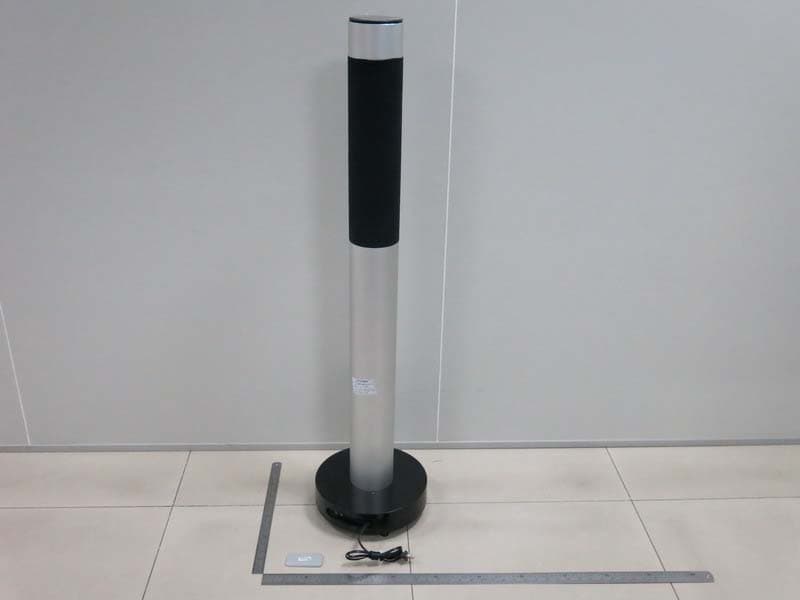
ZF8-PC-112563
Jan 08, 2014Tower Speaker System
Equipment Class
DXX - Part 15 Low Power Communication Device Transmitter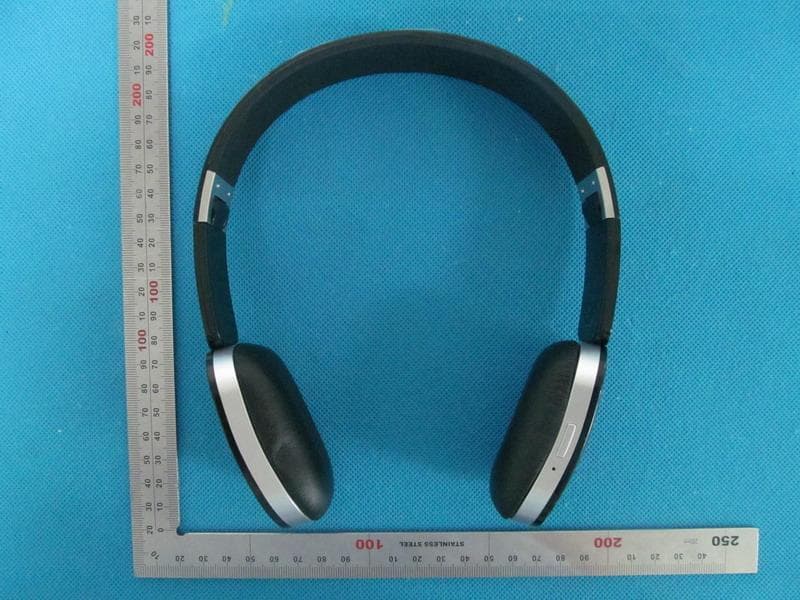
ZF8-PC-116110
Aug 28, 2013Bluetooth Headset
Equipment Class
DTS - Digital Transmission System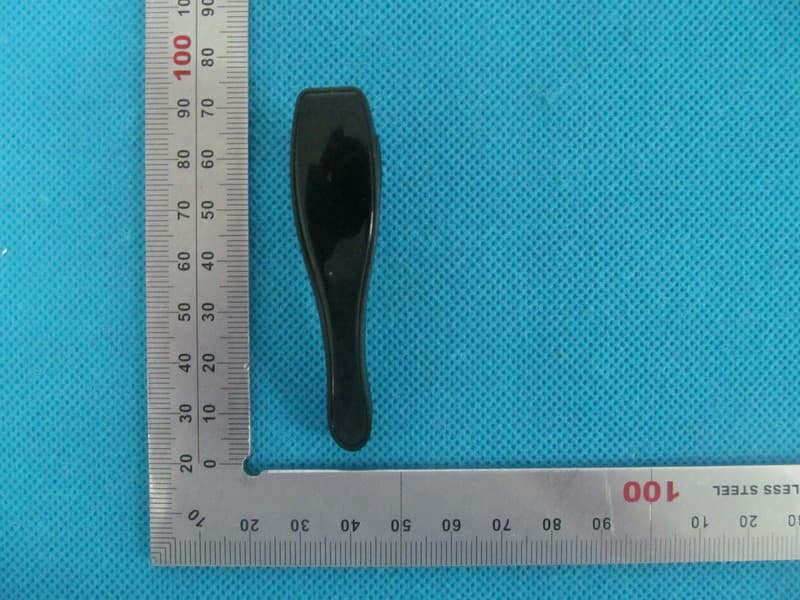
ZF8-PC-116127
Aug 28, 2013Bluetooth Headset
Equipment Class
DSS - Part 15 Spread Spectrum Transmitter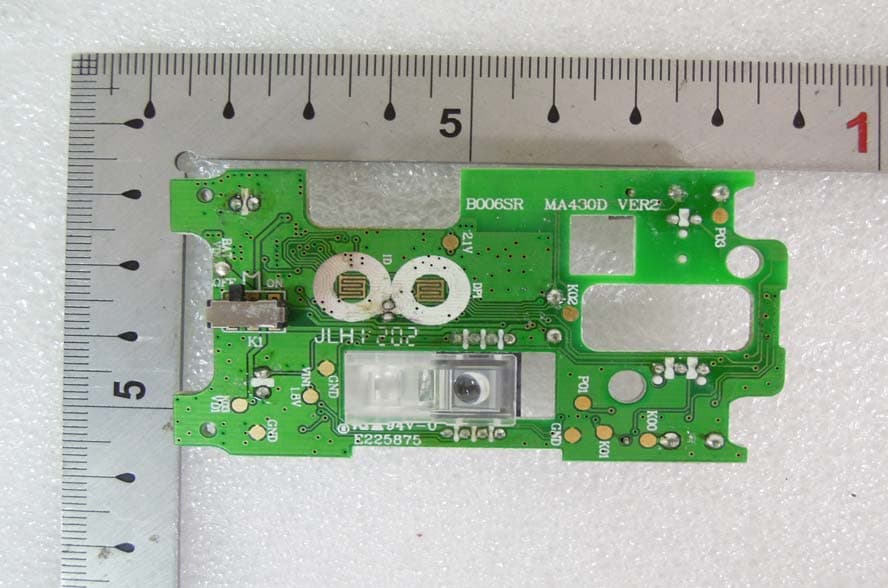
ZF8-PC-044482
Jun 11, 2012Mouse Hyper Scroll
Equipment Class
DXX - Part 15 Low Power Communication Device Transmitter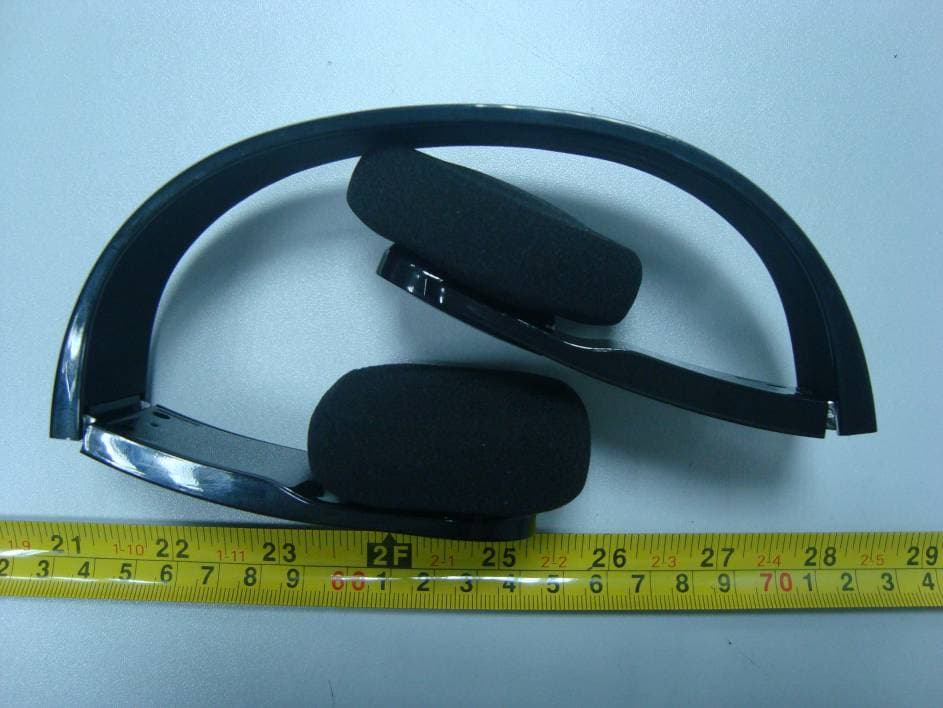
ZF8-PC-217237
Feb 13, 2012Bluetooth Stereo Headset
Equipment Class
DSS - Part 15 Spread Spectrum Transmitter