2AA7KPLATINO-WF2014RFID Handheld Reader
Star Systems International Limited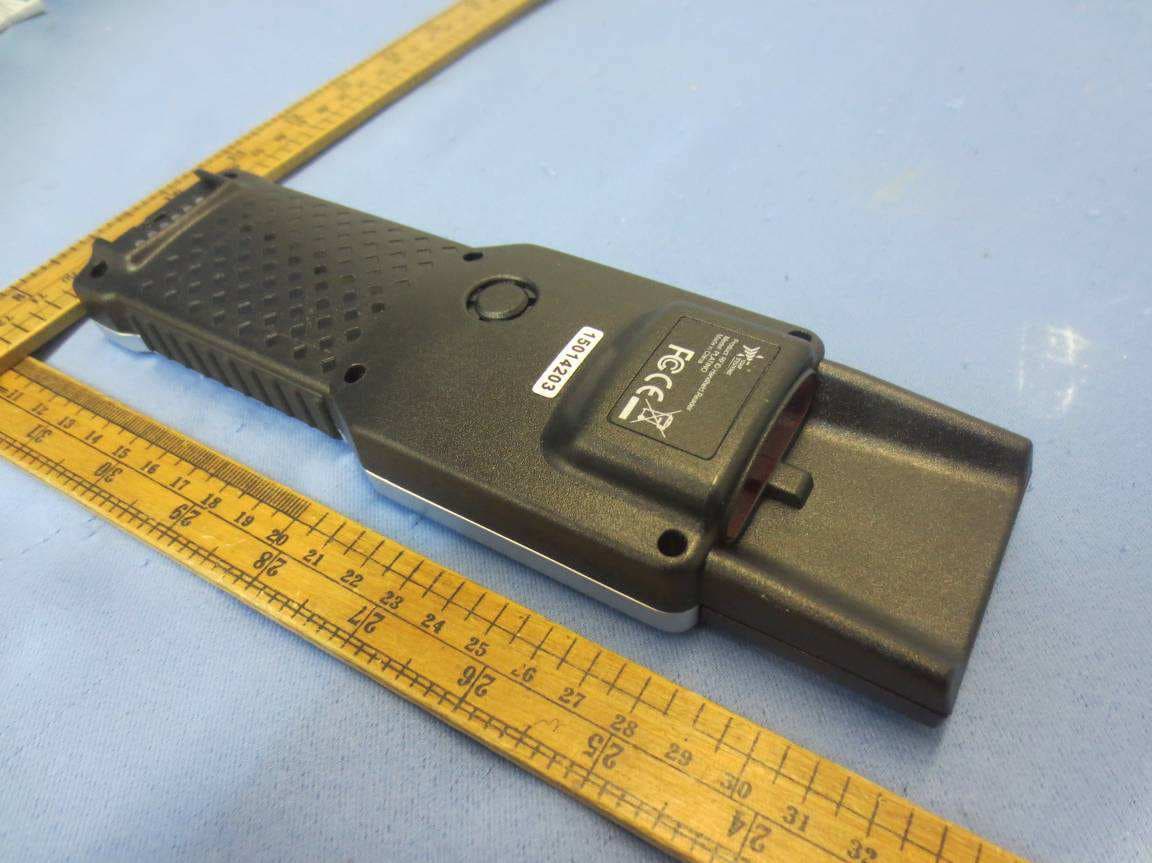
Click to zoom
Application Details
- Equipment Class
- DSS - Part 15 Spread Spectrum Transmitter
- Date of Grant
- Sep 12, 2015
- Application Purpose
- Original Equipment
- Date of Application
- Sep 12, 2015
- Equipment Note
- RFID Handheld Reader
- Frequency Range
- 902.75000000 - 927.25000000
- Country
- Hong Kong
Documents & Files
Document Text
Text extracted from the exhibit documents filed with the FCC. Open a document above to read the original.
Users Manual
Platino Handheld Reader User Guide Platino User Manual Revision 1.1 Last modified: 13 March, 2015 STAR Systems International Limited Unit A01, 24/F, Gold King Industrial Building 35-41 Tai Lin Pai Road, Kwai Chung New Territories, Hong Kong SAR Tel: +852-3691-9925 www.star-int.net [email protected] Page 1 Reader Overview 1. ENTER 2. READ 3. SETTING 4. POWER 5. DIRECTIONS (UP, DOWN, LEFT, RIGHT) 6. NUMBER PAD (1,2,3...0,*,#) 7. FUNCTION 1 (F1) 8. FUNCTION 2 (F2) 9. FUNCTION 3 (F3) 10. Hard Reset Button (Under the rubber grip) Platino User Manual Revision 1.1 Last modified: 13 March, 2015 STAR Systems International Limited Unit A01, 24/F, Gold King Industrial Building 35-41 Tai Lin Pai Road, Kwai Chung New Territories, Hong Kong SAR Tel: +852-3691-9925 www.star-int.net [email protected] Page 2 Basic Operations Starting up Platino Press the POWER button for a 2 seconds to power up the device. A “beep” sound should be heard and the main screen with the above information is shown when Platino is booted up. Reading tags Press the READ button while Platino is ON. Put an ISOC tag near the antenna area and you should be able to read the tags EPC number. Wireless Connectivity Platino offers 2 types of wireless connectivity: WiFi and Bluetooth (BLE). User can check the connection type by the icon displayed next to the battery sign. Bluetooth (BLE) WiFi Shutting down Platino Press the POWER button for 2 seconds while Platino is ON. The main screen will shut down and a short been will be heard. Platino User Manual Revision 1.1 Last modified: 13 March, 2015 STAR Systems International Limited Unit A01, 24/F, Gold King Industrial Building 35-41 Tai Lin Pai Road, Kwai Chung New Territories, Hong Kong SAR Tel: +852-3691-9925 www.star-int.net [email protected] Page 3 Read/Write Mode Selection Press ENTER in any of the read/write mode to enter the read/write mode selection menu. Use the UP or DOWN button to navigate through different mode options and press ENTER to enter any of the available read/write mode. Read Single Tag Read data in different memory banks of a single tag. Data from only 1 tag will be displayed at a time. The data will also be automatically store in the reader memory and transmitted to the mobile app if available. Read Multiple Tag Read EPC from multiple tags in the reader vicinity. User can manually save the tags EPC to the reader memory with the function button. Up to 100 tags can be saved at a time. Write Tag Write data to different memory banks of a tag. Lock/Kill Tag Change the lock state of different memory banks of a tag with access password or disable a tag permanently with the kill password. Block Read Lock Custom command for Alien H3 chip which allows user to “read lock” different memory blocks of the user memory bank in a tag. Read locked data can only be viewed if the correct access password is provided. Read Barcode Read 1D barcode with the build-in barcode reader. User can manually save the barcode data to the reader memory with the function button. Platino User Manual Revision 1.1 Last modified: 13 March, 2015 STAR Systems International Limited Unit A01, 24/F, Gold King Industrial Building 35-41 Tai Lin Pai Road, Kwai Chung New Territories, Hong Kong SAR Tel: +852-3691-9925 www.star-int.net [email protected] Page 4 Reading Different Memory Banks Platino starts in Read Single Tag mode. In this mode user can read a single tag by pressing the READ button. User can press LEFT and RIGHT button to select different memory banks to read. The following options are available: 1. Read EPC 2. Read TID 3. Read User Data 4. Read EPC + TID 5. Read EPC + User Data 6. Read All Data User can press UP or DOWN button to select the Access Password field. The field will be highlighted in blue once it is selected. Press F1 to switch between different input methods (number/alphabet) for the Access Password field. Access Password can be used to read memory bank that is “read-locked”. Tag data read in this mode will be automatically stored in the file SINGLE.TXT in the reader memory. Please refer to the Collecting Data section of this manual for more information. NOTE: Reading TID, User Memory and All Data may require more energy than reading the EPC number only. Please place the tag in close proximity to the antenna while attempting to read the TID, User Memory and All Data. Platino User Manual Revision 1.1 Last modified: 13 March, 2015 STAR Systems International Limited Unit A01, 24/F, Gold King Industrial Building 35-41 Tai Lin Pai Road, Kwai Chung New Territories, Hong Kong SAR Tel: +852-3691-9925 www.star-int.net [email protected] Page 5 Reading Multiple Tags Read Multiple Tag mode allows user to read multiple tags EPC simultaneously. Press and hold the READ button to start reading tags. Any tag that is read will generate and new entry on the screen with the tag’s EPC and read count shown. The total number of distinct tags is shown at the bottom of the screen. Maximum of 9 tags can be displayed simultaneously on the screen, user can press the UP or DOWN button to go through the tag list and view the tags in the next page (e.g. if a total number of 27 tags are read, there will be 3 pages of data available). Press F1 to save the data into MULTIPLE.TXT in the reader memory. Please refer to the Collecting Data section of this manual for more information. The tag list on the screen will be cleared afterwards. If user selected one of the tag with UP or DOWN button, pressing F2 will pass the selected EPC to the WRITE TAG mode so user can write data to the tag with specific EPC. Press F3 to clear the tag list on screen. Platino User Manual Revision 1.1 Last modified: 13 March, 2015 STAR Systems International Limited Unit A01, 24/F, Gold King Industrial Building 35-41 Tai Lin Pai Road, Kwai Chung New Territories, Hong Kong SAR Tel: +852-3691-9925 www.star-int.net [email protected] Page 6 Writing Data to Tag Write Tag mode allow user to write data to different memory bank o…
Text truncated - open the document above for the full version.
Cover Letter(s)
1 [November 28, 2014] To whom it may concern, Request for Permanent Confidentiality Under FCC Part 15 Certification Request is hereby submitted by Star Systems International Limited to withhold permanently from public review certain portions of the application for equipment certification for the referenced FCC identifiers. This request for confidentiality is made pursuant to 47 CFR § 0.457(d) and 0.459 of the FCC Rules. In particular, the following sections of the application are to be kept permanently confidential and Star Systems International Limited reserves the right to discern which parties can obtain access to these information: Schematics Detailed Block diagrams Detailed Operational/Functional Description The rationale for request for confidentiality is as followings: This information represents intellectual property of Star Systems International Limited and it is subject to competition. We have invested considerable time and materials in research and development to produce the referenced product. Disclosure of the permanently confidential portions of this application to competitors would not only give them significant competitive advantages in developing similar products, but would also disclose successful implementation of unpublished, leading edge technology developed by us. If you have questions or need further information, please contact the undersigned. Regards, Star Systems International Limited FCC ID: 2AA7KPLATINO-WF2014
External Photos
External Photo
Internal Photos
Internal Photo
RF Exposure Info
Report No.: RXA1411-0262SAR01R1 Page 1 of 65 TESTING No. L2264 SAR TEST REPORT Product Name RFID Handheld Reader Model Name PLATINO Brand Name Star Systems FCC ID 2AA7KPLATINO-WF2014 Applicant Star Systems International Limited Manufacturer Shenzhen Zoko Industry Development Company Limited Date of issue August 7, 2015 TA Technology (Shanghai) Co., Ltd. TA Technology (Shanghai) Co., Ltd. Test Report Report No.: RXA1411-0262SAR01R1 Page 2 of 65 GENERAL SUMMARY Reference Standard(s) FCC 47CFR §2.1093 Radiofrequency Radiation Exposure Evaluation: Portable Devices ANSI C95.1- 1992: Safety Levels with Respect to Human Exposure to Radio Frequency Electromagnetic Fields, 3 kHz to 300 GHz.(IEEE Std C95.1-1991) IEEE Std 1528™-2003: IEEE Recommended Practice for Determining the Peak Spatial-Average Specific Absorption Rate (SAR) in the Human Head from Wireless Communications Devices: Measurement Techniques. KDB 865664 D01 SAR measurement 100 MHz to 6 GHz v01r03: SAR Measurement Requirements for 100 MHz to 6 GHz KDB 447498 D01 Mobile Portable RF Exposure v05r02: Mobile and Portable Device RF Exposure Procedures and Equipment Authorization Policies Conclusion This portable wireless equipment has been measured in all cases requested by the relevant standards. Test results in Chapter 7 of this test report are below limits specified in the relevant standards for the tested bands only. General Judgment: Pass Comment The test result only responds to the measured sample. Approved by Kai Xu Director Revised by Jiangpeng Lan SAR Manager Performed by Jie Li SAR Engineer TA Technology (Shanghai) Co., Ltd. Test Report Report No.: RXA1411-0262SAR01R1 Page 3 of 65 TABLE OF CONTENT 1. General Information ..................................................................................................................... 5 1.1. Notes of the Test Report ....................................................................................................... 5 1.2. Testing Laboratory ................................................................................................................ 5 1.3. Applicant Information ............................................................................................................ 6 1.4. Manufacturer Information ...................................................................................................... 6 1.5. Information of EUT ................................................................................................................ 7 1.6. EUT Antenna Locations ........................................................................................................ 8 1.7. The Maximum Reported SAR 10g ........................................................................................... 9 1.8. Test Date .............................................................................................................................. 9 2. SAR Measurements System Configuration ................................................................................ 10 2.1. SAR Measurement Set-up .................................................................................................. 10 2.2. DASY5 E-field Probe System ............................................................................................. 11 2.2.1. EX3DV4 Probe Specification ....................................................................................... 11 2.2.2. E-field Probe Calibration .............................................................................................. 12 2.3. Other Test Equipment ......................................................................................................... 12 2.3.1. Device Holder for Transmitters .................................................................................... 12 2.3.2. Phantom ...................................................................................................................... 13 2.4. Scanning Procedure ........................................................................................................... 13 2.5. Data Storage and Evaluation .............................................................................................. 15 2.5.1. Data Storage ................................................................................................................ 15 2.5.2. Data Evaluation by SEMCAD ...................................................................................... 15 3. Laboratory Environment ............................................................................................................. 17 4. Tissue-equivalent Liquid ............................................................................................................ 18 4.1. Tissue-equivalent Liquid Ingredients ................................................................................... 18 4.2. Tissue-equivalent Liquid Properties .................................................................................... 19 5. System Check ............................................................................................................................ 20 5.1. Description of System Check .............................................................................................. 20 5.2. System Check Results ........................................................................................................ 21 6. Operational Conditions during Test ............................................................................................ 22 6.1. General Description of Test Procedures ............................................................................. 22 6.2. Test Positions ...................................................................................................................... 22 6.3. Measurement Variability ...................................................................................................... 23 7. Test Results ..................…
Text truncated - open the document above for the full version.
Test Report
• The test results reported in this test report shall refer only to the sample actually tested and shall not refer or be deemed to refer to bulk from which such a sample may be said to have been obtained. • This report is for the exclusive use of Intertek's Client and is provided pursuant to the agreement between Intertek and its Client. Intertek's responsibility and liability are limited to the terms and conditions of the agreement. Intertek assumes no liability to any party, other than to the Client in accordance with the agreement, for any loss, expense or damage occasioned by the use of this report. Only the Client is authorized to copy or distribute this report. Any use of the Intertek name or one of its marks for the sale or advertisement of the tested material, product or service must first be approved in writing by Intertek. The observations and test results referenced from this report are relevant only to the sample tested. This report by itself does not imply that the material, product, or service is or has ever been under an Intertek certification program. • For Terms And Conditions of the services, it can be provided upon request. • The evaluation data of the report will be kept for 3 years from the date of issuance. TRF No.: FCC 15C_TX_b Intertek Testing Services Shenzhen Ltd. Kejiyuan Branch 6F, D Block, Huahan Building, Langshan Road, Nanshan District, Shenzhen, P. R. China Tel: (86 755) 8601 6288 Fax: (86 755) 8601 6751 Website: www.china.intertek-etlsemko.com Star Systems International Limited Application For Certification FCC ID: 2AA7KPLATINO-WF2014 RFID Handheld Reader Model: PLATINO Brand Name: Star Systems 902.75-927.25MHz Transceiver Report No.: 140924018SZN-003 Prepared and Checked by: Approved by: Sign on file Benson Wang Assistant Engineer Andy Yan Senior Project Engineer Date: 23 June, 2015 INTERTEK TESTING SERVICES TRF No.: FCC 15C_TX_b FCC ID: 2AA7KPLATINO-WF2014 i LIST OF EXHIBITS INTRODUCTION EXHIBIT 1: General Description EXHIBIT 2: System Test Configuration EXHIBIT 3: Emission Results EXHIBIT 4: Equipment Photographs EXHIBIT 5: Product Labelling EXHIBIT 6: Technical Specifications EXHIBIT 7: Instruction Manual EXHIBIT 8: Miscellaneous Information EXHIBIT 9: Test Equipment List INTERTEK TESTING SERVICES TRF No.: FCC 15C_TX_b FCC ID: 2AA7KPLATINO-WF2014 ii MEASUREMENT/TECHNICAL REPORT Star Systems International Limited Model: PLATINO FCC ID: 2AA7KPLATINO-WF2014 This report concerns (check one:) Original Grant X Class II Change Equipment Type: DSS - Part 15 Spread Spectrum Transmitter Deferred grant requested per 47 CFR 0.457(d)(1)(ii)? Yes No X If yes, defer until: date Company Name agrees to notify the Commission by: date of the intended date of announcement of the product so that the grant can be issued on that date. Transition Rules Request per 15.37? Yes No X If no, assumed Part 15, Subpart C for intentional radiator − the new 47 CFR [10-1-13 Edition] provision. Report prepared by: Benson Wang Intertek Testing Services Shenzhen Ltd. Kejiyuan Branch 6F, Block D, Huahan Building, Langshan Road, Nanshan District, Shenzhen, P. R. China Phone: (86 755) 8601 0680 Fax: (86 755) 8601 6751 INTERTEK TESTING SERVICES TRF No.: FCC 15C_TX_b FCC ID: 2AA7KPLATINO-WF2014 iii Table of Contents 1.0 General Description ............................................................................................ 2 1.1 Product Description ............................................................................................ 2 1.2 Related Submittal(s) Grants ............................................................................... 2 1.3 Test Methodology ................................................................................................. 2 1.4 Test Facility ............................................................................................................ 2 2.0 System Test Configuration ................................................................................. 4 2.1 Justification ........................................................................................................ 4 2.2 EUT Exercising Software .................................................................................... 4 2.3 Special Accessories ........................................................................................... 4 2.4 Equipment Modification ...................................................................................... 4 2.5 Measurement Uncertainty .................................................................................. 5 2.6 Support Equipment List and Description ............................................................. 5 3.0 Test Results ......................................................................................................... 8 3.1 Radiated Test Result .......................................................................................... 8 3.1.1 Field Strength Calculation ................................................................................ 8 3.1.2 Radiated Emission Data and Configuration Photograp ..................................... 9 3.1.3 Transimitter Spurious Emissions (Radiated) .................................................. 11 3.2 Conducted Emissions at Mains Termial ............................................................ 15 3.2.1 Conducted Emissions and Data Configuration Photograph ............................ 15 3.3 Peak Power ...................................................................................................... 18 3.4 20dB Bandwidth ............................................................................................... 21 3.5 Channel Number (Number of Hopping Frequencies) ........................................ 23 3.6 Channel Separation (Carrier Frequency Separation) ......................................... 24 3.7 Dwell Time (Time of Occupancy) ...................................................................... 26 3.8 Band Edge ........…
Text truncated - open the document above for the full version.
Test Setup Photos
Test Setup Photo –Radiated Emission
Contact Information
Applicant
Ava Tang(COO)
Technical Contact
Intertek Testing Services Shenzhen Ltd. Kejiyuan BShawn Xing
[email protected](86-755) 8614 0603
6F, D Block, Huahan Building, Langshan Road · Shenzhen · China
Non-Technical Contact
Intertek Testing Services Shenzhen Ltd. Kejiyuan BShawn Xing
[email protected](86-755) 8614 0603
Test Firm
Intertek Testing Services Shenzhen Ltd.Shawn Xing
Technical Specifications
| # | Rule Parts | Frequency Range | Power Output |
|---|---|---|---|
| 1 | 15C | 902.75 MHz - 927.25 MHz | 153.00 mW |
Other Applications from Star Systems International Limited

2AA7KTARVOSPRO31000
Jun 23, 2024Tarvos Pro
Equipment Class
LMS - Part 90 Location & Monitoring Transmitter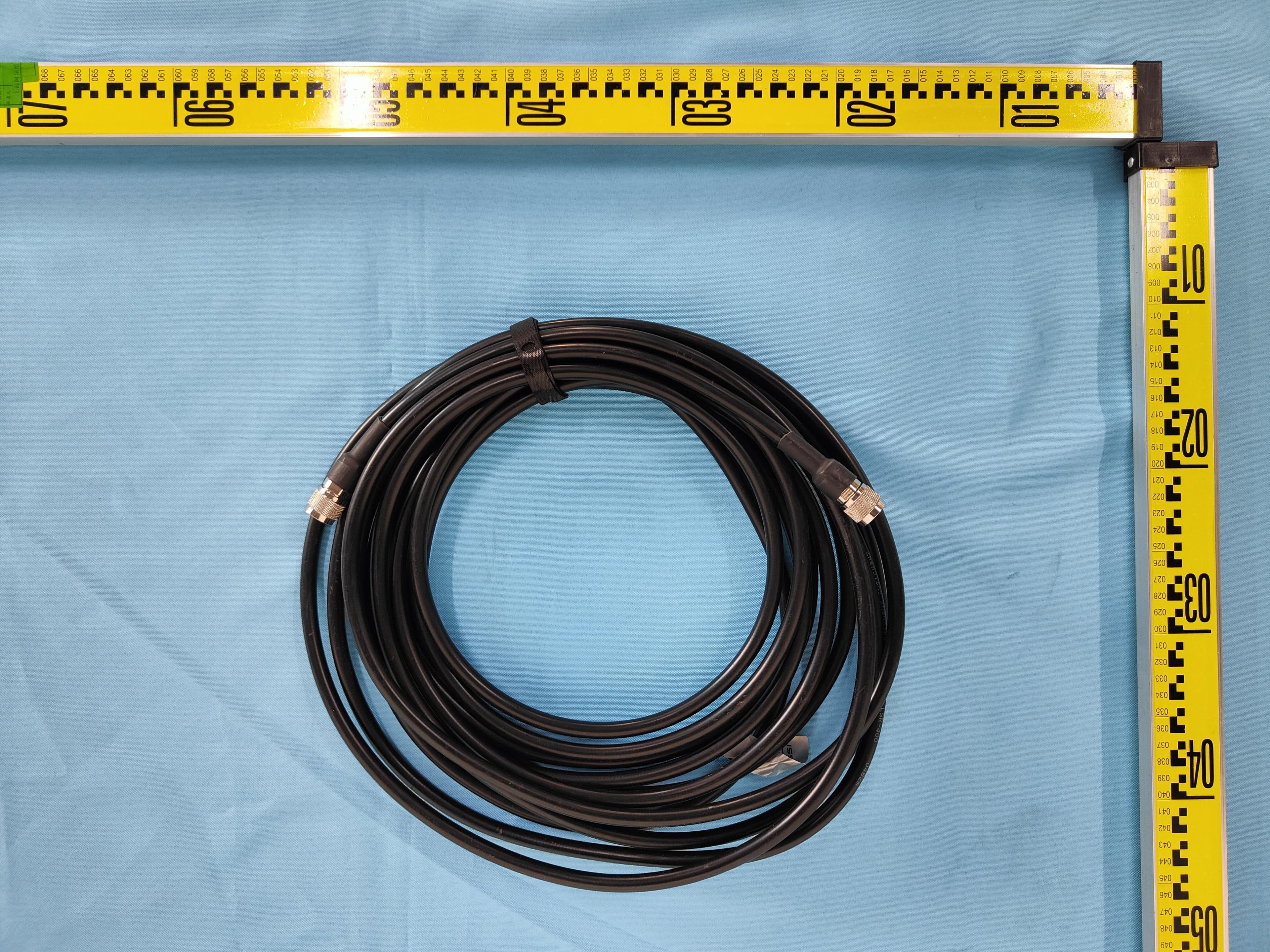
2AA7KSOLARIA29000
May 01, 2023SOLARIA
Equipment Class
DSS - Part 15 Spread Spectrum Transmitter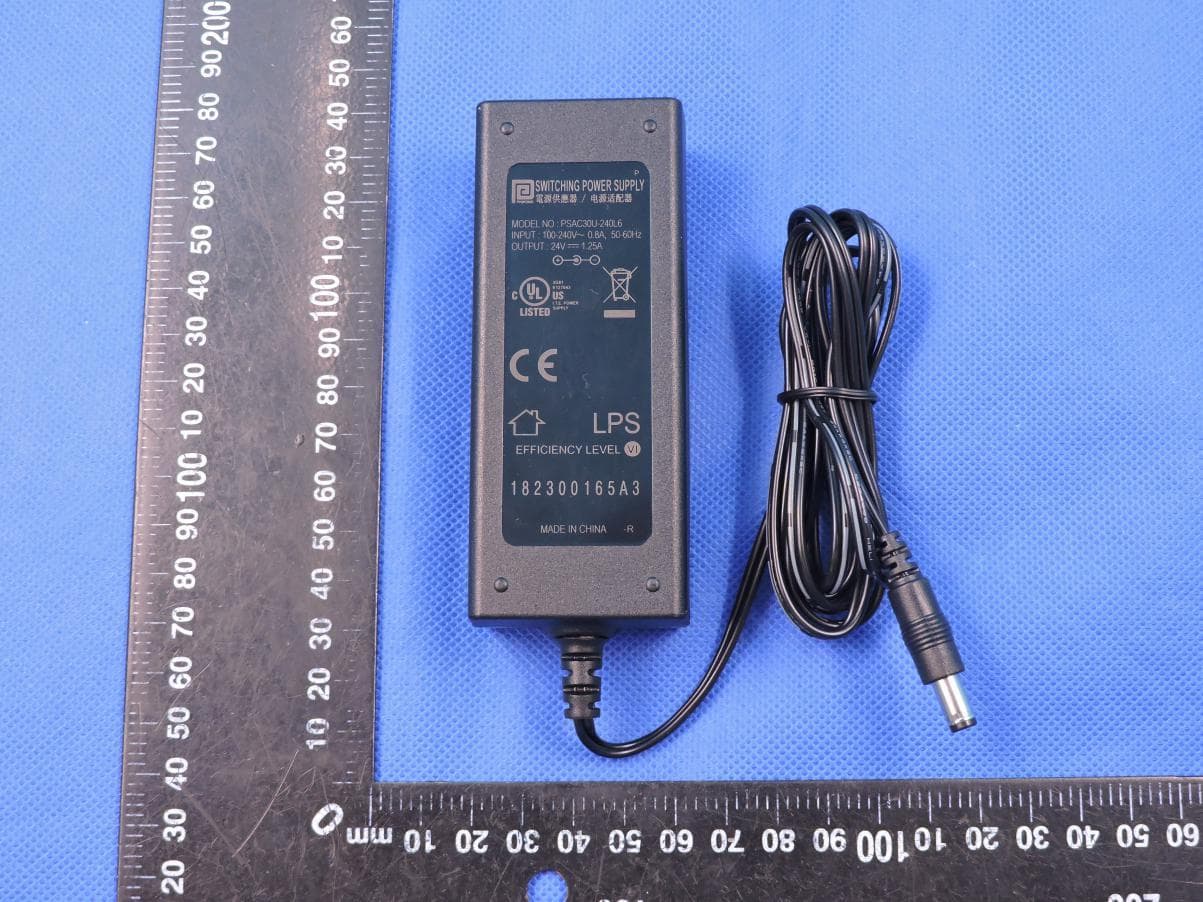
2AA7KTARVOSHRD27000
Jul 20, 2020INTEGRATED READER
Equipment Class
DSS - Part 15 Spread Spectrum Transmitter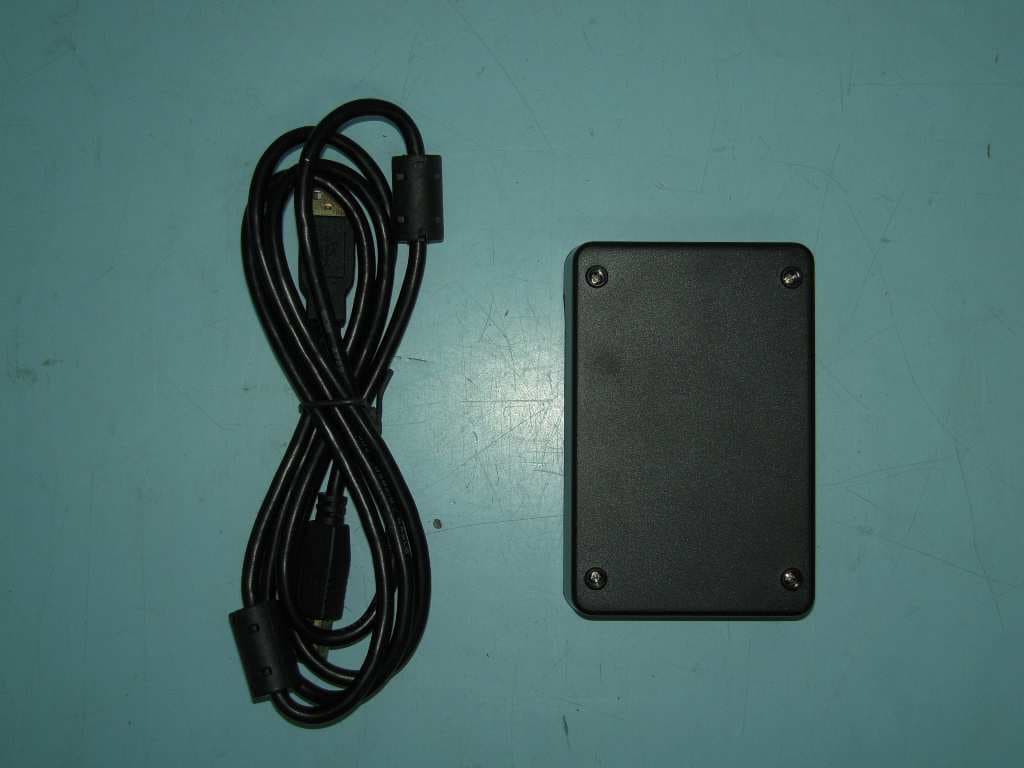
2AA7KRANGER-HRD1800
Oct 27, 2015Desktop USB Reader
Equipment Class
DSS - Part 15 Spread Spectrum Transmitter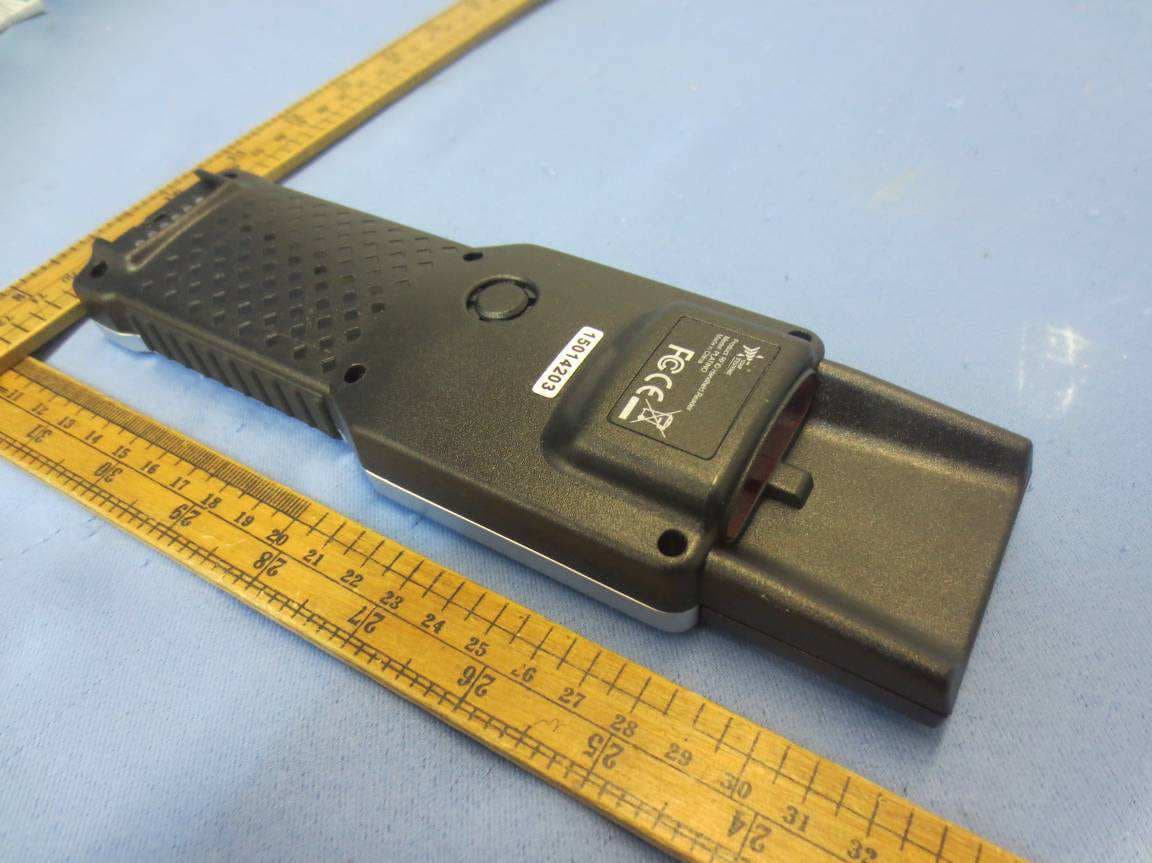
2AA7KPLATINO-BT2014
Aug 22, 2015RFID Handheld Reader
Equipment Class
DSS - Part 15 Spread Spectrum Transmitter